REVIEW · MILAN
Milan: Fresh Pasta and Tiramisù Class in A Historical Home
Book on GetYourGuide →Operated by Cooking Class in Italy · Bookable on GetYourGuide
Cooking in a palace beats another museum stop.
This class puts you in a downtown Milan home full of art and antiques, about 20 minutes on foot from Duomo Square, and you cook in that same setting instead of just looking at it. I love the small, family-style feel, plus the detail that even the drinks have a story, like limoncello made with lemons from the terrace.
What I like most is that you actually learn skills you can repeat at home: fresh tagliatelle and ravioli from scratch, and then the classic tiramisù with proper technique (not shortcuts). The only thing to weigh is the time and focus: it’s a full 3 hours, and it’s not suitable for children under 8, so it works best if you want a hands-on, sit-and-cook evening.
In This Review
- Key reasons this Milan class is worth your evening
- A palace-like home in central Milan (not a studio on the edge of town)
- What you’ll cook: tagliatelle, ravioli, and a proper tiramisù
- Tagliatelle with tomato sauce
- Ravioli with butter and sage
- Classic tiramisù (and yes, it’s real work)
- The “family kitchen” factor: how the lesson actually feels
- Limoncello, wine, and dinner you actually sit down to eat
- Price and value: what $84.96 buys you in Milan
- Timing, meeting point, and how to show up ready
- What to bring
- Who should book this class (and who should skip it)
- Should you book this Milan fresh pasta and tiramisù class?
- FAQ
- What dishes will we learn to make?
- How long is the class?
- What drinks and meal items are included?
- Are recipes included to take home?
- Where does the class meet?
- Is the class wheelchair accessible?
Key reasons this Milan class is worth your evening
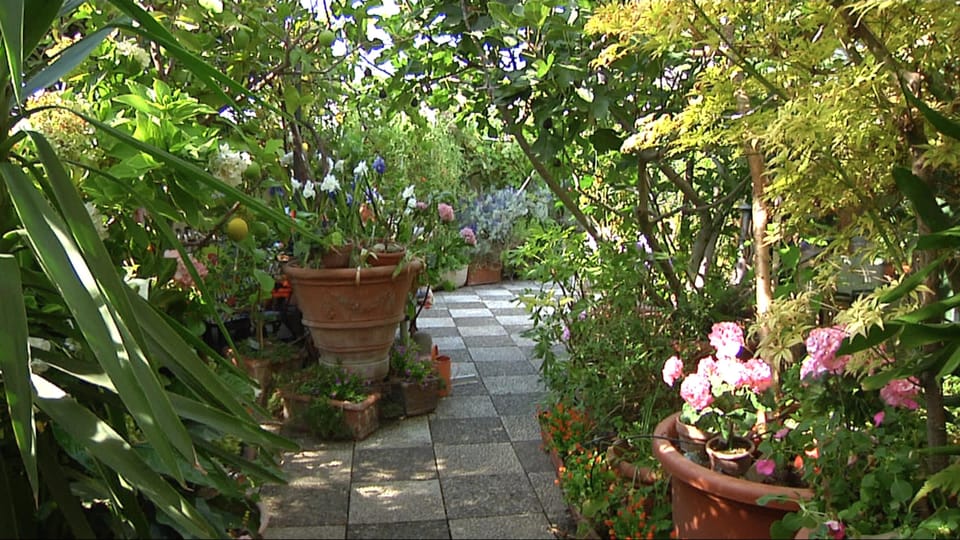
- A historic, art-filled home setting: you cook inside a residence with antique furnishings and 16th-century-style paintings you can actually study up close.
- You make both pasta and tiramisù: tagliatelle plus ravioli, then tiramisù, all hands-on.
- Limoncello is part of the experience: you get it with your meal, and it’s tied to lemons grown on the terrace.
- Wine is included with dinner: plus water and a soft drink option if you prefer.
- Recipes arrive by email: you don’t just leave with memories; you leave with a repeat plan.
- Gluten-free option is built in: you can be offered risotto for gluten-free needs.
A palace-like home in central Milan (not a studio on the edge of town)
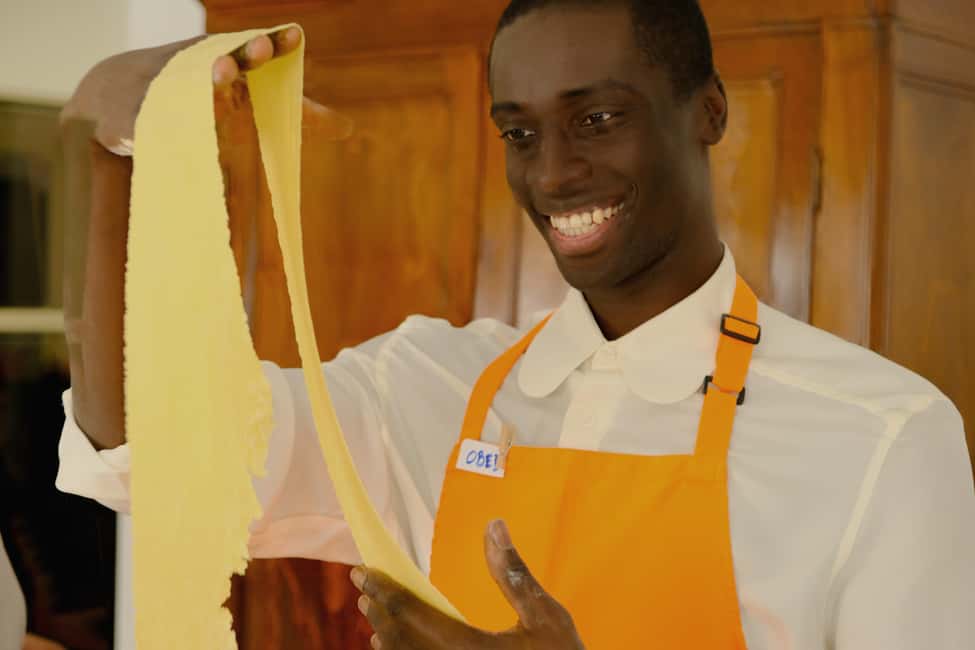
If you’re picturing a cooking class in a bland classroom, this one breaks that idea fast. The lesson happens in a historical Milan home, described as elegant and full of antique pieces from the family’s old palace collection. Instead of walking into a space that smells like rubber spatulas, you step into rooms that feel like a small museum where you’re allowed to move, cook, and get your hands floury.
Location matters too. You’re in downtown Milan, in the designer/fashion area, with an easy walk from Duomo Square. The meeting point is Via Dezza 47 (this is important—don’t try to “navigate” to a different city address). Getting there by subway is straightforward: the blue line stop Coni Zugna–Via Foppa is very close, and Sant’Agostino is also an option if you’re coming in from a different direction.
Once you’re there, the vibe is relaxed but not casual in a sloppy way. The home setting makes you want to slow down and notice details—think paintings on the walls and period-style furnishings—then you switch gears into the rhythm of cooking.
You can also read our reviews of more historical tours in Milan

What you’ll cook: tagliatelle, ravioli, and a proper tiramisù
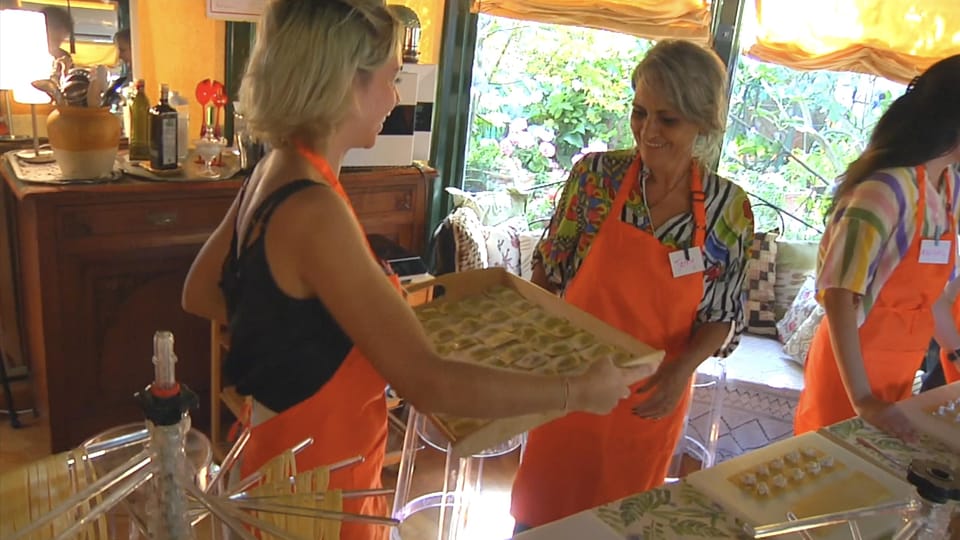
This is a two-part cooking plan: pasta first, then dessert. The order can vary by flow, but you should expect to work through both pasta types and finish with tiramisù you prepare and eat.
Tagliatelle with tomato sauce
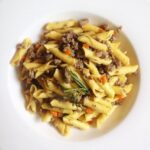
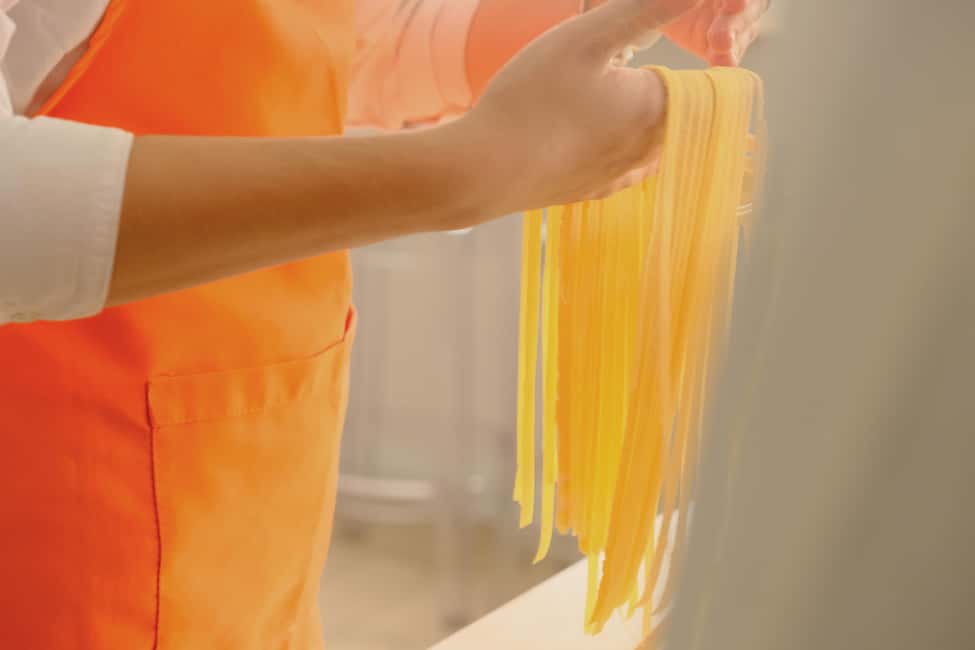
You’ll make tagliatelle with tomato sauce, from scratch. That means you learn how to handle dough, roll it, and cut it into the right shape. The tomato sauce part is there for balance: it gives you a classic Milanese-style pasta experience, not just plain buttered noodles.
Why this matters for you: store-bought pasta is fine, but it doesn’t teach you anything. This class teaches you the texture and thickness cues you need so your pasta actually holds up when it hits sauce.
Ravioli with butter and sage
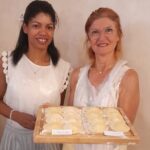
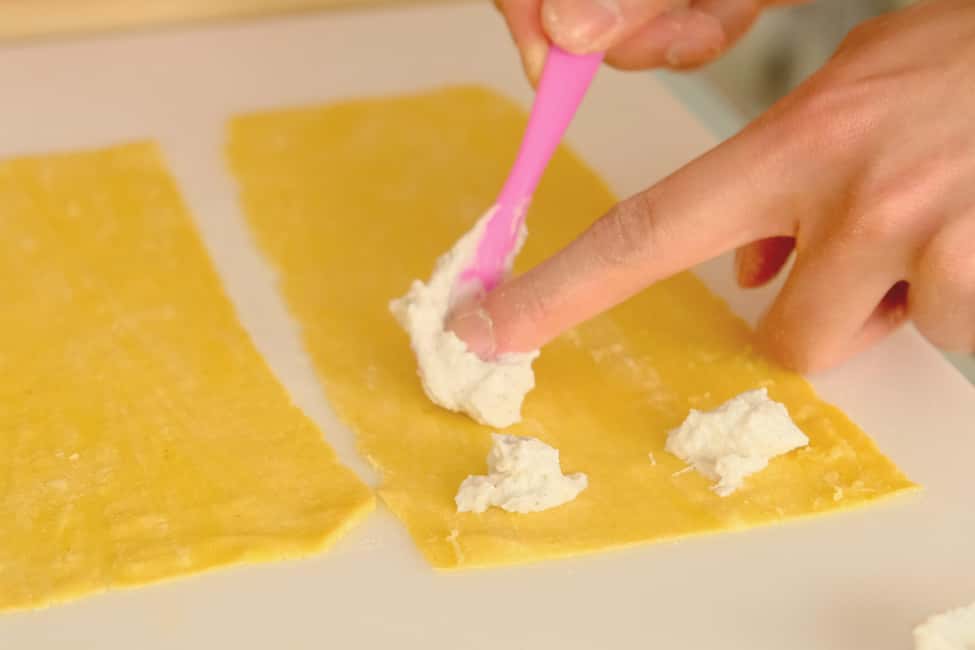
Next comes ravioli with butter and sage. Ravioli sounds fancy, but the point here is that you’re shown how to assemble and cook it without turning it into a 12-step experiment. The butter-and-sage finish keeps things classic and focused on flavor, so you’re tasting the results of your technique right away.
This is also one of the reasons the class feels more like learning than just eating: ravioli is where many people’s expectations clash with reality. You’ll get a clear, doable method and leave with a mental checklist for the next time you attempt it.
Classic tiramisù (and yes, it’s real work)
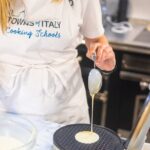
For dessert, you’ll learn the classic Italian tiramisù. Expect an approach that treats it as more than just mixing ingredients. In practice, you’ll likely build it and then get it set properly—one detail you may notice is that it can be placed in a fast freezer step so it finishes with the right texture.
You’ll eat the tiramisù at the end of the session, alongside the pasta feast. If you’ve only ever made tiramisù the shortcut way, you’ll probably realize how much the method controls the final texture.
You can also read our reviews of more cooking classes in Milan

The “family kitchen” factor: how the lesson actually feels
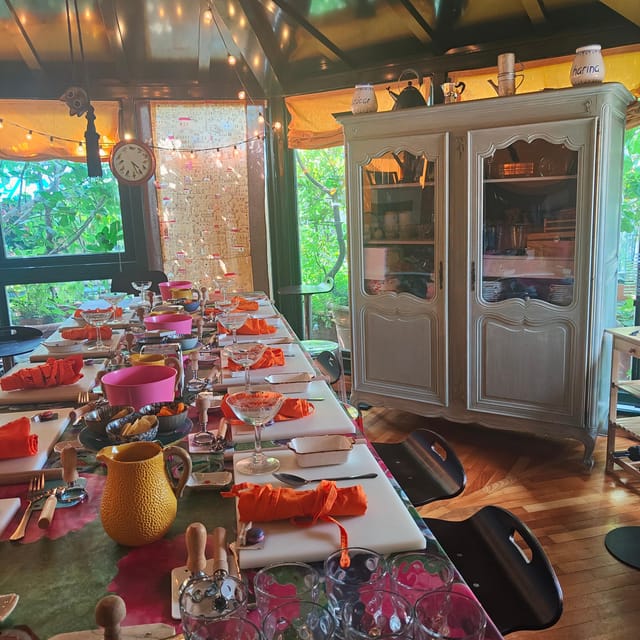
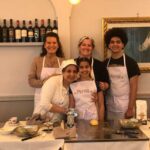
This experience is family-run, and that shows in the energy. When Grandma Bruna is too tired, her daughter and granddaughter or grandson replace her in leading the group. Names you might see include Caterina (Bruna’s granddaughter), Luca, Fred/Federico, Francesca, Giulia, and Paolo and Bruna appearing as hosts across sessions.
The teaching style is built around keeping the group moving. Many classes can run with a sizable group (around 17–18 people has been mentioned), so you don’t get to hide in the corner. You’ll likely be guided with humor to keep you comfortable while you learn hand skills that feel awkward for the first few minutes.
What I like about this setup is the way it balances fun and structure. You’re not treated like a child at arts and crafts time, but you’re also not left to figure it out alone. In several sessions, hosts are described as funny, interactive, and good at getting people talking—so you finish not only with pasta skills, but also with new people to compare notes with later.
And yes, the class is in English. If you speak another language, you may be offered translation or support, and the instructor list includes English plus Italian, French, Spanish, Persian, and Hebrew.
Limoncello, wine, and dinner you actually sit down to eat
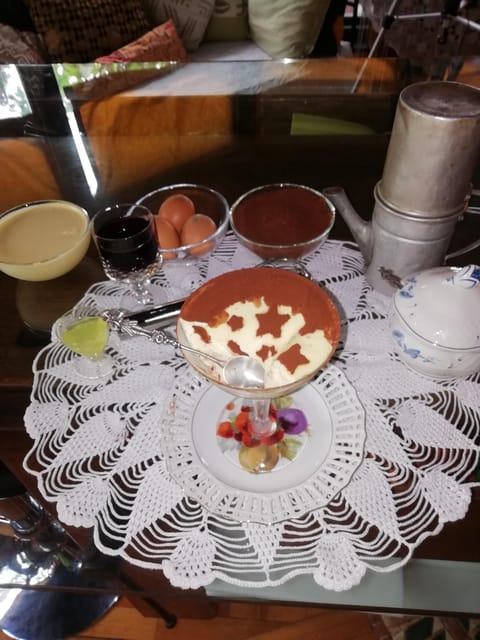
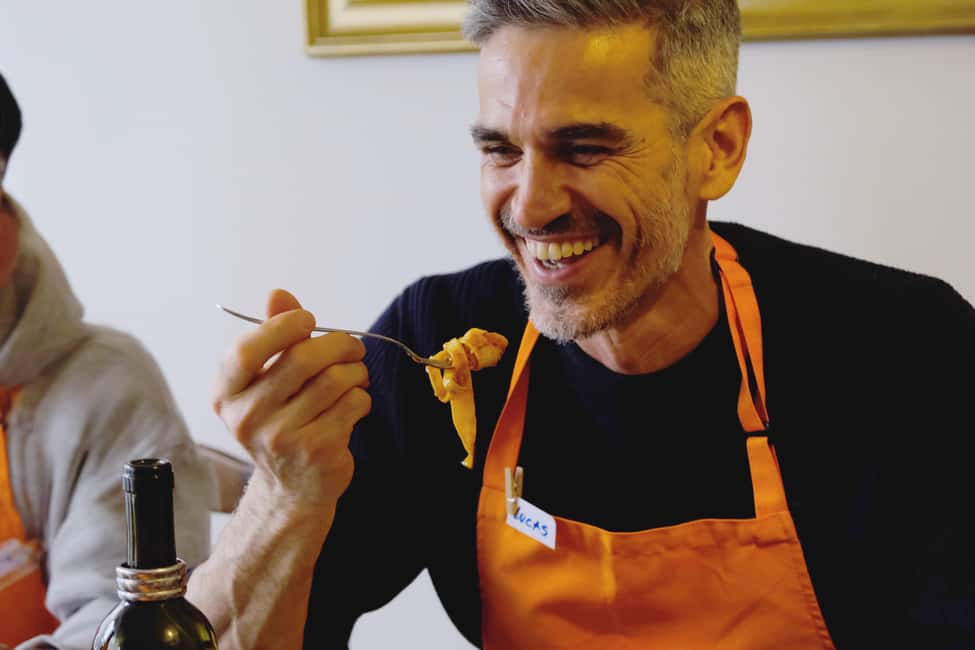
Food in many cooking classes is a “sample plate.” Here, you eat what you make. Your meal includes the pasta you prepared—tagliatelle with tomato sauce and ravioli with butter and sage—plus the traditional tiramisù.
Drinks are part of the experience, not an afterthought. You’ll get limoncello, water, and white wine included as 1/4 of a bottle per person (or a soft drink if you prefer). This matters because it turns the class into dinner-time, not just a cooking demo followed by hunger.
Limoncello is also presented with a specific local touch: the lemons are from the terrace. That small detail helps you taste more intentionally, like you’re learning how Italian flavors fit together, not just checking a box.
Price and value: what $84.96 buys you in Milan
Let’s talk value, since $84.96 for 3 hours sounds either like a fair deal or a splurge, depending on what you compare it to.
Here’s what you’re really paying for:
- A full hands-on session making multiple dishes, not a tasting only.
- Ingredients, tools, aprons included, so you don’t add hidden costs.
- A real sit-down meal with the pasta and tiramisù you make.
- Wine or soft drink plus limoncello, also included.
- A recipe booklet sent by email, which gives you follow-through after you go home.
- A gluten-free option (risotto) built into the plan.
If you compare it to a nice dinner plus a cooking workshop, you’ll see why it can make sense. You’re basically combining a restaurant-style meal with a skill-building class in a memorable setting. And because the home itself is a major part of the experience, you’re not paying only for the food—you’re paying for the whole “cook in a historic Milan home” moment.
One practical note: some people wish for more wine, so if you’re a heavy wine drinker, plan to treat the included amount as part of the experience rather than your full evening consumption.
Timing, meeting point, and how to show up ready
This is a 3-hour class, with starting times that can vary by availability. Because it runs a tight block, I recommend you avoid scheduling it right after a long day of walking without a meal break.
The meeting point is very specific: Via Dezza 47, Milan. It’s easiest to reach by:
- Blue line: stop Coni Zugna–Via Foppa, about 20 meters away, using the escalator exit noted for Coni Zugna–Via Foppa.
- Green line: stop Sant’Agostino, around 500 meters from the home.
You’ll receive information about the class the day before, which helps you arrive with less stress.
What to bring
Bring:
- Comfortable shoes (you’ll be standing and moving).
- Camera if you want to capture the art-filled rooms and your finished plates.
- Comfortable clothes (you’ll be working with dough).
- Biodegradable insect repellent (worth bringing in case you’re using outdoor moments like the terrace limoncello setup).
You also can’t bring:
- Backpacks
- Smoking indoors
- Unaccompanied minors
- Non-folding wheelchairs
So travel light, and plan to carry a small bag only if you need one.
Who should book this class (and who should skip it)
This works especially well if you:
- Want a more local, hands-on Milan experience instead of just another sightseeing loop.
- Care about eating well and learning how to make it yourself.
- Like group energy and don’t mind joining in with others during cooking.
You might want to skip it if:
- You need a class designed for very young kids (it’s not suitable for children under 8).
- You want zero hands-on participation (this is actively practical).
- You’re not comfortable with a focused block of time while you cook, taste, and reset.
Wheelchair accessibility is listed as available, but note the specific restriction on non-folding wheelchairs, so if that applies, double-check before you go.
Should you book this Milan fresh pasta and tiramisù class?
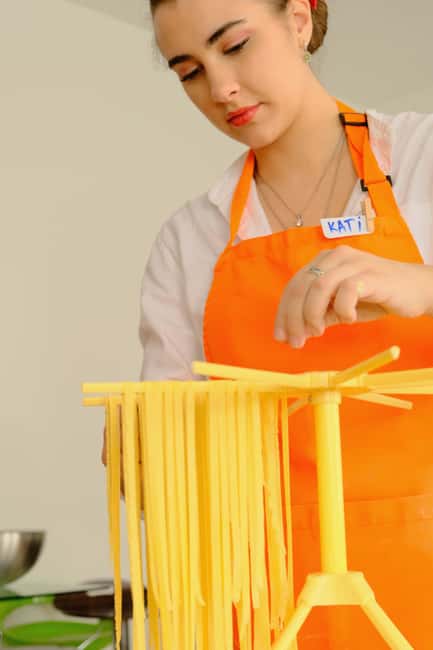
I’d book it if your Milan trip includes one “learn a real skill” night—and you’d like it to happen in a historical, art-filled home instead of a generic studio. For the price, you get more than food: you get technique for tagliatelle, ravioli, and classic tiramisù, plus the ingredients, drinks, and emailed recipes that help you reproduce the experience later.
If you’re the type who loves Italy when it’s practical—flour on your hands, butter and sage in the air, and tiramisù that actually sets right—this is a strong choice. If you’re short on time or allergic to structured activities, you might prefer a lighter food tour. But for a full evening that’s equal parts learning and dinner, this one earns its place.
FAQ
What dishes will we learn to make?
You’ll prepare two types of Italian pasta: tagliatelle with tomato sauce and ravioli with butter and sage, plus classic Italian tiramisù.
How long is the class?
The class duration is 3 hours.
What drinks and meal items are included?
You’ll eat the dishes you prepare, and you’ll get white wine (1/4 bottle per person) or soft drink, limoncello, and water.
Are recipes included to take home?
Yes. You’ll receive a booklet by email with the recipes.
Where does the class meet?
The meeting point is at Via Dezza 47, Milan (NOT other cities). It’s near Coni Zugna–Via Foppa on the blue line and about 500 meters from Sant’Agostino on the green line.
Is the class wheelchair accessible?
The experience is listed as wheelchair accessible, with the note that non-folding wheelchairs are not allowed.