REVIEW · MILAN
Milan: Pasta and Tiramisu Cooking Class with Wine
Book on GetYourGuide →Operated by The Roman Food Tour · Bookable on GetYourGuide
Pasta and tiramisu, taught like an Italian skill. I love the hands-on way you learn fresh pasta dough from scratch and the clear tiramisu technique that makes a classic dessert finally make sense. You start with a welcome glass of Prosecco, then you get shown how a real Milan kitchen runs before you take over your own workstation.
One thing to keep in mind: the traditional recipes they teach focus on the classic ingredients (gluten, dairy, and eggs), and they can’t guarantee zero cross-contamination. It also isn’t suitable for vegans, and it’s not a good fit if you’re dealing with gluten intolerance or lactose intolerance.
In This Review
- Key takeaways before you go
- Milan Cooking Class Energy: Prosecco, Aprons, and a Real Kitchen
- Fresh Pasta Lessons: Flour, Dough, and Fresca vs Secca
- Tiramisu Secrets: The Dessert Finish You’ll Remember
- Wine and the Group Meal: How the Cooking Turns Into Dinner
- Dietary Reality in Italy: What They Can and Cannot Promise
- The Class Format: English Instruction and a Hands-On Pace
- Price and Value: Is $61 for 3 Hours a Good Deal?
- Who This Milan Pasta and Tiramisu Class Suits Best
- Quick practicality notes: timing and meeting point
- Should You Book This Class?
- FAQ
- How long is the Milan pasta and tiramisu cooking class?
- What does the class cost?
- Where is this experience located?
- What language is the instruction in?
- Do I get to eat what I cook?
- Is wine included?
- Can the class accommodate dietary needs?
- Can they guarantee no cross-contamination for allergies?
- Is it suitable for vegans or lactose intolerance?
- Are gluten intolerance and young children a problem?
Key takeaways before you go
- Prosecco on arrival, then wine with your meal, so you’re not cooking on an empty schedule
- Fresh pasta from scratch, including guidance on flour choice and dough basics
- Tiramisu done the classic way, with step-by-step instruction
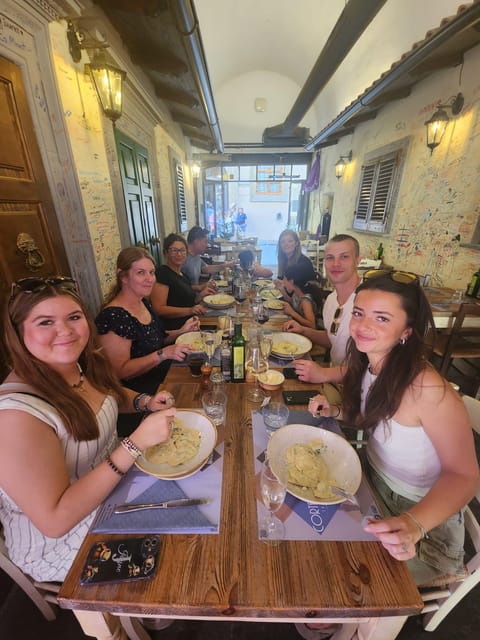
- You eat what you make, as lunch or dinner together at the end
- English instruction, plus a practical, question-friendly teaching pace (though group size can be busy)
- Allergy reality check: substitutions may exist, but the focus stays traditional and cross-contact can’t be guaranteed
Milan Cooking Class Energy: Prosecco, Aprons, and a Real Kitchen
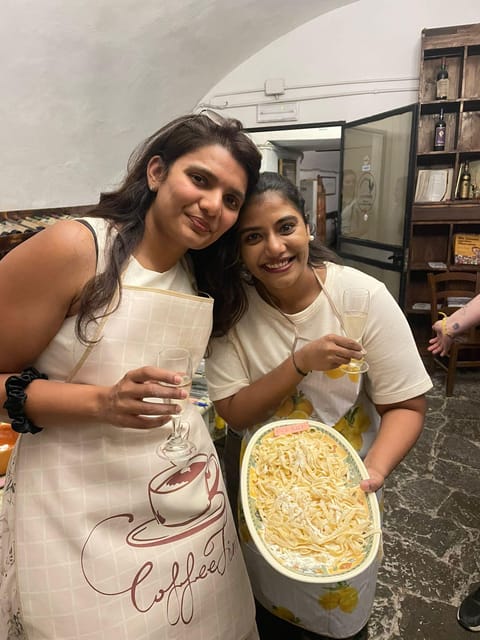
This is the kind of activity that breaks the rhythm of sightseeing without feeling like a tourist trap. You’re in a locally loved Milanese restaurant setting, and you don’t just stand and watch—you get pulled into the work. Expect a welcome glass of Prosecco right when you arrive, plus a quick look behind the scenes at how the place runs day to day.
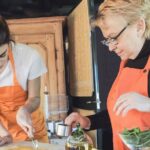
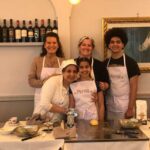
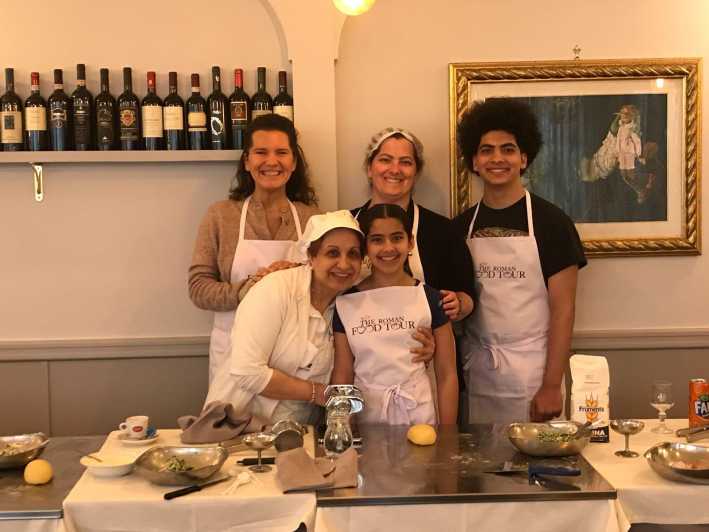
Then comes the moment you actually put your hands on Italian food. You tie on your apron, head to your own workstation, and start learning what to do and why. The best part is that the class is built around fundamentals you can reuse later, not just a one-night recipe performance.
If you’re lucky enough to have Chef Mimo or a host like Damiano, you’ll probably feel that friendly, high-energy teaching style people love in these sessions. Even without a specific name, the vibe is practical: you’ll be guided step by step, with enough structure that you’re not left guessing.
You can also read our reviews of more cooking classes in Milan
Fresh Pasta Lessons: Flour, Dough, and Fresca vs Secca
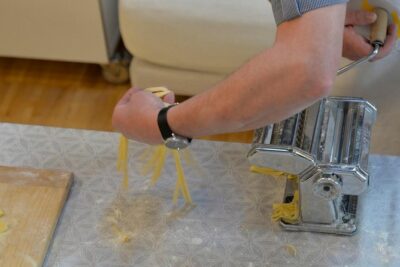
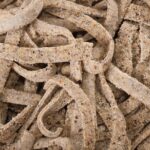
The pasta portion is the heart of the night, and it’s where you get the biggest payoff. You’ll learn to prepare pasta dough with clear guidance, including which type of flour to use. That detail matters more than people think. Different flour affects texture and how the dough behaves when you’re working it, and it’s one of the reasons homemade pasta can go either way.
You’ll also learn an idea that helps you stop mixing up Italian pasta categories. The difference between pasta fresca and pasta secca is part of the teaching, so you understand what you’re making and what changes when it dries and stores. For a lot of visitors, pasta is just pasta on the plate. Here, you get the language for what you’re eating in Milan and why it tastes different.
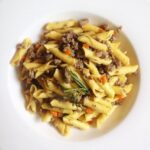
Once your pasta is ready, you don’t just admire it. You move on to how to work with sauces and serving so your pasta becomes a full dish rather than a science project. The class keeps you moving—dough to assembly to cooking—so you end up with something you can actually share at the table.
And yes, you sample what you prepare. That’s a big deal with cooking classes. It turns the experience from instructions plus photos into real eating, right alongside everyone else.
Tiramisu Secrets: The Dessert Finish You’ll Remember
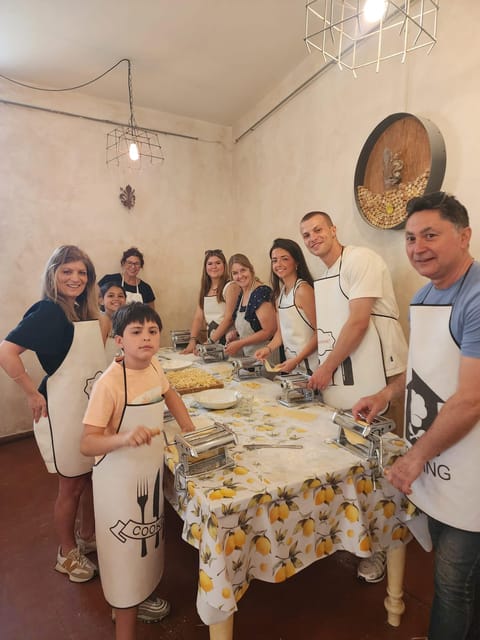
After pasta, you switch gears to the dessert that practically everyone wants to make and almost nobody gets right on the first try. Here, you learn the secrets of Italy’s most loved dessert through step-by-step instruction. That’s the difference between a tiramisu that looks okay and one that tastes properly balanced.
You’ll make tiramisu in the same hands-on way as the pasta. The class is set up so you don’t have to guess at timing or technique. You get guided through what you’re doing and why, and then the payoff is simple: you’ll have a dessert you can confidently talk about in a city where tiramisu is part of everyday culture.
The dessert lesson also gives you a useful takeaway: Italian cooking isn’t just about ingredients. It’s about sequence. When your kitchen timing is correct, the texture and flavor fall into place.
Wine and the Group Meal: How the Cooking Turns Into Dinner
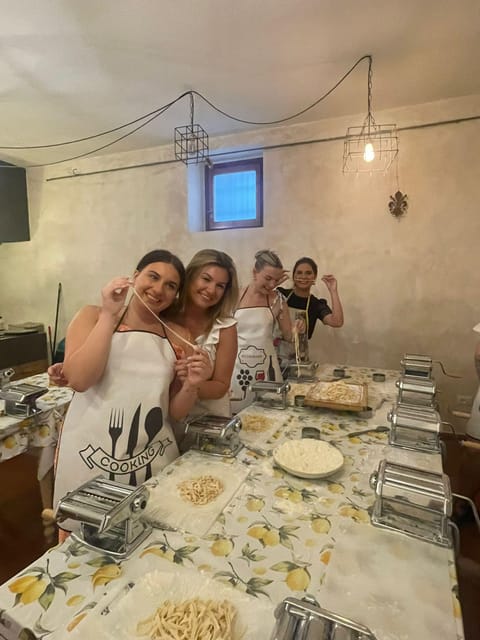
At the end, you sit down together for lunch or dinner and enjoy wine with your meal. There are two points here. First, you get a welcome glass of Prosecco at arrival, so the experience starts with something celebratory. Second, the meal includes fine wine pairing that complements what you made.
This is one of the most practical parts of the whole experience. A lot of cooking classes end with raw ingredients and wishful thinking. This one ends with a shared table, where you can taste your pasta and dessert while it’s still fresh from the kitchen.
Because the class is designed around sampling, you’re not stuck waiting to see if your work worked. You’ll be able to compare your results to what you’re taught in real time. That makes the evening feel like an actual cooking night, not a demo.
One more thing that shows up in the experience style: the sauces for the pasta are a standout. Even if you’re not a sauce person at home, you’ll likely leave with a clearer idea of what makes Milanese pasta saucing taste complete.
Dietary Reality in Italy: What They Can and Cannot Promise
Let’s talk food rules, because Italy is where allergies and restrictions can get tricky fast.
The class offers substitutes for allergies or food preferences, but the instructions always focus on the traditional recipe. That traditional recipe contains gluten, dairy, and eggs. They also can’t guarantee 100% free of cross contamination. So if your situation is severe or you must avoid contact entirely, you’ll want to be very cautious and ask very specific questions.
On the practical side, vegetarian options are available upon request. That’s helpful if you avoid meat but can still handle typical dairy and eggs.
But the experience is not suitable for vegans, and it’s also not suitable for people with gluten intolerance or lactose intolerance. If you’re in one of those categories, this one can’t be your main option. Instead, look for a class explicitly designed for your dietary need.
My advice: when you book, clearly list your restriction. Don’t just say allergy in general. If you have multiple sensitivities, mention all of them so the team can tell you what they can do and what they can’t.
You can also read our reviews of more wine tours in Milan




The Class Format: English Instruction and a Hands-On Pace
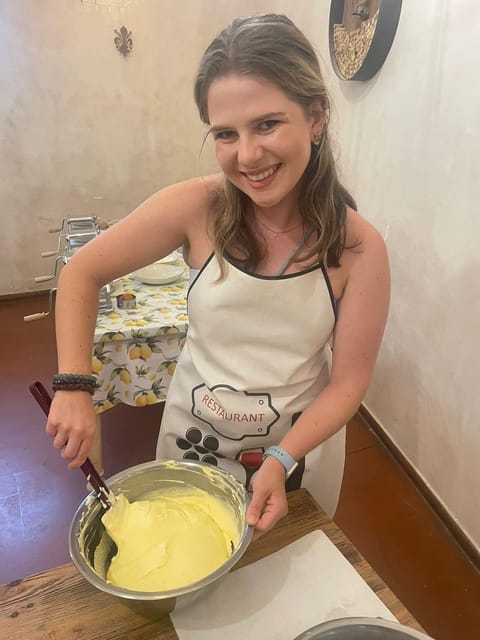
The instruction language is English, which makes this a comfortable class for non-Italian speakers. You’ll get step-by-step guidance at your workstation, with an instructor and chef-style teaching approach rather than pure show-and-tell.
Group size is typically around 15–20 people, which is common for this kind of shared dinner experience. The upside is you get a social vibe and you learn by watching others’ work too. The downside is that if the group is large, it can get a little harder to ask detailed questions one-on-one. You’ll still be supported, just don’t expect a private tutoring session.
The structure helps. You’re doing tasks in sequence: prepping dough, shaping and working through pasta steps, then moving on to tiramisu. That kind of pace is usually easier than classes that throw too much at you at once.
If you want a class that feels like you’re learning to cook, not just collecting stamps, this format fits that goal.
Price and Value: Is $61 for 3 Hours a Good Deal?
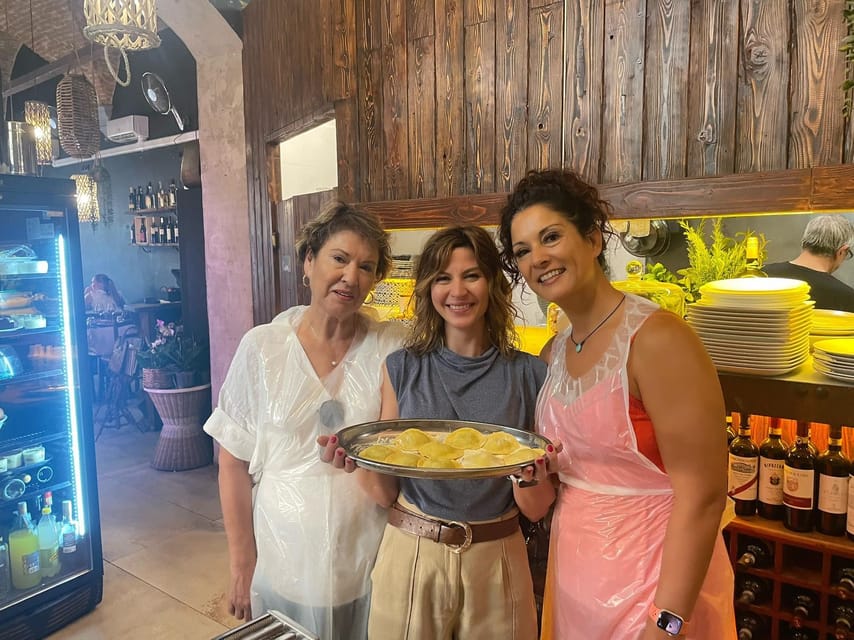
At $61 per person for about 3 hours, the value is surprisingly solid—especially because you’re not just paying for instruction. You’re also paying for what it takes to run a real kitchen setup: ingredients for fresh pasta, the chef guidance, and the included food you sample. On top of that, you get wine during the meal plus a Prosecco welcome drink.
Here’s the smart way to judge the price. If you were to buy the ingredients for fresh pasta dough, plus dessert components, plus a bottle of wine and the time to actually learn technique, you’d likely spend more on your own and still miss the coaching. This class packages the learning and the eating into one evening.
The class also gives you a concrete souvenir: you learn how to make pasta dough and tiramisu techniques you can repeat later. That means you’re paying for skills, not only entertainment.
So yes, in this price range, it reads like good value—especially if you want an evening that feels distinctly Milanese instead of another quick stop on a checklist.
Who This Milan Pasta and Tiramisu Class Suits Best
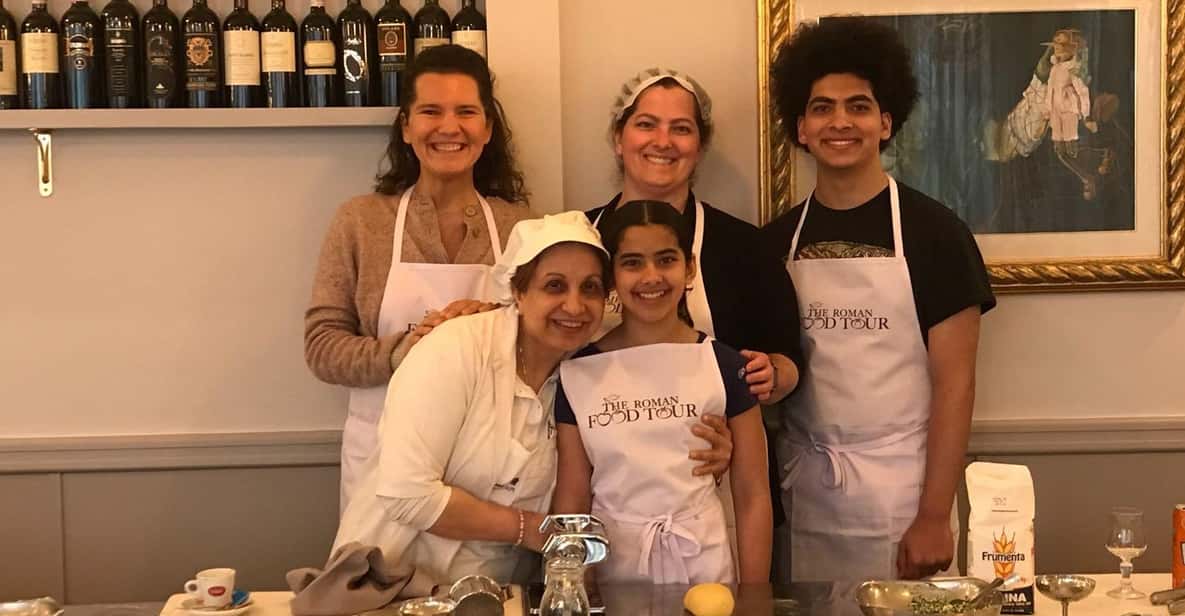
This is a great fit if you want an authentic-feeling Milan meal experience and you enjoy learning by doing. You don’t need to be a confident cook. The guidance is step-by-step, and you’ll have a workstation rather than scrambling in a crowded demo area.
It’s also a good choice for groups of friends because it’s social without being chaotic. You’ll share the meal at the end and you’ll have plenty to talk about while you’re cooking.
For families, you should know the minimum ages: it’s not suitable for children under 3, and it also isn’t suitable for babies under 1. One earlier experience noted it can work for adults and kids alike, which tracks with the hands-on, simple-to-follow pace—just stay within the age limits and keep dietary rules in mind.
If you’re dealing with gluten intolerance, lactose intolerance, or you follow a strict vegan diet, this one likely won’t work due to the class focusing on traditional ingredients.
Quick practicality notes: timing and meeting point
The duration is 3 hours, with starting times depending on availability. The meeting point may vary depending on the option booked, so double-check the exact location when you confirm.
If you’re the type who hates last-minute uncertainty, plan to arrive a few minutes early. That way you can settle in, get your Prosecco, and start cooking without a rush.
Should You Book This Class?
Book it if you want a memorable Milan evening with hands-on cooking, not just a meal. The combination of fresh pasta technique, tiramisu training, and an actual shared meal with wine is a strong mix of learning and eating.
Skip it if you need vegan food, gluten-free cooking, or lactose-free cooking guaranteed. The class is built around traditional recipes with gluten, dairy, and eggs, and cross-contamination can’t be promised.
If you’re somewhere in the middle—curious about Italian cooking, okay with standard ingredients, and want a fun social dinner—this is exactly the kind of experience that makes a trip feel personal. You’ll leave with a full stomach and at least two recipes you’ll actually want to try again.
FAQ
How long is the Milan pasta and tiramisu cooking class?
It lasts 3 hours.
What does the class cost?
The price is $61 per person.
Where is this experience located?
It takes place in Lombardy, Italy, in Milan.
What language is the instruction in?
The instructor speaks English.
Do I get to eat what I cook?
Yes. You’ll sample the dishes you prepare, and you sit down together for lunch or dinner at the end.
Is wine included?
Yes. You receive a welcome glass of Prosecco on arrival, and fine wine is included with your meal.
Can the class accommodate dietary needs?
Vegetarian options are available upon request. The class also offers substitutes for allergies or food preferences, but the instructions focus on the traditional recipe with gluten, dairy, and eggs.
Can they guarantee no cross-contamination for allergies?
No. They cannot guarantee 100% free of cross contamination, even if substitutes are offered.
Is it suitable for vegans or lactose intolerance?
No. It is listed as not suitable for vegans and for people with lactose intolerance.
Are gluten intolerance and young children a problem?
It is listed as not suitable for people with gluten intolerance. Children under 3 years are not suitable, and babies under 1 year are also not suitable.