REVIEW · MILAN
La Scala Museum and Theatre 1 Hour Tour in Milan
Book on Viator →Operated by REMAZ TOURS GmbH · Bookable on Viator
One hour inside La Scala changes your whole view. This express tour strings together the museum and the theater so you can get the feel of Milan’s opera world without burning your whole day.
I especially like the way the museum rooms turn famous names into something you can see: antique instruments, costumes, and portrait galleries tied to musicians like Verdi and Toscanini.
You’ll also love the payoff moment—standing in (or near) an upstairs box to take in the sumptuous theater interior, including the crystal chandelier and the stage perspective. The main drawback is simple: it’s fast. If you want a slow, photo-heavy museum day, this format can feel like time pressure.
In This Review
- Key highlights at a glance
- Why a 1-hour La Scala Museum and Theatre tour works
- Meeting at V. Filodrammatici 2 and what to expect on arrival
- Teatro alla Scala Museum: costumes, instruments, portraits, and the names you’ll remember
- What can feel challenging in the museum portion
- The theater interior: the crystal chandelier and the boxes perspective
- A small caution: this is a look, not a hangout
- How the guide makes the 1-hour experience feel longer
- Price and value: does $79.01 buy you enough?
- Who should book this tour (and who might want longer)
- Should you book La Scala’s 1-hour museum and theatre tour?
- FAQ
- How long is the La Scala museum and theatre tour?
- What does the tour include?
- Where is the meeting point?
- What time does the tour start?
- Is the ticket mobile?
- What is the cancellation option?
Key highlights at a glance
- One-hour format that covers both museum rooms and the theater, so it fits tight itineraries
- Antique instruments and costumes that make the opera story physical, not just spoken
- Portraits and busts connected to major musical figures like Verdi and Toscanini
- View from the boxes for an inside-look at the theater’s dramatic room and crystal lighting
- Entertaining, alert guiding that keeps momentum moving (and helps if someone needs quick attention)
Why a 1-hour La Scala Museum and Theatre tour works
La Scala is one of those places where the setting matters as much as the music. Even if opera is not your whole personality, walking into the building and seeing how it’s arranged helps you understand what people have been chasing here for generations: drama, craft, and status.
What I like about this 1-hour approach is that it’s designed for real sightseeing days. You’re not trying to squeeze in a half-day commitment. You’re taking a guided “greatest hits” version: museum first, then the theater room. That rhythm matters because the museum objects give context before you look up at the chandeliers and stage.
The value part is that the time is “guided time.” A museum self-walk is nice, but it’s easy to drift or miss the connections between instruments, costumes, and who performed. With a guide steering you through the rooms, you get the why behind what you’re seeing—plus the little stories that make La Scala feel less like a display case and more like a working world.
You can also read our reviews of more museum experiences in Milan

Meeting at V. Filodrammatici 2 and what to expect on arrival
The tour starts at Teatro alla Scala, V. Filodrammatici 2, 20121 Milano MI. It ends back at the same meeting point, so you can plan your next stop without stress.
It also helps that this is a fixed, late-afternoon start: 3:00 pm. That timing can be a smart move for Milan. You’re not doing it at the first crack of the morning, and you’re not trying to cram it after a long evening of wandering. It fits well if you’ve already seen the core sights and want one “anchor” cultural experience.
You’ll use a mobile ticket, which is convenient when you’re bouncing between neighborhoods. Bring your phone charged. If your battery tends to die during camera-heavy days, carry a small power bank—this is one of those attractions where you don’t want last-minute tech anxiety.
Group size is capped at 15 travelers, which is big enough to feel like an actual group experience but small enough that you can still hear the guide without constantly craning your neck.
Teatro alla Scala Museum: costumes, instruments, portraits, and the names you’ll remember
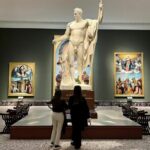
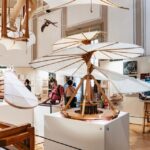
The museum component is the heart of the tour’s education. You enter the Teatro alla Scala complex and move through museum rooms where the collection focuses on things you can almost hear: instruments, stage-related objects, and costumes. Instead of just looking at items behind glass, you get a guided explanation of how these objects connect to performances and to the people who shaped the opera scene.
Two museum strengths stand out:
First, you get hands-on-feeling detail even from a distance—antique instruments and theater memorabilia that translate the sound-world of opera into visual form. You can see that the work was not just about singing; it was craft, design, and specialized equipment.
Second, the guide ties the collection to the biggest names associated with La Scala’s legacy. In particular, you’ll hear about musicians like Verdi and Toscanini, and those names matter because they help you connect what you’re seeing to what you’ll recognize from opera history.
One more smart feature: the guide doesn’t treat the museum as a checklist. You’ll get curiosities and anecdotes—small bits of lore that help the objects click into place. That’s often the difference between a museum that passes through your eyes and one you actually remember.
If you’re hoping for a little extra magic, keep expectations flexible. The tour notes that with a bit of luck you might spot artists rehearsing. Even if you don’t, you’ll still leave with the sense that the building lives beyond the museum walls.
What can feel challenging in the museum portion
Because this is only about an hour total, the museum component is necessarily selective. You won’t have time to linger deeply over every display. Plan to enjoy the highlights and take a few photos quickly, not to “complete” the museum. If you’re the type who wants long reads and slow viewing, you’ll likely want a longer visit on another day.
The theater interior: the crystal chandelier and the boxes perspective
Then comes the payoff: the theater itself. This is where La Scala stops being a famous building and becomes a spatial experience.
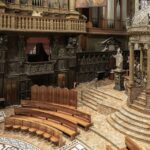
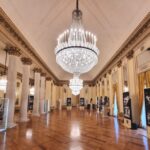
The tour lingers so you can take in the sumptuous interiors from the theater boxes. Those boxes are not just seating; they’re part of the theater’s identity—where you feel the drama from above, where you see how the room shapes attention toward the stage.
As you look around, the centerpiece details are hard to miss: the crystal chandelier, the ornate interior design, and the stage perspective that makes it obvious why opera works as theater, not just as music. From the box vantage, you can appreciate the geometry of the room—where sightlines lead, where the audience energy goes, and how performers would feel the room responding.
This viewpoint also changes how you interpret the museum. After you’ve seen costumes and instruments upstairs in the museum rooms, stepping into the theater gives those objects a purpose. You start thinking about how music and staging “fit” together in this space—how costumes read under theatrical lighting, how the stage layout affects performance.
You can also read our reviews of more tours and experiences in Milan


A small caution: this is a look, not a hangout
Again, time matters. You get a meaningful window into the theater, but it’s not designed to be a relaxed theater afternoon. Come ready to focus. I’d treat this part like a guided lighting tour: look around, absorb the layout, and don’t plan on roaming off on your own to find every corner.
How the guide makes the 1-hour experience feel longer
A short tour lives or dies on the guide. Here, the guide is described as professional and entertaining, and that energy matters because it keeps you moving at the right pace. The tour includes insights into the opera house’s history and lore—so you’re not just walking from room to room, you’re hearing a story that links the artifacts to what matters.
What I love about this style is how it prevents museum fatigue. In a big attraction, fatigue hits when you’re doing all the interpretation yourself. A good guide does that work for you in real time: what to notice, what to connect, and what’s just decorative versus meaningful.
There’s also a practical human element that stands out from the experience notes: the guide can react quickly if someone in the group needs help. One account mentions the guide noticing a participant was going to faint and taking action fast. That’s not the kind of thing you plan for, but it adds confidence if you’re traveling with someone who gets nervous in crowds or has health sensitivities.
Price and value: does $79.01 buy you enough?
At $79.01 per person, you should judge this tour by how much you’re actually getting for the price—because the number alone can look steep if you compare it to a self-guided museum wander.
Here’s what you’re buying:
- Admission included, so you’re not paying separate entry fees on top of the guide
- A 1-hour guided route that covers both the museum and the theater
- A small group size (max 15), which helps the guide experience feel attentive
- A special theater experience: the box view, which is the kind of detail that’s hard to replicate casually
For value, you want to ask: will you spend time on interpretation? If you’re the type who loves understanding what you see—costumes, instruments, and the story behind La Scala’s place—this tour earns its keep. If you’d rather do everything slowly and independently, you may prefer a longer self-paced visit.
Also consider your schedule. In a city like Milan, squeezing in a major attraction often means giving up other activities. A compact guided tour can be the best kind of money you spend because it saves time that you would otherwise spend figuring things out—or lining up—while you’re supposed to be sightseeing.
Who should book this tour (and who might want longer)
This is a great match if you fit one of these profiles:
- You’re curious about opera but don’t want a full-day commitment
- You want a guided orientation to La Scala that explains what you’re seeing as you go
- You’re traveling with limited time and want a high-impact cultural stop
- You love looking at stage history through objects—instruments, costumes, portraits, and memorabilia
It’s less ideal if you’re an ultra-dedicated opera-history deep reader. In that case, you’ll likely want more time to linger in the museum and take your own route through the displays. This tour is built to be efficient, not exhaustive.
Should you book La Scala’s 1-hour museum and theatre tour?
If you want a smart, time-efficient introduction to La Scala that gives you both context (museum) and spectacle (the theater boxes), I think you’ll be happy with this. The combination is the key: you don’t just walk into a pretty room—you learn why the artifacts matter, then you experience the space where opera drama happens.
I’d especially recommend it if you’re building a tight Milan day and you want to feel confident that you hit the essentials. The small group size and guided storytelling make the hour feel purposeful.
If you have the luxury of a slower pace and you already know you want to study every display, consider saving your appetite for a longer visit. But for most people trying to see Milan without turning into a museum marathoner, this is a strong pick.
FAQ
How long is the La Scala museum and theatre tour?
It’s about 1 hour.
What does the tour include?
You get a guided visit to the museum areas and time in the theater, including views from the boxes. Admission is included.
Where is the meeting point?
The tour meets at Teatro alla Scala, V. Filodrammatici 2, 20121 Milano MI, Italy, and returns there at the end.
What time does the tour start?
The start time listed is 3:00 pm.
Is the ticket mobile?
Yes, the tour uses a mobile ticket.
What is the cancellation option?
Cancellation is free up to 24 hours before the experience starts, with a full refund if you cancel in time.