REVIEW · MILAN
The Secrets to Learn Fresh Pasta and Tiramisù in a Glam Home
Book on Viator →Bookable on Viator
Fresh pasta lessons feel like time travel. In Milan, you learn tagliatelle and ravioli plus classic tiramisù in a polished palace home just steps from the metro, with family-style recipes and a small group vibe.
I particularly love the hands-on instruction—the teaching style is practical, step-by-step, and it makes even tricky dough moves feel doable. You’ll also taste and learn with a “nonnas know best” approach that keeps the recipes grounded, not showy.
One possible drawback: this is a truly hands-on, shared-prep experience, so if you’re very picky about how touchy-feely food prep feels, you’ll want to factor that in before booking.
In This Review
- Key Things I’d Zoom In On
- A Milan Palace Kitchen, Not a Tourist Classroom
- How to Find VIA Giuseppe Dezza 47 Without Stress
- The Real Point of the Class: Three Dishes You Can Recreate
- Fresh Tagliatelle With Tomato Sauce
- Ravioli With a Michelin Chef Filling
- Traditional Tiramù (Not the Diet Version)
- The Limoncello Moment: Garden-Fresh Flavor
- Wine, Dinner, and How the End of Class Feels
- Your Teacher: Grandma Bruna and the Rotating Milan Team
- Value: Why This Costs $90.70 (and When It’s a Great Deal)
- Who This Class Is For (and Who Should Reconsider)
- Tips to Get More Out of Your 3 Hours
- Should You Book This Milan Pasta and Tiramù Class?
- FAQ
- Where is the meeting point?
- How long is the cooking class?
- What dishes will I learn to make?
- Is the class hands-on or just watching?
- Is the workshop taught in English?
- What about wine and limoncello?
- How close is it to public transportation?
- What group size should I expect?
- Can I bring a service animal?
- How does cancellation work?
Key Things I’d Zoom In On
- A palace-home setting in central Milan (art, antiques, and a real family atmosphere)
- Michelin-trained know-how, including a ravioli filling tied to a Michelin chef
- Fresh lemon limoncello made from lemons grown in the garden
- Three core dishes from scratch: tagliatelle, ravioli, and tiramisù
- Small group size (max 21) for better attention and an easy pace
- English instruction, with other languages sometimes available by request
A Milan Palace Kitchen, Not a Tourist Classroom
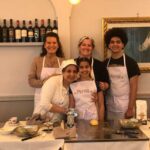
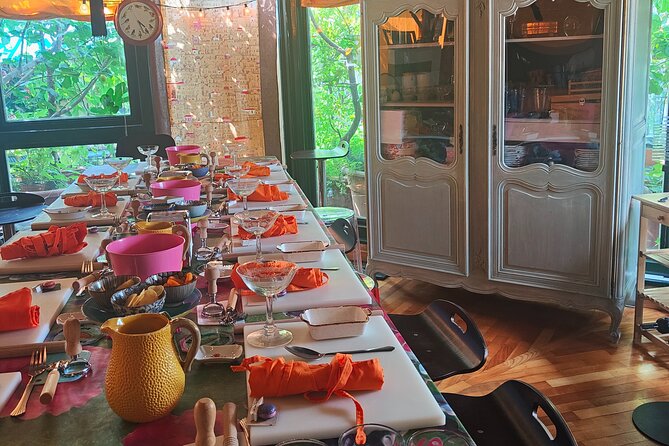
This class doesn’t feel like a cookie-cutter food tour stop. The setting is an elegant palace home in a prestigious central Milan area, with antique furniture and art around you as you cook. It’s the kind of place where you can almost feel the routine behind the recipes—how cooking gets passed down, not taught like a performance.
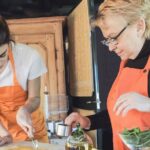
The day-to-day cooking details matter here. You’re not just watching. You’re making fresh pasta dough, forming shapes, and building a proper tiramisù rather than assembling a version that tastes like a shortcut. That hands-on focus is the big reason this works as an experience, not just an activity.
And you’ll get a mix of influences that still feel Italian. The workshop is led by a Michelin trained chef, and the teaching is tied to family traditions. Instructors rotate (I’ll explain that soon), and the approach is consistently the same: clear technique, lots of coaching, and a warm family feel.
You can also read our reviews of more cooking classes in Milan
How to Find VIA Giuseppe Dezza 47 Without Stress
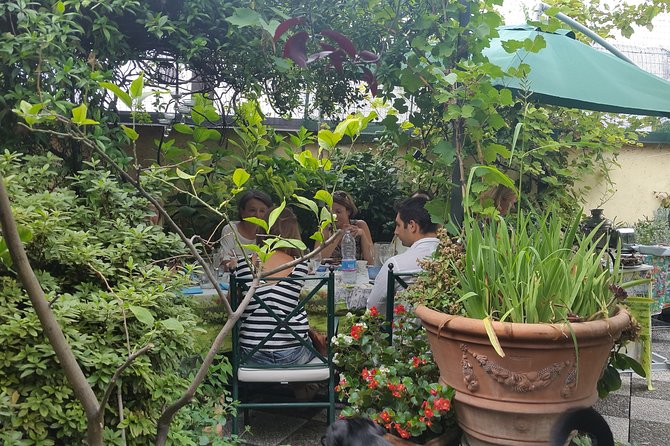
Meeting point is V. Giuseppe Dezza 47, 20144 Milano, and the experience ends back there. The place is easy to reach by public transit, with the Blue Line about 20 meters from Coni Zugna – Via Foppa. That’s a huge deal in Milan, where walking times can surprise you.
You’ll also want to plan to arrive a touch early. The class happens in a private residential setting, so the welcome process is more personal than a big storefront. One useful tip: if your navigation app dumps you on the wrong side of the street, don’t panic—this kind of address-based arrival works best when you give yourself a few extra minutes to regroup.
Also note: you’ll be operating with a mobile ticket, not a paper pass.
The Real Point of the Class: Three Dishes You Can Recreate
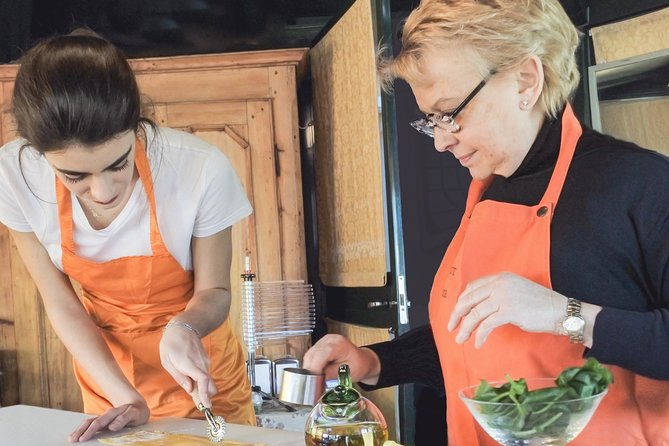
This is a 3-hour workshop built around a simple idea: make the classics from scratch. Your menu structure is straightforward, and that’s part of the value. You leave with technique you can actually use again at home.
Fresh Tagliatelle With Tomato Sauce
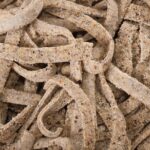
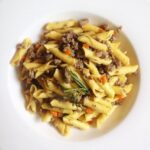
You start with fresh pasta—specifically tagliatelle—and a traditional tomato sauce. The class teaches you the process for making noodles and pairing them with a classic sauce route, including grated Parmigiano Reggiano.
Why this matters: tagliatelle is one of the most satisfying pastas to learn because it shows results fast. When the dough is right, it feels elastic and forgiving. When it’s off, you’ll notice quickly. That feedback loop is what helps you improve.
If you tend to cook by habit at home, learning tagliatelle here can change your whole approach. You begin thinking about dough texture, thickness, and how sauce clings. That’s the stuff that separates good pasta from restaurant-level pasta.
Ravioli With a Michelin Chef Filling
Next up is ravioli. You’ll make ravioli and work with a special filling associated with a 1-star Michelin chef, then top it with more Parmigiano Reggiano.
Ravioli is where a cooking class usually either sinks or shines. Here, the lesson focuses on technique you can repeat: shaping, sealing, and building a filling that tastes intentional rather than generic. Even if you’ve made pasta before, ravioli demands a different kind of care—edges, consistency, and portioning all matter.
And because you’re learning with real guidance, you’re not stuck with the usual home-kitchen problems:
- edges that don’t seal
- filling that leaks
- pasta that tears mid-shape





Traditional Tiramù (Not the Diet Version)
Finally, you make traditional tiramisù. This is the recipe that has made the family famous beyond Italy. In class, the goal is texture and balance: creamy layers, the right feel, and the flavor profile that makes tiramisù a classic rather than a dessert that tastes like coffee-flavored cream.
Tiramisu technique is more than following steps. It’s about timing and how you handle layers so the dessert sets correctly without going watery. A good teacher makes this feel manageable, not mysterious.
If you care about what people actually remember from Italy, tiramisù is usually at the top of the list. Learning it here gives you a real “I can do this at home” win.
The Limoncello Moment: Garden-Fresh Flavor
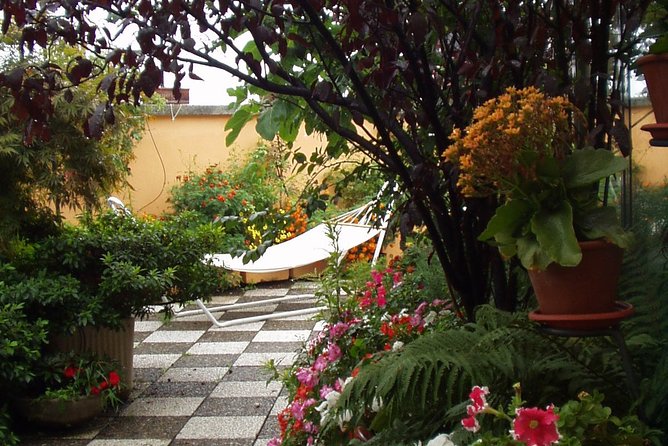
A standout extra is tasting homemade limoncello prepared from fresh lemons in the garden. This isn’t the kind of throwaway sip you get in some food tours. It’s tied to the family’s rhythm, and it gives the class a sense of place.
Think of it as the flavor bridge between what you’re learning and what you’re eating. You make pasta and dessert, then you finish with a punchy lemon note that makes the whole meal feel complete—especially after working with rich cheese and creamy mascarpone-style sweetness.
Wine, Dinner, and How the End of Class Feels
The class has either lunch or dinner options, depending on the timing you choose. Either way, the experience doesn’t end with a take-home bag. It ends with a communal meal so you can eat what you made together.
In practice, the structure looks like this:
- you cook in a guided group
- you assemble your dishes
- then you share the meal as a group
You may be served wine during the tasting portion, which is commonly toward the end of the lesson. Some people like that pacing. Others just wish it showed up earlier with the first bites. If you care about that detail, it’s worth remembering that the class is built around the cooking sequence.
And limoncello can appear again at the end as part of that shared finish. It’s a “you did the work, now celebrate” moment.
Your Teacher: Grandma Bruna and the Rotating Milan Team
Teaching is held in English, and the experience also mentions other languages may be available upon request. Some teachers may speak French, German, Spanish, Ukrainian, Russian, Hebrew, or Persian.
One unique detail: the class is family-driven. Grandma Bruna is part of the story, and when she’s too tired, she can be replaced by her daughter or grandchildren. You can request Grandma Bruna specifically, but the data says they can’t always assure you’ll get her if you ask close to the start.
Also, about scheduling: about 12 hours in advance, you should receive an email with the teacher’s name. People have learned from instructors including Marco, Laura, Katerina, Paolo, Fred, Luca, Federico, Francesco, and Lucas. That variety matters because it changes the teaching energy—even when the technique stays consistent.
The upshot: you’re not stuck with a scripted lecture. You’re getting a real person in the role of teacher, and the best ones use humor and step-by-step coaching to keep everyone moving.
Value: Why This Costs $90.70 (and When It’s a Great Deal)
At $90.70 per person, this isn’t a bargain class in the Milan market. But it also isn’t priced like a quick “watch and taste” event. It’s priced like a real workshop: you’re learning pasta from scratch, making ravioli, and finishing with tiramisù—plus tasting limoncello, and enjoying a communal meal with wine.
Here’s what I think is doing the heavy lifting for value:
- You leave with three complete dishes you made, not a snack plate.
- Technique is the product. Fresh pasta and tiramisù are the kinds of skills that don’t come from reading a recipe once.
- The setting adds context. Cooking inside a palace home turns the lesson into a mini story you’ll remember.
If you’re in Milan for a short time, a 3-hour class is a smart use of evening or daytime. You get a hands-on Italy memory without needing a full day tour.
Who This Class Is For (and Who Should Reconsider)
This is a great fit if you:
- want a practical cooking lesson, not just tasting
- like learning technique you can repeat at home
- want a lively group meal in a beautiful setting
You’ll likely enjoy it even if you’re not a confident cook. The class is designed so instructors can guide beginners. Some past learners also brought teenagers and got them cooking, which tells me the pace doesn’t talk down to people.
The main reason to reconsider is the hands-on, communal feel. Since food prep is shared and physical, it can feel different from a strictly sanitized, individual-station setup. If that concerns you, you may not love the experience even if the food is great.
Tips to Get More Out of Your 3 Hours
- Go hungry. The meal at the end can surprise you in size once everything is combined and served.
- Dress for work. Even if it’s elegant around you, you’ll be handling dough and shaping pasta.
- Listen for texture cues. Fresh pasta success usually comes from feel, not just timing.
- Don’t rush the tiramisù steps. The dessert rewards patience, especially with layering and setting.
Should You Book This Milan Pasta and Tiramù Class?
Yes, if you want a classic Italian cooking experience with real technique and a memorable setting, this is an easy recommendation. The combination of fresh tagliatelle, ravioli, and traditional tiramisù, plus garden-made limoncello, gives you a full “cook, eat, and learn” arc instead of a short gimmick.
I’d only tell you to hesitate if hygiene and hands-on shared prep make you uncomfortable. If that’s not your thing, choose a different style of cooking experience.
If you do book, aim to arrive a little early, bring a playful attitude, and give yourself permission to make pasta that’s imperfect but delicious. That’s the point—and it’s also what you’ll remember when you’re back home craving Milan.
FAQ
Where is the meeting point?
The meeting point is V. Giuseppe Dezza 47, 20144 Milano MI, Italy. The activity ends back at the same meeting point.
How long is the cooking class?
The duration is approximately 3 hours.
What dishes will I learn to make?
You’ll prepare fresh tagliatelle with tomato sauce, ravioli with a special filling, and a traditional tiramisù.
Is the class hands-on or just watching?
It’s hands-on. You prepare the dishes during the lesson and then eat what you made together.
Is the workshop taught in English?
Yes. The lesson is held in English, and other languages may be available upon request.
What about wine and limoncello?
The experience includes tasting homemade limoncello made from fresh lemons in the garden. Wine is also served as part of the communal meal/tasting.
How close is it to public transportation?
It’s very easy to reach: the subway blue line is about 20 meters from the Coni Zugna – Via Foppa stop.
What group size should I expect?
The class has a maximum of 21 travelers.
Can I bring a service animal?
Yes. Service animals are allowed.
How does cancellation work?
Free cancellation is available up to 24 hours in advance for a full refund. Canceling less than 24 hours before start time isn’t refunded.