REVIEW · MILAN
Milan Cooking Class: Authentic Pizza & Gelato Making
Book on Viator →Operated by Towns of Italy · Bookable on Viator
Pizza and gelato teaching in Milan feels like play. In just about three hours, you go from kneading dough to churning gelato right in the city center, and you get a real sense of how Italians think about flavor. I love the hands-on pace: you personalize your pizza, then learn to make gelato and even shape a cone. I also like the expert instructors who keep it fun for kids and adults, like Matteo, Alfredo, David, Fabrizio, or Diego. One thing to plan for: the meeting spot can be easy to miss, and the class starts on time, so arriving late can cut into what you get to do.
This is one of those dinner plans that you actually end up eating at the end: your handmade pizza and gelato are served with unlimited wine for adults and soft drinks for children. You also leave with a souvenir you’ll be glad you kept: a certificate of attendance plus a digital recipe booklet.
The location is right where you want to be for a Milan trip—near public transportation, and close to the Mercato Centrale area and central sights. Group size is kept to a maximum of 20, which makes it easier to get help while you’re working at your station. And if you’re not feeling pizza, there’s a Pasta & Gelato option with fresh tagliatelle and ravioli.
In This Review
- Key things I’d put on your radar
- Why This Milan Class Pairs Pizza and Gelato So Well
- Finding the School Above Mercato Centrale (And Timing Tips That Matter)
- From Kneading to Baking: Your Pizza Workshop Step by Step
- The Wine and Olive Oil Moment: Why They Give You That Break
- Gelato From Scratch: Mixing, Churning, and Shaping a Cone
- When Dinner Is the Reward: Eating What You Make
- Pasta Instead of Pizza: A Good Switch If Pizza Isn’t Your Thing
- Who This Class Suits Best in Milan
- Not for Everyone: Celiac Warning and Food Requests
- Value Check: Is $78 Worth It?
- So, Should You Book It?
- FAQ
- How long is the cooking class?
- What do I eat during the class?
- Is wine included?
- Do I get a recipe to use after the class?
- Where does the class meet?
- Is the class suitable for celiacs?
- Is there an English option?
Key things I’d put on your radar
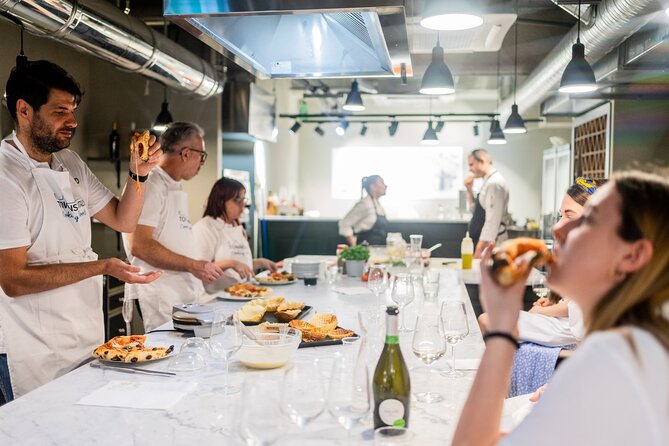
- Hands-on kneading and topping time: you don’t just watch; you build your own pizza and work the gelato steps.
- Gelato cone-making included: you’ll learn how the cone fits into the whole gelato routine, not just the flavor.
- Wine, olive oil, and food education while you work: the class mixes instruction with tastings during downtime.
- Small-group feel (up to 20): easier to ask questions and keep your station moving.
- Central Milan location by Mercato Centrale: convenient for sightseeing, without needing hotel pickup.
- Celiac note: the class is not suitable for celiacs, so plan accordingly.
Why This Milan Class Pairs Pizza and Gelato So Well
The smartest part of this experience is the pairing. Pizza gives you the savory, practical core of Italian cooking—dough, toppings, baking timing. Gelato turns it sweet and hands-on—mixing, churning, and learning texture, which is where a lot of people’s homemade attempts go off the rails.
You’ll feel the rhythm of the process. Dough needs rest, so you don’t just stand around—you get guided steps, tastings, and instruction while things develop. Then you switch gears to toppings and baking, and later to gelato. It’s basically a well-managed food workflow, wrapped in a fun group format.
For me, what makes it work for different ages is how interactive it is. Kids can knead, pick toppings, and participate in gelato-making without needing advanced cooking skills first. Adults can still learn real technique—how to handle dough, how to keep gelato smooth, and what quality ingredients matter.
You can also read our reviews of more cooking classes in Milan
Finding the School Above Mercato Centrale (And Timing Tips That Matter)
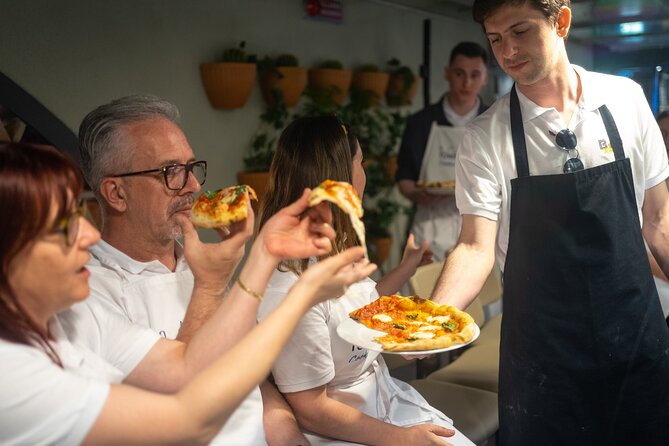
Meeting location matters here. The class meets at Towns of Italy, at the Cooking School in the Milanpresso Mercato Centrale area, on Via Giovanni Battista Sammartini 1/Primo Piano (so, on the first floor). It’s in the broader Milano Centrale / Mercato Centrale orbit, which is convenient—public transportation is nearby—but it also means there are multiple entrances and corridors.
My practical advice: build in extra time and show up early enough to find the exact spot. The biggest caution from real experiences is that the class tends to start promptly, and late arrivals can miss parts of the process. In a class this hands-on, being late doesn’t just mean you’re late—it can mean you’re behind when the instructor is moving the group through steps that can’t be paused forever.
Good news: once you arrive, you’re in a lively food zone. You’re basically cooking in the same neighborhood that makes you want to snack your way across Milan anyway.
From Kneading to Baking: Your Pizza Workshop Step by Step
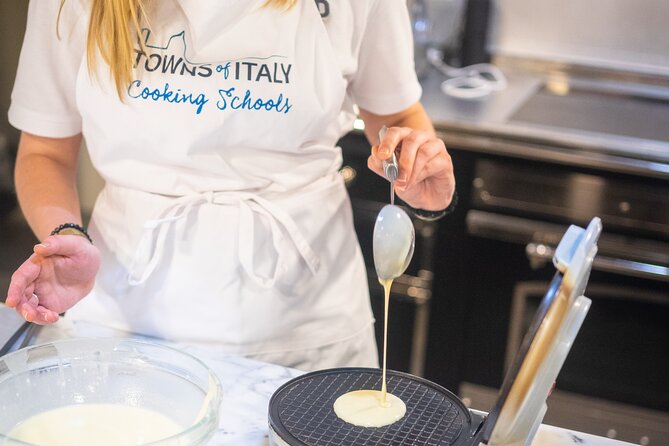
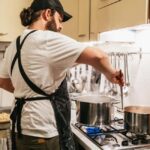
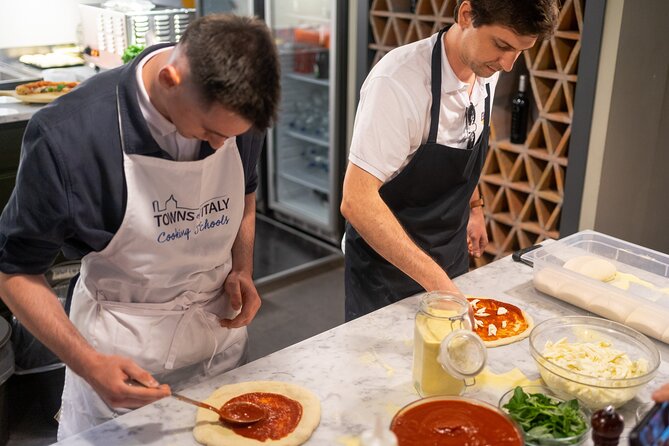
You’ll start with the dough. The focus is on kneading and getting the dough into the right feel so it behaves during rest and baking. Then you move into toppings—this is where the class stops being theoretical and becomes personal.
What you’ll do in the pizza portion:
- Work the dough and learn the basics of handling it
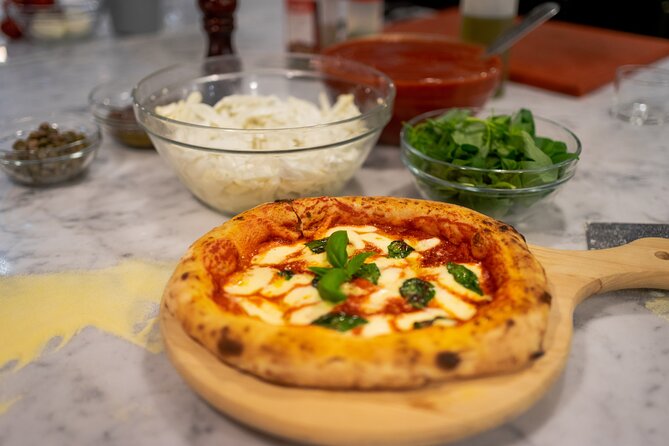
- Build a fragrant pizza using ingredients you choose
- Go through the topping process with guidance, not guesswork
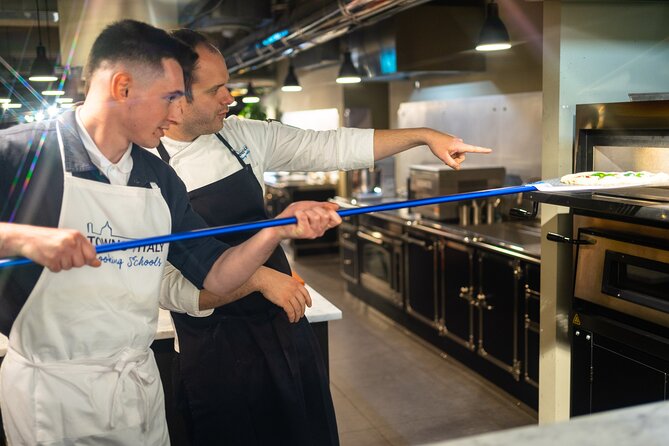
- Bake the pizza as part of the class flow
A lot of pizza classes end with you eating a nice result. This one goes further. You learn how to get better at pizza-making at home, even if you’ve made dough before. The instructor-style across the sessions I saw described is consistent: patient coaching, clear directions, and lots of encouragement—especially helpful if you’re cooking with kids.
Also, you’ll notice the instructors are actually teaching the why, not just the what. That shows up in how they talk about dough timing, ingredient quality, and how the kitchen stage fits together. If you love food science but hate long lectures, this format is your friend.
The Wine and Olive Oil Moment: Why They Give You That Break
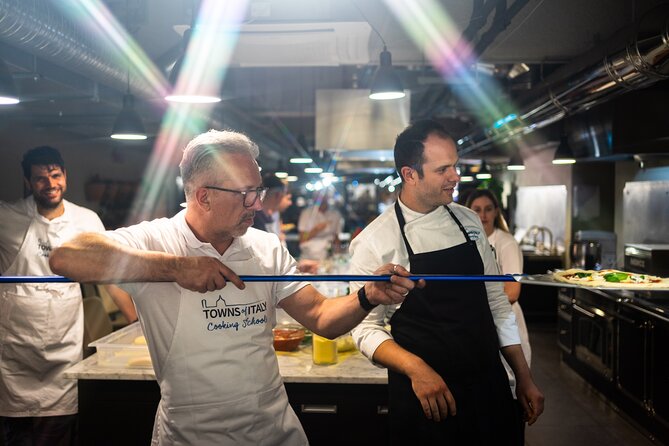
The class includes tastings while the dough rests—premium Diadema wines and fine olive oils. You’ll sip, taste, and learn how ingredients change the way the food comes out, even when you’re busy doing the hands-on work.
This part matters more than it sounds. Pizza dough and baking are temperature-and-time driven. Gelato texture is also very sensitive to technique and ingredient choice. Having a guided tasting window helps you connect the dots while the dough is doing its quiet work.
You can also treat this as a gentle Milan primer. Milan is full of flavors, but it’s easy to miss why they taste the way they do if you only eat and don’t learn. Here, the food education is built into the schedule, so you get both the lesson and the meal without stretching the day.
Gelato From Scratch: Mixing, Churning, and Shaping a Cone
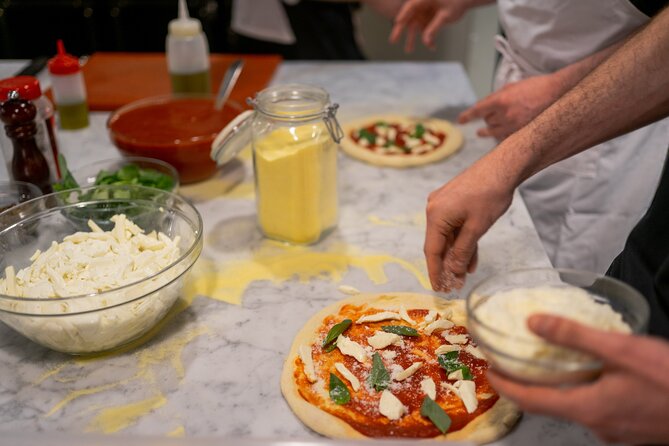
Gelato is where the class feels most magical. The pace changes from savory baking to cold dessert technique, and that shift is a lot of fun—especially for kids.
You’ll learn to make authentic Italian gelato and you’ll even make the cone. In the gelato portion, you’re not just handed a dessert and told to eat. You’re guided through the steps and then you churn and form your own cone setup so the gelato experience feels complete.
The gelato instruction typically includes:
- How to craft the gelato base and follow the steps that create the right texture
- How the gelato process works once the mixture is ready
- How to assemble it in a cone (so you’re serving yourself the same way you’d see at gelaterias)
From experiences shared by people in the class, instructors also tend to explain small but useful gelato facts—like what makes gelato different from ice cream in practice. That kind of detail sticks because you taste it immediately after you learn it.
If you love chocolate, you’re in luck. The class description points to chocolate melting into cream during the gelato process, and that’s the kind of sensory moment you remember when you’re back home trying to replicate the result.
You can also read our reviews of more tours and experiences in Milan

When Dinner Is the Reward: Eating What You Make
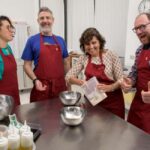
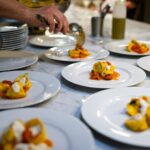
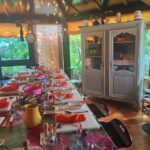
The final stage is simple and satisfying: you sit down and eat what you cooked. That means your pizza and your gelato are not just demos. They’re your product.
This is also where the class feels like a true group activity rather than a factory-style workshop. You end with conversations about what worked, what surprised you, and what you want to replicate back home. With group sizes capped at 20, it stays human-sized.
And yes, there’s plenty to drink. Adults can enjoy unlimited wine during the experience, while kids have soft drinks available. The whole thing is designed to keep energy up while the kitchen work is going on and while everyone is waiting for the ovens and gelato steps to finish.
Pasta Instead of Pizza: A Good Switch If Pizza Isn’t Your Thing
Don’t like pizza? You can choose the Pasta & Gelato class at checkout. Same general structure, same chefs, same wine setup, but you trade pizza dough and toppings for fresh pasta making.
In this option, you’ll learn to craft:
- Tagliatelle
- Ravioli
- Plus signature sauces paired with the pasta work
Then you still churn your own gelato. So you get the core payoff of the class—hands-on Italian cooking and the dessert finish—without committing to pizza if that’s not your flavor lane.
If you’re traveling with mixed eaters (some love pizza, some love pasta), this option can also make planning easier. You can pick the one that best matches your group’s preferences.
Who This Class Suits Best in Milan
This experience is built for variety. It’s ideal for families with kids because the activities are hands-on and structured, not overly technical. Kids can participate in dough and toppings, and they get gelato and cone-making as the sweet payoff.
It also works well for solo travelers and couples because the cooking stations keep you engaged the whole time, and the small group size makes it easier to talk with other people in class. A lot of the fun comes from being in the same room while everyone’s making something different, then swapping bites at the end.
If you’re an experienced home cook, you’ll still get value. Some people mention they’d made pizza before and still learned hints and techniques that improved their results. That’s the best kind of cooking class: the kind where you leave sharper, not just full.
Not for Everyone: Celiac Warning and Food Requests
There’s an important limitation: the class is not suitable for celiacs. If you need gluten-free for medical reasons, this is a hard stop.
They also ask you to inform them in advance of any food intolerance or allergy. That’s your best move if you have any dietary needs, because it gives the team a chance to plan. If you have special needs related to mobility or impairments, let them know in advance too, and they’ll do their best to accommodate.
One more practical note: pets are not permitted on tours. So if you’re traveling with an animal, you’ll need to arrange care elsewhere.
Value Check: Is $78 Worth It?
Let’s talk value in real terms. At $78 per person, you’re paying for more than a class. You’re getting:
- Dinner (pizza and gelato, or pasta and gelato)
- Unlimited wine for adults, with soft drinks for children
- Apron and cooking utensils
- A certificate of attendance
- A digital recipe booklet so you can recreate the results later
That mix is the key. A cheaper class might teach technique but not give you the meal. A more expensive one might feel fancy but be less hands-on. Here, you’re doing the work and then eating the output, which makes the price easier to justify.
Also, because it’s in central Milan near Mercato Centrale, you’re not spending your time and money on hotel pickup shuttles. You show up, cook, eat, and you’re back in sightseeing mode quickly.
One last detail: the class is usually booked around a month ahead on average. If you want a specific time slot, plan on booking early.
So, Should You Book It?
If you want a fun, hands-on Milan food night, I’d book it. You’ll leave with real technique for pizza and gelato (or pasta and gelato), plus you’ll eat what you made instead of treating it like a demo. The instructors—people like Matteo, Alfredo, David, Fabrizio, and Diego—consistently come across as engaging and clear, which is exactly what you want when you’re cooking and trying not to stress.
Skip it only if:
- You need a celiac-safe setup (this one is not suitable)
- You’re likely to arrive late, because the class starts right away and being behind can reduce what you participate in
- Your group wants a totally hands-off show instead of active cooking
FAQ
How long is the cooking class?
It lasts about 3 hours.
What do I eat during the class?
If you choose pizza, you’ll make and eat dinner pizza and gelato. If you choose pasta instead, you’ll make and eat pasta (tagliatelle and ravioli) plus gelato.
Is wine included?
Yes. Adults get unlimited wine during the experience, and children have soft drinks.
Do I get a recipe to use after the class?
Yes. You receive a digital recipe booklet so you can recreate what you learned at home.
Where does the class meet?
At Towns of Italy – Cooking School in Milanpresso Mercato Centrale, Via Giovanni Battista Sammartini, 1/Primo Piano, 20125 Milano MI, Italy.
Is the class suitable for celiacs?
No. This tour is not suitable for celiacs.
Is there an English option?
Yes, the class is offered in English.
If you want to time it well, pick a slot that gives you room to arrive early and settle in. Then treat the class like an evening meal with a cooking lesson built in—and get ready to enjoy your own pizza and gelato right after you make them.