REVIEW · MILAN
Milan: Italian Cooking Class with Food and Wine
Book on GetYourGuide →Operated by CHEF AND THE CITY · Bookable on GetYourGuide
Fresh pasta, real technique, and good wine. In Milan, this 3-hour class with Chef and the City pairs hands-on cooking with Italian guidance from Chef Ilaria, so you learn by doing.
I especially like that you work at your own desk and leave with recipes you can actually follow at home, not vague ideas. The relaxed shared meal afterwards—paired with wine—turns the workshop into something that feels social, not just instructional.
One thing to plan for: it’s a professional kitchen, with rules that are strict during cooking, and it isn’t wheelchair accessible.
In This Review
- Key takeaways before you book
- Meeting Chef and the City: the quickest way to start right
- The 3-hour flow: what happens from first snack to final plates
- Fresh pasta basics you’ll feel confident repeating
- Beyond pasta: starters, mains, and the Italian “why”
- Your kitchen setup: tools, gloves, aprons, and a clean workflow
- The meal with wine: where the learning turns into a relaxed night
- Recipes included: what you get and why it matters
- Price and value: is $80 worth it in Milan?
- Logistics that actually matter: what to bring and what to skip
- Who should book this cooking class
- Should you book this Milan cooking class?
- FAQ
- What dishes will we cook in the Milan class?
- How long is the cooking class?
- Is wine included?
- What’s included in the price?
- Where do I meet the chef?
- What kitchen rules do I need to follow?
- Is it suitable for children or people with mobility impairments?
Key takeaways before you book
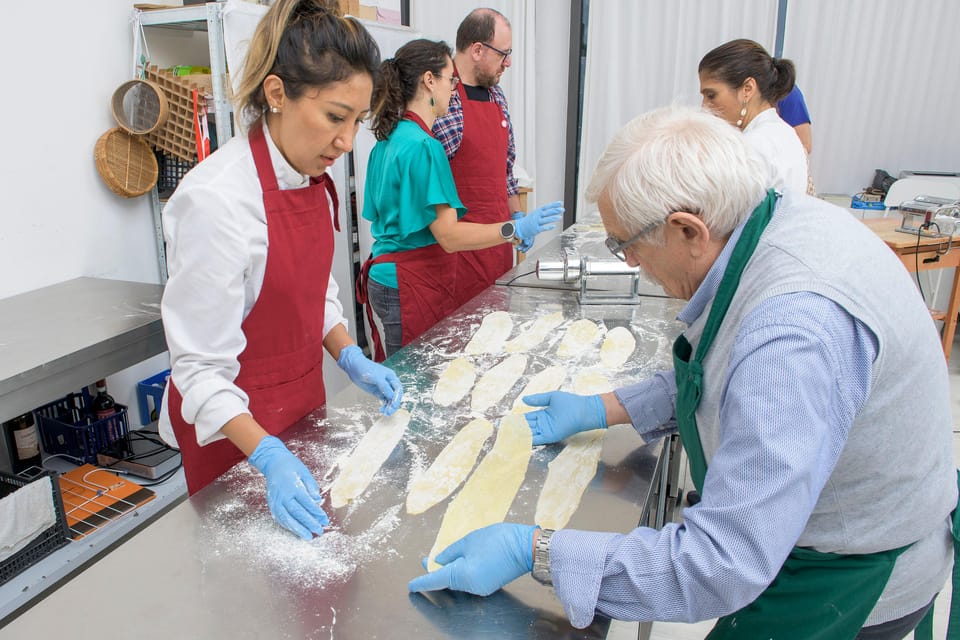
- Hands-on at your own desk: you cook, not watch.
- Chef-led Italian technique: explanations plus practical steps.
- Fresh pasta focus: tagliatelle, gnocchi, ravioli styles show up in sessions.
- Recipes included: you’ll get everything you need to recreate the dishes.
- Meal + wine at the end: you sit together and eat what you made.
- Pro-kitchen rules: no tasting while cooking, tie back hair, no big bags.
Meeting Chef and the City: the quickest way to start right
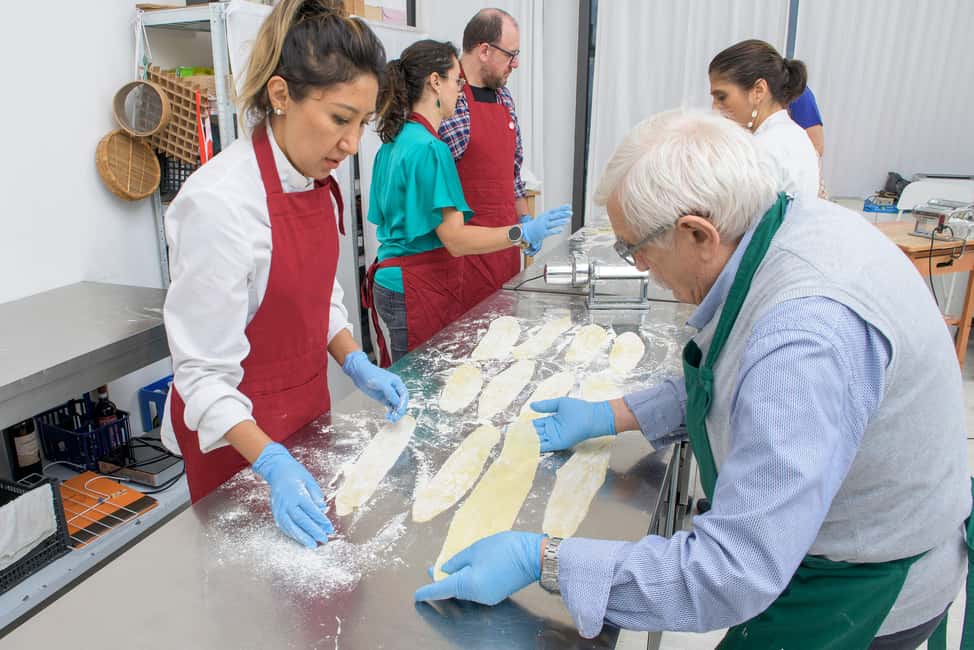
This class meets at Chef and the City, a street-level shop with three large front windows and three red signs on top. When you arrive, ring the bell at the main window door. It’s the kind of place that looks like a storefront from the street, but you’re really heading into a professional cooking lab inside.
Why this matters: timing. Milan can move fast, and you don’t want to arrive frazzled. Once you’re inside, the vibe is calm and organized, and the kitchen setup is built for guests to work efficiently.
Language is also a plus. You’ll be guided in Italian and English, so you can follow steps and ask questions without guessing.
You can also read our reviews of more food & drink experiences in Milan



The 3-hour flow: what happens from first snack to final plates
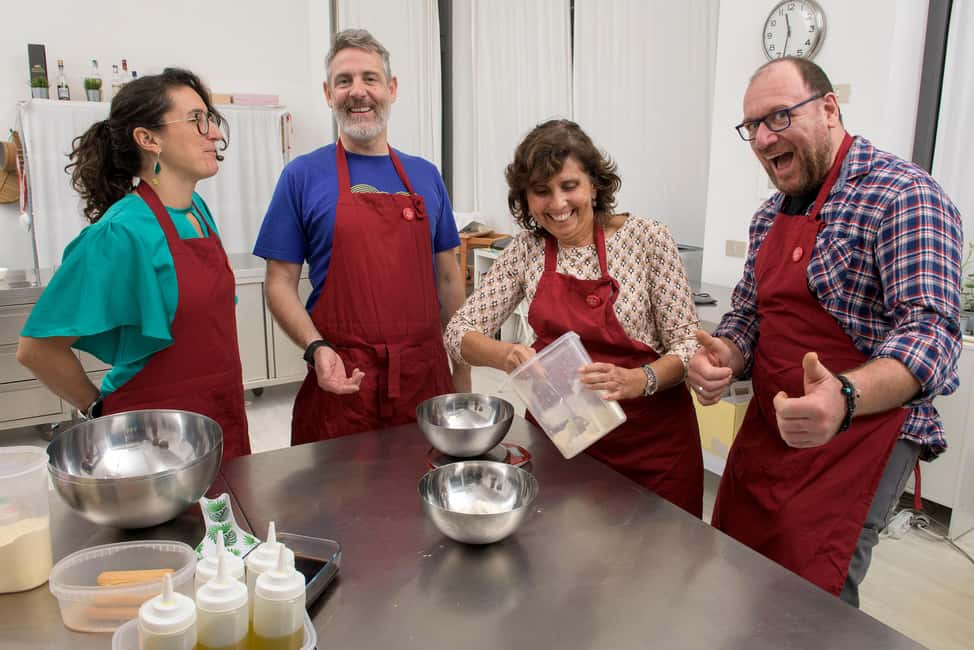
The class runs for about three hours, and the structure is clear: prep, cook, then eat together.
Here’s the typical rhythm:
1) You start with light snacks—think cheese, dry tomatoes, mortadella, olives—so you’re not walking in hungry.
2) You cook at a personal workstation with the chef supervising and an assistant often helping keep tools and ingredients moving smoothly.
3) You’ll also get sweets during breaks, with coffee, tea, infusions, and water.
4) Then the best part: you sit as a group in the dining room and enjoy the dishes you made, with wine while you chat.
This order works for real life. You get the learning when your brain is fresh, then the meal when you’re ready to relax. And because the final dining time includes wine, it’s naturally a social evening without feeling forced.
Also worth noting: the kitchen rules are real. During cooking, you’re told no drinks and no food while working, no tasting until the right time, and you’ll need to tie up long hair. Bring the mindset that you’re there to cook, not graze.
Fresh pasta basics you’ll feel confident repeating
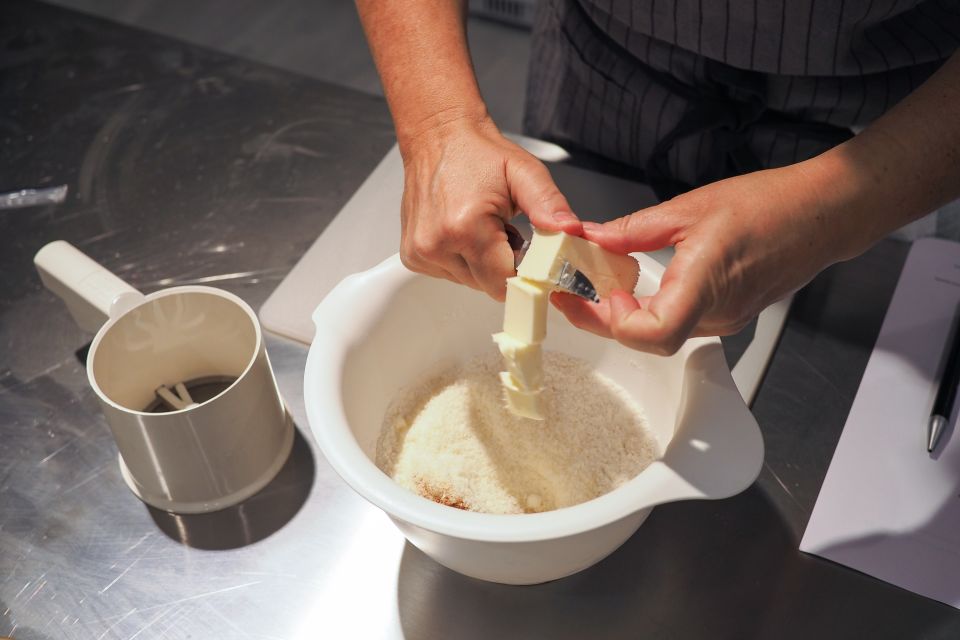
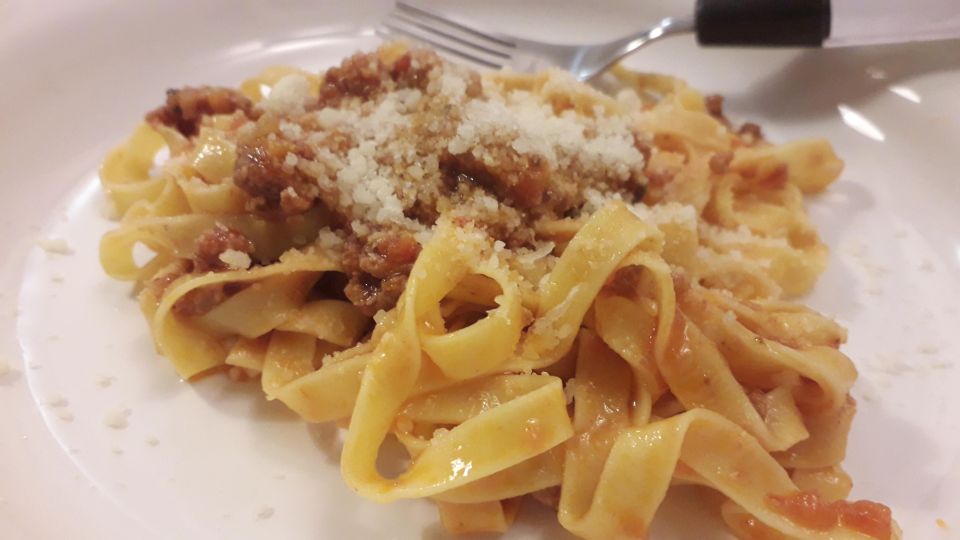
Fresh pasta is the star of the show, and you’ll likely make some version of tagliatelle, gnocchi, or ravioli. Sessions may also include shaping variations (and you may use a pasta machine), plus techniques that make the dough behave.
What I like about this approach is that it teaches the logic behind the work, not just the final shape. When you learn why the dough’s texture matters, it’s easier to reproduce at home—especially if your kitchen conditions are different than Italy.
You also get practice with classic pasta sauce building blocks. The menu descriptions include cacio and pepe and ragu’ sauces, and even when the exact timing changes what’s made in class, the goal stays the same: you leave knowing the steps and the flavor targets.
One small but important detail from the experience: sauce preparation can take time. In at least one described setup, the chef provided homemade sauces to use on freshly made pasta, because those sauces need long cooking. That’s actually smart teaching. You still learn the pasta part in class, and you get the sauce plan through the recipe handouts so you can reproduce it later.
Beyond pasta: starters, mains, and the Italian “why”
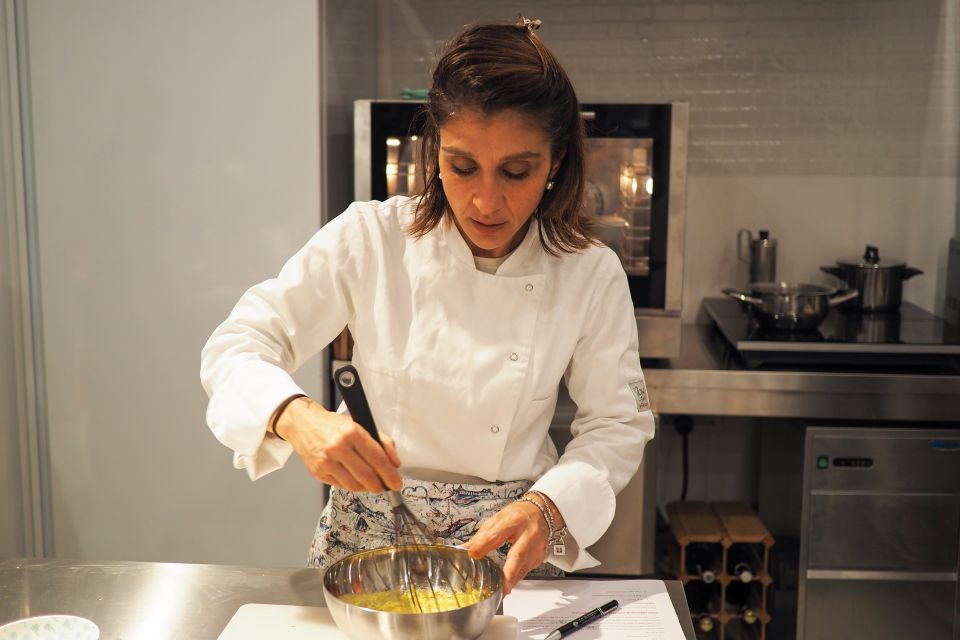
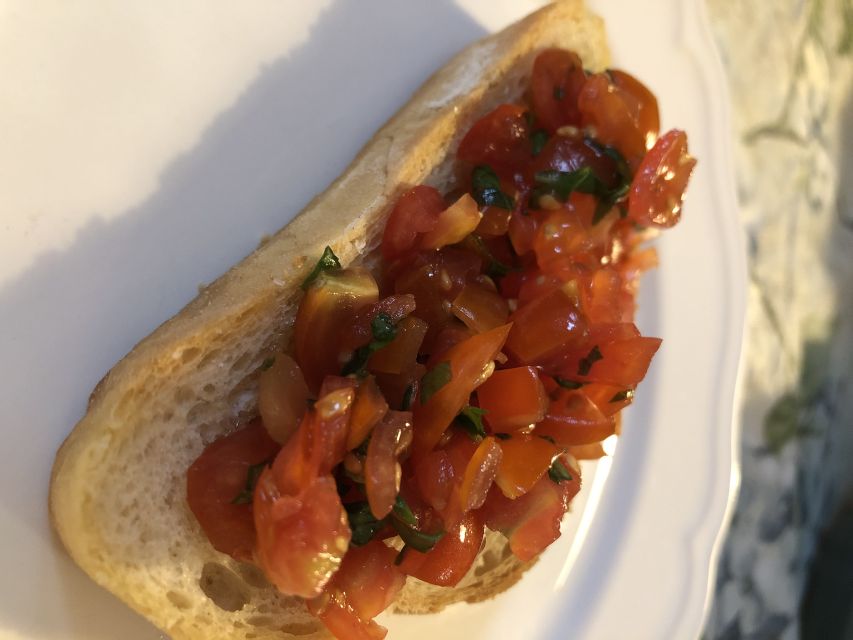
The class isn’t only noodles. Depending on the session, you might also cook items like bruschetta, focaccia, eggplant parmigiana, or other traditional dishes in a modern, waste-free style.
A key advantage here is the professional mindset. The chef doesn’t just tell you what to do; she explains what to watch for. In the feedback, people repeatedly praised the way the chef shares the small technique points that make a difference—things like texture, timing, and seasoning balance.
You’ll also get examples of how Italians talk about food culture. One instructor-style moment described is the firm, friendly way the chef corrects common misunderstandings. For example, when talking about carbonara, the guidance emphasizes not using cream and not using bacon—because if you want to name it carbonara, you follow the traditional route.
Dessert fits the same pattern. Tiramisu comes up in the experience, and there’s also a teaching point about how it’s done: one shared tip highlighted that tiramisu isn’t prepared with amaretto in the traditional method the chef teaches. If you’re the type who likes your food accurate, these details are half the fun.
Your kitchen setup: tools, gloves, aprons, and a clean workflow
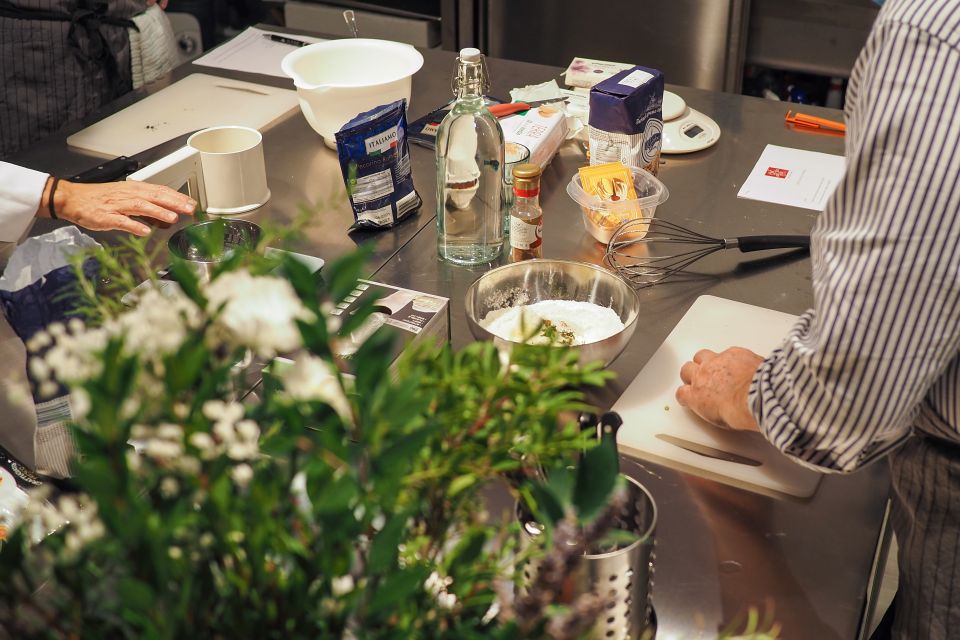
You cook in a lab-style space with the right gear provided. Included in the experience are cooking tools, gloves, and aprons. That means you can show up without trying to pack kitchen supplies for a trip.
The setup is also designed for efficiency. Feedback repeatedly notes clear instruction and a professional, clean kitchen environment. You’re working at your own desk, so you’re not waiting around for the chef to finish one task before you can start your part.
One practical thing: because you can’t snack while cooking, plan to eat the included starter/snacks and then commit to the process. It’s a simple rule, but it keeps the kitchen safe and the workflow smooth.
If you care about capturing the moment, one described detail is that photography and videos are allowed during the experience. So you can document your work without feeling like you’re breaking etiquette.
You can also read our reviews of more tours and experiences in Milan




The meal with wine: where the learning turns into a relaxed night
After cooking, you move to the dining room and eat together. This is when the class stops being a studio lesson and becomes a proper Milan evening.
Wine is included, and several descriptions mention both red and white. The menu doesn’t feel like a tiny tasting either. The intent is that you’ll have enough of what you made to enjoy it comfortably—especially since the dishes are prepared for eating, not only for demonstration.
This part is valuable because you can immediately connect technique to taste. You shape pasta in the morning or early afternoon, then you eat it with the sauce style the chef recommends. Same evening, same flavors, no guesswork.
And because everyone is there for the same reason—learning and eating—you’ll naturally have easy conversation. It’s a good way to meet other people without the awkward tour-group small talk.
Recipes included: what you get and why it matters
One of the strongest benefits here is that you receive a copy of all recipes from the chef. That’s the difference between a memorable night and a skill you can use.
The recipes are described as easy to make at home, and that’s important. Many cooking classes teach you techniques, but they don’t always translate to your real kitchen. Here, the handout makes it practical.
You should expect instructions that match what you cooked: pasta dough steps, sauce guidance like cacio and pepe and ragu’, and dessert direction if tiramisù or another sweet is part of your session. If certain sauces require long cooking, the approach still helps—because you’ll have a recipe to follow when you have the time.
Tip for home: don’t treat the recipe like a suggestion. If the chef emphasizes a specific method (like the traditional way tiramisù is made), the written recipe is where you can recreate that intent.
Price and value: is $80 worth it in Milan?
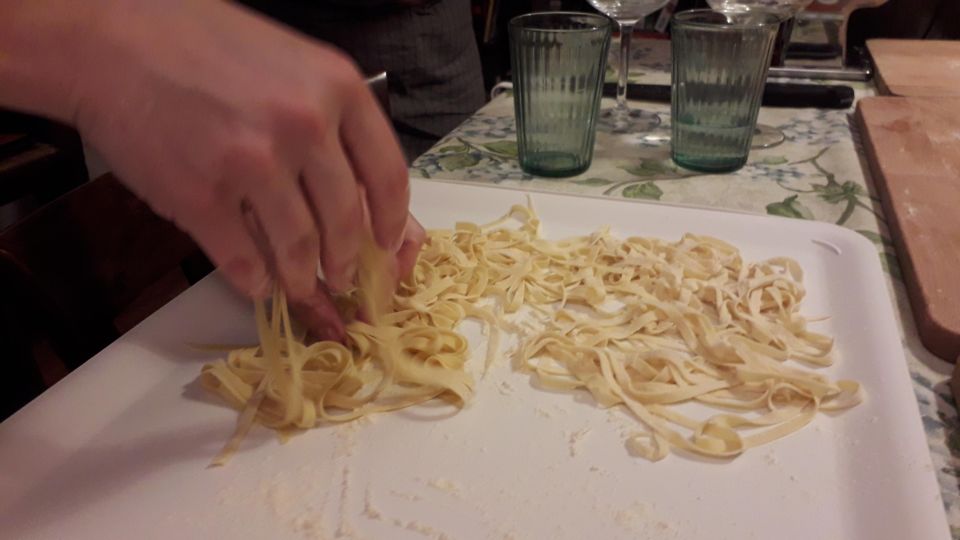
At $80 per person for a three-hour cooking workshop that includes food, beverage, cooking tools, gloves, aprons, and wine, this falls into the “good value” category for Milan.
What makes it worth it:
- You’re not just tasting. You cook the meal.
- You get the meal after you cook it, in a dining setting with wine.
- You leave with recipe handouts so the value continues after the class ends.
- You’re learning from an Italian chef with professional technique, not a generic food demo.
It’s also priced fairly for a workshop format that feels small and personal. Some sessions are described as very small groups, including cases where the class size was just two people. When that happens, you get more attention and better instruction pacing.
If you’re doing only one hands-on food activity in Milan, this is a smart pick.
Logistics that actually matter: what to bring and what to skip
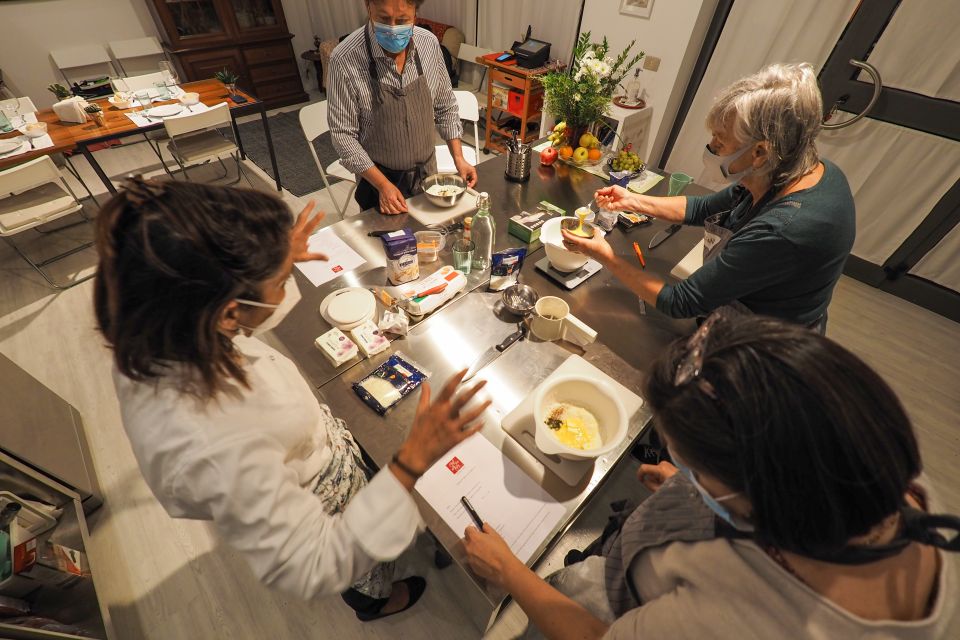
Before you go, remember this is a working kitchen. You’ll follow kitchen rules like:
- no drinks or food while cooking
- no tasting while cooking
- tie up long hair
- no luggage or large bags
- no smoking
- pets aren’t allowed
Not wheelchair accessible is also part of the reality here, and children under 10 aren’t suitable. If mobility is a factor for you, this is one of those experiences to check carefully before booking.
What you should do instead:
- travel light (keep it simple)
- wear clothes you don’t mind getting flour on
- bring your appetite for the meal at the end
Also: the host/greeter is Italian and English-speaking, and the language support is built in.
Who should book this cooking class
This class is a great match if:
- you want hands-on training, especially fresh pasta
- you enjoy Italian food culture and technique explanations (not just recipes)
- you want a social dinner built around cooking
- you like getting something you can reproduce when you’re home
It’s especially appealing if you’re traveling solo too. Some sessions are described as welcoming for meeting others, and the format naturally helps people chat while cooking and then sit together with wine.
If you want a slow, sightseeing-style day, this isn’t that. It’s a kitchen experience first, with Milan as the backdrop.
Should you book this Milan cooking class?
If you want one ticket that turns into skills, dinner, and take-home recipes, I think you should book it. The strongest reasons are practical: you cook at your own workstation, you get clear instruction from an Italian chef like Ilaria, the meal is included with wine, and you walk away with the recipes to make it again.
The main reason to hesitate is simple: it’s a professional kitchen with strict rules during cooking, and it isn’t designed for everyone’s mobility needs. If that fits you, it’s an excellent use of time in Milan.
For a $80, three-hour evening that teaches you something you can repeat—while feeding you well—that’s a rare combo.
FAQ
What dishes will we cook in the Milan class?
You’ll prepare three traditional Italian dishes. The experience description includes options such as fresh pasta (like tagliatelle, gnocchi, and ravioli), cacio and pepe sauce, ragu’ sauce, focaccia, bruschetta, eggplant parmigiana, and tiramisù. The exact combination can vary by session.
How long is the cooking class?
The duration is 3 hours.
Is wine included?
Yes. Wine is included (along with food and beverage).
What’s included in the price?
The experience includes food, beverage, cooking tools, gloves, aprons, and wine.
Where do I meet the chef?
The meeting point is Chef and the City, a street-level shop with three large windows and three red signs on top. Ring the bell at the main window door.
What kitchen rules do I need to follow?
You’ll need to follow kitchen rules such as no drinks and no food while cooking, no tasting while cooking, tie up long hair, and you can’t bring luggage or large bags.
Is it suitable for children or people with mobility impairments?
It isn’t suitable for children under 10. It’s also not wheelchair accessible, and it’s noted as not suitable for people with mobility impairments.