REVIEW · MILAN
Step Into History: Leonardo Vinci’s Last Supper Tour
Book on Viator →Operated by Decathlon DMC TOUR OPERATOR · Bookable on Viator
Milan’s most famous painting has tight timing. This tour is built for that reality: you get admission tickets included and a guide to explain what you’re seeing in the church and in Il Cenacolo. I especially like the short one-hour format, which helps you fit the Last Supper into a packed day.
The main drawback is that the schedule can feel strict. You’ll have limited time at each spot, and a few entry steps (like name checks and phone ticket requirements after Nov 1, 2024) mean you’ll want to arrive ready to move.
Key things to know before you go
- One-hour structure: 45 minutes in Santa Maria delle Grazie plus 15 minutes at Il Cenacolo
- English-only guide: you’ll want to hear the commentary clearly from start to finish
- Timed capacity: groups are managed in small windows, so you won’t linger
- Mobile ticket procedure (from Nov 1, 2024): you must show your own electronic ticket and identity at the ticket office
- Guides are praised by name: Nadia and Giada are repeatedly highlighted for turning the visit into a story
- Expect strict exits: at the end, entry rules kick in fast, even if you’re still looking
In This Review
- A One-Hour Plan for Milan’s Last Supper Timing
- Meeting at Santa Maria delle Grazie: Where Your Timing Starts
- Santa Maria delle Grazie (45 Minutes): The Church That Shapes the View
- Il Cenacolo Viewing Slot (15 Minutes): How to Make the Most of Tight Entry
- What the Guides Add: From Story to Seeing
- Price and Value: What You’re Paying For (and What You’re Not)
- Who This Tour Suits Best (and Who Might Want Another Option)
- Should You Book This Last Supper Tour?
- FAQ
- How long is the Last Supper tour?
- Is the tour offered in English?
- Where do we meet for the tour?
- What’s included with the stops?
- Is this a private tour?
- Do I need to provide my name and date of birth when booking?
- What changes after Nov 1, 2024 for entering the Cenacolo Museum?
- Is the tour refundable if I cancel?
A One-Hour Plan for Milan’s Last Supper Timing
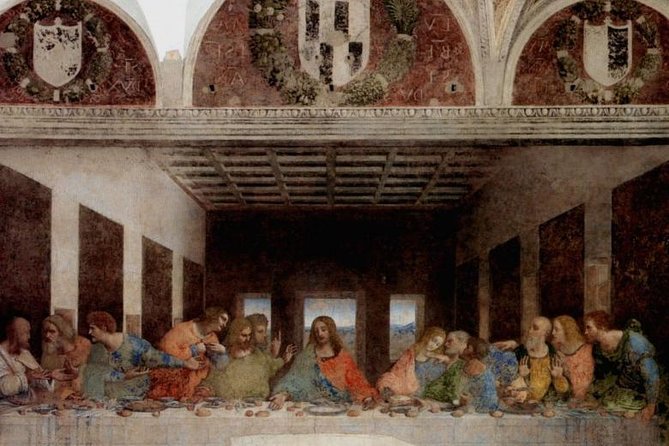
The Last Supper isn’t a sit-and-stroll kind of visit. The site controls entry tightly to protect the fresco and manage crowd flow. This tour answers that with a practical split: a long enough stop to understand the church setting, then a short, focused viewing slot for Leonardo’s painting.
What I like is how the pacing respects your day. You can do this without sacrificing your whole afternoon. And because you’re not left to figure everything out on your own, you lose less time to confusion in a busy meeting area.
The big consideration is emotional as well as logistical. The fresco hits hard when you finally see it, so the time pressure can feel abrupt. Plan to treat the experience like a “see it well, then move” mission, not a slow museum browse.
Meeting at Santa Maria delle Grazie: Where Your Timing Starts
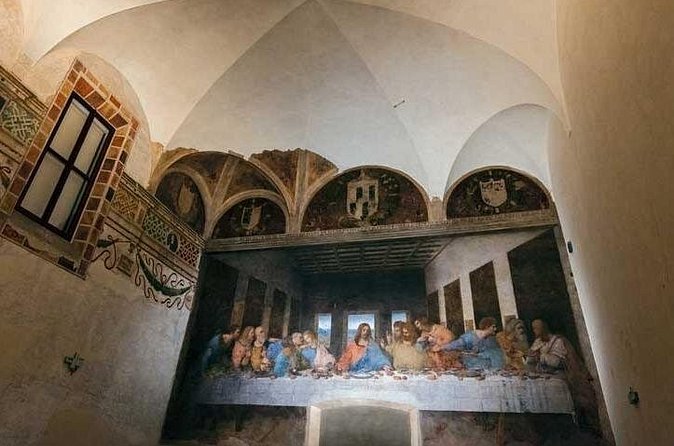
Your tour begins at the Leonardo’s Last Supper Museum at Piazza di Santa Maria delle Grazie, 2, 20123 Milano MI, Italy. The meeting point matters because the area around Santa Maria delle Grazie can look like a sea of people.
I’d give yourself a small buffer. Some guests report that the reported meeting time can shift compared with what they expected, and the ticket time slot doesn’t always feel like the same thing as tour time. Your best move: double-check the message you receive before you go, and arrive early enough that a late-blooming line or a ticket check won’t scramble you.
The good news: it’s near public transportation. You’re not committing to a complicated transfer, and you can still pair the visit with other Milan sights on the same side of town.
You can also read our reviews of more historical tours in Milan
Santa Maria delle Grazie (45 Minutes): The Church That Shapes the View
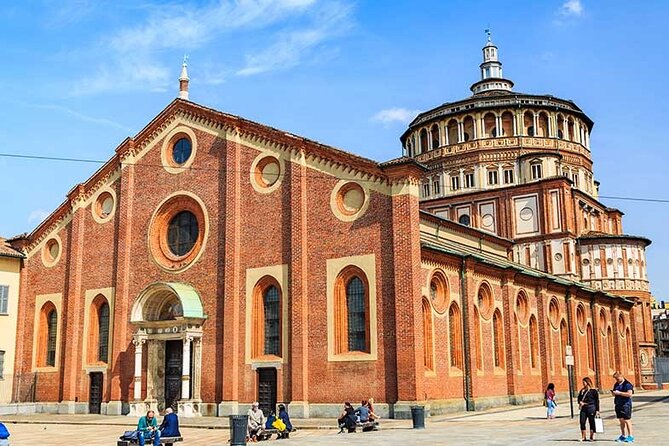
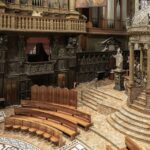
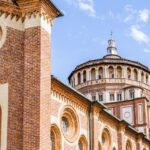
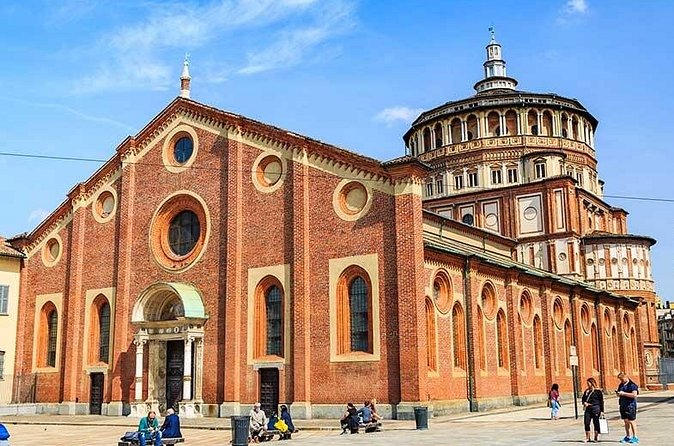
The first stop is Santa Maria delle Grazie, where your guide stays with you inside the church. This isn’t just a waiting room before the painting. The church context helps you understand why this artwork sits where it does, and why the building’s history matters.
You’ll get around 45 minutes here, with your admission ticket included. That length is useful because it gives your guide time to connect details: what the site is, how it functioned over time, and what happened to the building and the fresco area during the kind of events that threaten cultural treasures.
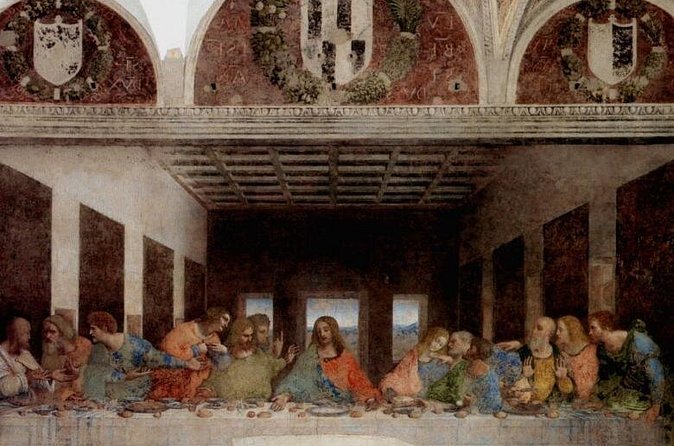
One detail I’d expect you to enjoy from a good guide is the explanation of how people protected the Last Supper through difficult periods. In the feedback I saw, guides highlighted stories of wartime damage and the precautions taken by caretakers and monks. It changes how you look at the painting because you’re not just seeing Leonardo’s composition—you’re seeing an artwork that survived.
Potential drawback? You’re still working against the clock. If your goal is to linger in the church like you would in a bigger cathedral, you might find the time limited. But for a first-time visit, 45 minutes is a solid window to get meaning without turning the day into a queue-and-wait marathon.
Il Cenacolo Viewing Slot (15 Minutes): How to Make the Most of Tight Entry
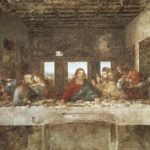
The second stop is Il Cenacolo, the space built for viewing Leonardo’s Last Supper. This is where the tour becomes very short by design. You’ll be in the viewing area for about 15 minutes, again with admission included.
This is the part you need to “show up for” mentally. If you spend the first few minutes orienting yourself, the slot disappears fast. I suggest you arrive with a simple plan: pick where you’ll stand, look across the scene once, then let the guide’s points land before you do a second look.
A recurring theme in the feedback: entry is managed in small groups, and the room’s capacity is limited. Some guides also help you navigate lines so you don’t lose precious seconds to crowd flow. Either way, you should expect a controlled, almost choreographed atmosphere—check-in, entry, viewing, then an exit request.
One note from the experience reports: at the end of your viewing window, staff instructions can come out loud and direct. That’s not a “service vibe” issue so much as how the site keeps the schedule moving. If you’re sensitive to abrupt sound cues, mentally file this under rules of the room, not rudeness.
What the Guides Add: From Story to Seeing
A good Last Supper guide doesn’t just recite facts. They help you look. And that’s exactly what shows up in the standout feedback—names like Nadia and Giada come up for strong commentary and clear art-and-history connections.
Here’s what I think you’ll get from a top guide in a situation like this:
- Context that changes the artwork. When someone explains the church’s role and what the site endured, you stop treating the fresco like a static image.
- Practical pacing. Guides help you manage where you stand and when you look so the short slot turns into something memorable.
- Art interpretation, not just dates. The commentary often connects the painting’s world to Leonardo’s choices and the setting’s meaning.
I also saw mention of radio microphones in at least one experience report, which matters because the room can be noisy and the fresco is visual-heavy. If your guide is equipped for clear audio, you’ll hear more and you’ll enjoy the story without constantly straining.
If you’re the type who likes learning while standing still, this tour is built for you. If you’re hoping for a “browse at your own pace” museum visit, you may feel constrained. The site is not designed for wandering.
Price and Value: What You’re Paying For (and What You’re Not)
This tour costs $114.65 per person for an experience that runs about an hour total, with admission tickets included at both stops. That’s not cheap. But in this case, you’re paying for a specific thing: guaranteed guided access through a heavily time-regulated attraction.
Think of it like this: you’re buying fewer uncertainties. The Last Supper system is famously strict—timed entry, limited viewing slots, and steps you can’t ignore. A guide helps you handle the process efficiently so you spend your time looking rather than troubleshooting.
Where value can feel weaker is when the tour feels too short or when timing doesn’t match what you expected. A few people noted schedule confusion—like ticket times not lining up with what they assumed the tour time meant—leading to rushed viewing or a shortened experience to catch transport.
My practical advice: treat the guide meeting time as the real start, not the first email timestamp you see. Read the day-before instructions carefully. If you’re also catching a train, build in extra buffer time so you’re not sprinting for a slot that ends sharply.
Also, a couple of comments flagged that tickets can feel overpriced. Your reality check: if you can buy cheaper standalone museum entry far in advance, you might. But if your schedule is tight, a guided package often becomes the most reliable path.
Who This Tour Suits Best (and Who Might Want Another Option)
This tour is a good match if you:
- Want English commentary tied directly to what you see
- Have limited time in Milan and want a one-hour plan
- Prefer help navigating entry flow rather than handling everything solo
It’s also a strong pick if this is your first time seeing the Last Supper and you want the experience to feel meaningful without turning it into a whole-day project.
You might reconsider if:
- You expect a relaxed, self-paced visit in both the church and viewing room
- You get stressed by strict timing and rule-driven exits
- You rely on last-minute schedule juggling (because changes can be tough when the system is timed)
If you’re traveling with kids, the short viewing window might work well for attention span, but you’ll still be bound by the site’s capacity and exit rules. For accessibility, the provided info says most travelers can participate, but you should still judge based on your comfort with standing and waiting.
Should You Book This Last Supper Tour?
I’d book this when you want structure, guided meaning, and reduced friction at a site where timing is everything. The best versions of the experience are powered by the guide: people specifically praised Nadia and Giada for making the painting, building history, and preservation story click.
Skip it—or at least compare options—if you can only handle very loose schedules, or if you’re the kind of visitor who needs to linger. This tour is efficient by design, and the experience ends when the room’s rules end.
If you do book, set yourself up for success: confirm the meeting time details, keep your passport/ID ready, and be ready for a phone-ticket and identity check process after Nov 1, 2024.
FAQ
How long is the Last Supper tour?
It runs for about 1 hour, with roughly 45 minutes inside Santa Maria delle Grazie and about 15 minutes at Il Cenacolo.
Is the tour offered in English?
Yes. The tour is offered only in English.
Where do we meet for the tour?
The meeting point is Leonardo’s Last Supper Museum, Piazza di Santa Maria delle Grazie, 2, 20123 Milano MI, Italy. The tour ends back at the same meeting point.
What’s included with the stops?
Admission tickets are included for both Santa Maria delle Grazie and Il Cenacolo.
Is this a private tour?
Yes. It’s listed as private for your group, meaning only your group participates.
Do I need to provide my name and date of birth when booking?
Yes. All names and dates of birth are mandatory at booking, and it’s possible to make a name change no later than 48 hours before the start date.
What changes after Nov 1, 2024 for entering the Cenacolo Museum?
From Nov 1, 2024, each visitor must have their own ticket on a phone or other electronic device. You must first go to the Ticket Office to have your name verified with your identity document, and you’ll also need to present your ticket again at the entrance.
Is the tour refundable if I cancel?
No. The experience is non-refundable and cannot be changed for any reason.
If you’d like, tell me your planned arrival time and whether you’re also doing other Milan sights that day, and I’ll help you plan a realistic buffer around the Last Supper slot.