REVIEW · MILAN
Milan: Pasta and Tiramisu Small Group Cooking Class with Wine
Book on Viator →Operated by The Roman Food Tour - Food Tour Rome · Bookable on Viator
Pasta making in Milan is practical fun. You’ll start with a Prosecco welcome and a quick look behind how a real Italian restaurant runs, then you’ll learn fresh dough technique and the differences between pasta fresca and pasta secca. You also get hands-on time for tiramisù—then you actually sit down together for lunch or dinner with wine. The main possible drawback: if timing is tight (or the dining room is busy), the class can feel slow, and one past guest noted the final pasta on the table wasn’t strictly what they personally rolled.
This is a good pick if you want food skills you can use later, without feeling lost in a big group. The experience caps at 12 people, runs about 3 hours, and is offered in English in a convenient central restaurant setting.
In This Review
- Key things that make this class work
- Prosecco welcome and a real kitchen vibe
- Fresh pasta skills: dough, flour, and fresca vs secca
- What you’ll be making (and what to taste)
- Tiramisù practice: mascarpone, layering, then lunch/dinner
- Wine and drinks during the meal
- The restaurant lunch/dinner: why the setting is part of the value
- How to read the one negative concern
- Small-group size: 12 people changes the whole feel
- Who should book this cooking class in Milan?
- Price and value: what you’re paying for
- If you book: a few smart tips to get more out of it
- Should you book this Milan pasta and tiramisù class?
- FAQ
- How long is the cooking class?
- What’s the group size?
- Is the class offered in English?
- What food and drinks are included?
- Do I have to pay extra for tips?
- Where does it take place?
- Will I be able to make the pasta and dessert myself?
- What dishes are on the menu?
- Can I cancel for a full refund?
Key things that make this class work
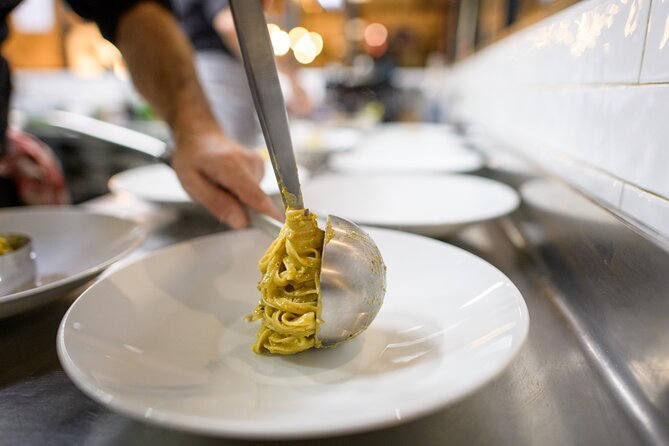
- Hands-on fresh pasta practice: you’ll make the dough, roll it out, and cut it into noodles in a guided, do-it-yourself way.
- Real Italian restaurant flow: you start with a behind-the-scenes moment, then the meal happens right in the same setting.
- Pasta fresca vs pasta secca explained: flour choice and pasta type are part of the lesson, not just cooking theater.
- Tiramisù with proper technique: you’ll learn how to build the dessert you’re about to eat, including the mascarpone filling.
- Wine included with your meal: Prosecco at the start and wine during lunch/dinner, plus soft drinks.
- Small-group energy: capped at 12 people, so you’re not just standing around watching.
Prosecco welcome and a real kitchen vibe
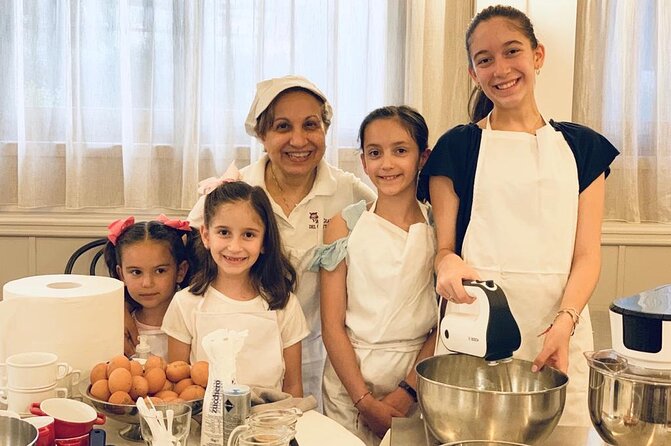
The tone starts early. At the meeting point, you step inside and get a welcome glass of Prosecco. Then you get a short behind-the-scenes look at how an Italian restaurant actually works—how the team moves, where you’ll be set up, and what “service mode” looks like while guests are dining.
That matters because it keeps the class grounded. You’re not doing a generic demo in a classroom. You’re learning in the same kind of environment where cooks prep, roll, plate, and run orders. Several instructors from different sessions pop up in the feedback—people like Francesco and Alba are mentioned often—so you can expect a lively teaching style rather than a quiet lecture.
One practical note: since this is also a functioning restaurant, the speed of the evening can depend on what’s happening in the dining room. Most experiences feel smooth and fun, but if you’re sensitive to waiting, keep your expectations realistic.
You can also read our reviews of more cooking classes in Milan
Fresh pasta skills: dough, flour, and fresca vs secca
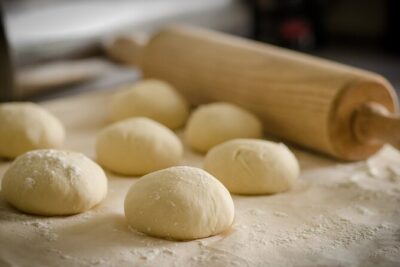
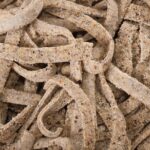
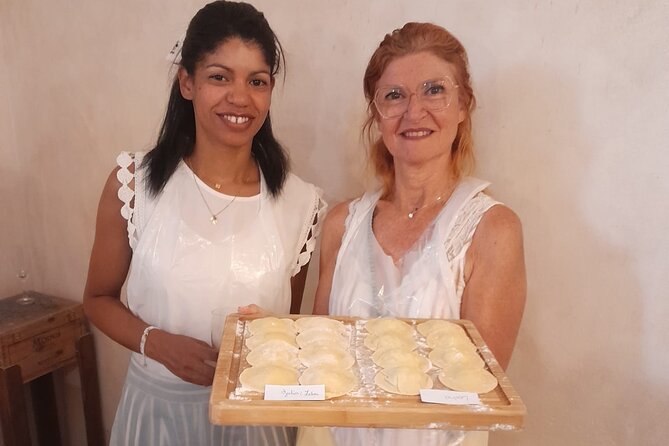
This class is built around the part of Italian cooking most people struggle with at home: dough. You’ll get step-by-step guidance on making the perfect pasta dough, including what flour to use and why. One of the most useful takeaways is learning the difference between pasta fresca (fresh pasta you cook soon) and pasta secca (dried pasta with a different handling approach).
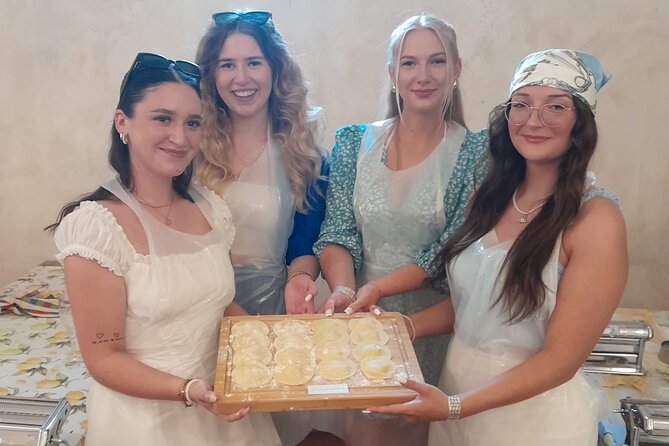
In the kitchen, the workflow is hands-on. You’ll go to your workstation, tie on an apron, and follow the rhythm the chef sets. Based on the way the class is described across sessions, you can expect a pretty direct progression: dough → rolling → shaping/cutting. Some people specifically mention rolling out the pasta themselves and cutting noodles, not just watching.
What you’ll be making (and what to taste)
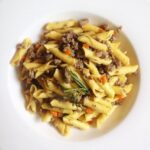
The sample menu points you to classic Milanese-and-adjacent pasta flavors:
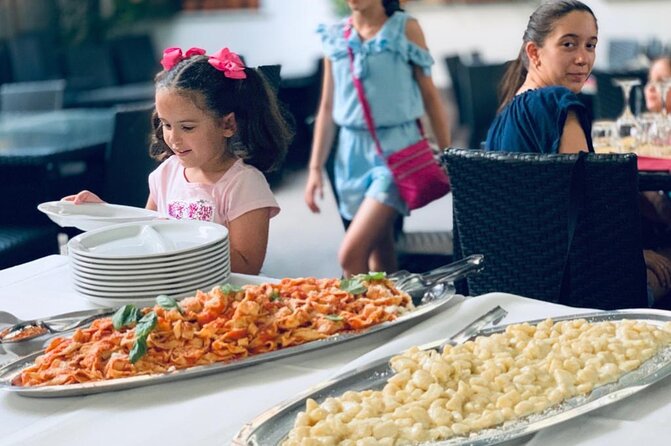
- Fettuccine with tomato sauce
- Ravioli with ricotta and spinach, finished with butter and sage
And you’ll also sit down to eat what’s on the menu—pasta dishes plus tiramisù—during lunch or dinner.
A small but smart detail: the class doesn’t only teach technique; it also teaches how those choices lead to flavor. Tomato sauce, butter and sage, and the ricotta-spinach combo aren’t random. They’re the kinds of pairings you’ll want to recreate.
If you’re thinking about trying this later, pay attention to what your instructor says about dough consistency and how to handle it. That’s what turns this from a fun evening into something you can actually repeat.
Tiramisù practice: mascarpone, layering, then lunch/dinner
Tiramisù is the second major skill in the lesson. You’ll learn how to prepare it step-by-step, and you’ll end up eating it as part of the shared meal. In one very specific bit of feedback, someone mentioned going a little too heavy on the mascarpone filling during building—which is exactly the kind of “real kitchen moment” you want. It shows you’re actively assembling, not just standing by.
What makes this portion feel worth it is the pairing with the pasta meal afterward. You’re not sending dessert away to be photographed. You make it, then you eat it. That turns the learning into something more memorable, because your senses connect technique to result.
Wine and drinks during the meal
Wine is part of the experience. You’ll have wine paired with the lunch/dinner, along with soft drinks. You also start with Prosecco, and the menu references both red and white wine options. The best way to think about this: it’s included and it’s meant to go with the meal, not to turn the evening into a heavy drinking session.
Still, if you’re driving later or prefer to skip alcohol, the class provides non-alcoholic beverages too. Keep it simple: tell the host what you prefer when you’re in the room.
You can also read our reviews of more wine tours in Milan




The restaurant lunch/dinner: why the setting is part of the value
This experience happens in a convenient central Milan restaurant. That gives it two advantages:
- You avoid transport stress between class and meal.
- You eat what you learned in the real context Italian cooking belongs in: food that moves from prep to dining with a team behind it.
Many people highlight the atmosphere—pleasant dining space, good energy, and a fun social mood. If you’re the type who likes your evening to include conversation (not just “workshop mode”), this setting helps.
How to read the one negative concern
One past guest flagged a disappointment that’s worth taking seriously if you’re picky about this part. The complaint said the final pasta served wasn’t strictly the pasta each person shaped; instead it was presented as a combined mix from the group, and the service felt slow.
I can’t promise that exact issue happens every time. But you should go in with awareness: because this is in a busy restaurant setting, the final table experience may not be identical to everyone’s individual handiwork.
If that would bug you, here’s your workaround: when you arrive, ask the host how the meal portioning works—whether you’ll be served the specific pasta your group made, or whether it’s combined and plated by the restaurant.
Small-group size: 12 people changes the whole feel
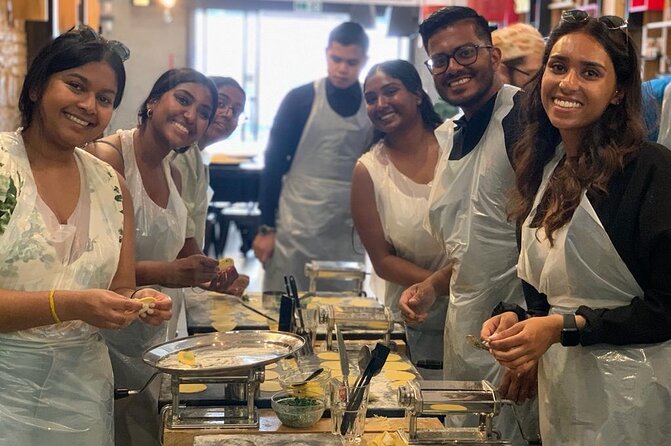
Capped at 12 travelers, this class is small enough to feel personal. You’re not watching one chef for three hours. You’re part of the action, and you get attention when you need it—especially during hands-on shaping and building tiramisù.
This size also helps with pacing. In a bigger class, you often lose time waiting your turn. With 12, the kitchen can move and the instructors can correct mistakes quickly.
If you’re going with kids, this group size matters even more. Multiple families mention it works well for children, with instructors patient enough to keep them involved. One parent even said their child was able to do everything on their own, which is a pretty strong sign that the teaching style supports different ages.
Who should book this cooking class in Milan?
Book it if you want:
- A hands-on skill you can repeat later: pasta dough, rolling, shaping, and tiramisù assembly
- A social evening that still feels structured
- A meal included with wine, in a central location with good public transport access
- English instruction, with friendly teachers who explain while they guide
You might reconsider if:
- You expect a totally rigid, classroom-style schedule with zero dining-room delays
- You care a lot about eating the exact pasta shape you personally made, every time (because restaurant service can change how portions are plated)
For couples, it’s a fun shared activity. For solo travelers, it’s a low-pressure way to talk to people without trying to “find a friend group.” And for families, it’s one of the easier ways to keep kids engaged in something real, not just a long sightseeing day.
Price and value: what you’re paying for
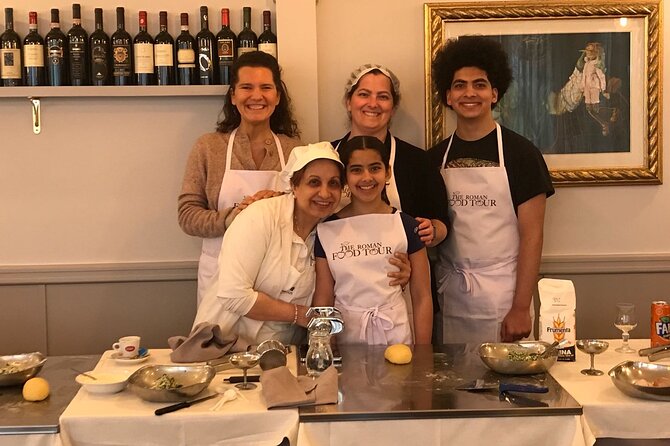
At $83.44 per person for about 3 hours, you’re paying for more than instruction. You’re also paying for:
- The meal (lunch or dinner)
- Pasta and tiramisù you eat as part of the session
- Wine and soft drinks, plus Prosecco at the start
- A small-group cap that supports real hands-on time
When alcohol and a full meal are included, the economics usually make sense compared to an evening where you’d separately buy dinner and then do an activity. Here, the class and the meal are part of the same package.
Just factor in tips aren’t included, so decide ahead of time what you’ll do for gratuity.
If you book: a few smart tips to get more out of it
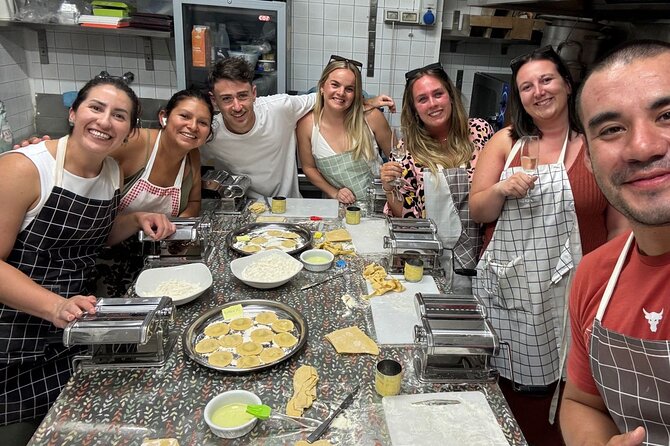
- Go hungry. You’ll be making food and then eating it, so skipping lunch beforehand can improve the whole experience.
- Watch the instructor’s dough comments closely. The flour and handling guidance is where the long-term value is.
- Take your time with tiramisù assembly. Small technique choices change how the dessert sets and layers.
- If you’re alcohol-sensitive, say so early so you get non-alcoholic options without awkwardness.
- If you care about what you personally made being what you eat, ask how plating works before you start.
Should you book this Milan pasta and tiramisù class?
Yes—if you want a fun, hands-on evening with food you can recreate, in a small group, and you like the idea of sitting down afterward with wine. The biggest strengths are the guided dough/pasta explanation (including pasta fresca vs secca) and the fact you’re not just tasting—you’re building tiramisù and eating the results.
Just keep one realistic expectation: because it’s held in a working restaurant, the pace and how pasta is served can vary. If you confirm how the final portions are handled when you arrive, you’ll feel much more confident going in.
If your travel style is about learning real technique, meeting people in a small group, and leaving with a new skill (not just photos), this class is a strong match.
FAQ
How long is the cooking class?
It runs about 3 hours (approximately).
What’s the group size?
The class has a maximum of 12 travelers.
Is the class offered in English?
Yes, it’s offered in English.
What food and drinks are included?
Lunch or dinner is included, featuring pasta and tiramisù, plus wine and soft drinks. You also receive a welcome glass of Prosecco.
Do I have to pay extra for tips?
Tips are not included.
Where does it take place?
It’s held at a convenient central Milan restaurant, near public transportation.
Will I be able to make the pasta and dessert myself?
You’ll do hands-on cooking for both fresh pasta and tiramisù with step-by-step guidance.
What dishes are on the menu?
The sample menu includes fettuccine with tomato sauce and ravioli with ricotta and spinach with butter and sage, plus tiramisù.
Can I cancel for a full refund?
Yes. You can cancel up to 24 hours in advance for a full refund.