REVIEW · MILAN
Share Your Pasta Love in a Local’s Home in Milan
Book on Viator →Operated by Cesarine: Cooking Class · Bookable on Viator
Fresh pasta beats any takeout in Milan. This small-group class turns a simple meal into hands-on Northern Italian cooking in a local home. You start with aperitivo, learn dough basics, shape your own pasta, then sit down to eat what you made.
What I like most is the pace and the setting. In places like Davide’s home, the recipe can come straight from a grandmother’s method, and the mood feels relaxed, not stiff. I also love that you get a real technique lesson in just 1.5 hours—mix, knead, shape—so you leave knowing what to repeat at home.
One thing to think about: this is not a sightseeing tour. If you’re looking for museum stops or a big “Milan highlights” walk, this may feel too food-focused (and your hands will be busy).
In This Review
- Key things that make this Milan pasta class worth it
- Why this pasta class feels different from a typical workshop
- Aperitivo and wine: the pre-dough part you’ll remember
- The 90 minutes of pasta making: what you’ll actually do
- What you’ll eat after cooking (and how the meal is handled)
- Northern Italy pasta details you can use at home
- The home setting: small group, relaxed vibe, real hospitality
- Value and price: is $63.88 fair for a Milan experience?
- Getting there from Corso Vercelli: keep it simple
- Who should book this class (and who might skip it)
- Should you book this Milan pasta love in a local home?
- FAQ
- What’s the duration of the Milan pasta-making experience?
- How many people are in each class?
- What’s included in the experience?
- Do I need to bring a printout or ticket?
- Where does the experience start?
- Is the location easy to reach with public transportation?
- How far in advance should I book?
- Can I get a refund if my plans change?
Key things that make this Milan pasta class worth it
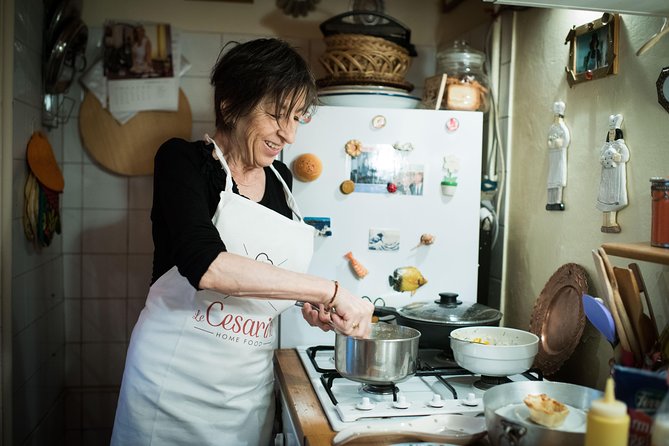
- A local-home format with a warm, lived-in vibe instead of a studio kitchen
- Aperitivo + wine included, so the evening starts like an actual Milan get-together
- Hands-on pasta skills fast enough for beginners, structured enough to feel confident
- Classic Northern shapes like tagliatelle, fettuccine, and ravioli
- Small group size (max 10), which usually means better help while you work the dough
- Optional finishing touches like homemade dessert or an Italian espresso
Why this pasta class feels different from a typical workshop
Milan has plenty of places to eat pasta. What’s rarer is learning how it’s made where Italians actually live. This experience is built around a simple idea: you’ll make fresh dough from scratch, then turn it into pasta you can recognize and eat immediately.
You also get a social rhythm. You’re not just standing around while someone talks. You’re welcomed, fed, and guided—so the cooking part doesn’t feel like a school assignment. The result is the kind of meal that feels personal, because you created it.
A small detail that matters: the class is capped at 10 people. That helps because pasta dough needs hands-on correction—how you knead, how thin you roll, how you shape without tearing. In a larger group, you’d spend more time waiting.
You can also read our reviews of more cooking classes in Milan
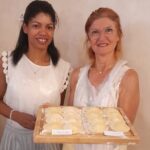
Aperitivo and wine: the pre-dough part you’ll remember
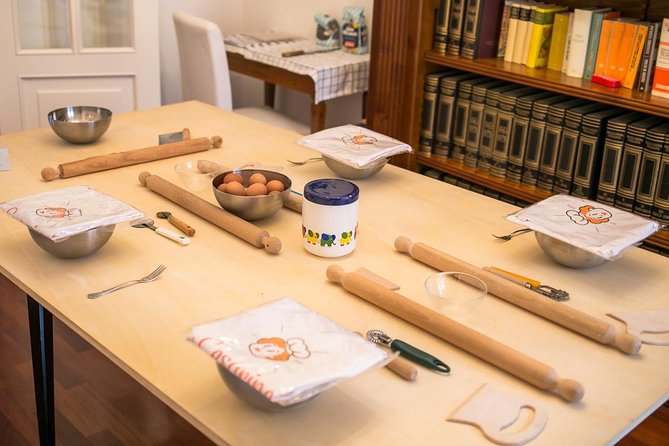
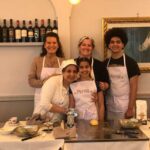
The experience kicks off with an Italian aperitivo. That’s the local habit of starting with something small and drinkable before the main event. In this class, it’s not an add-on; it’s the warm-up that gets you relaxed and chatting with your host and the other guests.
Then comes the wine. The information says you’ll enjoy a complimentary glass of wine, and the toast involves a bottle shared at a ratio of one per three guests. Translation: you’re meant to feel taken care of, but it’s not set up as a party-heavy night.
This matters for value. If you’ve paid for a cooking class in the past and it felt dry or rushed, the included drinks change the entire tone. You’re more likely to linger at the table after the cooking, and that’s when you get the best context—what goes into the food, and why certain shapes and textures matter in Northern Italian kitchens.
If you’re the sort of person who loves learning through conversation, this is a great fit.
The 90 minutes of pasta making: what you’ll actually do
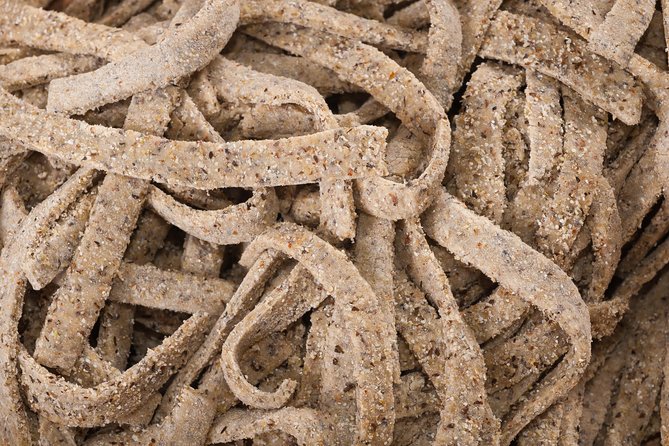
This class runs about 1.5 hours, which is exactly long enough to make the dough, shape it, and eat what you made—without stretching into a full evening cooking marathon.
Here’s the structure you should expect:
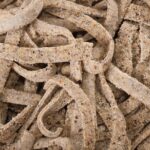
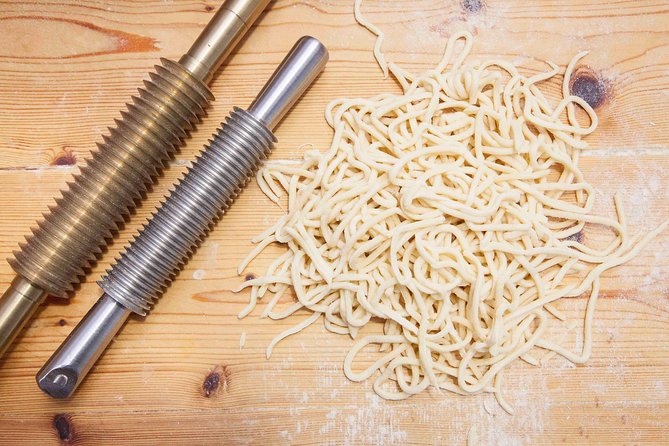
First, you’ll learn the pasta basics from your host. That includes mixing and kneading techniques, plus how to handle dough so it stays workable. Then you’ll shape the pasta into classic forms. The experience highlights tagliatelle, fettuccine, and ravioli—all very real options for Northern Italy, each with its own texture goal.
- Tagliatelle / fettuccine: These are about consistent thickness and clean cutting, so the strands cook evenly and hold sauce well.
- Ravioli: This adds attention to sealing and portioning, so the filling stays put and you get a satisfying bite.
The key is that the guidance is hands-on. One review described Davide showing a grandmother’s recipe and keeping the vibe relaxed. Another described an experienced, welcoming host couple (Enrico and Cristina). The common thread is that the teaching isn’t theoretical. You work the dough, and you get practical correction while you go.
You should also know what not to expect: this is not a slow, step-by-step pastry course with hours of proofing and rest times. It’s a tight, beginner-friendly pasta lesson where the goal is competence, not perfection.
What you’ll eat after cooking (and how the meal is handled)
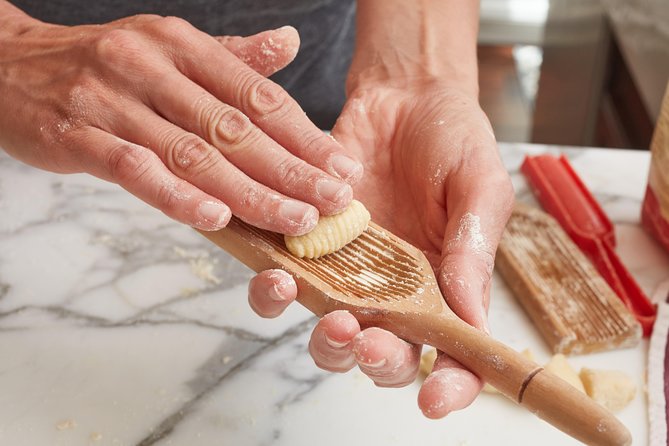
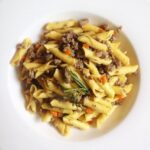
Once your pasta is ready, you sit down and enjoy your dish in the home. This is where the experience turns from class to meal.
Wine returns at the table, and you eat what you created. That sounds obvious, but it’s worth calling out because a lot of cooking classes end with samples. Here, it’s set up so you’re part of the meal—toast, pasta, and a proper sit-down.
You may also be offered a finishing option: homemade dessert or an authentic Italian espresso, depending on what you’d like to add. Even if dessert and espresso aren’t your thing, the fact that they’re part of the cultural flow helps you understand the meal as Italians tend to treat it: cooking, eating, then a sweet or coffee to close things out.
Northern Italy pasta details you can use at home
You’ll come away with more than a single “made-by-me” photo. You’ll learn enough process to repeat some basics later.
The biggest takeaways tend to be:
- How the dough should feel while you knead it (more elastic, less sticky).
- How thin to roll so the pasta cooks without turning rubbery.
- How to shape without tearing—especially with ravioli, where seal quality affects everything.
Also, because the class focuses on Northern styles, you’ll understand why some pasta shapes are common in that region. Tagliatelle and fettuccine are widely used for their sauce-holding surface. Ravioli is about portion control and texture. When you know those reasons, your next pasta dinner makes more sense.
And you get context in plain language. In homes like Davide’s, hosts use family methods—like a grandmother recipe—and that’s where the advice feels practical. You’re not just learning measurements; you’re learning habits.



The home setting: small group, relaxed vibe, real hospitality
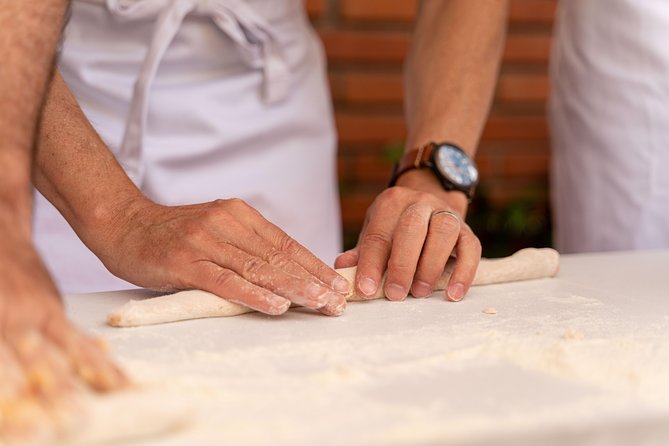
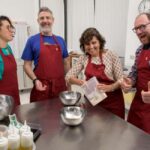
This is a class in a local home, not a rental venue. One description mentioned being inside in a living room, with a kitchen setup that felt like it could shift al fresco style depending on the space. Another highlighted a super relaxed, welcoming mood with the host couple doing the teaching.
That matters because pasta making is tactile. A home environment helps you feel at ease enough to focus on your hands, not your nerves. If you’ve ever felt awkward in a cooking class where everyone is already confident, this is the kind of format that can reduce that pressure.
It also tends to create better conversation. When you share the same space to cook and then eat, you get more chances to ask questions about ingredients, timing, and Italian food culture—especially around aperitivo and how Italians pace a meal.
Value and price: is $63.88 fair for a Milan experience?
At $63.88 per person, you’re paying for several things at once:
- A guided pasta-making lesson (hands-on, not just watching)
- Fresh ingredients to make dough from scratch
- Aperitivo on arrival
- A complimentary glass of wine
- A meal afterward that includes what you produced
- A small group experience capped at 10 travelers
Could you buy ingredients and try making pasta at home? Yes, but you’d be missing the real-time coaching that helps you avoid the usual beginner problems: sticky dough, uneven thickness, and ravioli that open when cooking.
Also, Milan isn’t a cheap city, and a home-based host model usually means you’re not just paying for food—you’re paying for personal instruction and space. That’s why I think the price makes sense if your goal is skill plus dinner, not just entertainment.
If your budget is tight, the best way to judge the value is to compare it to what you’d spend on a sit-down meal plus a cooking activity elsewhere. Here, food and teaching are bundled, and the small group helps keep the instruction meaningful.
Getting there from Corso Vercelli: keep it simple
The meeting point is Corso Vercelli, Milano. It’s listed as near public transportation, which helps a lot in a city where parking and taxis can eat time.
My practical advice: show up a few minutes early. Not because you’ll be late in the usual travel sense—because homes can have slightly different check-in flow than hotels. You’ll want time to meet your host calmly before hands-on dough starts.
Also, since this ends back at the meeting point, plan the rest of your evening with that in mind. Don’t stack another “must-see” right after, because you’ll likely want a little time to digest and enjoy the city afterward.
Who should book this class (and who might skip it)
This pasta-making experience is a strong match if you want:
- A food-focused Milan moment that feels personal
- A hands-on cooking skill you can repeat later
- An evening with aperitivo, wine, and a sit-down meal
- A smaller group atmosphere where it’s easier to ask questions
It’s especially good for couples, solo food lovers, and friends who don’t want to spend the day sightseeing and then wander into dinner hungry and disappointed.
You might skip it if:
- You’re mainly chasing big-ticket sights and need a long walking itinerary
- You want a class with extensive vegetarian/vegan specialization clearly spelled out (the info you have doesn’t promise dietary menus)
- You’re not comfortable with the tactile part of cooking (kneading dough is messy in the best way, but it’s still hands-on)
If you have a dietary concern, ask ahead. One booking mentioned a vegan situation being unusual, which suggests you should clarify what’s possible before you go.
Should you book this Milan pasta love in a local home?
Yes, I’d book it if you like real contact with Italian food culture and you want a skill, not just a meal. The combination of a home setting, hands-on pasta shaping, and included aperitivo + wine makes it feel like something more than a class.
I’d hesitate only if you’re expecting a traditional tour with landmarks, or if you need guaranteed specialized dietary accommodations without discussion. Otherwise, it’s a very fair bet for an authentic Milan evening: you’ll leave with a full stomach, pasta knowledge you can use, and a story that starts with I made this.
FAQ
What’s the duration of the Milan pasta-making experience?
It lasts about 1 hour 30 minutes.
How many people are in each class?
The group size is capped at a maximum of 10 travelers.
What’s included in the experience?
You’ll get an Italian aperitivo, hands-on pasta-making instruction, and you’ll enjoy what you make. You’ll also have a complimentary glass of wine. Optional homemade dessert or an Italian espresso may be available if you’d like.
Do I need to bring a printout or ticket?
You’ll have a mobile ticket.
Where does the experience start?
The meeting point is Corso Vercelli, Milano MI, Italy.
Is the location easy to reach with public transportation?
Yes, it’s listed as near public transportation.
How far in advance should I book?
On average, it’s booked about 7 days in advance.
Can I get a refund if my plans change?
Yes. Free cancellation is available up to 24 hours before the experience starts for a full refund.