REVIEW · MILAN
Milan: Natural History Museum Entry Ticket & Audio Guide
Book on GetYourGuide →Operated by Vox City International · Bookable on GetYourGuide
Two hours, 40+ audio moments, one great museum. I like the way this experience turns the Natural History Museum into a self-guided story with 40+ audio points, and I also love the fact that you get entry tickets for a proper museum visit instead of just a walking talk. One thing to consider: you must bring your own headphones and keep your phone charged, since the audio runs through your smartphone.
You’ll start right at the museum in Indro Montanelli Gardens (Corso Venezia 55), skip the ticket line, and follow a digital map at your own pace. The museum covers major themes—paleontology, mineralogy, zoology, and botany—so even if you’re not a science nerd, you’ll still get a clear narrative of how natural history connects to today’s conservation work.
In This Review
- Key highlights you’ll actually notice
- Why Milan’s Natural History Museum fits an audio tour
- Getting in smoothly: e-ticket, QR code, and what to bring
- Your 2-hour self-guided flow (what you’ll do once inside)
- The museum’s main themes: how the audio points guide you
- Paleontology: fossil stories and deep time
- Mineralogy: learning to see structure and formation
- Zoology: diversity of life in an organized story
- Botany: plants as living evidence
- The building and the gardens: a calmer Milan pause
- Languages and audio quality: English, Italian, French, and German
- Price and value: what $12 is buying you
- Common trouble spots to avoid before you arrive
- Who this experience suits best (and who should rethink it)
- Should you book this Milan museum audio ticket?
- FAQ
- How long is the Natural History Museum experience?
- What’s included in the ticket?
- Is this a guided group tour?
- Which languages are available for the audio guide?
- Do I need headphones?
- Where do I go to enter?
- How do I get the e-ticket?
- How do I download the audio guide?
- Can I skip the ticket line?
- Is there a cancellation policy?
- Is the museum accessible for wheelchair users?
Key highlights you’ll actually notice
- Smartphone audioguide with 40+ audio points to guide your pace through the galleries
- Digital map built into the app so you spend less time guessing where to go next
- Entry ticket included so this is a real museum visit, not just a narration
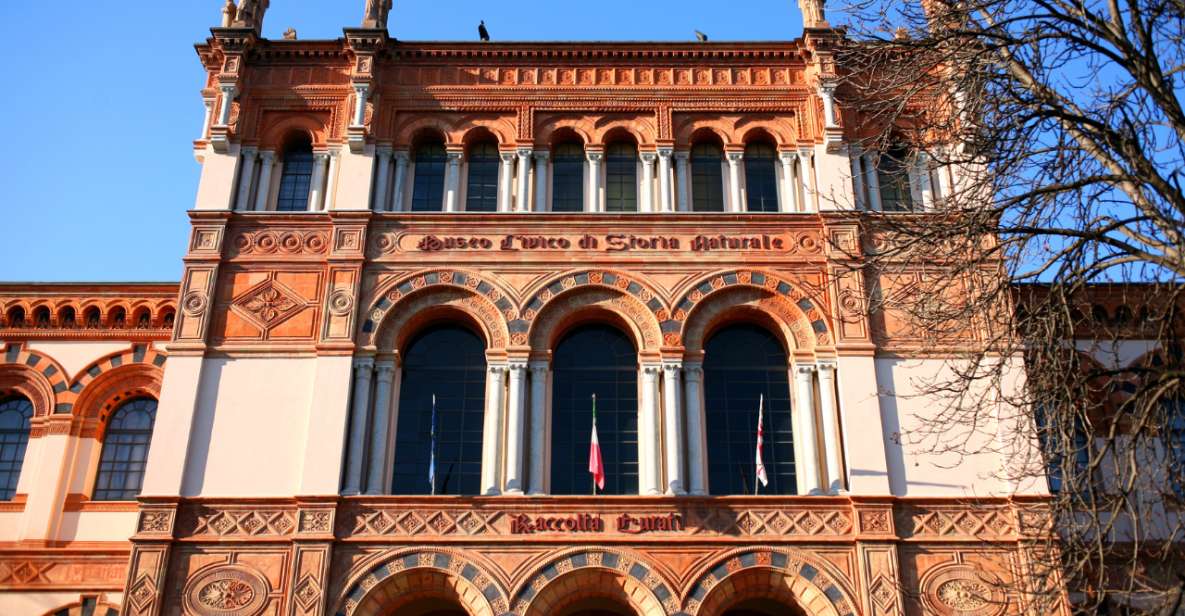
- Architectural setting in Indro Montanelli Gardens, with a lovely pause built into the experience
- Multiple languages: English, Italian, French, and German available from 15 April
- Two-hour length that fits cleanly into a Milan day without swallowing it
Why Milan’s Natural History Museum fits an audio tour
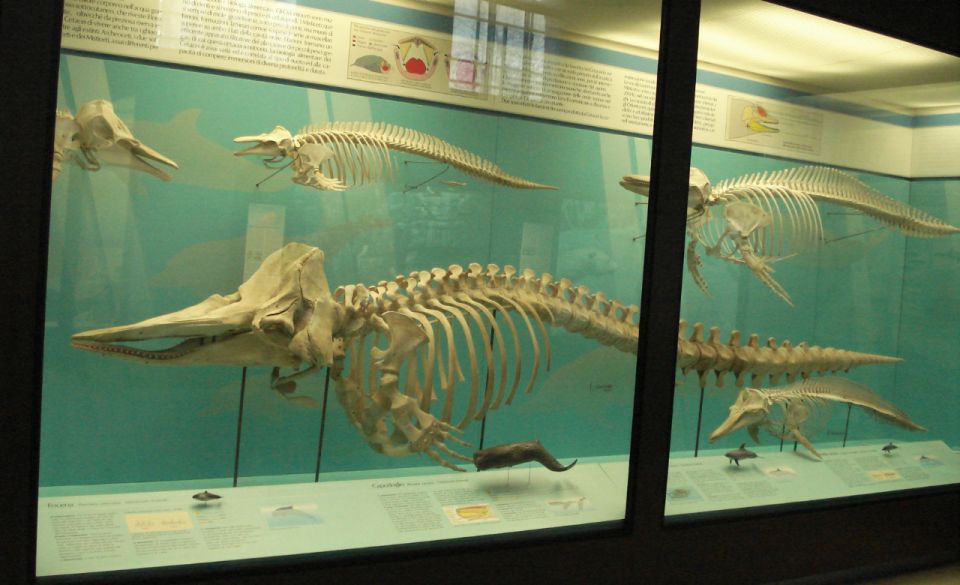
This is one of those museums that works beautifully with a phone audio guide. The collection is broad—fossils, minerals, plants, animals—and the audio points help you move in a logical order instead of drifting room to room. You’re not trying to read every label. You’re listening to short, structured segments that connect what you’re seeing to big ideas like evolution, Earth’s history, and why conservation matters.
I also like that the museum isn’t just inside. It sits in Indro Montanelli Gardens, so your visit feels tied to the outdoors. That makes it easier to treat it as a calm reset in the middle of a busy Milan itinerary.
One more practical win: skip-the-line entry. Even with an audio tour, you don’t want your day eaten by queue time.
You can also read our reviews of more tours and experiences in Milan



Getting in smoothly: e-ticket, QR code, and what to bring
This experience runs on an e-ticket and a downloadable audioguide. Here’s the setup you should expect:
- You’ll receive the e-ticket for entry on your mobile device via WhatsApp within 24 hours of your travel date.
- You access the audioguide by scanning a QR code on your voucher to download it before you arrive.
- At the museum, you show the e-ticket on your phone to the staff to gain entry.
Plan like this so you don’t waste time once you arrive: charge your phone fully and bring headphones. Headphones aren’t included, and you really feel that if you’re standing in quiet galleries without audio.
Also, since this is self-guided, there’s no live group to keep you moving. The digital map and the audio points are what do the organizing for you. If your app doesn’t download smoothly, you’ll want a fallback: try again from the QR code on your voucher rather than improvising with random links.
Your 2-hour self-guided flow (what you’ll do once inside)
The time block is listed as 2 hours, and that’s a useful promise. It’s long enough to get a real museum circuit, but not so long you feel trapped. Your route is driven by audio points and the digital map, so you can adjust for your energy level—linger longer if something catches your eye, or speed up if you’re already familiar with the basics.
A good way to think about your visit is this: the museum’s story moves from the past to the present. The audio narration covers the museum’s foundation in the 19th century up to modern ideas and conservation. That matters because it gives context. You’re not only looking at specimens—you’re hearing how natural history collections have shaped science and public understanding over time.
The museum’s main themes: how the audio points guide you
You’ll see major categories covered by the audio tour: paleontology, mineralogy, zoology, and botany. The value here isn’t that the museum has these topics—it’s that the audio points try to animate them into a coherent experience.
Paleontology: fossil stories and deep time
In paleontology sections, audio points help you interpret what you’re looking at. Fossils can be visually impressive, but without context they can blur together. With guided audio, you’re more likely to understand what makes a fossil important: what it suggests about ancient environments, how it fits into evolutionary timelines, or why it helps scientists reconstruct Earth’s history.
Tip for your pace: if you’re tempted to read every label, don’t. Listen to the audio point first, then check the label only if it adds something you want to remember.
You can also read our reviews of more guided tours in Milan






Mineralogy: learning to see structure and formation
Minerals are often underrated in museums because people expect “pretty rocks.” Mineralogy narration helps you notice patterns: how formations develop, what different minerals can tell you about geological processes, and why mineral collections matter for understanding Earth’s materials.
If you like hands-on thinking—even from a distance—this is the part where the audio can make static displays feel more alive.
Zoology: diversity of life in an organized story
Zoology usually becomes the “I didn’t expect to like this” segment for many people, and audio support helps. Instead of wandering past animal displays, you’re encouraged to connect them to themes: diversity, adaptation, and how scientific classification ties back to evolution.
This also pairs well with the museum’s conservation messaging. You’ll often hear how modern biodiversity threats connect to the kinds of specimens being shown.
Botany: plants as living evidence
Botany in a natural history museum isn’t just about flowers. The narration helps you treat plant specimens as evidence of climate, ecosystems, and how life has changed over time. It’s a good counterbalance if you find fossils too heavy or minerals too technical.
If you want a calmer, quieter finish to your circuit, botany is a smart target near the end of your 2-hour plan.
The building and the gardens: a calmer Milan pause

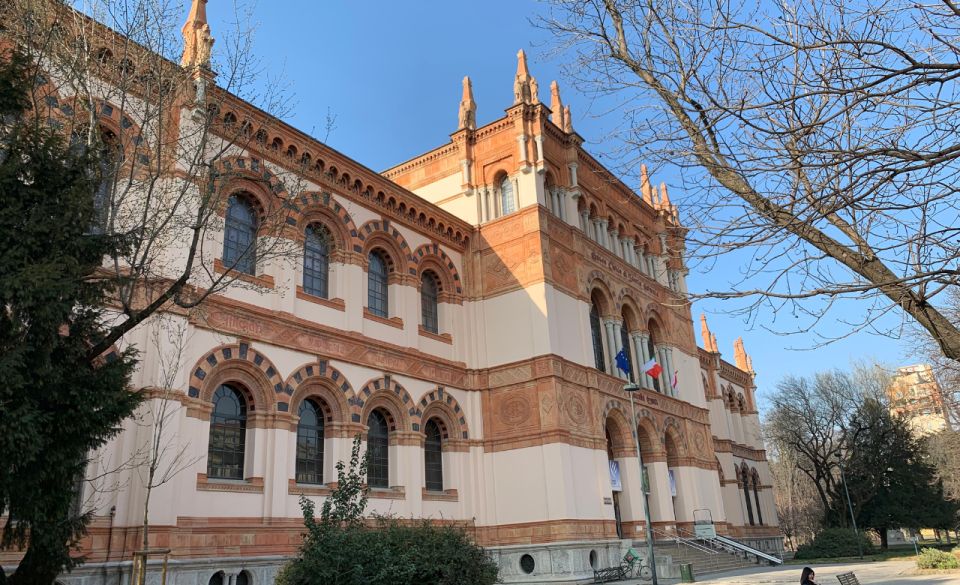
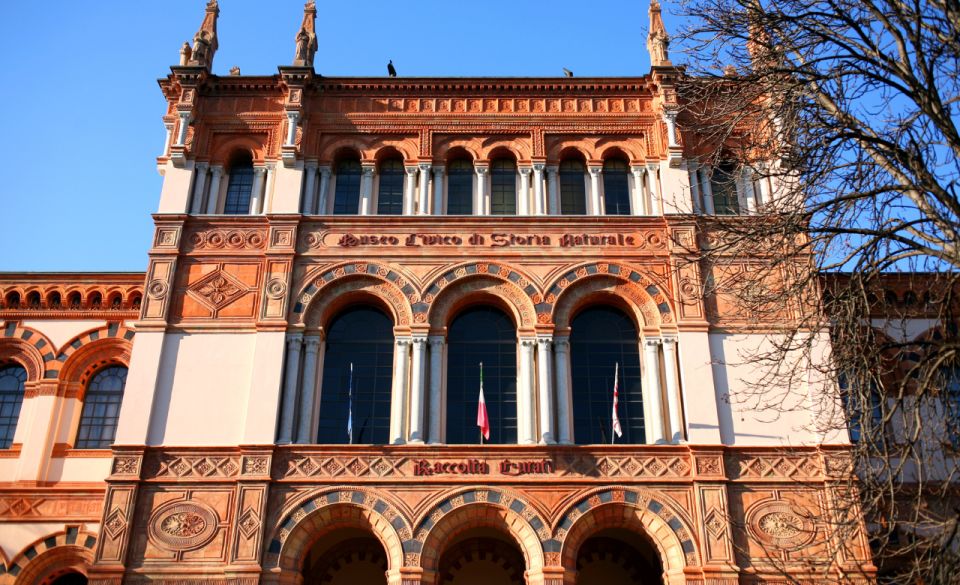
One of the reasons this museum experience feels easy to recommend is the setting. The Natural History Museum is housed in a historic building, and it’s located within Indro Montanelli Gardens. That means your visit doesn’t feel like a closed box.
I love using museums like this as a Milan reset. You can step out afterward and feel like you’ve had a break, not just squeezed in an attraction. Even if you don’t plan a long garden stroll, the atmosphere around the museum helps you slow down.
Languages and audio quality: English, Italian, French, and German
You get an audio guide via smartphone in multiple languages: English, Italian, French, and German (available from 15 April). That’s helpful in real life because you can choose the language you’re most comfortable with and keep it consistent throughout the route.
Practical note: the guide is provided through an app, so the actual audio quality depends on your phone volume and your headphones. Don’t assume you’ll be able to hear clearly without them—these galleries are typically quiet for a reason.
Price and value: what $12 is buying you
The price is listed at about $12 per person, and that matters because you’re not paying for a fancy guided group. You’re paying for three things bundled together:
- Entry ticket to the museum
- Smartphone audioguide with 40+ audio points
- A self-guided city experience bundled in the same provider/app ecosystem
For many people, that’s good value because you’re getting time in a major museum plus structured narration that helps you make the visit “stick.” You also avoid the hassle of booking a live guide if you prefer flexibility.
That said, I’m honest about one possible snag: ticket pricing can vary depending on where you buy. If you’re the type who compares every € difference, check other official options before you commit. The experience itself is solid, but the best deal usually comes from doing a quick price scan first.
Common trouble spots to avoid before you arrive
The museum visit is self-guided, so the biggest problems tend to be tech-related or setup-related—not the content itself.
Here’s how to avoid the typical headache:
- Download the audioguide using the QR code on your voucher before arrival
- Bring headphones (not included)
- Make sure your smartphone has enough battery for audio + maps
- Expect that your e-ticket arrives via WhatsApp within 24 hours
If you get to the museum and something isn’t working, keep your approach simple: re-check the QR code download step and make sure you’re using the correct voucher link. Don’t start clicking around if you’re not sure what it’s doing.
Also, remember there’s no food or drinks included. Bring water if you tend to get thirsty during museum circuits, or plan to grab a snack after.
Who this experience suits best (and who should rethink it)
This works best for you if you:
- Like museums but don’t want a strict guided group pace
- Want an organized route through big collections (not a random walk)
- Prefer hearing short explanations as you look, rather than reading everything
- Are visiting Milan on a schedule and need a clean 2-hour block
It might be less ideal if you:
- Hate relying on apps or downloading content before you go
- Don’t have headphones or don’t want to use your phone as your main guide
- Expect a live guide to answer questions in real time
Should you book this Milan museum audio ticket?
If you want a focused Natural History Museum visit without locking into a guided group, I’d book it. The combination of entry ticket + 40+ audio points + digital map is the main reason it works. It turns a large museum into something you can actually enjoy in a couple of hours.
Book it especially if you’re visiting with someone who has different interests. Paleontology, minerals, animals, and plants give you multiple “hook points,” and the audio structure helps you follow the thread.
Just don’t skip the basics: charge your phone, download the QR-linked audio guide ahead of time, and pack headphones. Do that, and you’ll likely leave feeling like you understood what you saw—not just that you walked through rooms.
FAQ
How long is the Natural History Museum experience?
It’s listed as a 2-hour visit.
What’s included in the ticket?
You get an entry ticket to the Natural History Museum and a digital smartphone audioguide in multiple languages, plus access to a self-guided city of Milan tour within the same offering.
Is this a guided group tour?
No. It’s a self-guided experience using the smartphone audioguide and digital map.
Which languages are available for the audio guide?
The audio is available in English, Italian, and French. German is available from 15 April.
Do I need headphones?
Yes. Headphones are not included, and the audio guide uses your smartphone.
Where do I go to enter?
Go directly to the Natural History Museum at Indro Montanelli Gardens, Corso Venezia, 55.
How do I get the e-ticket?
An e-ticket is sent via WhatsApp and becomes available for download within 24 hours of your travel date.
How do I download the audio guide?
Scan the QR code on your voucher to download the audio guide before you arrive.
Can I skip the ticket line?
Yes, skip the ticket line is included.
Is there a cancellation policy?
Free cancellation is available up to 24 hours in advance for a full refund.
Is the museum accessible for wheelchair users?
Yes, it’s listed as wheelchair accessible.