REVIEW · MILAN
Milan Da Vinci Mystery: Self-Guided Puzzle Quest
Book on Viator →Operated by Questo · Bookable on Viator
Milan becomes a mystery you can solve. This self-guided puzzle quest turns famous landmarks into clues, with Da Vinci–inspired quizzes and challenges that keep you moving without a dry script. I especially like the game-style format that replaces guidebook lectures, and the built-in city directions that work without relying on mobile data.
One thing to watch: several stops list admission tickets not included, so if you plan to go inside those venues (beyond the game checkpoints), you may need separate tickets and a bit more time on the ground.
In This Review
- Key Highlights You’ll Care About
- A Self-Guided Milan Mystery Built Around Da Vinci
- Price, Duration, and What $6 Actually Buys You
- When and Where You Start: Piazza della Scala to the Final Walk
- The App Experience: Clues, Quizzes, and Directions Without Data
- Stop 1: Piazza della Scala and the First Puzzle Moment
- Stop 2: Duomo di Milano and Why This Is the One Longer Stop
- Stop 3: Palazzo della Veneranda Fabbrica del Duomo
- Stop 4: Piazza Mercanti for a Quick Win
- Stop 5: Pinacoteca Ambrosiana as a Puzzle Pause
- Stop 6: Cripta di San Sepolcro for a Short, Specific Shift
- Stops 7 to 9: Palazzo dei Giureconsulti, Palazzo Carmagnola, Imperial Palace Maximian
- Stops 10 and 11: Leonardo’s Vineyard and La Vigna di Leonardo
- Ticketing Reality Check: Free vs Not Included at Each Stop
- Pace and Practical Tips for a Smooth 1h20 Walk
- Who This Puzzle Quest Fits Best in Your Milan Plans
- Should You Book the Milan Da Vinci Mystery Puzzle Quest?
- FAQ
- How long is the Milan Da Vinci Mystery: Self-Guided Puzzle Quest?
- How much does it cost?
- Do I need internet or mobile data for the route?
- What language is the puzzle quest available in?
- Is there a physical tour guide with you?
- Are entrance tickets included for the Duomo and other stops?
- What time window can I go?
- Can I cancel for a refund?
Key Highlights You’ll Care About

- Self-paced adventure: pick your start time and set a pace that fits you
- Offline-friendly directions: you can follow the route without mobile data
- 10 interactive puzzle challenges: quizzes and tasks built into a Da Vinci storyline
- No physical guide: it’s just you, the app, and the city streets
- Ticket mix at stops: some are listed as free, others as not included if you want entry
A Self-Guided Milan Mystery Built Around Da Vinci
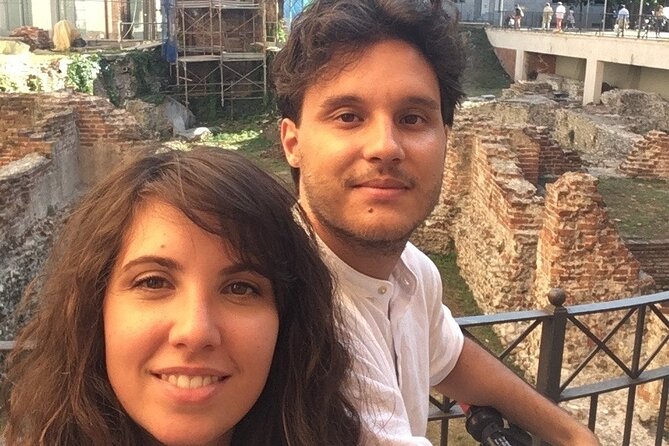
If you want Milan without a spreadsheet of facts, this works. You’re not chasing a guide through rooms and over explanations. You’re solving puzzles and answering questions as you walk between real, recognizable places.
The experience is built around a mobile app and an interactive storyline inspired by Leonardo da Vinci. The format is simple: you start at a fixed meeting point, get a clue, solve a puzzle, and then receive the next set of directions and prompts. The whole thing runs about 1 hour 20 minutes at a comfortable tempo, with short stops that keep your brain on task instead of on autopilot.
This is also a budget-friendly way to “do something” in a city that can feel overwhelming. At $6 per person, you’re paying for an organized route, a set of challenges, and a guided-feeling storyline—without paying for a full live tour. If you enjoy figuring things out as you go, it’s a smart use of your time.
You can also read our reviews of more guided tours in Milan



Price, Duration, and What $6 Actually Buys You
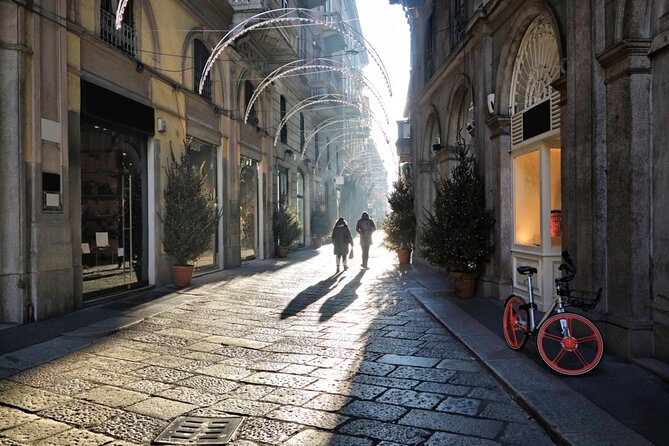
Let’s talk value first. $6 sounds almost too low for a route across central Milan. The catch is that it’s not a traditional tour with a guide. What you are paying for is access to the mobile game (via a code), the interactive challenges, and a planned sequence of landmark stops.
You get 10 interactive puzzle challenges plus the narrative thread connecting them. You can pause and resume anytime, which matters in Milan where lines, crowds, and coffee breaks happen whether you’re ready or not. And since it’s private for your group, you’re not stuck waiting for anyone else to read a sentence out loud.
Duration is listed as about 1 hour 20 minutes, and each stop is timed in the same quick, punchy style (mostly around 5 minutes, with one longer stop at Duomo di Milano). That structure is ideal if you want a planned walking loop without committing to half a day.
When and Where You Start: Piazza della Scala to the Final Walk

You start in the Piazza della Scala area (20121 Milano). You finish at Casa Atellani, Corso Magenta 65, 20123 Milano. It’s a nice setup because it gives you a real start landmark for orientation, then naturally ends closer to the Corso Magenta side of central Milan.
Hours are wide: 5:00 AM to 9:00 PM, every day. That’s great because it lets you schedule the game around the rest of your day. Morning can be calmer for walking. Late afternoon often means more people, but also more street energy.
The experience is offered in English, and confirmation is received at booking time. It’s also described as private: only your group participates. That’s helpful if you’re traveling with kids or friends who want the same pace and don’t want to split up and regroup around a guide.
The App Experience: Clues, Quizzes, and Directions Without Data
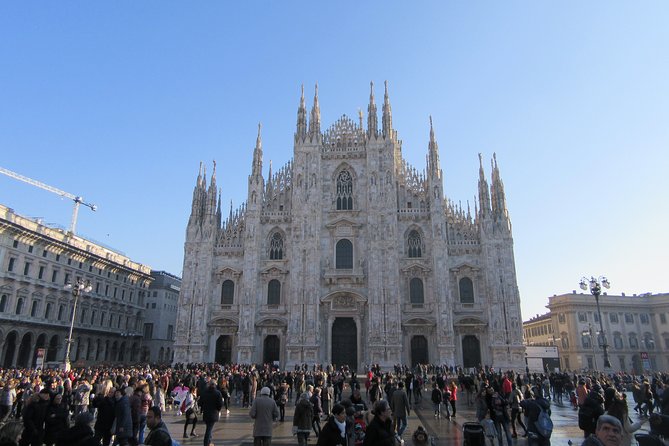
This is where the tour earns its keep. The highlights focus on skipping the guidebook lecture style and using the app instead. You get a storyline inspired by Leonardo da Vinci, then you’re asked to respond to quizzes and challenges as you reach each checkpoint.
I like how the directions are designed to be used like navigation instructions, not like a booklet you have to interpret. The big win: the tour emphasizes that you can follow directions without needing a data connection. That’s practical in Italy, where signal can be uneven and roaming costs are annoying.
You’ll also need to use a mobile ticket/code. The tour is delivered through a mobile access code for the game, so make sure you arrive with your phone charged and ready. If you’re the type who forgets to download offline maps, treat this as a reminder to do the same.
Stop 1: Piazza della Scala and the First Puzzle Moment
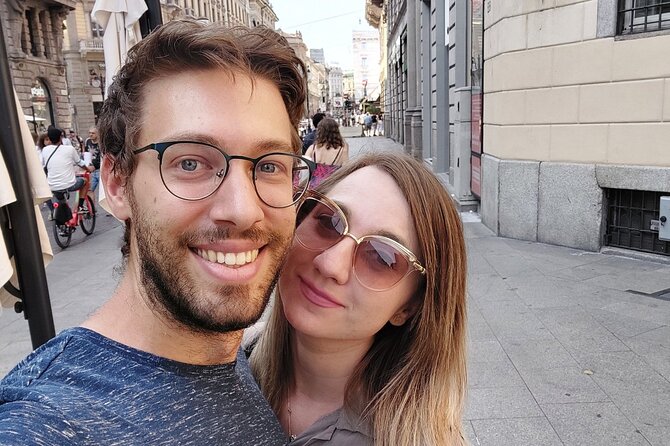
Your first move is the most important one: you’ll reach Piazza della Scala by following a clue and solving a puzzle. That sets the tone fast. Instead of being “here’s a map, now go,” you start with a small problem to solve, which helps you get mentally into detective mode.
At the plaza, you get indications on how to continue your game. The clue isn’t just a gimmick; it’s also paired with learning about the place you’ve just found. This first stop is short—about 5 minutes—but it’s designed to get your rhythm so the later segments feel easy.
Admission here is listed as free. That’s consistent with the idea that some stops work as checkpoint locations where you can play without needing entry to a specific paid site.
You can also read our reviews of more tours and experiences in Milan




Stop 2: Duomo di Milano and Why This Is the One Longer Stop

Next up is Duomo di Milano, the most demanding checkpoint in the loop. Your time allocation is about 10 minutes, which is longer than most other stops. That tells you the Duomo area is a key landmark in the story and in how the game guides you through the city.
Admission at this stop is listed as not included. Here’s how I’d interpret that as a practical traveler: the game may guide you to learn from the area, but if you want to enter a paid attraction connected to the Duomo complex, you’ll likely pay separately. You won’t want to plan a rushed timeline for this stop if entry is part of your day.
What makes this segment worth it is the way the game ties learning to clues. Instead of staring at a famous building until your brain blanks out, you answer questions and solve tasks that push you to notice details you might otherwise ignore.
Stop 3: Palazzo della Veneranda Fabbrica del Duomo
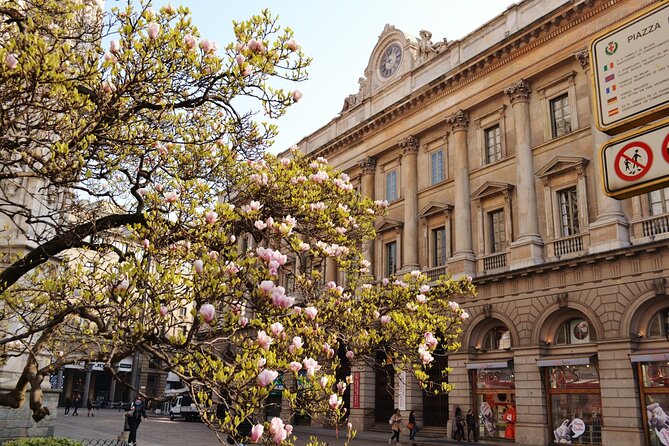
After the Duomo area, you move to Palazzo della Veneranda Fabbrica del Duomo. This checkpoint is timed at about 5 minutes, so think quick in-and-out.
Like the Duomo stop, admission here is listed as not included. Still, the game approach means you’re not simply walking past buildings for the sake of ticking them off. You’re receiving instructions for the next stage and learning about the place you’ve just reached.
This stop is a good example of how a puzzle quest can change your pace. You’re not just moving forward—you’re waiting for the app to tell you what to look for, then using that prompt to slow down and observe.
Stop 4: Piazza Mercanti for a Quick Win
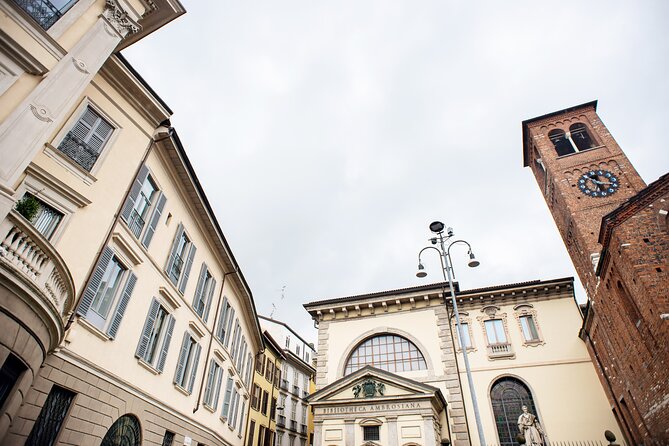
Then comes Piazza Mercanti, another short checkpoint (about 5 minutes). Admission here is listed as free, which generally keeps the logistics simple.
This is the kind of stop that works well when you want a little momentum. The app clue leads you here, you solve something, and you get the next set of directions without spending time figuring out your bearings.
Piazza-style stops can also be nice breaks. You can pause, reset your pace, and keep your phone handy for the next clue without feeling like you’re stuck in a long queue.
Stop 5: Pinacoteca Ambrosiana as a Puzzle Pause
Next, you head to Pinacoteca Ambrosiana. Another quick segment at about 5 minutes, and this one is listed as free for admission.
The app’s job at a place like this is to get you to look for information and details you might otherwise skip. In other puzzle experiences like this, the tasks often involve locating text, images, or displayed materials. The goal is that you leave with a better sense of what you just saw, not just a photo.
Even if you don’t plan on deep museum time, a puzzle checkpoint can still make the stop meaningful. You’re using the building as an information source, guided by tasks rather than by memorization.
Stop 6: Cripta di San Sepolcro for a Short, Specific Shift
Cripta di San Sepolcro is another 5-minute checkpoint. Admission is listed as not included, so again: if entry into paid areas is part of your plan, you may need to handle tickets separately.
What I like about shorter checkpoints like this is that they prevent decision fatigue. You’re not debating for an hour whether to stop at one more place. You’re solving a piece, collecting the next instruction, and moving on.
This kind of pacing is especially good if you’re traveling with mixed interests. One person can be more interested in the big-ticket sights, while the puzzle structure still keeps everyone involved.
Stops 7 to 9: Palazzo dei Giureconsulti, Palazzo Carmagnola, Imperial Palace Maximian
You then work through three more palazzo-focused checkpoints, each around 5 minutes:
- Palazzo dei Giureconsulti (admission not included)
- Palazzo Carmagnola (admission not included)
- Imperial Palace Maximian (admission not included)
This section is where the app really earns its keep. These are not always the first places people pick for a spontaneous Milan walk. The puzzle quest format gives you a reason to show up at these exact spots and pay attention to what the story suggests.
Practical tip: these segments are short, so keep your pace steady. You’ll want to spend just enough time to complete what the app asks—then trust the next clue to get you moving again.
Also, if you’re sensitive to crowded streets, this is the part where central Milan can feel busy. The good news is your tasks keep you from wandering aimlessly.
Stops 10 and 11: Leonardo’s Vineyard and La Vigna di Leonardo
The loop ends with Leonardo-themed locations:
- Leonardo da Vinci’s Vineyard (admission listed as free)
- La Vigna Di Leonardo (admission listed as free)
These are 5-minute checkpoints. Ending here feels thematic because it connects the storyline back to Leonardo’s world instead of just leaving you with a pile of buildings and photos.
I like last stops that are shorter and cleaner. You don’t want a big “finale” that turns into a timed scramble. Free-admission checkpoints also keep the wrap-up uncomplicated.
By the end, you should feel like you’ve walked a real path through Milan’s layers—more like a personal investigation than a checklist.
Ticketing Reality Check: Free vs Not Included at Each Stop
Here’s the most important practical point: some stops are marked Admission Ticket Free, while others are marked Admission Ticket Not Included. That means the game visit itself is designed to be playable without forcing you to buy every entrance ticket, but the venues tied to certain stops may still charge if you choose to go inside.
So I’d plan like this:
- If a stop says admission free, you can treat it as low-friction.
- If a stop says admission not included, treat it as optional. If you want the full interior experience at that location, budget time and money. If you just want the game checkpoint and the learning prompts, you can likely keep the schedule tight.
This directly addresses a common frustration with puzzle tours: unclear assumptions about extra costs. For this experience, the app is the core product. The attractions are the setting for the puzzles.
Pace and Practical Tips for a Smooth 1h20 Walk
This quest is built for a set route, so the biggest threat to your enjoyment is losing time. Milan is walkable, but it’s easy to get distracted by side streets, cafés, and other sights that don’t belong to your current clue.
A few habits help:
- Keep your phone brightness reasonable so you don’t zoom in and out every step.
- Don’t overstay at each checkpoint. The stops are designed to be about 5 minutes (with one 10-minute Duomo segment).
- Use the pause feature if you need a coffee or a bathroom stop. This is exactly what pause/resume is for.
- If you’re traveling as a group, agree on a pace before you start the game. Puzzle tours are self-guided, so you’ll set the rhythm together.
The experience is also described as near public transportation. That’s useful if you need to break off and rejoin later or if your walking day overlaps with transit-heavy plans.
Who This Puzzle Quest Fits Best in Your Milan Plans
This is a great match if you like:
- walking with a purpose
- solving small puzzles
- learning through prompts instead of lectures
It’s also a strong option for families or teenagers. One positive note attached to this kind of game format is that it can keep younger travelers engaged, because the activity is active and visual—searching for information in the city and using it to move forward.
If you want a deep, slow museum day, this probably won’t replace that. It’s short, purposeful, and designed as a focused walking experience. Think of it as a fun, structured layer over Milan, not the only layer.
Should You Book the Milan Da Vinci Mystery Puzzle Quest?
If you’re spending a day in Milan and you want more than photos, this is an efficient way to turn iconic areas into a real route you can understand as you walk it. The $6 price makes it easy to justify, and the offline-friendly directions reduce stress.
Book it if you enjoy self-guided activities and want a Da Vinci-themed story that makes you look closely at what you’re passing. Skip it only if you strongly prefer a traditional guide-led explanation, or if you know you want to spend lots of time going inside every “not included” attraction. For most people, the mix of free and optional entry keeps it flexible and fun.
FAQ
How long is the Milan Da Vinci Mystery: Self-Guided Puzzle Quest?
The experience takes about 1 hour 20 minutes (approx.).
How much does it cost?
It costs $6.00 per person.
Do I need internet or mobile data for the route?
The experience highlights that you can follow detailed directions around the city without needing a data connection.
What language is the puzzle quest available in?
It’s offered in English.
Is there a physical tour guide with you?
No. This is a private tour/activity where only your group participates, and it’s self-guided using a mobile app.
Are entrance tickets included for the Duomo and other stops?
Admission ticket details vary by stop. Some stops are listed as free, while others are listed as admission ticket not included.
What time window can I go?
It’s listed as running Monday through Sunday from 5:00 AM to 9:00 PM, and you can choose your start time and pace.
Can I cancel for a refund?
Yes. You can cancel for free up to 24 hours in advance for a full refund.