REVIEW · MILAN
Milan Culinary Experience: Pasta & Gelato or Tiramisù Class
Book on Viator →Operated by Towns of Italy · Bookable on Viator
Fresh pasta looks simple until you start working with dough. This 3-hour Milan class turns you from spectator to cook, with hands-on pasta and a gelato demo that teaches the little things that make it taste right. I also like the small-group feel and the fact you leave with a digital recipe booklet, not just good memories. One thing to consider: this is lunch-time cooking, so if you show up hungry you’ll be happy, but if you arrive late you might miss the start.
Meet your hosts, roll and shape dough, and then eat what you made with wine. The guides I heard most about include Matteo, his team member Fabrizio, and other instructors like Alfredo, who keep the pace friendly and the lessons practical. If you’re gluten-free (for celiac disease), skip this one because it’s not suitable.
In This Review
- Key highlights at a glance
- Milan Pasta and Gelato Class Above Mercato Centrale
- Meeting at Milano Centrale: Finding the School Fast
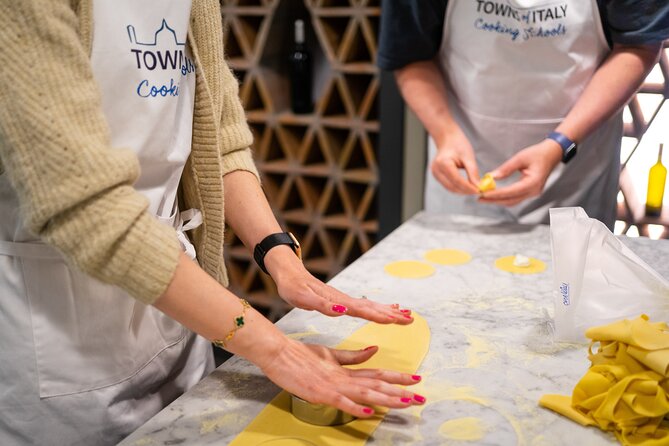
- Hands-on Pasta Skills: Tagliatelle and Ravioli
- Sauces, Cheese Fondue, and What Seasonality Means
- Gelato Techniques: From Natural Flavors to the Eating Cone
- Wine-Filled Lunch and the Certificate/Recipe Booklet Payoff
- Who This Class Is Best For (and When to Skip)
- Tiramisù Switch: What Changes After March 1, 2026
- Price and Value Compared to Eating Out
- Should You Book This Cooking Class?
- FAQ
- What time does the class start and how long does it last?
- Where do I meet the group?
- Is pickup or drop-off included?
- What language is the class offered in?
- What’s included with the meal?
- Is this class suitable for celiacs?
- Is the class vegetarian-friendly?
- When do tiramisù classes start?
Key highlights at a glance
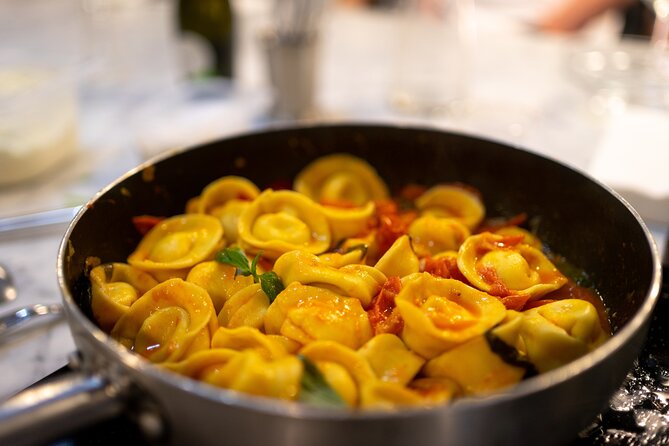
- Fresh pasta tricks you can reuse for tagliatelle and ravioli at home
- Gelato cone skills taught alongside natural flavors and freezing techniques
- Unlimited wine with lunch plus soft drinks for kids
- Seasonal menu flexibility, including sauces like pesto or carbonara-style options
- Max 20 people, so questions actually get answered
- Digital recipes + graduation certificate to make the class last past dinner
Milan Pasta and Gelato Class Above Mercato Centrale
This is a hands-on food class built around two big Italian favorites: pasta and gelato. You’re not just watching. You’re learning how the dough should feel, how shapes come together, and what to look for so the final results taste like Italy and not like school cafeteria dough.
I like that the experience is paced like a real meal. You cook, you smell everything while it’s happening, then you sit down and enjoy what’s been prepared. It also helps that the group stays small (maximum 20), which makes a difference when you need quick feedback on your pasta steps.
The class also includes wine—two glasses with lunch—and that changes the vibe. It’s a social meal, not a rigid lecture. Still, if you prefer very quiet, no-conversation dining, you might find the group energy a bit lively.
You can also read our reviews of more cooking classes in Milan

Meeting at Milano Centrale: Finding the School Fast

Your meeting point is at Towns of Italy – Cooking School – Milanpresso Mercato Centrale, right near the Milano Centrale area (above Mercato Centrale). The exact address is Via Giovanni Battista Sammartini, 1/Primo Piano, 20125 Milano MI, Italy. Start time is 11:00 am, and the class ends back where it began.
Here’s the practical tip that matters: give yourself extra time to get your bearings in and around the market. One review flagged that confusing directions can cause you to arrive late, and the consequences can be harsh. So don’t treat this like a meet-and-greet that starts whenever you show up.
The good news: it’s near public transportation. That’s a big deal in Milan, where you often spend more mental energy finding trams or metros than actually getting to your destination.
Hands-on Pasta Skills: Tagliatelle and Ravioli
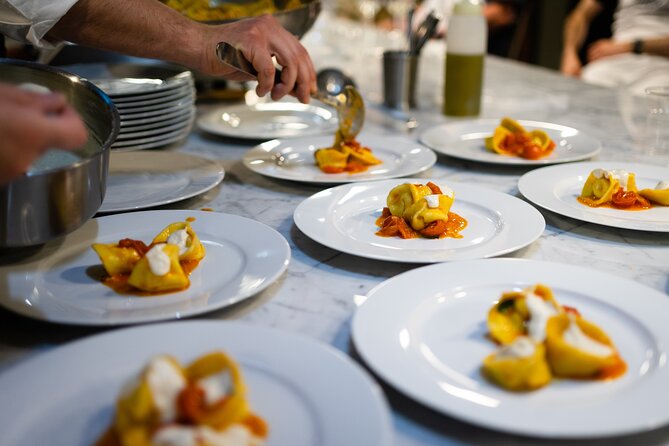
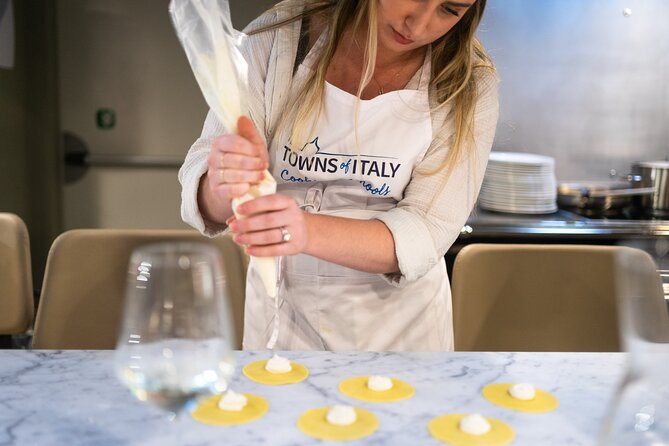
The core of the class is making fresh pasta with the help of the chef and assistants. Expect to work on tagliatelle and ravioli, including learning techniques for ravioli shapes. You’ll start with dough basics, then move into forming and portioning with guidance throughout.
What I’d call the real value is not the final plate. It’s the “why” of the process: how dough should look and feel as you handle it, how to work efficiently, and what mistakes to avoid. These are the kinds of lessons you can actually repeat back home—especially if you’re the type who always wondered whether pasta is too hard to learn.
Even better, the chefs use live demonstrations while you’re cooking too. In several accounts, Matteo and his team encouraged questions and even pulled volunteers for demonstrations. That keeps the instruction moving and makes it easier to understand a step before you’re asked to do it.
One small drawback to note: a couple of people said they would’ve liked to eat the exact pasta they personally made, instead of having the class meal combined. That’s not uncommon in a class setting, but it’s worth knowing if you’re the proud type who wants your own ravioli on your plate.
Sauces, Cheese Fondue, and What Seasonality Means
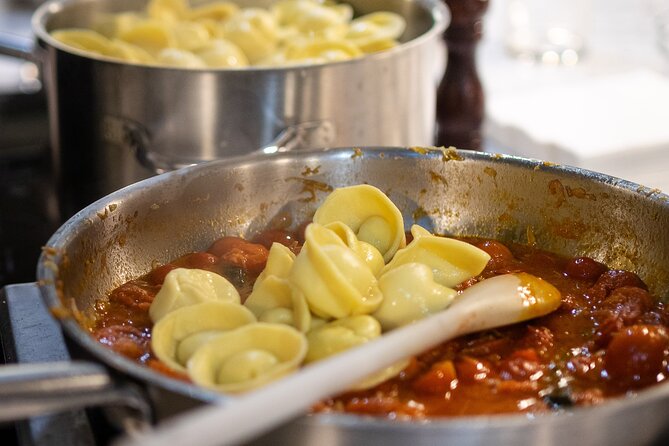
Your menu includes more than pasta shapes. The class centers on seasonal sauces—options commonly mentioned include carbonara and pesto-style flavors—plus other components that can include cheese fondue. The exact menu can shift slightly by season, but the structure stays the same: pasta, sauces, and a dessert.
This matters for value. You’re not just paying to copy one recipe you could find online. You’re learning how Italian cooks adapt what they make depending on what’s available. That seasonal flexibility is part of why Milan food tastes different across the year.
Also, if you’re vegetarian, plan for this to work well. Vegetarians are welcome, and alternative recipes are available when you notify the operator in advance. One person noted the chef adjusted sauces when someone didn’t love pesto, which is a sign the kitchen can handle preferences.
If you’re dealing with allergies or intolerance, you’ll want to communicate your needs when booking. The data says advance notice helps, and it also explicitly notes the class is not suitable for celiacs.
Gelato Techniques: From Natural Flavors to the Eating Cone
Then comes gelato, and it’s not treated like an afterthought. You watch an authentic gelato preparation and learn about natural flavors and freezing techniques from the chef. The most memorable practical detail: you learn how to make the cone for eating gelato.
That might sound small, but it’s one of those real-world skills that makes gelato feel like a complete Italian experience, not just a sweet end to a meal. The cone step changes the texture and the way you eat it, and the class focuses on getting it right.
You’ll also get to see the process with your own eyes, including how the chef approaches flavors and the mechanics of freezing. Several accounts mention the scent of sauces and gelato prep standing out while they cooked. That’s not a minor point: smelling what’s happening helps you understand what you’re tasting later.
And yes, until March 1, 2026, the dessert included is gelato. After that date, the dessert changes to tiramisù (more on that below).
You can also read our reviews of more tours and experiences in Milan




Wine-Filled Lunch and the Certificate/Recipe Booklet Payoff
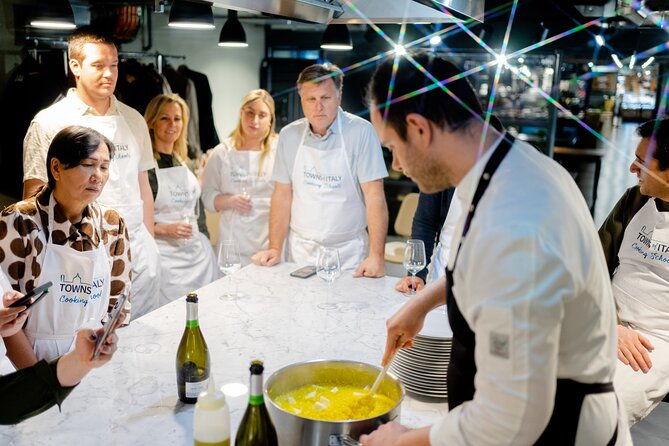
After the cooking, you eat a full meal. Lunch includes wine—two glasses per person—and soft drinks for children. The food is part lesson, part celebration: you’ll sit down after cooking and enjoy what’s been made.
The part you’ll feel later at home is the digital booklet with recipes. The class also gives a graduation certificate. This sounds symbolic, but it helps you remember the exact method and ingredient logic instead of relying on a blurry memory of what tasted good.
One note from people who attended: don’t eat a huge meal right before class. Since the lunch is included, going in already stuffed can make it harder to enjoy everything you worked on. If you arrive with some hunger, you’ll taste more and learn better.
If you like to talk while eating, this is a good fit. The wine plus the small-group layout makes it easy to swap travel tips and food questions with fellow students. It’s the kind of class where you leave with both recipes and new connections.
Who This Class Is Best For (and When to Skip)
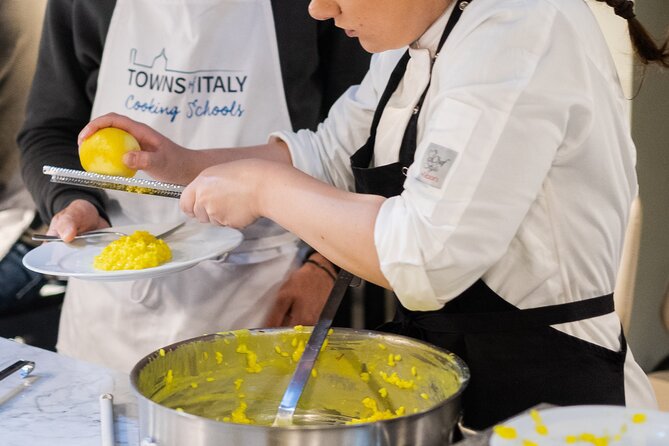
This class is a strong choice if you want a skill you can repeat. People consistently highlight hands-on instruction, clear explanations, and the chance to ask questions. In multiple accounts, chefs like Matteo, Fabrizio, and instructors such as Alfredo were described as engaging and attentive, including working well with children.
It’s also good for solo travelers. One person started the class mid-trip and found it a quick way to meet people. In a city as busy as Milan, a guided meal with a small crowd can be a faster social reset than trying to wing it at lunch.
Families can do well too, as long as kids are handled correctly. The rules say anyone under 18 must be accompanied by at least one adult, and the operator reserves the right to exclude an underage participant without refund if that requirement isn’t met.
When to skip: if you need gluten-free for celiac disease, this isn’t suitable. Also, if you prefer strict self-paced activities or you hate being hands-on, you might find the cooking steps a little demanding—even though instruction is given throughout.
Tiramisù Switch: What Changes After March 1, 2026
Until March 1, 2026, the dessert included is gelato. Starting March 1, 2026, classes feature tiramisù instead.
So if gelato is your main target, plan your dates before that changeover. If you’re more of a tiramisù person, you’ll want to schedule after March 1, 2026 to match the dessert to your taste.
Either way, the pasta portion stays the core of the experience. The dessert update is a bonus for people who like knowing exactly what they’ll eat.
Price and Value Compared to Eating Out
At $85.32 per person for about three hours, you might wonder if this is pricey. In Milan, a nice sit-down meal can cost about that much or more—especially if you add wine. But the difference here is that your payment buys instruction plus a full meal.
You’re paying for:
- hands-on time with a chef and team,
- meal components that include wine (two glasses),
- and takeaway materials in a digital recipe booklet,
- plus a graduation certificate.
So it’s not just a meal. It’s a skill session that ends in lunch. For many people, that’s the best deal category in travel: you trade money for an ability you can use at home.
One more value angle: the class size is capped at 20. Smaller groups mean more attention, and that usually leads to fewer frustrating mistakes.
Should You Book This Cooking Class?
I’d book this if you want a practical Milan food experience where you come away confident you could recreate at least part of it. The combination of fresh pasta techniques and gelato prep, paired with lunch and wine, makes it feel like you’re getting a full cultural meal—not a quick food tasting.
I’d think twice if:
- you’re celiac or need gluten-free accommodations for that condition,
- you’re very sensitive to arriving exactly on time (start at 11:00 am and build in buffer),
- or you want a completely silent, self-directed experience.
If your goal is to learn by doing—tagliatelle, ravioli, sauces, and gelato cone technique—this is the kind of class that turns into one of your favorite Milan memories, plus one you can repeat.
FAQ
What time does the class start and how long does it last?
The class starts at 11:00 am and lasts about 3 hours.
Where do I meet the group?
You meet at Towns of Italy – Cooking School – Milanpresso Mercato Centrale, Via Giovanni Battista Sammartini, 1/Primo Piano, 20125 Milano MI, Italy.
Is pickup or drop-off included?
No. Pick up and drop off at your hotel are not included.
What language is the class offered in?
The class is offered in English.
What’s included with the meal?
You get lunch with wine (two glasses of wine) and soft drinks for children, plus the pasta you make and a dessert (gelato until March 1, 2026).
Is this class suitable for celiacs?
No. It is not suitable for celiacs.
Is the class vegetarian-friendly?
Yes. Vegetarians are welcome, and alternative recipes are available if you provide advance notice about dietary restrictions.
When do tiramisù classes start?
Classes include tiramisù starting March 1, 2026. Until then, the dessert included is gelato.