REVIEW · MILAN
Milan: Pasta Mastery Workshop with Spritz and Tiramisù
Book on GetYourGuide →Operated by Timonfaya Travel Lanzarote · Bookable on GetYourGuide
A great meal starts with dough. In this 3-hour Milan workshop, you’ll learn fresh homemade pasta and finish by eating what you make, including tiramisu. The main thing to consider is that it’s hands-on, so you’ll want to be comfortable cooking rather than just watching.
I like the setting: a central Milan home near Metro Gerusalemme and Parco Sempione, run in a casual, informal way for a small group (up to 10). Federico speaks English here, you get recipes to take home, and the class stays practical from kneading to shaping.
In This Review
- Key Highlights Worth Your Time
- A Small-Group Pasta Lesson in Milan’s Gerusalemme–Sempione Area
- Meet Federico Bonaconza and Get Your Kitchen Game Plan
- From Dough to Ravioli: The Core Skills You’ll Actually Use
- Tagliatelle, Egg or No Egg, and the Color Tricks That Look Italian
- Stuffed Pasta Fillings and Sauce Pairings Like a Local Chef
- Spritz, Coffee, and Tiramisu: Eating the Same Meal You Made
- Price, Value, and What’s Included in the $105
- Who This Workshop Fits Best (and Who Might Want a Different Class)
- Before You Go: Dietary Notes and What to Bring
- Should You Book This Milan Pasta Workshop?
- FAQ
- What is the duration of the Milan pasta workshop?
- How much does the workshop cost?
- How many people are in the group?
- What language is the class taught in?
- What pastas will I learn to make?
- Do I get recipes to take home?
- Is food included, or do I just cook?
- Do adults get a drink?
- Where is the meeting point, and how do I get there?
- Can I handle dietary restrictions?
- FAQ
- What is the cancellation policy?
- Is there a reserve now, pay later option?
- When does the class start?
- Is it suitable for families?
- What should I wear?
Key Highlights Worth Your Time
- Federico Bonaconza teaches hands-on pasta skills you can repeat later
- You make two homemade pastas and learn what changes with egg vs no-egg dough
- Ravioli and stuffed pasta techniques with real filling-to-sauce logic
- Welcome spritz for adults, plus coffee and water during the class
- Generous tasting at the end, including homemade dessert like tiramisu
- Recipe copy to take home, so your next pasta night is easier
A Small-Group Pasta Lesson in Milan’s Gerusalemme–Sempione Area
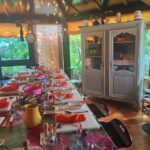
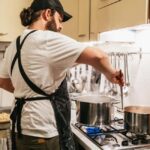
This workshop is built around one simple idea: Milan pasta skill comes from doing, not just reading. You’ll cook in a central home in Milan, which matters because you’re not stuck in a studio classroom. A home kitchen also tends to feel less formal, and this one is described as safe, comfortable, and well set up.
The location is practical for getting there with public transit. You can use the Lilac metro to Fermata Gerusalemme, take Tram 12 or 14 to Fermata Cenisio, Tram 10 to Procaccini/Lomazzo, or the Passante to Fermata Domodossola. If you’re already planning time around Parco Sempione, this makes the timing easy without long transfers.
You’ll be in a small group (limited to 10), and that’s a big deal for cooking classes. It usually means more attention when you’re kneading, shaping, or learning how thin the dough should be. I also like that the class is taught in English, so you’re not guessing what the chef means while you’re mid-dough.
You can also read our reviews of more cooking classes in Milan
Meet Federico Bonaconza and Get Your Kitchen Game Plan
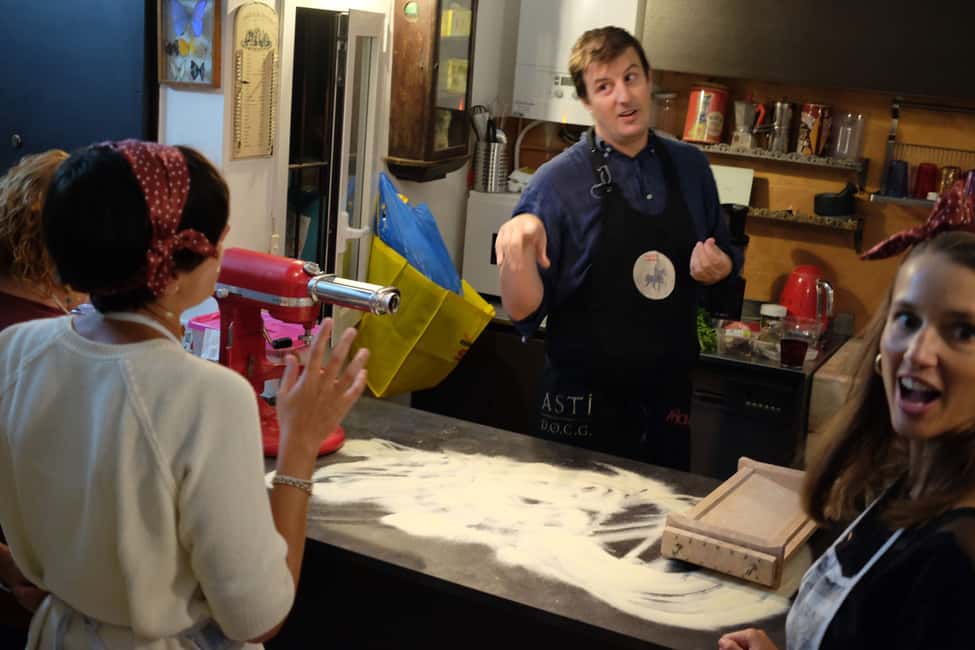
The host here is Federico Bonaconza, a pasta-maker who leads you through the full process in a guided way. The meeting point is listed around Federico Bonaconza with a name connected to the pickup point (Guido D’Angeli). In plain terms, you should plan to show up on time and look for the greeter so you can get settled quickly.
Right away, expect a casual tone. You’ll be in comfortable, non-fancy clothes. That’s not just a vibe choice. When you’re making pasta by hand, you want freedom of movement and clothing you don’t mind getting flour on.
Before you start cooking, you’ll get oriented and then move into the workflow. That matters because pasta classes can go two ways: either you spend most of the time waiting, or you stay productive. Here, the pacing is built for you to learn steps and actually practice them within the 3 hours.
And yes, adults get a welcome spritz, with coffee and water also included. That turns the class from a chore into a proper Milan meal experience—something you’ll remember, not just a skill you add to a list.
From Dough to Ravioli: The Core Skills You’ll Actually Use
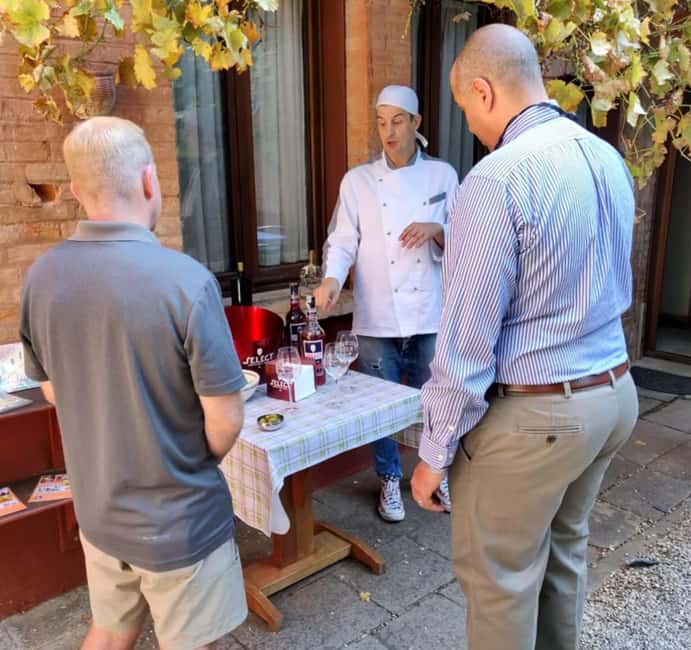
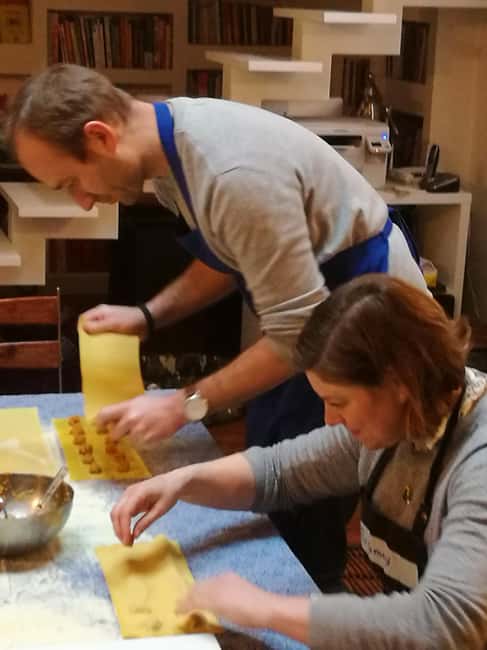
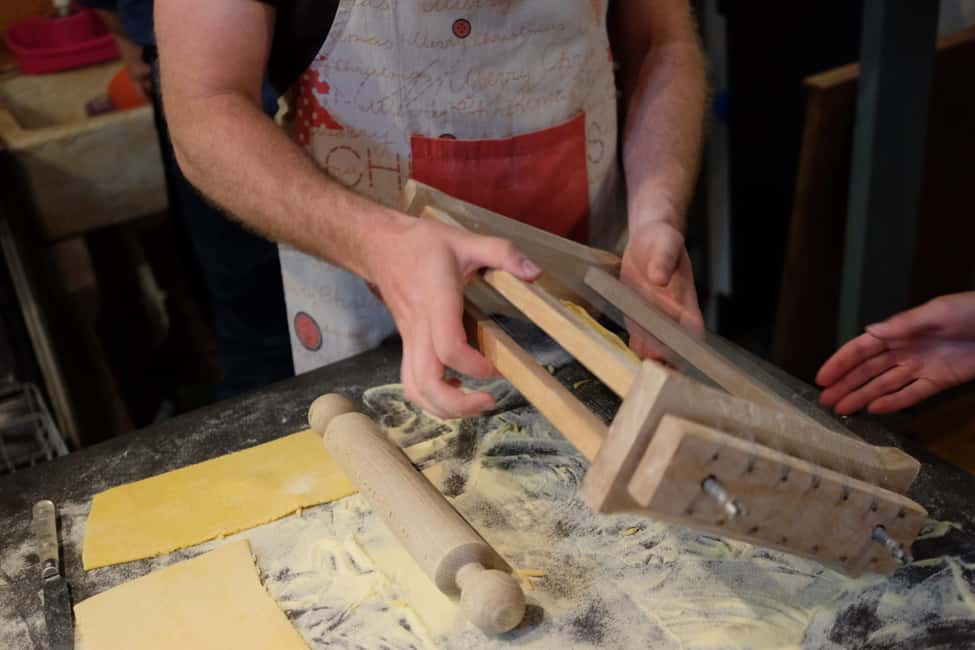
The heart of the workshop is homemade pasta, with a focus on traditional Lombardy methods. You’ll learn kneading and the fundamentals of forming pasta dough, then move into shaping ravioli.
Why ravioli first? Because it forces you to learn several key skills at once:
- getting the dough texture right while kneading
- shaping thin sheets consistently
- sealing so the filling stays put
If you’ve never worked with dough before, the good news is that the class is designed to be straightforward and teachable. The structure matters: you’re guided step-by-step from dough to finished pieces, and you end by eating your own work.
And if you already know pasta basics, this still works. You’ll get feedback on technique, not just ingredients. That’s the difference between having a recipe and having the know-how.
You’ll also likely make more than ravioli (the class covers ravioli and tagliatelle and mentions additional pasta forms). But ravioli is the anchor skill. Once you understand the dough and sealing, the rest feels more manageable.
Tagliatelle, Egg or No Egg, and the Color Tricks That Look Italian
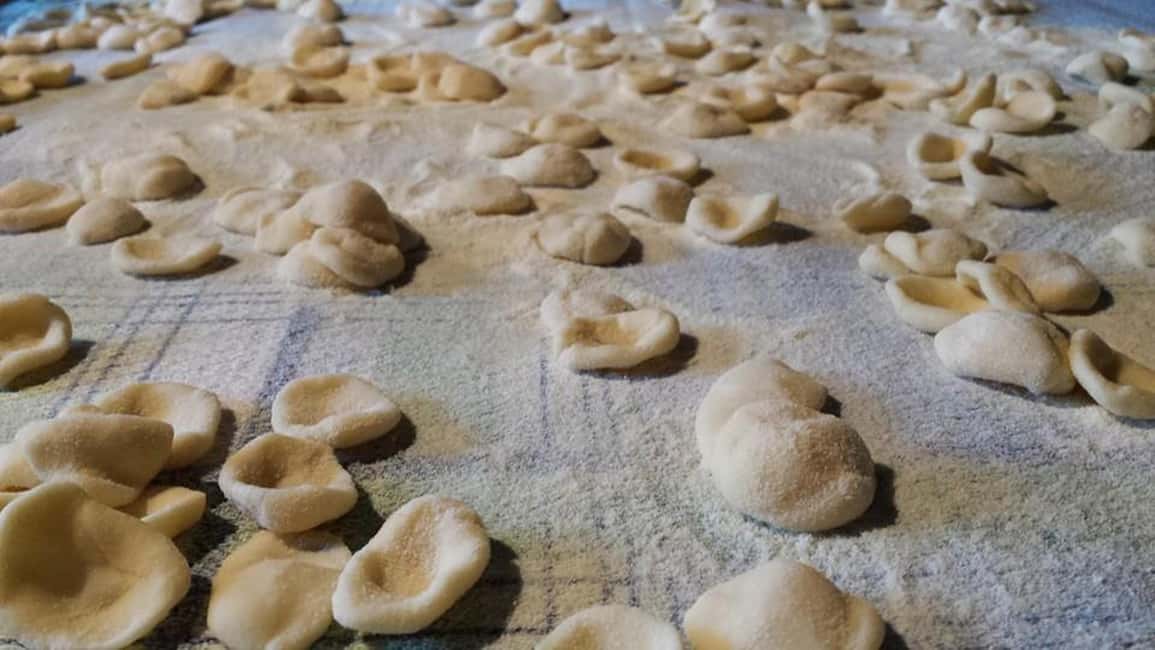
You’re not locked into one kind of dough. The workshop specifically mentions learning pasta with eggs and also without eggs, plus experimenting with vibrant colors.
This is one of my favorite parts to read about, because it answers a real travel question: why does Italian pasta look different sometimes? Egg dough and egg-free dough can behave differently, and color pasta isn’t just for looks. It’s a way of signaling ingredient variation and tradition in a more playful way.
Here’s what you can take from this section, even after you leave Milan:
- You’ll understand that pasta texture changes with dough composition
- You’ll see how to work the dough when it’s colored
- You’ll learn the practical handling side, not just the theory
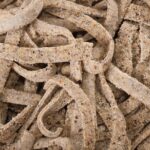
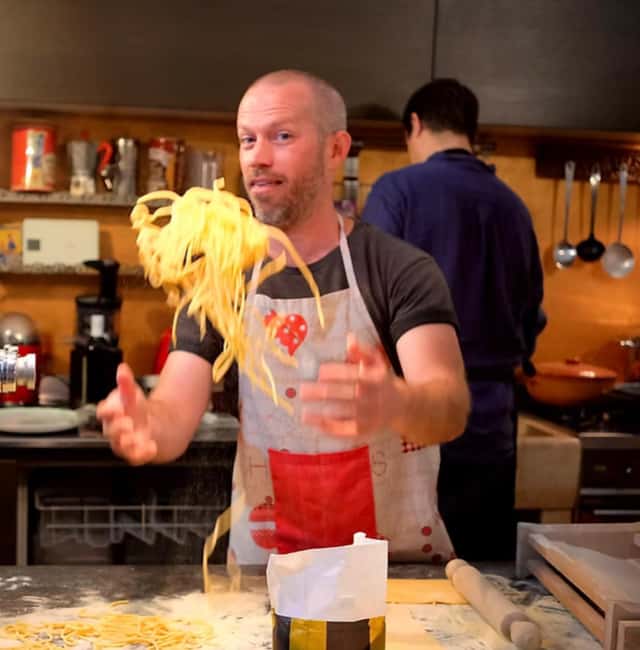
The class also includes shaping tagliatelle (mentioned as part of what you’ll craft). That’s helpful because ravioli and tagliatelle teach different muscle memory. Ravioli is about enclosure and edges. Tagliatelle is about cutting and uniformity. Together, they round you out as a pasta cook.
And because it’s a small group, you’ll get time to practice without feeling lost. That’s where a good workshop earns its place.
Stuffed Pasta Fillings and Sauce Pairings Like a Local Chef
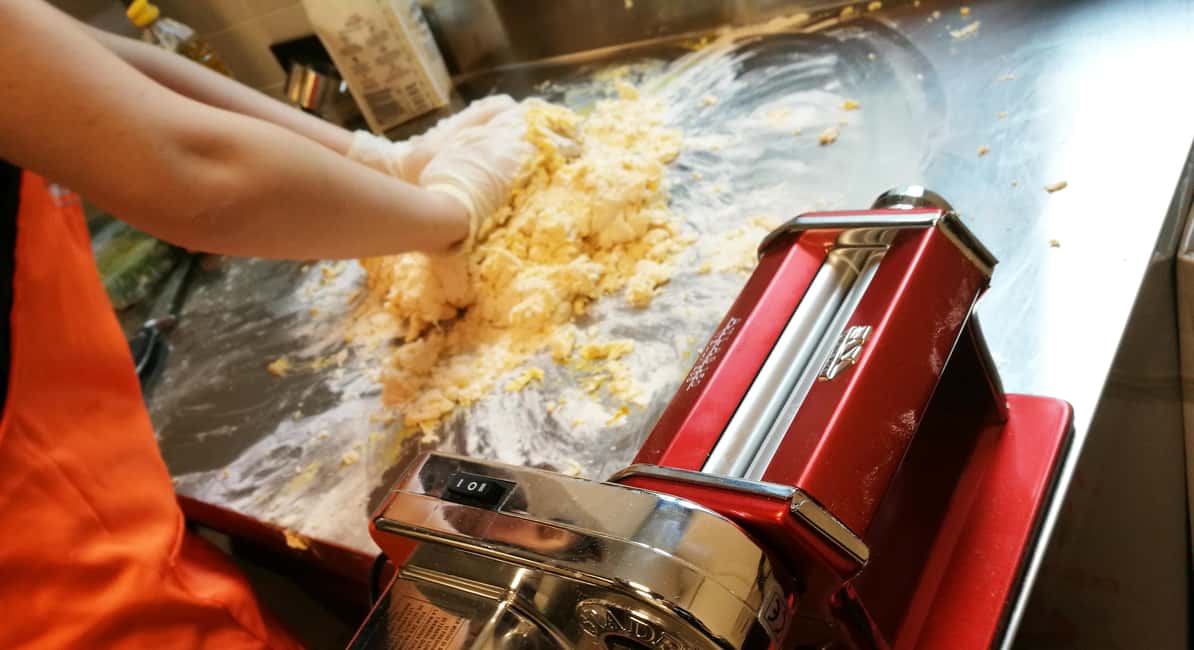
The class goes beyond dough. It points you toward the logic behind stuffed pasta: how fillings connect to sauces.
You’ll learn the idea of pairing fillings with sauces, framed like a true Italian-chef approach. You’re not just dumping sauce on top at random. You’re matching flavors and textures so the stuffed pasta makes sense as a dish, not as a craft project.
This is practical value for your future dinners. If you take only one thing from this workshop, make it this: you’ll leave with a way to think about combinations. Even if you don’t remember every detail, you’ll remember the principle—stuffed shapes like ravioli tend to want sauces that respect the filling, not bury it.
The experience is also designed to be fun and together. Families are specifically mentioned as a good fit, which tells you it’s not a stiff “serious cooking school” style class. It’s more like coordinated cooking with a chef guiding the process.
You can also read our reviews of more tours and experiences in Milan
Spritz, Coffee, and Tiramisu: Eating the Same Meal You Made
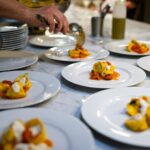
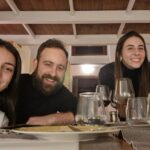
At the end, you’ll sit down and eat. And you’ll eat the results of your work. That’s a big deal. Cooking classes where you never taste your own food can feel like a training session. Here, the meal is part of the experience, including homemade dessert like tiramisu.
You also get a welcome spritz for adults, plus water and coffee. That’s not just a perk. It keeps the energy up during hands-on cooking, especially during the kneading and shaping stages when you might otherwise feel restless.
From the reviews, the final meal is consistently a high point: people call the atmosphere great and the food extremely tasty, and several highlight that the quantities feel generous. I take that as a sign the class doesn’t end with small bites. You’re meant to leave fed, not just impressed.
Price, Value, and What’s Included in the $105
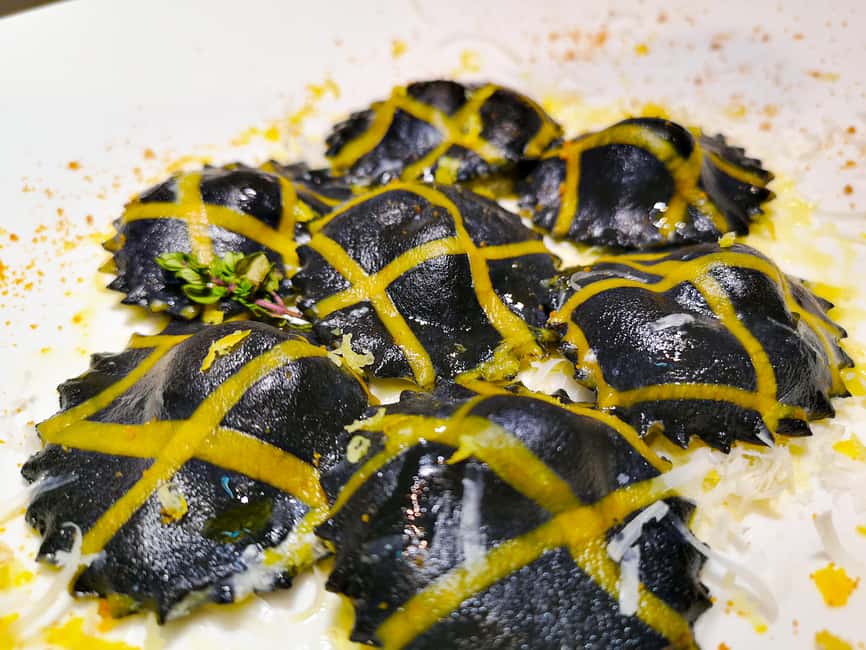
At $105 per person for a 3-hour workshop, you’re paying for instruction, ingredient value, and the included meal experience. This matters because in pasta-making, the real cost isn’t flour and eggs. It’s time with a chef who teaches you how to handle dough and shape consistently.
What’s included makes the price feel more reasonable:
- Hands-on cooking class with a chef
- 2 homemade pastas with recipes
- Water and coffee
- Welcome spritz for adults
- Homemade dessert such as tiramisu
If you’ve ever bought a cooking class and then had to pay extra for the food, this model is easier to justify. You’re getting the meal built into the session, plus a recipe copy you can use again at home.
One practical value point: the class is limited to 10 participants. That smaller group size is where technique advice becomes more effective, especially when you’re shaping ravioli and learning sealing.
Who This Workshop Fits Best (and Who Might Want a Different Class)
This is ideal if you want a hands-on experience in Milan that feels local and social. It’s a good match for:
- couples looking for a memorable food activity
- small groups who want guidance and shared work
- families who want to cook together in an informal setting
- pasta beginners who need step-by-step coaching
It’s less ideal if you want a tour where most of the time is sightseeing while someone else cooks for you. This one is active. You’ll knead, shape, and handle dough.
It also helps if you can commit to the time. Three hours sounds short, but pasta needs practice time. The class timing is set so you can learn and then eat within the same session.
Before You Go: Dietary Notes and What to Bring
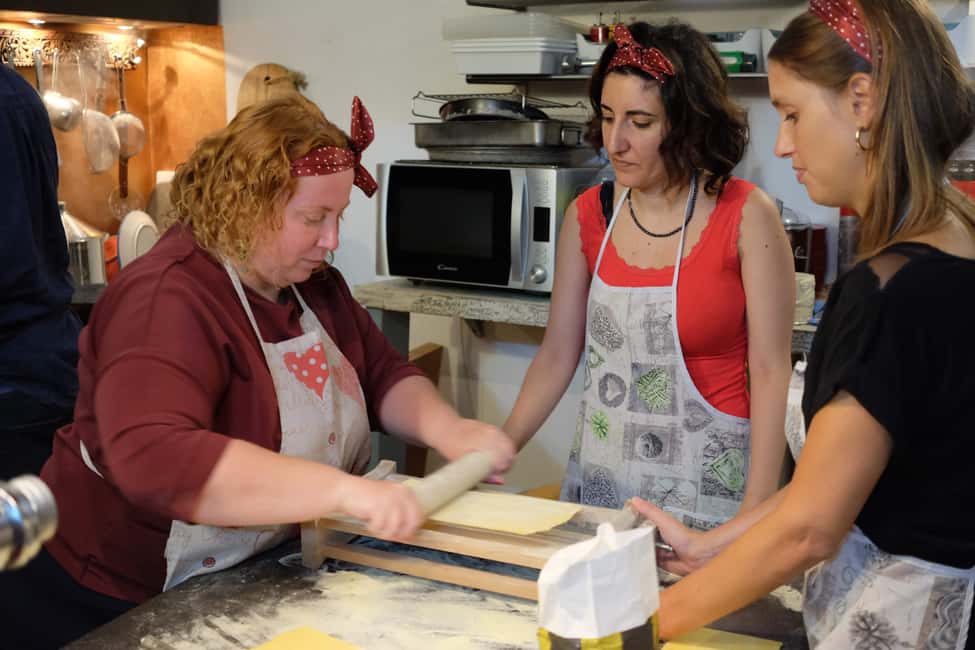
Dietary needs come up at booking. You’ll be asked to communicate any dietary restriction when you book, so don’t wait until the day-of. If you’re avoiding specific ingredients, you should make that clear early.
What to bring is simple: wear casual clothes you don’t mind getting flour on. You’ll likely handle dough, so avoid delicate fabrics.
Also, bring your patience. Even experienced cooks find dough tricky until it clicks. The structure is there to help, but your hands still need a little time to learn the feel.
If you want to plan your day, place this near other time in central Milan since the neighborhood is close to major landmarks like Parco Sempione.
Should You Book This Milan Pasta Workshop?
I’d book it if you want a meal you actually make, not just watch. The combination of hands-on pasta skills, two pasta types, and a clear ending with spritz, coffee, and tiramisu makes this strong value. The small group size also helps you get guidance when you need it, especially with ravioli shaping and sealing.
If you’re the type who learns best by doing, this is a great fit. If you’re only interested in eating and not cooking, you might prefer a food tour instead.
One last decision tip: if you want to take a piece of Milan home, the recipe copy matters. That turns the class into a real future experience, where you can recreate at least part of what you learned and surprise people later.
FAQ
What is the duration of the Milan pasta workshop?
The class lasts 3 hours.
How much does the workshop cost?
It costs $105 per person.
How many people are in the group?
The group is limited to 10 participants.
What language is the class taught in?
The host/greeter is English.
What pastas will I learn to make?
You’ll make 2 homemade pastas, including traditional homemade ravioli pasta. Tagliatelle is also mentioned.
Do I get recipes to take home?
Yes. You take home a copy of the recipes.
Is food included, or do I just cook?
Food is included. You’ll enjoy the meal after cooking, including homemade dessert such as tiramisù, plus water and coffee.
Do adults get a drink?
Yes, adults receive a welcome spritz.
Where is the meeting point, and how do I get there?
The meeting point is listed around Federico Bonaconza (with Guido D’Angeli noted). You can reach it by Metro Lilla at Fermata Gerusalemme, Tram 12 or 14 at Fermata Cenisio, Tram 10 at Fermata Procaccini/Lomazzo, or Passante at Fermata Domodossola.
Can I handle dietary restrictions?
You should communicate any dietary restriction at the time of booking.
FAQ
What is the cancellation policy?
Free cancellation is available up to 24 hours in advance for a full refund.
Is there a reserve now, pay later option?
Yes. You can reserve now and pay later.
When does the class start?
Starting times depend on availability.
Is it suitable for families?
Yes, it’s described as perfect for families, with an informal, together-focused style.
What should I wear?
Casual attire is recommended since it’s an informal hands-on cooking class.