REVIEW · MILAN
Pinacoteca Ambrosiana and da Vinci’s Codex Atlanticus admission in Milan
Book on Viator →Operated by Veneranda Biblioteca Ambrosiana · Bookable on Viator
Leonardo’s sketches feel close-up. At Milan’s Pinacoteca Ambrosiana, you get ticket access to the Codex Atlanticus exhibit plus the museum’s main galleries, and you can pick a timed entry in the morning or afternoon. I love seeing original-style da Vinci notes and sketches up close—the kind of detail most visitors miss. I also like that it’s self-guided, so you can linger instead of pacing with a group. One heads-up: you’re not seeing the entire Codex Atlanticus (it’s a 1,000+ page collection), so the on-display portion can feel brief if you were expecting walls of Leonardo.
The building and how the art is presented are part of the payoff. Reviews talk about the lighting, frames, and even the wood-and-tile architecture, and that makes the museum feel like a real experience rather than a checklist stop. If you’re sensitive to complex signage or getting oriented, build in extra minutes on arrival so you can find the Codex display comfortably.
In This Review
- Key moments that make this visit worth your time
- Pinacoteca Ambrosiana: the easy Milan start point near Duomo
- Leonardo’s Codex Atlanticus exhibit: what you’re really seeing
- Going beyond the exhibit: the museum library and why it matters
- The permanent collection: Renaissance heavyweights plus Caravaggio
- Self-guided pacing: how long to plan and when to enter
- Audio and language: when you’ll want the add-on
- Practical logistics: finding the Codex without losing your day
- Value check: is $19.96 a good deal?
- Who should book this visit?
- Pairing ideas: fitting it into a Milan itinerary
- Should you book this Milan ticket?
- FAQ
- What does my admission ticket include?
- How long should I plan to spend inside?
- Where is the Pinacoteca Ambrosiana located?
- Can I choose my entry time?
- Is The Last Supper included with this ticket?
- Are children and service animals allowed?
Key moments that make this visit worth your time
- Timed entry near Piazza Duomo makes it easy to slot into a Milan day
- Selected Codex Atlanticus pages let you see da Vinci’s notes and sketches from 1478–1519
- Pages rotate regularly, so the exhibit you see may not be the one from your guidebook
- Self-paced time means you can slow down for drawings instead of rushing
- Major art beyond da Vinci includes Botticelli, Titian, Raphael, and Caravaggio
- A small max group size (up to 10) keeps things feeling calm while you tour on your own
Pinacoteca Ambrosiana: the easy Milan start point near Duomo
This visit is built for convenience. The Pinacoteca Ambrosiana sits just minutes walking from Piazza Duomo, so you can pair it with the rest of your Milan sights without adding a long transit puzzle.
Once inside, the museum doesn’t waste your time. With your general admission ticket, you step directly into access for the Codex Atlanticus exhibit and the permanent collection. That matters, because timed entries work best when you can use your window right away.
The museum also tends to feel quieter than the mega-attraction circuit. If you’re choosing between morning and afternoon entry, earlier often helps you move through galleries without constant crowd friction. And if you love quiet looking, that calm pace makes the Leonardo pages hit harder.
You can also read our reviews of more tours and experiences in Milan.



Leonardo’s Codex Atlanticus exhibit: what you’re really seeing
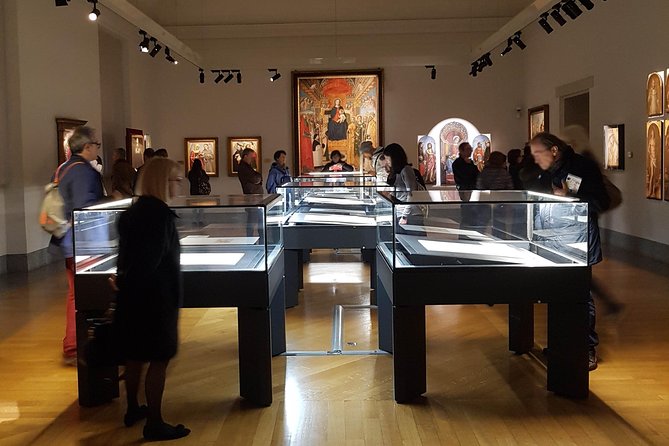
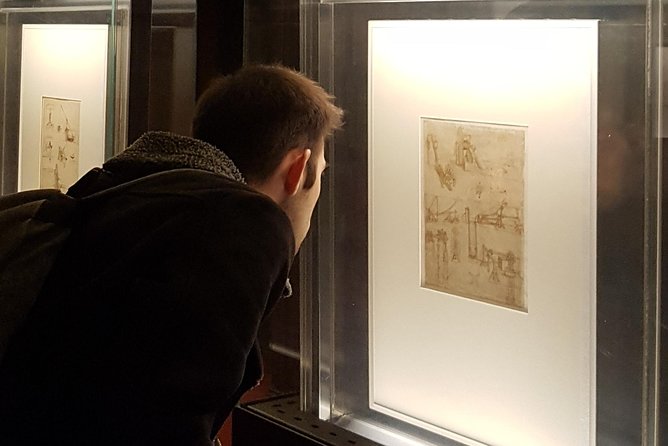
The headline is da Vinci’s Codex Atlanticus—his personal notebook of notes and sketches. You’ll see selected pages from the collection covering the period between 1478 and 1519, presented in the museum’s exhibit area.
Here’s the key reality to know before you go: you’re viewing a portion of a much larger whole. The Codex Atlanticus contains more than 1,000 pages, and not all of them can be displayed at once. The museum rotates the pages you see, so the drawings in front of you are curated for changing viewing—meaning you’re always looking at an “on view” slice, not the entire book.
Why this still feels special: those pages aren’t vague inspiration. They’re the kind of working-thought pages that show how da Vinci approached ideas—by sketching, annotating, and iterating. You can take your time comparing lines, notes, and the logic of the page layout.
And yes, the exhibit is the star, but it’s not the only star. You’ll also move through the museum halls with major names, which helps if you find your attention wandering after a short Leonardo sprint.
Going beyond the exhibit: the museum library and why it matters
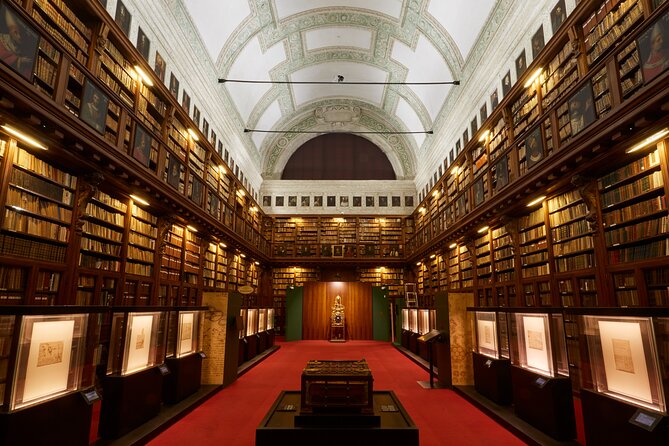
The Codex Atlanticus lives in the museum’s library, and that’s a big part of the attraction. Even though you might not see every page on the exhibit walls, knowing the remainder sits inside the library gives the visit extra weight.
This is one of those places where the room itself changes your mood. In the reviews, people singled out the library as a major highlight—many describe the building as stunning, with a dramatic, almost storybook feel. Whether you’re a “drawings only” person or you enjoy architecture as well, the library space adds drama to the experience.
Practical takeaway for your pacing: don’t treat the Leonardo portion as a quick photo stop. Give yourself enough time to move slowly from the exhibit display into the rest of the museum flow. If you only spend 45 minutes total, you may miss what makes the visit memorable.
The permanent collection: Renaissance heavyweights plus Caravaggio
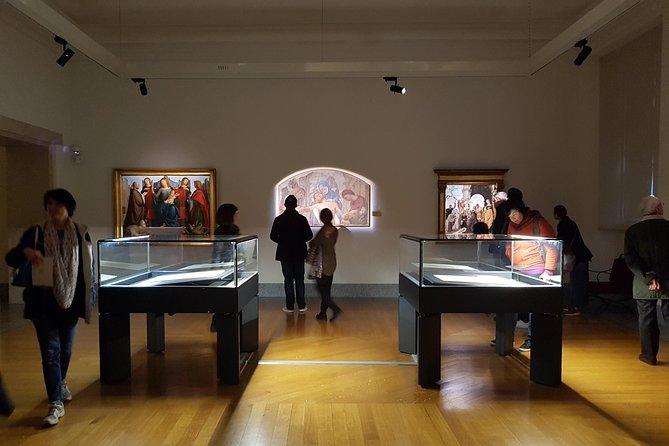
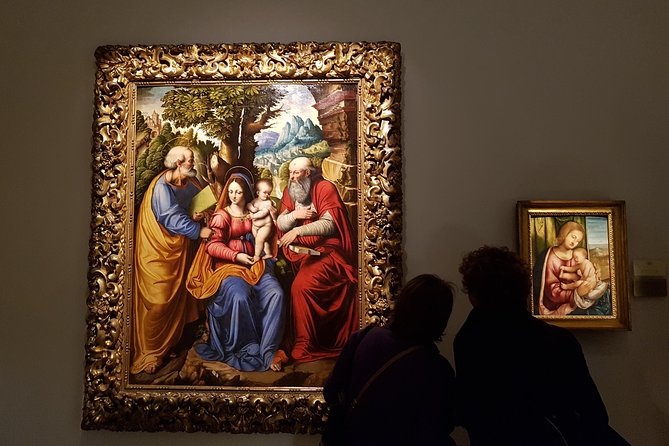
After the Codex area, you’ll spend time in the museum’s permanent galleries. This is where the day broadens from one genius to several.
Expect paintings from big names such as:
- Botticelli, including Madonna del Padiglione
- Titian, including Adoration of the Magi
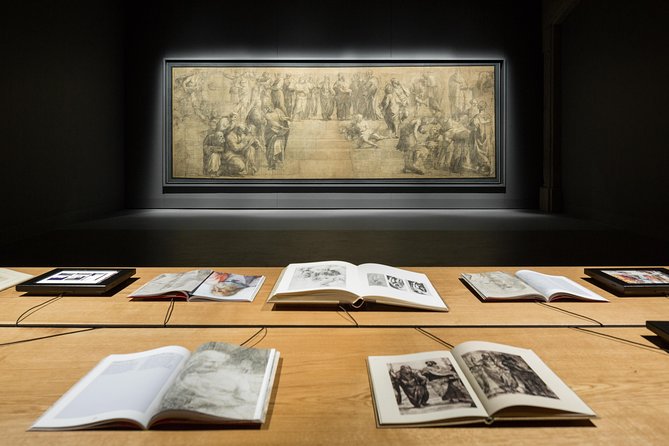
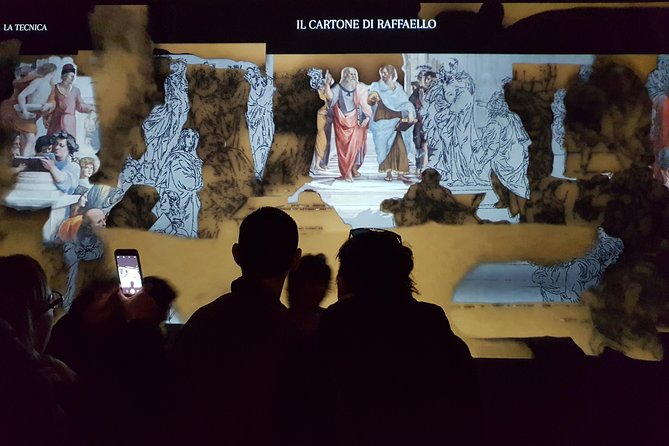
- Raphael, including a Cartoon for the School of Athens
- Caravaggio, including Basket of Fruit
This mix helps you avoid the common museum trap: leaving thinking you only saw one room. Instead, you get a sense of what Milan’s art world looked like across different eras and styles, with Leonardo acting like the thread that ties it together.
Also, the way the museum presents works matters. Reviews mention the visual setup—lighting and frames—and that tends to make dark, detailed paintings easier to actually see instead of being stuck in dim corners. If you’ve had bad luck at museums where everything feels shadowy, this one has a better chance of working for your eyes.
And one more small bonus: some visitors mention extra surprises in the broader collection, like seeing Dante’s writings as an added treat. Even if you don’t go in hunting for that, it’s a reminder that the museum can reward people who wander.
Self-guided pacing: how long to plan and when to enter
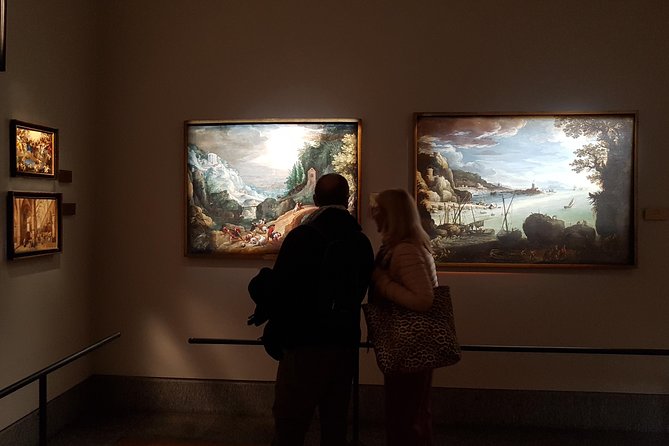
The recommended visit length is about 1.5 hours, but you’re not forced to rush. The whole point is that you can stay as long as you want within your ticketed entry window and your own pace.
For many people, 1.5 hours feels right if your main mission is the Codex display plus a short scan of the highlights. If you’re a slower reader of labels—or if you like to stop and stare at pencil marks—you’ll likely drift closer to 2 to 3 hours. Plan for that if you don’t want to feel “time-policed” while you’re trying to understand what you’re looking at.
Timed entry in the morning or afternoon helps you manage crowds. Going early can make the museum feel more relaxed, which pairs nicely with a self-guided experience where your brain can actually process details.
Group size is small (up to 10 travelers), but you’re still touring under your own rhythm. That combination usually works well: you get structure without the pressure of staying with strangers every 30 seconds.





Audio and language: when you’ll want the add-on
Audio can be helpful here because language can be a factor. The audio guide is listed as an extra cost (about 3 EUR), and at least one review notes that much of the information is in Italian—so if you want English interpretation, plan to use the audio option.
The good news: when people did use the audio, they described it as story-based rather than just facts. That kind of narration can turn a static label into something you can picture and remember.
The flip side: one review complained that headsets weren’t helpful, and another mentioned finding the Codex area wasn’t intuitive at first. So bring a mindset of calm. If you’re not sure where to go, step aside, ask staff, and take a breath before you start scanning like a hawk.
Practical logistics: finding the Codex without losing your day
This museum is close to Piazza Duomo, which is great for getting your bearings fast. But even with proximity, you may need a couple of minutes to orient once you’re inside—especially if signage doesn’t immediately match what you’re expecting.
Here’s my practical advice:
- Give yourself extra time at arrival, even if you picked a timed slot
- If you can’t locate the Codex display quickly, ask staff rather than walking circles
- Keep your ticket accessible for smooth entry
Also, remember what’s included—and what isn’t. Your ticket covers the Codex Atlanticus exhibit and the museum’s main collections, but it does not include entry to The Last Supper. If you’re building a Milan itinerary that includes Leonardo’s Last Supper, treat it as a separate booking and don’t assume this ticket covers it.
Value check: is $19.96 a good deal?

At about $19.96 per person, this ticket price can be very reasonable—mainly because you’re paying for access to two things at once: the Codex exhibit and the permanent Pinacoteca collections.
Most “single-gallery” museum add-ons feel expensive because you only get one room’s worth of time. Here, you’re getting multiple galleries plus a rare-focus exhibit that people seek out specifically for da Vinci’s notes and sketches. If Leonardo is your priority, this is one of the easiest ways to make that priority land in a real museum day instead of a rushed stop.
Optional add-ons are low-cost. The audio guide is about 3 EUR if you want more language support or better storytelling. If you’re trying to keep costs tight, you can still enjoy the visit using the on-site explanations—but expect that English may not be available everywhere.
In short: this feels like good value if you’re the type who reads, looks closely, and wants art-history grounding beyond one famous name.
Who should book this visit?
This is a smart choice if:
- You care about da Vinci’s process, not just famous finished masterpieces
- You like self-paced museum time and can enjoy wandering
- You want a Milan day that combines a major attraction with other top-tier art
- You’re staying near Duomo and want something walkable
It may be less satisfying if your sole goal is to see a huge quantity of Codex pages. The on-display portion is limited by design, and some visitors expected more da Vinci volume on screen. If you’re in that camp, still go, but set expectations: you’re looking at selected pages, then using the rest of the museum to round out the story.
Pairing ideas: fitting it into a Milan itinerary
Because it’s near Duomo, you can pair it with a classic Milan route without extra transit stress. Think of it as your “art and ideas” break between bigger landmarks.
A common mistake is trying to stack three heavy hitters in one afternoon and then feeling too tired to enjoy the details. Here, you’ll probably want a calm, focused block of time. If you schedule it next to a long walk, keep the museum as the slow-paced anchor so your feet get a rest but your eyes don’t check out.
Should you book this Milan ticket?
Yes, I’d book it if you want a high-value museum experience built around original Leonardo pages plus serious Renaissance art in one walkable stop. The timed entry options help you avoid the worst crowd moments, and the self-guided setup makes it easy to match your own pace.
Skip it only if you’re expecting the full Codex Atlanticus on display. This is about selected pages and the surrounding museum context, not a complete library tour in one sitting. If that expectation fits your style, this is one of the most practical ways to make Leonardo feel personal in Milan.
FAQ
What does my admission ticket include?
Your ticket includes entry to the Codex Atlanticus exhibit and access to the museum’s permanent collection at the Pinacoteca Ambrosiana.
How long should I plan to spend inside?
The recommended visit time is about 1.5 hours, and you can generally stay longer if you want to linger.
Where is the Pinacoteca Ambrosiana located?
It’s located in Milan, just minutes walking distance from Piazza Duomo.
Can I choose my entry time?
Yes. The experience allows you to choose an entry time in the morning or afternoon to fit your schedule.
Is The Last Supper included with this ticket?
No. Entrance to The Last Supper is not included.
Are children and service animals allowed?
Children must be accompanied by an adult, and service animals are allowed.