REVIEW · MILAN
Market Tour & Typical Dining at a Local’s Home in Milan
Book on Viator →Operated by Cesarine: Cooking Class · Bookable on Viator
If you want Milan beyond the menu, this works. You’ll shop with your instructor, cook a 4-course Milanese meal, then eat at home with the warmth that makes the city feel personal. I love the hands-on pace and the chance to learn techniques you can copy later. I also love how the experience can flex for real-world needs, like food sensitivities. One possible drawback: if you’re not into shopping and cooking in a lived-in kitchen, you may find it less relaxing than a standard sightseeing stop.
This is a private setup, so it’s not a cattle-car lesson. One session can be led by hosts like Chef Rocco, Giacomo, Rosa Maria, or Cesarina Anna, and the tone tends to be friendly and practical rather than showy. The best part is that you’re not just learning recipes. You’re learning how Italians think about ingredients, timing, and taste.
You’ll be dealing with real food choices, not just learning lines. So bring curiosity, and come hungry. If you’re expecting a big theatrical production, this will feel more like being welcomed into a family routine than watching a performance.
In This Review
- Key Points to Know Before You Go
- What Makes a Cesarina Home-Cooking Session in Milan Worth It
- The 10:30 a.m. Market Stop: Picking Milanese Ingredients Like a Local
- Back at the Home Kitchen: How the Class Teaches You More Than Recipes
- The 4 Courses You’ll Cook (and Why These Milanese Picks Make Sense)
- Starter: Seasonal by Design
- First Main: Pizzoccheri, Risotto, or Lasagne
- Second Main with Sides
- Milanese Cooking Tips You’ll Actually Use at Home
- Lombardia Wine and Dessert: Turning a Lesson Into a Real Dinner
- Why the Private Format in a Local Home Changes Everything
- Price and Timing: Getting Value From $164.43 per Person
- Should You Book This Milan Market Tour and Home Cooking Class?
- FAQ
- How long is the Milan market and home cooking experience?
- What language is the tour offered in?
- Is this a private tour?
- What will I cook and eat during the class?
- Do we visit a market before cooking?
- Is wine included?
- Can most travelers participate?
- Is there free cancellation?
Key Points to Know Before You Go
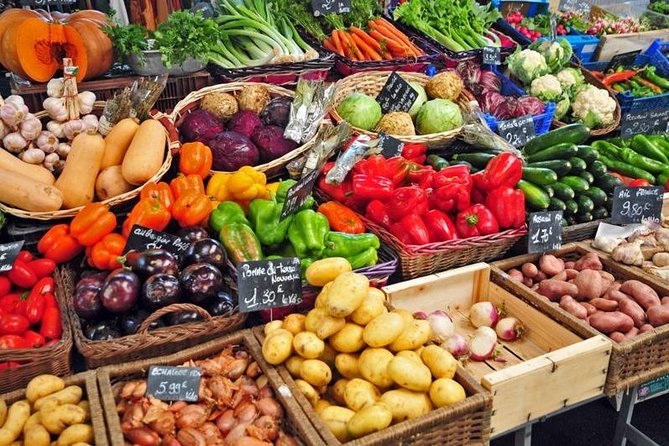
- Market shopping with your instructor so you choose ingredients you can actually find again later
- A true 4-course Milanese meal built around typical dishes and family-style methods
- English-speaking guidance that focuses on techniques you can repeat at home
- Lombardia wine with your meal to slow things down and make the dinner feel complete
- Private group experience tailored to your needs, not a crowded classroom
What Makes a Cesarina Home-Cooking Session in Milan Worth It
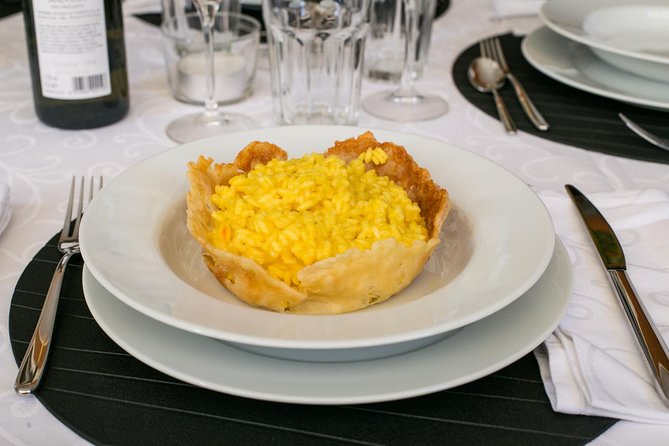
Milan can be polished on the surface. This experience cuts underneath that with everyday cooking skills and real home hospitality. You’re not eating in a restaurant that looks like Milan. You’re eating Milan as a local cook would treat it at home.
Two things make it especially solid. First, you learn a complete meal flow, not just one dish. The class is built around a 4-course Milanese menu, so you practice rhythm: prep, cook, plate, and finish. Second, you’re getting ingredient context. When you pick items at the market with your instructor, the later cooking steps make more sense.
Here’s the practical consideration. This is a cooking-and-dining experience, not a passive tasting. You’ll spend time standing, stirring, and learning. If you’d rather sit through a lecture, you may not love the effort.
You can also read our reviews of more shopping tours in Milan


The 10:30 a.m. Market Stop: Picking Milanese Ingredients Like a Local
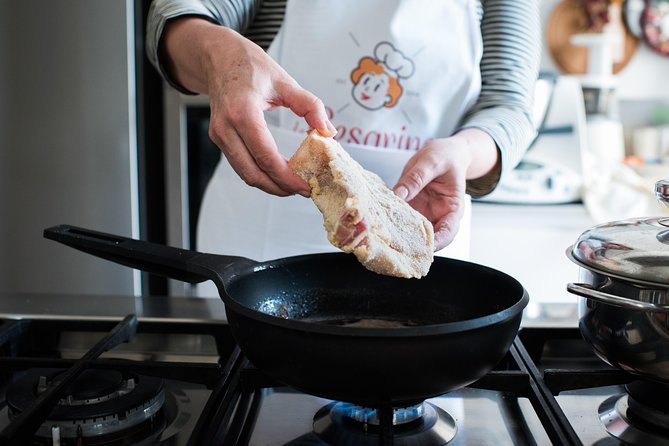
You’ll start in Milan, and the timing matters. A 10:30 a.m. start gives you enough morning energy for shopping without turning the day into a sprint. The meeting point is near public transportation, so you can use transit without stress.
Then comes the heart of the morning: a local market visit with your instructor. This is where the class becomes more than a recipe swap. You’ll see seasonal produce, and you’ll likely handle ingredients like you would in daily cooking—touching, checking freshness, and asking why one choice works better than another.
The market walk also trains your palate. One host, for example, is known for tasting and explaining ingredients one by one—what they are, how they taste, and what to do with them. That kind of guidance is gold because it teaches you how to cook even when your local market doesn’t stock the exact same brands or cuts.
If you have dietary needs or food sensitivities, this is also the time to flag them. One account notes the menu was adjusted to accommodate sensitivities, which suggests the instructor can steer the plan when needed. Just be clear about what you can and can’t eat before the kitchen work begins.
Back at the Home Kitchen: How the Class Teaches You More Than Recipes
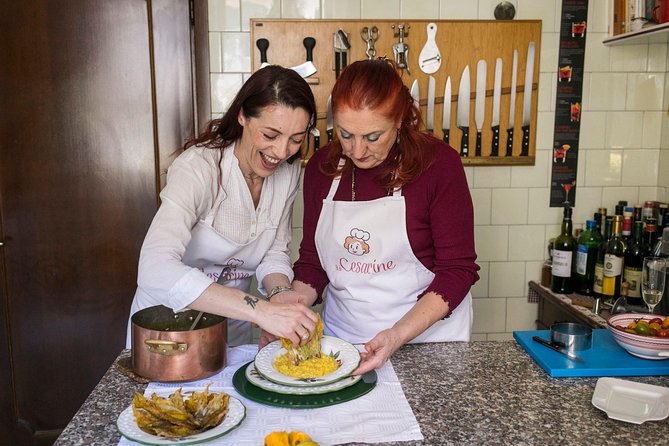
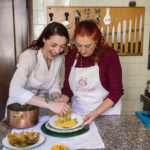
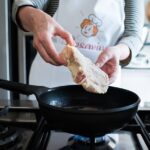
After shopping, you head to a private home setup for the cooking demonstration and hands-on learning. This is where the Cesarina-style approach shines: it’s private, it’s conversational, and it’s about technique.
The course plan is built around a typical Milanese structure. Expect a progression from starter to main dishes, then dessert, then a second savory course with side dishes. That format matters because you learn how cooks think about timing. You’re not only learning what to make. You’re learning when to make it so everything lands on the table without chaos.
You’ll also get a chance to learn classic methods tied to Milanese eating. Homemade pasta shows up in accounts of the experience, and that’s a big deal. Even if you don’t plan to make pasta from scratch at home right away, learning the basics—how dough behaves, how shaping works, and why sauce matters—changes your cooking even with simpler meals later.
One thing I appreciate is that dessert isn’t treated like an afterthought. With a dessert like tiramisù, the process benefits from waiting time, so you may prepare components and let the dessert rest while other dishes are finishing. That teaches you a real kitchen truth: patience is part of the recipe.
The 4 Courses You’ll Cook (and Why These Milanese Picks Make Sense)
This experience is designed around classic Milanese comfort food. You’re not just making anything Italian. You’re making meals that actually fit Milan’s style, from pasta to risotto to baked dishes to beloved sweets.
Your menu commonly includes:
- Starter: a seasonal starter
- First main option: pizzoccheri, or risotto, or lasagne
- Dessert option: sbrisolona cake, or tiramisù, or a similar typical dessert
- Second main: another course with side dishes
Let’s talk about why these choices are smart for learning.
Starter: Seasonal by Design
A seasonal starter trains you to cook with what the market gives you. That’s the skill you’ll use back home. When you learn how a market-driven starter works, you stop relying on one fixed recipe and start cooking with ingredients you can find.
You can also read our reviews of more tours and experiences in Milan


First Main: Pizzoccheri, Risotto, or Lasagne
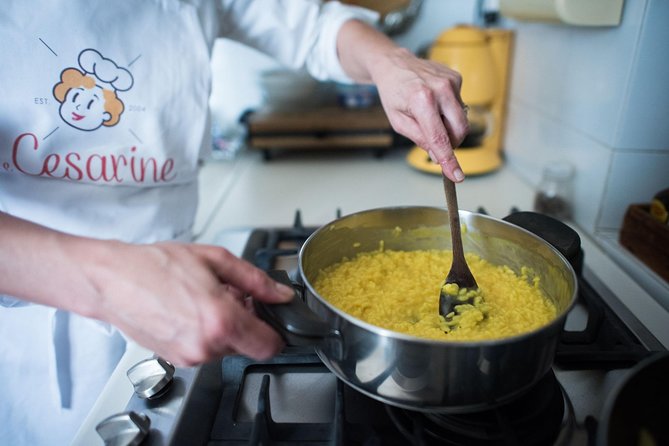
Pick-your-main energy is part of the learning payoff. If you get pizzoccheri, you’re in for a pasta dish with regional character. If it’s risotto, you’ll learn the technique-driven side of Milanese cooking—attention and timing. If it’s lasagne, you’ll practice layered construction, which is easier to master than many people think once someone breaks it into steps.
And yes, this kind of choice is also a way the instructor can match your preferences. One account highlights that the menu can be tailored to culinary preferences, which makes the class feel less like a scripted show and more like a custom meal plan.
Second Main with Sides
The last savory course round-out is where you see how Milanese menus balance flavors and texture. Sides matter here. You’ll likely get a better sense of how to build a plate instead of just focusing on one hero dish.
Milanese Cooking Tips You’ll Actually Use at Home
This is not a class where you forget everything the moment you go back to your apartment. The value is in the techniques that carry over, and you’ll feel that difference when you try to cook later.
Here are the kinds of takeaways that tend to stick from this format:
You learn the why, not just the what. Market shopping forces the question: why these ingredients? That reasoning follows you into the kitchen steps.
You practice timing with real meal pressure. A four-course dinner means multiple steps and overlapping work. You see how Italian cooking handles flow—what gets done first, what needs rest, and what can wait.
You get ingredient guidance you can repeat. Even if you can’t source the exact same product at home, you’ll understand the role of each ingredient. That makes substitutions easier without turning your dinner into guesswork.
One chef story adds extra charm: Chef Rocco is mentioned in reviews for using olive oil from his family’s private olive grove. That’s not a universal detail, but it points to the bigger pattern. These hosts often cook with meaningful local or family-sourced ingredients, and the class helps you appreciate what makes a small input matter.
Lombardia Wine and Dessert: Turning a Lesson Into a Real Dinner
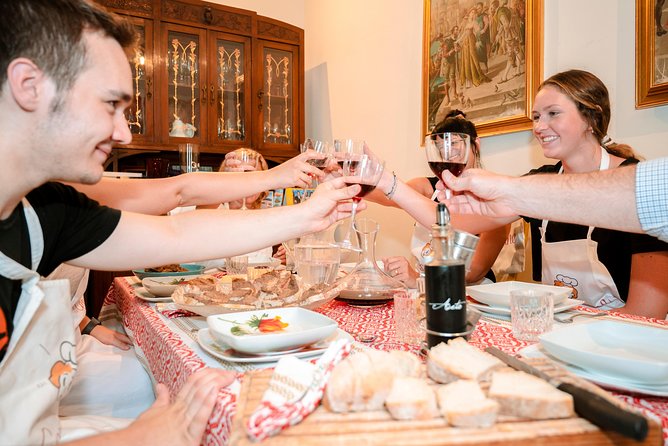
Cooking is only half the story here. You also get to sit down and eat what you made, with a glass of Lombardia wine. That addition matters. It turns learning into a full experience where the meal feels like the reward, not a consolation prize.
The wine also helps you slow down. Milan can move fast. Dinner at a local home usually doesn’t. You’ll likely enjoy the meal as the kitchen finishes the final details.
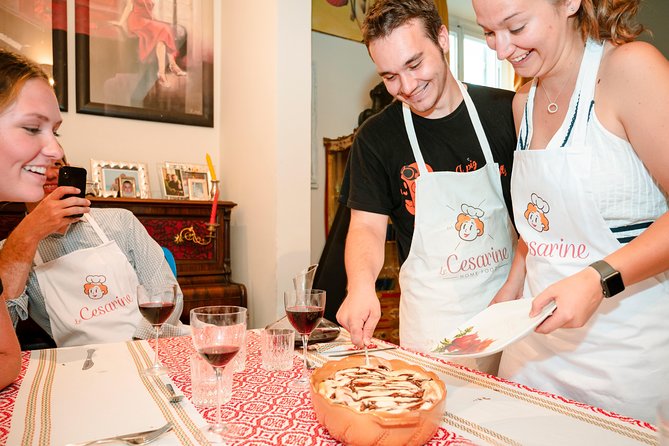
Dessert is a key emotional moment. Options like sbrisolona cake and tiramù are classic because they work for different kinds of sweetness. Sbrisolona is often more crumbly and nut-forward. Tiramù is built around texture and rest time. Either way, dessert here is part of the lesson in pacing and finishing touches.
And because it’s private dining, you’re not competing with a room full of strangers for attention. You can ask questions while you eat, and the kitchen rhythm can stay human-scale.
Why the Private Format in a Local Home Changes Everything
A private, home-based cooking experience changes how you learn. In a classroom, you’re one person among many. Here, you’re in a real kitchen with a real host, and that makes the teaching style more personal.
I like that it’s private because it keeps the conversation practical. If something feels confusing—why a sauce behaves a certain way, or what texture to aim for—you get room to ask. The experience can also adjust to needs, as one account notes menu changes for food sensitivities.
It also makes the meal feel less like an activity and more like a night out with direction. You’re getting local hospitality, and you’re getting local food. That combination is what makes this memorable later, when you’re back home scrolling through photos wondering which day actually felt like Milan.
One more point: the experience lasts about 3 hours 30 minutes. That’s a good length. Long enough to shop, cook, and eat properly. Not so long that you feel like you’ve spent your whole day in one room.
Price and Timing: Getting Value From $164.43 per Person
At $164.43 per person, this isn’t a budget snack. But it’s also not a random add-on. You’re paying for four-course cooking instruction, market time, and the meal with wine in a private home setting.
So where does the value come from?
- Ingredient sourcing included. The market stop isn’t decoration. It’s part of the learning.
- A full meal outcome. You don’t just cook. You eat what you made, including wine.
- Technique-focused teaching. The goal is to teach you skills you can repeat at home.
- Private experience. You’re not stuck in a large group that limits interaction.
If you love learning by doing, the cost makes more sense. If you’d rather do a self-guided market walk and a casual dinner after, then it’s a different type of trip. But if your idea of a great Milan day includes hands-on food culture, this tends to deliver.
Should You Book This Milan Market Tour and Home Cooking Class?
Book it if you want Milan that feels personal, not just photographed. This is a strong choice when you care about food technique, want to taste what you cooked, and enjoy meeting local hosts in a real home setting.
Skip it if you want a purely sightseeing-focused day, or if the idea of cooking work doesn’t sound fun. Also consider your comfort level with standing and kitchen pace. This isn’t a sit-and-watch experience.
If you’re on the fence, treat it like a practical investment in memories and future dinners. When a class teaches you how to reproduce the food at home, that’s the kind of travel value that keeps paying off after you leave Milan.
FAQ
How long is the Milan market and home cooking experience?
It runs about 3 hours 30 minutes.
What language is the tour offered in?
The experience is offered in English.
Is this a private tour?
Yes. It’s a private tour/activity, meaning only your group participates.
What will I cook and eat during the class?
You’ll learn to make a 4-course Milanese meal. The menu can include a seasonal starter, then choices like pizzoccheri, risotto, or lasagne, plus a dessert such as sbrisolona cake or tiramisù, followed by a second main course with side dishes.
Do we visit a market before cooking?
Yes. You’ll shop for ingredients at a local market with your instructor.
Is wine included?
Yes. You’ll enjoy a glass of Lombardia wine with your meal.
Can most travelers participate?
Yes. The experience notes that most travelers can participate.
Is there free cancellation?
Yes. You can cancel for a full refund with free cancellation up to 24 hours in advance of the experience start time.