REVIEW · MILAN
Milan: “Museo Teatrale Alla Scala” Guided Tour
Book on GetYourGuide →Operated by Hidden Experiences · Bookable on GetYourGuide
La Scala Theatre pulls you in fast. In just 1.5 hours, you get the building’s big stories and the objects behind the music. It’s in the middle of Milan, a few steps from the Cathedral area, so this feels like an easy add-on day-maker.
I love two things here. First, the way a live guide turns famous names like Giuseppe Verdi, Gioachino Rossini, Luciano Pavarotti, and Maria Callas into real people with real impact. Second, the museum stops you from just admiring from the outside—you see costumes, set designs, and musical instruments from standout performances.
One heads-up: because of rehearsals and private events, your visit may end up being museum-only on certain days. It’s still worth it, but check your expectations if you’re mainly chasing the theater floor.
In This Review
- Key Things You’ll Notice on This La Scala Tour
- Where to Meet La Scala (and How to Get Oriented Fast)
- Your 90-Minute Game Plan Inside La Scala
- The Theatre Experience: More Than Pretty Rooms
- When You Might Catch Rehearsal Energy
- Famous Names, Real Context: Verdi to Callas
- La Scala Museum: Costumes, Sets, and Instruments Up Close
- A Small Group Can Feel Like a Private Lesson
- Price and Value: Is $44 a Smart Spend?
- Who Should Book This Tour (and Who Might Skip It)
- Practical Tips to Make This Tour Smoother
- Getting More From Your Guide (Even if You Know Opera)
- Should You Book This La Scala Theatre and Museum Tour?
- FAQ
- How long is the La Scala guided tour?
- Where do I meet for the tour?
- What’s included in the price?
- What language options are available for the guide?
- Is hotel pickup included?
- What’s not allowed during the visit?
- Will I always visit both the theatre and the museum?
- Is the tour wheelchair accessible?
- Can I book a private group?
- What’s the cancellation policy?
- Is pay later available?
Key Things You’ll Notice on This La Scala Tour
- Guided theatre storytelling that links early years to the opera house you know today
- Museum artifacts you can actually look at: instruments, costumes, and set designs
- Live headsets so you can hear the guide clearly through the rooms
- Famous-performer context with Verdi, Rossini, Pavarotti, and Callas woven into the tour
- Possibility of rehearsal glimpses when schedules allow (brief looks, not a full performance)
Where to Meet La Scala (and How to Get Oriented Fast)
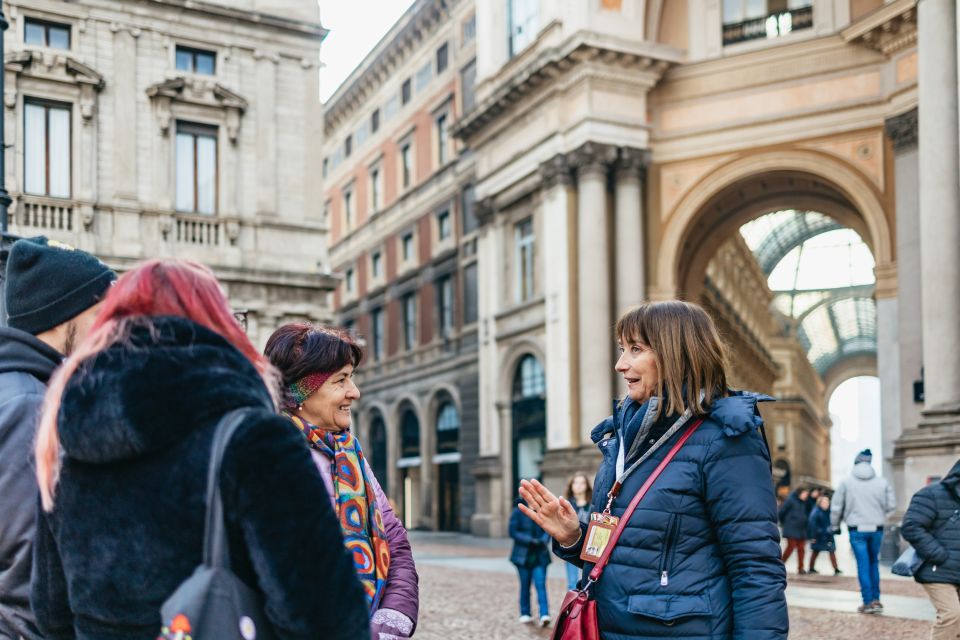
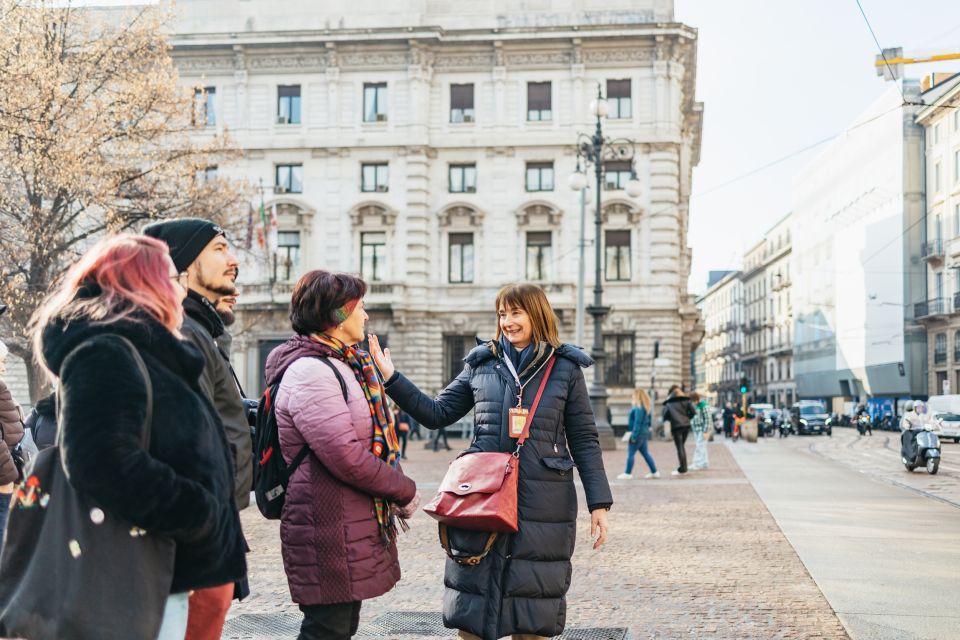
You meet right at La Scala’s complex, in front of the entrance to the La Scala Theatre Museum. Look for the guide holding the Hidden Experiences purple flag or board. This is a good setup for first-timers because you aren’t hunting through side streets with a map.
Timing matters more here than you’d think. When you arrive on time, you can settle in before the group moves inside. And since headsets are included, you’ll start getting the stories immediately instead of playing catch-up.
If you’re staying near the Cathedral or the main shopping streets, this tour is positioned for convenience. It’s not a long commute. It’s a walk-and-watch kind of stop.
You can also read our reviews of more guided tours in Milan



Your 90-Minute Game Plan Inside La Scala
This tour is designed to feel brisk but not rushed: about 1.5 hours. You’ll spend your time doing two big things—seeing the theatre and then moving into the museum—so you leave with both atmosphere and evidence.
A typical flow looks like this:
- First, you learn how La Scala grew into the iconic opera house it became.
- Then you admire the theatre interior and its elegant design features.
- Finally, you switch gears to the museum collections—instruments, costumes, and set designs tied to major performances.
Not every day matches the same ratio of theatre vs. museum. The tour notes that rehearsals and private events can limit access, so you might get more museum time than theatre time. Either way, the tour is built to connect what you see to what it meant for performers and audiences.
The Theatre Experience: More Than Pretty Rooms
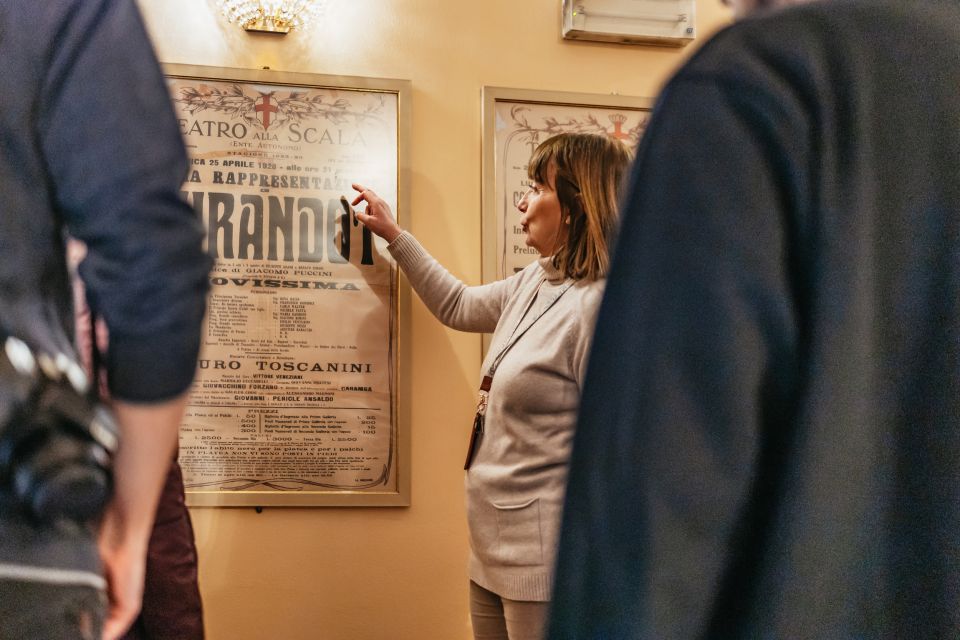
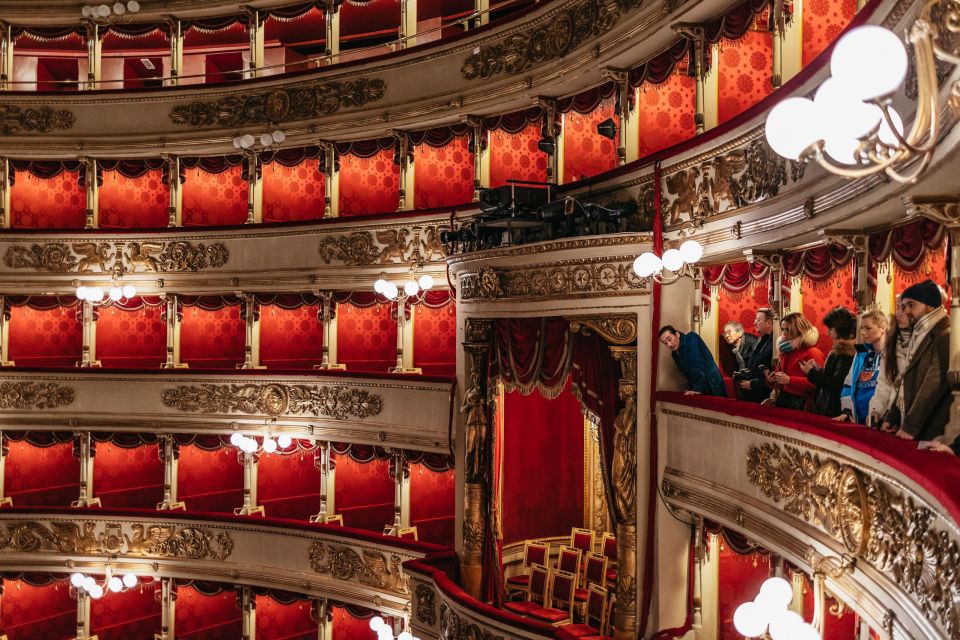
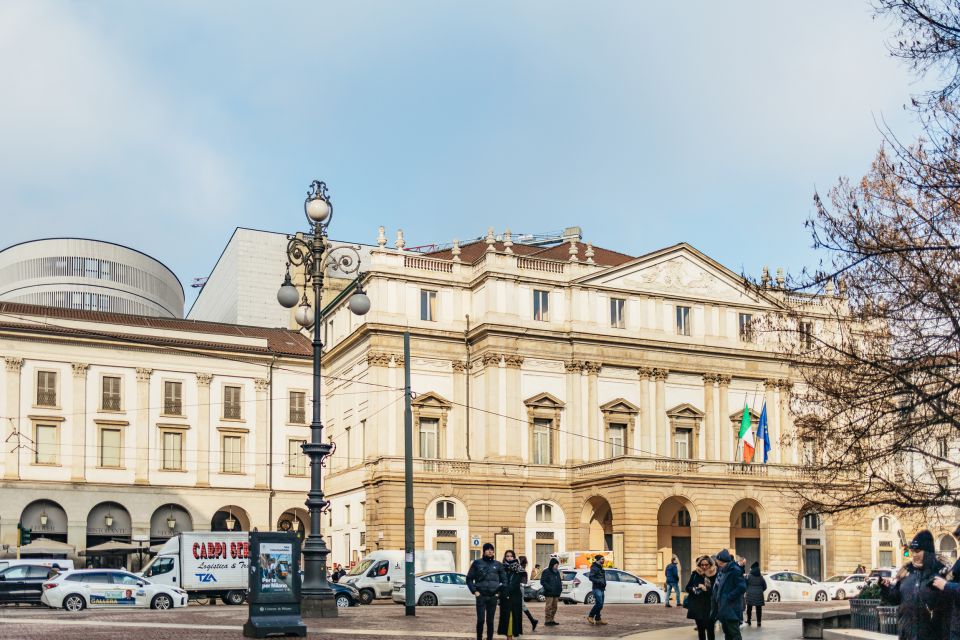
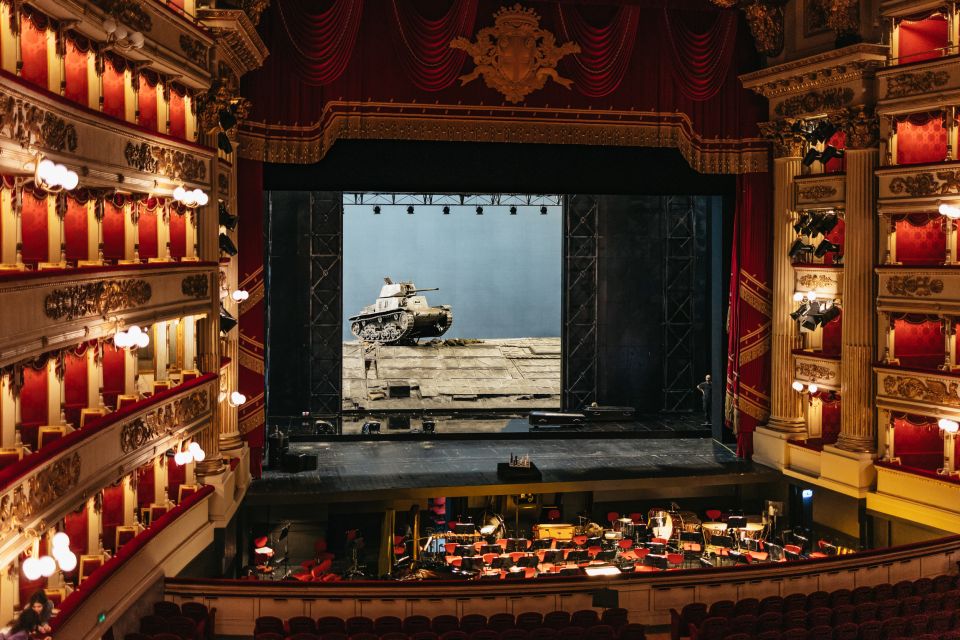
La Scala doesn’t look huge from the outside. Inside, the feeling is different: closer, more precise, and very “worked on” by design. Your guide points out what makes the space special, including architectural choices and how the house became central to opera culture.
You’ll also hear about the theatre’s early years—the kind of background that makes later masterpieces feel less like myth. Instead of just naming composers and performers, you’ll learn how the venue and the music evolved together over time.
One pattern you’ll notice across great guides is how they make the interior feel human. Boxes don’t just become seats. They become stages for presence—status, tradition, and view lines. And that’s the point: La Scala is famous, but it’s also specific.
When You Might Catch Rehearsal Energy
Some visits can include a short rehearsal glimpse. People have mentioned seeing brief rehearsals, including moments from theatre boxes when the schedule allowed it. You shouldn’t treat it as guaranteed, but it’s the kind of bonus that makes the tour feel like more than museum viewing.
Famous Names, Real Context: Verdi to Callas
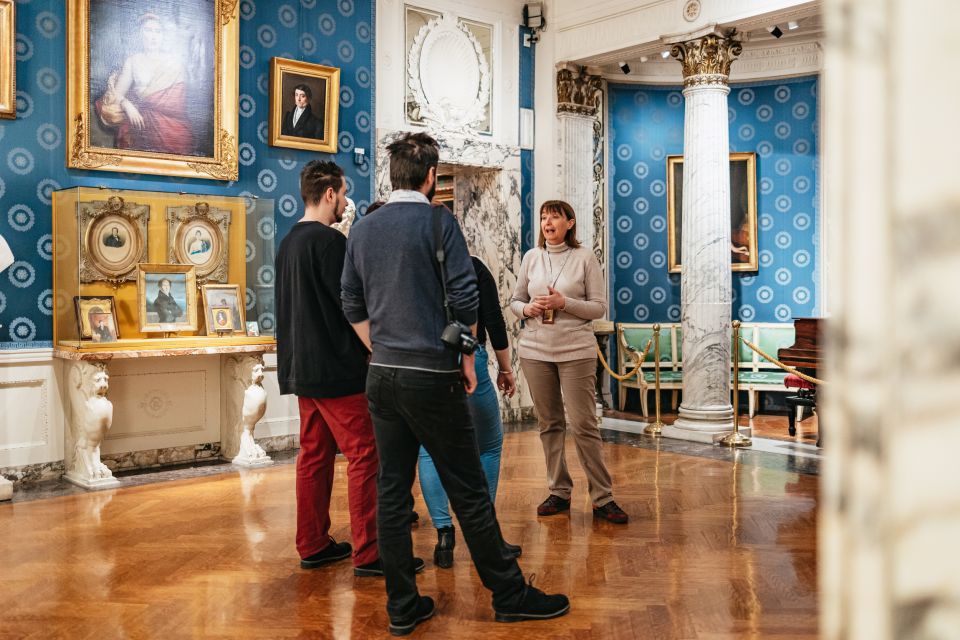
The tour leans into the big legends, but the value is in the connections. You’re not just told that they performed. You’re guided through why those performers mattered in La Scala’s story and how the theatre’s reputation attracted artists over time.
The specific names mentioned for this tour include Giuseppe Verdi, Gioachino Rossini, Luciano Pavarotti, and Maria Callas. With a good guide, those names become anchors for themes like:
- how opera styles changed
- how the house shaped expectations for major productions
- why certain eras are remembered the way they are
You’ll also hear performer stories in the context of what the building itself made possible—where singers stood, how performance traditions grew, and how La Scala earned its global name.
If you’re the type who likes opera history but gets bored by a lecture, this is where the tour often wins. The guide uses the theatre and museum to keep it concrete.



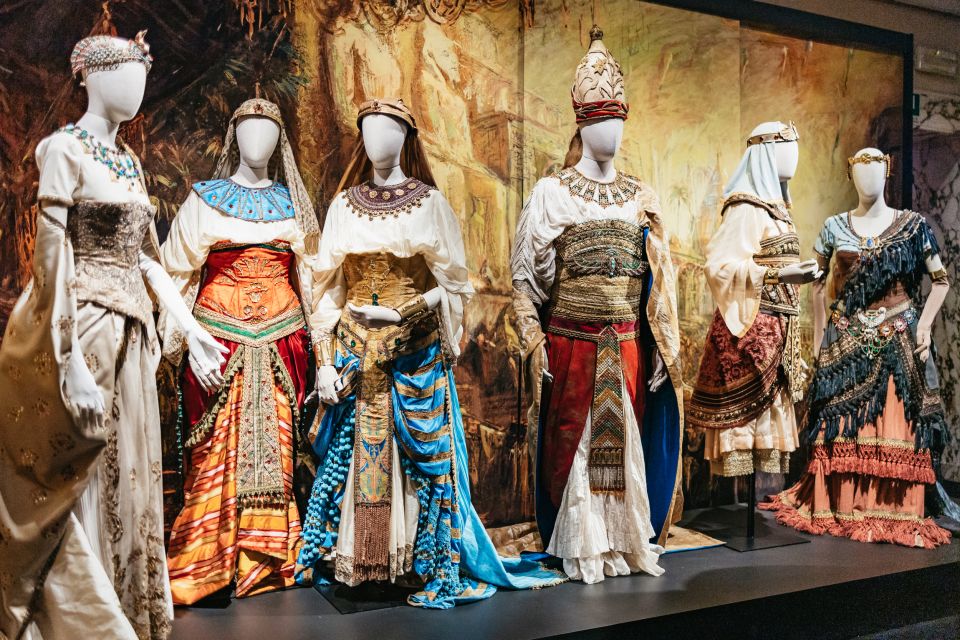
La Scala Museum: Costumes, Sets, and Instruments Up Close
After the theatre rooms, you’ll move into the La Scala Theatre Museum. This is where the tour shifts from atmosphere to objects—stuff you can see without guessing.
The museum collection is built around tangible production elements, including:
- musical instruments
- costumes
- set designs
- and other private artifacts connected to La Scala’s performances
This matters because opera isn’t just sound. It’s engineering, clothing, craft, and stage thinking. When you stand in front of costumes and instruments, you start noticing details you would never catch in a live show—like how certain designs serve movement, how visual styles match the era, and how sets support the story.
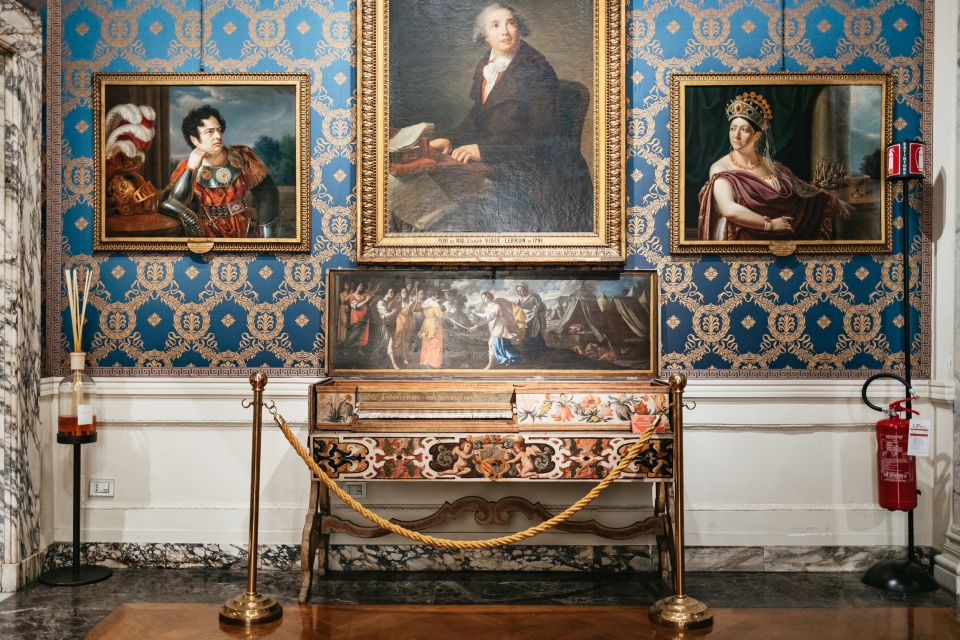
Some people also enjoy the sense of intimacy here: you’re in a space that preserves past seasons. And because the items are tied to real performances, the museum doesn’t feel like generic art storage. It feels like production memory.
A Small Group Can Feel Like a Private Lesson
One reason many guests rate this tour so highly is the feeling of access. When your group is small, you can ask questions without feeling rushed. Guides can tailor the pace and focus a bit more too—especially if you’re curious about a certain composer, costume style, or staging tradition.
Price and Value: Is $44 a Smart Spend?
At $44 per person for 1.5 hours, this isn’t a “cheap and cheerful” add-on, but it also isn’t priced like a full-blown production ticket. The big value is that it includes:
- entry tickets to La Scala Theatre and Museum
- a tour guide
- headsets so you can hear clearly
If you’ve ever visited a major museum without a guide, you know how much meaning you can miss. Here, the guide acts like a translator for the building: the interior design, the performance legacy, and why certain parts matter.
It’s also a strong value if you don’t want to gamble on catching an opera rehearsal or paying for opera tickets. Even when the theatre portion is limited by schedule, the museum still gives you the “how it’s made” side of La Scala.
Who Should Book This Tour (and Who Might Skip It)
This tour is a great fit if you:
- love opera, classical music, or theatre history
- want a structured way to understand La Scala without needing prior knowledge
- like seeing production objects up close, not just reading plaques
- prefer a guided pace over self-wandering
You might consider skipping or adjusting expectations if you:
- only care about a full theatre experience with no museum interest
- are extremely schedule-dependent and cannot handle the possibility of a museum-only visit
Still, even in a museum-focused outcome, you’re looking at the ingredients behind the legend—costumes, sets, instruments—and that’s the kind of payoff that lasts after you leave the building.
Practical Tips to Make This Tour Smoother
A few things can help you get the most out of your 1.5 hours:
- Arrive a bit early at the museum entrance so the group can start on time.
- Plan for cloakroom rules: large bags and backpacks must be checked into the cloakroom.
- Avoid oversize luggage since it’s not allowed.
- If you’re curious, ask about the boxes and interior layout—it’s one of the easiest ways to understand why La Scala feels the way it does.
- If you want rehearsal moments, stay open-minded. You may get brief glimpses when rehearsals or schedules align.
Also, remember that the tour guide works in several languages—French, Italian, English, German, and Spanish—so you can often match your comfort level.
Getting More From Your Guide (Even if You Know Opera)
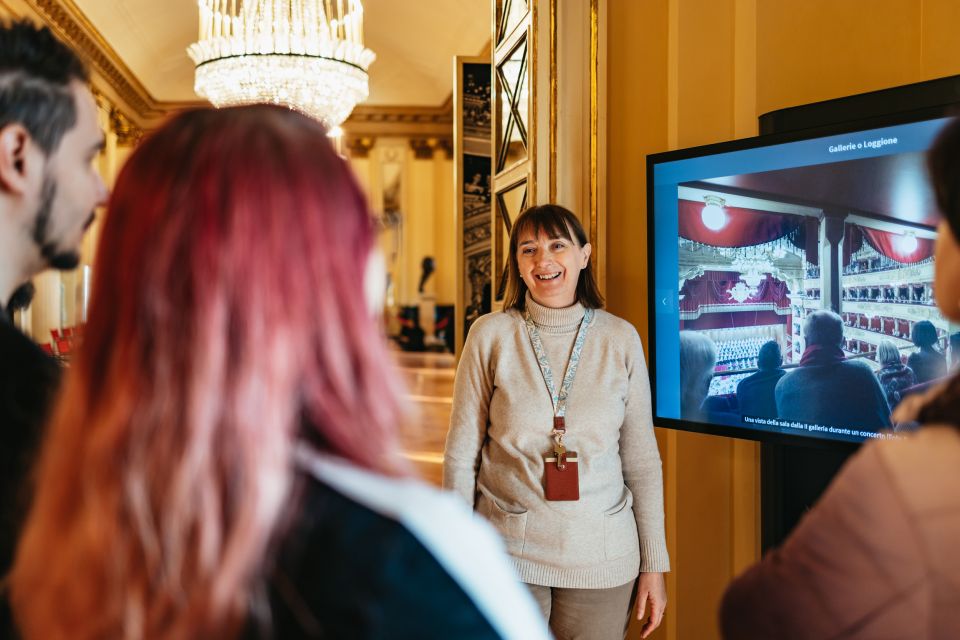
This is one of those tours where the guide can make or break your experience. In the stories shared by different guides, a few themes keep showing up: clarity, strong storytelling, and real enthusiasm for La Scala’s role in music culture.
If you’re booking, take a minute to think about what you want to know. For example:
- Are you more into composers (like Verdi and Rossini) or performers (like Pavarotti and Callas)?
- Do you want stagecraft details (costumes/sets) or the building’s design?
- Do you care about how the theatre’s early years shaped later productions?
When you steer your questions, the tour often feels less like a script and more like a conversation.
Should You Book This La Scala Theatre and Museum Tour?
If you want a high-signal way to understand La Scala in about 1.5 hours, I think this is a very solid choice. The value comes from the combination of guided theatre context and museum objects—costumes, instruments, and set designs—that turn legend into something you can see.
Book it especially if you’re visiting Milan with limited time or you don’t want to bet everything on opera ticket availability. Just keep one expectation flexible: rehearsals and private events can shift the balance toward the museum. If that happens, you’ll still be walking out with a deeper feel for how La Scala works—and why it matters.
FAQ
How long is the La Scala guided tour?
The tour duration is listed as 1.5 hours.
Where do I meet for the tour?
Meet in front of the entrance La Scala Theatre Museum. Look for the guide with the Hidden Experiences purple flag or board.
What’s included in the price?
The included items are entry tickets to the La Scala Theatre and Museum, the tour, and headsets to hear the guide clearly.
What language options are available for the guide?
The guide is offered in French, Italian, English, German, and Spanish.
Is hotel pickup included?
No. Hotel pickup and drop-off are not included.
What’s not allowed during the visit?
Oversize luggage is not allowed. Large bags and backpacks must be checked into the cloakroom.
Will I always visit both the theatre and the museum?
The tour includes entry to both, but visits may be limited to the museum only due to rehearsals and private events.
Is the tour wheelchair accessible?
Yes. The theatre and museum are listed as accessible to wheelchairs and strollers.
Can I book a private group?
Yes. Private group available is listed.
What’s the cancellation policy?
You can cancel up to 24 hours in advance for a full refund.
Is pay later available?
Yes. You can reserve now & pay later, with the option to book your spot and pay nothing today.