REVIEW · MILAN
Milan: Market and Meal at a Local’s Home
Book on GetYourGuide →Operated by Cesarine · Bookable on GetYourGuide
Your dinner starts at the market. In Milan, this market and home-meal experience pairs a guided local market walk with a cooking demonstration and a 4-course lunch or dinner in a real family setting. I like that you’re taught how to recognize standout ingredients on the spot, instead of just hearing food facts.
I also like the home-cook demo format: the cook shares her family cookbook approach and finishes a dish in front of you while you learn what matters. One practical consideration: because it’s in a private home, the exact address and meeting details arrive after booking, so you’ll want to plan arrival time with a little extra calm.
In This Review
- Key Highlights at a Glance
- Market Walk in Milan: How to Spot Great Ingredients
- The Cesarina Cooking Demo: Watching the Real Work
- A Real 4-Course Milan Meal: What’s Served and How It’s Guided
- Meeting Local Italian Families Without the Stuffiness
- Timing, Small Groups, and What You’ll Fit Into Your Day
- Price and Value: Is $157.47 Worth It?
- Who This Experience Suits Best
- Should You Book This Milan Market and Meal at a Local Home?
- FAQ
- What does this Milan experience include?
- How long does the experience last?
- How big is the group?
- What time does the market visit usually start?
- Where does it take place and how will I find the meeting point?
- Can the meal accommodate dietary requirements?
- Is there free cancellation and does it support pay later?
Key Highlights at a Glance

- Market tips you can use again for picking the best produce in an Italian market
- A cooking demonstration in a real home with a certified cook and a family-cookbook style lesson
- 4-course seasonal menu with starter, pasta, main, side dishes, dessert, and coffee
- Wine included with your meal (red and white) plus water throughout
- Small group size up to 8 so conversations stay personal
- Connections with local Italian families through shared table time
Market Walk in Milan: How to Spot Great Ingredients

The experience starts with a local market tour led by your guide. This is one of the smartest ways to learn Italian food quickly because you’re seeing ingredients in their normal setting, not in a cookbook or on a supermarket shelf. You’ll also learn what to look for when fruit, vegetables, and prepared foods are freshest and best value.
Here’s the payoff: you come away with a mental checklist. The guide helps you recognize good produce from the land, and you begin to understand why certain stalls and products earn attention. You might not realize how much taste comes from selection until you’re standing in front of the goods with someone pointing out what signals quality.
You’ll also get a feel for how Milanese and Lombardy food culture actually moves. Markets aren’t just for buying. They’re social. They’re practical. And they’re where locals sharpen their instincts day by day. In one set of experiences shared by a host couple named Nicoletta and Fabio, the focus was on introducing the street market and Italian food basics before heading to their home for the meal. That order makes sense: you learn the ingredients first, then the cooking becomes instantly meaningful.
What to consider: this is a guided market walk as part of a 4-hour total experience. Wear comfortable shoes and expect to move a bit. If you’re not used to walking short distances, this part may be the most physically demanding segment.
You can also read our reviews of more shopping tours in Milan
The Cesarina Cooking Demo: Watching the Real Work

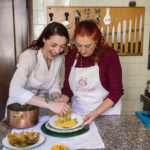
After the market, you head to the home where the meal is prepared. The cooking demonstration happens in that private kitchen setting, led by a certified home cook (often referred to in this style of experience as a Cesarina within the Cesarine network). This isn’t a staged theater kitchen. It’s a lived-in space with the tempo of someone cooking for family and friends.
The cook shares the secret of her family cookbook approach, and then finishes one of the dishes in front of you. That matters more than you might think. A lot of cooking experiences stop at recipes or plating tips. Here, you get to see decisions in real time: timing, texture, and the kind of practical “why” that doesn’t fit into a quick demo.
In a meal led by Fabio, for example, the cooking had already been underway earlier that morning, and the dinner included a strong pasta component that made the method feel clear instead of mysterious. Another host, Nicoletta, was described as guiding people through the street market first and then bringing that food knowledge into the meal at home. That combination—ingredient basics first, technique next—helps you connect the dots.
You might also find that the format includes interaction around pasta preparation steps. In one shared account, the host explained how to make pasta, and participants made it and then ate it. Even when your session leans more toward watching than hands-on, you’ll still learn what to look for during cooking.
What to consider: because this is a home setting, the schedule can feel less “clockwork” than a restaurant class. You’re there to learn and eat together, not race through a checklist.
A Real 4-Course Milan Meal: What’s Served and How It’s Guided

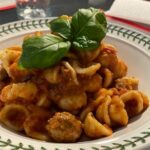
Once you sit down, the meal is designed as a full seasonal menu: 4 courses that typically include starters, pasta, main courses with side dishes, and dessert. Along the way, you’ll also get coffee with the end of the meal.
Drinks are part of the package: water, plus red and white wine from regional cellars. The wines aren’t treated like an afterthought. They’re integrated into the pacing of the meal, which is how people actually eat in homes—sip, pause, talk, and then move to the next course.
This is where the experience becomes more than “a good dinner.” The real value is the guided context. You’re not only tasting food; you’re hearing why it’s built this way, what ingredients lead the flavor, and how the menu fits regional Italian habits. Even if you’re not a food writer or a cooking nerd, you’ll feel the difference because every course connects to the earlier market lesson.
Here’s a practical tip for getting the most out of the table time: ask about the ingredient choices you saw at the market. If the guide helped you pick out quality, the home cook will usually be able to link that selection back to the dish. That’s when the night clicks.
What to consider: you’ll need to communicate dietary requirements when booking. The experience notes that you should advise dietary needs in advance, but the details of what can be adjusted aren’t listed. If you have a serious allergy, plan to message the operator early and be specific.
Meeting Local Italian Families Without the Stuffiness

One of the biggest reasons this works in Milan is the social design. You’re not eating alone, and you’re not rotating through a room of strangers. You share a table with a small group, and the home cook becomes your host for the afternoon or evening.
That’s the “connection” piece in a way that feels human, not forced. You’re learning cooking, but you’re also having conversations around food culture. The hosts are part of the experience, and the small-group format helps you remember names and follow the story of the menu.
In the account involving Nicoletta and Fabio, the hosts were described as welcoming and focused on sharing details—like ingredients and preparation—while explaining what was happening in the kitchen. That’s the tone you should expect: guided friendliness rather than formal explanations.
If you want a meal that feels like it belongs to Milan—rather than a generic Italian restaurant evening—this is a strong choice. It’s also a good fit for people who like their travel experiences direct and practical: food first, learning second, conversation always.
What to consider: you’re in someone’s home. That means you should be comfortable with a slightly casual flow and shared table atmosphere. If you strongly prefer ultra-structured fine dining, the home setting may feel too relaxed for your taste.
Timing, Small Groups, and What You’ll Fit Into Your Day

This activity lasts about 4 hours. Starting times depend on availability, and the market portion usually starts at 11:00 AM or 6:00 PM. There’s flexibility if you notify in advance, so you may be able to align it with your broader Milan schedule.
Small group size is limited to 8 participants, which is a big deal. It keeps the energy intimate. You’re more likely to hear answers, ask questions, and follow along with the cooking demo instead of watching from the edges.
The language is English and Italian. That helps, because Italian food education can lose nuance when everything is filtered through translation. Having a bilingual guide and cook keeps explanations grounded.
Here’s how I’d schedule it in your Milan trip:
- If you’re the type who likes to start the day with a plan, go for the 11:00 AM option so you still have daylight for sights afterward.
- If you want your food experience to anchor the evening, the 6:00 PM timing can turn into a relaxed dinner slot without rushing your day.
What to consider: you’ll return to the meeting point at the end of the activity. Since the address is private, your operator will provide exact meeting instructions after booking. Plan around that so you’re not scrambling.
You can also read our reviews of more tours and experiences in Milan


Price and Value: Is $157.47 Worth It?

At $157.47 per person, this isn’t a budget meal—but it doesn’t price like a typical restaurant reservation either once you break down what’s included.
You’re paying for:
- A guided local market visit
- A cooking demonstration in a home setting
- A 4-course lunch or dinner
- Water, red and white wine, and coffee
- Local taxes
The best way to think about value here: you’re buying a full experience arc. Many food activities give you either the market learning or the meal. This gives you both, plus the personal teaching that turns ingredients into technique. Wine and coffee are included, so the meal isn’t “add-ons only.”
I also like the small-group cap at 8 because it tends to reduce the feeling of being one more person in a factory line. In an at-home format, that kind of limit supports quality conversation.
If you’re visiting Milan mainly for architecture and museums, this may feel like an optional splurge. If you care about eating well and learning how to choose and cook Italian basics, it’s likely a smart use of your limited time.
One practical check before booking: if you have dietary restrictions, make sure you’ve provided them clearly at booking so the home cook can plan appropriately.
Who This Experience Suits Best

This Milan market and home-meal experience is ideal if you:
- Love food that comes with context, not just a plate
- Want to learn what good ingredients look like in an Italian market
- Prefer small-group, conversation-friendly settings over big tours
- Are excited by a certified home cook teaching from a family cookbook approach
It’s less ideal if you:
- Want a fully scripted, museum-style experience with predictable pacing
- Prefer meals that are strictly restaurant formal (this is a home table)
- Have very specific dietary needs and need guaranteed accommodations spelled out in advance (you’ll need to confirm during booking)
Should You Book This Milan Market and Meal at a Local Home?

If you want one experience that hits taste, learning, and local life in one go, this is a strong yes. The market portion teaches ingredient instincts you can carry forward, and the home-cook dinner turns those instincts into understanding.
Book it if you’re willing to lean into a home setting and enjoy shared conversation. Skip it if you’re expecting a hotel-style tour with a precise, ticket-clock rhythm and zero flexibility.
If you do book, send your dietary requirements early and be specific. And when you get the message with the meeting-point instructions, treat that as part of your plan, not an afterthought. That little extra attention makes the whole evening feel smooth.
FAQ

What does this Milan experience include?
It includes a local market visit, a cooking demonstration, and a 4-course lunch or dinner. Water, red and white wine, and coffee are included, along with local taxes.
How long does the experience last?
The duration is 4 hours.
How big is the group?
This is a small group limited to 8 participants.
What time does the market visit usually start?
The market tour usually starts at 11:00 AM or 6:00 PM, but it can change if you notify in advance.
Where does it take place and how will I find the meeting point?
It takes place in a local family’s home. For privacy, you receive the full address and exact meeting instructions only after you book, when the local partner contacts you.
Can the meal accommodate dietary requirements?
You should advise dietary requirements when booking.
Is there free cancellation and does it support pay later?
Free cancellation is available up to 24 hours in advance for a full refund. You can also reserve now and pay later.