REVIEW · MILAN
Milan: Market and Cooking Class at a Local’s Home
Book on GetYourGuide →Operated by Cesarine · Bookable on GetYourGuide
Milan smells like garlic and fresh pasta. This experience is interesting because you start with a Cesarina at the market, then shift to a private cooking class in a local family home where you make and taste three authentic recipes. I love two things most: learning how to pick top seasonal produce, and cooking with ingredients you bought together instead of relying on a pre-packed demo. One consideration: you’ll get the exact home address only after you book, so you’ll want to follow the host’s meeting instructions closely.
After class, the meal at the table is the whole point. You don’t just leave with a recipe card; you eat what you cooked, with local wines, plus coffee. It’s a great way to see everyday Milan food culture, not just the tourist version of it.
In This Review
- Key things to know before you go
- Market Morning in Milan: buying ingredients the Italian way
- From Market Bag to Kitchen Plan: what the home cooking class feels like
- The recipes: learning the techniques behind the flavors
- Eating what you made: tastings at the table with local wine
- Price and value: why $214.11 can be a good deal
- Logistics that matter: home address, timing, and your comfort level
- Should you book Milan’s market and cooking class at a local home?
- FAQ
- How long is the experience?
- Where do we meet?
- What will I cook and taste?
- Are beverages included?
- Can the cooking class accommodate dietary requirements?
- What languages are the instruction provided in?
Key things to know before you go
- Market shopping with a Cesarina so you learn what is seasonal and what to buy
- A private home cooking setup with a dedicated workstation, utensils, and ingredients
- Three recipe “tricks of the trade” you’ll learn and then taste right away
- Wine as part of the cooking with water and coffee included
- Real home-cook teaching styles, like what you may experience with hosts such as Giacomo or Deborah
- Dietary needs can be arranged if you confirm directly with the organizer after booking
Market Morning in Milan: buying ingredients the Italian way
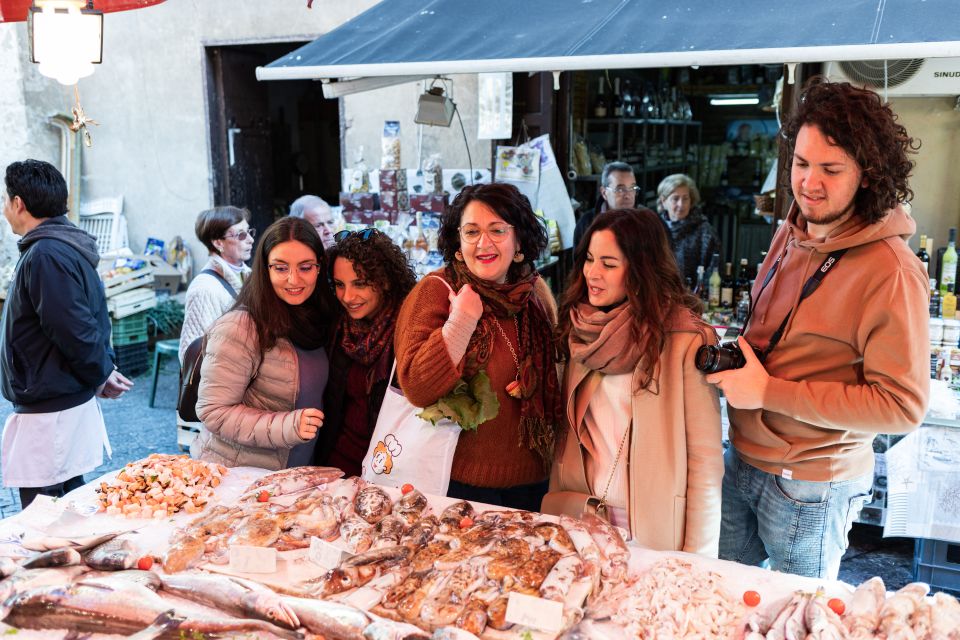
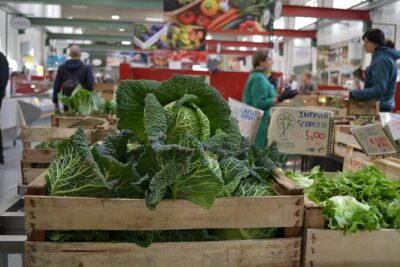
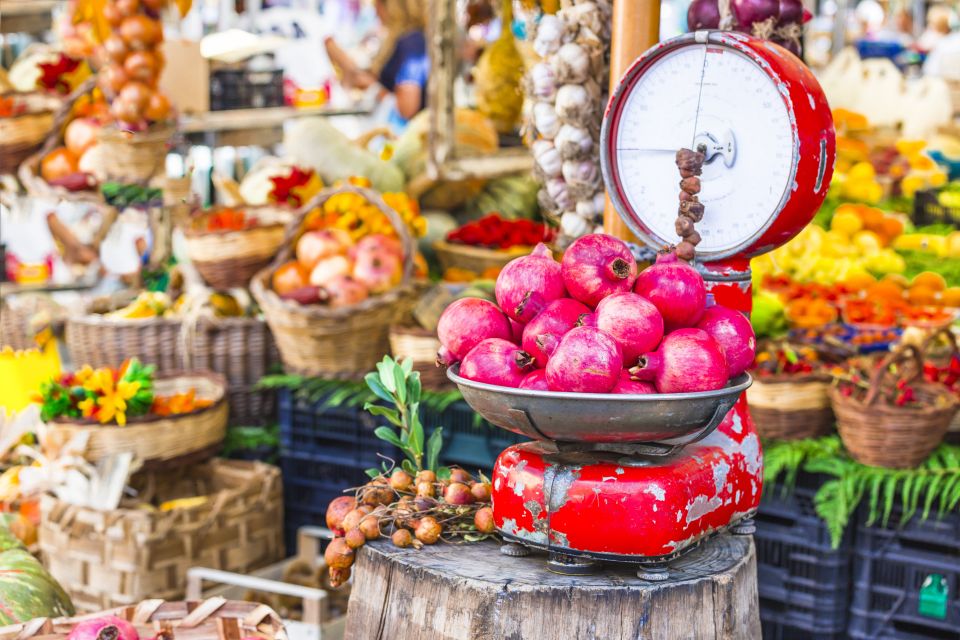
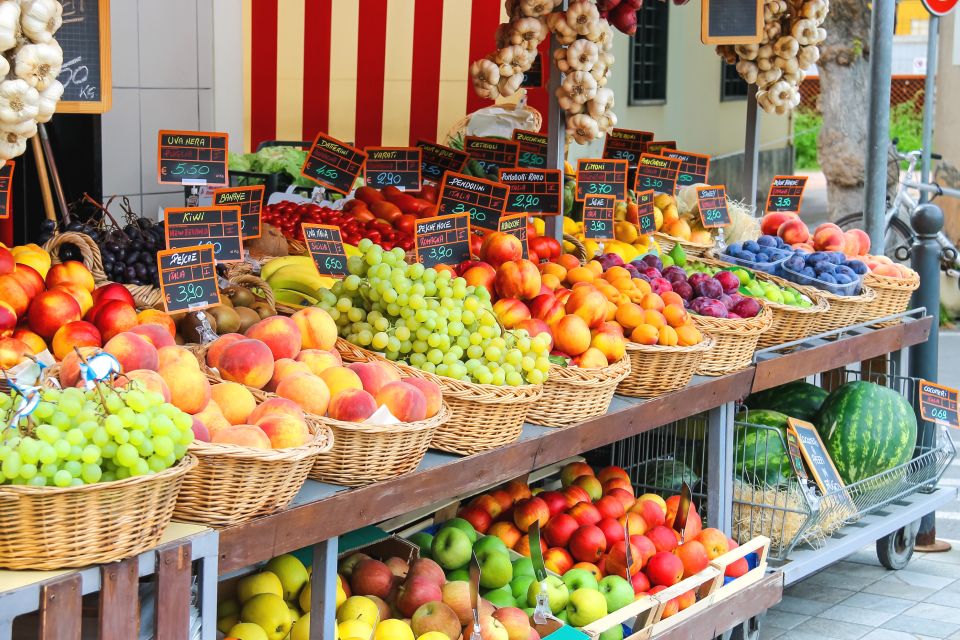
The best part of this kind of class is the shopping. You’re not wandering the market and hoping you pick something good. You’re guided while you look at what’s actually good right now, and that changes everything about how the cooking tastes.
You’ll meet your Cesarina at the local market and go through the produce like a regular: tasting smells, checking quality, and learning what to recognize when the stallholder offers choices. The market visit usually starts around 9 AM and runs until about 4 PM, but your booked experience runs about 5 hours total, so expect a focused window that matches your class timing and the schedule your host uses.
A helpful detail is how this turns into practical cooking. Instead of thinking, I should buy ingredients, you learn what to buy for the recipes you’ll cook later. That’s why this tour works even if you have no cooking experience. You leave with the pattern in your head: taste first, then decide.
I also like that it’s a local partner-led experience with real home-cook standards, not a generic checklist. The market guide in one of the class experiences was Giacomo, and the takeaway from his shopping style was clear: he helped people find what was in season and buy what they’d use to cook afterward. You’ll get that same logic during your visit.
One small drawback: markets can move fast, and stalls change. If you hate crowds or need very slow pacing, you should tell the organizer early so the Cesarina can adjust the pace to your needs.
You can also read our reviews of more shopping tours in Milan

From Market Bag to Kitchen Plan: what the home cooking class feels like
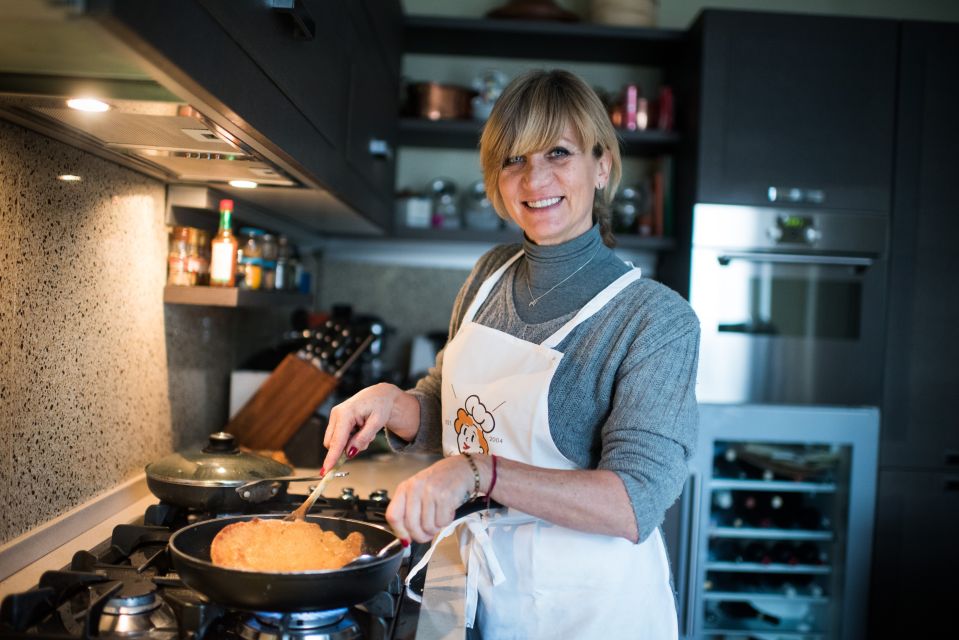
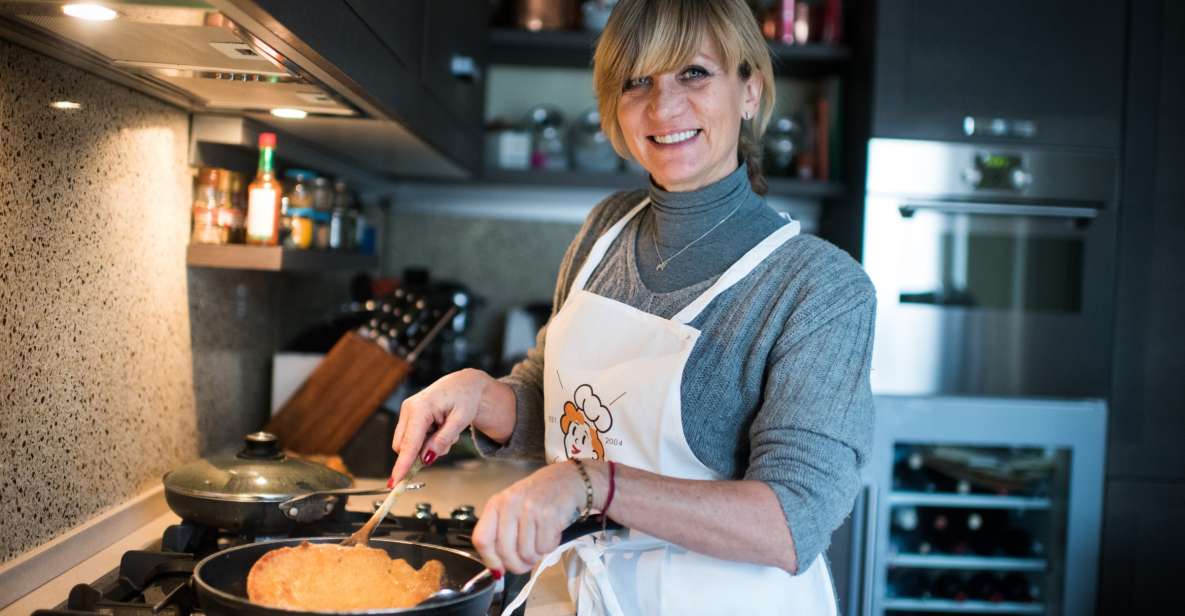
Once you head to the home kitchen, the day shifts gears from browsing to doing. This is a private cooking class led by an expert home cook (a Cesarina). You’ll get your own workstation with utensils and all the ingredients you need—so you’re not scrambling for tools, and you’re not dependent on grocery-store substitutes.
The class focuses on three authentic local recipes. The teaching approach is hands-on: the Cesarina explains steps and techniques, you follow along, and you work toward a finished meal you’ll actually eat. The description also notes that the instructor shares family recipe knowledge passed down through generations, and that matters because it explains why certain techniques exist. Italian home cooking is often about method—how you treat an ingredient—more than about complicated gadgets.
The “three recipes” format is a sweet spot. You learn multiple dishes, but the schedule stays realistic for a single afternoon. You should expect technique plus practical guidance, not a lecture. And because you’re cooking at home, the pace often feels more comfortable than cooking in a classroom with strangers standing behind you.
A detail worth calling out from an experience with Deborah: she helped people overcome the fear of making homemade dishes like ravioli or tiramisù. Even if you’re starting from zero, the lesson style is meant to make you confident that you can produce something real, not just follow steps without understanding.
You’ll be glad you came prepared with curiosity, not expectations of a restaurant-quality production. This is a learn-and-laugh kitchen. If something takes longer, it’s part of learning how the process works.
The recipes: learning the techniques behind the flavors
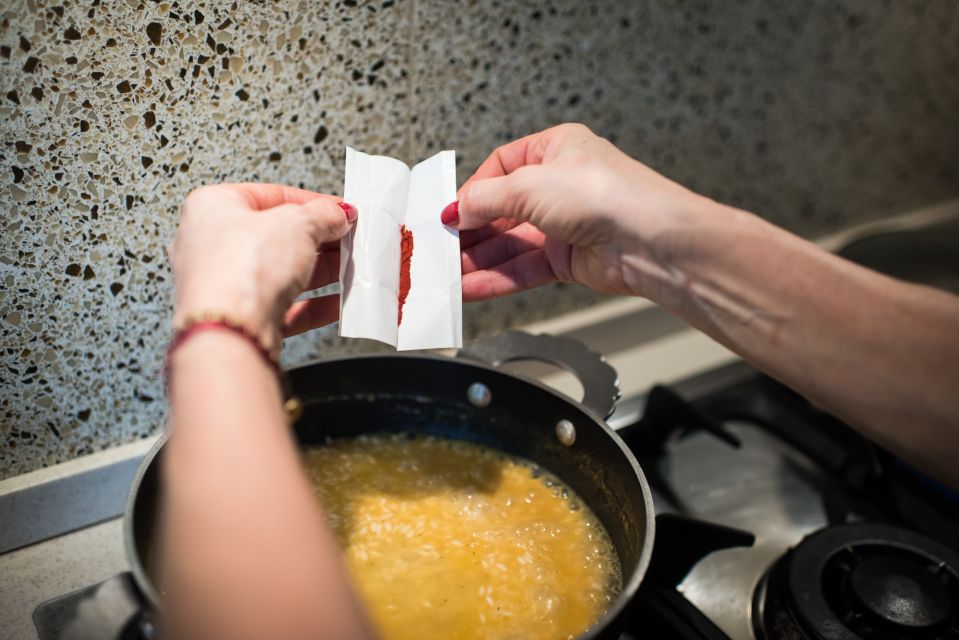
You’ll be taught the “secrets” and tricks of the trade for the three recipes. The course emphasizes regional cuisine—meaning the food is meant to feel rooted in the place, not internationalized to fit tourists.
Here’s what you should watch for during the lesson:
- How the Cesarina explains ingredient choices you made at the market
- How she times steps (especially when mixing, resting, or assembling)
- Where she pushes you to be careful: texture, temperature, or consistency
- How the flavors balance at the end, since you’ll taste your own work
Because you start with market shopping, the recipes don’t feel random. You can connect the dots: I chose this ingredient with my guide, so it makes sense this is the dish we’re making. That’s a big part of why you’ll remember the class later.
Also, the class includes tastings of everything you prepare, and that matters for learning. If you only cook and then leave, you’re guessing whether it worked. Here, the meal is part of the training.
One consideration: since dietary requirements can be catered for, you should confirm details after booking rather than assuming the kitchen can handle anything last-minute. If you have allergies or strict needs, communicate early so the organizer can plan the recipes accordingly.
Eating what you made: tastings at the table with local wine
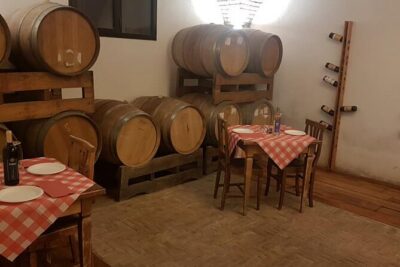
Then comes the best part: you sit down and taste. You’ll sample all three recipes you cooked, around the table, with beverages included. The beverages listed are water, wines, and coffee, and the wines are a selection of local reds and whites.
This isn’t just a reward. It’s a built-in feedback loop. You cook, you taste, and you understand the outcome while the memory is fresh. If something needs tweaking, you’ll hear the explanation in the moment and connect it back to a technique you used earlier.
The wine inclusion also changes the tone. You’re not treating the day like a class that happens to end with snacks. You’re treating it like a real meal experience where wine fits naturally alongside food. That makes the whole session feel like it belongs to Italian home life rather than a staged demonstration.
I also like the pacing here. After you’ve been chopping, mixing, and assembling, you’re ready to taste properly. This is the kind of meal where the work you did shows up in your plate.
Price and value: why $214.11 can be a good deal
At $214.11 per person for about five hours, this isn’t the cheapest thing in Milan. But it does include several items that add real value when you tally them up the normal way.
You’re paying for:
- a private market visit with a Cesarina
- a private cooking class in a local home
- tastings of all three recipes you make
- beverages (water, local wines, and coffee)
- local taxes included
- the workstations and ingredients for the lesson
The biggest value factor for me is that you’re getting a full sequence, not just a cooking segment. Markets are expensive in time and energy. You can easily spend the same amount of time walking on your own and still miss the key shopping insights that translate directly into cooking later.
Second, you’re eating what you make, with wine. That portion alone can cost plenty if you try to recreate it on your own with a similar level of food instruction.
Third, it’s private group format. That matters because you can ask questions and move at a pace that works for you. In many cooking classes, the best information comes when you can ask follow-ups, not when you have to hold your questions until the end.
Bottom line: if you want a hands-on experience with market-to-table continuity, this price often feels fair. If you’re only interested in the meal and would be fine with a casual food tour, there are cheaper options—but you’d miss the learning.
You can also read our reviews of more tours and experiences in Milan
Logistics that matter: home address, timing, and your comfort level
This is a home-based experience, which means the meeting details are handled with care. For privacy reasons, the full address is shared after you book, and the local partner contacts you with the meeting-point instructions.
This is usually straightforward, but it does mean you need to plan a little. Give yourself buffer time to get to the neighborhood, and read the host message carefully. The lesson begins from the meeting point you’re provided, and the activity ends back there.
Timing is also something to pay attention to. The market tour is described as typically starting around 9 AM, with flexibility possible depending on requirements and if you notify the organizer in advance. Since the total duration is about five hours, you’re likely getting a focused segment of market time and then heading to the kitchen.
If you want a smooth day, I suggest you build your schedule around this class and avoid stacking hard-to-reach appointments too close before or after.
Who this suits best
This tour is ideal if you:
- want real cooking skills you can repeat at home
- enjoy markets and want guidance on what to buy
- prefer small, personal instruction over large group activities
- like the idea of wine and coffee included as part of the meal
It’s also a strong pick for couples or friends who want a shared, meaningful activity that doesn’t feel touristy.
Should you book Milan’s market and cooking class at a local home?
Book it if you want a day that connects the market to the plate, and you enjoy learning through doing. The private format, the three-recipe structure, and the fact that you taste everything you cook with local wine make this more than a snack stop.
Skip or reconsider if:
- you dislike home settings and private addresses
- you need very slow, low-stimulation pacing and haven’t confirmed you can be accommodated
- you only care about eating and aren’t interested in cooking techniques
If you’re the type who likes to return from Italy and cook something that tastes like where you were, this is the kind of experience that sticks. And you’ll leave with more than photos: you’ll leave with method.
FAQ
How long is the experience?
The experience lasts about 5 hours. Starting times vary based on availability.
Where do we meet?
For privacy reasons, you receive the full address of your host after booking. The local partner will then contact you with meeting-point instructions.
What will I cook and taste?
The class teaches you to prepare three authentic local recipes. You’ll taste everything you prepare during the meal.
Are beverages included?
Yes. Water, local wines, and coffee are included.
Can the cooking class accommodate dietary requirements?
Different dietary requirements can be catered for. You’ll need to confirm directly with the service organizer after booking.
What languages are the instruction provided in?
The instructor speaks English and Italian.