REVIEW · MILAN
Milan’s Must See: Half-Day Tour of Last Supper, Duomo & La Scala
Book on Viator →Operated by Zani Viaggi · Bookable on Viator
Three monuments, one tight route, and the Last Supper. This half-day Milan loop strings together skip-the-line entry to The Last Supper and guided commentary that ties Leonardo, the city, and the architecture into one story. I also like that admissions to Duomo and La Scala (including the museum) are built in, so you’re not hunting tickets while the clock runs.
The main thing to think about is pace. You’ll be on your feet for about 3.5 hours, including brisk movement between sights and a very short viewing window for the mural, so this isn’t the tour to pick if you want long, slow wandering.
In This Review
- Key takeaways before you go
- How this half-day Milan route keeps the magic focused
- Galleria Vittorio Emanuele II: Milan’s drawing-room intro on foot
- Entering Duomo di Milano: scale, details, and strict bag rules
- La Scala in real time: public boxes, museum context, and access changes
- The Last Supper: why the visit is short and what to do with those 15 minutes
- Guides and group size: what you should listen for
- Timing, weather, and the reality of moving through Milan
- Price and value: is $130.96 worth it?
- Who this tour fits best
- Should you book this Last Supper, Duomo & La Scala tour?
- FAQ
- What’s included in the tour price?
- How long is the tour?
- Do I need to bring ID for The Last Supper?
- How long do I get to view The Last Supper?
- What’s the dress code for Duomo?
- Is there a lot of walking?
- Where does the tour end?
Key takeaways before you go
- Skip-the-line Last Supper entry with a strict 15-minute viewing limit to protect the painting
- Duomo + La Scala admissions included, plus a museum stop at the opera house
- Guided stops in the Galleria and central Milan, not just photo ops
- Small group size (max 40), which helps with crowd control during transitions
- What you see at La Scala can shift if a rehearsal or performance schedule affects the public-box visit
How this half-day Milan route keeps the magic focused
This is a tight, well-managed highlights tour designed for first-timers and for anyone who only has a morning or afternoon in Milan. Expect a mix of walking and short rides, with audio headsets so you don’t constantly lean in and miss details.
The big idea here is timing: the tour is built around access to Leonardo’s mural and around the reality that Duomo and La Scala are high-demand, high-crowd places. Since the tour is about 3 hours 30 minutes and the order can change due to traffic or logistics, you’ll want to show up early and stay flexible.
On top of that, you’re dealing with two “rule-heavy” stops. Duomo has strict bag and umbrella limits, and The Last Supper requires ID and matching names and birthdates for entry. If you’re prepared on those fronts, the rest feels smooth.
You can also read our reviews of more tours and experiences in Milan

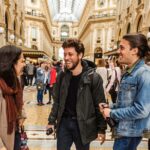
Galleria Vittorio Emanuele II: Milan’s drawing-room intro on foot
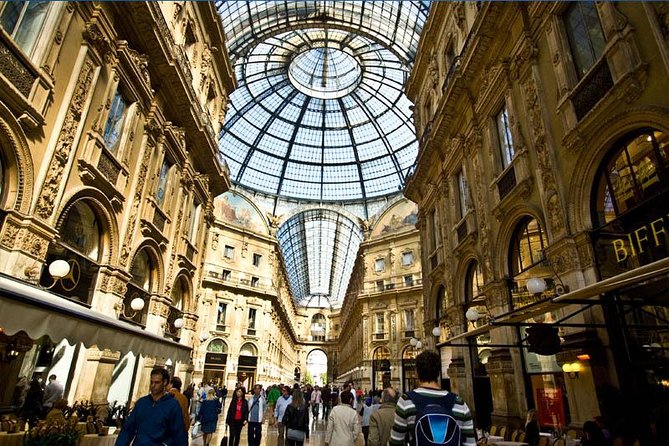
Your tour begins at the Milan Visitor Center in the Zani Viaggi area, then heads into the Galleria Vittorio Emanuele II. This 19th-century glass-vaulted arcade is more than a pretty backdrop. It’s a snapshot of how Milan shops, socializes, and shows off in one place—cafés below, light and ironwork overhead, and boutiques that signal status right away.
This first walking segment matters because it sets expectations for the rest of the day. Your guide uses the Galleria to talk about Milan as a fashion capital, and it’s a nice tone-setter before you hit the scale of the Duomo and the drama of La Scala.
Tip: if you’re sensitive to crowds, keep your pace steady but don’t rush. This is where you’ll start scanning for signs, landmarks, and meeting points, which makes the rest of the tour feel less chaotic.
Entering Duomo di Milano: scale, details, and strict bag rules
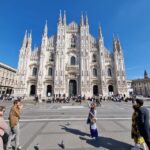
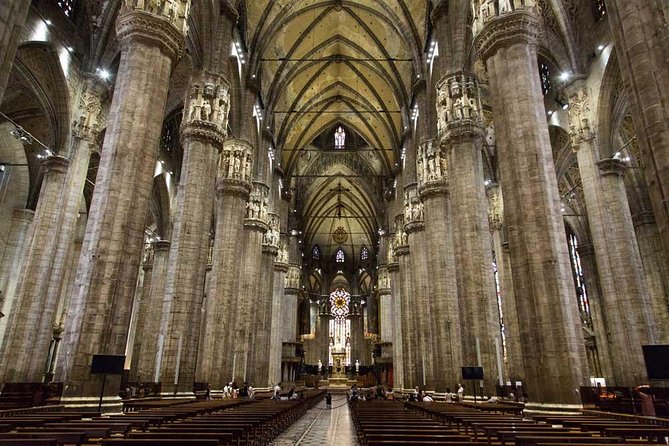
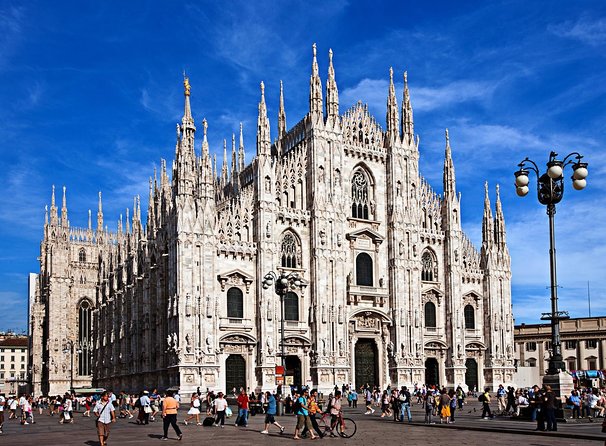
Then it’s straight to the Duomo, one of the world’s largest Gothic cathedrals. The façade and roof are famous for their density—spires, statues, and carved ornament covering nearly every surface you can see from below and from above. It’s the kind of place where “big” doesn’t even cover it; it’s bigger in the sense that your eye keeps finding new angles.
You get about 30 minutes here with admission included. The most useful part of the guided visit is learning what you’re actually looking at: the long story behind the cathedral, plus highlights you might miss if you came on your own. In one strong tip from a guide-led experience, I’d look for the red light reference your guide may point out near the roof area, because it’s one of those “small detail, big meaning” moments.
Important practical consideration: Duomo is strict about what you bring inside. Strollers and bulky bags are not allowed, umbrellas are off-limits, and the dress code is enforced—no shorts or sleeveless tops, with knees and shoulders covered. If you show up underdressed or with a heavy bag or random souvenir, you can lose time or be turned away.
If you’re traveling with kids or larger items, plan ahead. The tour itself is designed to flow, but Duomo security can slow the whole group if someone isn’t compliant.
La Scala in real time: public boxes, museum context, and access changes
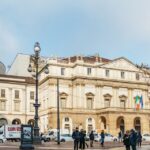
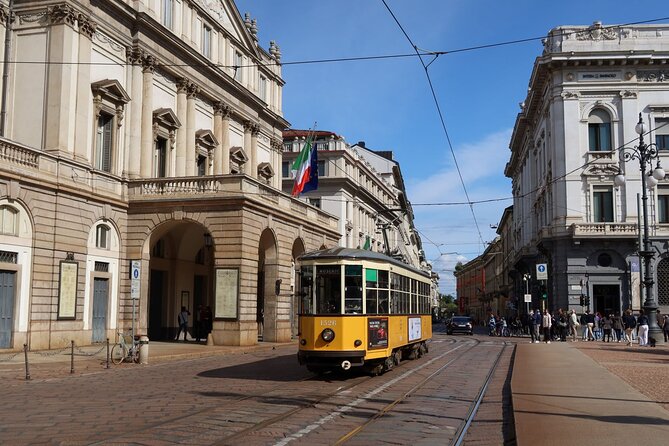
Next comes Teatro alla Scala, and this is where the tour turns from architecture to performance culture. La Scala has been operating since 1778, and seeing it in person helps you understand why composers and singers have treated it like a landmark stage. You’ll spend around 30 minutes inside, including access to the museum.
One of the most praised moments in this type of tour is the guided view from the public box and looking down toward the orchestra pit area. If there’s a rehearsal or a show happening during your scheduled visit, the tour notes that you may not go into the public box. That’s not a dealbreaker, but it’s worth knowing if the public-box viewpoint is what you’re chasing.
Also, treat the museum stop as context, not “just another room.” In strong guide-led experiences, visitors leave with a clearer sense of why the building feels so theatrical even when it’s quiet—crystal chandeliers, ornate staging details, and the feeling of a working venue, not just a museum display.
One more practical detail: the La Scala portion can be a short reset point. A review specifically called out a bathroom break during the La Scala window, which is useful when you’ve been moving since the Galleria and Duomo.
If you’re unlucky with timing, you might see partial changes. There’s at least one reported situation where the La Scala theatre and museum component was canceled, and the group could visit on their own without the guide—still possible to see, but not the guided experience you paid for.
The Last Supper: why the visit is short and what to do with those 15 minutes
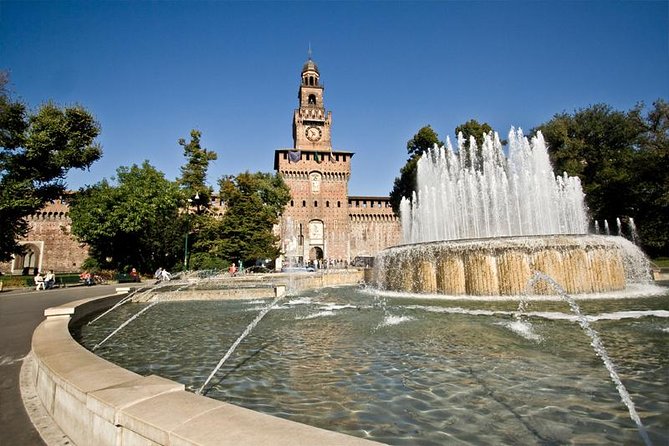
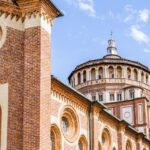
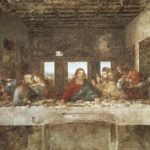
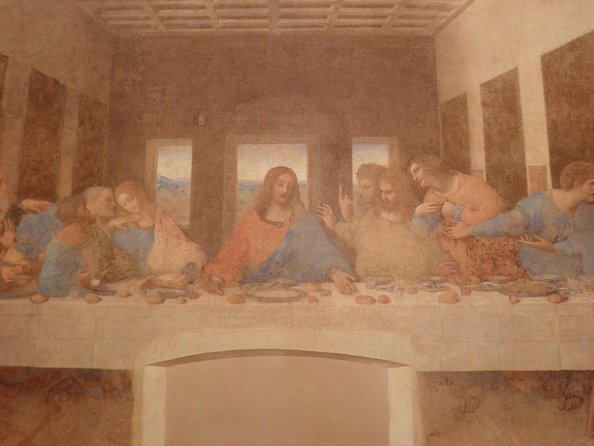
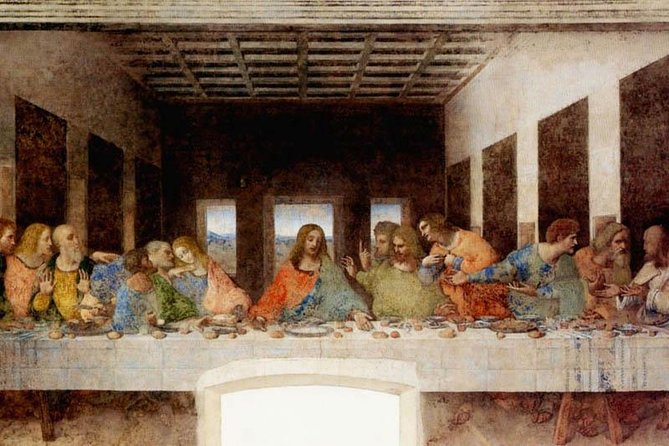
Finally, you reach Santa Maria delle Grazie, where The Last Supper is housed. This mural is UNESCO World Heritage, and it’s also protected like a medical patient. That’s why your viewing time is capped at 15 minutes for conservation and visitor management.
This is the moment most people are booking for, and it’s also the hardest ticket to get. The tour is designed around pre-booked access, which matters because trying to secure tickets directly for last-minute slots can be frustrating. With this format, you’re set up to enter without standing in line, then you get ushered into a controlled viewing window.
What makes the guide work here is the conservation explanation and the visitor restrictions. Without that context, you might feel like 15 minutes is too short. With it, you understand that the restriction protects the mural, and your short window is part of the reason the painting still looks like it does.
How to get the most out of your 15 minutes:
- Arrive mentally ready. Don’t spend your first minute scanning your phone.
- Focus your eyes on composition first, faces second, and then the surrounding wall details.
- Take a breath and slow your viewing. The best part of The Last Supper isn’t speed; it’s attention.
Practical requirement: you must bring a valid ID document (or a copy) and provide full names, surnames, and dates of birth exactly as required by the museum. If your details don’t match, entry can be blocked.
Another practical note from the tour experience pattern: after the viewing, the tour ends at Leonardo’s Last Supper Museum. You’re not dropped back with hotel transport. Plan your next move—metro or taxi are nearby, and walking back is possible, but you should expect time.

Guides and group size: what you should listen for
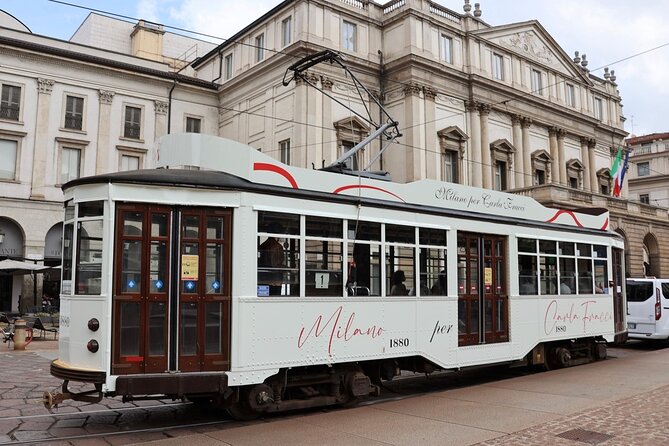
You’ll travel with a professional guide and audio headset headphones. In multiple standout accounts, guides such as Massimo, Maximus, and Andrea were praised for keeping momentum and connecting the city’s look with its story.
That said, one of the few weaknesses that shows up is uneven guide performance. There are reports of a guide with hard-to-understand English or poor organization, and at least one mention of headset static that made listening difficult. If you’re the type who relies heavily on narration, bring a backup mindset: you’re still going to see major sights even if the audio isn’t perfect.
With a maximum of 40 travelers, it’s not a massive bus tour, which helps with crowd control at Duomo and the mural. It also explains why the pace can feel brisk—there’s a group to manage, and you’re moving through timed entry environments.
Timing, weather, and the reality of moving through Milan
Because the tour includes walking and transit between sites, weather can change your comfort level fast. In rainy or cold conditions, you’ll appreciate having a vehicle segment, but you’ll still be outside for parts of the route—especially between central stops and when you’re clustering around entrances.
Traffic and organization are also a factor. The tour explicitly notes that the order can vary due to traffic problems or operational requirements, and it says no refund is guaranteed if timing is altered. That’s a sign to pack realistic expectations: you’re buying access and guidance, not absolute control over the minute-by-minute plan.
Also remember: you’re dealing with crowd dynamics. Duomo and La Scala can be packed, and the mural site is tightly controlled. If you need extra time to move between areas, choose shoes that support a brisk pace and keep your meeting-point awareness sharp.
Price and value: is $130.96 worth it?
At about $130.96 per person for a half-day, you’re paying for three main things:
1) Hard-to-get Last Supper admission (pre-booked with skip-the-line entry style)
2) Admissions to Duomo and La Scala plus the Scala museum
3) Guided commentary with audio headsets
If you try to price it out on your own, the Duomo and La Scala tickets are only part of the story. The real cost of DIY is time and stress—especially for The Last Supper, where entry slots and rules can feel like a puzzle. This tour turns that into a managed, scheduled visit with a guide explaining what you’re seeing.
So is it good value? For most people, yes—especially first-timers who want the big three (Duomo, La Scala, Last Supper) in one go. If you’re a marathon walker who hates guided structure, or if you’re visiting with flexible time and want full autonomy, you might decide to DIY. But if your trip is short, this is one of the more efficient ways to protect your schedule.
Who this tour fits best
This tour fits best if you:
- Have only a half-day in Milan and want the essentials
- Want a guided story tying Leonardo, cathedral art, and opera culture together
- Prefer pre-booked Last Supper access over ticket hunting
- Can handle brisk walking and timed stops
It might feel less ideal if you:
- Want lots of free time at each stop
- Struggle with crowds or moving quickly between locations
- Need very flexible pacing for mobility reasons
There’s also a dress-code element. If you show up with bare shoulders or short sleeves, you can lose entry time at Duomo and possibly at other worship spaces.
Should you book this Last Supper, Duomo & La Scala tour?
I’d book it if you’re aiming to see Milan’s top icons without spending your precious time on ticket headaches. The big win is the combination: Duomo and La Scala admissions plus a structured, guided Last Supper visit that’s built around strict viewing rules.
I’d think twice if you’re very sensitive to walking pace or you need a lot of downtime, because the schedule is designed to keep moving. Also, if La Scala public-box access is your must-have, keep in mind rehearsals or shows can change that portion.
If you go, show up ready for rules: dress for worship spaces, bring your ID, and keep your bag light. Do that, and you’ll leave with three of Milan’s most powerful experiences in one clean arc.
FAQ
What’s included in the tour price?
The tour includes a professional guide, audio headset headphones, Duomo admission, La Scala theatre and museum admission, and admission to Leonardo da Vinci’s The Last Supper. It also includes about an hour of walking tour and an air-conditioned vehicle.
How long is the tour?
The duration is approximately 3 hours 30 minutes.
Do I need to bring ID for The Last Supper?
Yes. You must bring an ID document (or a copy) for the visit, and you’ll be required to provide your full name, surname, and date of birth for museum requirements.
How long do I get to view The Last Supper?
Your viewing time is strictly limited to 15 minutes.
What’s the dress code for Duomo?
You need knees and shoulders covered. No shorts or sleeveless tops are allowed, and entry can be refused if you don’t meet the dress requirements.
Is there a lot of walking?
Yes. It’s a walking tour through central Milan with additional transit between stops, so expect a brisk pace.
Where does the tour end?
It ends at Leonardo’s Last Supper Museum at Piazza di Santa Maria delle Grazie, 2, 20123 Milano MI, Italy. The tour does not include hotel drop-off.