REVIEW · MILAN
Milan: La Scala Theatre Skip-the-line Guided Tour
Book on GetYourGuide →Operated by Wander Italy · Bookable on GetYourGuide
La Scala never lets you stay casual. This guided skip-the-line visit gets you into the Teatro alla Scala Museum and down toward the neoclassical interior quickly, with a guide who ties together the big names—Verdi, Toscanini, and even Barenboim. The one drawback to plan around is that rehearsals can limit stage views, and there’s no refund if the stage can’t be seen.
I also like the way the tour is set up for your ears. You’ll wear headsets (when groups are larger than five) and get pointed to the crystal chandelier and other details that you’d easily miss if you only wandered on your own. It’s an architectural and music-history hit in 60 minutes, rain or shine, and the guide keeps things moving.
You’ll meet in front of the ticket office at Largo Antonio Ghiringhelli, 1, with the Wander in Italy sign, and you’ll finish back at the museum entrance. If you’re short on time in Milan, this is one of the simplest ways to make La Scala feel like a real place—not just a photo.
In This Review
- Key things I’d circle before you go
- La Scala in One Hour: What You’re Really Buying
- Meeting at Teatro alla Scala Museum: Fast Entry, Clear Direction
- Inside the Museum: Costumes, Sets, and Why It Changes the Theater View
- The Neoclassical Auditorium: Where the Architecture Does the Talking
- Headsets and Guide Style: Making Sure You Actually Catch the Good Stuff
- The Stage and Rehearsals: Don’t Plan on a Perfect View
- Duration, Timing, and Getting Value From $44
- Who This Tour Suits Best (and Who Should Rethink It)
- Should You Book This La Scala Skip-the-Line Tour?
- FAQ
- Where do I meet for the La Scala skip-the-line guided tour?
- How long is the tour?
- Is the tour offered in English and French?
- Are headsets provided?
- Does the stage always look visible from the tour?
- What’s included in the price?
- What payment and cancellation options are available?
Key things I’d circle before you go
- Skip-the-line entry that saves time right when you need it
- Neoclassical auditorium focus, with spotlight moments like the chandelier
- Museum context: set designs, costumes, and musical instruments
- Headsets for clarity, especially in larger groups
- Expert storytelling in English or French with plenty of anecdotes
- Stage visibility isn’t guaranteed due to rehearsals
La Scala in One Hour: What You’re Really Buying
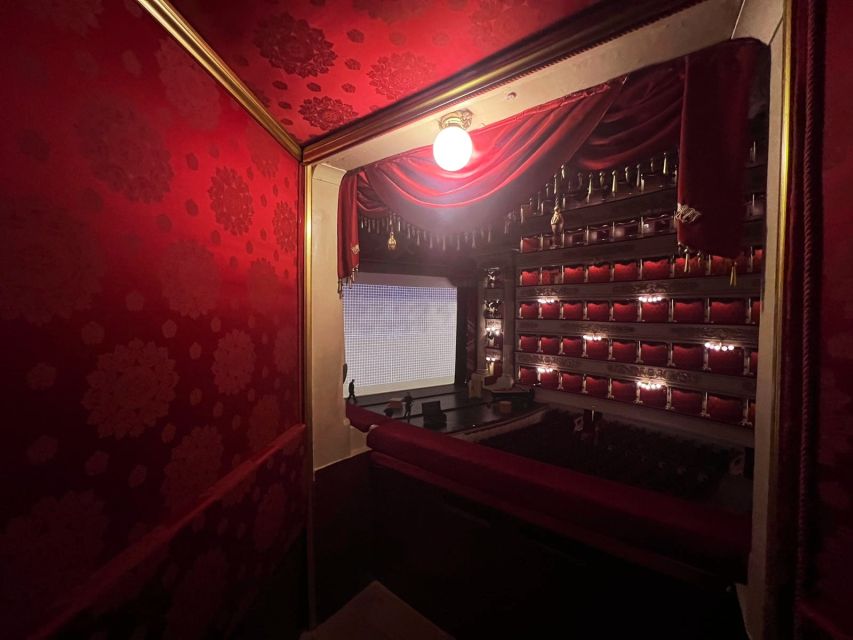
This tour is short on purpose. In about one hour, you get the main architectural wow-factor plus the story that explains why La Scala matters so much to classical music in Milan.
You’re not just there to look around. You’re guided through what the building represents: a theater inaugurated in 1778, a home for big composer names, and a place that holds collections like set designs, costumes, and instruments. That’s the value—context turns “pretty seats” into “oh, I get why people care.”
And you’ll feel the pace. It’s designed for efficient entry, clear explanations, and enough time inside to actually notice the details.
You can also read our reviews of more guided tours in Milan



Meeting at Teatro alla Scala Museum: Fast Entry, Clear Direction
Your meeting point is Largo Antonio Ghiringhelli, 1, right in front of the ticket office. The guide will hold a sign for the tour and the provider Wander in Italy.
Arriving a little early helps. La Scala can be crowded with other groups, and you’ll want a smooth start so you don’t end up late to a tour that runs on a tight schedule. Once you’re with the guide, the big advantage kicks in: skip-the-line entry.
For me, that matters because La Scala isn’t one of those sites where you can “just show up later.” If you’re in Milan for a few days, saving time here often means you can keep your day intact elsewhere.
Inside the Museum: Costumes, Sets, and Why It Changes the Theater View
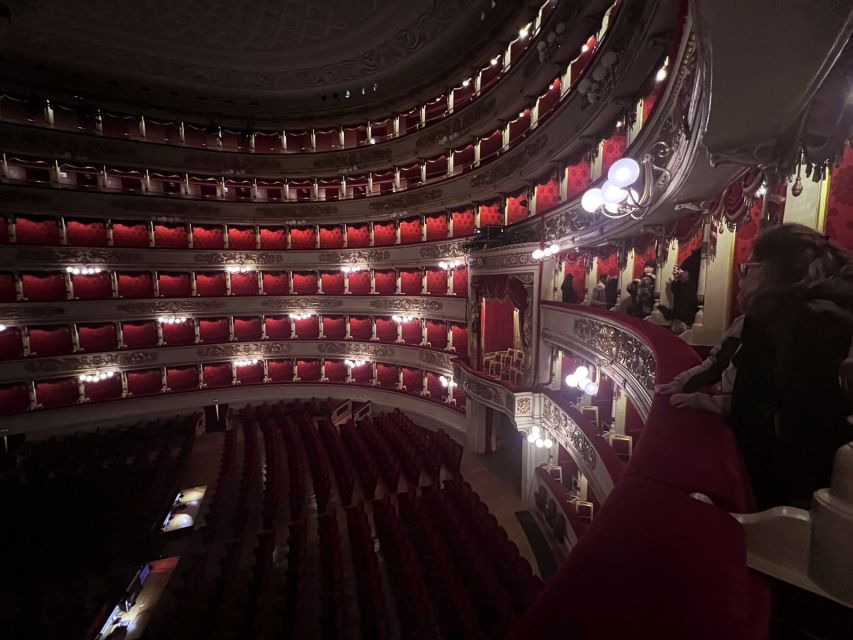
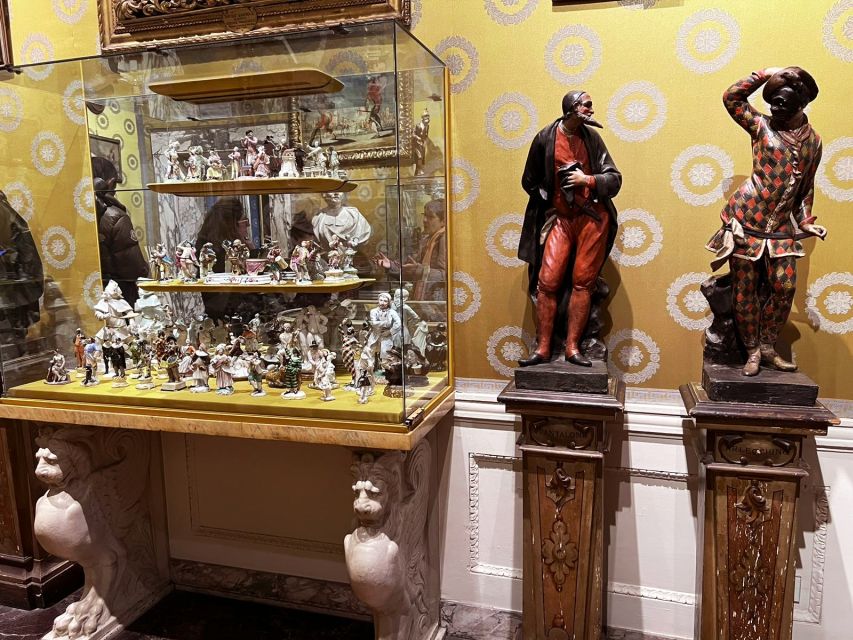
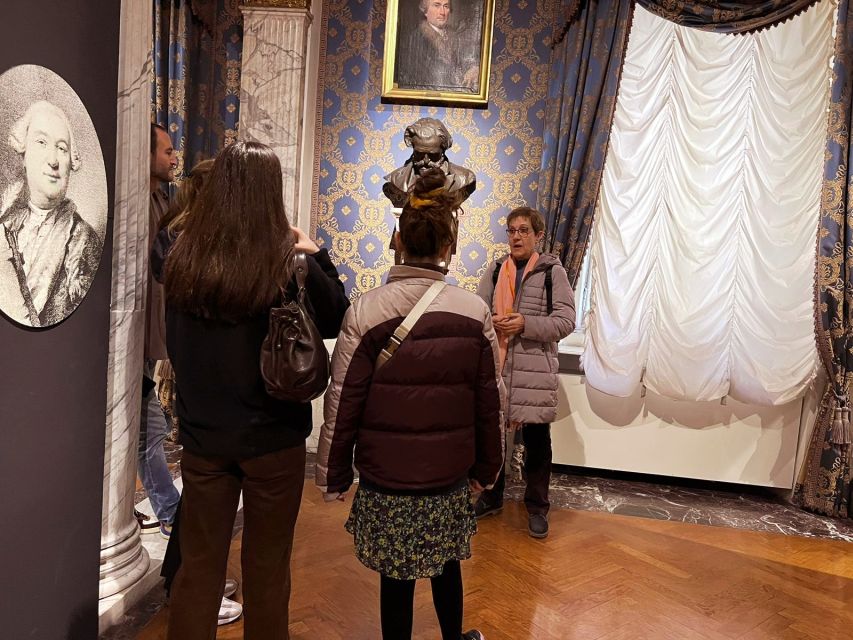
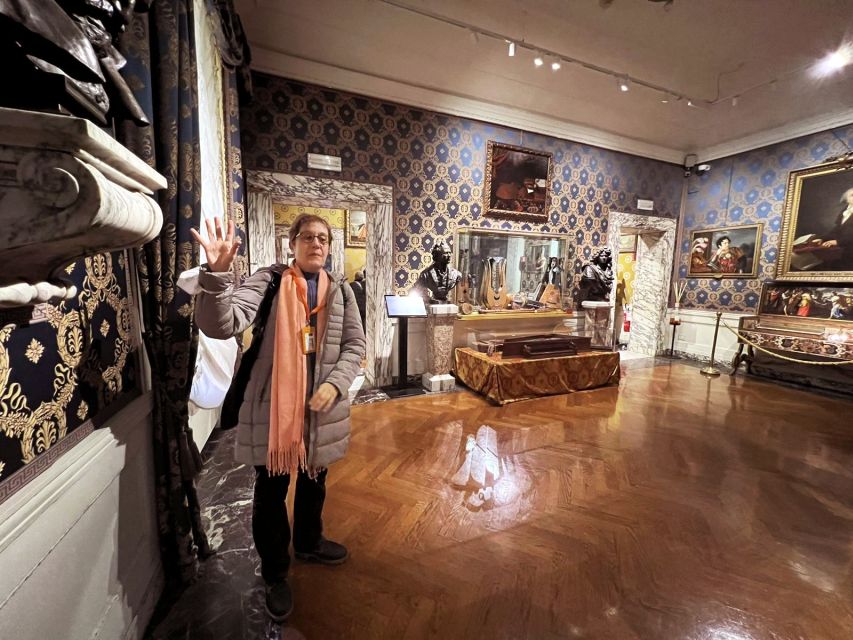
The visit begins at the Teatro alla Scala Museum area, where the story behind the stage starts to make sense. Even before you settle into the auditorium, you’re moving through the idea of what opera production is: craft, engineering, and performance all in one.
You’ll learn about the heritage of La Scala, and how the theater connects to major musical figures. The tour’s narrative highlights masterpieces and eras linked to Verdi to Toscanini to Barenboim—not as trivia, but as a way of understanding how this institution shaped Milan’s musical identity.
This museum time is also where you get the “stuff behind the show.” The theater’s collections include set designs, costumes, and musical instruments. Seeing artifacts tied to production helps you notice things later in the auditorium—like how stage space influences what audiences experience.
One practical benefit: if you’re not a life-long opera person, you still have something to hold onto. You’re learning how opera gets made, not only what it sounds like.
The Neoclassical Auditorium: Where the Architecture Does the Talking
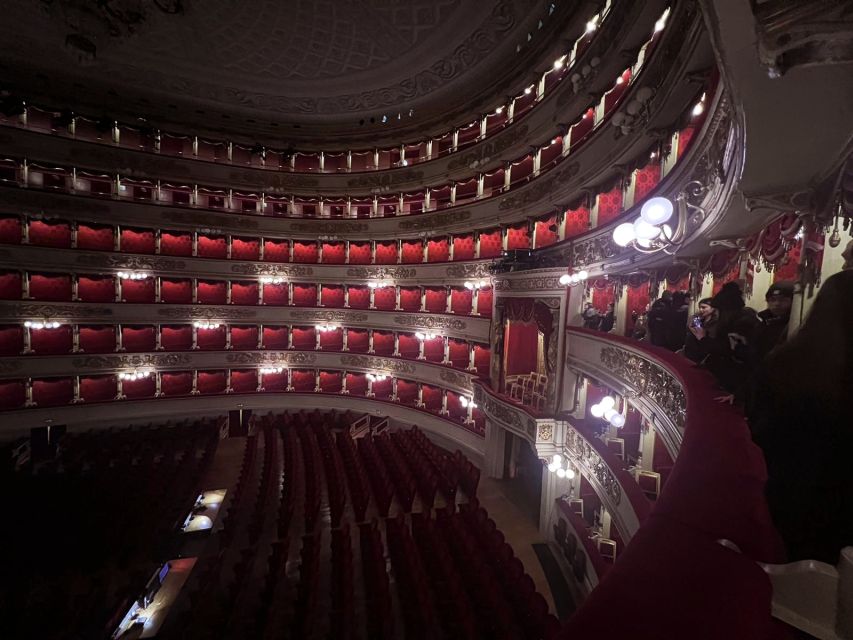
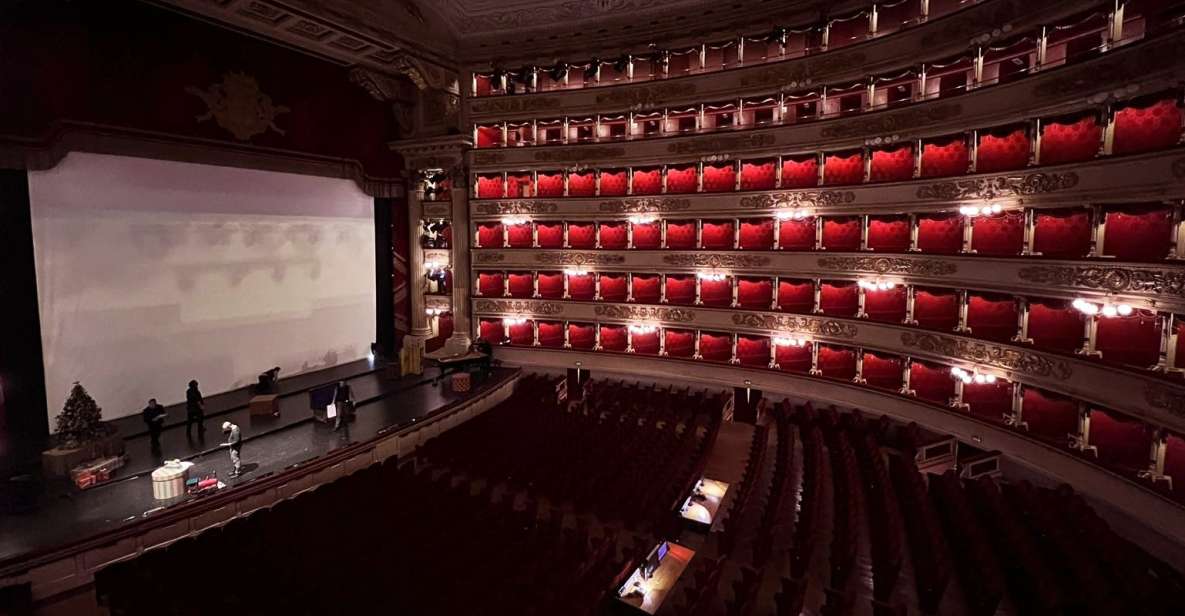
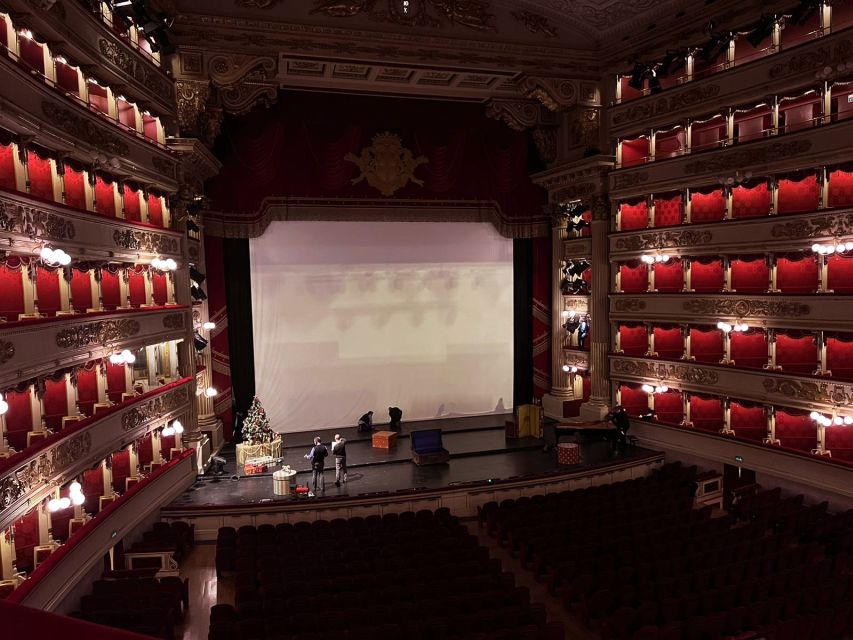
When you reach the auditorium, that’s the moment most people come for. La Scala’s interior is all about drama: form, symmetry, and a sense of theater-as-ceremony.
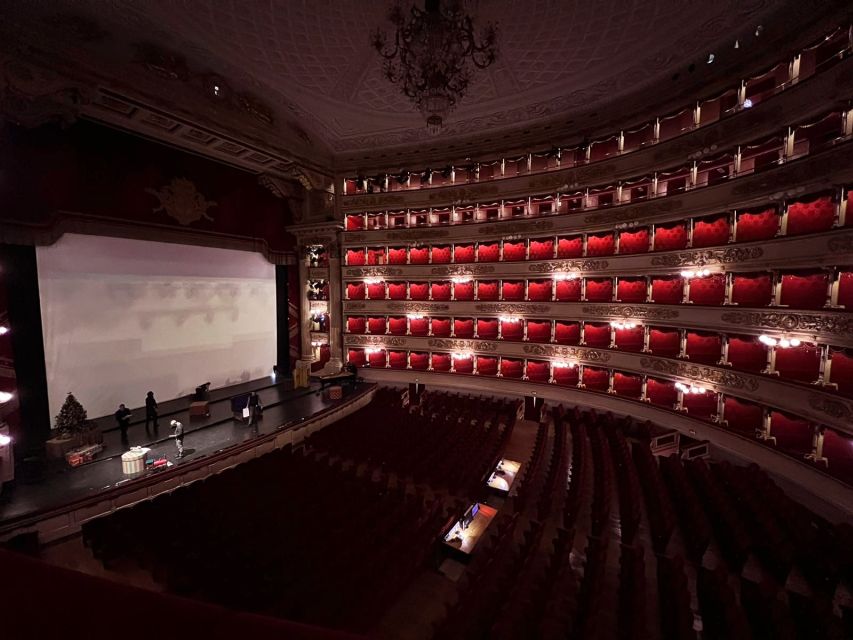
The guide brings you there with a purpose—so you’re not just looking at seats. You’ll hear anecdotes and stories tied to the building’s musical life, and you’ll be encouraged to look for specific details: the crystal chandelier and the neoclassical design elements that make the space feel grand without needing you to “know architecture.”
This is also where the tour’s storytelling style pays off. The guide’s job is to connect what you see—balconies, ornamentation, and stage relationship—to why La Scala became a magnet for the geniuses of classical music.
If you enjoy visual storytelling, this part hits hard. The room is beautiful, but the explanations help you “read” it.
Headsets and Guide Style: Making Sure You Actually Catch the Good Stuff
This tour runs smoothly partly because of something simple: headsets, when the group is larger than five. That small detail matters a lot in a real theater space, where people talk, sound carries, and you don’t want to strain to catch the guide.
The guide experience can make or break a short tour like this. The overall tone here is very hands-on: expert English-speaking narration, lots of anecdotes, and a focus on keeping you engaged even if you’re visiting for the first time.
You may run into guides known for passionate delivery and clear explanations—names that have come up include Gianluca, Bea, Lara, and Maria. Across those different styles, the common theme is energy: they’re not just reciting dates, they’re explaining how opera culture works and why La Scala is still important.
If you like a guide who adds personality and humor while staying precise, this is one of those tours that tends to feel memorable.
You can also read our reviews of more tours and experiences in Milan





The Stage and Rehearsals: Don’t Plan on a Perfect View
Here’s the reality check. The tour notes that the stage may not be visible due to rehearsals, and if you can’t view the stage, no refunds are issued.
That doesn’t mean the visit is pointless. It means your expectations should be set around the auditorium and the museum, not a guaranteed stage view. Even without full stage visibility, you’ll still get the architecture and the story that makes La Scala feel alive.
If seeing performers up close matters most to you, you can still get lucky—there’s a chance you might glimpse rehearsing artists. But treat that as a bonus, not a promise.
Duration, Timing, and Getting Value From $44
At $44 per person for about one hour, you’re paying for two things that matter in Milan: reserved entry and a live guide. Entrance and reservation fees are included, and you also get equipment when needed (headsets if your group is over five).
Is it expensive? It’s not a budget activity, but the price makes sense when you consider what you’d otherwise need to solve yourself: finding the right ticket options, waiting in line, and then translating the building’s significance without a guide.
This is also a good “time return” purchase. One hour at La Scala can anchor a full day of Milan sightseeing. You get enough inside the theater complex to feel you’ve actually experienced the place, not just passed it.
A small note on what’s not included: food and drinks. Bring water if you know you’ll get warm standing around outside. There’s no pickup or drop-off either, so you’ll be responsible for getting to the meeting point on your own.
Who This Tour Suits Best (and Who Should Rethink It)
You’ll likely love this tour if:
- you want the biggest La Scala highlights in a short window
- you like architecture with stories attached
- you want an English or French guide explaining how the theater fits into Italian music culture
- you’re okay with flexible stage visibility because rehearsals happen
It may not be the right choice if:
- you have mobility impairments, since the tour is noted as not suitable
- stage visibility is your top priority, given rehearsals can affect what you can see
For everyone else, it’s a strong fit—especially as a first La Scala stop. Even if opera is not your everyday hobby, the museum context and the guided anecdotes help you understand what you’re seeing.
Should You Book This La Scala Skip-the-Line Tour?
Book it if you want a focused, guided, time-efficient way to experience La Scala. The skip-the-line entry plus a live guide makes it a practical choice for first-timers, and the mix of auditorium architecture and museum collections helps you leave with more than a photo.
Skip it only if stage views are a must-have for you or if mobility limitations make this tour unsafe. Otherwise, this is one of the simplest ways to turn Milan’s opera legend into a real, walk-in experience—headsets on, chandelier in sight, and stories that explain why the building still matters.
FAQ
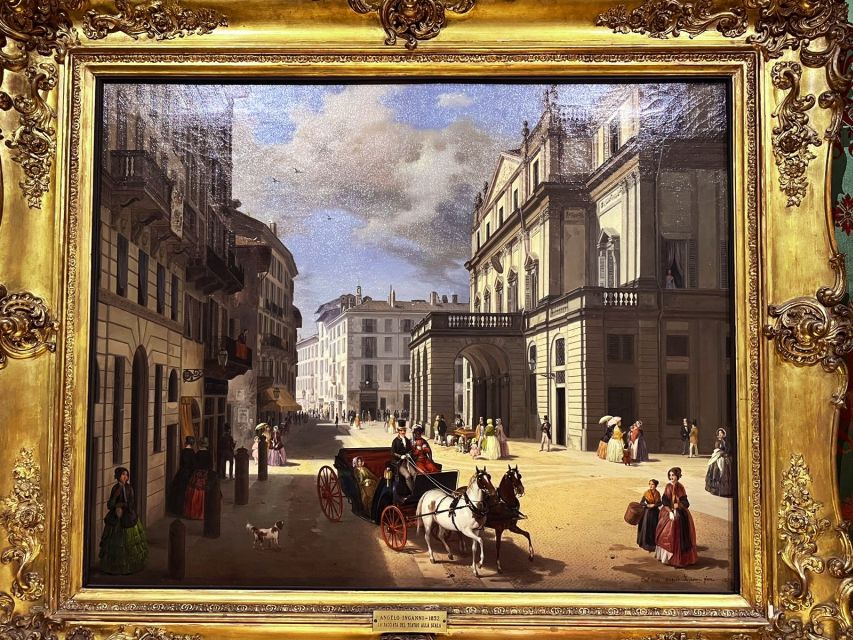
Where do I meet for the La Scala skip-the-line guided tour?
Meet at Largo Antonio Ghiringhelli, 1 in front of the ticket office. The guide will be holding a sign with the name of the tour and the Wander in Italy logo.
How long is the tour?
The tour lasts about 1 hour.
Is the tour offered in English and French?
Yes. The live guide language options are French and English.
Are headsets provided?
Headsets are provided if there are more than 5 people in the group.
Does the stage always look visible from the tour?
No. The stage may not be visible due to rehearsals, and there are no refunds if the stage cannot be viewed.
What’s included in the price?
Included are the entrance and reservation fees, a professional guide, and headsets if the group is over five.
What payment and cancellation options are available?
The activity offers free cancellation up to 24 hours in advance for a full refund, and it also offers reserve now & pay later (you can book and pay nothing today).