REVIEW · MILAN
Small group Pasta and Tiramisu class in Milan by Cesarine
Book on Viator →Operated by Cesarine: Cooking Class · Bookable on Viator
The best pasta lesson feels like a dinner visit. This small-group Cesarine class pairs hands-on sfoglia with real Milan home cooking, starting with aperitivo. I like the focus and calm pace (you get real attention), and I love that you learn from scratch instead of just watching. One thing to consider: the exact home address can be shared closer to the date, so you’ll want to plan extra time for finding it on the day.
You’ll do the work in a private residence, then sit down to eat what you made—pasta plus tiramisu—with a relaxed, local-feeling vibe. The class runs about 3 hours, and you can pick a morning or evening slot depending on your schedule. If you’re traveling with kids, this is the kind of activity that tends to work well because it’s hands-on and practical, not a lecture.
A small note for comfort and peace of mind: the hosts follow current sanitary rules, provide essential supplies, and ask you to keep distance (with masks and gloves if needed). It’s still a home experience, so it’s less about formal restaurant flow and more about learning how real Italians handle dough and dessert at the kitchen table.
In This Review
- Key takeaways before you book
- Why this Milan pasta class feels like a dinner visit
- Aperitivo first: prosecco, snacks, and a smooth start
- Rolling sfoglia by hand in a real Milan kitchen
- Two pasta dishes from scratch: learning what matters
- Tiramisù workshop: dessert that ends the meal right
- Eating what you made: aperitivo to dinner rhythm
- Price and logistics: does $155.42 feel worth it?
- Who should book this Cesarine pasta and tiramisù class?
- Quick tips so you get more from the class
- Should you book it or skip it?
- FAQ
- Where does the class take place?
- How long is the pasta and tiramisù class?
- What group size should I expect?
- Is the class offered in English?
- Can I choose a morning or evening class?
- What will I cook during the class?
- Is there food and drink included?
- Do I need to print a ticket?
- How far in advance is this commonly booked?
- What if the experience is canceled or I need to cancel?
Key takeaways before you book
- Aperitivo first with prosecco and snacks to start the evening on a friendly note
- Maximum 12 people for better attention and fewer bottlenecks at the counter
- Make sfoglia by hand (not just assembling a kit) in a real Milan home
- Cook two pasta dishes from scratch with a Cesarina’s guidance
- Finish with tiramisù and eat everything together
- English-hosted class with hosts who often use simple explanations and support when needed
Why this Milan pasta class feels like a dinner visit
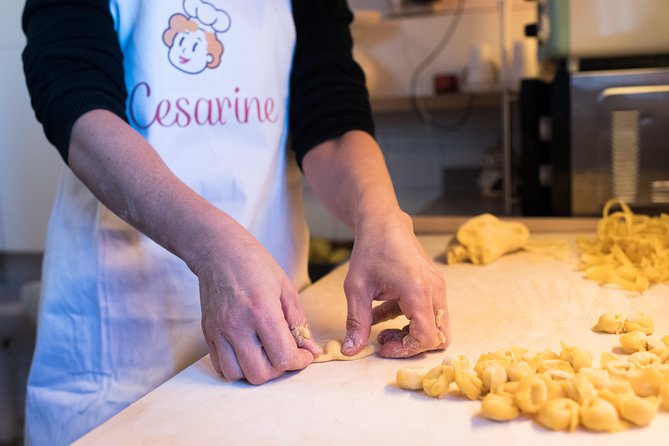
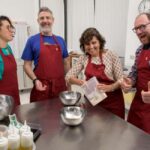
This isn’t a big cooking school with fluorescent lighting and a long conveyor of tourists. It’s a Cesarine experience in a home, which changes the mood fast. You arrive, you’re welcomed, and you end up working side-by-side with your host and small group—more like joining a family kitchen than walking into a classroom.
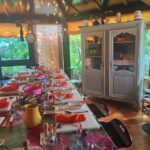
That home setting shows up in the details. Tables get set properly (not paper plates), conversation flows, and the pace feels unhurried. People loved the quiet break from the busy streets of Milano, and I can see why: you’re focused on dough, tools, and timing, not crowds.
Also, the hosting style matters. Several hosts highlighted in past experiences included Guliana, Sandra, Debora, and Sissi, and the common thread is warmth plus patience. Even when English isn’t perfect, you still get what you need because the guidance is hands-on and broken down in real steps.
You can also read our reviews of more cooking classes in Milan
Aperitivo first: prosecco, snacks, and a smooth start
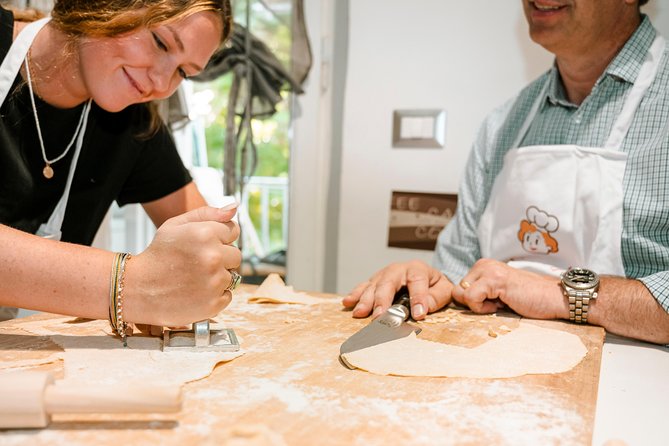
The class begins with an aperitivo—prosecco and snacks. It’s not just a drink-for-show. It gives you time to settle in, meet your group, and get comfortable before the hands-on work starts.
Because this is a small group (up to 12), you don’t feel rushed. You can also ask questions right away, which helps later when you’re learning rolling technique and figuring out how thin is thin. One more practical plus: the start point is near public transportation, so it’s easier to fit into a typical Milan day without turning your schedule into a stress test.
You’ll also get a mobile ticket, which is handy for Milan travel days when you’re bouncing between trams, metro stops, and neighborhoods.
Rolling sfoglia by hand in a real Milan kitchen
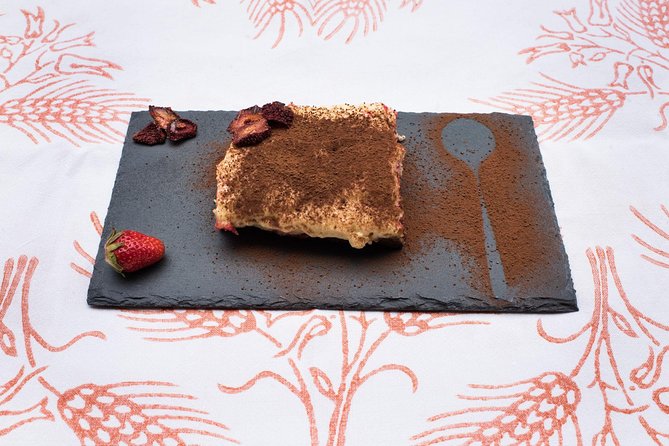
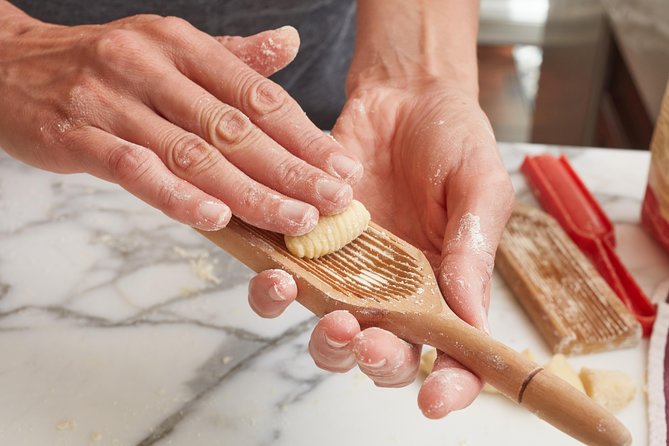
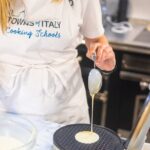
Fresh pasta is where this class delivers maximum payoff. You’ll learn to roll sfoglia by hand and work the dough until it behaves. That matters because pasta dough is not complicated, but it is particular. If the sheet is uneven or too thick, it changes how it cooks and how it eats.
Here’s what I’d expect you to take away from the lessons:
- How to shape and manage the dough so it stretches without tearing
- How to roll consistently so you don’t end up with one side paper-thin and the other side chewy
- How to work with the dough as it changes with handling (and yes, it will change)
What you’re really buying with this part of the experience isn’t just a pasta dish. It’s the muscle memory and confidence to repeat the technique later, at home, with your own flour and your own kitchen pace.
And since it happens in the heart of Milan, it’s also a fun way to connect the food to the place. This is one of the simplest “Italy you can touch” moments: flour, rolling pins, and a kitchen that smells like wheat and butter once the work begins.
Two pasta dishes from scratch: learning what matters
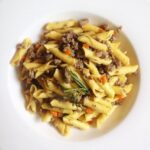
You’ll cook two simple different kinds of pasta from scratch, not from a packaged shortcut. The menu examples you might see listed include regional options like pizzoccheri, risotto, or lasagna. One important reality check: because the exact pasta focus can vary, don’t assume you’ll make the exact same dishes every time. The core promise stays consistent—fresh pasta work plus two pasta creations that you help make fully.
In past experiences, people also talked about learning techniques beyond just basic shapes, including preparation for ravioli-style results. So even if your specific second pasta isn’t described in detail ahead of time, you should expect practical instruction: portioning, shaping, cooking steps, and how to handle the dough without turning it into paste.
This is where the small group size pays off again. With more people, there’s not enough space to practice safely. With a max of 12, you can usually get your questions answered while you’re doing the work—not after you’ve already made the mistake.
And because you’re making two pastas, you’ll see how different shapes and textures lead to different eating experiences. It’s a good lesson in why Italian cooking feels so logical: pasta isn’t one thing. It’s a whole system.
Tiramisù workshop: dessert that ends the meal right
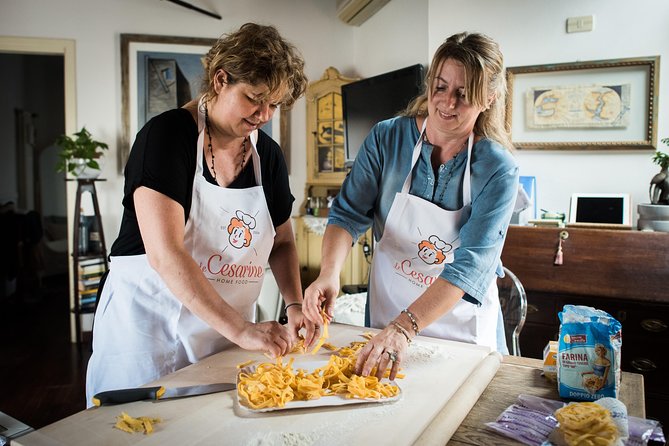
Then comes dessert. You’ll prepare tiramisù from scratch with your host. Tiramisù has a reputation for being easy to mess up when you rush, so doing it in a guided setting is a smart move if you want the real texture and balance.
What I like about finishing with tiramisù is that it ties the whole experience together. Pasta cooking teaches heat control, timing, and technique. Dessert teaches a different kind of timing—layering and assembly—where the order and pace matter just as much.
In many home-hosted classes, you don’t just leave with a dessert recipe. You learn how your host approaches it: how they talk through steps, how they check consistency, and how they aim for a dessert that slices cleanly, not collapses like a sponge cake.
You can also read our reviews of more tours and experiences in Milan

Eating what you made: aperitivo to dinner rhythm
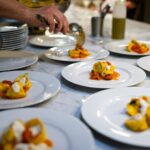
The class isn’t just a cooking demo. You’ll sit down and eat your creations. People described it as a realistic dinner experience because you’re working in the kitchen and then transitioning straight to the table.
You can expect aperitivo at the start, and many classes include drinks that match the meal. Past experiences mentioned a carefully chosen red wine with the food, and in some cases guests also noted limoncello along with prosecco. You shouldn’t count on every drink being the same each time, but you can count on the idea: this is a meal, not a snack session.
It’s also a good way to meet your host as a person. Several descriptions highlighted a friendly, welcoming tone—like being invited over by locals rather than being processed like a ticketed activity. If you like food experiences that feel human, this part is often the best memory.
Price and logistics: does $155.42 feel worth it?
At $155.42 per person for about 3 hours, this isn’t the cheapest thing on the Milan menu. But it often feels fair because you’re paying for:
- a small group format (more attention per person)
- instruction in a private home, with hands-on cooking for multiple dishes
- the ingredients and full meal experience (pasta plus tiramisù)
- an English-hosted experience where you can actually ask questions
- an aperitivo start with prosecco and snacks
If you compare it to the cost of a couple nice dinners plus a separate class, it can start looking like good value—especially because you’re not only eating. You’re learning.
One logistics point to keep in mind: the exact location of the home can be communicated later, and some people found it farther than they expected once they got the address. That doesn’t mean it’s hard, but it does mean you should check your directions as soon as you receive the final meeting details. Give yourself a little extra buffer so you’re not rushing through Milan tram lines with flour on your hands.
Who should book this Cesarine pasta and tiramisù class?
I think this class is a great match if you:
- want a hands-on Milan pasta class where you roll dough, shape, and cook
- prefer small groups over crowded tours
- like eating in a real home setting rather than a demo kitchen
- travel with kids who enjoy doing things (this is often described as kid friendly)
- want a balanced menu: pasta skills plus a dessert you’ll actually remember
It may be less ideal if you:
- want a structured, commercial cooking-school style experience with the same exact steps every time
- have strict dietary needs you’re trying to guarantee (the specific accommodations aren’t spelled out in the info you’re given)
- dislike being in someone’s home environment at all
For most people, though, this hits a sweet spot: authentic, practical, and social.
Quick tips so you get more from the class
A few small moves make a big difference in a home kitchen.
- Wear comfortable clothes and closed-toe shoes. You’ll be working at counter height, and kitchens can get busy fast.
- Arrive a few minutes early so you can settle in before the rolling and mixing starts.
- Ask your host questions while you’re working. The technique makes more sense in the moment.
- Take notes on what your host says about dough thickness and how the pasta feels when it’s ready. That’s the stuff you can reuse later.
- Follow the distance and mask/glove guidance your host provides. The homes have supplies ready, but you still need to respect the rules for everyone’s comfort.
Should you book it or skip it?
If you want a Milan food experience you can repeat—at least the technique—you should book this. The combination of rolling sfoglia, making two pastas, and finishing with tiramisù is exactly the sort of “I learned something real” trip memory that sticks.
I’d especially book it if you value small-group attention and a home vibe over a big tour atmosphere. Just be smart about the one potential drawback: keep an eye out for the specific home location once it’s confirmed, and plan your transport so you arrive relaxed.
Bottom line: for a three-hour, small-group lesson that ends with a meal you made yourself, this is a strong value choice in Milan.
FAQ
Where does the class take place?
The experience takes place in Milan, Italy, starting near public transportation. It ends back at the meeting point.
How long is the pasta and tiramisù class?
It lasts about 3 hours.
What group size should I expect?
The class has a maximum of 12 travelers.
Is the class offered in English?
Yes, it’s offered in English.
Can I choose a morning or evening class?
Yes. You can choose from a morning or an evening class.
What will I cook during the class?
You’ll roll sfoglia (fresh pasta) by hand and prepare 2 simple different kinds of pasta from scratch. You’ll also make tiramisù.
Is there food and drink included?
Yes. The experience starts with an aperitivo with prosecco and snacks, and you’ll eat what you prepare.
Do I need to print a ticket?
No. You’ll receive a mobile ticket.
How far in advance is this commonly booked?
On average, it’s booked about 39 days in advance.
What if the experience is canceled or I need to cancel?
There is free cancellation up to 24 hours in advance for a full refund. If a minimum number of travelers isn’t met, the experience may be canceled, and you’ll be offered another date/experience or a full refund.