REVIEW · MILAN
Milan: Pizza and Tiramisu Cooking Class with Wine Tasting
Book on GetYourGuide →Operated by Chef in Milan · Bookable on GetYourGuide
A good pizza class beats another food tour. This one is hands-on: Neapolitan pizza dough from scratch, plus tiramisu you assemble and taste after it chills, all paired with a wine tasting. I especially like the small-group feel and the clear, step-by-step teaching from chefs with serious restaurant experience, including Michelin-star backgrounds. One heads-up: it’s a packed 2 hours, so if you want lots of idle chatting or slower pacing, you may feel a little rushed.
You’ll start by making tiramisù cream and assembling the dessert. While it sets in the fridge, you switch gears to pizza dough, learn how to shape it, bake it, and then eat what you made. In short, you’re not just watching—you’re cooking.
The class is taught in English and based in a kitchen that’s set up like a clean classroom, so it’s a comfortable way to learn without feeling awkward. The only drawback is practical: the meeting point is in a residential-style street (Via Lodovico Settala n.1), so take a minute to find the entrance before you arrive hungry.
In This Review
- Key Things That Make This Class Worth Your Time
- Pizza and Tiramisu in Milan: What You Actually Do (Not Just Watch)
- Step 1: Start With Tiramisu Cream and Assembly
- Step 2: Learn Neapolitan Pizza Dough From Scratch
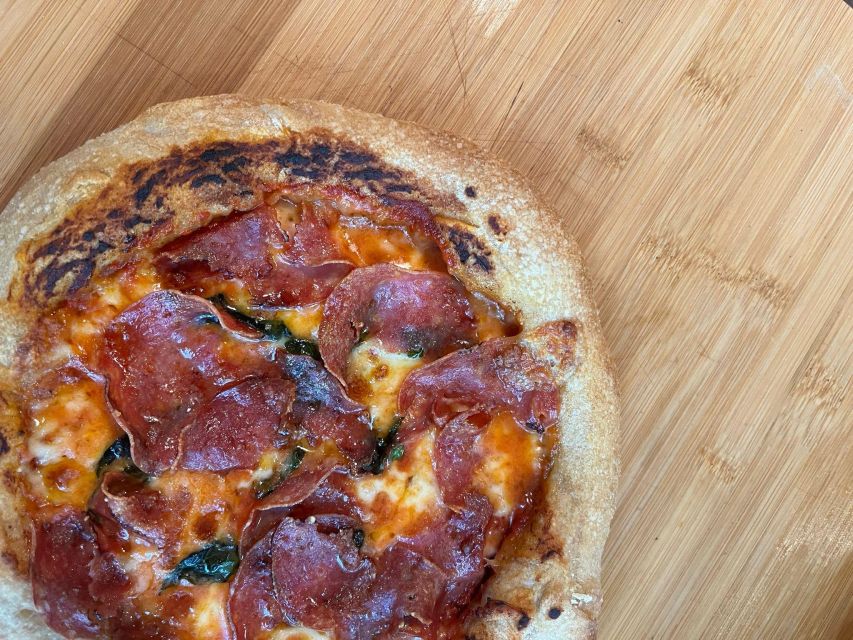
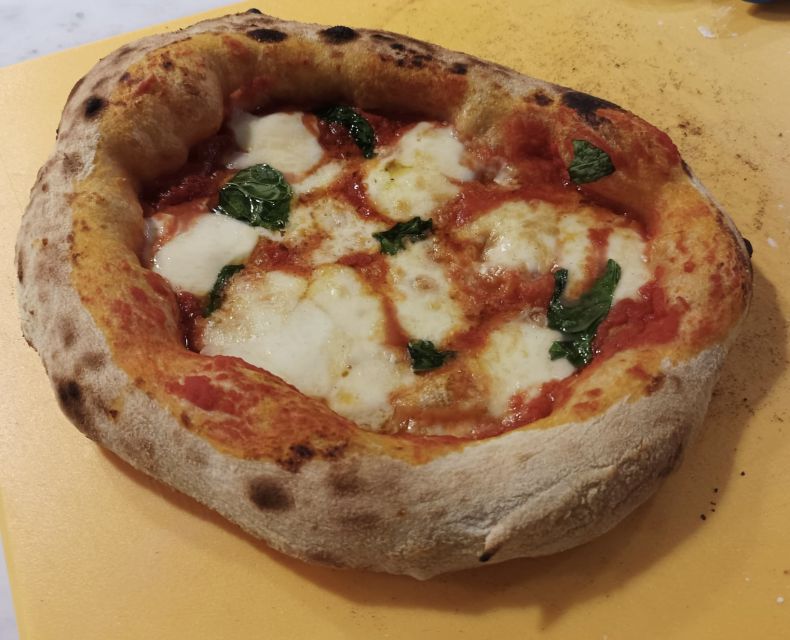
- Step 3: Shape, Bake, and Eat Your Own Pizza
- Step 4: Enjoy Your Meal With an Italian Wine Tasting
- The Chef Factor: Why the Instruction Quality Matters
- Where It Starts: Via Lodovico Settala 1 (And How to Get There)
- What’s Included (And What You’re Really Paying For)
- Comfort, Clean Kitchen, and a Relaxed Learning Vibe
- Who This Class Is Best For
- Make It a Great Day: Pair It With the Rest of Milan
- Should You Book This Milan Cooking Class?
- FAQ
- FAQ
- What will I learn to make in this Milan class?
- How long is the cooking class?
- Is the class taught in English?
- Will I eat what I cook?
- Is there wine included, and is it red and white?
- Do I get a recipe booklet to take home?
- Where do I meet the group in Milan?
- How can I get there using public transit?
- Is it refundable if my plans change?
- Can I book without paying right away?
Key Things That Make This Class Worth Your Time
- Hands-on Neapolitan pizza practice with technique-focused instruction
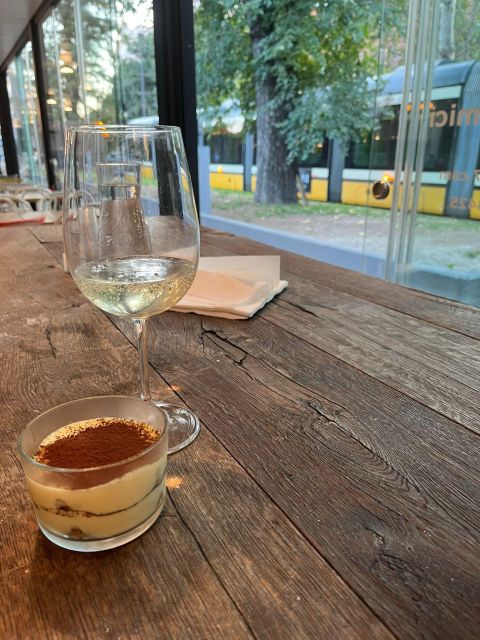
- Tiramisu assembly + proper chilling time built into the schedule
- Wine tasting of both red and white Italian wines alongside your meal
- Serious chef credentials (Michelin-star restaurant background mentioned in the experience details)
- Small group teaching that helps you get personal attention
- Recipe booklet to take home, so you can recreate the results later
Pizza and Tiramisu in Milan: What You Actually Do (Not Just Watch)
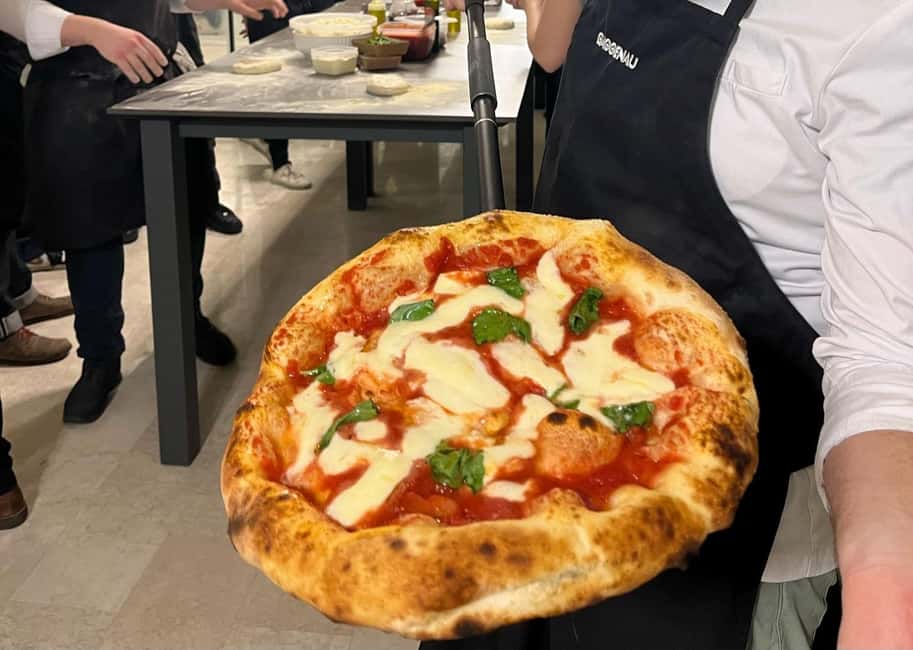
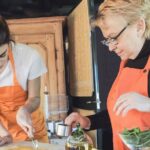
This is the kind of Milan experience that fits busy days. In just about 2 hours, you go from raw ingredients to two Italian classics you can be proud of. If your last pizza plan was mostly standing in line, you’ll feel the difference fast: you’ll work the dough, shape the pizza, bake it, and eat it while it’s at its best.
The format is simple and smart. First comes tiramisù, then pizza dough. That timing matters because it follows how these dishes behave: tiramisù benefits from time in the fridge, while pizza needs heat and proper handling. You’re basically using the clock to your advantage instead of waiting around.
And the best part is that the class doesn’t treat pizza like a single step. You get the why behind the process—what makes a good pizza better, and what small mistakes lead to ordinary results. The chefs described in the experience details and named in feedback include Francesco and Liù, both of whom are praised for being patient, attentive, and clear in English.
You can also read our reviews of more food & drink experiences in Milan



Step 1: Start With Tiramisu Cream and Assembly
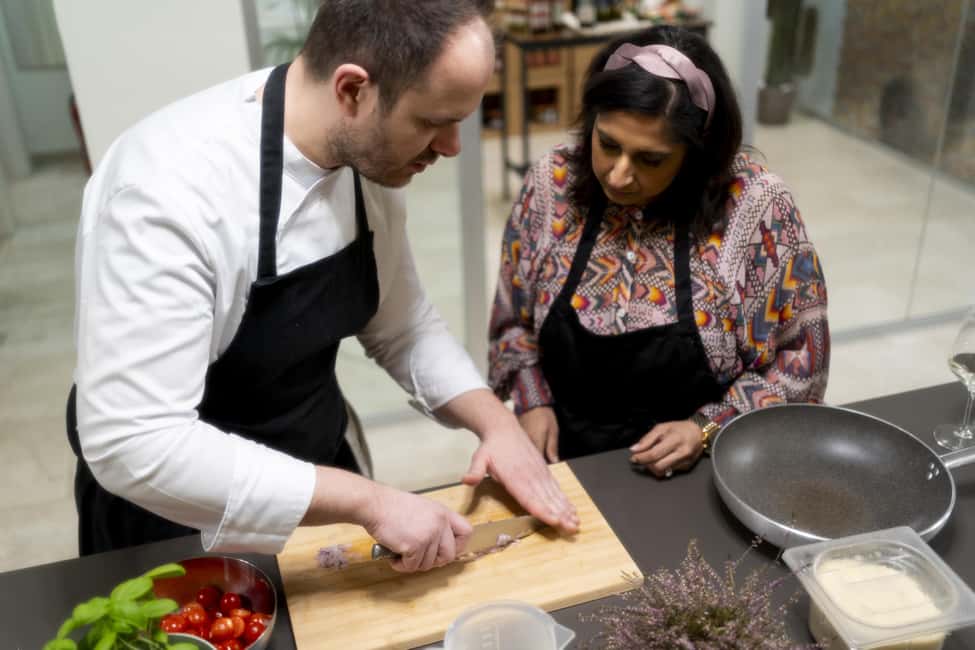
You begin with tiramisù, not after. That’s a helpful choice because it removes the temptation to rush. You’ll make the tiramisu cream, then assemble the dessert. After that, you place it in the fridge so it can set.
This is the moment where many “tiramisu experiences” fall apart, because the dessert ends up being served right away. Here, the schedule is built around the right timing—so when you taste later, it’s not watery or half-formed. The process also teaches you something useful: tiramisù is about texture and balance, not just ingredients.
If you’re a home cook, you’ll appreciate the method. It’s usually easier to reproduce a dessert when you understand the flow: make the components, assemble carefully, and give it the rest it needs.
Step 2: Learn Neapolitan Pizza Dough From Scratch
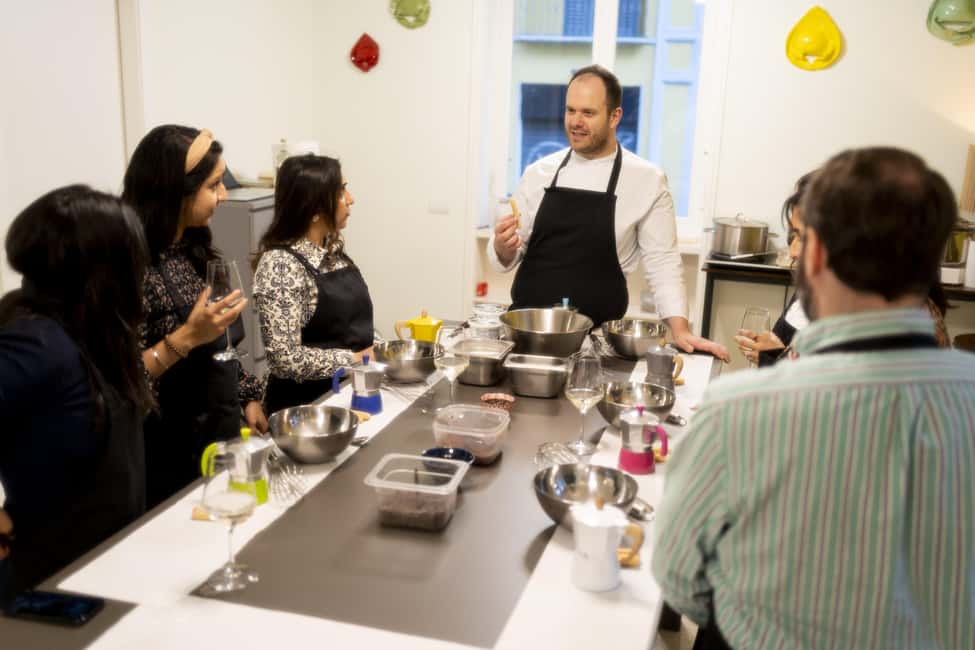
When the tiramisù is chilling, you move to the pizza dough. The experience is designed around making a true Neapolitan pizza from scratch, and the chef’s Michelin-star background is specifically mentioned. That matters because a pizza class isn’t only about mixing dough—it’s about technique.
From the way the class is described, you can expect a focus on the steps that change everything, like how the dough is handled and shaped. You’ll learn the tricks that separate decent pizza from the kind you remember from Naples: the dough should feel right, stretch correctly, and bake up with the right texture.
Also, the chefs are highlighted for explaining why each step works, not just what to do. In practice, that means you’re more likely to succeed at home because you’ll understand the purpose of the method, especially around dough development and handling.
Step 3: Shape, Bake, and Eat Your Own Pizza
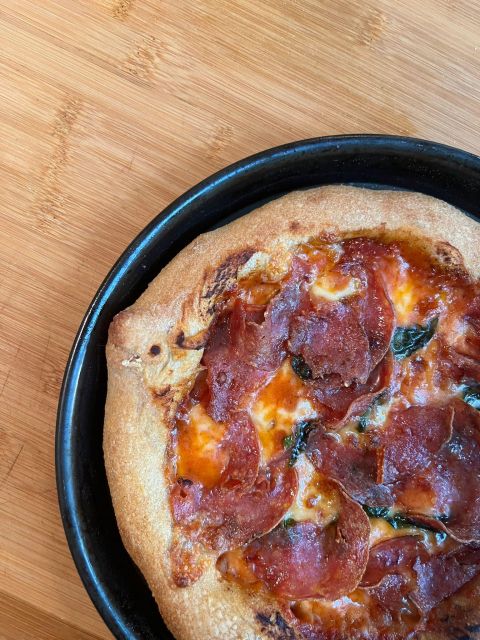
Once you have your dough, you make your own pizza. You’ll bake it and then enjoy what you made—so there’s no awkward moment where the food is gone before you can appreciate it.
This is also where you’ll benefit from the small-group setup. Pizza dough can behave differently depending on handling, and a good instructor can help correct issues before they become a sad, over-thin result. Feedback for the class repeatedly emphasizes personal attention and clear communication, which is exactly what you want if you’re learning a technique that’s hard to guess from a recipe alone.
Eating right after baking is part of the value. Fresh pizza is different: crust texture, aroma, and overall satisfaction all shift once food cools.
Step 4: Enjoy Your Meal With an Italian Wine Tasting
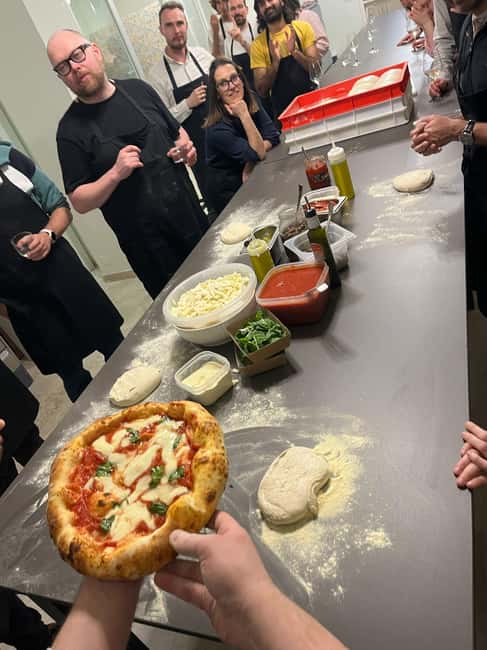
This class isn’t just “cook and leave.” You also get a wine tasting as part of the experience. The details specify a selection of the best Italian wines, including both red and white.
For many people, this is the pairing that makes the whole afternoon feel like an actual meal, not a workshop that ends with a snack. In practical terms, it’s also a nice way to slow down after you’ve worked with your hands. You get to taste, compare styles, and enjoy the fact that your dinner is literally the thing you just made.
If you’re not a wine expert, don’t worry. A tasting like this is usually easiest when you focus on what you like: acidity, fruitiness, lightness vs. heavier body. The key is that you’re tasting Italian wines alongside Italian food you cooked—so the flavors make sense together.
You can also read our reviews of more cooking classes in Milan

The Chef Factor: Why the Instruction Quality Matters
Cooking classes are a dime a dozen. The difference here is instruction quality and teaching style.
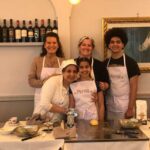
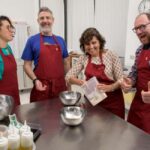
Two chefs are specifically named in the feedback: Francesco and Liù (spelled Liù in at least one comment, and also appears as Lui in another). Both are praised for being friendly hosts who explain clearly in English, answer questions, and keep things comfortable.
You’ll also want to notice the teaching promise: learning why each step matters. That’s not extra fluff. It’s what turns a one-time class into skills you can reuse. If you’ve ever made pizza at home and wondered why it tastes flat or turns out “almost right,” this style of teaching gives you a better shot at fixing the real issue.
And the Michelin-star restaurant background isn’t just a credential on paper. It’s a signal that the chef likely spent years refining methods and learning what to avoid.
Where It Starts: Via Lodovico Settala 1 (And How to Get There)
The meeting point is Via Lodovico Settala n.1, and you ring at number 18. It’s described as easily accessible by subway, with the nearest stops being Porta Venezia or Repubblica.
Walking from Milan Cathedral is also possible: it’s about 2 km and around 25 minutes on foot. That’s a nice option if you want a slow start to your day and don’t mind city sidewalks.
Practical tip: arrive a few minutes early so you can locate the entrance calmly. A cooking class is best when you’re not rushing at the door with flour-shaky nerves.
What’s Included (And What You’re Really Paying For)
You’re paying about $73.64 per person for a package that includes:
- Dinner with pizza and tiramisù
- Wine tasting
- A class with a professional chef in a small group
That value makes sense for a few reasons. First, you’re not just tasting food—you’re making it, which requires staff, kitchen time, and ingredient prep. Second, you’re getting both wine and dinner built into one experience. Third, the small-group instruction reduces the “sit and watch” problem, and that’s where classes often lose value.
If you’re comparing it to a meal plus a separate activity, this bundles multiple parts of the day. If you’re hoping for a casual, spontaneous dinner with wine, you may prefer a restaurant. But if you want an experience that teaches you skills, this price starts to look fair.
Comfort, Clean Kitchen, and a Relaxed Learning Vibe
The class is described as relaxed and in a clean kitchen that functions like a classroom. That matters more than you’d think. Cooking stations can be tight, messy, and stressful if they’re not well organized. Here, the repeated praise is about comfort and cleanliness, plus teachers who keep the mood friendly.
In your learning, that translates to fewer interruptions and easier focus on technique. You’ll be able to concentrate on the dough and dessert rather than the surroundings.
Who This Class Is Best For
This is ideal if you fit one (or more) of these:
- You want a hands-on Milan activity that also gives you a real dinner
- You like the idea of learning Neapolitan pizza methods instead of guessing
- You enjoy desserts and want to understand tiramisù assembly and chilling
- You want a wine tasting that feels tied to your meal
- You’re traveling with a partner or small group and want an active shared experience
It might be less ideal if you want a long, leisurely food day. With 2 hours, it’s efficient. You’ll cook a lot, then eat, then you’re done.
Make It a Great Day: Pair It With the Rest of Milan
If you’re building a day around this, think about pacing. Because you’ll be standing and working for most of the class, schedule it when you can handle an active afternoon. It also helps to plan something light afterward—maybe a stroll between neighborhoods or an easy gelato stop—so your brain can switch from cooking mode to enjoy mode.
Also, this is a strong “first cooking experience” choice if you’re new to Italian home-cooking techniques. The teaching is in English, and the steps are explained clearly.
Should You Book This Milan Cooking Class?
If your travel style leans practical and you like learning by doing, I think you should book it. The big reasons:
- You’ll make two iconic dishes—pizza and tiramisù—not just one.
- You get wine tasting alongside the meal, so it feels like dinner, not a snack workshop.
- The instruction quality stands out, with chefs like Francesco and Liù praised for clarity, patience, and personal attention.
Skip it only if you know you hate time-limited classes. This one moves. You’ll cook, bake, taste, and then you’re out.
FAQ
FAQ
What will I learn to make in this Milan class?
You’ll learn how to make a Neapolitan pizza from scratch and how to make tiramisù, including preparing the cream, assembling it, chilling it, and then tasting it.
How long is the cooking class?
The duration is 2 hours. Starting times can vary, so you’ll want to check availability for the slot you want.
Is the class taught in English?
Yes. The instructor is listed as English-speaking.
Will I eat what I cook?
Yes. The experience includes dinner with the pizza and tiramisù you make, plus the included wine tasting.
Is there wine included, and is it red and white?
Yes. You’ll enjoy a wine tasting with both red and white Italian wines as part of the experience.
Do I get a recipe booklet to take home?
Yes. You receive a recipes booklet to take home.
Where do I meet the group in Milan?
You meet at Via Lodovico Settala n.1 and ring at number 18.
How can I get there using public transit?
The nearest subway stops listed are Porta Venezia or Repubblica.
Is it refundable if my plans change?
Free cancellation is offered up to 24 hours in advance for a full refund.
Can I book without paying right away?
Yes. There is a reserve now & pay later option, so you can book your spot without paying today.