REVIEW · MILAN
Milan: Last Supper and Sforza Castle Guided Tour
Book on GetYourGuide →Operated by YNT Your Next Tour srl · Bookable on GetYourGuide
Leonardo’s Last Supper runs on a clock. This guided Milan tour pairs skip-the-line entry to the painting with a focused look at Sforza Castle, so you get two of the city’s biggest power-and-art stories in one smooth route. The setup matters here because the Last Supper viewing window is tight, and timing is part of the experience.
What I really like is the quality of the explanation. You’re not just staring at paint; you get an art historian guide who can connect Leonardo’s choices to the room, the story, and the politics of the time (and you may even hear familiar guide names like Sarah or Silvana from past tour groups). I also appreciate the practical touch: headsets mean you can actually follow the talk even while you’re moving.
One consideration: your time inside the Last Supper room is capped at 15 minutes. That’s plenty for a close look and photos if you plan your view, but it does mean you won’t get long lingering like at a museum gallery.
In This Review
- Key points worth knowing
- The Last Supper in Milan: Why Timed Entry Is the Whole Game
- Where You Meet: Piazza di Santa Maria delle Grazie, 2
- Entering the Refecory: What Skip-the-Line Actually Helps With
- The 15-Minute Window: How to See Leonardo’s Details Fast
- Santa Maria delle Grazie to Sforza Castle: Turning One Masterpiece into a Milan Story
- Sforza Castle: A Renaissance Fortress of Power (and Many Layers)
- The Guide Experience: What Makes This Tour Feel Worth It
- Price and Value: Is $112.15 a Good Deal?
- Who This Tour Best Fits (and Who Might Prefer Something Else)
- FAQ
- How long is the tour?
- Does this tour include skip-the-line access to the Last Supper?
- Where do I meet the guide?
- How much time do I get inside the Last Supper room?
- Is the tour in English?
- What ID do I need to bring?
- Is luggage allowed?
- Is it necessary to enter traveler names ahead of time?
- What about young children?
- Should You Book This Milan Tour?
Key points worth knowing
- Skip-the-line ticket saves you time at a site that often sells out.
- 15-minute viewing limit forces a smart, focused look at the mural.
- Licensed English art historian guide gives context beyond what you’ll read on plaques.
- Headsets help you hear instructions and commentary throughout the walk.
- Sforza Castle walk turns the day into a bigger Milan story, not a one-stop sprint.
The Last Supper in Milan: Why Timed Entry Is the Whole Game
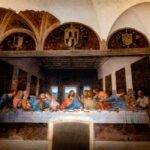
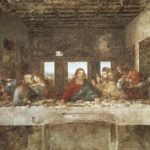
If you’ve ever tried to see Leonardo da Vinci’s Last Supper without a plan, you already know the frustration: this isn’t a slow, wander-when-you-want museum stop. The Last Supper is managed like a performance, with strict entry timing because the refectory is sensitive and visitor flow needs control. That’s why the skip-the-line ticket isn’t a “nice to have.” It’s the difference between seeing the mural on your trip and getting shut out.
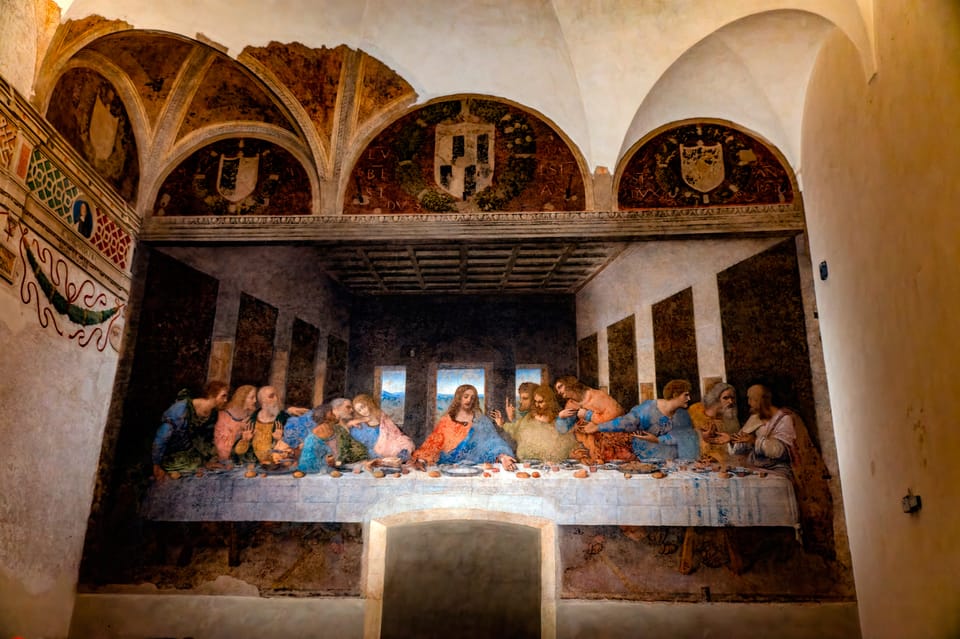
This tour’s value is that it packages the timed access with a guide who helps you look better. Instead of spending your precious minutes translating everything yourself, you’re guided through what to notice: the gestures, the arrangement of the apostles, and the tricks Leonardo used to make the scene feel staged and immediate.
You also need to understand what you’re paying for. The price isn’t just “a guide.” It’s access to a site with limited slots plus a structured visit that protects your time. For many visitors, that access is the entire reason this type of tour is worth it.
You can also read our reviews of more guided tours in Milan
Where You Meet: Piazza di Santa Maria delle Grazie, 2
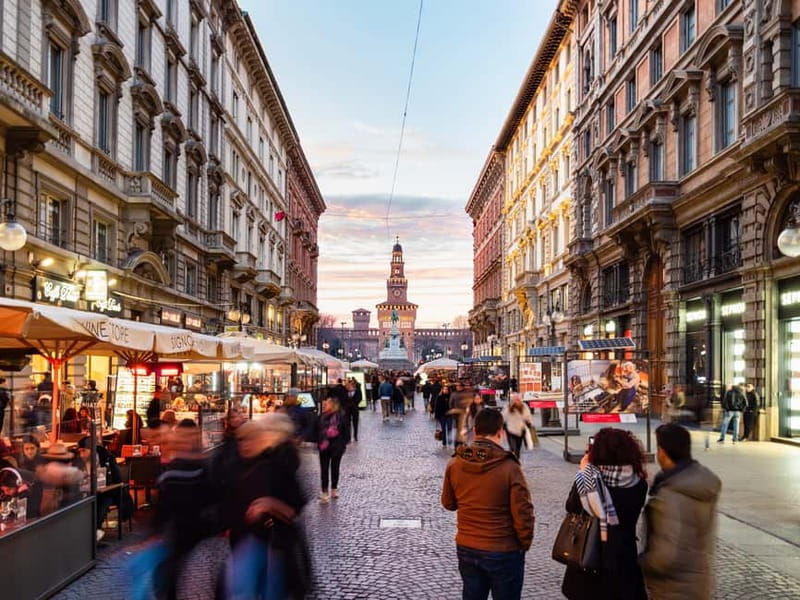
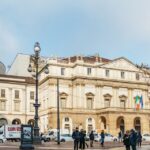
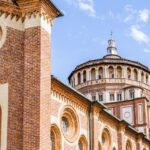
Meet your guide outside the museum entrance area at Piazza di Santa Maria delle Grazie, 2. The meeting instructions are specific because there are multiple entrances around the complex. Look for the only door in the square with flags on top, and watch for the guide to display a GetYourGuide sign.
This matters because you’re on a schedule. If you’re even a little late, you can lose the slot you worked to secure. My practical advice: arrive early enough to go through security without rushing. Milan can be fast on foot, and the last thing you want is stress right before you enter a room where you only get 15 minutes.
Entering the Refecory: What Skip-the-Line Actually Helps With
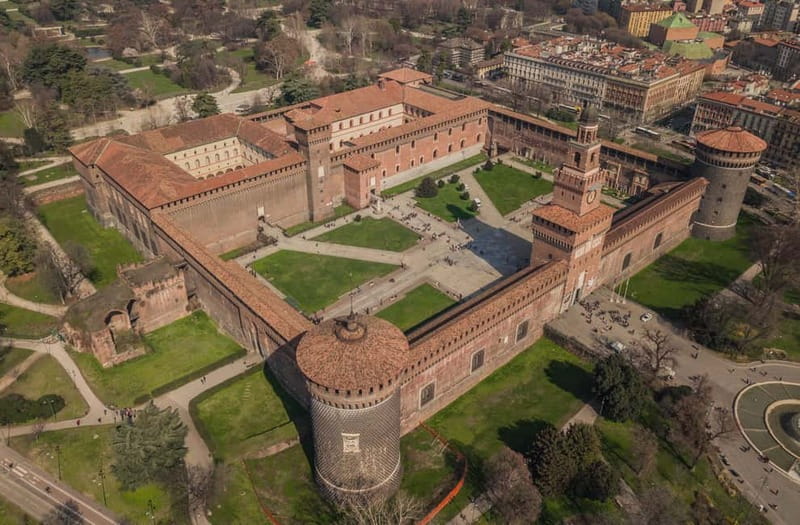
Once you’re at the right door, you’ll step into the visit with the flow handled. The tour includes a skip-the-line ticket to the Last Supper and a licensed local art historian guide, plus headsets so you can hear commentary clearly.
Inside, you’re not going to wander like a free visitor. You’ll be moved through a guided viewing format, and that’s a good thing. The Last Supper is in a controlled setting, so the structure helps you absorb what you’re seeing during the limited time you’re allowed.
The guide also sets expectations in a way that makes the 15 minutes easier. They’ll help you focus first on the big picture—the composition and the central figures—then zoom in on details like gesture and expression. It’s far more satisfying than staring at a massive image and hoping your eye catches the point fast enough.
The 15-Minute Window: How to See Leonardo’s Details Fast
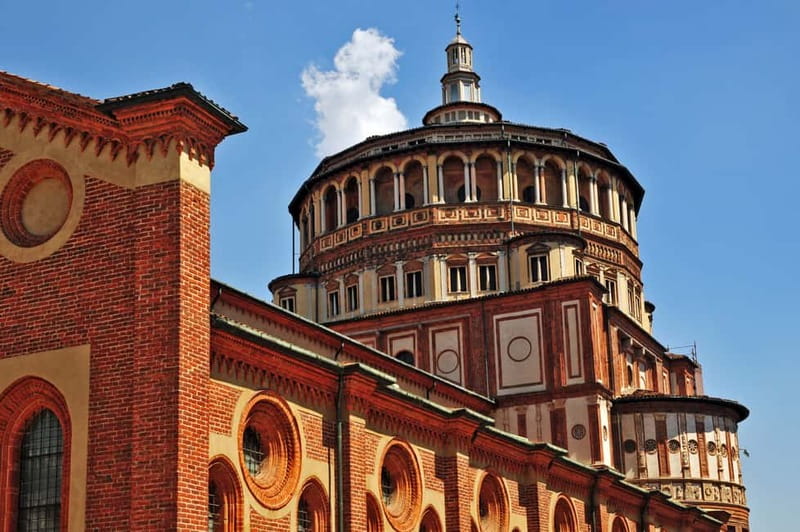
Let’s talk about the rule that changes everything: you’re allowed only 15 minutes inside the room where the Last Supper is displayed. That limit can sound strict until you use it well.
Here’s the approach I’d recommend:
- Start wide first. The story and composition land faster when you see the whole scene before you start hunting for details.
- Then move your eyes to the apostles’ groupings. The painting’s emotional rhythm is in the reactions.
- Finish with the gestures and faces. That’s where the guided explanation pays off, because your guide will point out what Leonardo designed you to notice.
One helpful detail from tour experiences is that 15 minutes really can be enough for both close viewing and photography, as long as you don’t treat the moment like a museum marathon. If you show up ready to look, the time limit becomes a practical frame, not a disappointment.
Also, remember the photo reality: lighting and rules in the room can limit what you do. The tour structure keeps everyone moving and keeps the session fair. So aim to capture what you need, then shift attention back to the painting while the last minutes still feel fresh.
Santa Maria delle Grazie to Sforza Castle: Turning One Masterpiece into a Milan Story
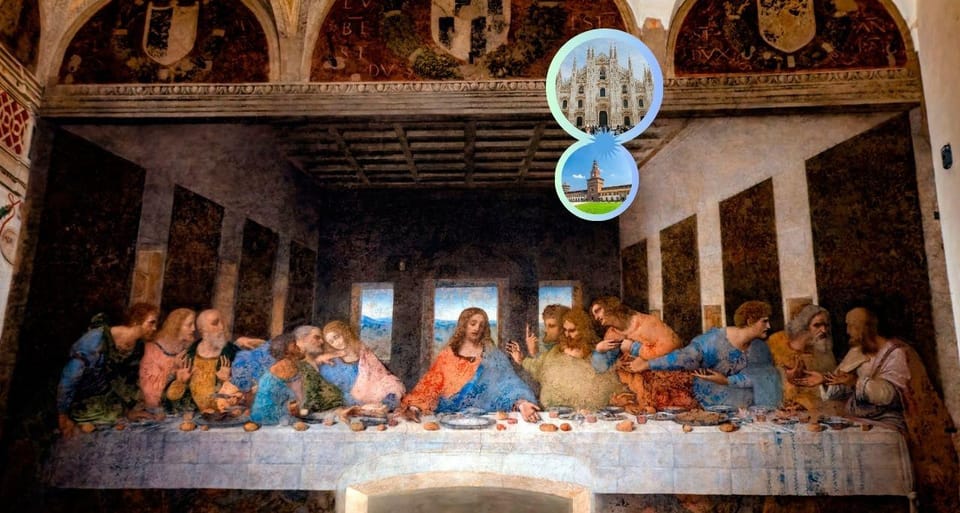
After the Last Supper viewing, the tour doesn’t just stop at Leonardo. It connects the art to the wider world that produced it, and that connection shows up during the walk to Sforza Castle.
You’ll start with the Santa Maria delle Grazie complex area, then transition into Milan’s Renaissance landscape through a guided stroll. This part of the tour is valuable if you want orientation. Milan can feel like a lot of moving parts—cathedrals, theaters, lanes, and courtyards—so having a guide help stitch the timeline together is a big win.
This is also where the “art historian plus walk” formula becomes more than a combo deal. You’re seeing how power, architecture, and politics connect to the art you just saw. Leonardo worked in a world shaped by patrons and courts, and the castle is the physical reminder of that power structure.
If your goal is to get meaning, not just check off landmarks, this transition matters.
Sforza Castle: A Renaissance Fortress of Power (and Many Layers)
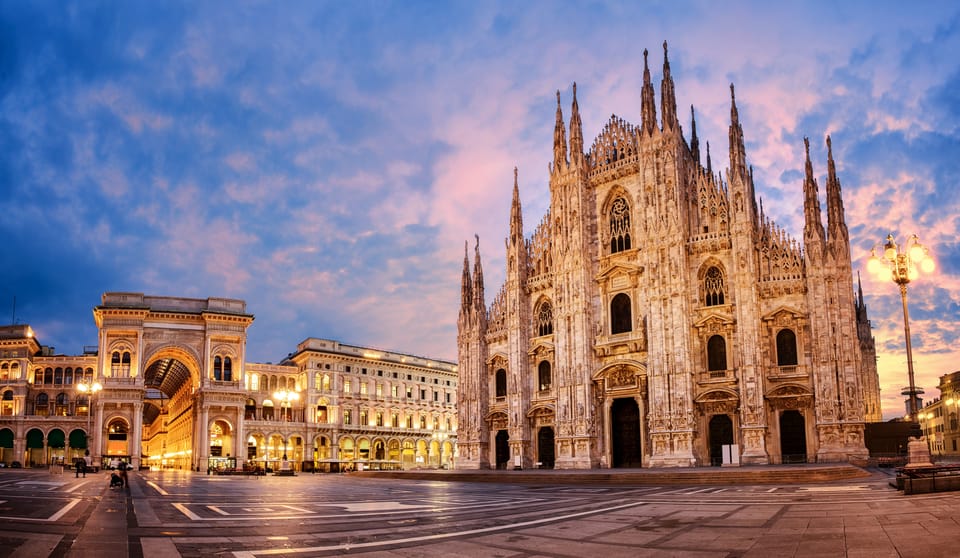
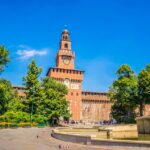
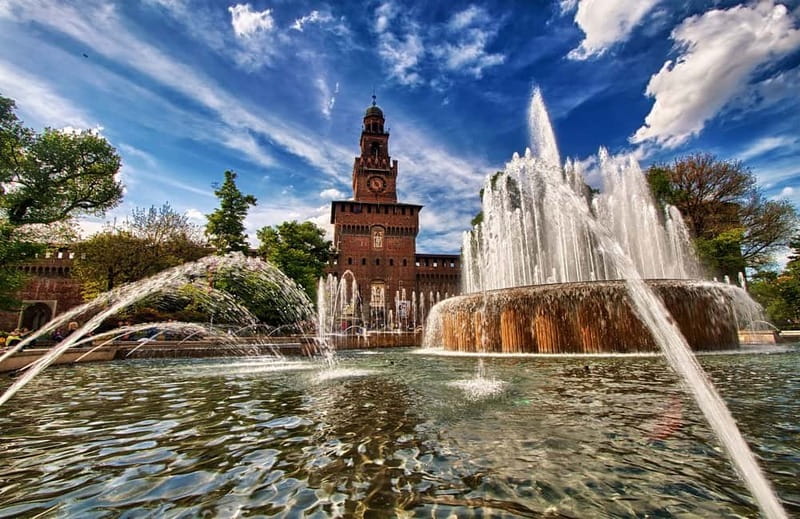
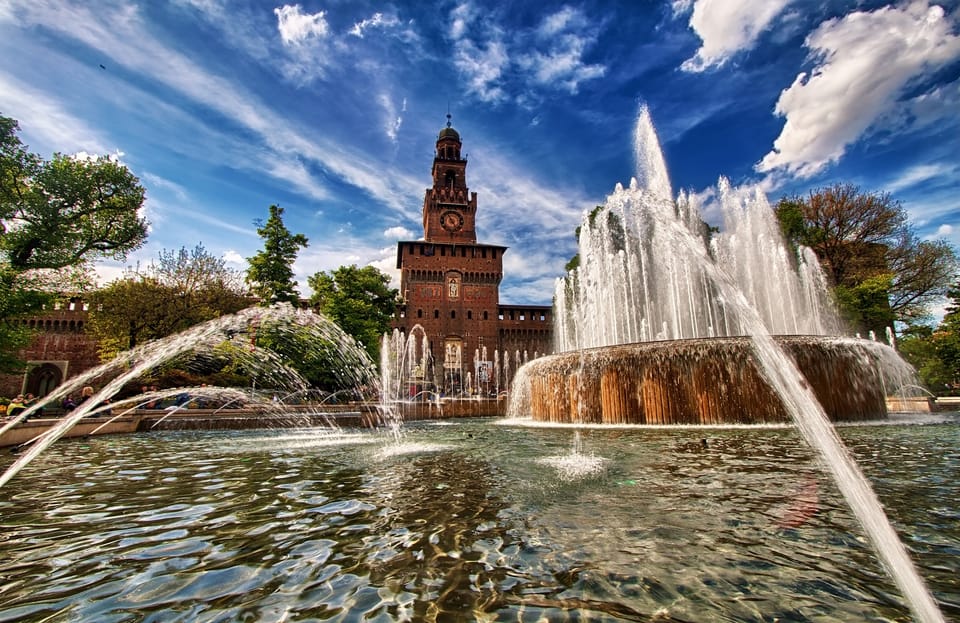
Castello Sforzesco, built in the 15th century by Francesco Sforza, sits on the ruins of an earlier Visconti fortress. That detail is more than trivia. It tells you this place didn’t pop into existence fully formed. It evolved as Milan’s rulers changed and as the city’s needs shifted.
During the guided portion at the castle, you’ll hear how it functioned as:
- A ducal residence
- A symbol of the Sforza dynasty’s authority
- Later, a military citadel
The castle also underwent repeated renovations, so it’s not one clean “Renaissance only” monument. It’s a layered fortress that reflects the way Milan kept retooling its defenses and image over centuries.
One of the best outcomes of adding this stop after the Last Supper is that it gives your day a sense of direction. Leonardo’s painting shows human emotion and crafted perspective. The castle shows the built framework that supported the people who commissioned work, sponsored ideas, and fought for control.
The Guide Experience: What Makes This Tour Feel Worth It
The top-rated theme in guide-led tours like this is simple: the difference between a fact list and a real explanation. In this case, the included art historian guide does the heavy lifting—connecting the painting’s creation story to why Leonardo’s approach mattered at the time.
You may notice that guides bring extra angles depending on training and background. Some guides are described as having archaeology backgrounds, and that style often translates into practical focus on why places look the way they do and how buildings reflect the people who shaped them. Even if your guide’s emphasis varies, the goal stays the same: help you see more than you’d manage alone.
Headsets also do their job here. When you’re moving between tight spaces, you don’t want to crane your neck or miss a key point because someone’s speaking from ten steps away. If your unit doesn’t work perfectly, speak up immediately so the staff can fix it. Clear audio is part of getting value from a guide-led visit.
Price and Value: Is $112.15 a Good Deal?
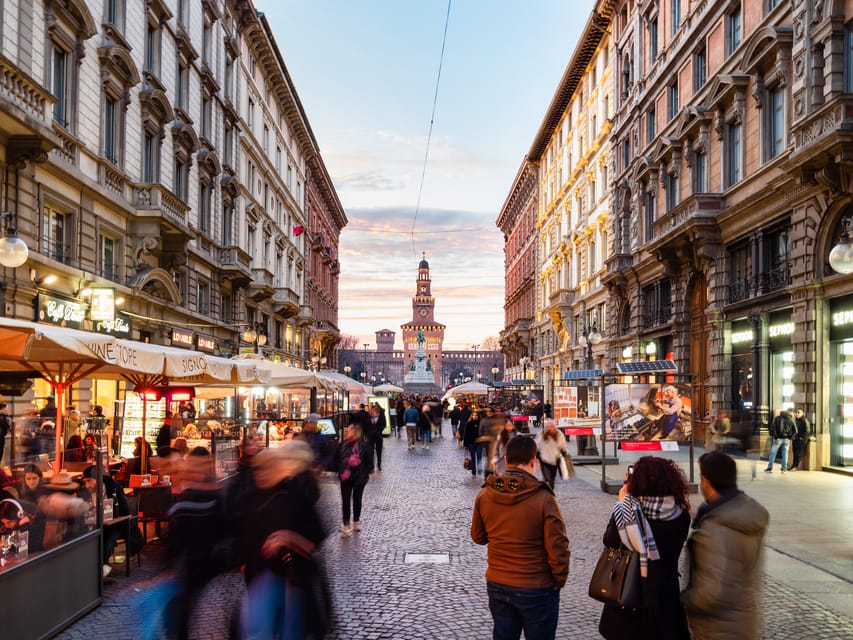
At $112.15 per person for a 2-hour guided experience, the price can feel steep until you break down what’s included and what’s hard to get on your own.
You’re paying for:
- Skip-the-line access to the Last Supper, which is a major bottleneck in Milan
- A licensed art historian guide who adds meaning to the time-limited viewing
- Headsets to make the commentary audible
- A second major stop at Sforza Castle with a guided walk
If you tried to do it independently, you’d still face the hard part: securing Last Supper entry. Tickets can sell out far ahead, and timed access is strict. This tour doesn’t remove the rules of the site; it helps you meet them correctly and on schedule, with interpretation included.
So is it “worth it”? For me, yes—especially if you care about understanding what you’re seeing, not only photographing it. If you’re traveling on a tight budget and are happy with a self-guided approach, you might reconsider. But for the typical visitor who wants both art and context in one go, it’s priced like an access-and-interpretation product, not a simple walking tour.
Who This Tour Best Fits (and Who Might Prefer Something Else)
This tour is a smart match if you:
- Want the Last Supper but don’t want ticket stress
- Prefer an English guide who can explain art choices and historical context
- Like combining one “big ticket” site with a second landmark on foot
- Enjoy walking with direction instead of map-only navigation
It might be less ideal if you:
- Hate any time limits at all. The Last Supper room is strict by design.
- Are hoping for a long museum-style visit. This is a guided, timed experience.
- Depend on taking frequent breaks for long stretches. The format is built around flow.
For most people, though, the structure is the point. You get access, you get meaning, and you leave with a clearer sense of how Milan connects art to power.
FAQ
How long is the tour?
The tour duration is listed as 2 hours, depending on available starting times.
Does this tour include skip-the-line access to the Last Supper?
Yes. You get a skip-the-line ticket to see The Last Supper by Leonardo da Vinci.
Where do I meet the guide?
Meet your guide outside the museum entrance door in Piazza di Santa Maria delle Grazie, 2. It’s described as the only door in the square with flags on top, where the guide shows a GetYourGuide sign.
How much time do I get inside the Last Supper room?
All visitors are allowed only 15 minutes inside the room where the Last Supper is shown.
Is the tour in English?
Yes, the live tour guide is English.
What ID do I need to bring?
Bring a passport or ID card.
Is luggage allowed?
No luggage or large bags are allowed.
Is it necessary to enter traveler names ahead of time?
Yes. It is mandatory to enter the names of each traveler, otherwise entry to the Last Supper Museum will be denied.
What about young children?
Kids up to 2 years old do not need a Last Supper ticket, but they must be brought to the museum in a stroller or be in an adult’s arms.
Should You Book This Milan Tour?
Book it if your top goal is to see the Last Supper with reliable access and leave with real context. The combination of timed entry, an art historian guide, and a walking connection to Sforza Castle is the kind of deal that saves time and adds meaning.
Skip it only if you’re comfortable risking ticket limitations on your own or if you dislike strict time limits. Otherwise, this is a clean, practical way to hit two major Milan landmarks without turning the day into a logistical puzzle.