Milan can feel like a blur at first. This private 3-hour walk is a clean way to see the big names—Duomo, Galleria Vittorio Emanuele II, and Castello Sforzesco—while also learning how the city works beyond the photos. Two things I really like: you get a truly private, customizable route with time for questions, and your guide shares practical local advice for what to do next in Milan. One thing to consider: if your questions get very detailed in your chosen language, there can be occasional back-and-forth, so I’d keep your key questions clear and simple.
You start in the historic center and move through the places that define Milan’s look and attitude: grand stone architecture, elegant shopping arcades, an artsy neighborhood that sits away from the toughest crowds, and two stops that add depth beyond the main tourist checklist. Guides I’ve learned from on similar tours—like Davide and Rosaria—often focus not only on what you’re looking at, but why Milan developed the way it did, including topics like architecture, industry, and fashion.
In This Review
- Key highlights worth aiming for
- Why this Milan private walk feels efficient (and still relaxed)
- Piazza dei Mercanti: the best place to start your Milan rhythm
- Piazza del Duomo: architecture lessons without needing a ticket first
- Galleria Vittorio Emanuele II: the arcade as a Milan icon
- Brera District: the artsy neighborhood where you can breathe
- Basilica di San Simpliciano: a church stop that adds perspective
- Castello Sforzesco courtyards: the big Milan landmark moment
- The private guide effect: advice you can use right after
- Getting around: walking plus public transport when it makes sense
- What you’re not paying for (and how to plan for it)
- Cost and value: is $77 per person worth it?
- Who this tour is best for
- A quick note on language and questions
- Should you book this private Milan highlights tour?
- FAQ
- FAQ
- How long is the Milan highlights private walking tour?
- Where does the tour start and end?
- Is this tour private?
- Which major sights are included?
- Are tickets included?
- What languages is the live guide available in?
- Does the tour include public transport?
- Is food or drink included?
Key highlights worth aiming for
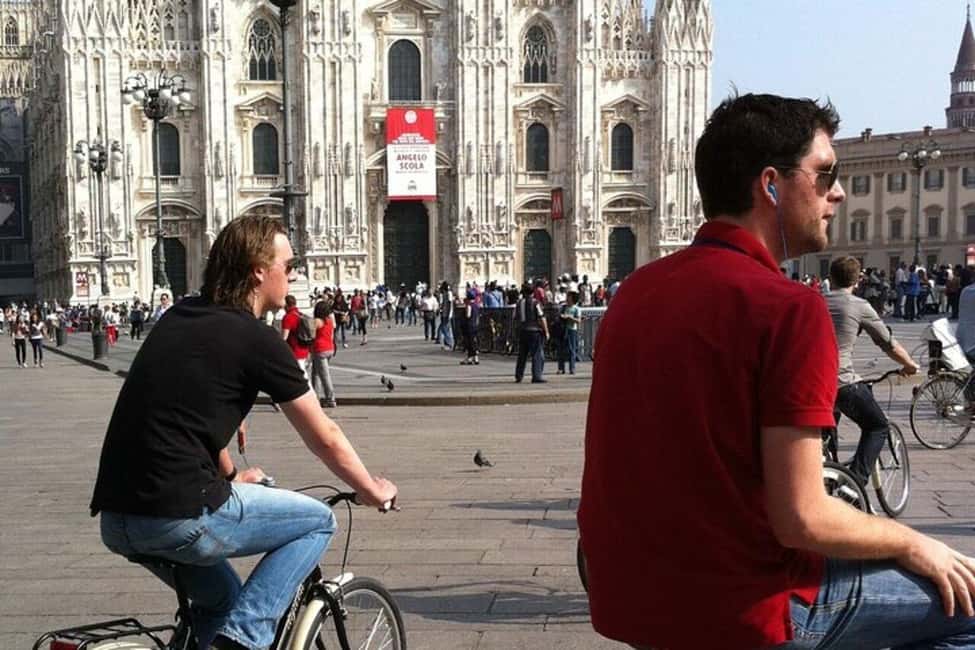
- Duomo Square outside: see the cathedral’s design language before you go inside on your own plans
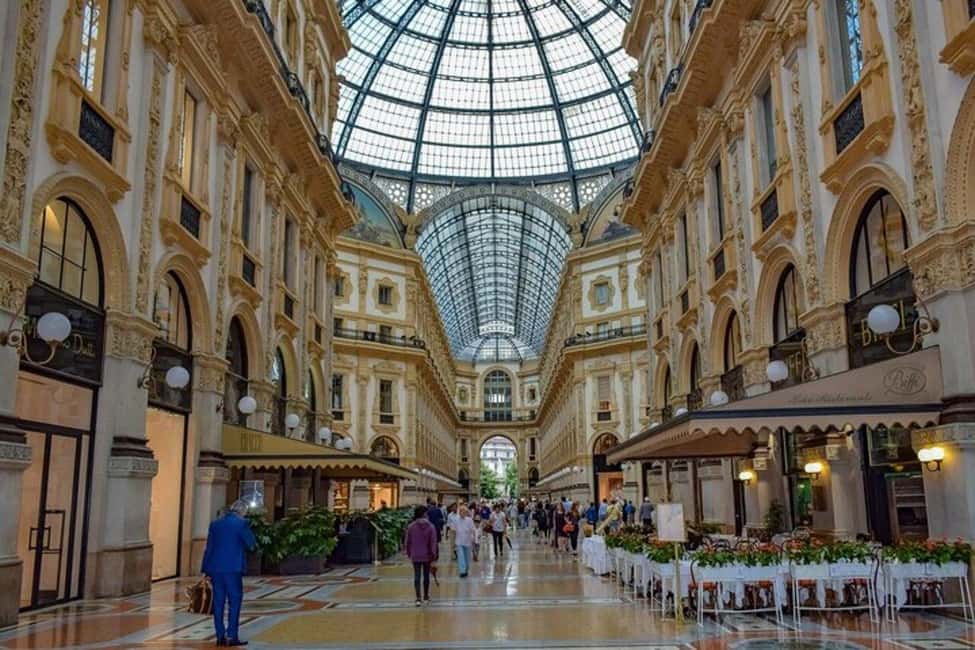
- Galleria Vittorio Emanuele II on foot inside: a guided look at the arcade’s history and architecture
- Brera District at a human pace: a local-feeling area away from the worst crush
- San Simpliciano: a major church stop that adds long-time context to Milan
- Castello Sforzesco courtyards: the castle atmosphere without rushing through everything
- Private guide Q&A: you leave with advice for the rest of your itinerary, not just photo stops
Why this Milan private walk feels efficient (and still relaxed)
Three hours is a sweet spot for Milan. It’s long enough to cover the essentials on foot, but short enough that you don’t end up sprinting from one sight to another. Because it’s private and customizable, you’re not trapped in a rigid script. If you care more about architecture or street life than museums, your guide can steer accordingly.
The price—$77 per person for a 3-hour private tour—can feel steep if you’re comparing it to group tours. But it often lands in a sensible place if you’re traveling as a pair or small group and want the flexibility to ask questions and adjust the pace. Instead of paying for a megaphone tour, you pay for a human guide who can respond to what you actually want to see.
You can also read our reviews of more walking tours in Milan

Piazza dei Mercanti: the best place to start your Milan rhythm
The tour begins and ends at Piazza dei Mercanti, 1, which is handy for two reasons. First, it keeps you anchored in the old-city fabric right from the start. Second, ending back here means you’re not left stranded at the far edge of the map when you’re ready for gelato or an aperitivo.
From this starting point, you’re positioned to walk into the city’s main visual story: monumental buildings, then the elegant commercial corridor, then neighborhood character, then major cultural anchors like major churches and the Sforza castle complex. It’s a route that helps you get oriented fast, even if Milan is your first stop in Italy.
Also, your guide is there to help you connect the dots. That matters in Milan, because the city’s personality shows up in small choices—materials, design details, and how places sit relative to each other.
Piazza del Duomo: architecture lessons without needing a ticket first
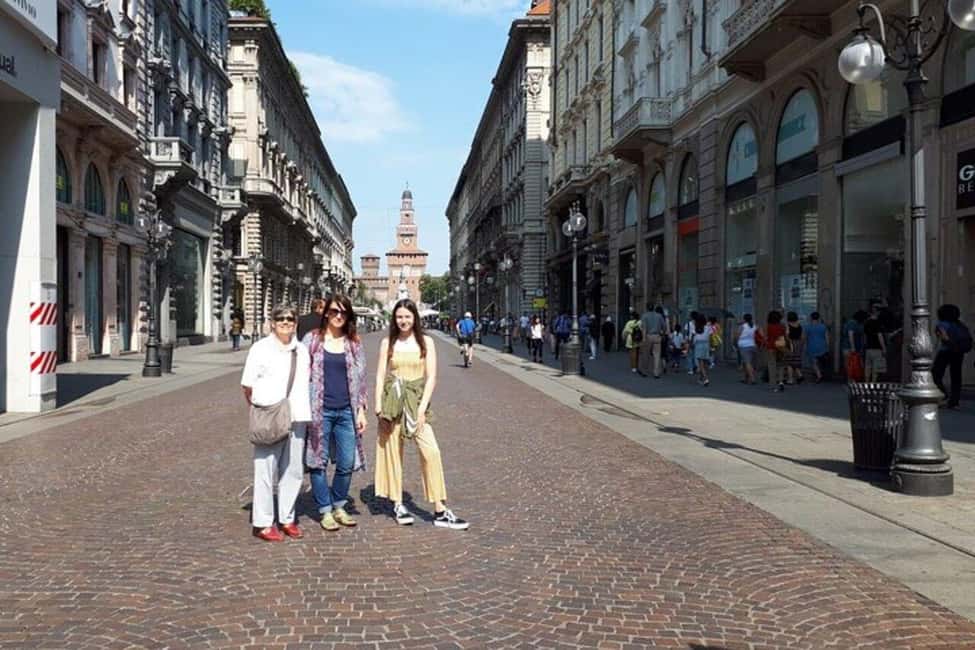
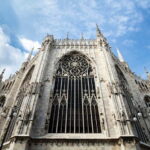
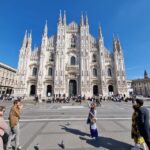
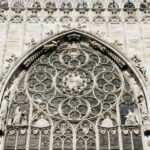
You’ll start at Piazza del Duomo and look at the cathedral from the outside. This is a smart move if you’re unsure whether you want to do interior access right away. From the square, your guide can explain the cathedral’s significance to the city and point out design cues you might miss when you’re only scanning for the perfect shot.
What I like about this approach is that it trains your eyes. Once you understand the basic visual logic of a place, the building becomes more than a backdrop. It becomes a reading.
A small practical tip: plan for people. Even when you’re not stepping inside, the area is active and you’ll want to keep a little spacing between yourself and other groups while your guide talks.
Galleria Vittorio Emanuele II: the arcade as a Milan icon
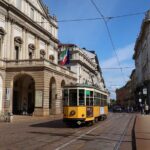
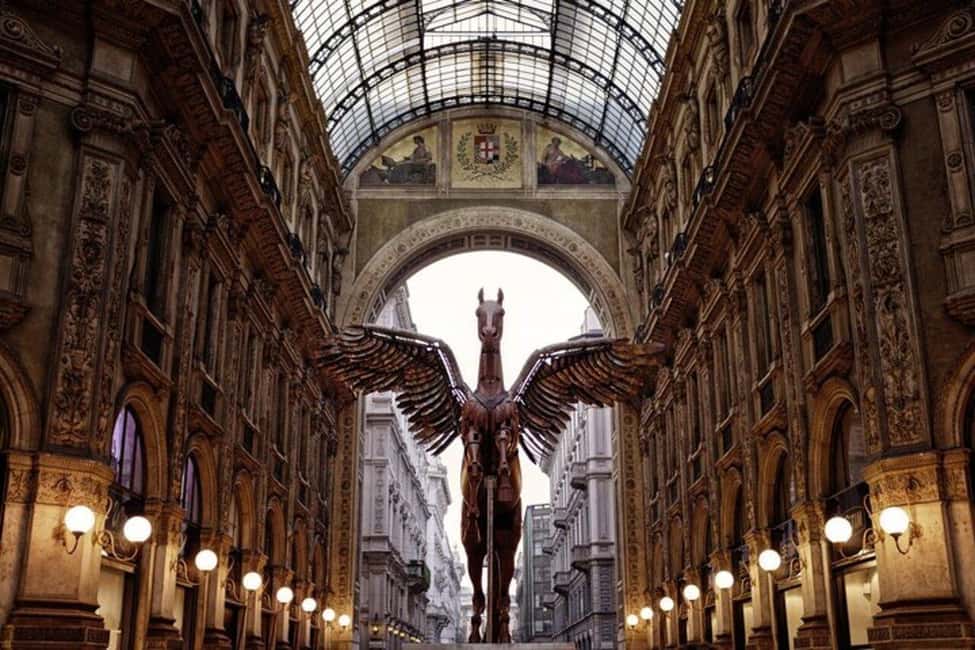
Next comes the Galleria Vittorio Emanuele II, one of those places where Milan shows off its elegant side. You’ll walk inside the arcade and get guidance on its history and architectural beauty. A shopping gallery might sound like a quick detour, but with a guide it becomes a lens on how Milan blends public space, commerce, and design.
This stop also gives you an easy “breather” built into the schedule. After Duomo’s open square energy, the arcade’s indoor-to-outdoor rhythm lets you slow down and look longer. It’s also a great place to ask questions, because you can stand comfortably and move when you’re ready.
Brera District: the artsy neighborhood where you can breathe
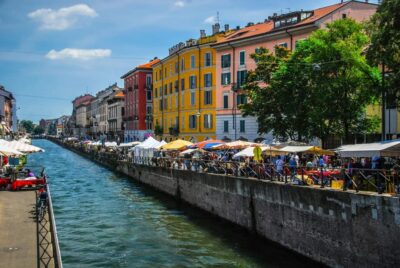
Then you head into the Brera District, described as a charming area away from the tourist crush. This is where the tour shifts from landmarks-as-monuments to Milan-as-a-neighborhood. Your guide treats Brera like a living place, not a checklist.
Because Brera is known for artistic heritage and a lively atmosphere, it’s an ideal counterweight to the grand sights. You’ll get a feel for local rhythms—streets, side squares, and how the neighborhood expresses creativity in everyday life.
One thing to watch: Brera can include a mix of quiet corners and busier lanes. I like that your guide walks this with you, so you’re not guessing where to linger and where to keep moving. If you love atmosphere, this section is often the one that makes the tour feel less “touristy.”
You can also read our reviews of more private tours in Milan



Basilica di San Simpliciano: a church stop that adds perspective
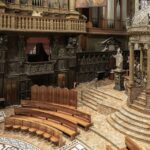
After Brera, you visit Basilica di San Simpliciano. It’s presented as Milan’s most important church, and you’ll hear its story stretching back centuries. Even if you don’t consider yourself a church person, this kind of stop helps you understand Milan’s long timeline.
A guided church visit works best when you’re not just looking for decoration. You’re looking for meaning—how a place anchors community, art, and identity over time. This is the role San Simpliciano plays in the route: it brings the city’s cultural weight into focus without turning the tour into an all-day museum marathon.
You’ll also appreciate the pacing here. The tour already hit Duomo’s scale and Galleria’s elegance. San Simpliciano adds grounded, local significance to the mix.
Castello Sforzesco courtyards: the big Milan landmark moment
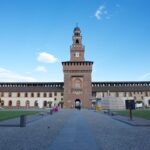
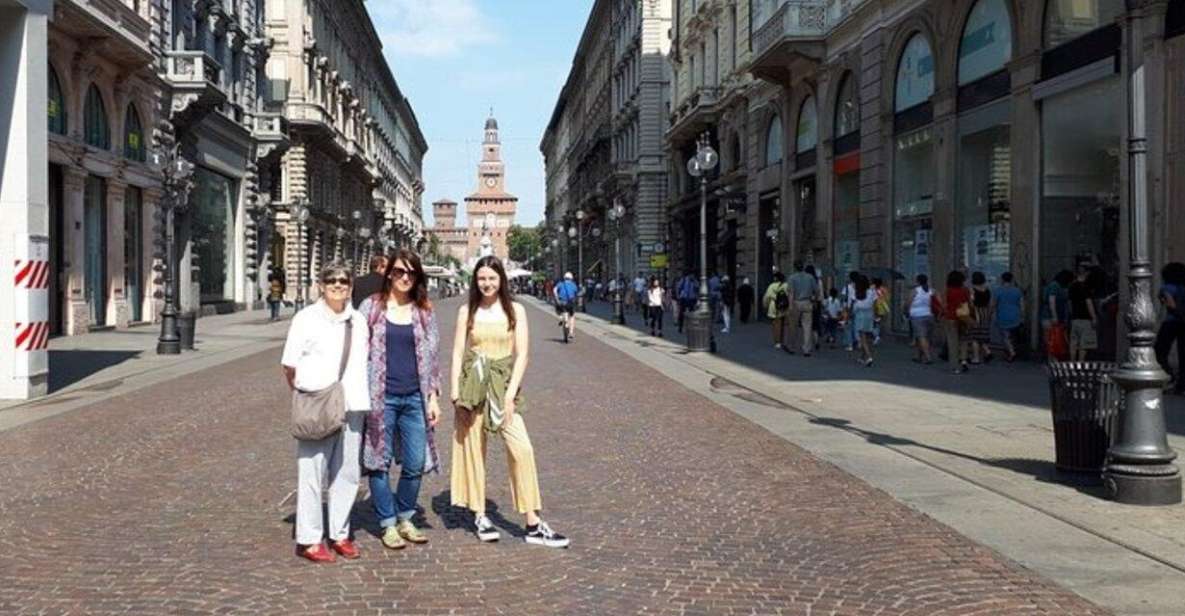
The final main stop is Castello Sforzesco, one of the city’s iconic landmarks. You’ll wander through the main courtyards, with your guide directing your attention to what’s worth noticing.
Courtyards are a great choice for a walking tour because they keep the experience open-air and readable. You get the castle presence without forcing a deeper schedule into ticketed rooms you might not have time for. For many people, that’s the right call on a three-hour plan.
This is also where your guide’s “Milan brain” kicks in. The way someone explains a castle in Milan can turn it from a standalone sight into a piece of the city’s political and cultural puzzle. If you’ve got questions, this is a good moment to ask, because the castle atmosphere encourages conversation.
The private guide effect: advice you can use right after
One of the best parts of this tour is what your guide does beyond walking you to places. You get advice about other things to do in Milan, which is the kind of value that saves you time later.
From guides like Davide, I like the way the conversation can expand to topics such as architecture, industry, and fashion. Milan isn’t just a city of famous buildings; it’s also a city of design thinking. When your guide can connect the visual styles you see to the city’s real-world identity, the tour turns into a better framework for the rest of your trip.
The same idea shows up with Rosaria, where the tone is often “slow down and see the connections.” That matters because Milan rewards people who look past the most photographed corners.
Getting around: walking plus public transport when it makes sense
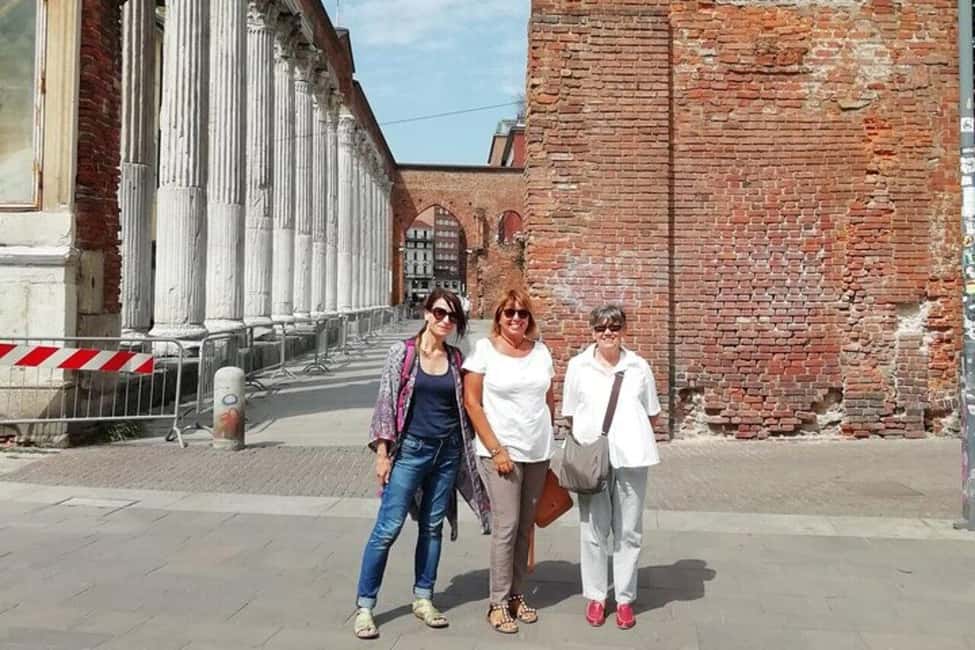
This tour is built as a walking tour and public transport experience, unless you choose an option where that changes. That flexibility is helpful in Milan, because moving efficiently matters in a city with dense centers and changing streets.
In practice, I’d use this as a comfort guideline: you’re spending three hours in central areas with a mix of strolling and short transit moves. Comfortable shoes are still the easiest win here, even if you’re not doing huge distances.
What you’re not paying for (and how to plan for it)
Food and drinks aren’t included, which is fine because Milan has so many choices at different price points. I’d plan to grab something after the tour rather than trying to turn the entire experience into a meal stop.
Ticket help is included for the visits you want, which can be a lifesaver if you’re trying to match your tour day with opening hours. Just note that the tour format includes guided time at key stops, but you’ll want to decide separately what you want to enter versus view from the outside.
Cost and value: is $77 per person worth it?
Think of the $77 per person as paying for three things:
1) Privacy: you won’t share your guide with strangers.
2) Time + personalization: a customizable route means you can aim the visit at your interests.
3) Practical guidance: you get local advice for what to do next, which can make your later plans easier and cheaper (no wasting hours on the wrong area).
If your alternative is a standard group tour, this can still be a better deal when you factor in the value of question time and route adjustments. If your alternative is just wandering on your own, the math flips—because Milan is a big city and it’s easy to miss context. A guide helps you turn “I saw that” into “I understood why it matters.”
For two people, it often works out especially well. For solo travelers, it can still be worth it if you like structured orientation and don’t want to spend the first day hunting for the story behind what you see.
Who this tour is best for
This private walk fits best if you want:
- a high-impact introduction to central Milan in a short window
- a guide who answers questions and gives usable advice for later
- a mix of major sights and neighborhood flavor without feeling rushed
- the option to customize your priorities
If you already know Milan well and you’re hunting for very niche, deep archival experiences, you might want something longer. But for first-timers, or anyone returning and wanting a smarter route, this is a strong format.
A quick note on language and questions
The guide is available in English, French, Spanish, and Italian. In one experience, a guest felt the guide had difficulty understanding their questions in French. To avoid friction, I’d pick the language you’re most comfortable speaking clearly, and bring your key questions as short, focused points.
Should you book this private Milan highlights tour?
I’d book it if you want a guided “starter pack” that still leaves room for choices. It hits the landmarks most people want—Duomo square, Galleria, Brera, San Simpliciano, and Castello Sforzesco—and it adds guidance on how to experience Milan right after the tour, not just during it.
Skip it if you prefer total freedom with no structure, or if you only want a very specific type of entry ticket experience. Also, if you know you’ll ask lots of nuanced questions in a language other than English, consider choosing English or keeping your questions simple to improve clarity.
FAQ
FAQ
How long is the Milan highlights private walking tour?
It lasts 3 hours.
Where does the tour start and end?
It starts at Piazza dei Mercanti, 1 and returns to the same place.
Is this tour private?
Yes. It is a private, exclusive tour with no one else in your group.
Which major sights are included?
You’ll visit Piazza del Duomo (outside), Galleria Vittorio Emanuele II (inside), Brera District, Basilica di San Simpliciano, and Castello Sforzesco courtyards.
Are tickets included?
Ticket help is included to book tickets for the desired visits, but food, drinks, and specific ticket inclusions aren’t listed as included.
What languages is the live guide available in?
The guide is available in English, French, Spanish, and Italian.
Does the tour include public transport?
It includes walking and public transport unless you select one of the options where that changes.
Is food or drink included?
No, drink or food is not included.