REVIEW · MILAN
From Milan: Langhe Wine Region Day Trip with Barolo Tasting
Book on GetYourGuide →Operated by City Wonders Ltd. · Bookable on GetYourGuide
Wine country becomes real fast. This day trip turns UNESCO Langhe into walkable towns and a hands-on six-glass Barolo tasting. I like how the pacing gives you both culture time and a proper winery stop, with English guidance from people like Sara Calabrese and Barbera who keep things organized and friendly.
My other favorite part is the payoff at the end: the Grinzane Cavour Castle viewpoint. One thing to plan for: it’s a full 10-hour day with a fair amount of walking, and some stops have limited shade, plus lunch isn’t included.
Key highlights you should know
- Season switch: Barolo (Apr–Oct) or Alba (Nov–Mar), so the vibe changes with the year
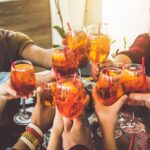
- Guided winery tour + six-glass tasting: whites, bold reds, and iconic Barolo at a family-run property
- Town time for wine culture: explore streets and markets at your own pace in Barolo or Alba
- Castello di Grinzane Cavour photo stop: hilltop views over vineyard rows
- Comfortable coach from central Milan: meet at Porta Garibaldi and relax between stops
- Small group option: often more personal than big bus tours
In This Review
- Milan to UNESCO Langhe: why this day trip works
- Your season decides: Barolo in warm months, Alba in colder ones
- The Milan meet-up: getting started without stress
- Coach time and scenic stops: the Langhe views start before the winery
- Town time in Barolo or Alba: markets, streets, and a sense of place
- The winery experience: what the guided tasting actually teaches
- Castello di Grinzane Cavour: the photo stop with real meaning
- Timing, pacing, and what a 10-hour day feels like
- Who this tour suits best (and who should consider something else)
- Value check: why the tasting + transport combo feels fair
- Guides and group energy: what makes the day feel smooth
- What to bring on tasting day
- Should you book the Milan to Langhe Barolo tasting day trip?
Milan to UNESCO Langhe: why this day trip works
If you’re short on time in Milan but long on interest in Piedmont wine, this is a smart use of a day. You start in the city, ride out into the Langhe hills, then come back after you’ve tasted and seen the real setting behind Barolo.
The tour has a simple structure: town first, winery next, castle last. That order matters. Town time helps you connect names you’ve heard—Barolo, Alba, truffles, vineyards—with what you’ll actually see later. Then the tasting gives those places a taste, not just a postcard look.
I also like the guidance style. English-speaking guides keep the story clear and the schedule manageable, and the “small group available” option tends to make it easier to ask questions without shouting over a big crowd.
Your season decides: Barolo in warm months, Alba in colder ones
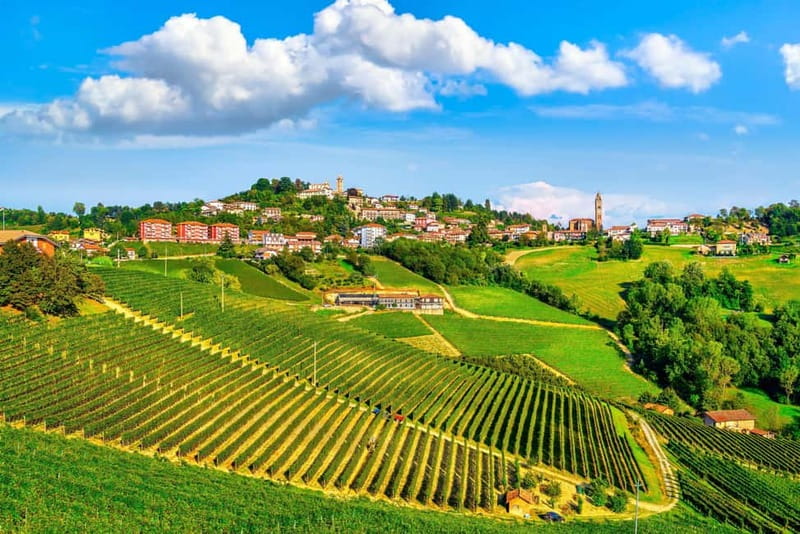
This tour changes by season, and that’s a plus. From April to October, you’ll spend free time in Barolo, a hilltop village built around its namesake wine. Expect a relaxed wine-town feel: boutique shops, local streets, and plenty of chances to look out over the Langhe hills.
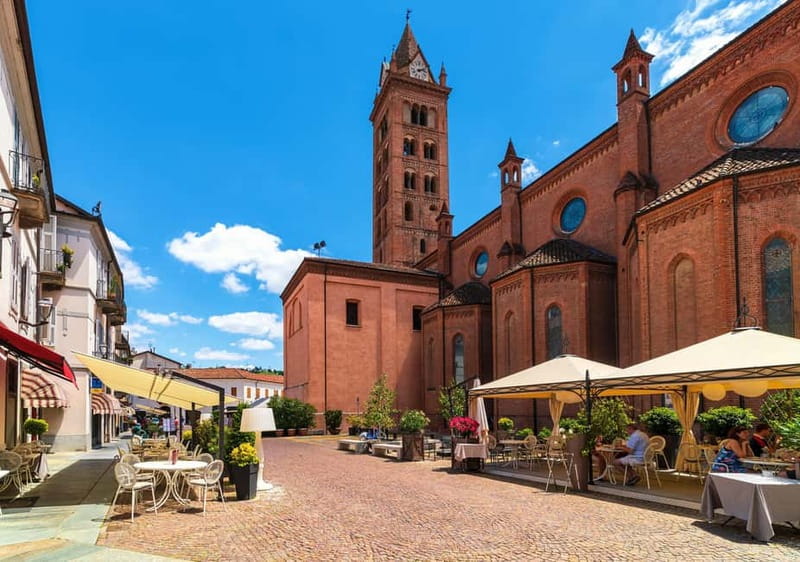
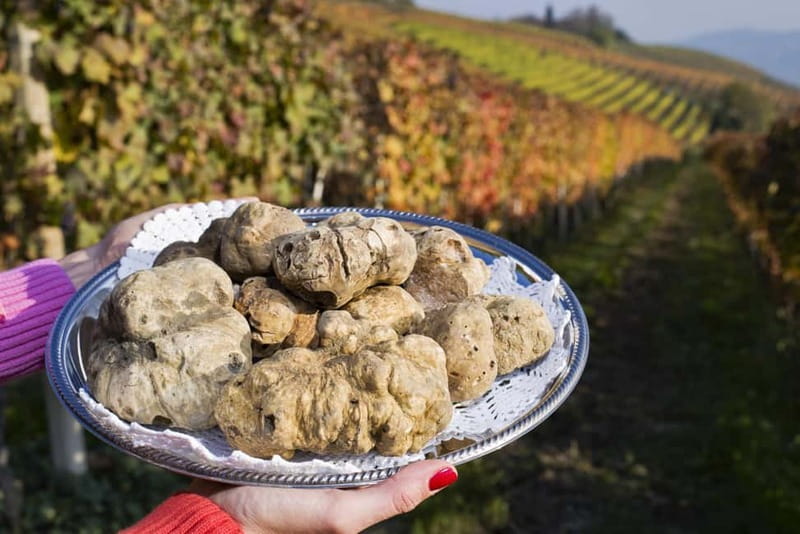
From November to March, you’ll go to Alba instead. Alba is known for medieval atmosphere and strong food culture, and you’ll have time that can line up with local markets and artisan shops. Truffles are a big part of the area’s identity, and even if you don’t eat them at every stop, the town’s reputation is right there in the energy.
Practical tip: choose based on what you want most. If you love classic Barolo imagery and hilltop views, go in the Apr–Oct window. If you’re more into a historic town feel plus market browsing, Alba (Nov–Mar) is the better match.
You can also read our reviews of more food & drink experiences in Milan
The Milan meet-up: getting started without stress
You meet at Milano Porta Garibaldi Train Station, in front of the main entrance. Facing the station main entrance, the meeting point is on the left side outside, in front of Briccocafé, next to the stairs and under the covered roof.
Getting there is straightforward by metro too. Take the M2 (green line) to Garibaldi, then walk to the same station entrance area. A taxi drop-off point is the station main entrance (Stazione Garibaldi).
This matters because day trips live or die by the start time. When the meet-up is specific and easy to spot, you spend less energy figuring out where you are and more time enjoying the ride.
Coach time and scenic stops: the Langhe views start before the winery
After leaving the city, you’ll have scenic views on the way. The road trip isn’t just filler—it’s part of why Langhe feels different from a typical wine tour. You get gradual changes in terrain and viewpoint, so by the time you reach the vine-covered hills, it feels like the scenery has been building to the tasting.
The itinerary also includes a scenic drive through Piedmont before returning to Milan. Translation: you won’t spend all day staring at the inside of a coach, but you also won’t be driving yourself.
Bring water and take advantage of breaks. The tour notes that some sites have limited shade, and warm weather can make even a “short” walk feel longer than you planned.
Town time in Barolo or Alba: markets, streets, and a sense of place
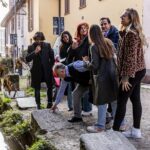
This is where you get to slow down. In Barolo (Apr–Oct), free time is built in so you can explore at your own pace. Think winding streets, wine-focused shops, and that steady sense of being on a viewpoint over vineyards. It’s the kind of place where you can wander and look up—then repeat—without feeling guilty about skipping another “must-see.”
In Alba (Nov–Mar), the free time is aimed at history-and-food flavor. You can stroll cobbled streets, browse local markets and artisan shops, and get a sense of how this town supports the region’s reputation. If you’re a market person, this is likely the part you’ll remember most.
Two small pointers:
- Wear shoes you won’t regret. The tour says it involves a fair amount of walking.
- Keep your camera handy. Even when there’s no scheduled “viewpoint,” towns in the Langhe area tend to reward quick stops.
The winery experience: what the guided tasting actually teaches
The best part of a wine day trip is rarely the bus ride. It’s what happens when someone explains what’s in the glass and why.
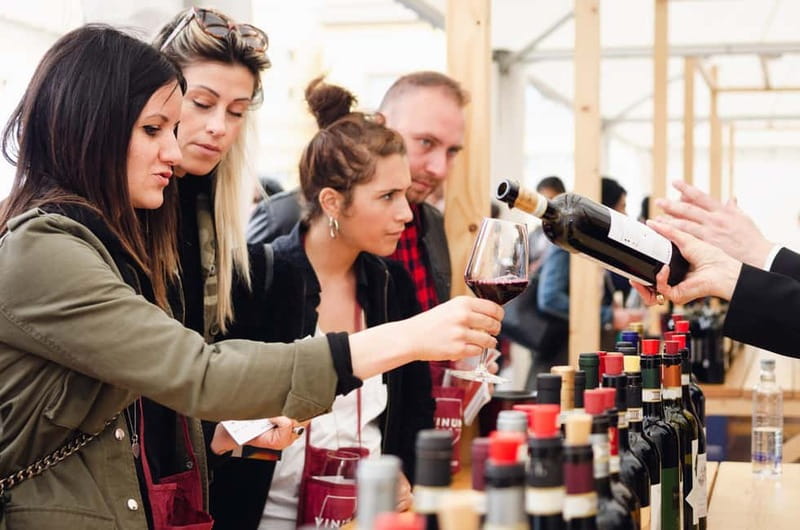
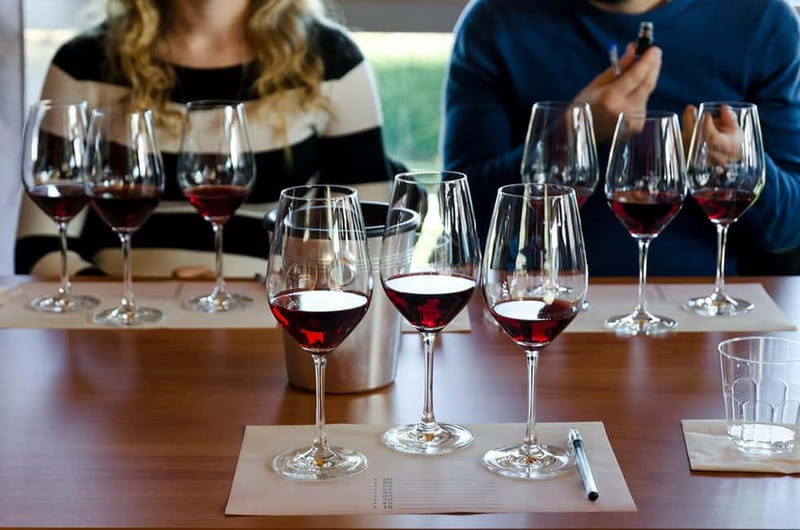
Here, the tour includes an exclusive winery tour in the heart of the Langhe, a UNESCO-listed wine region. At the winery, you’ll get a guided experience that includes a premium six-glass tasting. The tasting is designed to show range: elegant whites, bold reds, and the iconic Barolo.
You’re not just sampling. You’re building a map in your head:
- Whites help you understand how the region expresses freshness and structure.
- Reds show the weight and aging potential that makes Barolo famous.
- The Barolo glass ties the day together, giving you a reference point when you look at the vineyards again later.
The tour also calls out traditional winemaking techniques and the unique terroir of Barolo. Even if you’re new to wine terms, a guided explanation helps you connect a taste to a place—soil, slope, climate, and how grapes are handled.
If you’re the type who enjoys learning while you taste, this winery stop is the reason the whole day makes sense. It’s also the part that usually feels most “worth it” compared with wine tours that only do a quick pour and send you away.
You can also read our reviews of more wine tours in Milan
Castello di Grinzane Cavour: the photo stop with real meaning
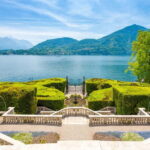
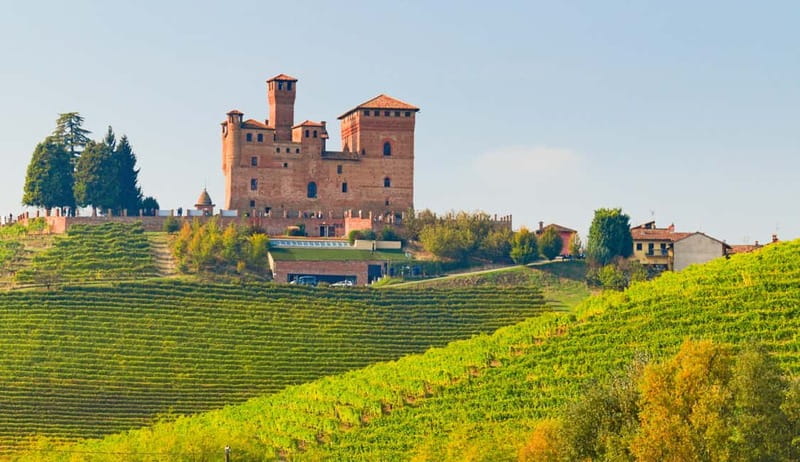
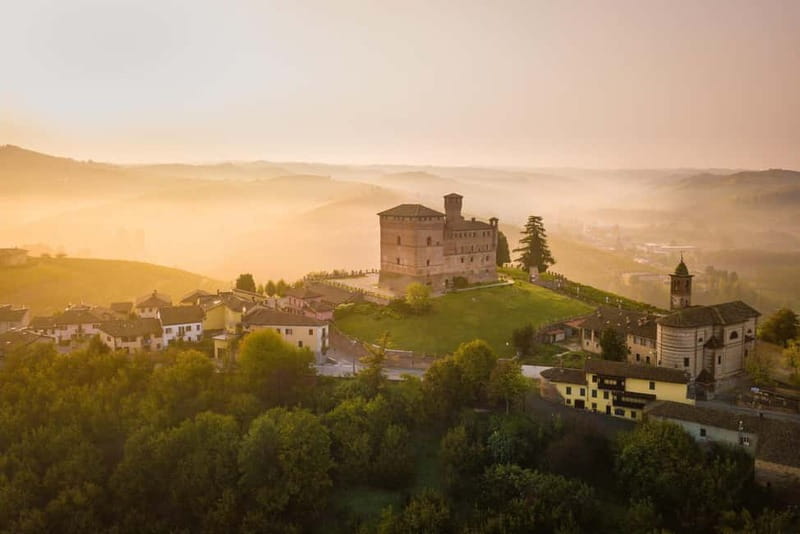
The final visual anchor is Castello di Grinzane Cavour, a UNESCO World Heritage Site. It sits on a hill and is surrounded by panoramic vineyard views, so it delivers both history and scenery in one short stretch.
Even if you keep your photo-taking simple, you’ll appreciate the logic of ending here. After town time and a tasting, the castle viewpoint gives you perspective. You can finally see how the vineyards, the villages, and the wine culture fit into one setting.
The tour includes a scenic stop for visiting the castle and taking in those views, so you’re not rushing through it like a roadside photo-op.
Timing, pacing, and what a 10-hour day feels like
A 10-hour day can sound long until you realize you’re not just traveling. You’re ticking off three meaningful experiences: town exploration, a guided tasting, and a castle viewpoint.
The tour keeps it workable by using a comfortable round-trip coach from Milan. You’ll have scenic drive sections where you can relax, then windows where you’ll walk and explore. That’s why packing essentials matters:
- Comfortable shoes
- Camera
- Water
- In warmer months, a hat and sunscreen
Also note what’s not allowed: luggage or large bags, and baby strollers (plus rules about non-folding strollers). If you’re traveling light, you’ll feel less rushed.
Who this tour suits best (and who should consider something else)
This experience is ideal if you want:
- A single-day introduction to the Langhe and Barolo culture
- A guided winery tasting with six pours, including Barolo
- Town time in Barolo or Alba depending on the season
- End-of-day views from Grinzane Cavour Castle
You might want a different plan if you:
- Need step-free access or wheelchair-friendly routing, because the tour is not suitable for wheelchair users and isn’t set up for people with mobility impairments
- Have zero tolerance for walking, since the day includes a fair amount of it and some areas have limited shade
- Expect lunch to be included (it isn’t)
Value check: why the tasting + transport combo feels fair
Wine tours can feel pricey when you’re only getting a short pour and a quick stop. Here, the value comes from combining three things that would cost time and effort separately:
- Round-trip coach from central Milan
- A guided winery tour with a six-glass tasting (whites, reds, and Barolo)
- Town time and a UNESCO castle viewpoint
Because the tasting is the centerpiece, you’re paying for guided structure, not just access. That’s especially helpful if you’re not fluent in Italian wine jargon—you get explanations tied to what you taste.
Also, the “small group available” option matters. A smaller group tends to mean fewer bottlenecks and more personal attention during the tasting and questions for the guide.
Guides and group energy: what makes the day feel smooth
One pattern pops out from guide feedback: the best part isn’t just wine talk. It’s the way the day runs.
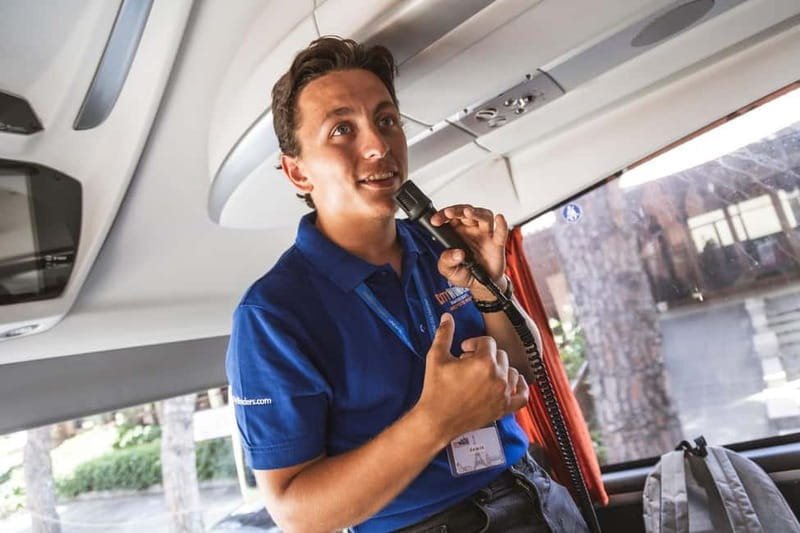
Guides such as Sara Calabrese (and Barbera) are described as attentive, energetic, and good at keeping everyone taken care of. In small groups (one review highlighted a group size around seven), that kind of attention is easier to deliver because there’s less chaos and more time to help you find your bearings.
And if you need extra help getting close to your drop-off area, the approach seems to prioritize reducing unnecessary walking. That’s not something every tour is built around, so it’s worth noting if mobility is a concern in a different way (even though this specific tour isn’t wheelchair-friendly).
What to bring on tasting day
Keep it simple and practical. The tour guidance is clear on essentials:
- Comfortable shoes
- Camera
- Water
For warm weather:
- Hat
- Sunscreen
And pack light. The tour restricts luggage/large bags, so use a small day bag that fits with the group rules. That alone can make the difference between “easy day” and “why did I bring so much stuff?”
Should you book the Milan to Langhe Barolo tasting day trip?
If your goal is a well-paced introduction to UNESCO Langhe, this is a strong choice. You get town time in Barolo or Alba, a guided six-glass winery tasting that includes Barolo, plus a finish at Castello di Grinzane Cavour with vineyard views.
Book it if you like the idea of learning as you taste and you want one day to cover the region’s big themes: villages, vineyards, and wine. Consider an alternative if you can’t manage walking for a full day or if you need wheelchair accessibility, since the tour isn’t suitable for that.
Bottom line: this is the kind of day trip that earns its hours—because you leave with both images and actual flavors.