REVIEW · MILAN
The Magic of Navigli: Self-Guided Puzzle Quest in Milan
Book on Viator →Operated by Questo · Bookable on Viator
Milan gets playful when clues replace maps. This self-guided phone puzzle quest turns a walk through the Navigli area into a short story you follow stop by stop, starting at Via Vetere 12. I like the way it’s built for easy wandering—each location is close, clue reading is quick, and you get free admission (no tickets needed to complete the route). One thing to consider: if you plan to use multiple phones/devices, you’ll want to make sure the app and game content load smoothly ahead of time, since device access can be a weak point.
You’ll usually finish in 25 to 55 minutes, but the game is flexible. Some stops let you linger for as long as you like, so you can mix puzzle-solving with a slow look at bridges and canal-side views. It’s also offered in English, and you have 24/7 customer support if something in the app goes sideways.
If you’re visiting with kids or multi-generational group members, this format often works well because it gives structure without forcing a strict schedule. Still, it’s smart to test the app before you set out—waiting in the street with a blank screen is no one’s idea of fun.
In This Review
- Key points to know before you go
- A self-guided puzzle route built for fast wandering in Milan
- How the Questo app game plays on your phone
- Stop-by-stop: Via Vetere 12 to Ponte Alexander Langer
- Stop 1: Via Vetere, 12 (your first clue)
- Stop 2: Porta Ticinese Medievale (first story turn)
- Stop 3: Piazza Vetra (study mode)
- Stop 4: Basilica di Sant’Eustorgio (next clue, then move)
- Stop 5: Conca del Naviglio (directions checkpoint)
- Stop 6: Arco di Porta Ticinese (clue, then take your time)
- Stop 7: Conchetta (choose your pace)
- Stop 8: Santa Maria del Sasso (view moment)
- Stop 9: Ponte Alda Merini (admire the bridge area)
- Stop 10: Vicolo Privato Lavandai, 14 (McSorley’s Old Ale House challenge)
- Stop 11: Viale Gorizia, 9 (finish at Ponte Alexander Langer)
- Price and value: why $6.60 can make sense here
- The practical “make it smoother” checklist
- Who this Milan puzzle quest suits best
- Should you book the Magic of Navigli puzzle quest?
Key points to know before you go

- Self-guided, phone-based gameplay using the Questo app (no in-person guide)
- 11 stops that stitch together a Milan walk from Via Vetere to Ponte Alexander Langer
- Free-entry route with no attraction admission required to complete the game
- Flexible pacing at select stops, including time to explore on your own
- English available with 24/7 support if you get stuck
- Good value for a low price when you want an organized way to see less-familiar corners
A self-guided puzzle route built for fast wandering in Milan

This isn’t a “sit down and wait” tour. It’s a walk-first Milan experience where your phone becomes the guide and the clues become your timing. You start in a central area (Via Vetere 12) and then you move through a string of landmarks and streets that naturally guide you from one spot to the next.
The real win here is the rhythm. Each stop is roughly 5 minutes, which keeps things from dragging. When the game tells you where to go, you’re not guessing, and when the game gives you a moment to pause, you can slow down and actually look around instead of treating the day like a checklist.
Also, because it’s self-guided, you control the tempo. If you’re traveling with people who want photos and people who want momentum, you can make it work without negotiating with a group pace. That flexibility is especially useful in Milan, where the streets can feel busy even when you’re walking through calmer neighborhoods.
You can also read our reviews of more guided tours in Milan



How the Questo app game plays on your phone
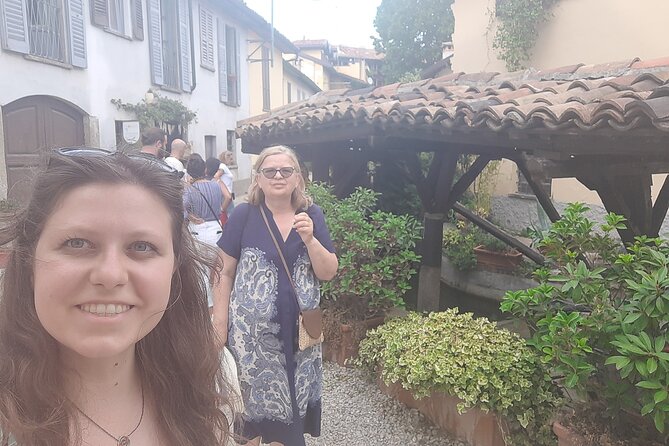
You’ll use the Questo app on your mobile for the city exploration game. The setup is straightforward: at each stop you’ll receive a clue, and solving it gives you directions to the next location. In plain terms, it’s like a scavenger-style story told through your route.
You’ll get your first clue at Via Vetere, 12, then continue through the next stops in order. The app experience is available in English, and a mobile ticket is part of what you purchase—so you’re not just downloading a random game and hoping it works.
One practical note: the experience is designed to be private for your group. That means there’s no crowd management by a guide. But it also means your phone access becomes the whole operation. If you’re planning to buy multiple “tickets” for multiple devices, I’d strongly recommend you test access right before you start the walk—some groups have hit major download/access problems and ended up limited to just one working phone.
Stop-by-stop: Via Vetere 12 to Ponte Alexander Langer

Think of this route as a chain of short puzzle moments. You arrive, get a clue, follow directions onward, and repeat. Most stops are quick; a few let you linger. Here’s what each one contributes, and what to watch for.
Stop 1: Via Vetere, 12 (your first clue)
You’ll begin at Via Vetere, 12 and receive the first clue. This is your orientation moment. You learn how the game wants you to behave—look, solve, move—without committing to a long setup period.
Because it’s only about 5 minutes, I suggest you treat it like a warm-up. Keep your phone ready, get comfortable with the screen, and don’t overthink the first answer. Once you’re moving, the rest tends to feel smoother.
Stop 2: Porta Ticinese Medievale (first story turn)
Next is Porta Ticinese Medievale. You’ll get your clue here, solve it, and the app guides you to the following stop. This is where the puzzle story starts to feel like it’s really connecting the route, instead of being just a series of tasks.
A small drawback: since each stop time is tight, it helps to arrive prepared. If you’re stopping for coffee or digging out a map, you may feel rushed when the game expects you to keep going.
You can also read our reviews of more tours and experiences in Milan






Stop 3: Piazza Vetra (study mode)
At Piazza Vetra, your job is to study the next clue on-site. This is a good place to slow down for a beat because public squares are easier to read and more forgiving if someone in your group needs extra time.
If your group likes photos, this is a decent moment to pause—just don’t get so stuck aiming for the perfect shot that you lose the thread of the directions.
Stop 4: Basilica di Sant’Eustorgio (next clue, then move)
You’ll head to Basilica di Sant’Eustorgio to get the next clue. It’s another quick handoff: receive clue, solve, continue. The payoff is that you’re walking through iconic architecture while still feeling like you’re on a scavenger hunt.
One consideration here: if you’re hoping for an all-in visit to the basilica interior, the puzzle timing may not match. The experience is built around the route and the game, not a timed entry program.
Stop 5: Conca del Naviglio (directions checkpoint)
At Conca del Naviglio, you look up your next clue and get the correct directions. This stop works well as a mental gear-shift. Up to this point you’ve followed the story; now you’re adjusting your route sense again so you don’t feel like you’re walking blindly.
It’s also a good place to make sure the rest of your group has the app open and ready. If you run into a loading delay, this is early enough to fix it without derailing the whole plan.
Stop 6: Arco di Porta Ticinese (clue, then take your time)
At Arco di Porta Ticinese, you get a clue to solve the challenge. This stop also gives you an important perk: you can stop for as long as you like and then continue exploring at your own pace.
I like this design because it breaks the “blink and you miss it” feeling. If you’ve got an energetic group, they can keep moving. If someone wants a calmer moment and a few photos, this is where it fits.
Stop 7: Conchetta (choose your pace)
Next is Conchetta. You receive the next clue, and again you can linger as long as you like. This is the part of the route where the walking starts to feel more like wandering and less like racing.
For value, this “pause-friendly” setup matters. It means you’re not paying for a strict guided schedule—you’re paying for a structured way to see Milan on your own terms.
Stop 8: Santa Maria del Sasso (view moment)
At Santa Maria del Sasso, the game shifts to a simpler mode. You enjoy the view and continue exploring at your own pace. This stop is basically a reset: you solve the puzzle, then you get a moment to just look.
If you’re traveling with mixed interests, this is a smart stop to bring everyone in. Even people who aren’t into puzzles usually enjoy a scenic break.
Stop 9: Ponte Alda Merini (admire the bridge area)
At Ponte Alda Merini, you explore while admiring the bridge and the surrounding view. It’s another “look, breathe, then continue” checkpoint.
Try not to let this become a dead stop. The game will keep asking you to move on, and the route is short by design. Use the moment for photos and a quick reset, then continue when you’re ready.
Stop 10: Vicolo Privato Lavandai, 14 (McSorley’s Old Ale House challenge)
Stop 10 is Vicolo Privato Lavandai, 14, tied to a challenge at McSorley’s Old Ale House. This is a nice twist because the puzzle interacts with a real-world landmark you can recognize and orient around.
If your group enjoys a casual drink break, this is the kind of stop that can work in that direction. The key is to keep the app flow going so you don’t end up hunting for directions later.
Stop 11: Viale Gorizia, 9 (finish at Ponte Alexander Langer)
Finally, you finish at Ponte Alexander Langer (address Viale Gorizia, 9). This is where the story and the city exploration game ends.
I recommend you treat the final stop like the landing of a mini-journey. Once the game ends, you can decide what to do next—grab a snack, keep walking, or head back. The important thing is that the experience gives you a clear end point, which makes it easier to plan the rest of your day.
Price and value: why $6.60 can make sense here
The price is $6.60 per person, and for that you get access to the mobile ticket for the game, use of the Questo app, and 24/7 customer support. On top of that, the experience is designed so you don’t need entry tickets to attractions to complete the route.
That matters because Milan can be expensive when you start stacking paid sites. Here, the main “ticket cost” goes toward structure: a timed walking route, clue instructions, and a storyline you follow on your phone.
It’s also a good fit if you’re not looking for a long formal tour. The total time is 25 to 55 minutes, and you can stretch it a little during the stops that allow you to take your time. So you’re not locked into half a day.
The main trade-off is that you’re not getting an in-person guide. If you love deep explanations, this won’t replace a historian. But if you want an enjoyable, low-cost way to move through Milan with less stress and more purpose, the value is solid.
The practical “make it smoother” checklist
This experience is simple on paper, but Milan days are rarely simple. Here’s what helps you get the most out of the puzzle quest.
- Start with a charged phone. You’re using your device for the whole game.
- Have the app ready before you reach Via Vetere, 12. Don’t wait until you’re standing at the curb.
- If you bought more than one device/ticket, test access early. Some groups have had trouble getting the game to work on extra phones.
- Wear comfortable shoes. It’s a walking route with multiple stops, even if the “clue minutes” are short.
- Use the longer-pause stops strategically. Arco di Porta Ticinese and Conchetta are where you can slow down without ruining the flow.
Also, the experience runs daily with hours listed as 12:00 AM to 11:30 PM. That gives you a lot of scheduling freedom. You can match it to your energy level—just keep an eye on how tired your group gets if you’re doing it late.
Who this Milan puzzle quest suits best
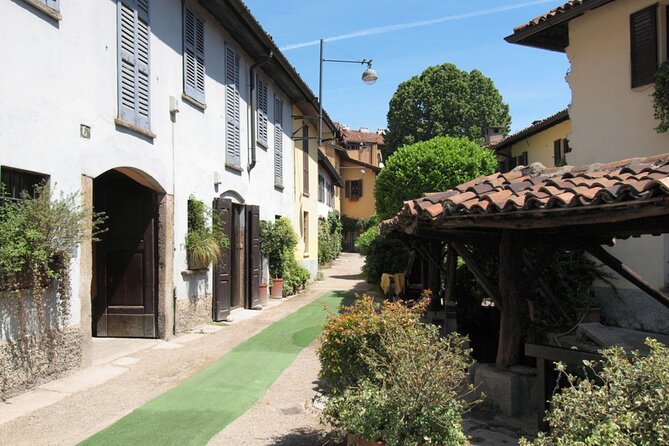
I think this works especially well for three types of travel styles:
First, it’s great for families and multi-age groups. A puzzle walk can be a shared mission, and it’s easier to keep everyone engaged than with a purely lecture-based tour. It’s also easy to pause for breaks because the route includes stops that let you linger.
Second, it’s a smart choice for visitors who want to see the Milan side that doesn’t feel like nonstop sightseeing. You’ll move through named areas and landmarks, but the experience still feels like exploring rather than checking boxes.
Third, it’s ideal if you’re the kind of traveler who likes independence. You’re not waiting for anyone at a meeting time with a guide. You start at Via Vetere, 12, follow the directions, and finish at Ponte Alexander Langer.
If you hate phone-based tasks, or if you rely on a working plan B when tech fails, this might not feel effortless. But if you’re comfortable with basic phone use, it’s a fun format.
Should you book the Magic of Navigli puzzle quest?
I’d book it if you want a short, low-cost, self-guided way to explore Milan with a built-in reason to keep walking. The combination of a structured route, free-entry completion, and English gameplay makes it easy to fit into a day without major planning.
Skip it (or at least be cautious) if you’re planning to depend on multiple devices at once or you know your phone tends to struggle with app downloads on the go. In that case, do a quick trial before you start, and keep expectations realistic.
Overall, if your goal is fun and practical city wandering—without paying for a bunch of timed admissions—this Navigli puzzle quest hits the sweet spot.