REVIEW · MILAN
Milan: La Scala Theater & Museum Guided Experience
Book on GetYourGuide →Operated by Z V SRL · Bookable on GetYourGuide
La Scala is pure drama, offstage too. In one hour, you’ll tour the theater and its museum with a live guide and get a real look at the auditorium.
I really like the museum mix: costumes, instruments, and music curios, plus a gallery-style focus on big names like Verdi and Toscanini. I also love the payoff of seeing the room itself from the 3rd level boxes, with that crystal chandelier doing its best “center of the universe” impression.
One thing to watch: access can be affected by the schedule. If rehearsals or special events are happening, the theater visit may be limited, and if you’re delayed, entry can be denied with no refund.
In This Review
- Key Points You’ll Care About
- First Look at La Scala’s Auditorium From the Boxes
- The Museum Stops That Make Opera History Click
- How the Guided Tour Works in a Small, Tight Space
- Crystal Chandelier Views and the Neoclassical Interior
- Rehearsal Luck: When La Scala Feels Like a Working Theater
- Price and Value: Is $34 for an Hour Worth It?
- Who This Tour Fits Best (and Who Should Rethink It)
- Practical Tips So You Don’t Lose Your Slot
- Should You Book This La Scala Theater & Museum Tour?
- FAQ
- How long is the La Scala Theater & Museum guided experience?
- Where is the meeting point?
- What’s included in the price?
- What isn’t included?
- What languages are offered for the live guide?
- Is the tour wheelchair accessible?
- Are pets or large bags allowed?
- Can the theater visit be affected by rehearsals or special events?
Key Points You’ll Care About
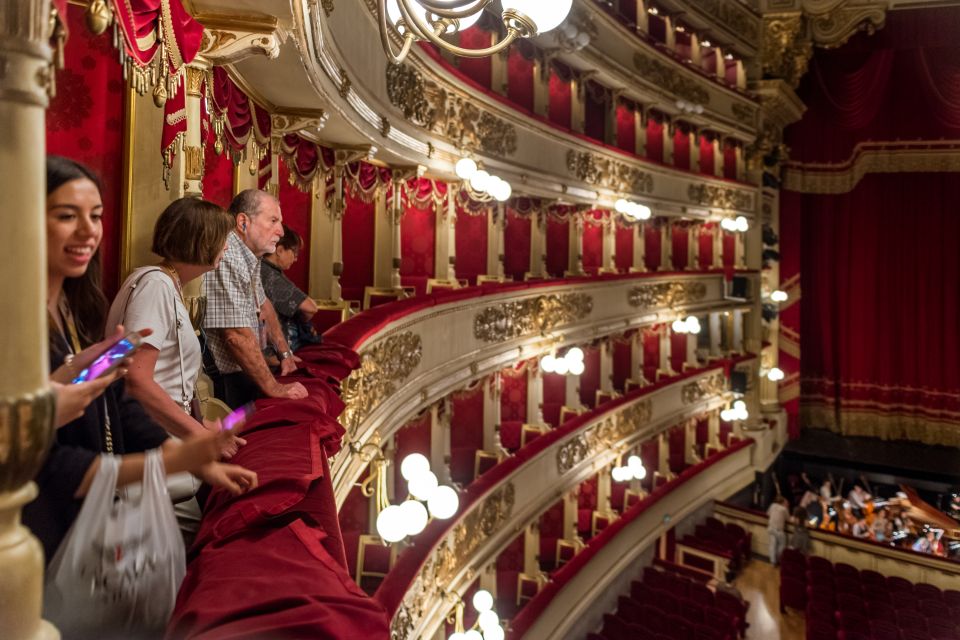
- Crystal chandelier + neoclassical interior views from the boxes, so you actually understand the scale
- Costumes, instruments, and music curios in the museum, not just portraits on walls
- Verdi and Toscanini focus through busts and paintings, with guide-led stories that connect the dots
- Small-group pace that works inside a tight theater floorplan
- Rehearsal luck: sometimes you may witness rehearsals, and photo rules can change with the situation
- Live guide in multiple languages (Italian, German, Spanish, English, French) to keep the experience clear
First Look at La Scala’s Auditorium From the Boxes
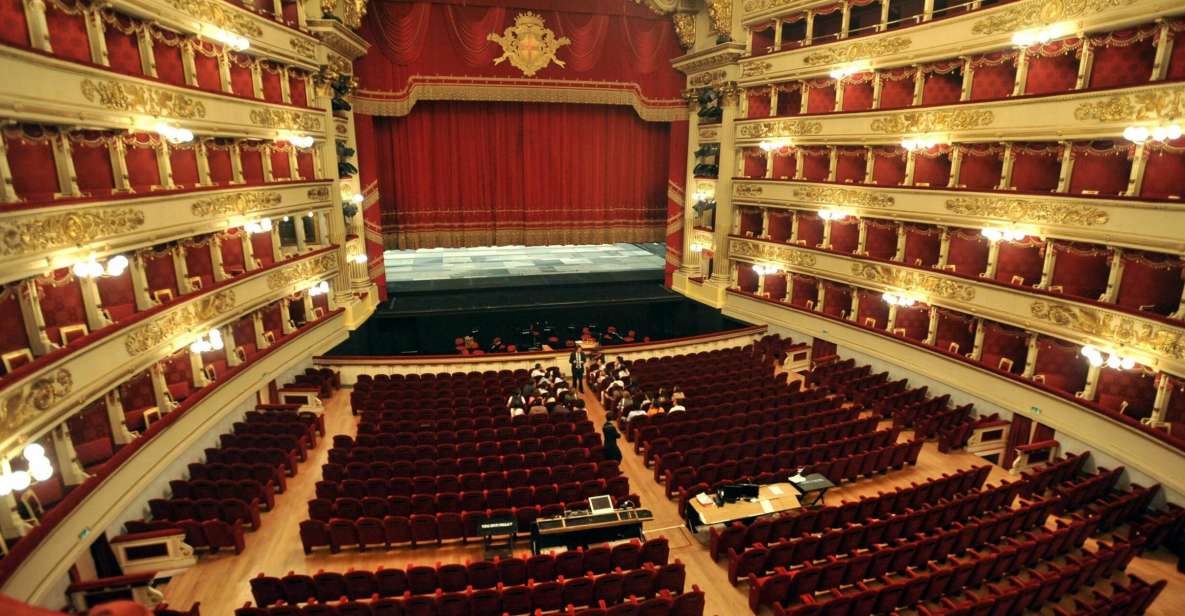
The magic of La Scala isn’t only the stage. It’s the way the room wraps around you, the way light and detail show up when you’re sitting in the theater boxes and looking across the auditorium.
On this tour, you get viewpoints from the 3rd level boxes. That’s smart. Lower seats can feel crowd-heavy, but these boxes give you a strong overview of the whole auditorium—so you leave with a mental map, not just a few pretty photos.
Then there’s the chandelier. It’s famous for a reason, and when you see it in person you get why it shows up in so many Milan postcards. It also helps you orient yourself visually inside the theater, because it’s such a central landmark.
You can also read our reviews of more guided tours in Milan



The Museum Stops That Make Opera History Click
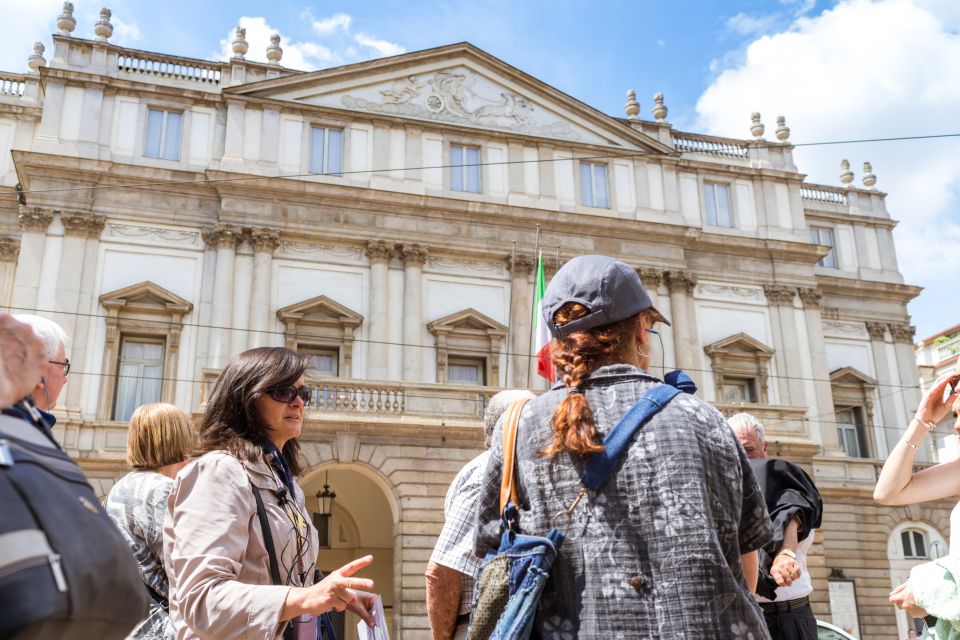
If you’ve ever thought opera history felt like dates and names on a worksheet, this museum format helps. The La Scala Museum is built to show the human stuff behind the music.
You’ll walk through rooms with costumes, instruments, and other music curios. This matters because it turns famous composers into something you can picture: what musicians used, what performers wore, and how the theater world looked behind the scenes.
Expect a gallery feel too, with busts and paintings representing major artists associated with La Scala. The tour specifically points out figures such as Giuseppe Verdi and Arturo Toscanini. For me, that’s the best kind of museum storytelling: you’re not just looking at art—you’re getting a narrative thread you can follow later when you hear their music.
The guide ties these objects to what happens on stage. You start to connect the dots between the museum artifacts and the practical reality of producing an opera in a real working theater.
How the Guided Tour Works in a Small, Tight Space
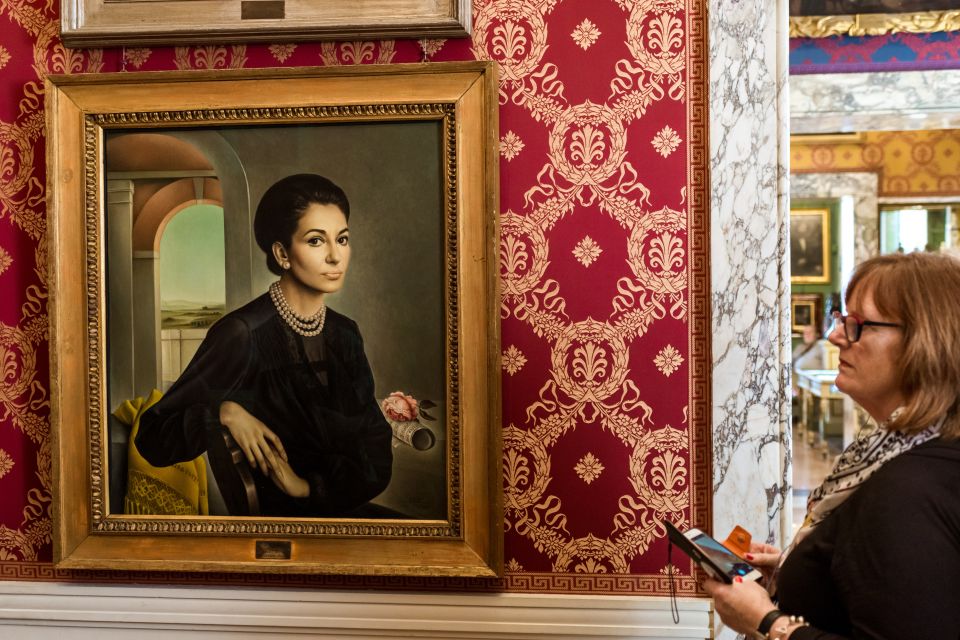
La Scala is stunning, but it’s not an open museum campus. It’s a working theater building, and movement inside it can be constrained.
That’s why the small-group size is a real advantage. You spend less time waiting in line-of-sight congestion and more time actually looking at what the guide is pointing out—boxes, sightlines, and details you’d easily miss on your own.
You also get live commentary from a private guide, with tour languages available in Italian, German, Spanish, English, and French. If you want context—why Toscanini mattered, how the theater evolved, what certain visual elements represent—this is the fastest way to absorb it without drowning in your own research.
One more practical point: the tour runs in about one hour. That’s enough time to cover both the museum and the theater view, but not so long that you feel stuck. In a place like La Scala, that balance is worth it.
Crystal Chandelier Views and the Neoclassical Interior
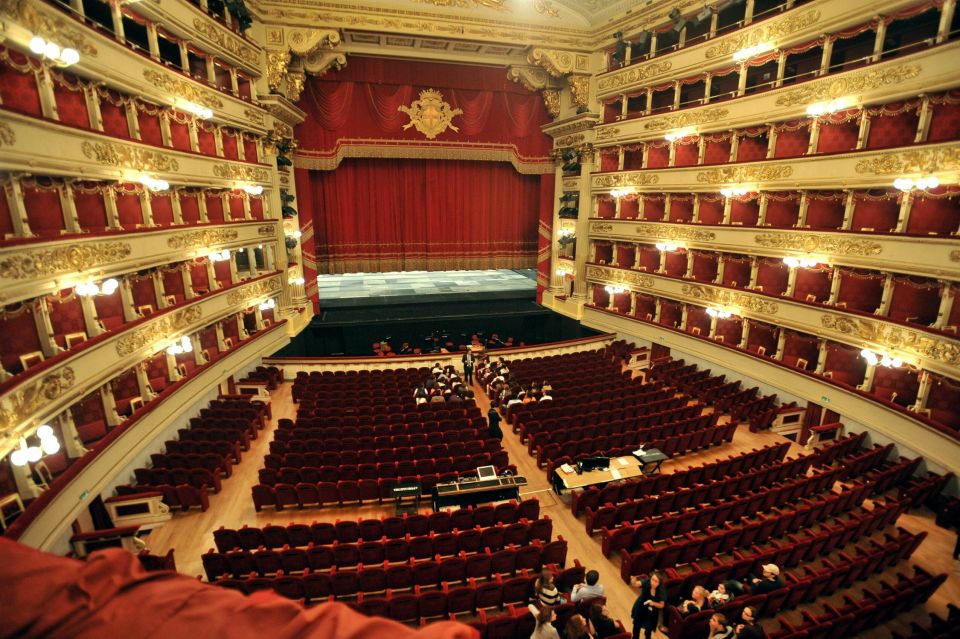
The auditorium experience is about perspective. Even if you love classical music, you might not instantly understand the theater’s layout from photos.
Sitting in the boxes gives you that “oh, that’s how it works” moment. From the 3rd level you can see how the seating and levels relate to the stage area, and you can better imagine how performers appear when you’re watching from different heights.
The guide typically frames this with quick, pointed explanations. You’ll hear tales and anecdotes connected to musicians who performed at La Scala, including those big names that keep showing up in the museum section.
And yes, the chandelier steals scenes. It’s not just decoration. It becomes part of your orientation inside the room, and it helps make the interior feel like a single designed object rather than a collection of seats and walls.
Rehearsal Luck: When La Scala Feels Like a Working Theater
This tour can come with a special kind of timing. La Scala is always alive, and sometimes rehearsals are underway while you’re there.
When that happens, you may have the chance to witness artists rehearsing. It can also affect access—because rehearsals and special events can change what parts of the theater are open during your visit.
So treat rehearsal sightings like bonus points, not a guaranteed feature. The tour experience is still strong with the theater view, even without rehearsal action.
One practical takeaway from how the schedule works: if photos are restricted during rehearsal situations, follow the guidance you’re given at the moment. Staff may also shift access once rehearsals end, so staying flexible with your time inside the theater helps you get the best possible version of the tour day.
You can also read our reviews of more museum experiences in Milan



Price and Value: Is $34 for an Hour Worth It?
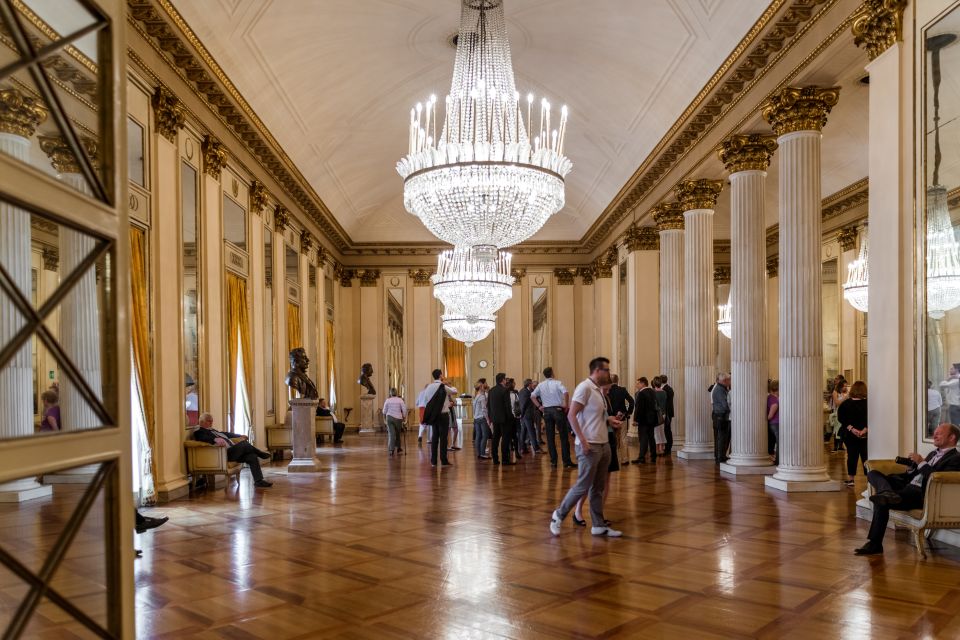
At $34 per person for about one hour, you’re paying for more than a ticket. The price bundles entrance tickets to both La Scala Theatre and the museum plus a guided tour with a private guide.
That matters because La Scala isn’t the kind of place where you want to wander without context. The architecture and history are impressive, but the meaning clicks faster with a guide, especially in the museum rooms where objects and artworks tie into the story of performers and productions.
If you’re a casual tourist who just wants the iconic building exterior and a quick look inside, you might feel the time is short. But if you care about understanding why this theater matters—or you’re the type who likes knowing what you’re looking at—this is a solid value for the amount of access you get in a compact format.
Who This Tour Fits Best (and Who Should Rethink It)
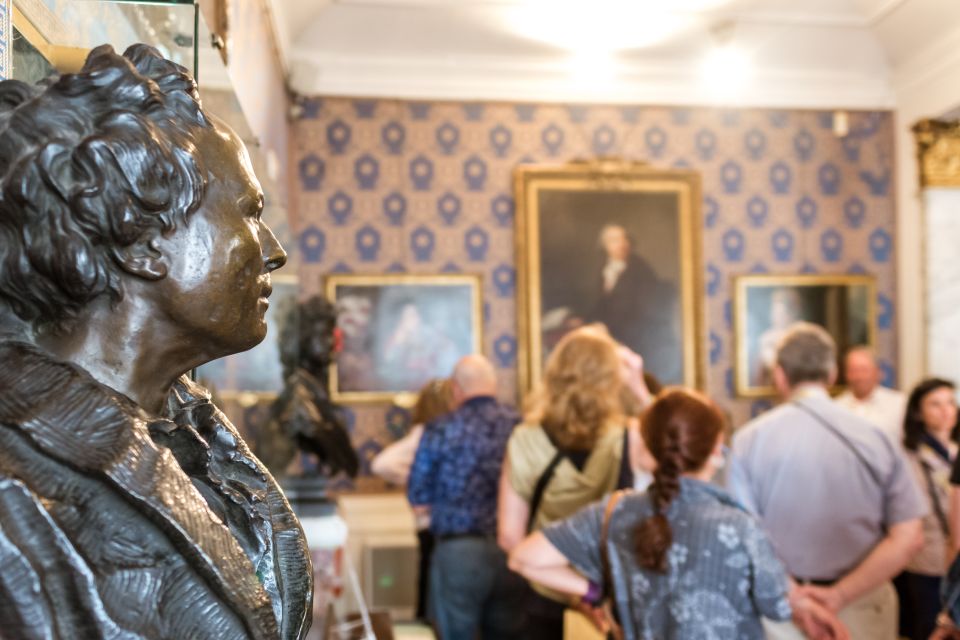
I’d point this tour toward three types of travelers.
First, opera and classical-music lovers who want a structured introduction to La Scala and its legacy. This tour connects the museum artifacts to the theater experience, and it’s built around the kind of storytelling that makes names like Verdi and Toscanini feel personal.
Second, first-timers in Milan who want a high-impact cultural stop. One hour is easy to fit into a busy day, and you leave with both a visual memory of the auditorium and a clearer sense of why La Scala is such a big deal.
Third, people who prefer guided clarity over self-guided guessing. The multi-language guide options help a lot, and the small-group setup keeps the flow moving.
Who might rethink it? If you’re only after maximum time in the theater, or you expect deep backstage access, this tour is designed for a theater + museum overview rather than a behind-the-scenes production deep dive.
Practical Tips So You Don’t Lose Your Slot
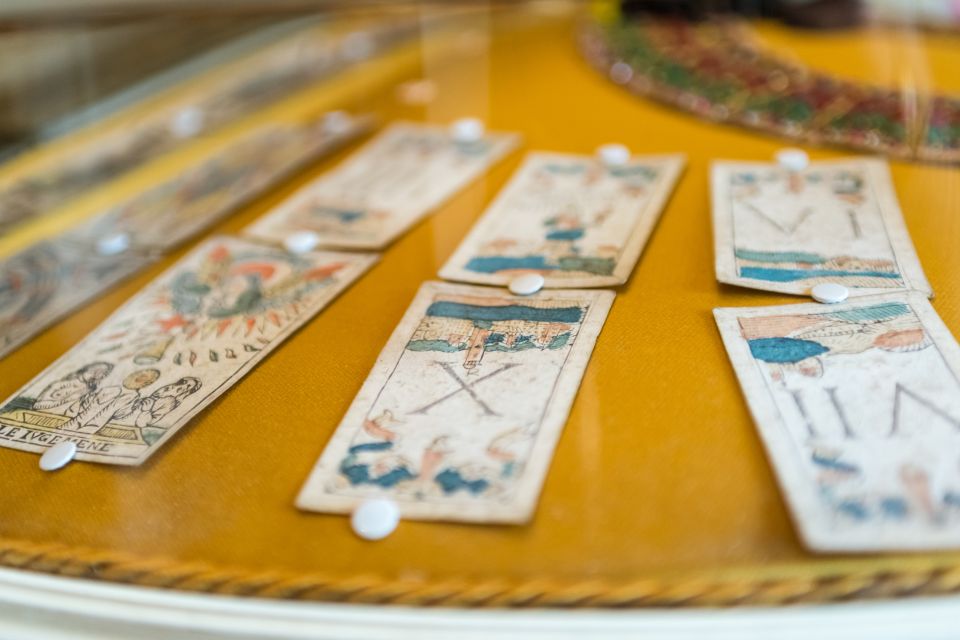
A few details here can make or break the day.
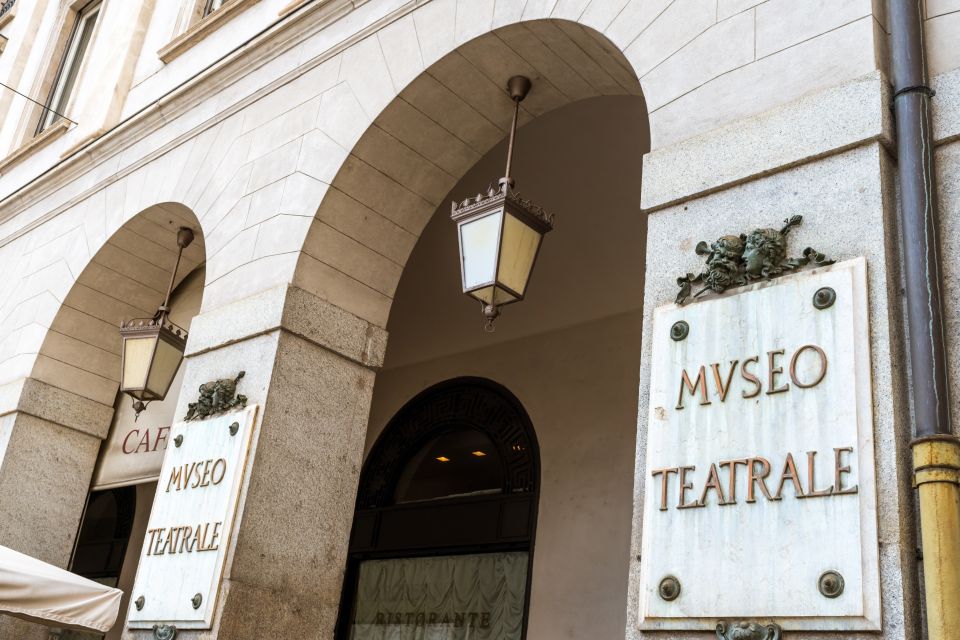
Start with the meeting point: meet at the entrance of the La Scala Museum, to the right of the restaurant Il Foyer, at LARGO ANTONIO GHIRINGHELLI 1 – MILAN. Arrive early enough to handle lines, security, and getting your bearings before your tour start.
Bring a plan for bags too. Pets aren’t allowed, and luggage or large bags aren’t allowed. The tour also notes that food and drinks are not included, and the activity is structured around moving through indoor spaces rather than stopping for a snack break.
And here’s the big one: the tour warns that if you’re delayed, entry will no longer be allowed at all and no refund will be possible. I’d treat this like a timed appointment, not a flexible hangout. In practice, that means you should buffer time for Milan traffic, late trains, or your own sense of direction being… optimistic.
If you like having flexibility, the booking options include free cancellation up to 24 hours in advance and a reserve now & pay later choice.
Should You Book This La Scala Theater & Museum Tour?
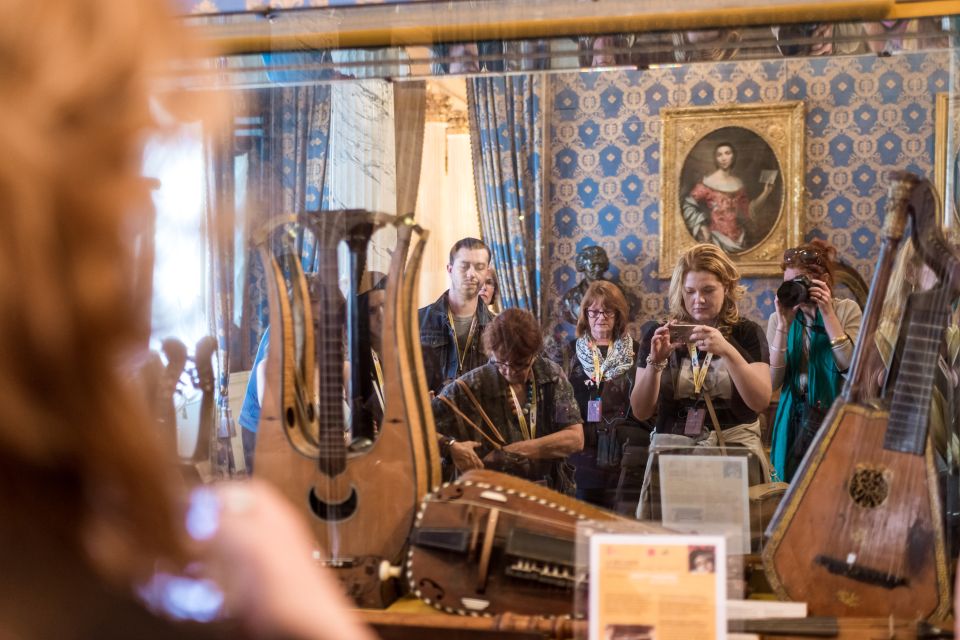
I think you should book if you want a high-value, guided introduction to La Scala that covers both the museum and the theater view in about one hour. The combination of objects (costumes, instruments, music curios), plus the auditorium perspective from the boxes, is the kind of pairing that makes cultural sights feel understandable rather than overwhelming.
You might skip or adjust expectations if you’re mainly chasing backstage access or you’re planning a schedule where you might arrive late. The timing rules are strict, and rehearsal days can affect how much of the theater area you’re able to access.
If your goal is to leave with a clear mental picture of La Scala’s interior and a better grasp of the major names connected to the house, this tour is an excellent way to get there without spending your whole day on one building.
FAQ
How long is the La Scala Theater & Museum guided experience?
The tour lasts about 1 hour.
Where is the meeting point?
Meet at the entrance of the La Scala Museum, to the right of the restaurant Il Foyer, at LARGO ANTONIO GHIRINGHELLI 1 – Milan.
What’s included in the price?
Entrance tickets to the La Scala Theatre and La Scala Museum are included, along with a guided tour with a private guide.
What isn’t included?
Food and drink are not included.
What languages are offered for the live guide?
The tour is available in Italian, German, Spanish, English, and French.
Is the tour wheelchair accessible?
Yes, the tour is wheelchair accessible.
Are pets or large bags allowed?
Pets are not allowed. Luggage or large bags are also not allowed.
Can the theater visit be affected by rehearsals or special events?
Yes. The visit of the theatre may not be permitted during rehearsals or special events.