REVIEW · MILAN
Natural Food & Wine in Milanese Home – Eat with Locals!
Book on Viator →Operated by Home Cooking Milan · Bookable on Viator
Dinner in a real Milan apartment. That’s the hook.
You’re welcomed into a vintage-style home in the Via Washington area, then treated to an organic natural wine experience paired with Italian recipes that change with the season. I love the idea that the tasting isn’t just wine and food, it comes with the stories behind small-artisan producers and the regional cooking that inspired the plates. I also like the sourcing: veggies from an urban vegetable garden, cheeses from small farms, fish from a fish market, and generally fresh, organic ingredients you can taste. The one possible drawback: there is no fixed menu, so if you need predictable dishes every time, you’ll want to go with the flow.
This is also a practical choice if you want something intimate without the formality of a big restaurant. You’ll get a meal structure (starters, homemade dishes, a main with fish/meat/veg, plus dessert/fruit) over about two hours, and it’s offered in English as a private experience for your group. Just note the experience starts at Via Valparaiso 14 and ends back there, so plan to meet on time and stay flexible about how dinner unfolds.
In This Review
- Key things that make this Milan home dinner special
- From Via Washington to your table: what this experience actually feels like
- Your rotating menu: what you can expect to eat (and why it’s worth it)
- The natural wine focus: what you’ll learn while you sip
- Walking in: meeting point and what to do when you arrive
- Pairings on a timeline: how the evening usually unfolds
- Why people love it: the hospitality and the “tastes good” factor
- Price and value: is $96.33 per person worth it?
- Who should book this (and who should skip it)
- Quick FAQ
- FAQ
- How long is the experience?
- Where does the experience start and end?
- Is this a private experience?
- What language is it offered in?
- How much does it cost?
- What will I eat during the meal?
- Is there a fixed menu?
- Do I need a printed ticket?
- Is it near public transportation?
- Can I cancel and get a refund?
- Should you book Natural Food & Wine in a Milanese Home?
Key things that make this Milan home dinner special
- Natural wine stories in the middle of dinner: you learn what makes these small-artisan wines different, not just when to drink.
- Seasonal cooking with no fixed script: starters, homemade pastas, and mains rotate based on what’s fresh.
- Ingredients with a local trail: veggies from the home’s garden, cheeses from small farms, and fish from the market.
- Home-cooked pacing: expect a relaxed flow over about two hours, built around food and conversation.
- Warm hosting energy: the experience is repeatedly described as super welcoming, with tastings that feel thought-through rather than rushed.
From Via Washington to your table: what this experience actually feels like
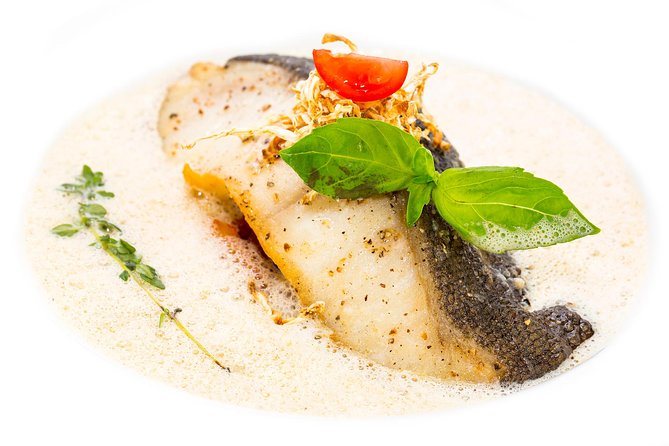
A home dinner in Milan can be a great way to see the city beyond the postcard stuff, and this one leans hard into authenticity. You’re not doing a scripted “tour of sights.” Instead, you’re stepping into a lived-in apartment atmosphere where food, wine, and stories move together.
The hosts—Valentina and Marco are specifically mentioned—make it feel personal. That matters, because natural wine can be confusing if you only know big-brand labels. Here, the focus is on the producers: small artisans making natural wines, and the idea that wine is part of a wider culinary culture. You’ll be hearing the background as you eat, which is a far better way to understand what you’re tasting than reading a menu and hoping it clicks.
You also get the sense they care about ingredient flavor and seasonality. The description is blunt in the best way: vegetables should taste like vegetables, not like bland produce from a supermarket bin. And when you combine that with cheeses from small farms, fish from the fish market, and organic sourcing, it stops being a “wine event” and becomes a real meal.
The other emotional ingredient is the setting. The apartment is described as vintage style, and there’s mention of lovely scenery in the home itself. Even if you’re used to nice restaurants, it’s a different vibe. You’re eating where someone actually lives, with the intimacy that can’t be manufactured in a dining room full of strangers.
You can also read our reviews of more food & drink experiences in Milan



Your rotating menu: what you can expect to eat (and why it’s worth it)
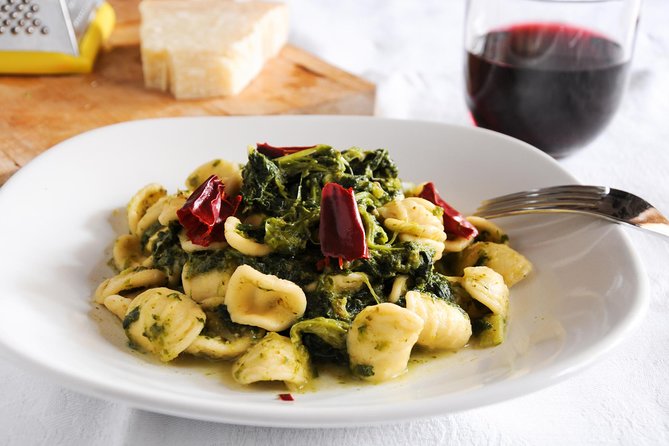
This isn’t a tasting menu with named courses fixed weeks in advance. The menu is described as changing—especially according to seasons—and there’s no permanent menu board. That might sound like a detail, but it’s actually the point.
When a host changes what they cook based on what’s seasonal and fresh, you tend to get food that tastes more alive. You also get a cooking philosophy: traditional recipes, but interpreted through what’s currently available. The experience also says they travel to discover forgotten regional recipes, and that idea fits the rotating approach. You’re not guaranteed the exact same lineup from one date to the next, but you’re likely to get variety and a sense of exploration.
Here’s the meal structure you can plan on:
- 2 to 3 starters
Expect multiple small bites that set the tone. Since the menu rotates, these could lean vegetarian-heavy one night and seafood-heavy another night, depending on seasonal availability.
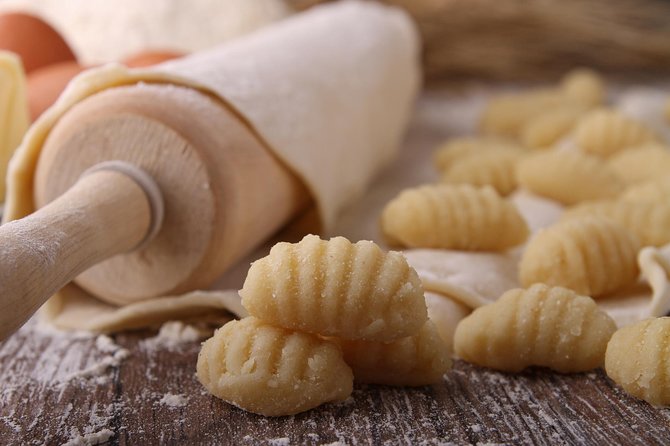
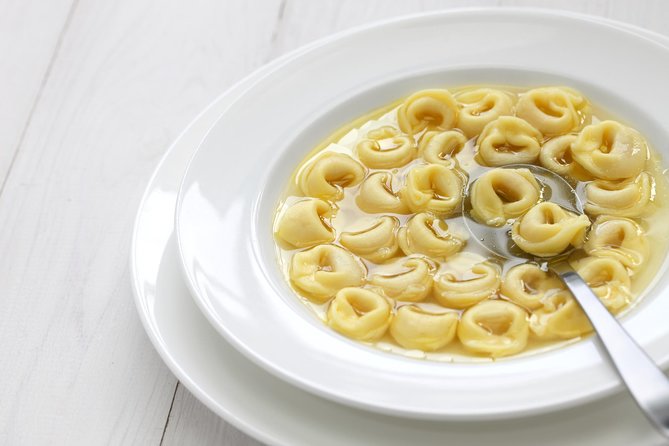
- Homemade pasta or risotto or gnocchi or ravioli or soups
The key word is homemade. This isn’t “served from a warming tray.” It’s built as part of the evening’s flow.
- One main dish with fish/meat/veg
You should be prepared for either a fish course, a meat course, or a vegetarian option, again depending on what season and sourcing dictate.
- Dessert or fruit
The sweet ending is built into the experience, with dessert and/or fruit depending on the menu that night.
Why this is valuable: you get the comfort of a predictable meal structure, without the boredom of repeating the same dishes over and over. For many people, the tradeoff (uncertainty) is exactly what makes a home experience memorable.
Possible consideration: because there’s no fixed menu, you should mentally commit to trying what’s served. If you’re extremely picky, or if you have dietary restrictions beyond what’s typical for a restaurant, you may want to double-check before booking what they can accommodate. The provided information doesn’t list specific dietary accommodation rules, so it’s smart to ask rather than assume.
The natural wine focus: what you’ll learn while you sip
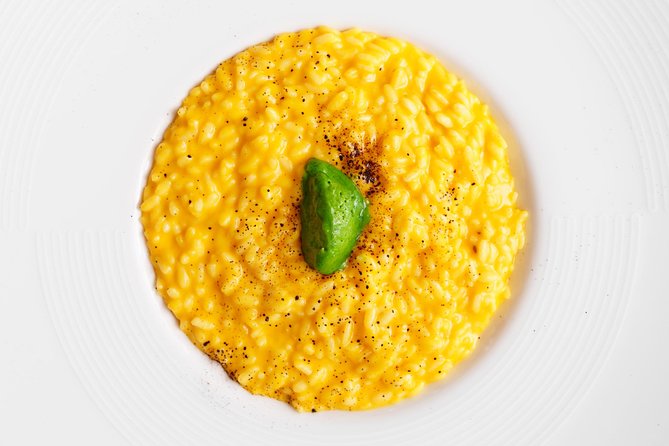
Natural wine can feel intimidating, mostly because people argue about it too loudly. In a home setting like this, you don’t get the hype theater—you get the story.
You’ll share stories behind a collection of Italian natural wines made by small artisans. That pairing with traditional recipes is important. You’re not drinking something random next to something generic. The wine is explained as part of the culinary context, so you can connect it to flavor: acidity, texture, and how it behaves with food.
Also, the experience emphasizes that everything is organic and natural. That doesn’t automatically mean every glass is identical in style, but it does suggest a consistent “values” approach—less about mass-market production, more about craft and ingredient integrity.
Practical takeaway: pace yourself. Over two hours, you’ll likely have multiple pours, especially since wine is presented as central to the experience. If you’re not a confident drinker, it’s totally reasonable to take small sips and let the food lead the evening. And if you are a wine lover, the home storytelling format makes it easier to ask questions without feeling rushed.
Walking in: meeting point and what to do when you arrive
The tour starts at Via Valparaiso 14, 20144 Milano. The experience ends back at that meeting point, so you don’t need to figure out a return plan at the end of dinner.
This matters because Milan evenings can get busy. Having the end point back at the start means you can focus on the meal instead of negotiating transit after.
You’ll also receive a mobile ticket. Bring it up on your phone when you arrive. And since it’s near public transportation, you’re not trapped in a “reach it only by taxi” situation.
Once you’re inside, expect the evening to build around conversation, wine explanation, and then the plates. Home dining works best when you give it time—so avoid scheduling a tight plan for right after. Two hours can feel quick if you’re sightseeing earlier, but the flow here is designed to be relaxed.
Pairings on a timeline: how the evening usually unfolds
Even though there’s no fixed menu, the structure is clear enough that you can anticipate the rhythm.
First comes the welcome and the wine introduction. This is where the hosts set the tone: natural wines, small artisans, and why these pair with traditional Italian cooking. If you’re new to natural wine, this part helps you understand what you’re tasting before the flavors get complicated.
Then the starters. Since you’ll get 2 to 3 starters, this is often the most exploratory section of the meal. It’s where ingredient quality really shows—especially with seasonal vegetables and organic sourcing.
Next comes the homemade main dish. Expect something like pasta, risotto, gnocchi, ravioli, or soup. This stage typically feels like the heart of the meal—warm, filling, and designed to pair well with the wines. If you’re someone who likes food you can taste in layers, homemade dishes are where that happens.
Then comes the main course: fish/meat/veg. This is where the dinner shifts into something more substantial. The experience emphasizes sourcing (fish from the market; vegetables from the garden; cheeses from small farms), which suggests the main dish will be built around fresh character rather than just sauce.
Finally, dessert or fruit. The ending is simple and included, so you’re not left searching for gelato after dinner. It’s a practical way to finish without extending the night.
You can also read our reviews of more tours and experiences in Milan




Why people love it: the hospitality and the “tastes good” factor
The highest praise is consistent: it’s super welcoming and very tasty. That’s a big deal for a home experience. Anyone can pour wine. Not everyone can host in a way that feels genuine, comfortable, and attentive without hovering.
You’ll also see the “fine dining” vibe mentioned, even though it’s happening at a home table. That tells me the food presentation and pacing likely feel intentional. In other words: don’t expect a casual snack-and-chat only. Expect a meal that’s planned and taken seriously.
Another repeated compliment is the lovely scenery in the home. Even if you aren’t a “decor person,” the setting can change how you experience dinner. When the space feels cared for, the whole evening feels more special.
Price and value: is $96.33 per person worth it?
At $96.33 per person for around two hours, this isn’t a bargain-basement dinner, and it also isn’t priced like a high-end tasting menu in a glossy dining room. So the real question is: what are you paying for?
You’re paying for:
- access to a private apartment dinner setting in Milan
- natural wine storytelling focused on small artisan production
- organic and natural ingredients, including garden vegetables and market fish
- a structured meal (starters, homemade dish, main, dessert/fruit)
- an English-speaking host experience
From a value perspective, home cooking plus wine explanation is often where the money makes sense. You’re not just buying food—you’re buying context, conversation, and an approach to sourcing that standard restaurant meals rarely show so clearly.
If you want a predictable menu and you mainly care about eating quickly, a restaurant might be cheaper. But if you want a cultural meal with real local sourcing and a wine lens, this price starts to feel fair.
Who should book this (and who should skip it)
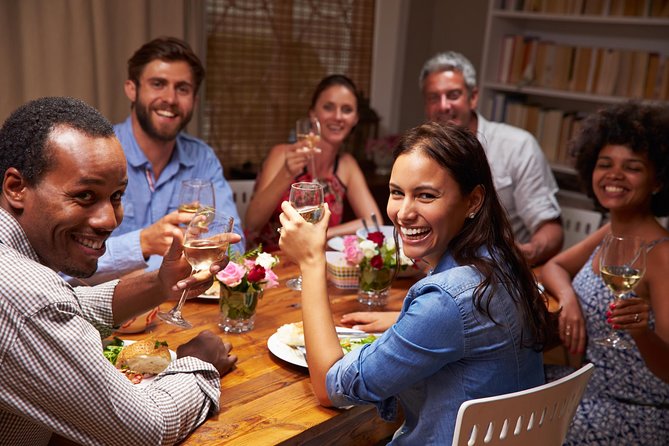
This fits best if you:
- want a private Milan experience instead of a group tour
- like natural wine and want the stories behind producers
- care about seasonal ingredients and homemade cooking
- enjoy relaxed, conversational meals more than “checklist travel”
You might want to skip it if you:
- need a fully fixed menu with no surprises
- have strict dietary rules you know they might not be able to handle (since the provided info doesn’t spell out accommodation policies)
Quick FAQ
FAQ
How long is the experience?
It lasts about 2 hours.
Where does the experience start and end?
It starts at Via Valparaiso, 14, 20144 Milano and ends back at the same meeting point.
Is this a private experience?
Yes. It’s private, meaning only your group participates.
What language is it offered in?
It’s offered in English.
How much does it cost?
The price is $96.33 per person.
What will I eat during the meal?
The meal includes 2 to 3 starters, a homemade pasta/risotto/gnocchi/ravioli/soup course, a fish/meat/veg dish, and dessert/fruit.
Is there a fixed menu?
No. There’s no fixed menu, and dishes can change, especially according to the season.
Do I need a printed ticket?
No. You’ll have a mobile ticket.
Is it near public transportation?
Yes. The meeting point is near public transportation.
Can I cancel and get a refund?
No. The experience is non-refundable and cannot be changed for any reason.
Should you book Natural Food & Wine in a Milanese Home?
If your ideal Milan evening is food you can’t easily replicate at home, paired with natural wine explained in plain terms, then yes—this is a strong choice. The combination of homemade cooking, seasonal organic ingredients, and a natural wine focus is exactly the kind of experience that feels local rather than touristy.
Book it especially if you want the warmth of Valentina and Marco’s hosting style and you’re comfortable going with a rotating menu. If you want certainty every bite, it may feel less predictable. But if you like tasting what’s freshest and listening to the stories behind small producers, this is the kind of meal you’ll remember long after you leave Milan.