REVIEW · MILAN
Milan: Last Supper Guided Visit
Book on GetYourGuide →Operated by YNT Your Next Tour srl · Bookable on GetYourGuide
The clock runs fast at the Last Supper. This guided, skip-the-line visit is built around one prized goal: helping you see Leonardo’s mural in context, not just as a photo stop. You’ll stand in the refectory at Santa Maria delle Grazie while an English-speaking art historian points out why the expressions and angles feel so modern.
I especially like the way you get to understand how Leonardo made it work. Instead of guessing at faces and hands, the guide narrates gestures and expressions of Christ and the twelve apostles, plus the perspective choices that were cutting-edge for the 1490s.
One consideration: you only get 15 minutes inside the viewing room. At $75 per person, that time pressure matters, so you’ll want to come ready to focus—and accept that you can’t slow down or change your scheduled slot.
In This Review
- Key highlights worth your attention
- What You Actually See (and Why It Feels Different in Person)
- Getting There: Finding the Right Door at Santa Maria delle Grazie
- The 15-Minute Viewing Window: How to Prep Your Eyes Before Time Runs Out
- Inside the Refectory: What Your Art Historian Guide Will Point Out
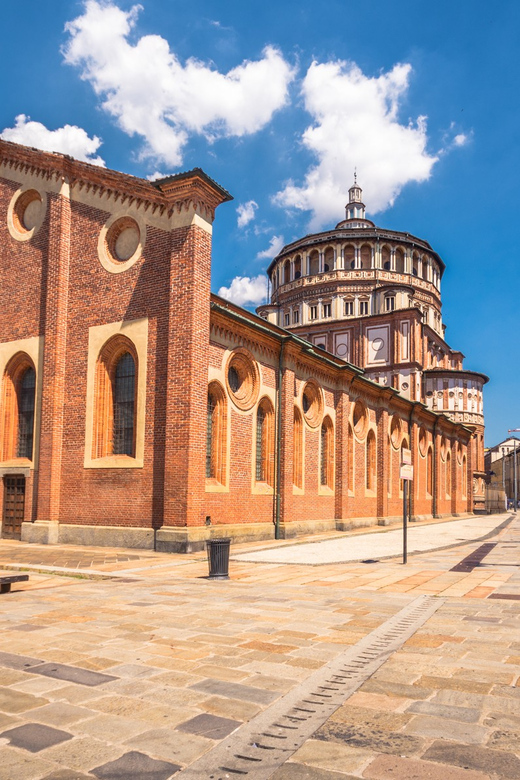
- Santa Maria delle Grazie Outside: A Quick Architectural Pause
- Price and Value: Is $75 Worth It?
- Practical Rules That Affect Your Day (Pack Light)
- Who This Tour Suits Best (and Who Might Prefer Otherwise)
- Should You Book This Last Supper Guided Visit?
- FAQ
- Where is the meeting point for the tour?
- Does this tour include skip-the-line entry?
- How long is the tour?
- How much time do I get inside the room with the Last Supper?
- Is the tour available in English?
- What should I bring on the day of the visit?
- Are food and drinks allowed inside the museum?
- Is there any place to store bags?
- What about kids under 2 years old?
- Is the visit wheelchair accessible?
Key highlights worth your attention
- Skip-the-line entry paired with an art historian’s guided storytelling, so your time doesn’t vanish in queues
- 15 minutes in the room that are timed tightly, but guided so you know what to look for first
- Gestures, expressions, perspective explained for Christ and all twelve apostles
- Headsets included so you can hear clearly even when the group is moving and talking
- Santa Maria delle Grazie outside view for a quick architecture reset before and after the mural
What You Actually See (and Why It Feels Different in Person)
Leonardo’s Last Supper is one of those works you think you already know. You’ve seen the faces in posters, memes, and schoolbooks. Then you walk into the refectory and realize the painting is doing a lot of quiet work at once—human drama, geometry, and craftsmanship—built for real bodies standing in front of it.
This guided format helps you notice what a quick self-guided glance usually misses. You’re not just looking at Christ and the apostles; you’re learning how the scene is staged through expression and placement, and how perspective steers your eye. That’s what turns the mural from iconic image into something closer to a living moment.
Also, you get a timed, efficient structure. The visit is short by design, and the guide’s job is to make that tight window count.
You can also read our reviews of more guided tours in Milan
Getting There: Finding the Right Door at Santa Maria delle Grazie
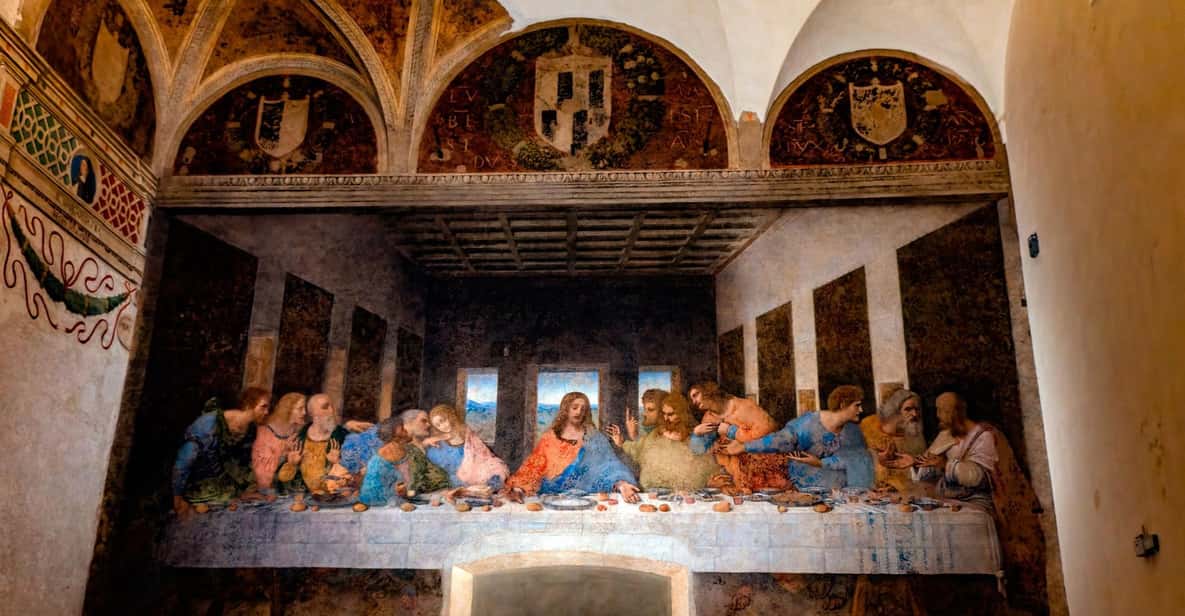
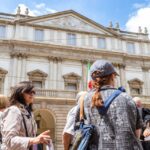
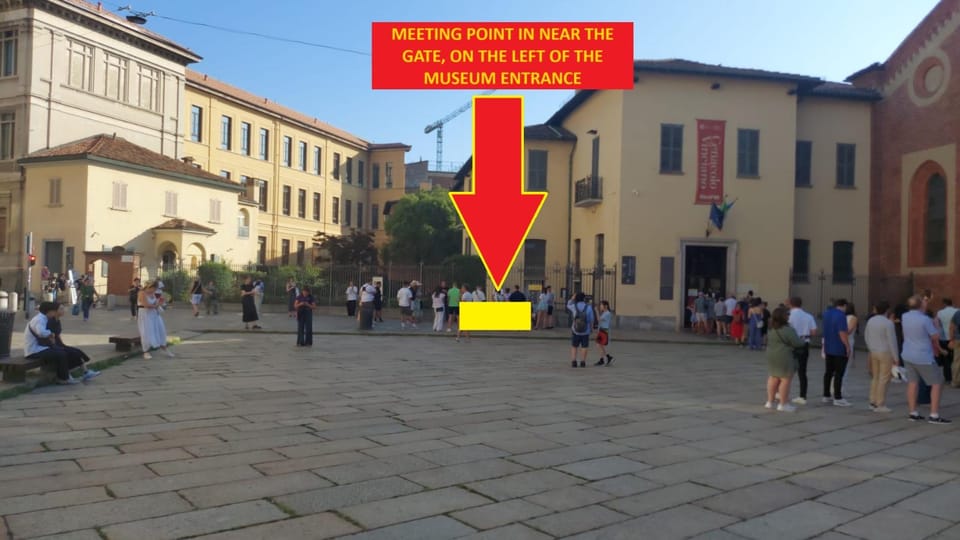
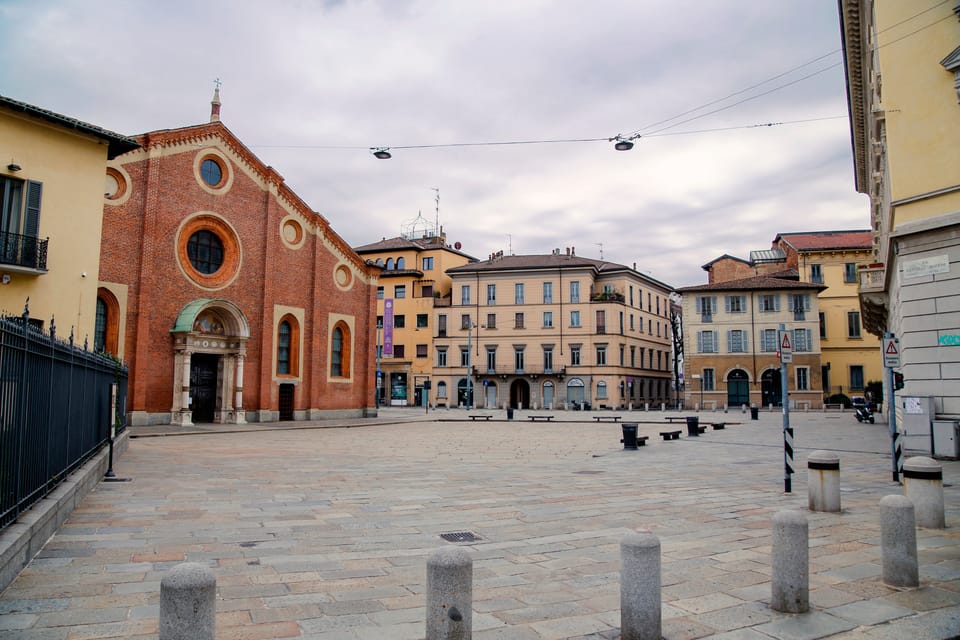
Your guide meets you outside the museum entrance door at Santa Maria delle Grazie. The key detail is that it’s the only door in the square with flags on top, and your guide will be holding an orange Get You Guide sign.
This matters more than it sounds. This site draws crowds, and the surrounding area can be confusing even for people who navigate well. If you’re the type who likes a calm start, show up a bit early so you can locate the correct door without feeling rushed.
Once you meet the group, you’ll get your skip-the-line entry ticket use handled for you. That’s the practical win: you’re spending effort on understanding the art, not decoding lines.
The 15-Minute Viewing Window: How to Prep Your Eyes Before Time Runs Out
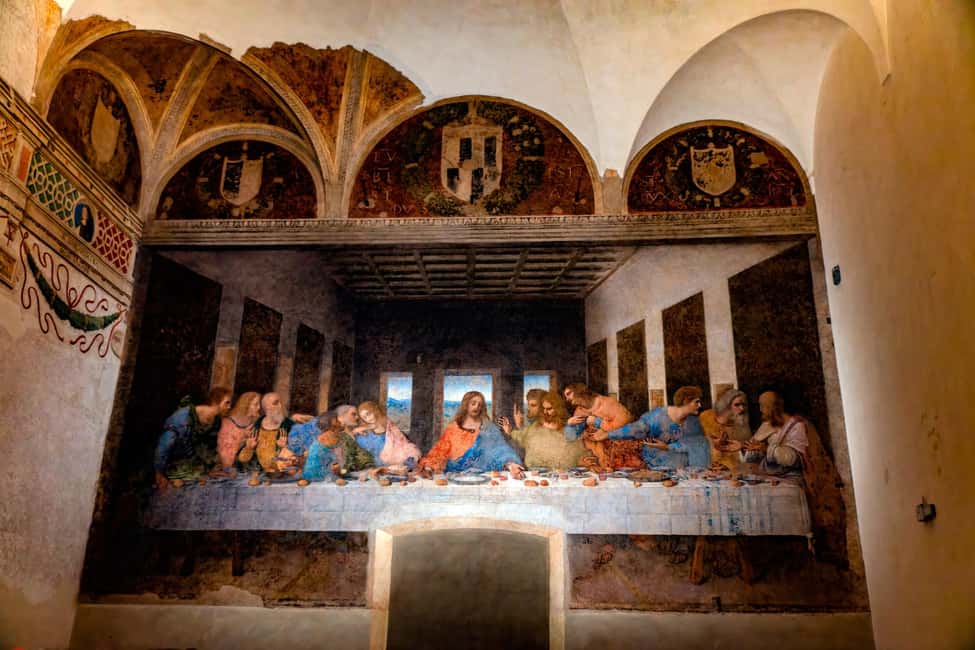
Here’s the big reality check. All visitors are allowed only 15 minutes inside the room where the Last Supper is displayed. This includes people with standard admission, and it includes this guided tour format. The difference is what happens during those minutes—whether you’re wandering or following a plan.
With a guide, you can do a smart sequence:
- Look first at Christ’s expression and the immediate grouping of the apostles
- Then scan for what the guide highlights—gestures, body angles, and how tension spreads across the table
- Finish with the details that you’ll remember later when the room noise fades
You’ll also want to think about photos. The time is tight, so plan to take them quickly once the guide points out the most important spots. If you wait until the last seconds to start shooting, you’ll lose the chance to actually see what you’re photographing.
Inside the Refectory: What Your Art Historian Guide Will Point Out
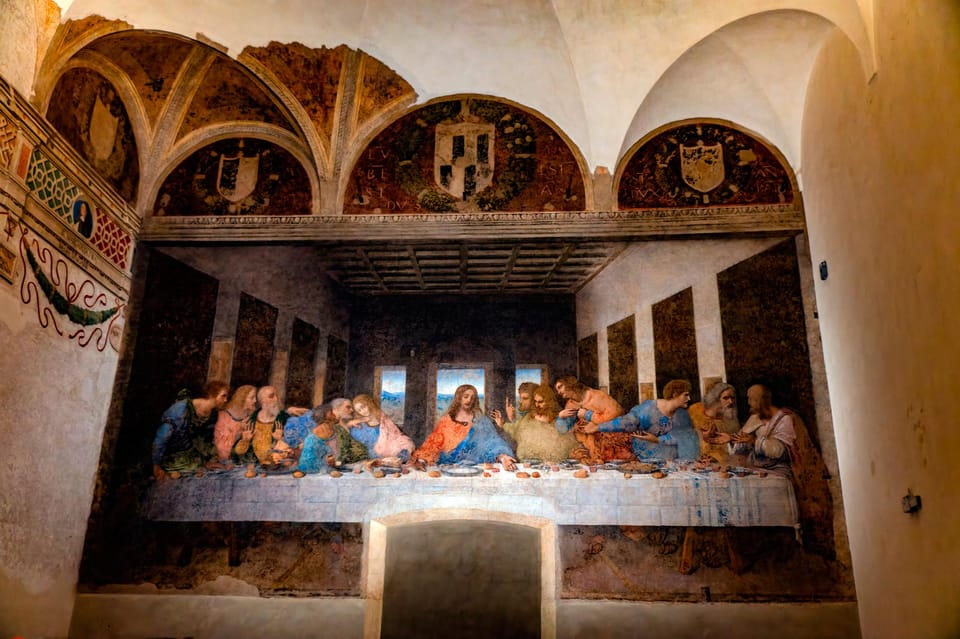
The heart of this tour is standing in front of Leonardo’s mural and getting interpretation from an art historian guide. The guide explains the history of the 15th-century work and walks you through what’s going on visually.
You can expect guidance on three big areas:
1) Expressions and gestures
The scene is full of movement frozen in paint. In this tour format, the guide breaks down what the apostles’ faces and hands are doing—why they react the way they do, and how that reaction creates a chain across the table. It’s also why this visit works even if you’re not focused on religious art. You’ll be reading personality and tension, not studying doctrine.
2) Perspective
Leonardo didn’t just paint faces. He used perspective to shape how the room feels and how you visually travel across the scene. Your guide will point out the perspective cues so you can understand why the painting feels spatial instead of flat.
3) Innovative technique
You’ll hear about the modernity of the approach for its time—why the mural was innovative in the 1490s and why later generations cared so intensely. That technical context makes the artwork feel less like a museum object and more like a serious experiment.
The guide style is also a big part of the value. Multiple guides named in past tours—like Gabriella—get praised for being engaging and human, with a sense of humor that keeps the group comfortable while still staying focused on art details. Other guides such as Sara Nuzzi also show up in the same spotlight from visitors, with guides bringing in background on conditions and conservation challenges.
Santa Maria delle Grazie Outside: A Quick Architectural Pause
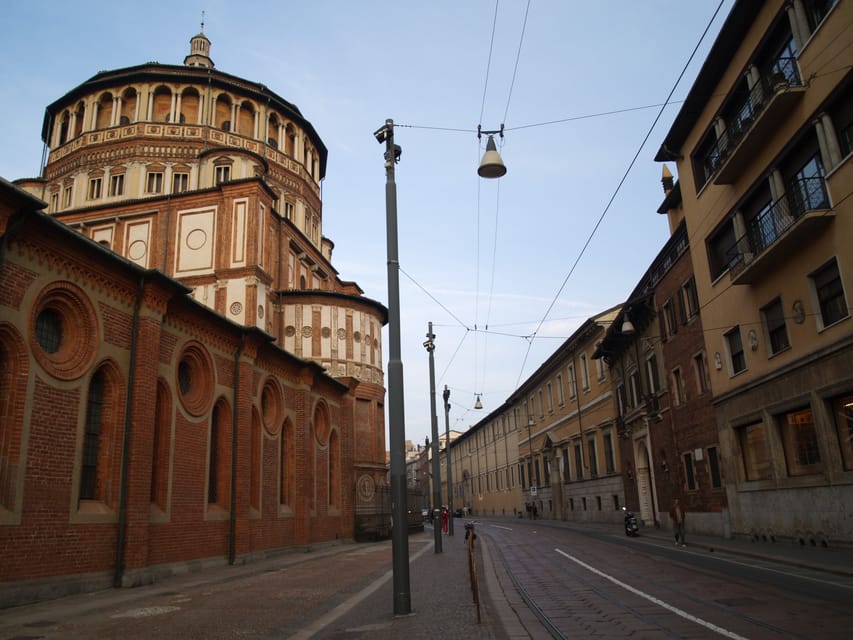
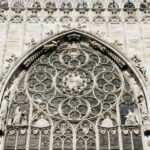
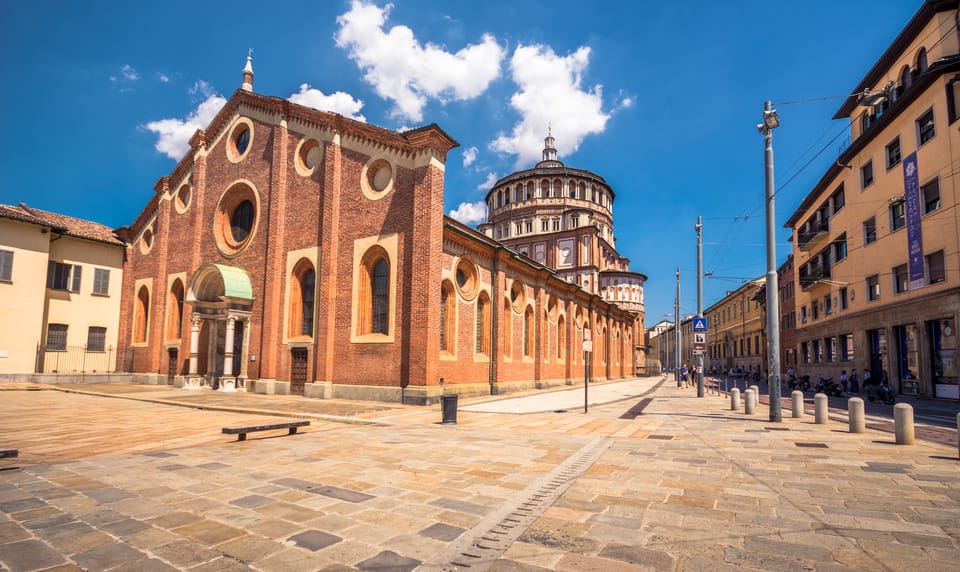
The tour includes time to admire the Santa Maria delle Grazie basilica from the outside. This is more than a photo checkbox. It’s a useful warm-up because it gives the setting—what kind of church environment surrounds this masterpiece.
Then, once you’ve seen the refectory, the exterior view lets you reset your brain. You can look at the broader place rather than obsessing over the image the whole time. If you’re walking Milan on foot, this also helps you keep the visit from feeling like one isolated stop.

Price and Value: Is $75 Worth It?
At $75 per person, this isn’t a cheap outing. And it’s fair to say the price can feel steep when you compare it to a basic ticket price. One key value point here is that you still only see the Last Supper for 15 minutes either way. So you’re not paying for extra access time.
You’re paying for three things that matter in real life:
- Skip-the-line entry, which reduces the risk of losing precious minutes to queues
- A licensed art historian guide who tells you what to look for inside the refectory
- Headsets so you can hear clearly without leaning in or missing parts of the explanation
When the guide is strong, the experience becomes more than a viewing. You leave with a clearer mental map of the scene—who’s reacting, where your eye goes, and what Leonardo was experimenting with. That added understanding is the main reason this tour gets strong satisfaction scores.
Now the downside: if you’re the type who hates paying for interpretation and would rather absorb quietly on your own, the price may feel hard to justify. Also, this tour is short and structured, so you don’t get to linger for your own pacing preferences.
Practical Rules That Affect Your Day (Pack Light)
This is where people accidentally trip themselves up, so take the rules seriously:
- Bring passport or ID card.
- Food and drinks are not allowed inside the museum.
- You also can’t bring bulky backpacks or bags, and there’s no storage service for visitors.
- Names must be entered for each traveler, or entry can be denied.
If you want a smooth experience, pack light. Think small day bag, no extra layers of stuff you won’t need. This reduces stress when you’re ready to move quickly at the start.
One more tip from the way the tour is run: the guide helps keep the group on timing, because the room limit is strict. That’s good. It means you should be ready when it’s time to enter, listen to the guide’s cues, and act fast if you’re taking pictures.
Who This Tour Suits Best (and Who Might Prefer Otherwise)
This guided visit is a great fit if you:
- Want the fastest route into the refectory without dealing with ticket lines
- Appreciate explanations about perspective, technique, and symbolism
- Like storytelling that connects human expression to art history
- Want something that feels meaningful even if you’re not into religious imagery
It may be less ideal if you:
- Prefer solo browsing without instructions
- Expect a long museum-style wander (you won’t get that; the room time is capped)
- Are extremely sensitive to hearing quality, since headsets are included but some past visitors have suggested the audio could be improved
If you’re traveling with limited time in Milan, the 1-hour duration makes this an efficient use of your schedule.
Should You Book This Last Supper Guided Visit?
I’d book it if you care about understanding what you’re seeing, not just collecting a photo. The 15-minute limit is real, so your advantage is a guide who helps you look in the right order, with headsets to keep the explanation clear.
I’d skip or reconsider if you already know the key art-history details and you’re more comfortable doing it at your own pace. In that case, the time pressure may still feel frustrating, and the price may not match what you personally value.
My practical “yes” checklist:
- You can handle rules and pack light
- You want art context in plain language
- You’re okay with a fast, focused viewing window
If those points match you, this is one of the most efficient ways to experience Leonardo’s Last Supper in Milan.
FAQ
Where is the meeting point for the tour?
Meet your guide outside the entrance door of the museum, in the square outside Santa Maria delle Grazie. It is the only door with flags on top, and your guide will show an orange Get You Guide sign.
Does this tour include skip-the-line entry?
Yes. You get a skip-the-line entry ticket to access the Last Supper museum for the guided visit.
How long is the tour?
The tour lasts 1 hour total.
How much time do I get inside the room with the Last Supper?
All visitors are allowed only 15 minutes inside the room where the Last Supper is located.
Is the tour available in English?
Yes. The live tour guide is English, and the audio guide is also included in English.
What should I bring on the day of the visit?
Bring your passport or ID card.
Are food and drinks allowed inside the museum?
No. Food and drinks are not allowed inside.
Is there any place to store bags?
No storage service is provided, and bulky backpacks or bags are not allowed inside.
What about kids under 2 years old?
Kids up to 2 years old do not need a Last Supper ticket, but they must be taken to the museum in a stroller or be held by an adult.
Is the visit wheelchair accessible?
Yes, the experience is wheelchair accessible.