REVIEW · MILAN
Learn to Cook Italian Recipes with an Italian Chef
Book on Viator →Operated by Chef and the City · Bookable on Viator
Roll up your sleeves in Milan. This Italian cooking class keeps you on your toes because you don’t find out the menu until you arrive, and you’ll learn the steps behind the food—not just the outcome. I love the hands-on, from-scratch approach and the way Chef Ilaria explains the how, when, and why of each move as you cook. It’s relaxed enough to ask questions, yet structured enough that you leave knowing what to repeat at home.
One consideration: because it’s a shared class with a set flow, there can be moments where the room needs to quiet down for instructions. If you’re expecting a totally free-form tasting party or you’re very picky about getting one exact dish, read the fine print in your mind: the sample menu is a guide, and the wine is served as part of the shared meal, not always like unlimited pours.
In This Review
- Key things that make this class work
- Inside Chef and the City in Milan: a real cooking lesson, not a performance
- The meeting point: street-level kitchen vibes and easy access
- What you actually cook: starter, first course, dessert (and you won’t know until you’re there)
- Starter: bruschetta, focaccia, parmigiana, and similar Italian favorites
- First course: fresh pasta or handmade dumplings
- Dessert: tiramisu, cantucci, pan meino, chocolate tortini, and more
- Hands-on cooking tools, apron, and a kitchen that expects participation
- The food you eat with the wine: three courses plus a proper Italian finish
- About the wine: shared pours, not guaranteed unlimited
- Price and value: what $82.27 buys you in real terms
- Group size, pace, and the shared-class reality
- Chef Ilaria (and other chefs you might meet): teaching energy and clarity
- What to do before you go: small prep that makes the class smoother
- Take-home recipes: the real souvenir
- A realistic drawback list (so you don’t get blindsided)
- Should you book this Italian cooking class in Milan?
- FAQ
- How long is the cooking class in Milan?
- Do I choose the menu before I arrive?
- What dishes might be included?
- Is wine included?
- What’s provided for cooking?
- Where do I meet, and is there luggage storage?
Key things that make this class work
- You don’t know the exact menu ahead of time, so every class feels a little different
- From-scratch cooking by hand, including items like bruschetta/focaccia and either pasta or dumplings
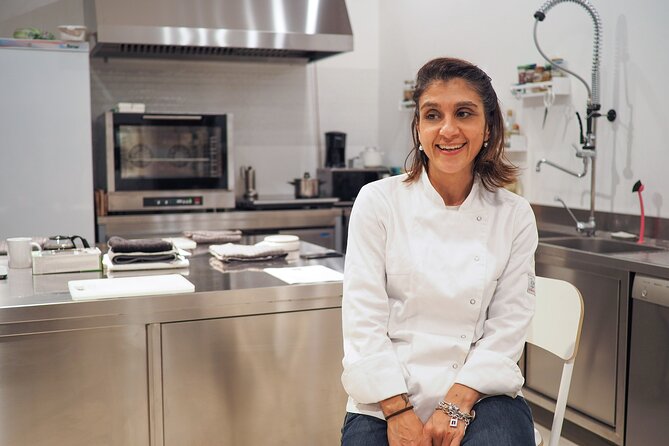
- Chef Ilaria’s teaching style focuses on technique and timing while you’re doing it
- Three-course meal at the end, paired with Italian wine and spirits
- Recipes provided at the end, so the class keeps paying off after you go home
Inside Chef and the City in Milan: a real cooking lesson, not a performance
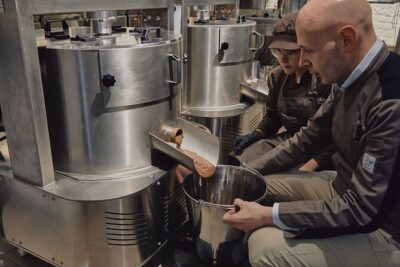
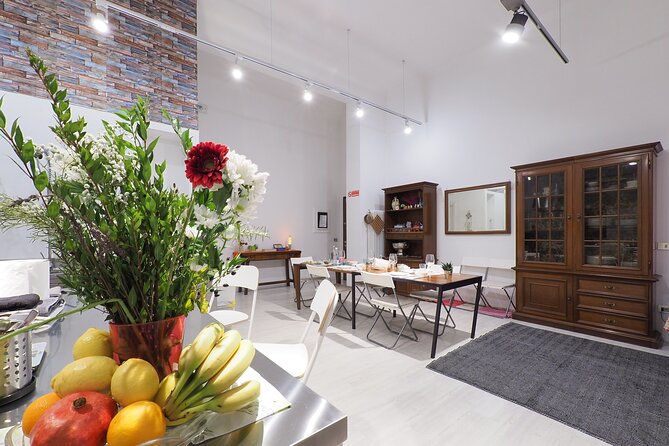
If you’ve ever taken a cooking class that felt like a demo you watched from a seat, this one pushes you into the action. The kitchen is set up like a working lab, and you’ll cook alongside the chef rather than just stand nearby for the fun parts. The tone is professional but not stiff. You can ask questions, take notes, and follow along at your own pace as the group moves through each course.
What surprised me most, even just from the way people describe it, is how much emphasis there is on technique. It’s not only what you cook. It’s how you build flavor and structure: texture in dough, timing in cooking, and the logic behind each step. That’s the difference between eating Italian food and actually learning Italian cooking.
Also, the class is capped at 20 people, which matters in a hands-on environment. You’re not lost in a crowd. And many sessions feel intimate in practice, because the kitchen flow is designed for everyone to participate.
You can also read our reviews of more cooking classes in Milan
The meeting point: street-level kitchen vibes and easy access
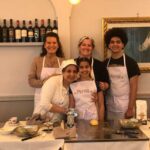
You’ll meet at Via Laura Ciceri Visconti, 4, 20137 Milano (street level). Look for the three windows with the red CHEF AND THE CITY sign. You’ll ring the front door bell to get in.
Two practical notes:
- This is not a sit-down restaurant classroom. It’s a lab, so the layout is more like a real kitchen.
- You should plan to arrive with minimal hassle because luggage storage is not offered and you’re not allowed to carry luggage.
Good news: it’s near public transportation, so you don’t need to plan a complicated commute across Milan. Still, if you’re traveling with lots of bags, rethink what you bring for your class day.
What you actually cook: starter, first course, dessert (and you won’t know until you’re there)
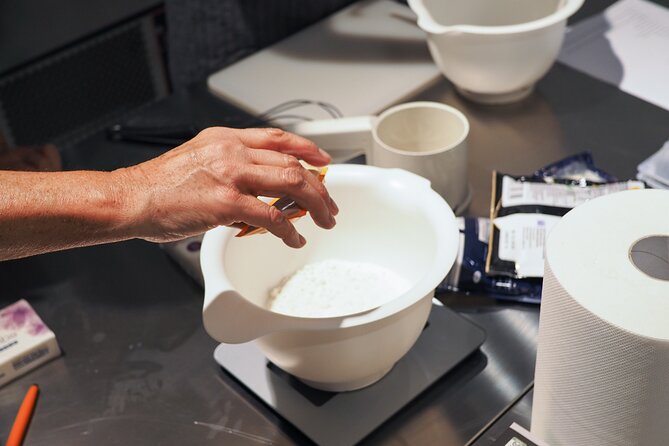
The class does something clever: you don’t get the full confirmed menu in advance. You’ll get a sample idea of what types of dishes you’ll make, but the exact pick happens once you’re in class. That’s why it works better than “pre-set” cooking tours—you’ll feel like you’re cooking that day’s Italian tradition, not rehearsing someone else’s itinerary.
Starter: bruschetta, focaccia, parmigiana, and similar Italian favorites
For the appetizer course, you might make things like bruschetta, focaccia, or parmigiana, and the common thread is this: you’re doing it from scratch and typically by hand. That means you’re not just assembling toppings on something pre-made. You’re learning the handling and the logic—especially with dough-based items (like focaccia) and layered dishes (like parmigiana).
Why this is valuable: starters teach you fundamentals. You’ll practice how Italian cooks think about balance. Bread/dough texture matters. Sauce or seasoning matters. Even simple dishes get better when you learn the technique instead of copying a restaurant style.
One real bonus: people consistently describe the class as fun and welcoming, and the starter work is often where beginners feel momentum fastest.
First course: fresh pasta or handmade dumplings
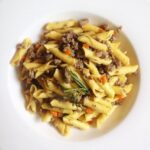
The main course is where the class shows its muscle. You’ll make fresh pasta or handmade dumplings by hand, with options like gnocchi, tagliatelle, or ravioli. After forming the pasta, you’ll also work on a dressing/sauce together (the exact plan depends on the class).
If you want the most “I can do this” takeaway, focus here. Pasta-making is equal parts science and feel. Learning how dough behaves and how cooking timing changes the end result is the skill that transfers to other Italian dishes. Even if you don’t become a pasta person every week, you’ll come away with better cooking instincts.
People mention particularly enjoying the pasta work—especially when it’s taught clearly and you’re not stuck waiting for someone to pass tools to you.





Dessert: tiramisu, cantucci, pan meino, chocolate tortini, and more
Dessert rounds everything out with Italian comfort. You might make tiramisu, cantucci, pan meino (Milanese-style), or chocolate tortini. Like the starter and main, the exact choice can vary, but you’ll learn the method while you’re actually assembling it.
This is a sweet spot for learning because dessert often looks fancy in restaurants but is very teachable with the right pacing. You’ll also get to see how Italian dessert textures depend on timing—like soaking, layering, and bake/cool steps.
If you’re the kind of person who always saves dessert first, this course gives you a chance to stop guessing and start understanding.
Hands-on cooking tools, apron, and a kitchen that expects participation
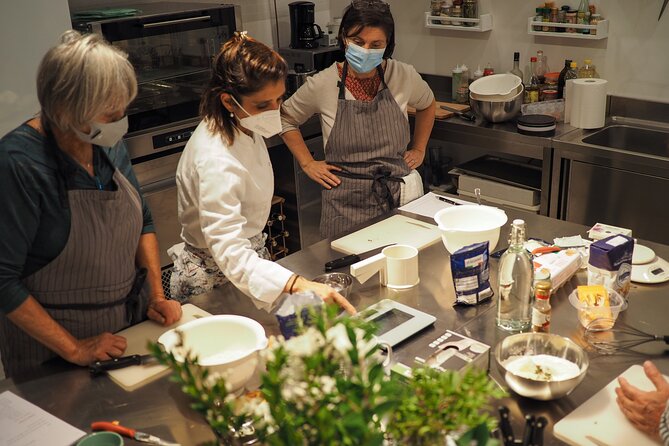
You’ll be equipped with an apron and all cooking tools you need for the course. That’s one less thing to worry about before you arrive.
And the class approach is built for participation:
- You’ll prepare the dishes with direct assistance from the chef.
- You can ask questions while you work.
- Notes are encouraged, so you don’t rely only on memory.
Many people also highlight how organized the kitchen is and how clean it feels. That matters. When you’re learning dough, sauce, and desserts, a well-run space reduces stress and helps you focus.
The food you eat with the wine: three courses plus a proper Italian finish
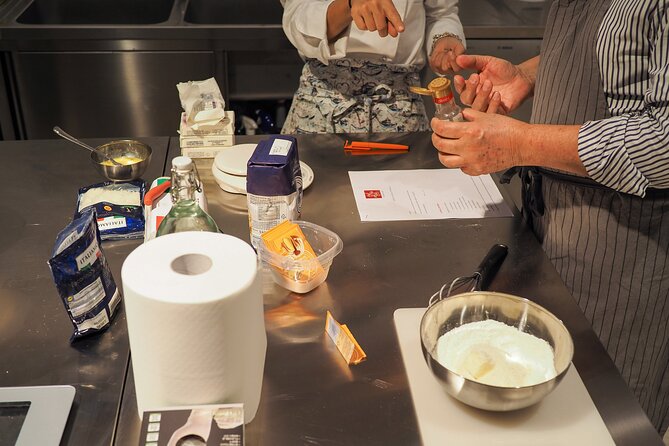
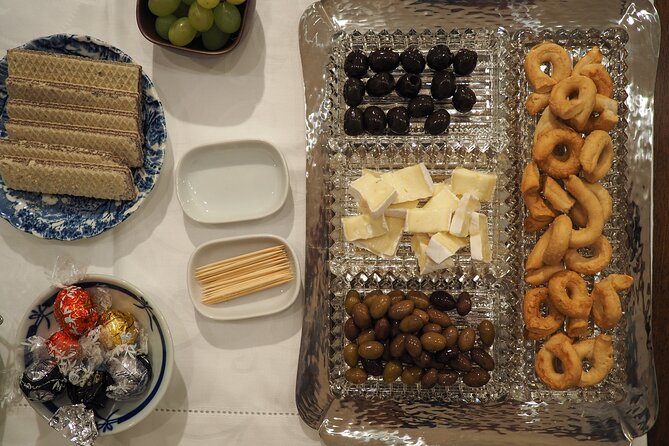
At the end, you eat what you made. This is not a “watch your chef taste” setup. You’ll sit down for a three-course meal—starter, main, dessert—paired with Italian wine and spirits. You’ll also get snacks at the start, plus coffee and/or tea, and bottled water (natural and sparkling).
About the wine: shared pours, not guaranteed unlimited
Here’s the one part worth paying attention to. The class includes wine as part of the shared meal, but it’s not positioned as unlimited. In one clarification, it’s described as a bottle shared among a small number of guests, with the option to pay extra for more if you want more alcohol. So if your plan is wine-first, you’ll want to adjust expectations.
Also, keep in mind that alcohol included in a class can work differently depending on the time slot and group flow. The safest move is to assume the wine is part of the dinner experience, not endless refills for everyone.
Price and value: what $82.27 buys you in real terms
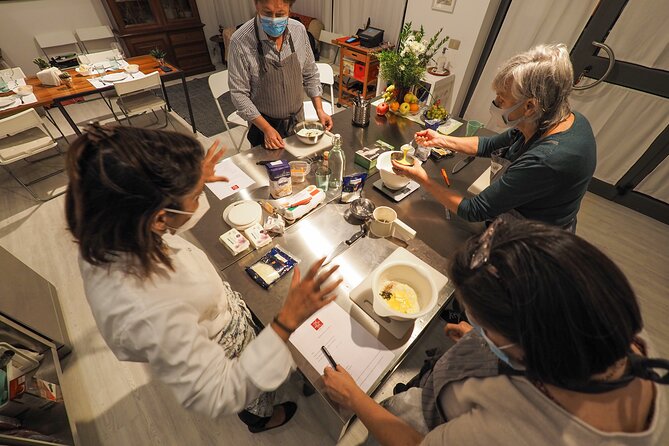
At $82.27 per person for about 3 hours, you’re paying for more than dinner. You’re paying for:
- guided, hands-on technique across multiple courses
- use of tools and an apron
- a chef-led lesson that teaches method and timing
- a sit-down meal you cooked, plus wine/spirits
- recipes delivered at the end, so your learning doesn’t end when the class ends
In Milan, restaurant meals can add up quickly, and cooking classes often cost more when they include a full meal. Here, the pricing feels fair because you get the lesson and the meal in the same timeframe, and you leave with materials to reproduce at home.
Also, the class is scheduled around a real group size (max 20). That usually keeps costs controlled compared with private sessions, while still giving you one-on-one help when you need it.
Group size, pace, and the shared-class reality
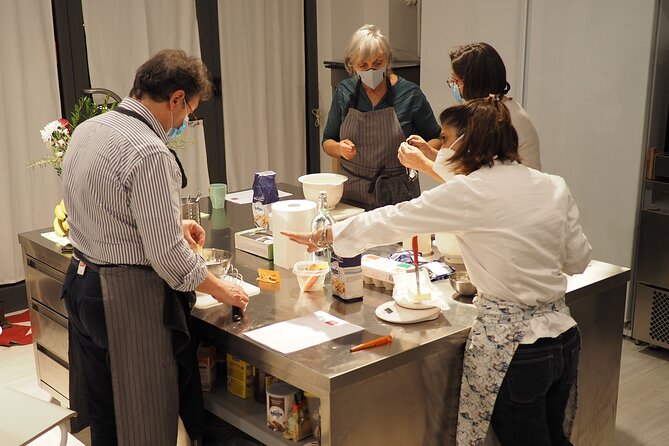
This is a shared experience, so group dynamics matter. The chef needs everyone’s attention during key instruction moments, especially when you’re working with dough, sauce timing, and dessert steps. You’ll likely be cooking with a small kitchen team, and the class works best if you follow the flow and don’t wander off-task.
On the plus side, many reviews highlight that everyone is included in tasks, and the chef is energetic and engaging. On the caution side, if you’re the type who wants nonstop conversation during instruction, you might find yourself waiting for quieter moments.
The good news is that the structure still feels relaxed. You’re not being graded. You’re being taught.
Chef Ilaria (and other chefs you might meet): teaching energy and clarity
Chef Ilaria comes up again and again in the feedback, often described as warm, patient, and funny in a way that keeps learning from feeling heavy. People note that she explains techniques clearly and keeps the room moving.
There are also mentions of other chefs in some sessions (like Alessandro), with the same general idea: knowledgeable, friendly, and focused on getting you cooking.
If you’re worried about language barriers, the experience is offered in English, and the teaching style appears to balance technique talk with room management so you can follow along.
What to do before you go: small prep that makes the class smoother
You can’t control which exact menu you’ll get, but you can control how ready you are to cook it. I’d do these things:
- wear clothes you don’t mind getting a little messy (even with an apron)
- come hungry—starter-to-dessert in one sitting is part of the point
- keep your schedule around the meeting time; the class is about 3 hours, and you’ll want to stay for the full meal
- plan on taking notes so you can reproduce the steps later
Also, since smoking is prohibited and animals aren’t allowed, the environment is built for a clean, focused kitchen experience.
Take-home recipes: the real souvenir
The biggest “long-term value” detail is that all recipes are delivered at the end. That means you’re not just buying a fun afternoon. You’re leaving with a practical set of instructions you can use for friends and family.
This is where the class earns its keep. Anyone can eat pasta in Milan. Not everyone learns how to make it—and even fewer have recipes they can actually follow later.
A realistic drawback list (so you don’t get blindsided)
No experience is perfect. Based on the information and feedback patterns, here are the main considerations to keep in mind:
- The menu can vary from the sample list. If you go in expecting one specific dish, you might be disappointed.
- Flavor is subjective. Some people may find a dish mild if they prefer stronger seasoning styles.
- The class is hands-on, and that means it follows a process. If you want a totally free-flowing social event, the shared instruction moments may feel a bit structured.
- Wine is included, but it’s shared. If you want heavy drinking as the main goal, this may not match your expectations.
Should you book this Italian cooking class in Milan?
Book it if you want a hands-on Italian cooking skill session in a compact timeframe. It’s ideal if you like learning technique, don’t mind sharing a kitchen with other participants, and want a full meal that you actively made—starter, pasta/dumplings, and dessert—plus the recipes to take home.
Skip or adjust your expectations if:
- you only care about one exact dish (because the menu is revealed once you arrive)
- you expect unlimited wine pours as part of the base price (wine is included, but it’s served as a shared meal component)
- you’re traveling with luggage and need storage (there’s no luggage storage and you can’t carry luggage)
If your goal is to leave Milan with more than photos—if you want something you can reproduce—this class is one of the most practical ways to spend a few hours in the city.
FAQ
How long is the cooking class in Milan?
The experience runs for about 3 hours.
Do I choose the menu before I arrive?
No. You’ll only learn what you’ll cook once you’re in class. The sample dishes are examples of the types of starter, main, and dessert you may make.
What dishes might be included?
The starter can include items such as bruschetta, focaccia, or parmigiana. The main is typically fresh pasta or handmade dumplings (like gnocchi, tagliatelle, or ravioli). Dessert can include tiramisu, cantucci, pan meino, or chocolate tortini.
Is wine included?
Yes. The experience includes Italian wine and spirits with the meal. It is described as shared rather than unlimited, and you can request more by paying extra.
What’s provided for cooking?
You get an apron and all cooking tools included in the course.
Where do I meet, and is there luggage storage?
Meet at Via Laura Ciceri Visconti, 4, 20137 Milano, street level. You should ring the front door bell and look for the red CHEF AND THE CITY sign. Luggage storage is not included, and you’re not allowed to carry luggage.