REVIEW · MILAN
Small Group Cozy Cooking Class in a Typical Milanese Home
Book on GetYourGuide →Operated by FollowMi Around · Bookable on GetYourGuide
Cooking in a real Milan apartment beats restaurants. This class brings you into the day-to-day rhythm of Milanese home cooking, hosted by chefs like Chiara, and you learn classic Italian dishes instead of just watching. I love the hands-on focus, from making fresh tagliatelle to finishing with tiramisu.
I also like the way the meal is built around what you cook: a welcome aperitivo with typical Italian products, wine served throughout, then you sit down for a family dinner with the group. One practical consideration: you need to make your own way to the meeting point (the bell Alegi) since there is no hotel pickup.
In This Review
- Key reasons this cooking class works so well
- A Milan apartment cooking class with a real sense of place
- Getting started at the bell Alegi (and why it matters)
- Tagliatelle hands-on: where the real skill is
- Ragù the Italian way: comfort food with technique
- Tiramisu: the sweet finish you can actually copy
- Aperitivo and wine: dinner energy without the restaurant formality
- The family dinner: eating what you made together
- What you get for the price (and why it’s not just a budget class)
- Language options and communication in the kitchen
- Who this cooking class fits best
- A few things to keep in mind before you go
- Should you book this Milan cooking class?
Key reasons this cooking class works so well
- Maximum 6 people means real attention, not a demo with a few flour tosses
- You learn tagliatelle, ragù, and tiramisu with ingredients and guidance included
- Welcome aperitivo + wine throughout keeps the evening relaxed and social
- Family dinner in a chef’s apartment gives you a slice of Milan life
- Hosts like Chiara can make the whole thing feel comfortably at home, even for smaller groups
A Milan apartment cooking class with a real sense of place
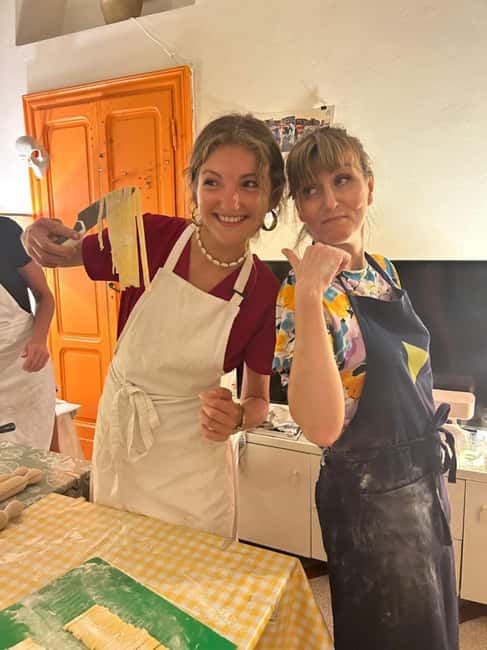
Milan is famous for fashion and speed, but it also has a slower side that shows up at the kitchen table. This small-group class takes place in a typical Milanese apartment, inside a chef’s space in the heart of the city. It’s the kind of setting where you notice details quickly: the pace of conversation, the comfort of shared plates, and how food is part of everyday life.
What I find especially useful is how the format is designed for you to actually learn. You’re not just given a recipe and told good luck. You get step-by-step instruction on classic dishes, plus the practical know-how needed to repeat them later.
And because the group is limited to 6, you get a calmer room and more time with the host. If your group ends up smaller than expected, you can expect even more personal guidance, which is a big deal when you’re learning pasta by hand.
You can also read our reviews of more cooking classes in Milan

Getting started at the bell Alegi (and why it matters)
The experience begins at a clear meeting spot: the bell Alegi, and it ends back there when you’re done. It’s a simple setup, but it does mean you should plan on navigating independently to and from the apartment.
Since hotel pickup and drop-off are not included, build in a little buffer time. Milan streets can be busy, and apartments can be a short walk from where you park or leave the subway. If you’re the type who likes to arrive early, you’ll feel less rushed and you’ll start cooking without that pre-class stress.
The upside: you’ll get a small preview of the city’s rhythm on your way there. The downside: you can’t count on door-to-door convenience, so check your route before you leave.
Tagliatelle hands-on: where the real skill is
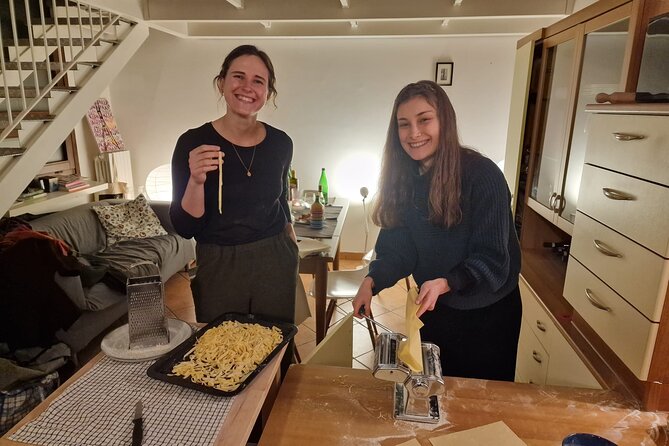
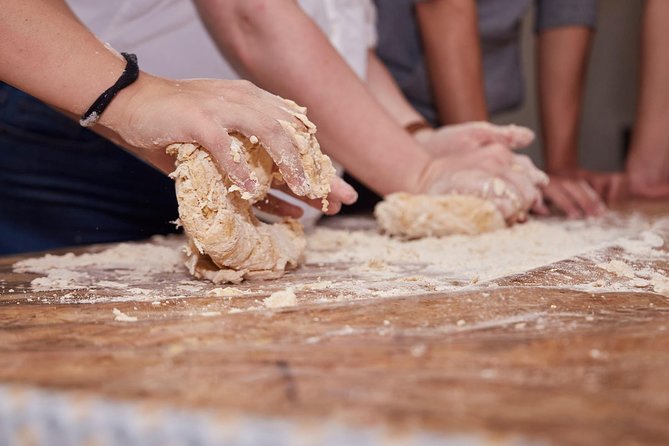
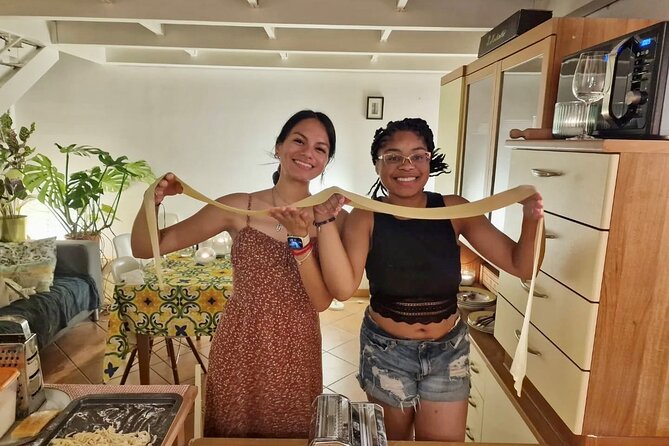
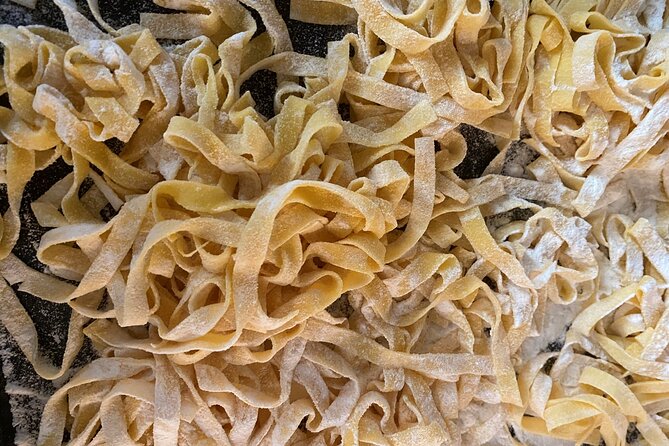
Fresh pasta is often the highlight people remember, and here you learn to make homemade tagliatelle from scratch. The class is structured so you follow the process step by step, with the chef guiding each stage. You’ll learn the techniques that turn basic ingredients into a dough you can shape and a pasta you can actually be proud of.
I like this part because it’s not mystery work. When you learn pasta with a person beside you, you can correct small issues in real time, like dough consistency and shaping. And the recipes you receive matter, since the goal is not only to cook tonight but to repeat the dishes later at home.
You’ll also be working with high-quality ingredients, which makes a real difference for pasta texture and sauce pull. Even if you’ve cooked before, it’s valuable to learn the Italian approach to standard dishes, not just your own method.
Ragù the Italian way: comfort food with technique
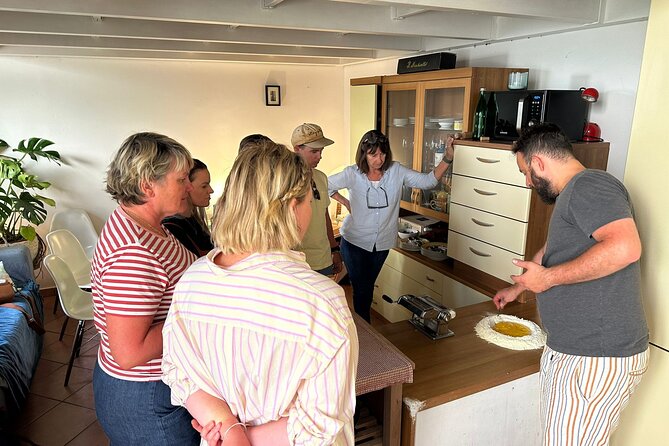
After the pasta, you move into a classic ragù. Ragù can sound straightforward, but the Italian versions are all about method: time, heat, and balance. In this class, you’ll follow the chef’s guidance to build a sauce that coats tagliatelle properly, with enough depth to make the whole plate feel complete.
The practical win for you is that you get a clear sense of how ragù works as a partner to fresh pasta. With dry pasta, you can sometimes get away with a simpler sauce. With homemade tagliatelle, you want a ragù that clings and holds its character on the fork.
If you’ve had good Italian food before, you’ll recognize the difference immediately. If you haven’t, this is one of the easiest ways to understand why people get passionate about their regional cooking.
Tiramisu: the sweet finish you can actually copy
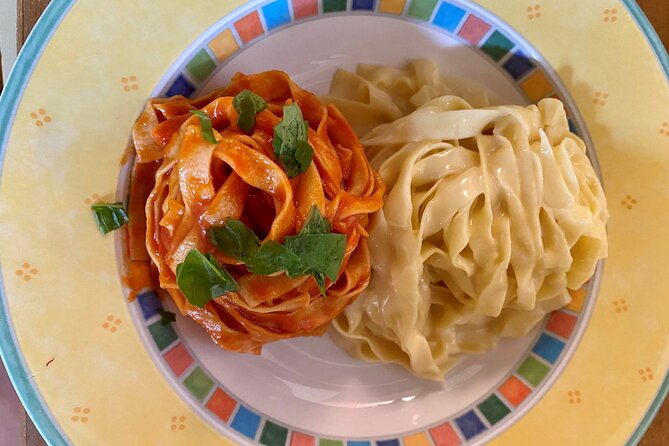
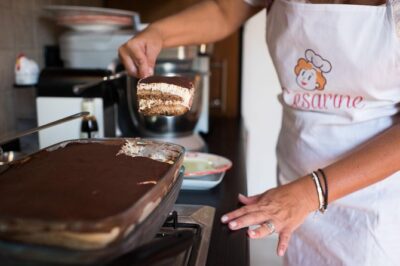
Every Italian cooking class needs a dessert, and here it’s tiramisu, Italy’s most famous one. You’ll learn how to prepare it as part of the workshop, and the ingredients for the main pasta dish and the dessert are included.
Tiramisu is also a great test of whether a class is truly hands-on. The layering and timing matter, and learning it in a kitchen setting with the host explaining what to watch for is far easier than trying to decode a recipe later.
You’ll end the evening not just with a plate, but with a full sense of what makes tiramisu work. That means next time you make it, you’ll know what you’re aiming for.
You can also read our reviews of more tours and experiences in Milan





Aperitivo and wine: dinner energy without the restaurant formality
Before (and during) cooking, you’re welcomed with a welcome aperitivo featuring typical Italian products. Wine is served throughout the workshop, with both red or white available, and water is included too.
This is one of those details that sounds casual, but it changes the whole feel of the evening. When a class includes drinks and food in that rhythm, it stops feeling like a formal lesson and starts feeling like a shared night in someone’s home. Conversation flows easier. The kitchen doesn’t feel like a classroom.
It’s also good to know that soft drinks are included for kids, so families have a built-in non-alcohol option.
A small word to the wise: if you’re planning to walk around afterward, moderate your pace with the wine. You’ll still be in an apartment setting, and you’ll likely want to enjoy every bite without rushing.
The family dinner: eating what you made together
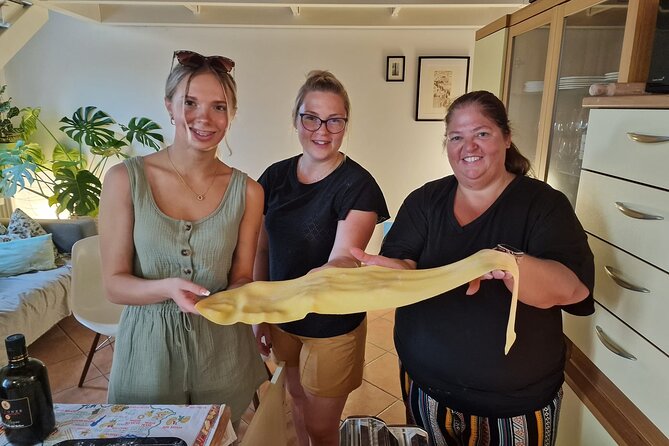
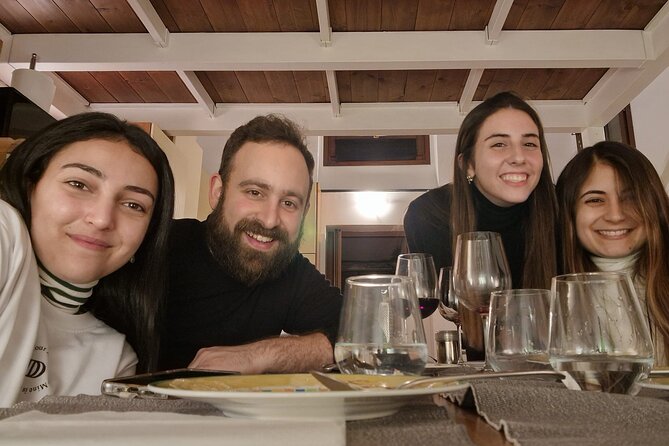
At the end, you sit down with the other members of the group to enjoy the results of your work. This is the moment that makes the whole class click. You’re not waiting in line at a restaurant or relying on someone else’s cooking. You’re eating your own tagliatelle and ragù, plus the tiramisu you prepared.
In a small group, this can turn into a genuinely friendly evening. The experience is designed for people to chat while they cook and then share the table at the end. If your group is smaller than the maximum, it often feels even more personal, since the chef can spend more time with each person.
For value, this matters more than people realize. A cooking class that ends with a proper meal is giving you both a skill and an experience. You’re not only paying for instructions; you’re paying for dinner done your way, in a real setting.
What you get for the price (and why it’s not just a budget class)
The price is $100.82 per person for a 3-hour experience. That number can look high at first glance, especially if you’re comparing it to a quick food tour. But here’s the breakdown of what’s actually included:
- Ingredients for a main dish (fresh pasta) and tiramisu
- Wine served throughout the workshop (red or white)
- Water and soft drinks for kids
- A welcome aperitivo with Italian products
- A family dinner at the end
- Access to the chef’s apartment in central Milan
When you add up that mix—food ingredients, wine, and a full sit-down meal—the price starts to make more sense. You’re getting a complete evening, not just a short demonstration. Plus, the small group size (maximum 6) means the chef’s attention is spread thin in a good way.
If you love Italian food and you want a hands-on skill you can bring home, this tends to feel like better value than a pure sightseeing activity. If you only want one dish tasted quickly, then it may feel like more money than you expected.
Language options and communication in the kitchen
The instructor is listed as English, Italian, and French. That’s important because cooking is hands-on, and good communication helps you get it right. Even if you’re not fluent, the combination of instruction and visible technique should guide you through.
If you want the smoothest experience, choose the language you’re most comfortable following while cooking. The class involves steps where small changes matter, like dough handling and dessert assembly.
Who this cooking class fits best
This class is ideal if you want a practical slice of Italian culture that happens in a real kitchen. It’s a great fit for couples, friends, and small groups who enjoy food and want a more personal evening than a big restaurant table.
It’s also a good option if you’re the type who likes to take skills home. Homemade pasta and tiramisu aren’t just souvenirs; they’re repeatable dishes. The chef provides recipes, so you’re not leaving empty-handed.
If you’re traveling with kids, note that soft drinks are included, and the workshop setup supports families as part of the included options.
A few things to keep in mind before you go
- You’re cooking in an apartment, so plan on being comfortable in a home-style space rather than a commercial kitchen.
- Expect a full 3 hours focused on pasta and dessert, plus aperitivo and dinner. Eat beforehand only if you have a strong reason; coming hungry helps.
- You can request special dishes, but that comes with a different price. If you have dietary needs, contact in advance so the chef can advise what’s possible.
Should you book this Milan cooking class?
If you want more than a meal and you like learning real technique, I’d say yes. The combination of small group size, hands-on tagliatelle and ragù, and tiramisu plus a full family dinner makes it a strong value for your evening in Milan.
I’d skip it only if you strongly prefer restaurant dining over cooking, or if you don’t want to travel on your own to the meeting point (bell Alegi) since hotel pickup is not included. Also, if you’re short on time, 3 hours is a real chunk, so make sure it fits your schedule.
If you book, go in with a simple plan: bring curiosity, keep your energy up, and expect to leave with recipes you’ll actually use back home.