REVIEW · MILAN
Milan: Traditional Pasta and Tiramisù Masterclass
Book on GetYourGuide →Operated by Il Teatro della Pasta di Pietro Visconti · Bookable on GetYourGuide
Fresh pasta and tiramisù, made for real.
This Milan class is hands-on from the first knead to the last spoonful, led in English by a Pasta Maestro at Il Teatro della Pasta di Pietro Visconti. I love that you’re not just watching tricks: you’ll make pasta dough and shape dishes like ravioli and spaghetti (and more), then learn the tiramisù method you can actually repeat at home. I also like the payoff: you sit down afterward for a cozy 3-course lunch or dinner with wine, in a family-style atmosphere.
One possible drawback to plan for: the experience is listed as 3 hours, but the flow can run a bit long in real life when everyone is chatting and cooking together, so give yourself some schedule wiggle room.
In This Review
- Key things I think you’ll care about
- Why fresh pasta and tiramisù in Milan beats the usual food stop
- The setting: an Italian home kitchen in the heart of Milano
- Meeting point: how to find the place when doors look open
- Cooking session flow: pasta maestro technique, step by step
- Why the pasta-making part is the real value
- What about language and questions
- Tiramisù in a Milan kitchen: the method behind that perfect slice
- What you’ll likely take from the tiramisù portion
- The 3-course lunch or dinner and wine: communal dining, Italian-style
- Recipes to take home: what you can realistically repeat
- Price and value: is $93 per person worth it
- Who should book this class, and who might want a different plan
- FAQ
- FAQ
- What is the duration of the Milan pasta and tiramisù masterclass?
- What language is the instructor?
- Where is the class located?
- What does the price include?
- Will I learn both pasta and tiramisù?
- Can you accommodate dietary restrictions?
- How do I find the meeting point?
- Is there free cancellation?
- Is this experience wheelchair accessible?
- Should you book this Milan pasta and tiramisù masterclass?
Key things I think you’ll care about
- Hands-on fresh pasta: you learn dough, shaping, and basic technique you can reuse later.
- English instruction: guides like Vincenzo, Pietro, and Luisa have led sessions in clear, friendly ways.
- Tiramisù with real method: not just a recipe, but how to assemble it so it sets right.
- Eat together, not in shifts: you finish with a 3-course meal and wine that turns the class into a proper get-together.
- Recipes to take home: you leave with what you need to impress friends back home.
Why fresh pasta and tiramisù in Milan beats the usual food stop
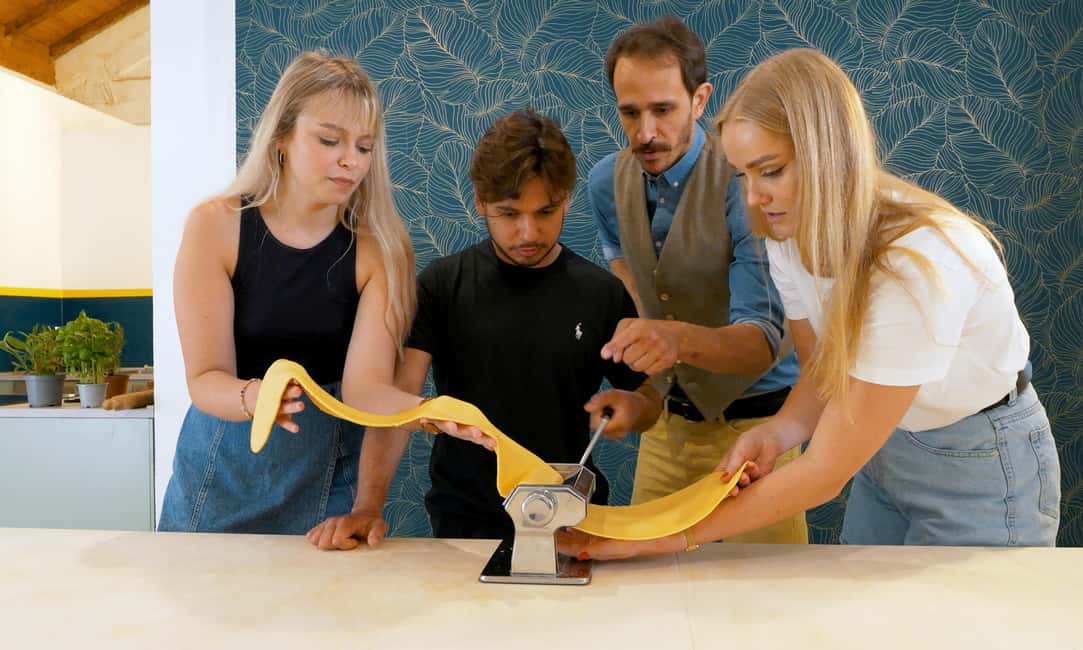
If you love Italian food, you already know Milan can feel like a lot of museums and metro lines. This experience swaps the typical check-list day for something more tactile. You get flour on your hands, then you get to eat what you made. That simple cause-and-effect is the point.
The best part is that it’s not a performance. It’s a working kitchen rhythm: prep, practice, adjust, taste, and try again. That’s how you learn pasta beyond the basics. And with tiramisù, technique matters more than people expect. Even if you think you know tiramisù, you’ll likely learn a more reliable way to build it and time it.
You can also read our reviews of more cooking classes in Milan
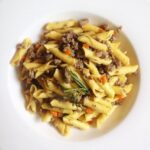
The setting: an Italian home kitchen in the heart of Milano
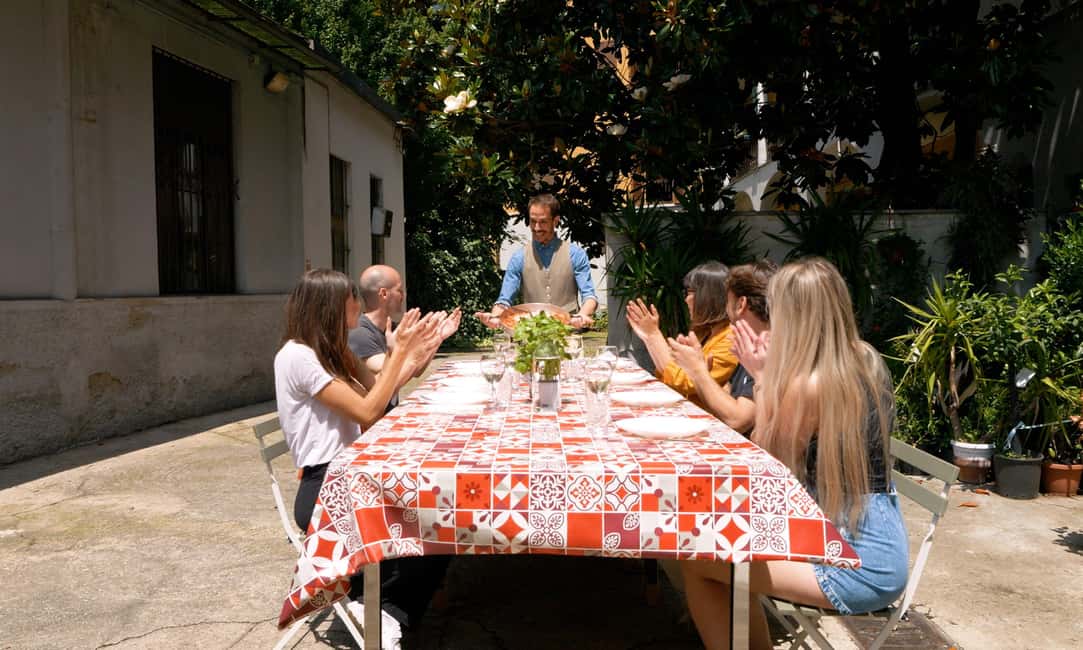
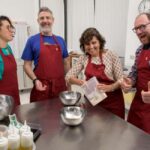
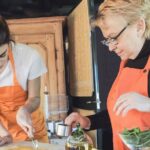
This class takes place in a Milan location described as designed exclusively for pasta lovers, with a warm, family-style setup. Think: you’re stepping into a real home atmosphere, not a sterile demo room. You’ll cook together, then share the meal together, which makes it easy to talk with the people next to you.
From what I’ve seen in how these classes are run, this kind of venue matters. A home-kitchen feel usually means:
- less rushing,
- more patient teaching,
- and more willingness to ask questions.
Also, the host-instructor set the tone. Multiple guides have led sessions, including Vincenzo, Pietro, and Luisa, and the common thread is how they make everyone comfortable while still running a smooth kitchen pace.
Meeting point: how to find the place when doors look open
Once you reach the location, you’ll buzz the entry-phone at the entrance of the building: 38-ITDP, even if you see the door open. It’s a small detail, but it saves time and confusion, especially in a city where “open door” doesn’t always mean “entry allowed.”
If you’re arriving on foot, aim to get there a few minutes early. The kitchen experience starts with people settling in and getting their bearings, and you don’t want to feel rushed before you’re putting your hands in the dough.
Cooking session flow: pasta maestro technique, step by step
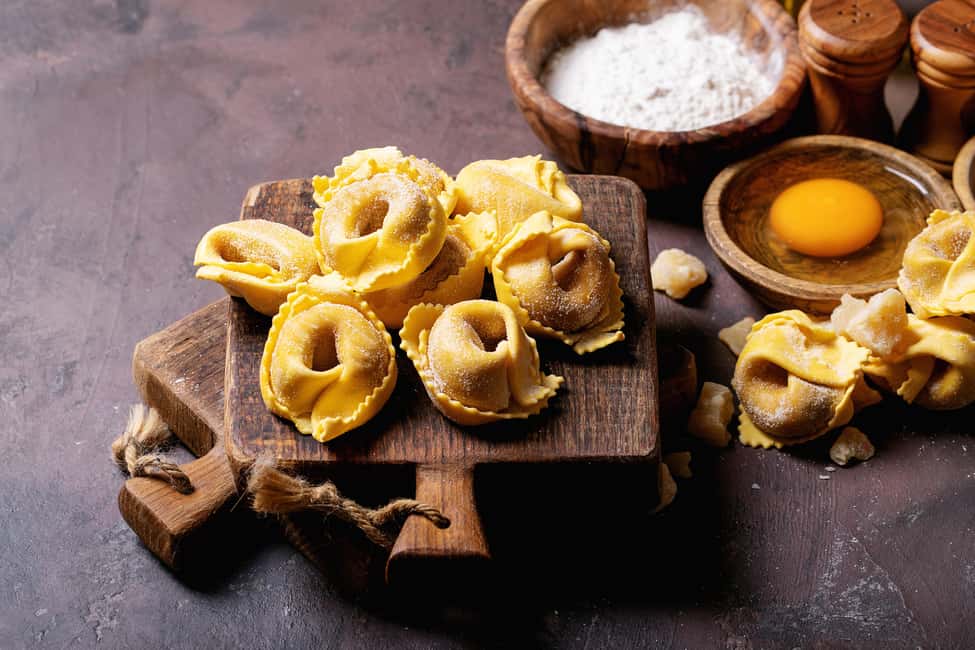
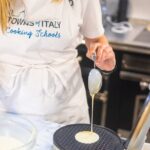
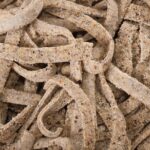
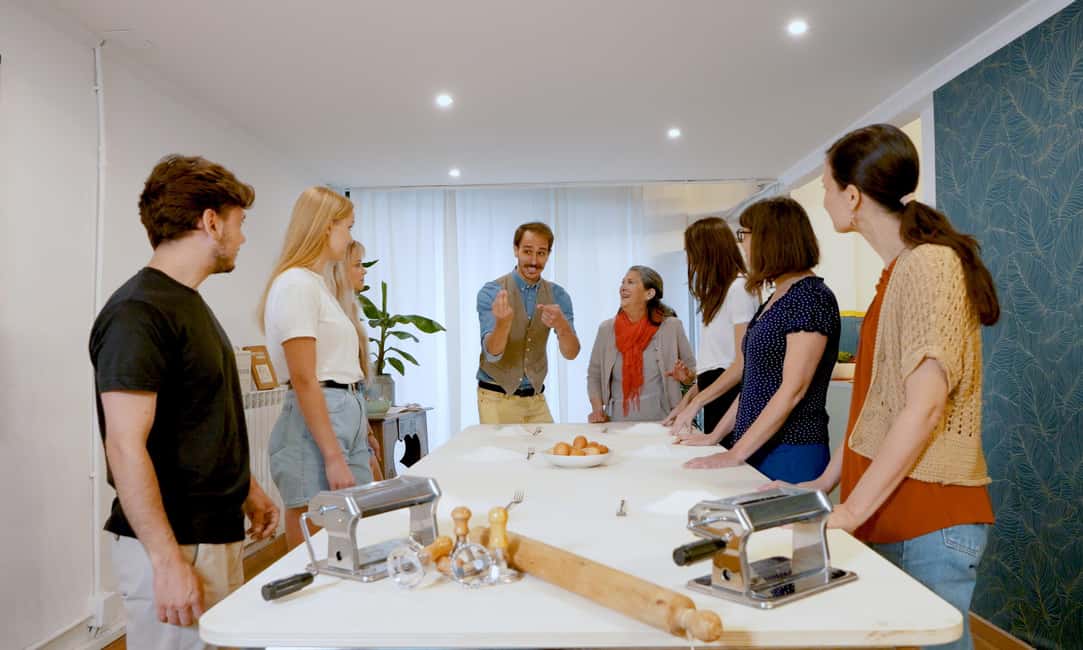
You’ll work with a professional pasta instructor and follow a guided process to make fresh pasta. The class centers on traditional pasta skills, and you can expect to practice shaping types such as:
- ravioli
- spaghetti
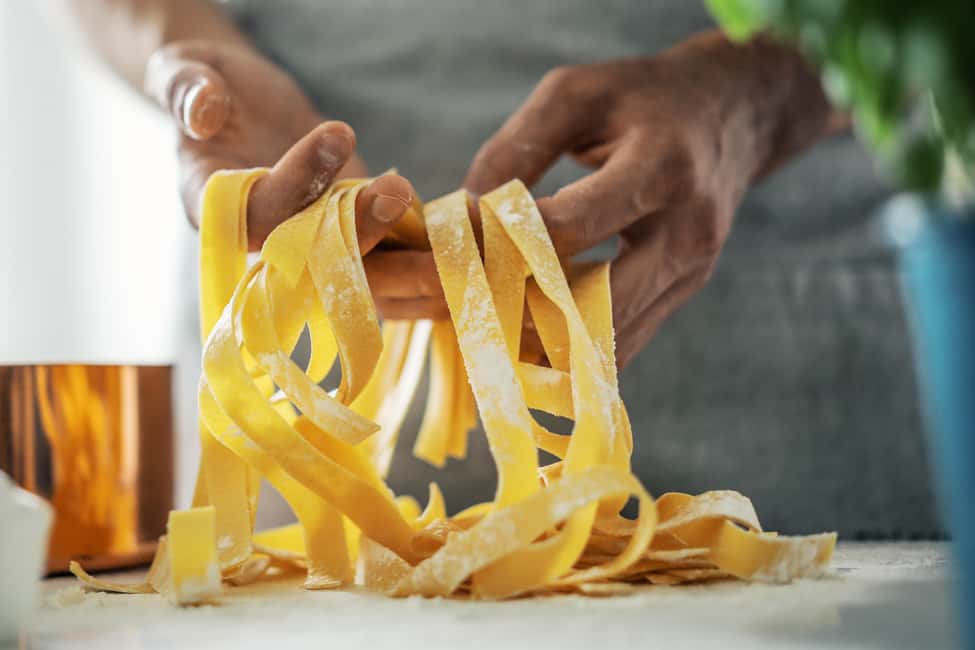
- fettuccine
- plus other pasta forms depending on the session
Even if you’ve never rolled dough before, the teaching style is designed for first-timers. The structure tends to build in small wins:
- You learn how the dough should feel.
- You handle rolling/cutting.
- You shape each portion.
- You learn what to do while the pasta cooks and how to keep portions consistent.
Why the pasta-making part is the real value
A lot of cooking classes only teach you “what to do” in the moment. This one focuses on “how to judge.” Fresh pasta dough changes with humidity, flour type, and how long it’s been exposed. When the guide helps you understand what good dough feels like, you’ll be able to fix issues later at home instead of following a recipe blindly.
This is also where teamwork matters. Many sessions are set up so you work together on different steps, which makes the cooking faster and more fun. You’re not stuck waiting around; you’re contributing.





What about language and questions
The instructor is English-speaking, and the hosts have been praised for being friendly, organized, and good at sharing explanations and kitchen tips. If you’re the type who asks a lot of questions, this is a good fit, because the format supports interaction rather than silence.
Tiramisù in a Milan kitchen: the method behind that perfect slice
After the pasta work, the focus shifts to tiramisù. This class treats tiramisù like a craft, not a shortcut dessert. You’ll learn the legendary method passed down through generations, and the goal is to understand how to assemble it properly so it sets into the right texture.
One detail I really like about a tiramisù lesson is that it forces you to think about timing. The dessert isn’t just ingredients; it’s layers, absorption, and patience. When you make it yourself, you start to see why some tiramisù tastes watery and others tastes balanced.
What you’ll likely take from the tiramisù portion
You should leave with practical understanding of:
- how the filling should feel before assembly,
- how to layer without breaking the structure,
- and how the dessert’s texture changes after it sits.
That’s the difference between having a recipe card and actually having confidence.
The 3-course lunch or dinner and wine: communal dining, Italian-style
After cooking, you’ll enjoy what you made during a cozy sit-down meal. The class includes a 3-course lunch or dinner, plus local wines. Wine is included as 1 bottle per 2 people, which is enough to make the table feel celebratory without turning it into a party marathon.
The group meal is where the experience becomes more than food. Milan can be a social city if you know how to tap in, but alone it can feel like an island of schedules. Here, everyone shares the same project, then eats together. That shared “we did this” energy makes conversation easy.
Also, this format tends to be forgiving. Even if your pasta shapes aren’t museum-perfect, the real win is you learn the process and then taste the results as part of a meal, not a judging contest.
Recipes to take home: what you can realistically repeat
You’ll leave with recipes, so you’re not going home with only memories. But the more useful part is learning the technique that underlies the recipes.
To make this lesson pay off, I suggest doing the first pasta attempt at home within a week or two. Fresh pasta is easier while your muscle memory is still fresh. Also, your tiramisù confidence will improve right away because the method is step-driven.
If you’re traveling with friends, this is a fun “bring us back” souvenir. Everyone can pick a course they want to repeat. Pasta night turns into a story night, and that’s where the value really sticks.
Price and value: is $93 per person worth it
At $93 per person for a roughly 3-hour class, the value depends on what you’re comparing it to.
Here’s what you’re actually getting:
- a hands-on cooking class with a chef,
- cooking equipment,
- a 3-course lunch or dinner,
- wine (1 bottle per 2 people),
- and tips plus take-home recipes.
When you factor in the meal and wine, this stops being only a cooking workshop. It’s closer to a guided culinary evening with a full food experience built in. In a city like Milan, where eating well is rarely cheap, the bundled format makes sense. You’re paying for the kitchen time, the instruction, and the dinner all together.
You’ll feel the value most if you:
- want to learn a skill (not just eat),
- plan to cook again at home,
- and enjoy meeting people while you do it.
Who should book this class, and who might want a different plan
This experience is best for you if:
- you love Italian food and want to learn what makes it work,
- you’re open to hands-on cooking (even if you’re a beginner),
- you want a social activity that ends with a proper meal,
- and you like learning from instructors who keep things clear and relaxed.
It may be less ideal if you:
- want a very quick hit with minimal cooking work,
- have tight timing and can’t handle a little schedule drift,
- or prefer large-scale sightseeing over small-group interaction.
One more practical note: you should tell the organizer about dietary restrictions ahead of time. They’ll try their best to accommodate, but it’s smart to communicate early so the menu planning is easier.
FAQ
FAQ
What is the duration of the Milan pasta and tiramisù masterclass?
The experience is listed as 3 hours, and it may take a little longer depending on how the group session flows.
What language is the instructor?
The instructor provides instruction in English.
Where is the class located?
The experience is in Lombardy, Italy, in the heart of Milano, at Il Teatro della Pasta di Pietro Visconti.
What does the price include?
It includes a hands-on cooking class with a chef, all equipment for cooking, a 3-course lunch or dinner, and local wines (1 bottle per 2 people), plus tips.
Will I learn both pasta and tiramisù?
Yes. You’ll make traditional fresh pasta and also learn a tiramisù method during the class.
Can you accommodate dietary restrictions?
Yes. Let them know any dietary restriction, and they will try their best to accommodate you.
How do I find the meeting point?
After you reach the location, buzz the entry-phone at the entrance with: 38-ITDP, even if you see the door open.
Is there free cancellation?
Yes. You can cancel up to 24 hours in advance for a full refund.
Is this experience wheelchair accessible?
Yes, it is wheelchair accessible.
Should you book this Milan pasta and tiramisù masterclass?
Yes, if you want a Milan experience that’s genuinely hands-on and ends with a meal you helped create. The instruction in English, the pasta-making focus, the tiramisù method, and the included 3-course lunch/dinner with wine make the $93 price feel like a real bundle rather than a skimpy “taste and watch” activity.
Book it especially if you like practical learning and social dinners. If your idea of travel is mostly fast sights, then this may feel like a slower day. But for anyone who loves good food and wants skills you can repeat, this is one of the smartest ways to spend a few hours in Milano.