REVIEW · MILAN
Milan Skyscrapers Guided Tour: Porta Nuova, Unicredit tower & Vertical Forest
Book on Viator →Operated by Raphael Tours & Events · Bookable on Viator
A modern Milan skyline can be explained fast. This guided architecture walk focuses on the Porta Nuova refresh tied to the 2015 World Expo, then links it to newer landmarks like Unicredit Tower and the Vertical Forest. You also get a food payoff at the end with a stop at Eataly.
I like two things a lot here: the way you connect design choices to real city change, and the fact that the tour includes a guided architecture context rather than just point-and-shoot photos. The route also feels practical, with a tight 3-hour flow through several standout neighborhoods.
One thing to consider: it’s a walking tour with a moderate fitness level, and Milan can get hot. If you’re sensitive to heat, wear breathable clothes and plan for slower pace moments—your guide can only control so much once you’re outside.
In This Review
- Key highlights worth your time
- First stop: Eataly Milano Smeraldo makes the plan feel easy
- Porta Nuova and the World Expo 2015 transformation you can actually see
- Corso Como at night energy, even during daylight explanations
- Piazza Gae Aulenti and the Unicredit Tower: what height means in Milan
- Isola’s “railing houses” and the Vertical Forest sustainability experiment
- The Eataly tasting finish: regional Italy in one stop
- What you really get from a private guide (and why that matters at this price)
- Where this Milan skyscraper tour fits best
- Practical tips for a smooth 3-hour walk
- Should you book this Porta Nuova, Unicredit Tower & Vertical Forest tour?
- FAQ
- How long is the Milan Skyscrapers Guided Tour?
- Where does the tour start and end?
- Is this a private tour?
- What are the main sights on the route?
- Is hotel pickup included?
- What should I know about fitness and walking?
- What’s included in the tour price?
- FAQ
- Can I cancel for a full refund?
- What happens if I cancel less than 24 hours before the start?
Key highlights worth your time
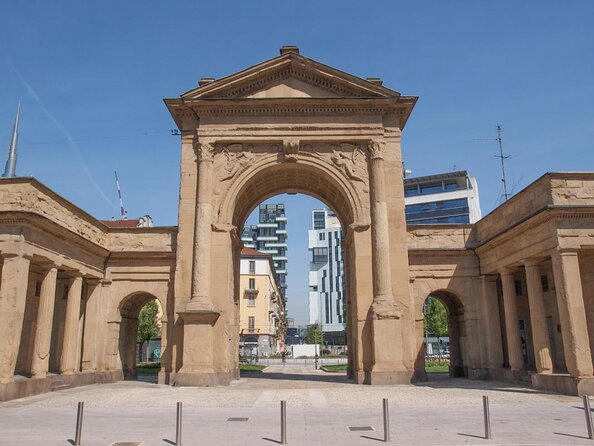
- World Expo 2015 renewal, explained street by street
- Porta Nuova terrace views from the new skyline
- Corso Como and Gae Aulenti Square with Unicredit Tower
- Isola’s “railing houses” and the Vertical Forest sustainability story
- End at Eataly Milano for a regional food sampler
First stop: Eataly Milano Smeraldo makes the plan feel easy
You start at Eataly Milano Smeraldo, at Piazza XXV Aprile. That’s a smart meeting point because it’s central, easy to recognize, and it keeps the whole tour anchored to something concrete: food and culture.
This matters because the rest of the day is about ideas—eco design, city renewal, and what “modern Milan” looks like at street level. Beginning at a place that already feels Italian sets the tone, and it also means you end back in the same spot without the usual mental math of where you’ll land.
If you want a smooth start, arrive a few minutes early and then let the guide take over. This is a private tour format, so you’re not stuck waiting around for a large group to assemble.
You can also read our reviews of more guided tours in Milan


Porta Nuova and the World Expo 2015 transformation you can actually see
The heart of the experience is Milan’s newer district: Porta Nuova. Here, the story centers on the major renewal project that kicked off around the 2015 World Expo—and how that reshaped one of the city’s skylines. Instead of giving you a history lecture from a distance, the guide points out how the district was rebuilt and why it changed the look of Milan.
One of my favorite parts of this kind of tour is when you can match a claim to a view. In Porta Nuova, that works because the skyline shift is obvious. You’ll also get perspective from scenic terraces—the kind of height that turns “I saw a tower” into “I understand the layout of the district.”
That terrace time is more than a photo opportunity. It helps you read the district’s geometry: where the buildings sit relative to each other, how open space is planned, and how the area feels designed rather than accidental. This is one reason architecture walks are worth paying for. You’re buying the ability to interpret what you’re seeing.
Potential drawback: terraces mean you’ll be exposed to sun and wind at certain times. Plan accordingly if you’re booking during peak summer heat.
Corso Como at night energy, even during daylight explanations
Next you move along Corso Como, described as a Milan landmark especially known by night. Even if your walk happens earlier in the day, you’re still getting the neighborhood vibe through the guide’s framing: this is where Milan’s modern, styled-for-the-world reputation shows up in urban space.
Why I like this stop: it bridges architecture and atmosphere. A district can look great in a brochure, but what you really want is how the place feels to walk in. Corso Como gives you that texture—street scale, movement, and the sense that the city is still actively “performing” itself.
Also, the tour doesn’t treat this as a random stroll. The guide uses the walk to transition you toward the next anchor point: the Gae Aulenti area, where the city’s most recognizable modern marker starts to dominate the skyline.
If you’re the type who gets impatient with slow narration, this is still manageable. The structure is built around specific stops and visual cues, not endless talking.
Piazza Gae Aulenti and the Unicredit Tower: what height means in Milan
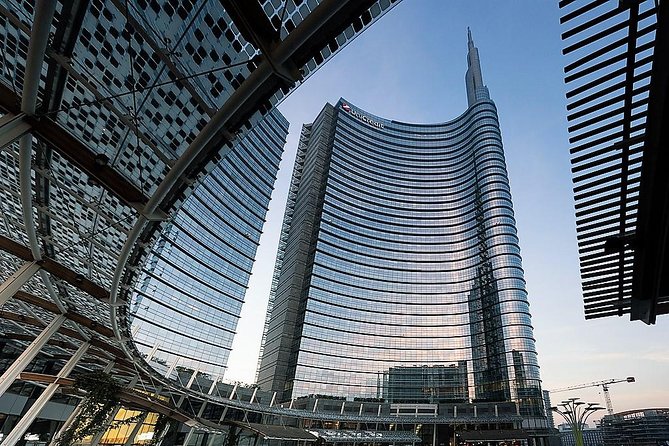
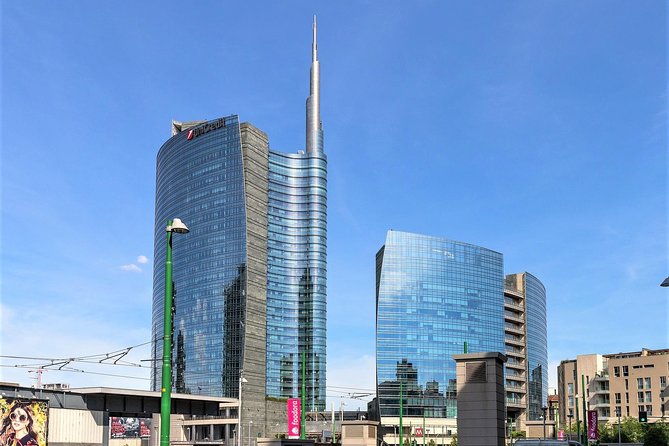
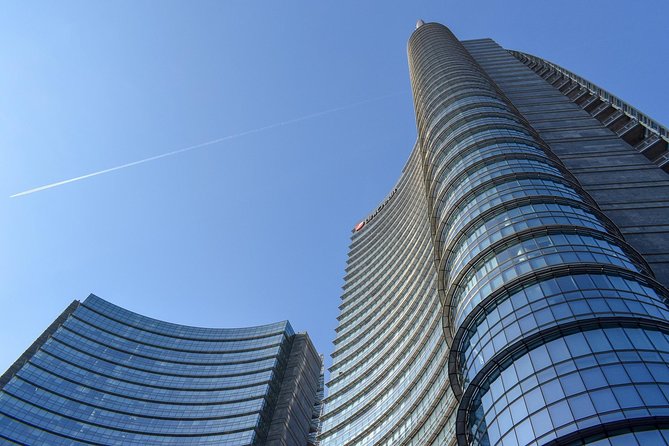
At Piazza Gae Aulenti, the skyline centerpiece arrives: Unicredit Tower. The tower is noted as one of Europe’s highest skyscrapers. This is the moment where the tour’s theme becomes unmissable—Milan going vertical, and doing it with a design logic that the guide ties back to broader city renewal.
Standing in the right public space near a major skyscraper can be disorienting. The guide helps you connect scale to purpose: why the tower sits where it does, how it changes sightlines, and how it shifts the feel of the surrounding district.
A practical tip here: pay attention to what the guide points out about angles and spacing. A skyline can look “all the same” if you’re just staring up. But when someone explains the layout, your photos get better, and your understanding clicks.
One more consideration: if you’re expecting a long time inside a tower, the data you have points more toward viewing and learning from the exterior/terrace viewpoints rather than a full interior experience. The value is in the architectural storytelling around these landmarks.
Isola’s “railing houses” and the Vertical Forest sustainability experiment
Then the tour shifts into Isola, an area described as historical and known for its unique “railing houses” with common galleries and courtyards. That’s an important contrast to the sleek new skyline zones you just saw. You’re not just chasing modern icons—you’re also watching older urban forms still shape the city.
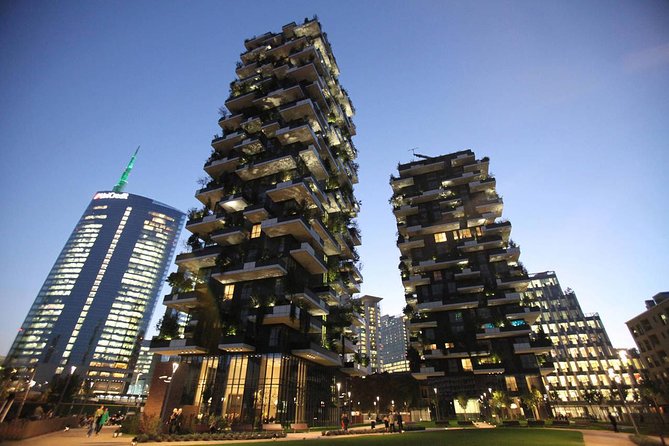
From there, you reach the Vertical Forest towers. These are presented as a top urban design project, recognized in 2016 as the most beautiful urban project of the World. And they’re not framed as a gimmick. The guide emphasizes the core idea: urban reforestation and biodiversity without expanding city territory.
Here are the environmental facts you’ll hear on the tour: the towers include 900 trees and more than 20,000 plants. Even if you’re not a botany person, those numbers make the idea more than a concept. You start to see how the building uses greenery to change the micro-environment around it—something you can’t get from a typical skyline-only walk.
This stop is also where the architecture tour stops being purely visual. It becomes practical and civic: What does it mean to put living systems on buildings? How does density change when you design for nature instead of only for concrete?
Potential drawback: if you’re visiting in a rain-prone period, greenery can be messy and slick underfoot. Bring shoes you’re comfortable with, because you’ll still be walking between viewpoints.

The Eataly tasting finish: regional Italy in one stop
The tour ends at Eataly, which is built as a worldwide brand for Italian food. The best part for most people isn’t just that it’s famous. It’s that you get a structured way to taste regional Italy in one place, from Valle d’Aosta down to Sicily.
This is a smart ending because it turns the tour’s theme—place and identity—into something you can consume. Before, you were learning how Milan renews and rethinks space. After, you experience Italian diversity through food you can actually buy and sample.
You’ll likely spend enough time here to try multiple things without needing to plan a separate meal. That convenience is worth factoring into the overall value. Even if you don’t go all-out on shopping, the location turns the tour into a half-day experience instead of “just another city walk.”
If you’re a food lover, this stop is non-negotiable. It’s basically the reward your feet earn after 3 hours of architecture.
What you really get from a private guide (and why that matters at this price)
This tour is priced at $265.09 per person and runs about 3 hours. That sounds steep until you look at what’s included: a professional art historian guide, a private tour format, and a mobile ticket.
Here’s how I think about value: you’re paying for interpretation. Architecture doesn’t always reward quick sightseeing. You can walk past major buildings for years and still miss why they were designed the way they were. A guide helps you read the city like a document, not a collection of landmarks.
Private also changes the experience. Instead of moving as fast as the largest group allows, you move as your guide directs. That’s helpful when you want to linger at a terrace view or pause longer at a specific point of interest like Vertical Forest.
On top of that, the tour offers group discounts and is commonly booked around 45 days in advance. Translation: if you care about a specific date, you should reserve early.
One small note: hotel pickup and drop-off aren’t included. The meeting point is Eataly Milano Smeraldo, and the tour is described as near public transportation. So you’ll want to build your plan around that.
Where this Milan skyscraper tour fits best
This is ideal if you:
- love architecture and want context, not just photos
- want a focused route through modern Milan districts like Porta Nuova and Isola
- enjoy mixing sightseeing with food
- want a private guide and clear pacing
It may be less ideal if you:
- hate walking in warm weather
- prefer totally freeform exploring with no structure at all
- expect a major interior visit at each stop (this is framed more as guided touring and viewpoints)
The review score is strong, and one comment highlighted doing the tour on an extremely hot July afternoon and enjoying it anyway, with guide Valerio keeping things moving and understandable. That’s a good sign if you’re worried about comfort on a long-ish walk.
Practical tips for a smooth 3-hour walk
Milan’s weather can be the difference between enjoying the skyline and rushing through it. Here’s how to set yourself up for an easy time.
- Wear comfortable shoes you can trust for city sidewalks.
- Bring water, especially if you’re booking in summer.
- Dress in breathable layers so you can handle shifting sun and shade.
- If you’re photo-happy, remember: you won’t have endless time at every point, so follow your guide’s timing suggestions.
Also, because confirmation comes after booking and the tour uses a mobile ticket, make sure your phone battery is decent. It sounds basic, but nothing ruins architecture photos like fumbling for access while everyone waits.
Should you book this Porta Nuova, Unicredit Tower & Vertical Forest tour?
I’d book it if you want the story behind Milan’s modern skyline and you like ending with something tangible to eat. The strongest case is the pairing of Porta Nuova World Expo renewal, major landmarks like Unicredit Tower, and a sustainability-focused icon like the Vertical Forest, finished off with a no-fuss stop at Eataly.
Skip it if you’re mainly interested in quick attractions with minimal walking, or if you’re expecting lots of time inside tall buildings rather than guided exterior viewing and terrace perspective.
If your dates are flexible, you can still snag options—but since it’s booked about 45 days ahead on average, earlier planning usually makes life easier.
FAQ
How long is the Milan Skyscrapers Guided Tour?
It’s about 3 hours.
Where does the tour start and end?
It starts at Eataly Milano Smeraldo (Piazza XXV Aprile, 10, 20121 Milano) and ends back at the same meeting point.
Is this a private tour?
Yes. It’s a private tour/activity, and only your group participates.
What are the main sights on the route?
You’ll see the Porta Nuova district, walk along Corso Como, visit Gae Aulenti Square with Unicredit Tower, view the Vertical Forest towers in Isola, and end at Eataly.
Is hotel pickup included?
No. Hotel pickup and drop-off are not included.
What should I know about fitness and walking?
It’s listed for travelers with a moderate physical fitness level, since it’s a walking tour.
What’s included in the tour price?
Included: a professional art historian guide and the private tour. You also get a mobile ticket.
FAQ
Can I cancel for a full refund?
Yes, you can cancel up to 24 hours in advance for a full refund.
What happens if I cancel less than 24 hours before the start?
If you cancel less than 24 hours before the experience starts, the amount you paid will not be refunded.