REVIEW · MILAN
Milan: Small-group Pasta & Gelato Class with Unlimited Wine
Book on GetYourGuide →Operated by Towns of Italy · Bookable on GetYourGuide
You roll up your sleeves near the Central Station. This hands-on pasta and gelato class gives you the how, not just the food.
Two things I really like: you leave with the real technique for tagliatelle and stuffed ravioli, and the class finishes with a meal you actually created, paired with wine.
One caution: this is not suitable for gluten issues, and celiac disease makes it a no-go.
In This Review
- What you’ll really do (and taste) in 3 hours
- Pasta making that feels practical, not performative
- Sauce and finishing, done the Italian way
- Gelato time: learning the texture, then making it
- Unlimited wine with your meal
- Key points to know before you go
- Pasta and gelato in Milan’s Central Market area
- The cooking “flow” that keeps everyone on track
- 1) Start with fresh pasta technique
- 2) Make and complete your sauce
- 3) Shift from savory to gelato
- What the unlimited wine actually changes (and doesn’t)
- Group size and energy: why the chefs get mentioned by name
- Your end-of-class take-home: recipes and a certificate
- Who this class is best for
- Price and value: is $68.91 worth it?
- Quick planning tips so your class day goes smoothly
- Should you book this Milan pasta and gelato class?
- FAQ
- How long is the Milan pasta and gelato class?
- Where do I meet for the class?
- Is the class taught in English?
- Is wine included?
- What do I make during the class?
- Do children get something to drink?
- Is this class suitable for celiac disease or gluten intolerance?
- Are pets allowed?
- What do I receive at the end?
What you’ll really do (and taste) in 3 hours
Pasta making that feels practical, not performative
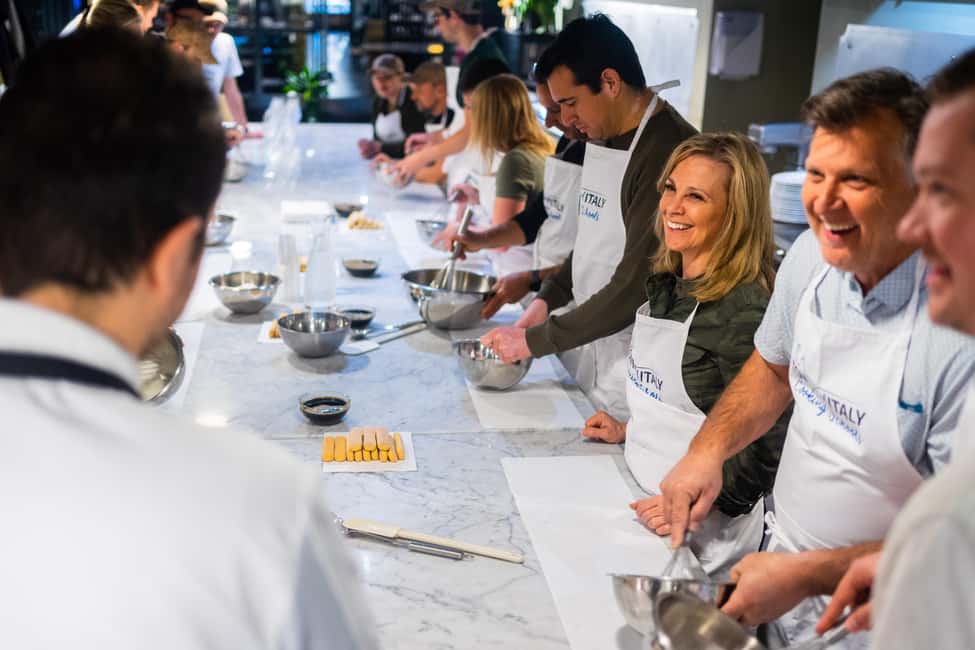
In this class, you get taught step-by-step fresh pasta. You’ll be making tagliatelle and stuffed ravioli from scratch. The point is to understand the process well enough to repeat it at home, not just follow a fast recipe. That matters in Italy, where the difference between good and great pasta is often about dough handling and timing.
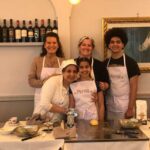
You’ll also learn the basics of working the dough: mixing, kneading, getting it to the right consistency, and shaping. The teachers (Chef Matteo, Alfredo, Fabrizio, and Stefano/Steffano are all named in instruction feedback) tend to keep things calm and clear, with lots of one-on-one help when someone’s struggling.
You can also read our reviews of more cooking classes in Milan
Sauce and finishing, done the Italian way
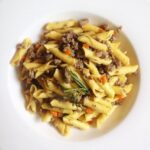
Once the dough is underway, you move into sauce. The class description points to classics like creamy carbonara, fragrant pesto, or tomato sauce, and the instruction also mentions specific sauce examples such as red chicory sauce. In plain terms: you learn how pasta and sauce work together, especially what to do so the sauce clings instead of sliding off.
This is a real cooking lesson. You’re not just tasting, you’re actively building a plate.
Gelato time: learning the texture, then making it
Then you switch gears to gelato, which is where a lot of people realize they’ve been thinking about dessert the wrong way. The focus is on getting that creamy texture and learning how the process changes when ingredients and temperature are handled right.
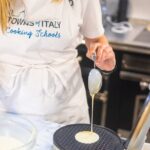
You’ll create your own gelato flavor and watch it churn. One named example from the instruction feedback is vanilla gelato, and the class also references gelato that’s made after pasta work, with tasting built into the end of the experience.
Unlimited wine with your meal
During the meal, the wine is part of the experience: unlimited wine during the meal, and it’s served with the dishes you cooked. If you’re traveling with kids, soft drinks are provided for children while wine is for adults, so it stays family-friendly in that practical way.
And yes, the wine helps turn cooking class nerves into conversation. It’s also a nice Milan touch: you’re standing in the middle of the city’s food culture, then eating like you belong there.
Key points to know before you go
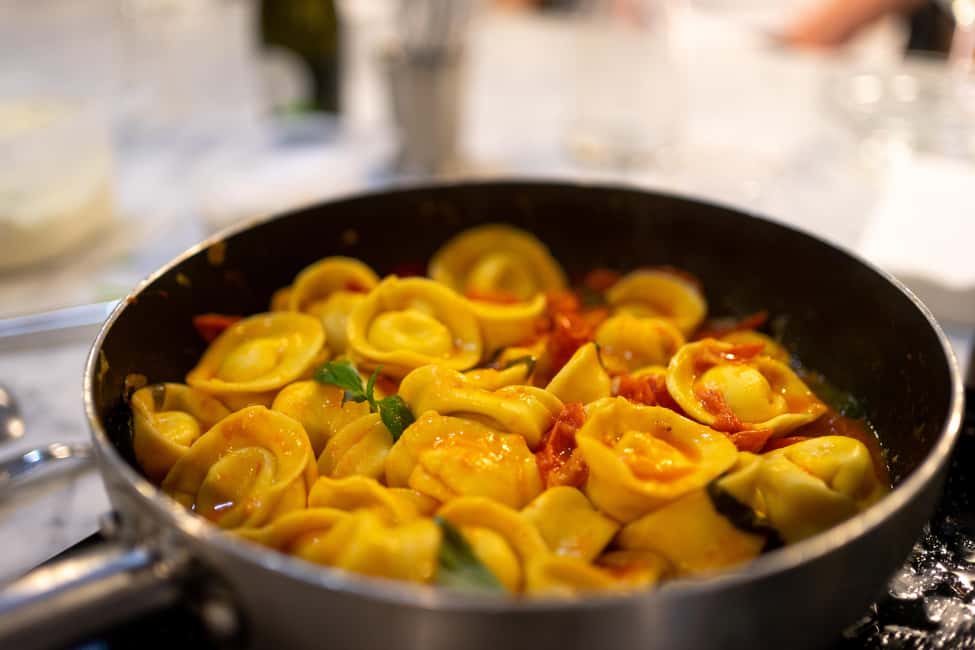
- Fresh pasta hands-on, including tagliatelle and stuffed ravioli
- Gelato with guided texture control, not just a quick tasting
- Unlimited wine during the meal, paired with what you cook
- Small-group feel, with attention even for first-time cooks
- You get take-home materials, including a digital recipe booklet and a certificate
You can also read our reviews of more wine tours in Milan



Pasta and gelato in Milan’s Central Market area
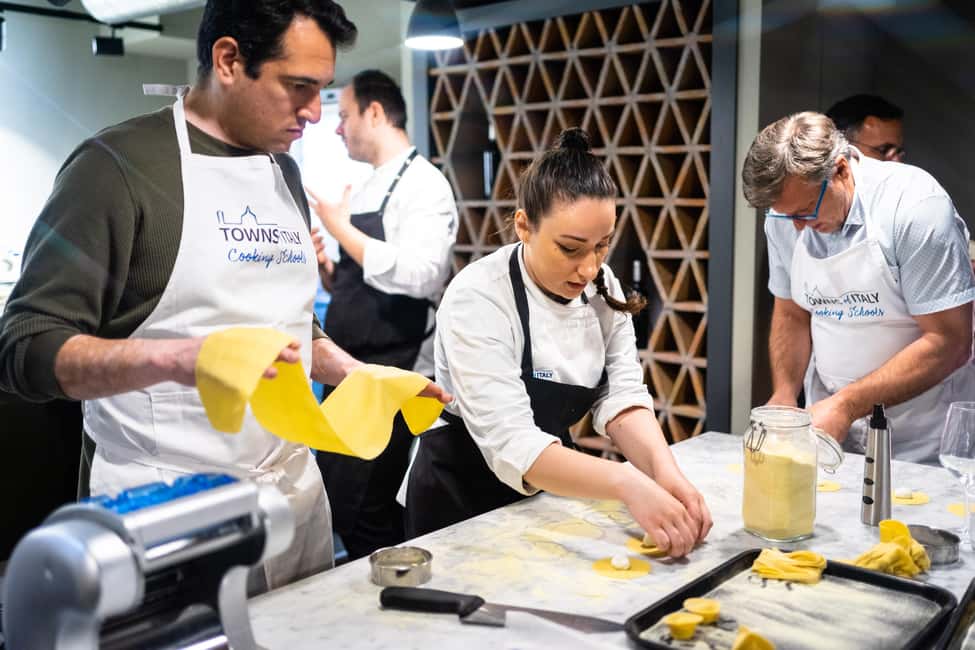
The meeting point is at Towns of Italy Cooking School, Via Giovanni Battista Sammartini 1, on the corner of Piazza IV Novembre, next to the Central Train Station. The school is inside the Central Market building on the first floor.
Why this location is a big deal: you can build it into just about any itinerary. If your travel day already involves Central Station, you don’t need a long transfer across town. It’s also a straightforward drop-in plan for solo travelers and couples: you’re meeting in a known public area, then spending three focused hours together in one place.
Also, there’s no hotel pickup or drop-off. That’s not a problem if you like walking or taking transit. But if you’re relying on someone else to handle transportation, plan to get there on your own.
The cooking “flow” that keeps everyone on track
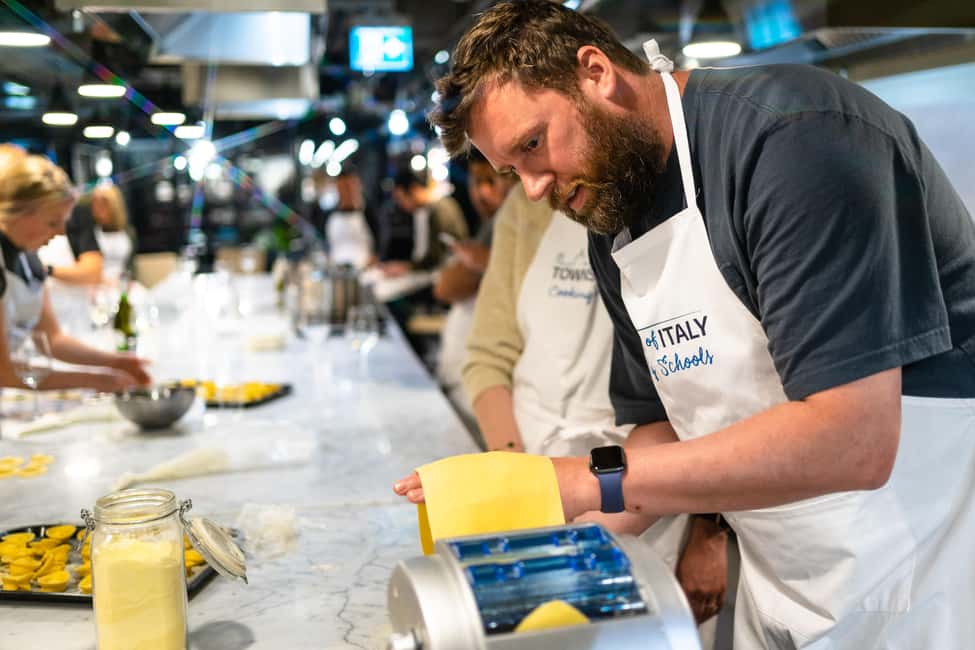
The class runs about 3 hours, with English instruction. That length is long enough to be satisfying, but it’s not so long that you feel like you need to be on your best behavior all afternoon. The best part is that the time is structured around skills: dough work, shaping, sauce, then gelato.
Here’s the realistic rhythm you should expect.
1) Start with fresh pasta technique
You’ll begin learning how to make fresh pasta dough and shape it into tagliatelle. After that, the class moves into stuffed ravioli. The shaping step is the part where teachers earn their money. Dough can feel slippery or stubborn depending on the day, and good instruction makes the difference between wasting dough and actually getting it right.
In instruction feedback, Chef Matteo is specifically praised for being patient and involving everyone, including kids. The vibe you want for a first-time pasta maker is: clear direction, fast corrections, and permission to get things wrong.
2) Make and complete your sauce
While pasta work happens, you also prepare your sauce options. The class description frames this as sauces like carbonara, pesto, or tomato, and the teaching examples also mention red chicory sauce and pumpkin ravioli.
For you, this matters because it teaches pairing. Once you understand how sauce texture and seasoning affect the final bite, you can re-create the same feeling at home without guessing.
3) Shift from savory to gelato
After pasta, gelato takes over. The instruction emphasizes choosing good ingredients and mastering the right creamy texture. You’ll create your own gelato flavor and watch it churn.
This is a smart pacing choice. Gelato is different from pasta, so it keeps energy up. It also gives you that classic Italian food contrast: rich savory work, then a dessert finish that feels earned.
What the unlimited wine actually changes (and doesn’t)
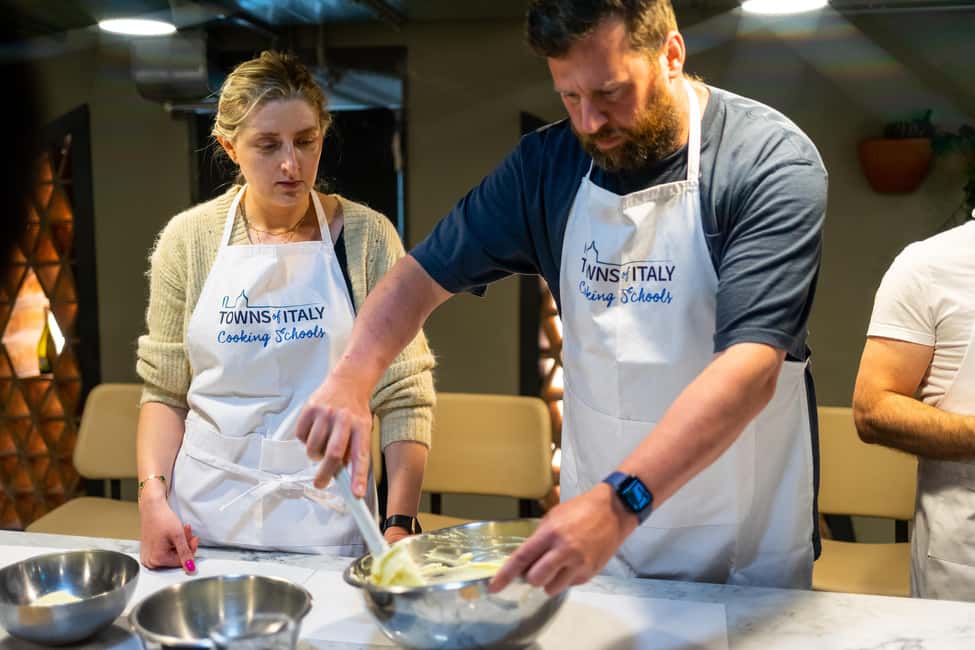
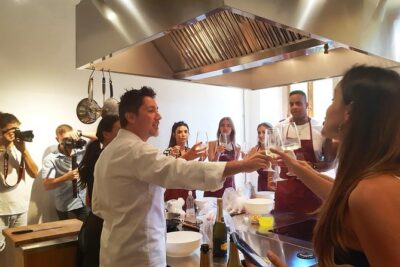
You get unlimited wine during the meal, plus soft drinks for children. In practice, that means the meal portion becomes a relaxed sit-down where you’re not rushing through taste-testing. You’re eating what you made, which already feels special.
A practical note: this is still a cooking class first. Wine helps, but the main value is in the technique you’re learning. So if you’re planning to do this sober, it still works. The instruction is built around cooking steps, not show-and-tell.
Group size and energy: why the chefs get mentioned by name
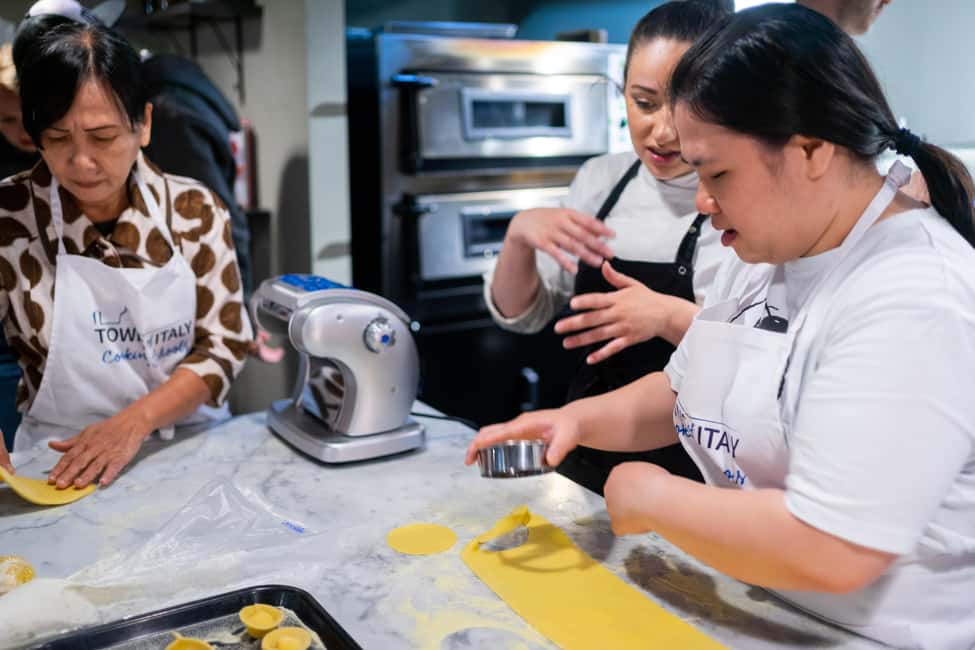
Cooking classes can go one of two ways: either you get a teacher who corrects everyone, or you get left behind. Here, the named chefs show up again and again in feedback: Matteo, Alfredo, Fabrizio, and Stefano/Steffano. That repeated praise usually signals consistent teaching style.
One instruction example mentions a larger small-group moment where the chef worked through steps while coordinating across about 15 guests, including kids. Translation: the class is not just for advanced home cooks. It’s built so beginners still get through the process and eat a meal they made.
Your end-of-class take-home: recipes and a certificate
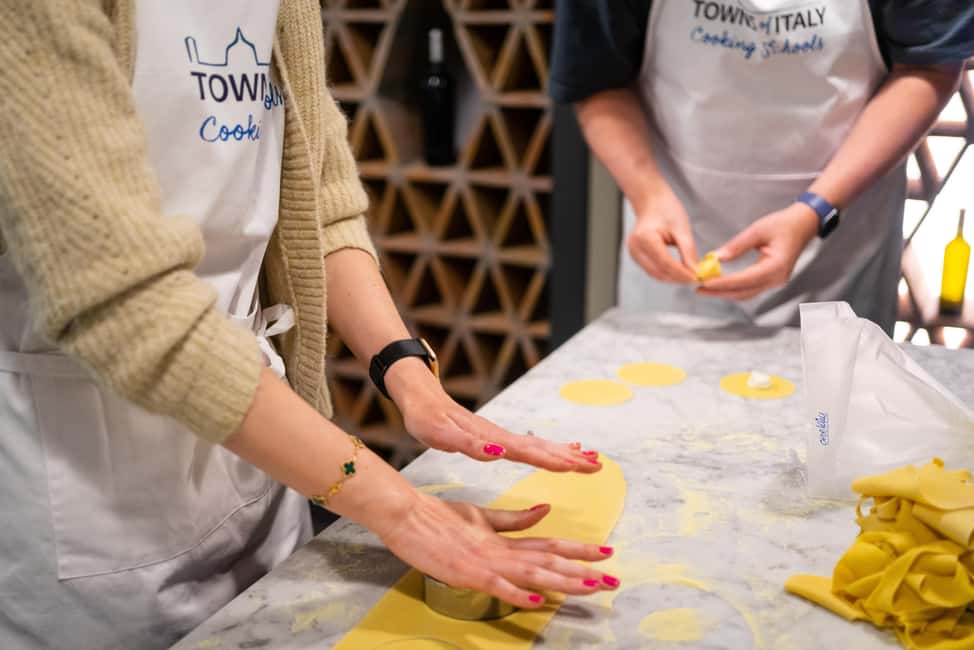
At the end, you don’t just leave with full stomachs. You get a graduation certificate and a digital recipe booklet.
This part is more valuable than it sounds. Fresh pasta and gelato are both things people try to re-create, but they often fail because they skip small technique details. A recipe booklet helps you remember proportions and steps correctly, and the certificate gives you something fun to bring home for proof you really did the work.
Who this class is best for
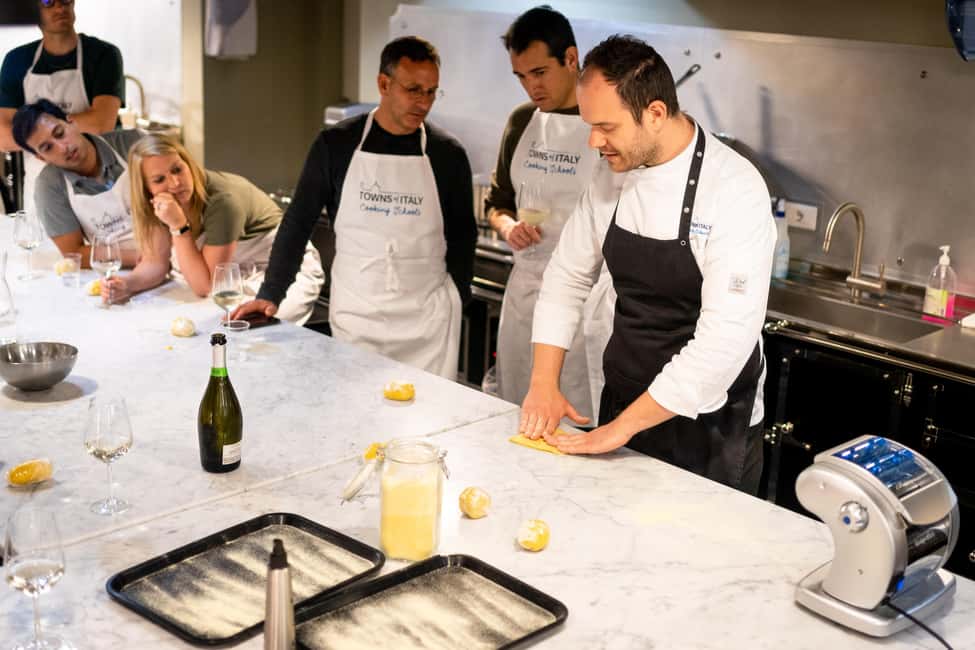
This experience fits best if you want hands-on learning in a setting that stays relaxed.
It’s especially good for:
- First-time pasta makers who want a guided start
- Couples and small groups who like doing one shared activity in the city
- Parents with kids who want a structured family-friendly food activity (with adult supervision)
It’s not a fit for:
- People with celiac disease (not recommended)
- Anyone who needs gluten-free ingredients (not suitable for gluten intolerance)
- If you’re bringing pets (pets are not allowed)
Price and value: is $68.91 worth it?
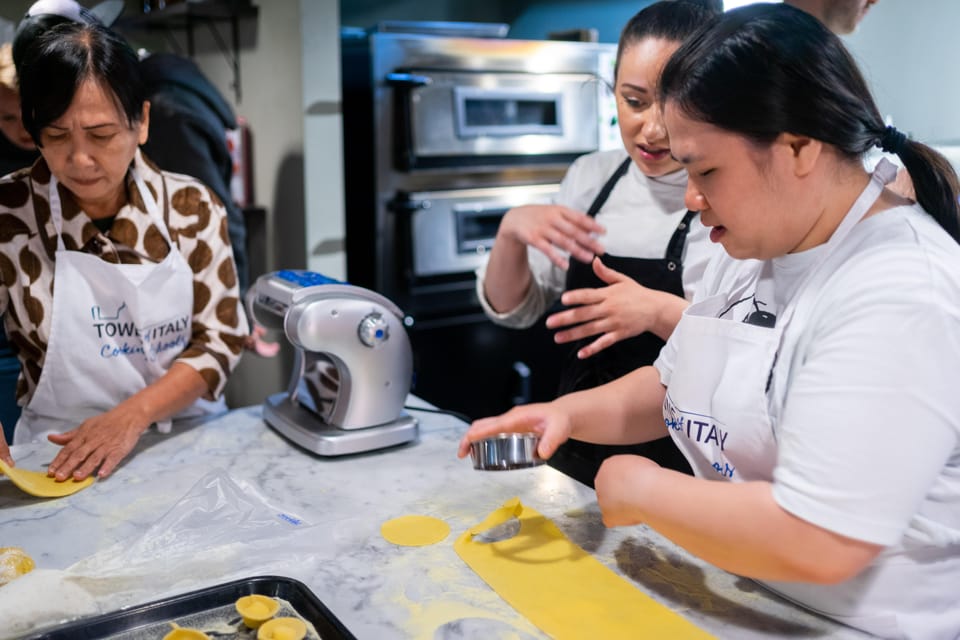
At $68.91 per person for about 3 hours, the price is easier to justify because you’re getting the full package:
- a professional local chef
- all ingredients for pasta and gelato making
- use of apron and cooking utensils
- the meal, including unlimited wine during the meal
- a digital recipe booklet plus a graduation certificate
If you’ve ever paid for a cooking class that only teaches technique and then sends you off to find your own ingredients, this format feels fair. You’re paying for the learning time, the cleanup handled by the school, and the wine-and-meal payoff at the end.
Quick planning tips so your class day goes smoothly
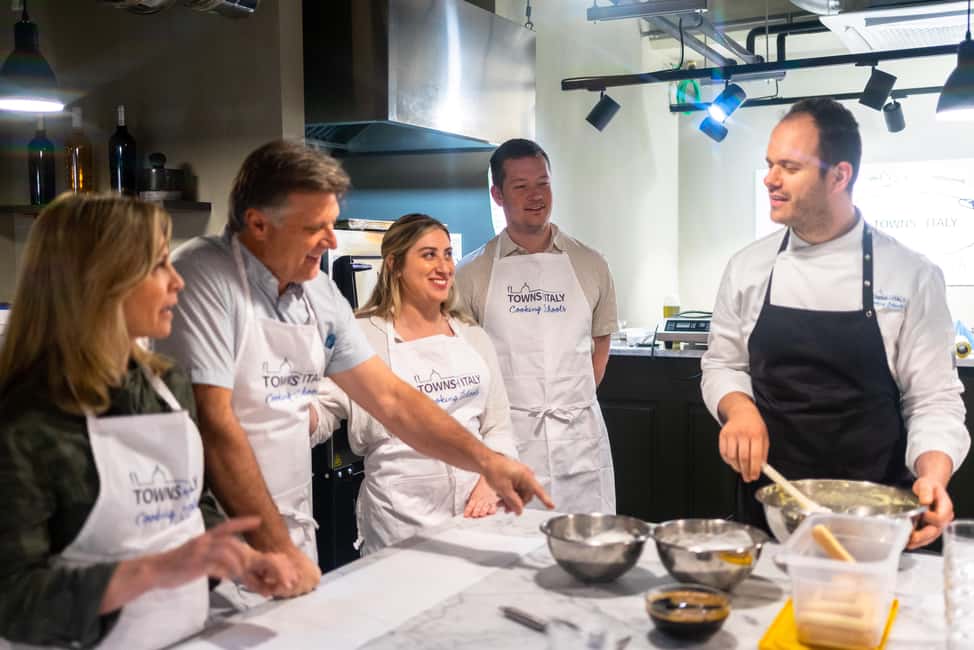
Here’s how to set yourself up for a good experience without overthinking it.
- Go in hungry but not stressed. The meal is part of the event, so plan your other meals around it.
- Wear clothes you can get a little flour on. You’ll use an apron, but you’re still working with dough.
- If you’re traveling with kids, bring an adult who can stay with them throughout the class. Teens under 18 must be accompanied, or the under-age participant can be excluded with no refund.
- If gluten is an issue, skip this one. The class is specifically not recommended or suitable for gluten needs.
Should you book this Milan pasta and gelato class?
I’d book it if you want a hands-on, technique-focused food experience in Milan that ends with a real meal, wine included, and materials you can use afterward. The standout strength is how the cooking instruction seems designed to keep beginners moving forward, with chefs like Matteo and Alfredo getting praised for patience and help.
Skip it if you have celiac disease, gluten intolerance, or you need a fully gluten-free environment. Also skip if you strongly prefer a low-energy, sit-and-watch experience, because this is built around doing the work at the table.
If those constraints don’t apply, this is one of the more practical ways to leave Milan with more than photos. You’ll leave with dough skills, gelato know-how, and the taste of your own handiwork.
FAQ
How long is the Milan pasta and gelato class?
The class runs for 3 hours.
Where do I meet for the class?
Go to Towns of Italy Cooking School, Via Giovanni Battista Sammartini 1, on the corner of Piazza IV Novembre, next to the Central Train Station. It’s inside the Central Market on the first floor.
Is the class taught in English?
Yes, the instructor teaches in English.
Is wine included?
Yes. You’ll have unlimited wine during the meal.
What do I make during the class?
You’ll make fresh pasta including tagliatelle and stuffed ravioli, and you’ll make gelato.
Do children get something to drink?
The meal includes wine for adults and soft drinks for children.
Is this class suitable for celiac disease or gluten intolerance?
No. It is not recommended for individuals with celiac disease, and it is not suitable for people with gluten intolerance.
Are pets allowed?
No. Pets are not allowed.
What do I receive at the end?
You’ll receive a graduation certificate and a digital recipe booklet with recipes.