REVIEW · MILAN
Milan: Share Your Pasta Love in a Local’s Home
Book on GetYourGuide →Operated by Cesarine · Bookable on GetYourGuide
Fresh pasta tastes better when someone shows you. This Milan experience puts you in a real Lombardy home with a certified home cook (you could be guided by hosts such as Valentina, Rosa, or Simona) and turns Northern Italian tradition into something you can actually do. I love the hands-on pace, from mixing and kneading to shaping tagliatelle, fettuccine, or ravioli. I also love that it ends with a sit-down meal and wine, not just a quick taste. One thing to consider: the food portion can feel more like a complete course tasting than a big full dinner, depending on how hungry you are.
You’ll start with a warm welcome and an aperitivo plus appetizer, then get to work in the kitchen with step-by-step help in Italian or English. After you finish, you’ll toast with wine (one bottle for every three guests) and enjoy what you made together in a stylish, lived-in setting. It is a short class, but it is built for connection, not performance—small group sizes keep the conversation flowing.
In This Review
- Key Highlights You Should Know
- Why Milan’s Homemade-Pasta Scene Works Best in a Real Home
- The 1.5-Hour Schedule: Aperitivo, Dough, and a Sit-Down Meal
- What You’ll Make: Tagliatelle, Fettuccine, or Ravioli Skills
- Wine, Conversation, and the Northern-Italy Meal Finish
- Price and Value: What $65 Covers (and What to Budget For)
- Small-Group Dynamics: Learn Faster, Talk More
- Language, Skill Level, and How to Set Expectations
- Etiquette in a Home Kitchen: Practical Tips Before You Go
- Who Should Book This Milanese Pasta Love Session
- Should You Book This Tour
- FAQ
- Where does the pasta class take place?
- How long is the experience?
- What does it cost?
- How large is the group?
- What languages are used during the class?
- What’s included in the price?
- Is wine included?
- Where do we meet?
- Is there a cancellation policy?
- Can I reserve without paying today?
Key Highlights You Should Know
- Local home setting with a certified home cook, so this feels more like hospitality than entertainment
- Real dough skills: mixing, kneading, rolling, and shaping classic Northern pasta
- Aperitivo start with an appetizer before the flour flies
- Wine included with the meal, served as one bottle per three guests
- Small group (max 10) for more attention and an easier chat with your host
Why Milan’s Homemade-Pasta Scene Works Best in a Real Home
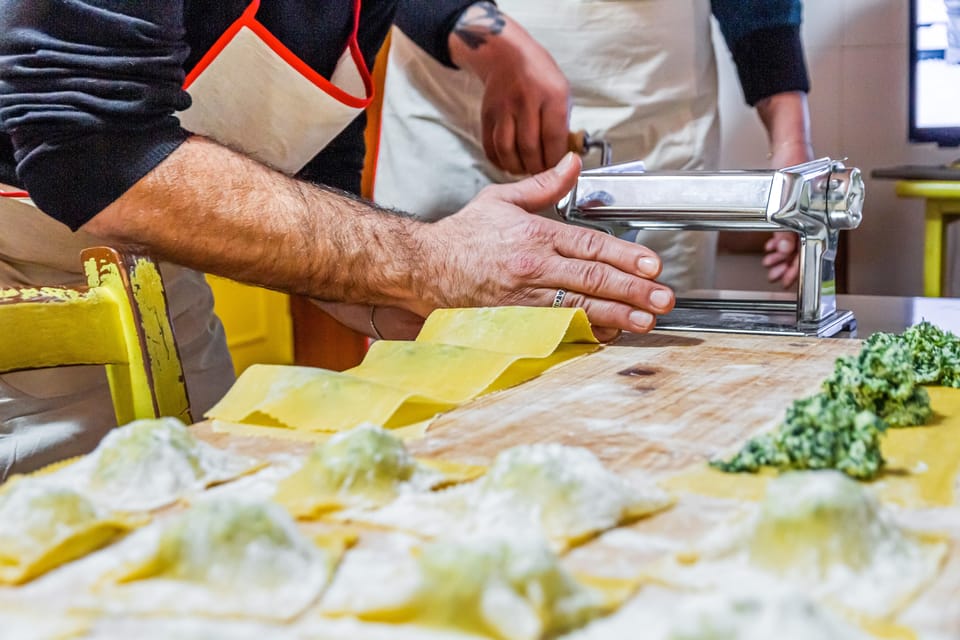
Milan can be flashy, but this kind of experience cuts through the gloss fast. When you cook pasta in someone’s dining room and kitchen, you get the everyday version of Italian culture. You are not chasing a demo at a crowded venue. You are sharing space, tools, and small habits that locals follow at home.
The biggest win here is the combination of instruction + hospitality. You get guided practice with fresh dough and classic shapes, then you sit down and actually eat the results. That pairing matters. Pasta lessons in restaurants can stay theoretical. Cookie-cutter cooking tours can turn into a show. In a home, you learn the mechanics, then you get the social payoff.
I also like the practical scope. This is not asking you to become a chef in 90 minutes. It is teaching you a handful of core moves that you can repeat later, like how to get dough to the right feel and how to work with shapes that hold sauce well.
And yes, you’ll taste what you make, with wine and coffee included. That part is more than a nice add-on. It changes the vibe from just learning to sharing a meal. Food tastes better when you are relaxed and talking with the people across the table.
You can also read our reviews of more cooking classes in Milan
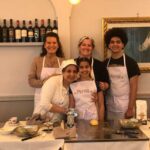
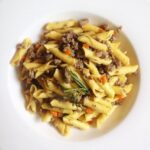
The 1.5-Hour Schedule: Aperitivo, Dough, and a Sit-Down Meal
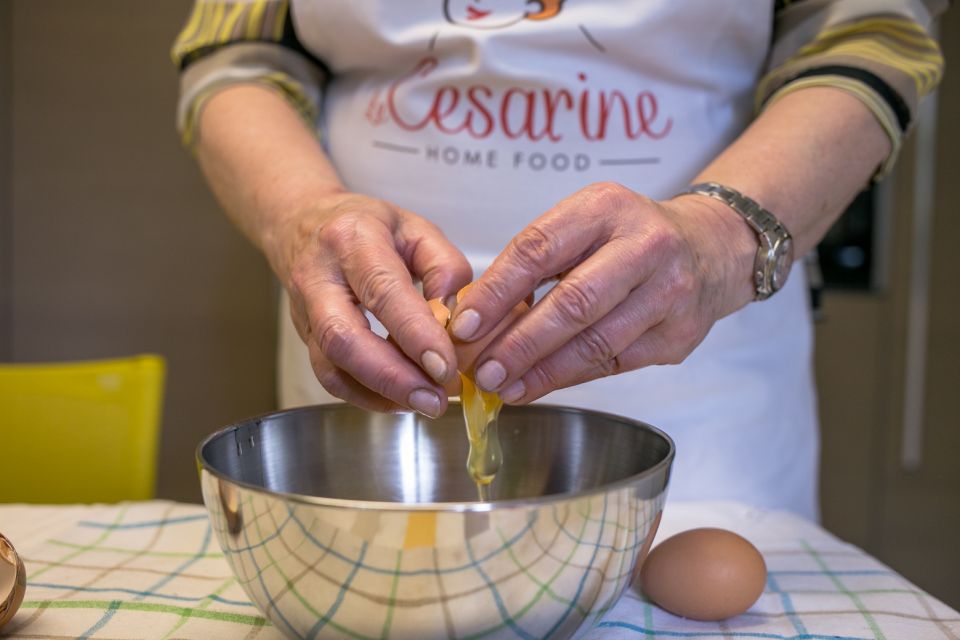
This class is built around a smooth, compact flow. The whole thing runs about 1.5 hours, so you get focused time without feeling like you lost an entire evening.
First step: welcome and aperitivo. You start with a warm reception plus a small appetizer. Expect an aperitif-style intro before you start working. It’s a good moment to get oriented: you meet your host, learn the basic plan, and settle into the home rhythm instead of rushing straight into cooking.
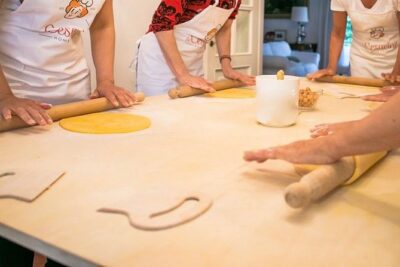
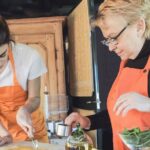
Then: hands-on pasta work. Once you’re in kitchen mode, the tempo shifts. You’ll mix, knead, and shape pasta under guidance. The class language can be English or Italian, so you should be able to follow what you need to do, whether you are comfortable with cooking terms or not.
Finally: eat together. After the pasta is prepared, you sit down for the meal you made. Wine is part of that celebration, and you’ll also have coffee. In several accounts, the hosts were described as patient and generous, with the evening feeling like a real get-together rather than a scripted activity.
The one timing drawback is also why this class is priced the way it is: with only 1.5 hours, the focus stays on teaching and tasting, not on cooking a huge multi-course feast. If you’re the type who arrives starving, plan a light snack beforehand or be ready to follow up with gelato, a proper Milanese second meal, or a nearby bite after class.
What You’ll Make: Tagliatelle, Fettuccine, or Ravioli Skills
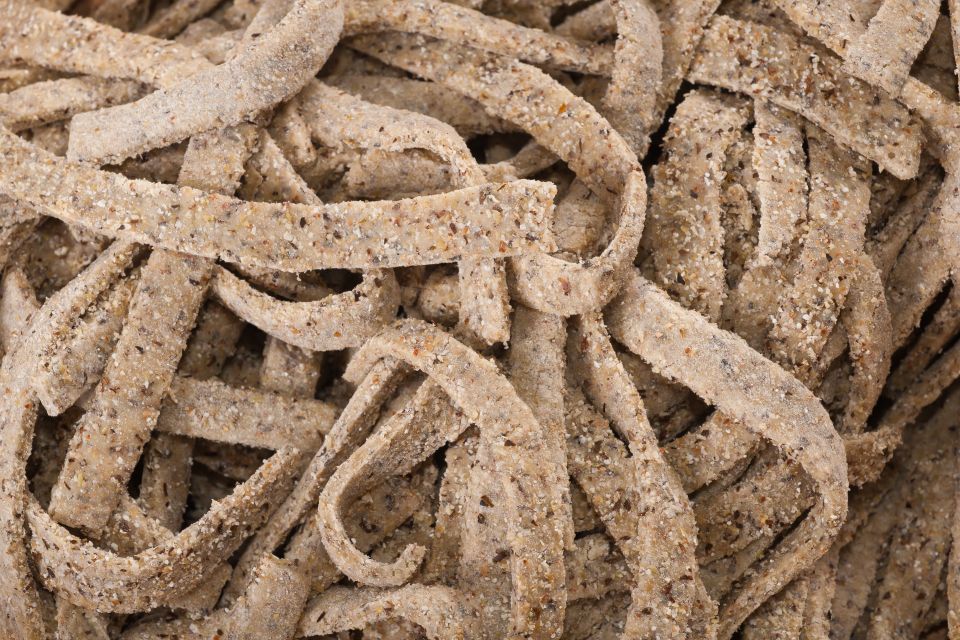
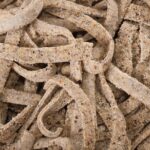
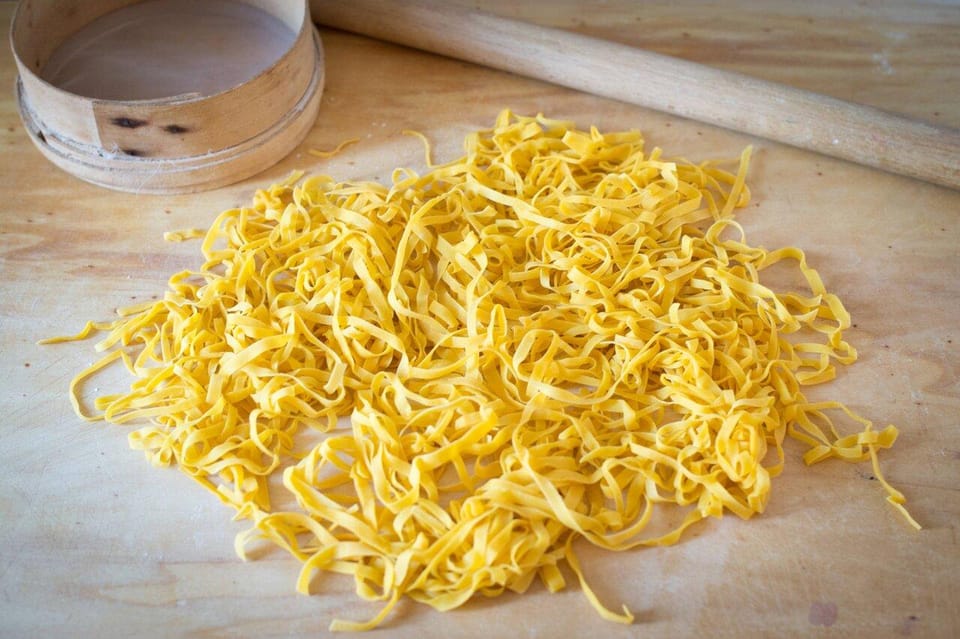
The menu is simple by design: you’ll learn to create classic Northern Italian pasta options such as tagliatelle, fettuccine, or ravioli. Even if you have never rolled dough before, the class is set up for success.
Here’s what you’re really practicing, beyond the particular pasta name:
- Getting the dough right: the right consistency is what turns pasta from chewy to silky. You will be shown how to work with the dough so it cooperates while shaping.
- Rolling and shaping: tagliatelle and fettuccine need straight, consistent thickness so they cook evenly. Ravioli adds the extra step of shaping portions and sealing.
- Working with sauce-friendly shapes: these noodles and parcels are classic for a reason. They grab sauce well, so your effort turns into satisfying bites.
You might also notice that the instruction tends to feel calm and patient. Names like Valentina, Rosa, and Simona show up in accounts of these sessions, and the tone described is consistent: the host explains, checks that you’re doing it right, and keeps the atmosphere warm.
One more practical note: when the meal is included, you get to taste how your pasta behaves when served. That matters if you want to replicate it later. You get immediate feedback on texture and flavor, not just a recipe handout you may never use.
Wine, Conversation, and the Northern-Italy Meal Finish
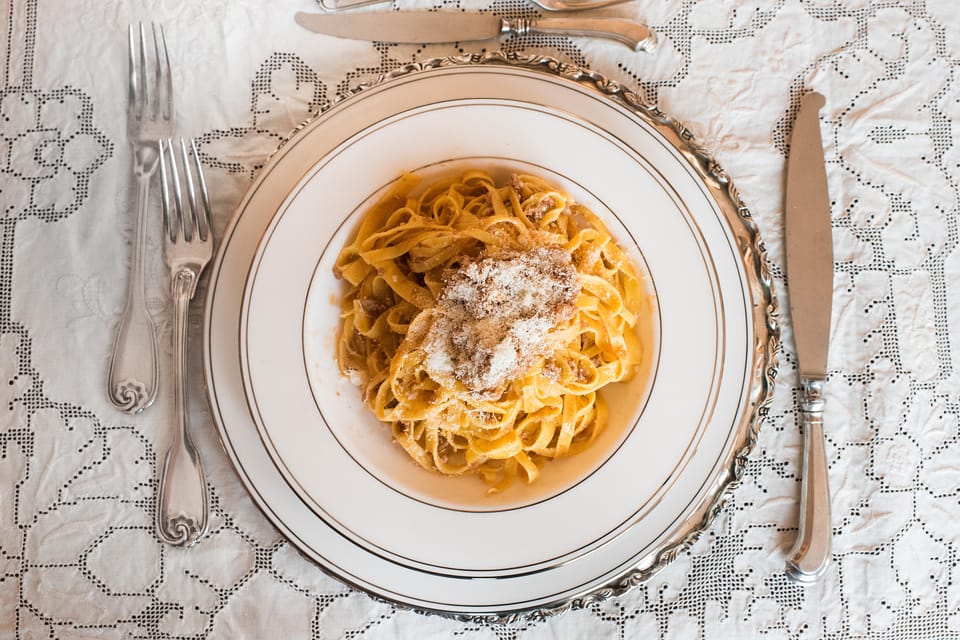
In most cooking classes, wine is either a background detail or a separate add-on. Here it is part of the pacing. You toast with wine during the meal, and the class includes beverages such as water, wines, and coffee.
The specific serving style is also useful to know: wine is provided as one bottle per three guests. That keeps things social while avoiding that awkward unlimited-drink chaos. It’s also a clue that the intent is a shared meal, not a party.
Food-wise, the structure is clear. You start with an appetizer and aperitivo, then you eat the homemade pasta you made. Some evenings include a dessert that had been prepared ahead, based on accounts. That dessert step is another reason this works well as a date idea or a small group outing: it feels like you got a complete evening, even if the portions are not huge.
The conversation angle is where the experience earns its keep. In a home setting, you’re more likely to ask real questions: how Italians cook for a weeknight, how families keep pasta-making skills alive, or why Northern recipes taste the way they do. Hosts in these sessions have been described as friendly and generous, and that kindness shows up as helpful coaching in the kitchen.
If you want to maximize the conversation, show up with one curiosity question ready. Something like what kind of pasta a family makes most often, or what sauce pairing works best for the type you shaped. It turns the class from learning tasks into sharing a story.
Price and Value: What $65 Covers (and What to Budget For)
At $65 per person for about 1.5 hours, this is not the cheapest activity in Milan. But you are paying for more than pasta skills. You are paying for access to a private home experience, a certified home cook, small group time, and the included meal with wine and coffee.
Here’s how the value adds up:
- Your host time: a home kitchen takes planning and setup. Instruction and supervision in a small group is real labor.
- Food included: you do not just sample a bite. You make pasta and sit down to a meal, with beverages included.
- Wine included: the wine service is built into the experience, not a separate ticket item.
- Local atmosphere: in Milan, this kind of setting is the difference between tasting authentic culture and just photographing it.
Where you should think ahead is food quantity. One account flagged that the portion size felt small and that explanations in English were not detailed enough. You can’t control how every host runs a class, but you can reduce the risk: if you’re a big eater, eat a light meal earlier and treat this as your pasta evening, not your only dinner.
Also, small group size helps the value because you are less likely to feel ignored. When the group is capped at 10 participants, it is easier for the host to guide you through each step without rushing.





Small-Group Dynamics: Learn Faster, Talk More
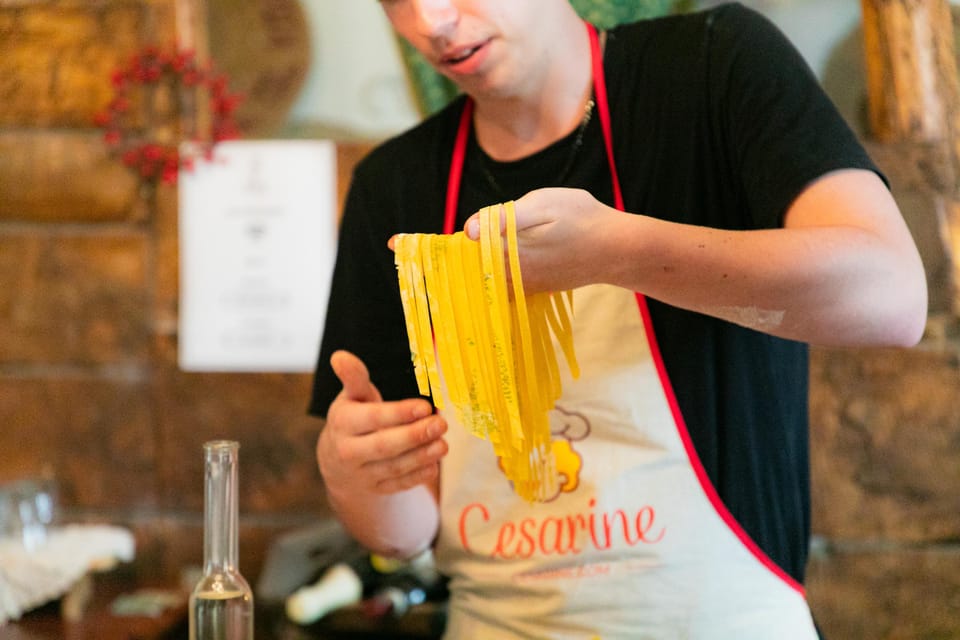
With a maximum group size of 10 participants, the class stays personal. That is the sweet spot. Large group cooking tours can become assembly lines. Too small can feel awkward. Here, you get enough people to share stories with, but not so many that the kitchen turns into a traffic jam.
This matters for two reasons:
- You need attention during dough work. Pasta-making has small timing and texture cues. A host who can see what you’re doing makes a difference.
- You want conversation after you cook. The meal is where you feel the warmth of the home. A small group makes that comfortable instead of stiff.
If you’re traveling solo, this can also feel more social. People get a chance to talk with the group and with the host instead of fading into a crowd.
Language, Skill Level, and How to Set Expectations
This class runs with an instructor who speaks Italian and English. That means you should be able to follow directions in your preferred language, but it can still vary by host and by the energy of the room.
The safest expectation is this: you do not need advanced cooking skills. The highlights explicitly frame it as suitable for beginners and foodie types. Beginners get guided steps. Food lovers get a chance to compare techniques and flavor ideas with someone who cooks regularly at home.
To make the experience easier if you’re not fluent, come in ready to learn the process, not just memorizing words. Watch hand movements and repeat actions. Pasta-making is visual. Also, ask one follow-up question during the cooking stage. Even if your host switches languages briefly, you’ll get confirmation on what matters most.
One practical consideration: the instruction depth can vary. If you want lots of technique explanation, choose a time slot when you have a calm pace and you can ask questions. If you’re a confident cook and mainly want hands-on time, you should still have a good experience because the steps are practical.
Etiquette in a Home Kitchen: Practical Tips Before You Go
A home class works best when you act like a helpful guest, not a film crew. You’ll be in a private kitchen, so keep your expectations realistic: this is a working space, not a staged studio.
A few smart habits:
- Arrive a few minutes early so you can settle without rushing.
- Keep your phone use light during the kneading and shaping steps. If you want to take photos, do it when the host indicates it’s fine.
- Be ready for a hands-on environment. You might want to wear sleeves you don’t mind if they brush flour.
Also, be comfortable with the “private address” approach. For privacy reasons, you receive the full address only after booking. That is normal for home experiences, and it helps the host keep their daily life separate from visitors.
Who Should Book This Milanese Pasta Love Session
This is a great fit if you want Milan culture you can taste. It especially works for:
- Couples who want a warm evening together in a real home, not a formal restaurant meal
- Food lovers who want practical technique, not just a long talk about food
- Small groups who care about conversation and want to share one activity that feels personal
- Travelers who like the idea of Northern Italian flavors and homemade comfort food
If you’re short on time, it is only 1.5 hours, so it can slide into an evening plan. If you’re traveling with kids, the data does not specify a child policy, so you’ll want to check before you go.
If your priority is a big dinner with lots of courses, you might find this better as part of a bigger meal plan for your day. Treat it as the pasta moment, then plan a second stop if you tend to eat heartily.
Should You Book This Tour
I’d book it if you want an experience that feels genuinely local: real dough work, a home table, and wine included in a small-group setting. At $65, it is priced like an intimate activity with food and hospitality baked in, not like a quick snack tour.
I’d think twice if you are very sensitive to portion size or if you need very detailed English instruction throughout every step. In that case, plan your day with a light meal beforehand and come ready to ask questions. The upside is that the class is structured for beginners and has a supportive vibe, with hosts described as patient and generous.
If you want the Milan version of fresh pasta-making that feels like you were invited in, this is a strong pick.
FAQ
Where does the pasta class take place?
It takes place in Lombardy, Italy, in a local family’s home.
How long is the experience?
The class lasts 1.5 hours.
What does it cost?
The price is $65 per person.
How large is the group?
It is a small group, limited to 10 participants.
What languages are used during the class?
The instructor speaks Italian and English.
What’s included in the price?
Included are local taxes, a welcome appetizer and aperitivo, the hands-on pasta-making class, beverages (water, wines, and coffee), and the homemade pasta meal with wine.
Is wine included?
Yes. Wine is included with the meal, served as one bottle per three guests.
Where do we meet?
You will receive the full address after booking, for privacy reasons.
Is there a cancellation policy?
Yes. Free cancellation is available up to 24 hours in advance for a full refund.
Can I reserve without paying today?
Yes. The experience offers reserve now and pay later, so you can book your spot and pay nothing today.