REVIEW · MILAN
Milan: Villa Necchi Campiglio Entry Ticket
Book on GetYourGuide →Operated by FAI - Fondo Ambiente Italiano · Bookable on GetYourGuide
A private Milan mansion, still wearing its 1930s clothes. This entry ticket to Villa Necchi Campiglio is a smooth way to see how glamorous Milan looked between the wars, with serious domestic architecture and art inside and a calm garden outside. I especially like the intimate house scale and the way staff help you read the design choices. One note: the basement isn’t always open.
It’s also a smart break from shopping and cathedral time. The villa sits near the fashion district (around Via Montenapoleone) and is about a 10-minute walk from San Babila, yet the grounds feel quiet and restorative. You’ll get through it in about an hour, which makes it easy to fit into a tight day.
One practical tip matters: use Via Mozart for the entrance. Some visitors get stuck waiting at the street edge, but the visit starts inside, so walk through to the official entry point.
In This Review
- Key Things You’ll Love Here
- Villa Necchi Campiglio: A 1930s Milan House, Without the Museum Hassle
- Finding the Entrance: Via Mozart (Not the Usual Google Maps Guess)
- What You’ll See Inside: Domestic Luxury and How the Rooms Tell a Story
- The Architecture Angle: Why Portaluppi’s Design Still Feels Right
- The Garden and Pool: A Quiet Reset in Central Milan
- Staff on Site: Helpful Explanations Without Turning It Into School
- Ticket Value: $17 for a House + Garden Near the Fashion District
- Practical Tips for Your Visit (So You Don’t Waste Minutes)
- Should You Book Villa Necchi Campiglio Entry Ticket?
- FAQ
- How long is the Villa Necchi Campiglio entry ticket visit?
- How much does the Milan: Villa Necchi Campiglio entry ticket cost?
- Where is the meeting point for the ticket?
- Is food included with the entry ticket?
- Is Villa Necchi Campiglio wheelchair accessible?
- Can I cancel for a full refund?
- Is there a reserve now, pay later option?
- Where is the villa located in Milan?
Key Things You’ll Love Here
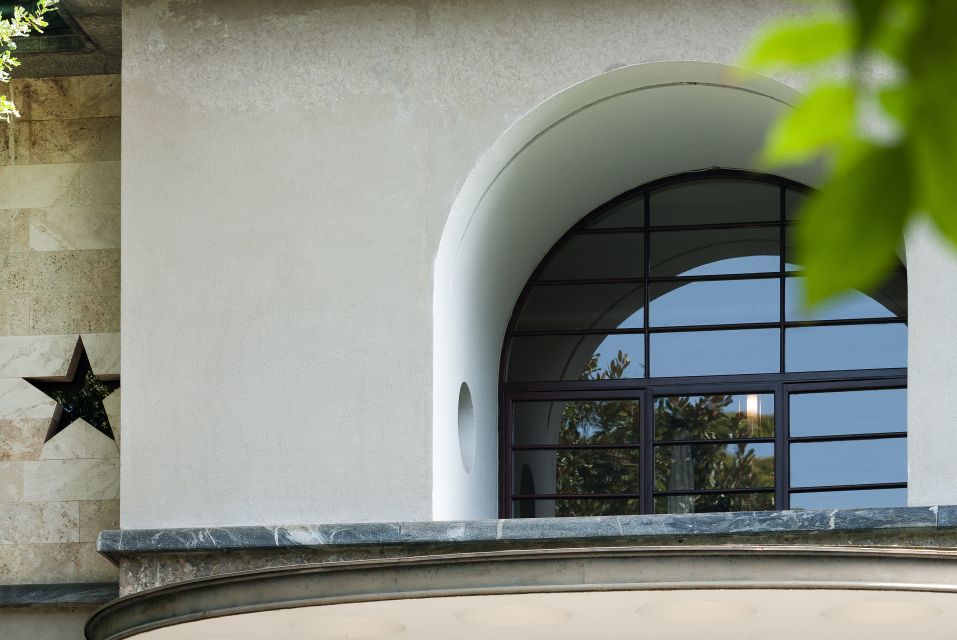
- 1930s house details, room by room: You get a close-up look at domestic design and how tastes shifted over time.
- Portaluppi-designed architecture: The building’s structure and layout are part of the story, not just decoration.
- Art + family lifestyle in one place: You’ll see a collection that supports the “how they lived” feeling.
- Garden calm in the city center: Expect peaceful walking space, plus a pool area that’s memorable.
- Staff who’ll answer your questions: Docents are present in many rooms and can help in English (at least serviceable English).
Villa Necchi Campiglio: A 1930s Milan House, Without the Museum Hassle
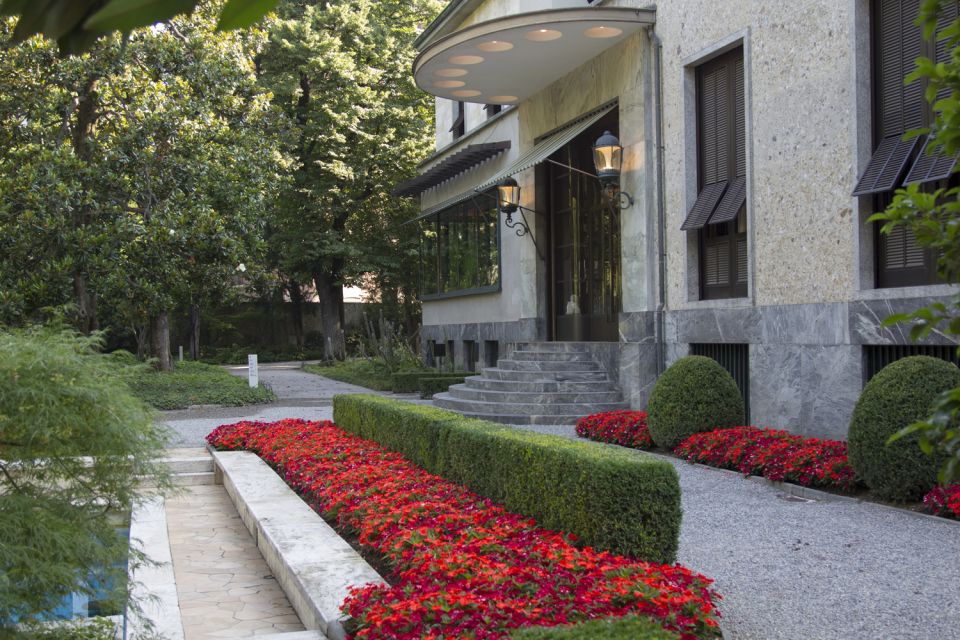
Villa Necchi Campiglio is one of those places that makes Milan feel more human. Yes, you’re in one of Italy’s most fashion-forward cities, but inside this villa you’re pulled into the interwar world where comfort, entertaining, and fine taste were the main events.
What I like most is the scale. You’re not walking miles through endless galleries. You’re seeing a full home—rooms, circulation, the way space was planned—so the design makes sense fast. And because it’s an entry ticket rather than a long guided program, it works well if you’re not trying to pack in a dozen things.
This is also a good choice if you care about how architecture affects everyday life. The villa was designed by architect Portaluppi, and the house feels built for both living and showing off. You’ll notice that the rooms don’t just look pretty; they function.
The one drawback to keep in mind is that not every part of the house is guaranteed. Some people report that the basement wasn’t available during their visit. So if you’re the type who hates surprises, plan mentally for “mostly the main floors.”
You can also read our reviews of more tours and experiences in Milan



Finding the Entrance: Via Mozart (Not the Usual Google Maps Guess)
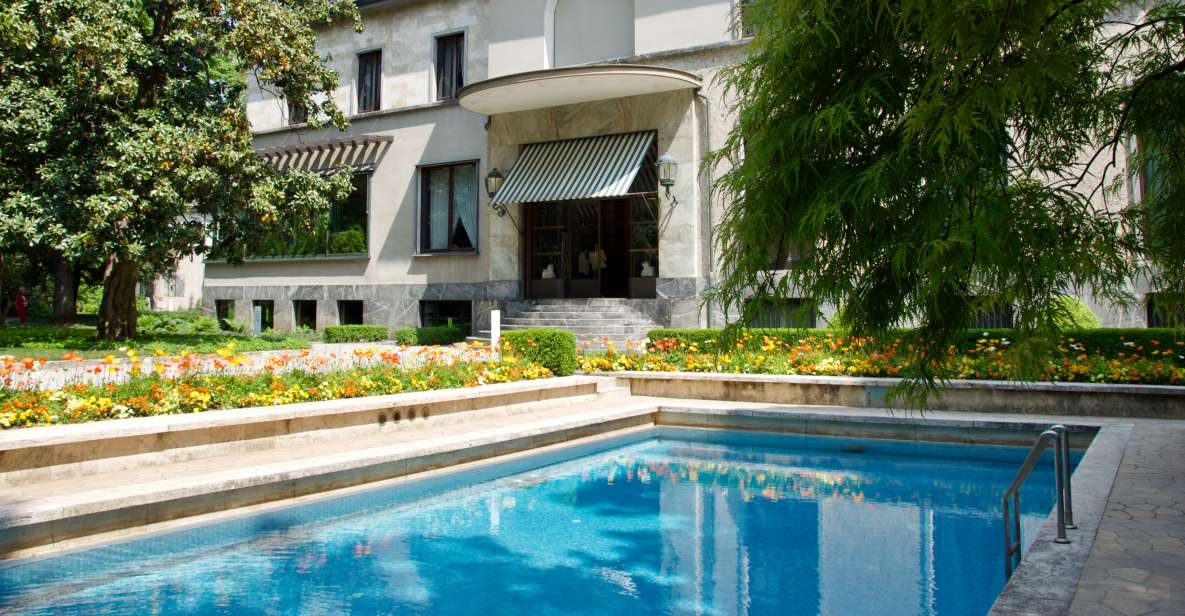
Logistics matter here because the villa’s entrance experience can trip you up. The meeting point is the entrance of Villa Necchi on Via Mozart. And an important heads-up: don’t wait at the street entrance as if that’s where everything starts. In practice, the tour activity begins inside—so if you’re standing outside while others pass through, you might be in the wrong spot.
Why this matters for your day: if you show up flustered, you lose the calm momentum you came for. This visit is short—about an hour—so arrive ready to walk in and start looking immediately.
The good news is that the location is convenient. You’re near Milan’s fashion zone (Via Montenapoleone area) and it’s roughly a 10-minute walk from San Babila, which is handy when you’re building your own route across central Milan.
What You’ll See Inside: Domestic Luxury and How the Rooms Tell a Story
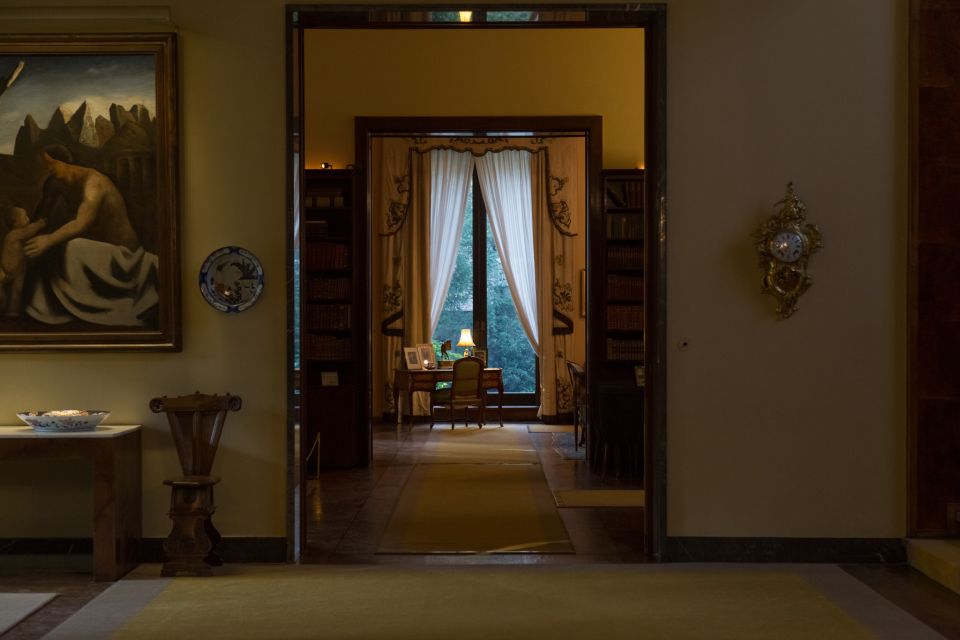
The house visit is built around seeing the interior spaces and understanding what made them special in the 1930s. Expect a guided-style flow even with an entry ticket: you’ll move through rooms and you’ll often find staff stationed in many areas, ready to answer questions.
One of the most praised parts of the experience is the “intimate view” of domestic architecture. Translation: you can stand in the rooms and actually grasp how the rooms were meant to be used. There’s a difference between viewing rooms as a backdrop and viewing them as a lived-in plan. This villa leans into the second feeling.
You’ll also get a sense of how interior design tastes changed. People love the way the villa helps you compare styles without needing a long lecture. You’re not just looking at objects; you’re seeing how different interior choices shaped comfort and atmosphere.
And the art matters here. The villa contains notable works of art, and they don’t feel bolted on. The collection helps you understand the family’s world: what they valued, how they displayed it, and how art fit into everyday living.
If you’re traveling with someone who only wants big-picture sights, keep expectations grounded. This is best when you enjoy interiors, design, and the social meaning of space. If that’s you, you’ll likely find it satisfying and surprisingly relaxing.
The Architecture Angle: Why Portaluppi’s Design Still Feels Right
Villa Necchi Campiglio wasn’t built as a generic showpiece. It was designed by Portaluppi, and you can feel that intention in the house’s layout. Even if you don’t go full architecture-nerd, the building’s planning gives you clues about how the villa worked as a social stage.
Look for how rooms connect and how the villa separates public and private areas. That separation is one of the ways the house communicates status and rhythm: where you’d receive, where you’d relax, and how movement through the home would feel.
This is where the architecture becomes more than “pretty walls.” It helps explain why the villa still looks glamorous today. The design choices—proportion, flow, and the way light and space are handled—are part of why visitors describe the interiors as elegant and refined.
The Garden and Pool: A Quiet Reset in Central Milan
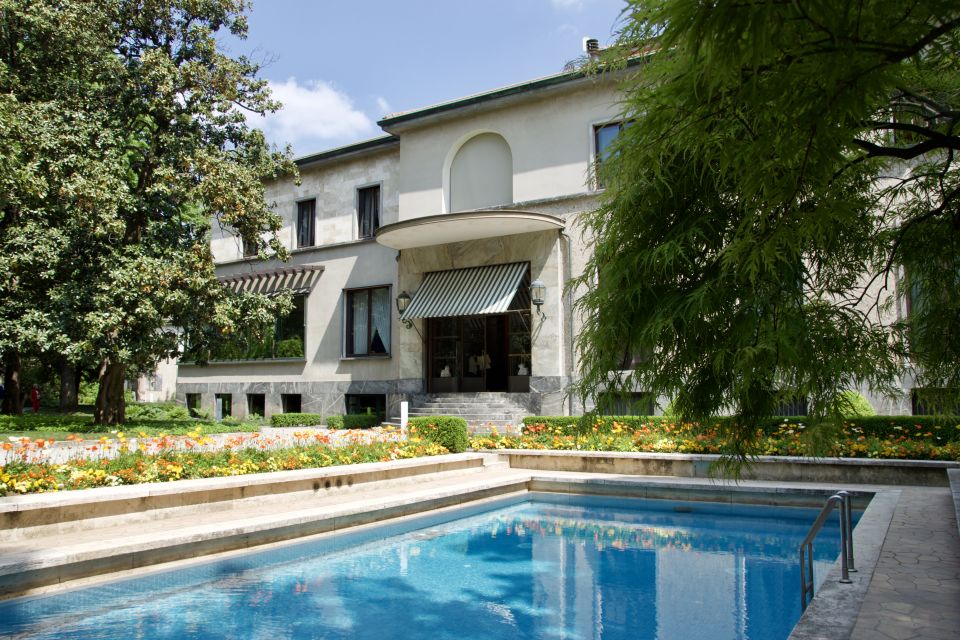
For many people, the garden is the emotional payoff. Even though you’re in Milan, the villa grounds offer a different pace. You’ll get peaceful walking space right where you’d expect traffic and noise.
One memorable detail is the pool area, described as a striking turquoise-blue, framed by bright orange poppies and big green ferns. Whether you catch the same exact flower mix depends on season, but the color-and-calm effect is real. It’s the kind of spot where you can slow your phone-scroll brain down for a few minutes.
What’s smart is that the garden isn’t just a background photo set. It supports the house experience. You come out from the interiors, step into the open air, and the whole visit starts to feel like a full “day-at-home” rather than a quick stop.



Staff on Site: Helpful Explanations Without Turning It Into School
A big part of the satisfaction here is people. Staff are friendly and tend to stay ready with details if you ask. In many rooms, docents explain what you’re seeing, so you aren’t stuck interpreting everything alone.
English is often available in a practical way. One booking notes that most guides spoke serviceable English, which is usually enough to understand the big points: why a room looks the way it does, what the family valued, and how the design connects to the period.
Two timing considerations:
- You’re planning around an experience that lasts about one hour, so it’s best to ask your top questions instead of trying to get answers for everything.
- The basement may not always be accessible, so don’t build your expectations around that extra level.
Also, keep language flexibility in mind. One booking mentioned that the tour would be in Italian. If you mainly rely on English, focus your questions on staff in the rooms rather than expecting a full English narrative in every moment.
Ticket Value: $17 for a House + Garden Near the Fashion District
At $17 per person for an entry ticket, Villa Necchi Campiglio is good value in Milan—especially if you want something different from the Duomo-and-Galleria circuit.
Here’s the real value math:
- You’re paying for entry to a curated family villa experience (house interiors + garden grounds).
- The visit duration is about 1 hour, so you’re not losing half a day to a slow attraction.
- It’s conveniently placed near central Milan sights, which reduces your transit burden and helps you build a more efficient itinerary.
One thing to clarify: this is an entry ticket only. No food is included. Still, there’s often a cafe mentioned by visitors, so you might be able to get a drink or snack during your visit. Just know your ticket itself doesn’t bundle meals.
So who should consider it? People who like:
- historic interiors and design
- art placed in real living spaces
- a quiet Milan pause in the middle of busy days
- short, focused stops you can plan tightly
If your travel style is only blockbuster monuments, this might feel more “slow art” than “major landmark.” But if you enjoy atmosphere and architecture, it’s one of the most comfortable ways to connect with Milan’s past without exhausting your feet.
Practical Tips for Your Visit (So You Don’t Waste Minutes)
A few small moves make a difference here:
- Arrive via Via Mozart and plan to go inside at the entrance. Don’t get stuck waiting outside.
- Give yourself time to look twice: once for layout and once for objects and design changes.
- Ask a question in the rooms where staff are present. That’s where you’ll get the most useful explanations.
- Plan for about an hour. This is a focused visit; if you stay too long trying to see everything, you’ll finish rushed.
- Bring patience for partial access. If the basement isn’t open on your day, you can still get the core experience: house + art + garden.
If you’re traveling with someone who’s less interested in interiors, I’d suggest pairing the villa with a nearby shopping or sightseeing block. The villa gives you calm and culture; the rest of the day can do the energy part.
Should You Book Villa Necchi Campiglio Entry Ticket?
Book it if you want a short, high-impact Milan stop that feels like stepping into a real 1930s home. I especially think it’s worth it when you care about interior design, architecture, and a garden reset—without paying for a long tour that eats your day.
Skip it (or at least soften expectations) if you mainly want big outdoor landmarks and don’t enjoy house interiors. Also remember the visit length is about one hour, and not every area may be available, such as the basement.
If your itinerary is in central Milan, this ticket is one of the cleanest ways to add depth to your trip. It’s calmer than most popular stops, and it’s the kind of experience that makes Milan feel more specific than just a skyline and a shopping street.
FAQ
How long is the Villa Necchi Campiglio entry ticket visit?
The duration is listed as 1 hour.
How much does the Milan: Villa Necchi Campiglio entry ticket cost?
The price is $17 per person.
Where is the meeting point for the ticket?
Go to the entrance of Villa Necchi on Via Mozart.
Is food included with the entry ticket?
No. The listing specifies that no food or restaurant is included.
Is Villa Necchi Campiglio wheelchair accessible?
Yes, it is wheelchair accessible.
Can I cancel for a full refund?
Yes. Free cancellation is available up to 24 hours in advance for a full refund.
Is there a reserve now, pay later option?
Yes. You can reserve now and pay later, with the option to keep your plans flexible.
Where is the villa located in Milan?
It’s in Lombardy, Italy, near the fashion district around Via Montenapoleone, and about a 10-minute walk from San Babila.