REVIEW · MILAN
Milan: La Scala Theater and Museum Tour with Entry Tickets
Book on GetYourGuide →Operated by Milanoguida · Bookable on GetYourGuide
La Scala has gravity. In just 1 hour, you walk through the Teatro alla Scala museum and get a guided look behind the stage—where Verdi, Toscanini, Maria Callas, and Pavarotti aren’t just names on a program.
Two things I like a lot here: first, the guides bring the place to life with humor and tight storytelling, including big-name performers like Callas and Luciano Pavarotti. Second, the tour uses headsets (when the group is larger) so you can actually hear the guide without craning your neck or competing with other visitors.
One thing to keep in mind: because of rehearsals and events, your access inside the theater can be limited, and you may end up seeing more of the museum than the auditorium.
In This Review
- Key things you’ll notice on this La Scala tour
- Why a 1-hour La Scala visit can actually change your Milan day
- Entry, meeting point, and how you’ll hear your guide
- Museum galleries: costumes, instruments, and the faces behind the stage
- Theater sneak peek: what you can see when rehearsals take over
- A small tip for your eyes
- Behind-the-scenes stories you’ll remember (and use later)
- Value check: $34 for tickets, entry, and a guided story
- Rain or shine, and what to expect on the ground
- Who should book this La Scala theater and museum tour
- Should you book La Scala with entry tickets and a guided hour?
- FAQ
- How long is the La Scala Theater and Museum Tour?
- What’s included in the price?
- What languages is the tour offered in?
- What will I see during the tour?
- Is the tour wheelchair accessible?
- Are pets or large luggage allowed?
Key things you’ll notice on this La Scala tour
- Skip-the-line entry plus a live guide means you start seeing the goods fast
- Costumes and musical instruments turn opera from abstract into tangible
- Portraits and busts help connect the stage to the people behind the music
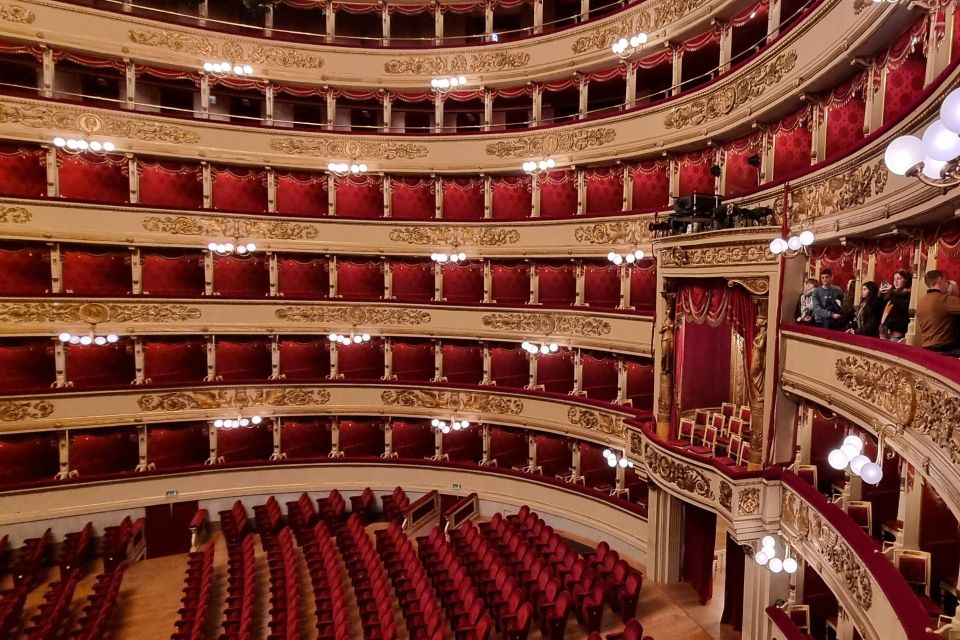
- A theater sneak peek lets you take in the auditorium from special angles (often from boxes)
- You hear stories about major performers and composers tied to this stage
- You may get a shot at watching a rehearsal later if timing works out
Why a 1-hour La Scala visit can actually change your Milan day
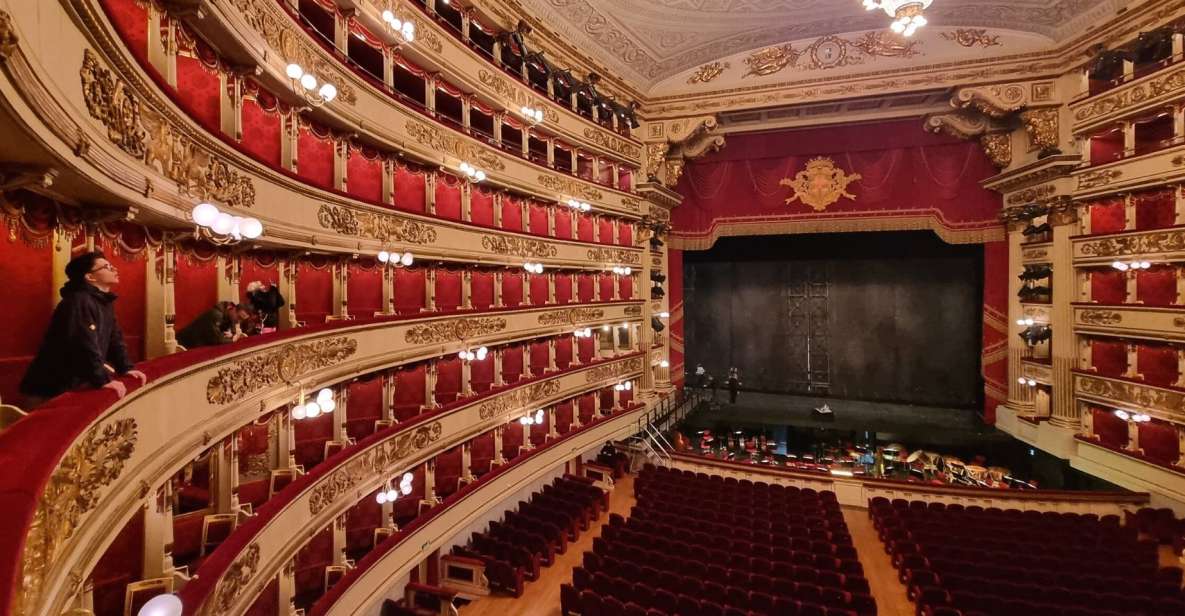
La Scala is one of those Milan stops where your first question is usually, Where am I supposed to look? This short guided format solves that. Instead of spending your energy figuring out what’s important, you get a guided route that points you to the theater’s most meaningful details and then explains why they matter.
I also like that the tour is built around the idea of context. You’re not just marching through rooms. You’re learning how an opera house runs, why particular productions mattered, and how performers shaped the legend of the stage over generations. That makes the building feel less like a museum object and more like a working art form.
And yes, if you’re heading out for an opera or ballet later in your trip, this kind of orientation helps. It gives you the map in your head before you sit down in the audience.
You can also read our reviews of more tours and experiences in Milan



Entry, meeting point, and how you’ll hear your guide
This tour is designed for smooth access: you get entry tickets included, and you can skip the ticket line, which matters at a popular site like La Scala. The meeting point can vary depending on the option you book, so I recommend arriving a few minutes early and being ready to look for your group leader.
One practical plus is the headset setup. You’ll get headsets to hear the guide clearly when there are 10 participants or more. That’s not a small detail. With a group moving through galleries and corridors, it’s easy for voices to disappear in open spaces. With headsets, you keep your attention on the story instead of chasing sound.
Also note the “real life” rules: no pets, and no luggage or large bags. If you’re traveling light, you’ll feel fine. If you’re carrying day-size shopping bags, keep them compact so you don’t get slowed down during entry checks.
Museum galleries: costumes, instruments, and the faces behind the stage
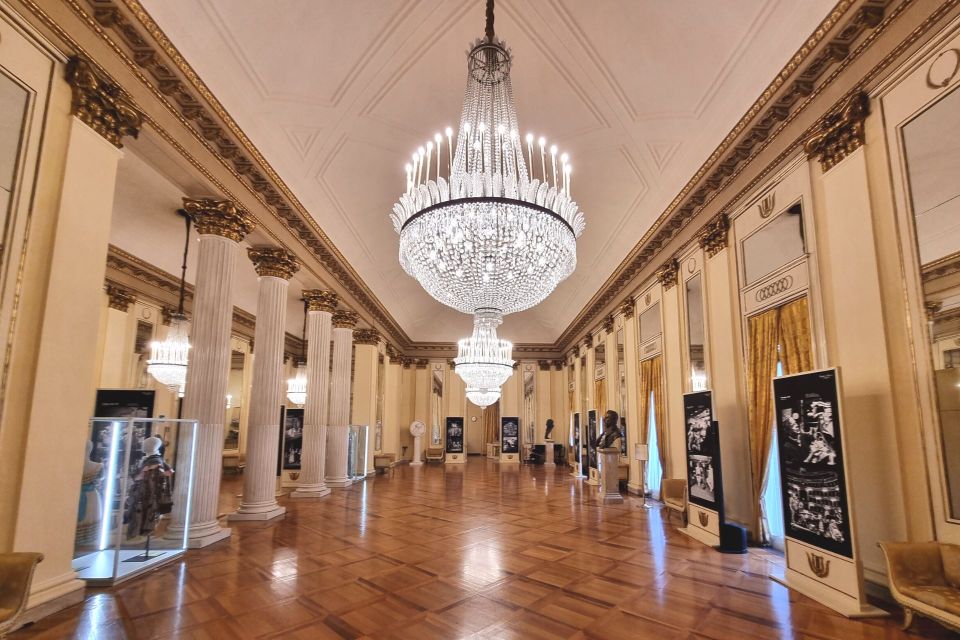
The museum is where this tour earns its keep. You’re led through the museum galleries, and the focus stays squarely on Teatro alla Scala and what happened there—especially the human side of opera and ballet.
Here’s what you’ll be looking at:
- Costumes that hint at different eras and production styles
- Musical instruments that help explain how music is made and shaped for performance
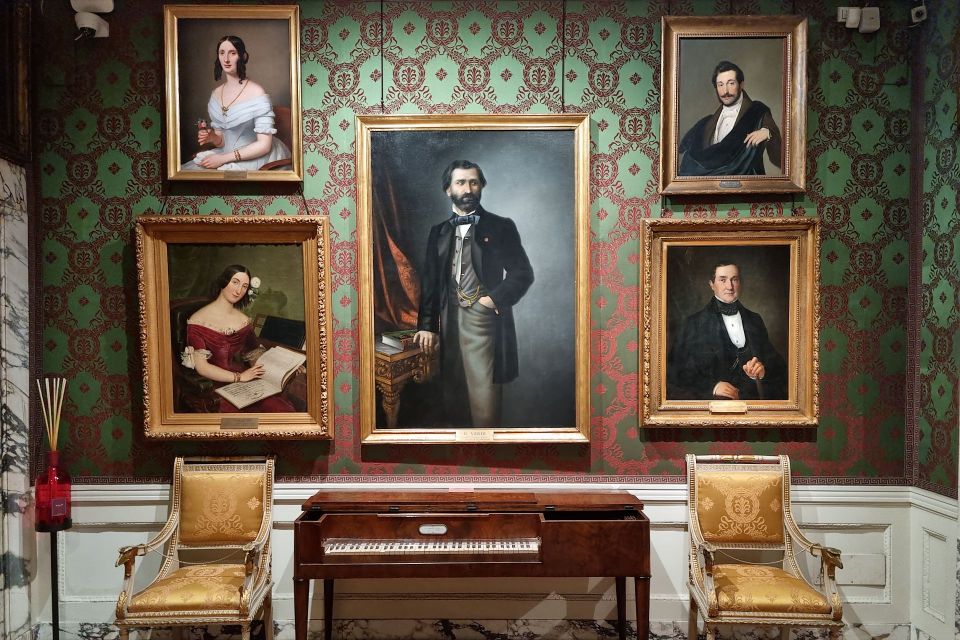
- Portraits and busts connected to famous musicians who left their mark on the stage
The museum doesn’t stay in “glass case” mode. Your guide ties the objects to stories. That’s the trick. A costume becomes a clue: what kind of show was it for, and how did stage design and performance expectations shift over time?
And the people in the portraits aren’t just name-dropping. The tour includes anecdotes about major artists who performed at La Scala, such as Verdi, Toscanini, Maria Callas, Luciano Pavarotti, and Carla Fracci. Even if opera isn’t your hobby, these names are the backbone of how you understand why the theater became such a reference point in European music.
Theater sneak peek: what you can see when rehearsals take over
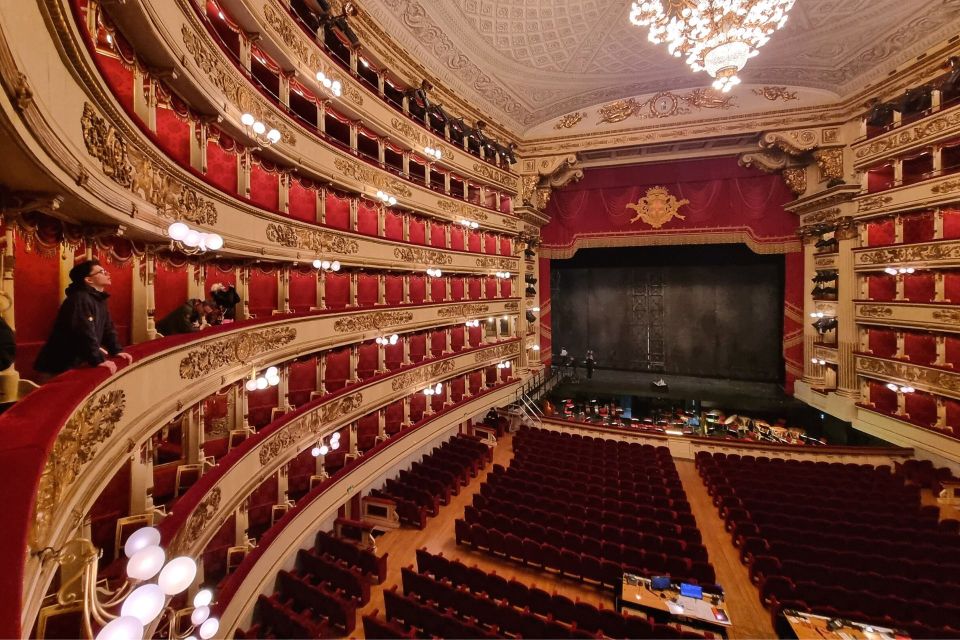
After the museum portion, you get a sneak peek inside the theater. This is the moment most people are waiting for. Seeing La Scala’s auditorium and stage area makes everything click: the scale, the sightlines, the way the space is built for performers and for the crowd.
You also need to be flexible in your expectations. The tour is designed around La Scala’s calendar, and access can change. Due to rehearsals and events, your visit may be limited—sometimes to museum galleries only. Other times, you may gain access to areas that let you view the auditorium from boxes, which several guides and visitors have highlighted as a memorable angle.
If you care about a “feel it in your body” experience, I’d treat the theater access as bonus value. Even when you don’t get full auditorium access, the guided explanation of what you’re seeing helps you connect the dots.
A small tip for your eyes
When you look toward the stage, don’t just stare. Let the guide’s story steer you. Ask yourself, What detail is they pointing to, and why would it matter to singers and musicians? That’s when the building becomes more than architecture.
You can also read our reviews of more museum experiences in Milan




Behind-the-scenes stories you’ll remember (and use later)
This is where the best tours score points. La Scala can sound intimidating if you don’t know opera history. The good part here is that your guide is there to translate the language of opera into plain human stories.
From past experiences, guides have a pattern of mixing:
- history of the building and how it evolved
- background on major performers tied to this stage
- moments that explain how musicians prepare and how productions work
- quick humor that keeps the tour from feeling like a lecture
Some guides also bring short listening examples into the talk. One booking noted a guide sharing musical excerpts from composers like Verdi and Mozart using a phone. That kind of micro-demo helps you hear the difference between names on a page and real musical ideas.
And the guide’s delivery matters. Several visitors specifically praised guides such as Eddie, with comments about humor, friendly energy, and how the headsets helped everyone follow along. Other names that showed up in successful past tours include Daniele, Silvia, and Simone. The point isn’t which person you get; it’s that this tour has a track record of guides who know how to tell stories instead of just reading facts.
Value check: $34 for tickets, entry, and a guided story
Price is usually where people hesitate. At $34 per person for a guided 1-hour visit with entry tickets included, you’re not only paying for the right to enter. You’re paying for interpretation.
That matters at La Scala because the museum isn’t just “pretty things in rooms.” It’s about connecting costumes, instruments, and portraits to performances and to the people who made the theater famous. Without a guide, you can still wander, but you might miss why an item is here or what performance it’s tied to.
Also, skip-the-line entry helps your time. One hour sounds tight, but it’s long enough when you’re moving with a plan and a storyteller. If you want extra museum time after the tour, you can usually take advantage of that momentum. Several visitors have said they enjoyed continuing on their own and then revisiting the theater later for a different look.
So is it worth it? If you want context, yes. If you’re the type who likes to wander with headphones and make up your own path, you might feel it’s short. For most people, the sweet spot is wanting the basics of La Scala explained clearly in a compact visit.
Rain or shine, and what to expect on the ground
This tour runs rain or shine, so you can plan without obsessing over weather. La Scala is an indoor-heavy experience anyway, which helps. Just be practical: wear shoes that handle polished floors and tight movement routes.
It’s also listed as wheelchair accessible, and it’s stroller-friendly too. That’s important here because you’ll be navigating both museum galleries and theater corridors with a group. If you need step-free access, your best bet is to confirm with staff at entry when you arrive, since access inside the theater can shift based on rehearsals.
One more “be ready” thought: the tour does not allow pets, and it doesn’t accept luggage or large bags. If you’re arriving from a day trip with a big pack, plan to keep it small or secure it elsewhere before you go.
Who should book this La Scala theater and museum tour
I think this tour fits these kinds of travelers:
- You want opera context even if you’re not an opera fanatic
- You’re going to a performance later and want to recognize what you’re seeing
- You enjoy stories and want names like Callas and Pavarotti connected to real stage details
- You like guided pacing because La Scala can feel overwhelming at first
If you’re a hardcore theater nerd who wants maximum access to every auditorium level, you may feel the one-hour format is too short. If your main goal is to spend time photographing the auditorium, you may prefer a different strategy. But for getting your bearings fast and learning what matters, this is a very efficient way to spend time.
Should you book La Scala with entry tickets and a guided hour?
Book it if you want a guided explanation of Teatro alla Scala that makes the building make sense. At $34 with tickets included, skip-the-line entry, and a guide who tells stories (often with humor), you’re buying time and understanding, not just access.
Hold off or adjust expectations if you’re traveling with a schedule that can’t absorb a “theater access may be limited” day. Because rehearsals and events can change what you see, treat the museum as the reliable core and the theater peek as the bonus.
If you can, pair it with a little breathing room afterward. When timing works, you may be able to look at the stage area again during ongoing rehearsals, which adds a real “this is still alive” feeling.
Overall, this is one of those Milan tours that helps you leave with more than photos. You leave with the story behind the spotlight.
FAQ
How long is the La Scala Theater and Museum Tour?
The tour duration is 1 hour, and it runs at starting times based on availability.
What’s included in the price?
The price includes entry tickets to the La Scala Theater and Museum, and headsets are provided to hear the guide clearly when there are 10 participants or more. The tour also includes a live guide and skip-the-ticket-line entry.
What languages is the tour offered in?
The live tour guide is available in English and French.
What will I see during the tour?
You’ll visit the La Scala museum galleries and see exhibits that include costumes and musical instruments, plus portraits and busts of key musicians. You’ll also get a sneak peek inside the theater.
Is the tour wheelchair accessible?
Yes, the tour is listed as wheelchair accessible (and it’s also suitable for strollers).
Are pets or large luggage allowed?
No. Pets are not allowed, and luggage or large bags are not allowed.