REVIEW · MILAN
From Milan: St. Moritz and Panoramic Bernina Express Tour
Book on GetYourGuide →Operated by FRIGERIO VIAGGI · Bookable on GetYourGuide
This day feels like Switzerland on fast-forward. In one itinerary you get St. Moritz time and then the panoramic Bernina Express through glacier country. One heads-up: in the darker months, timing can steal some daylight from the best-looking stretches.
I love that this is built around the ride itself, not just a long bus shuffle. The Bernina route is famously engineered, with 55 tunnels and 196 bridges, plus steep grades that reach up to 70 mm/m—so the scenery changes fast, and the train feels like part of the Alps, not just inside them. Guides on the day—names like Monica, Tatiana, and Maja show up often—tend to keep things organized and point out what matters as you go.
The practical side is also solid: you start at Piazza della Repubblica, you skip the ticket line, and you’re led back to the exact same meeting point. Still, it’s a 13-hour day, and you’ll want to plan around the bus time and the fact that train seats can’t be prebooked.
In This Review
- Key points that make this trip worth your time
- Milan to St. Moritz by bus: what that morning transfer really gives you
- St. Moritz time by the lake: a real town break, not a photo dash
- The Bernina Express panoramic carriage: what you should expect once you board
- Morteratsch Glacier and Montebello Curve: the two moments you’ll remember
- The tunnel-and-bridge engineering: why it matters beyond bragging rights
- Tirano break by the Swiss border: short, sweet, and useful
- Back to Milan late evening: how to make the long day feel easier
- Price and value: is $188 per person a smart deal?
- When to go: daylight limits and weather realities on the Bernina
- Who this tour fits best (and who should skip it)
- Should you book this Milan–St. Moritz–Bernina Express–Tirano tour?
- FAQ
- What’s the starting meeting point in Milan?
- How long is the tour day?
- Is the Bernina Express panoramic carriage guaranteed?
- What train class is included?
- Do I need a passport?
- Are meals included?
- Is the bus route long, and is it comfortable?
Key points that make this trip worth your time
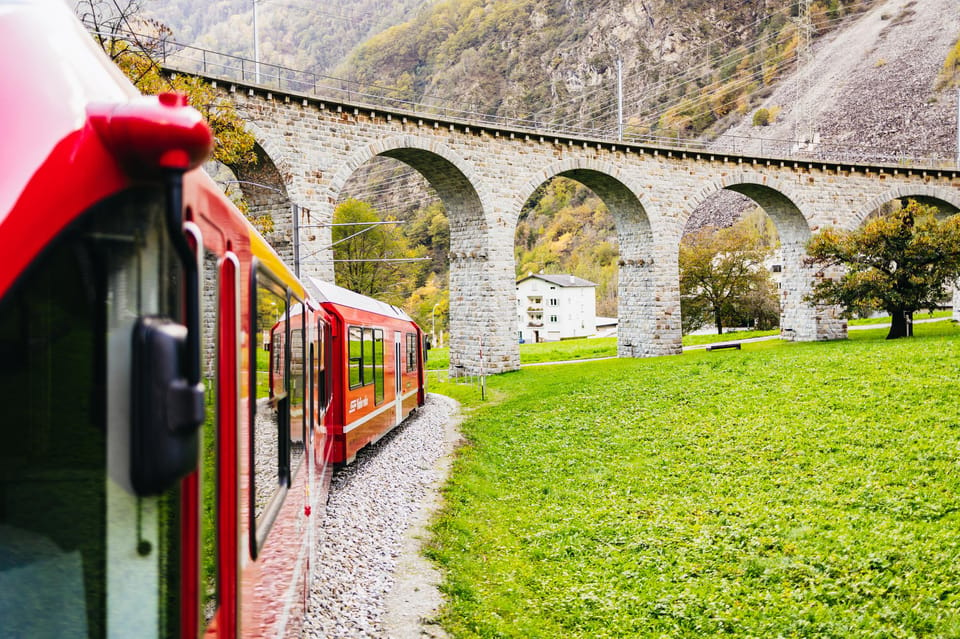
Guaranteed panoramic train option if you select it, with the best glass-carriage experience on the Bernina.
St. Moritz is more than a stop sign—you get real time by the lake for a walk and pastries.
Glacier-and-curve viewing includes Morteratsch Glacier and the world-famous Montebello Curve.
You see the route in layers: from alpine engineering up through valleys like Val Poschiavo.
Border-town feel in Tirano with a short break right by the Swiss border.
Milan to St. Moritz by bus: what that morning transfer really gives you
This tour starts with a morning coach ride out of Milan and into the mountains of Graubünden. It’s a long drive—plan for about 3 hours—but it also does two important things for you: it positions you perfectly for your St. Moritz time, and it saves you from stitching together train changes on your own.
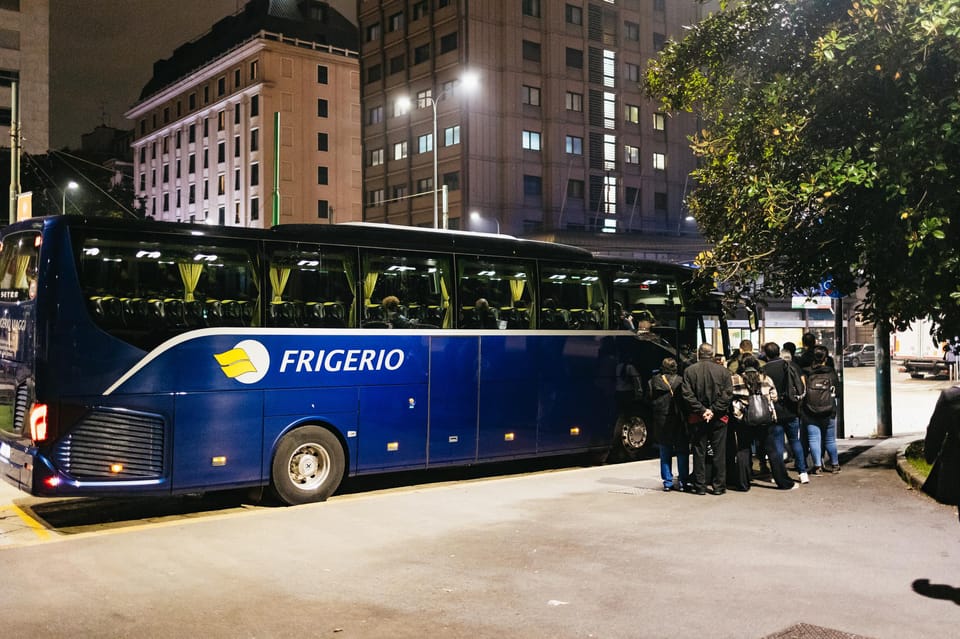
Your meeting point is specific: Piazza della Repubblica, 5, in front of the Fidenza Village newspaper kiosk, behind the blue and orange IP petrol station. I strongly recommend you arrive a few minutes early and stay ready to board, because the whole day runs on a schedule and the group needs to move together.
If you get motion-sick, it’s worth being prepared. The route is mountainous, even if the bus driver is careful (and the day is usually run smoothly). Bring layers too. Bus temperature swings are real, and later you’ll be standing around at stations and platforms.
You can also read our reviews of more tours and experiences in Milan.
St. Moritz time by the lake: a real town break, not a photo dash
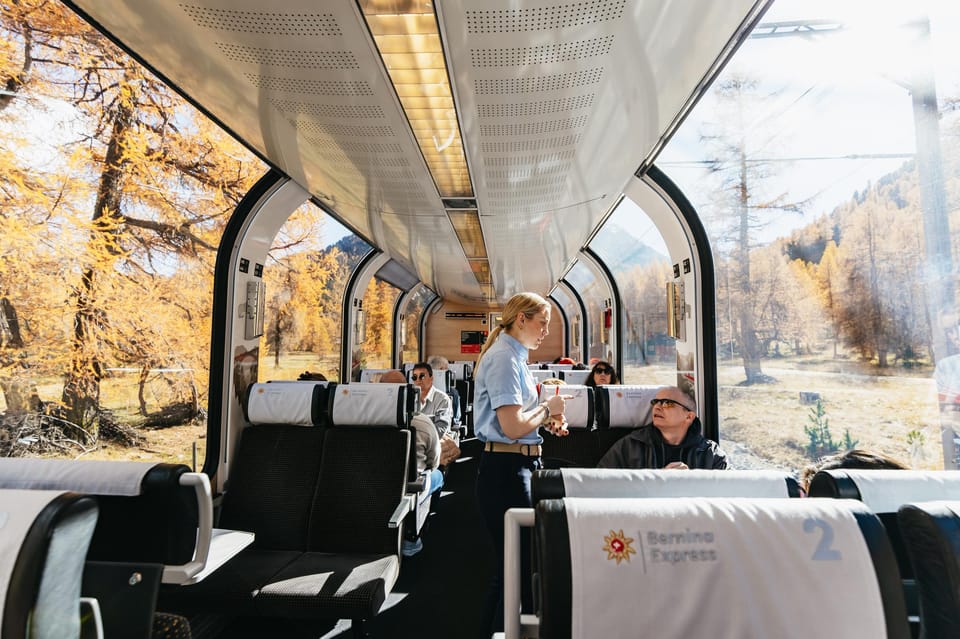
Once you arrive in St. Moritz, you get a free block of time (about 2.5 hours). This is one of the smartest parts of the day because St. Moritz isn’t just a backdrop—it’s a place you can actually enjoy.
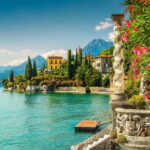
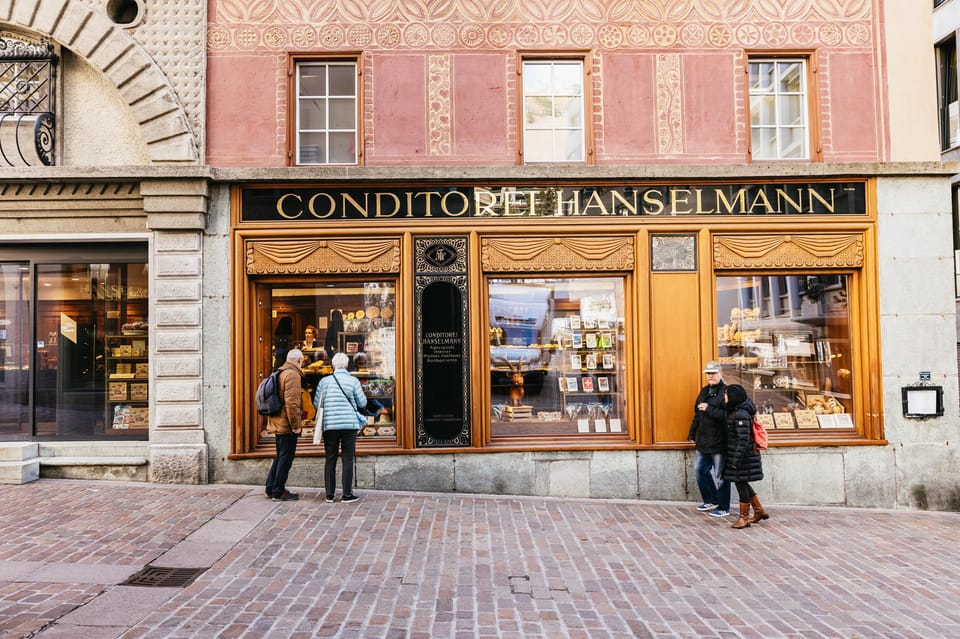
You’ll have time for a panoramic walk around the lake area, light shopping, and a sweet break in local pastry shops. If you like tasting your way through a destination, this is where you do it. I also like that this isn’t rushed into a single viewpoint. You can stroll, find your rhythm, and decide how you want to spend the time.
The town also helps set your expectations for the train. St. Moritz sits in that high-alpine mood—clean air, sharp light, big scenery. When you then transfer to the Bernina Express, the environment feels like a natural continuation, not a sudden jump.
The Bernina Express panoramic carriage: what you should expect once you board
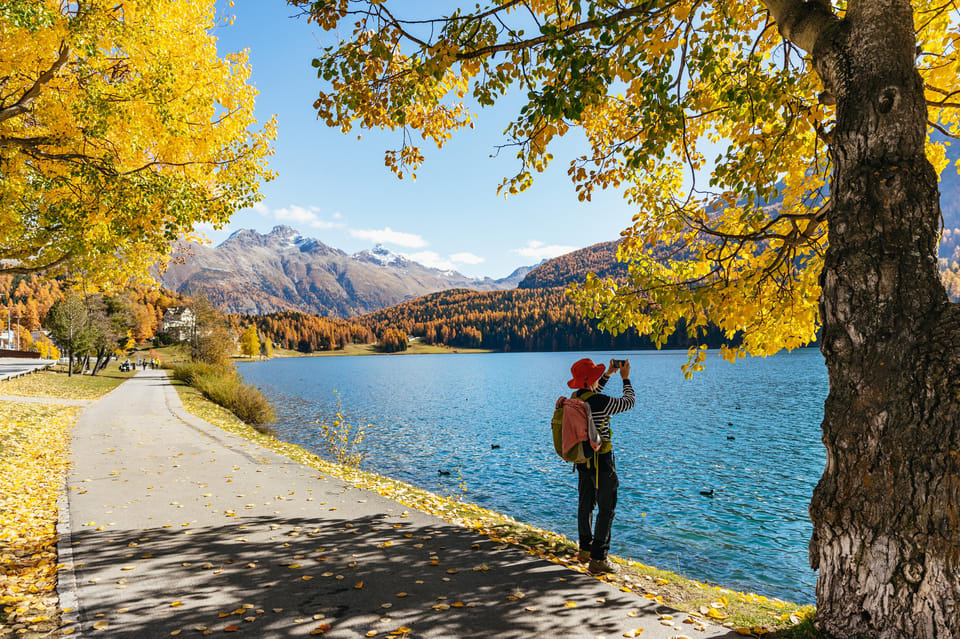
In the afternoon you move to the station and board the Bernina Express bound for Tirano. The tour is set up so you sit in the guaranteed panoramic carriage if you selected that panoramic option. This matters because it’s the difference between average views and the full “glass window” effect.
The tour includes second-class on the famous Rhaetian railway. You’re also told the key limitation upfront: seats on board can’t be reserved in advance, so your exact window spot depends on how seating works on your specific carriage and timing. That said, guides often help keep things fair and reduce chaos at the start, so it doesn’t turn into a sprint.
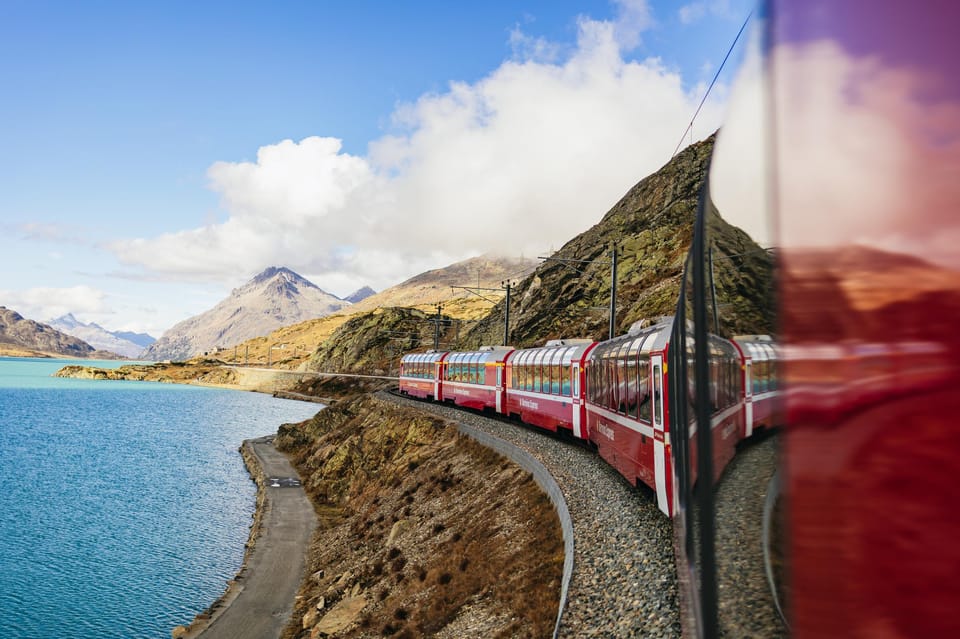
The ride itself is built for scenery: you pass glaciers, curves with dramatic elevation changes, and mountain infrastructure that looks like it was designed for postcards. On paper, it’s 2.5 hours of train time. In reality, it can feel like the scenery is moving through seasons—bright valleys, icy slopes, and then sudden engineering moments.
Also note: a first-class upgrade isn’t something you should count on through this provider, and you shouldn’t plan around preassigned seating. Treat this as a “show up, get settled, and enjoy the ride” day.
Morteratsch Glacier and Montebello Curve: the two moments you’ll remember
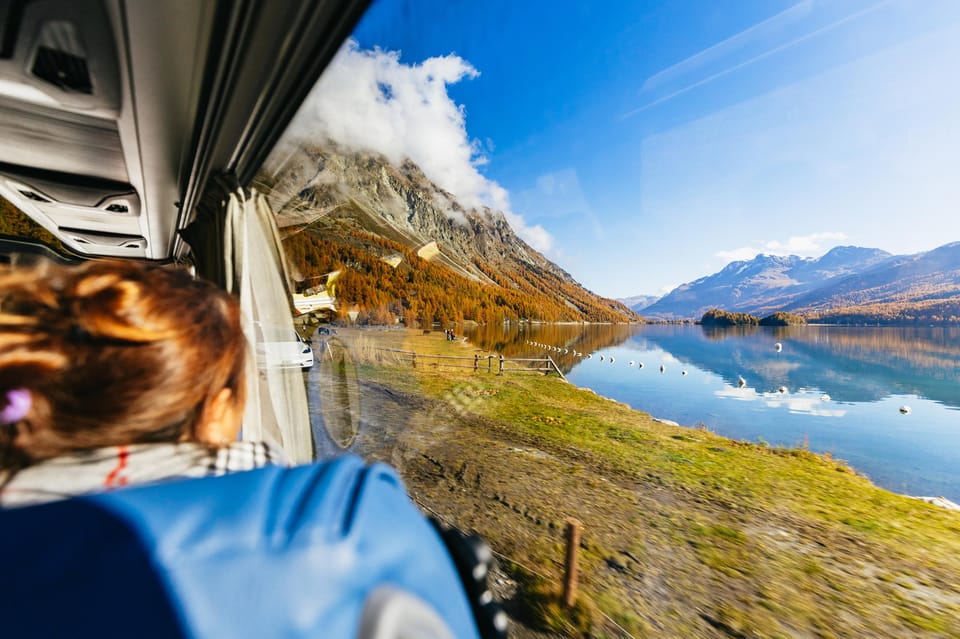
Two highlights are basically the whole reason people do the Bernina: Morteratsch Glacier and the Montebello Curve.
You’ll pass the Morteratsch Glacier on the way. It’s the kind of sight that makes you slow down inside your head, even if the train keeps moving. You don’t stop, but the viewing angle from the panoramic car makes it feel immediate.
Then comes the world-famous Montebello Curve. This is one of those signature curves that photographers love for a reason: the view is dramatic, and the train’s path through the mountains gives the scene depth. In winter or when skies are grey, the curve can still be impressive, but don’t be shocked if cloud cover reduces the sharpness of the distant peaks. The train still delivers the motion and the engineering drama either way.
The route also feeds you steady “good enough to stare out the window” scenery between these major moments:
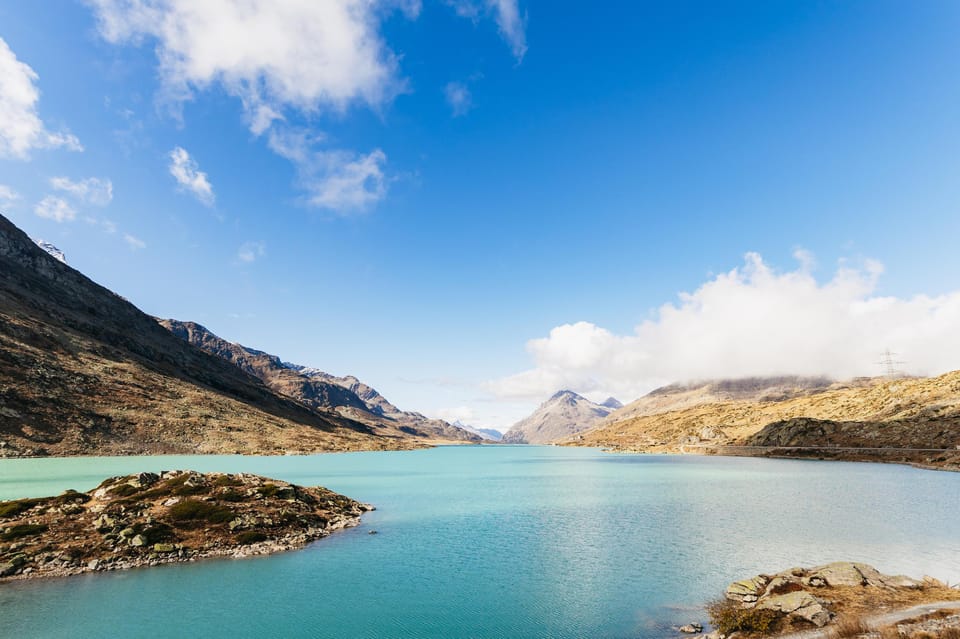
- Lakes including Lago Bianco and Laj Neir
- Val Poschiavo, which gives the day a valley rhythm instead of only glacier-and-rock
- Bernina Diavolezza, passed by during the ride
- Alp Gruem, as you continue climbing and descending through the high country
The tunnel-and-bridge engineering: why it matters beyond bragging rights
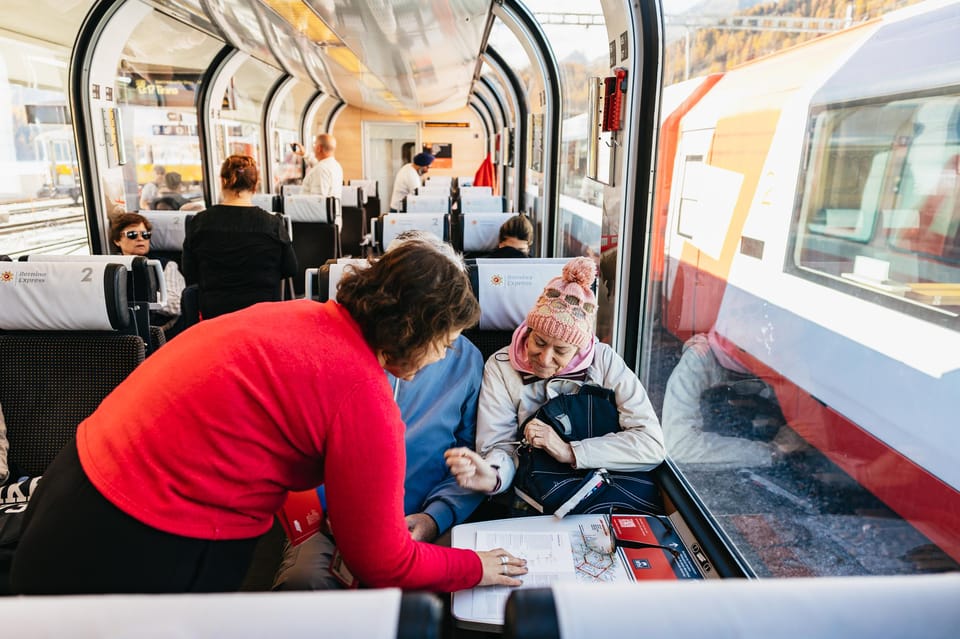
The Bernina Express isn’t just scenic. It’s a live lesson in how railways conquered steep, rugged terrain.
The numbers given for the route—55 tunnels, 196 bridges, and inclines up to 70 mm/m—aren’t trivia. They explain why the journey feels so active. When the grades rise, you feel it. When the track turns into tunnels, the light changes abruptly. When you cross bridges, you get quick, wide sightlines you wouldn’t see from a road viewpoint.
This is where you’ll notice the panoramic carriages are worth it. They keep your focus outward even as the train moves through engineering sections. Instead of just “passing scenery,” you’re watching the railway thread itself through the mountains like a carefully drawn line.
That’s also why the guide matters. A good leader helps you know what you’re looking at—so you don’t just stare at glass, you understand what you’re seeing.
Tirano break by the Swiss border: short, sweet, and useful
You arrive in Tirano (right beside the Swiss border). The stop is brief—around 30 minutes. This is not a full meal-and-sit situation. It’s a reset moment.
Use the break to stretch, grab a drink or quick bite if you want, and take a few border-town photos. Tirano’s value here is timing: you’re getting the Bernina experience first, then a short taste of the Italian-side atmosphere before heading back to Milan.
One thing to keep in mind: if you’re traveling late in the season, you may arrive around reduced daylight hours. The good news is that the train journey still has plenty of visual payoff, and the return by bus keeps you moving without complicated navigation.
Back to Milan late evening: how to make the long day feel easier
The return bus ride takes about 2.5 hours, and your arrival back in Milan is scheduled for the late evening. This is the part people underestimate, so plan accordingly.
Bring water if you can. Meals aren’t included, and the bus restroom isn’t guaranteed. That might sound small, but it’s exactly the kind of detail that makes a long day feel smoother or harsher.
I also suggest you choose your St. Moritz stroll and your snacks with the return bus in mind. Don’t over-plan errands. If your brain starts to drift, use it as a cue to pause, enjoy the lake area, and then head back with enough energy for the train’s big moments.
Price and value: is $188 per person a smart deal?
For around $188 per person, you’re paying for a package that includes:
- Round-trip transportation by bus (Milan ↔ St. Moritz and Tirano ↔ Milan)
- Tour leader on board
- Skip-the-ticket-line service
- Bernina Express in second class
- Guaranteed panoramic carriage if you selected the panoramic train option
For this specific route, the value is in reducing hassle. Doing Milan to St. Moritz plus the Bernina Express logistics on your own can be doable, but it’s work—coordination, station timing, and making sure you land in the best viewing situation. This trip packages that, and it hands you the route in a guided rhythm.
Where the price isn’t “all-inclusive” is meals. You’ll also want to be comfortable with the fact that train seats can’t be reserved in advance. So treat this as paying for access and guidance, not for a five-star onboard meal experience.
When to go: daylight limits and weather realities on the Bernina
Season changes how much you see, especially on the Bernina.
From December 14 onward, the route may offer partially obscured or less visible panoramic views due to shorter daylight hours. One specific timing example is mentioned: departing St. Moritz at 4:14 PM and arriving in Tirano at 6:39 PM. That means you’re riding into evening light, not morning sparkle.
From October 29 until December 13, you may board the regional train on parts of the route. You still get the day’s big experience, but it’s smart to know that “Bernina Express” can mean different train operations depending on the season.
Weather also matters. Low clouds can soften the highest peaks and reduce contrast. The good news? Even with clouds, the curve and the engineering moments tend to deliver, because they’re dramatic in their own right.
Who this tour fits best (and who should skip it)
This works best if you want a guided, low-stress way to see Switzerland’s high-alpine highlights in one day. It’s great for first-timers who want the Bernina Express magic without building a routing spreadsheet.
It’s less ideal if:
- You hate long travel days (the bus time is real)
- You rely on step-free access and have mobility limitations (the tour is noted as not suitable for people with mobility impairments)
- You expect meals or onboard comforts on the bus (meals aren’t included, and a bus restroom isn’t part of the plan)
If you love train windows, natural power, and a mix of Swiss and border-town atmosphere, you’ll likely have a smile stuck on your face for most of the return bus ride.
Should you book this Milan–St. Moritz–Bernina Express–Tirano tour?
Book it if you want a structured day where someone else handles the logistics and you get the best-view goal: a panoramic carriage on the Bernina plus meaningful time in St. Moritz.
Think twice if you’re sensitive to darkness, since mid-to-late December departures can limit daylight views. Also consider your energy level. This is one of those trips that rewards you most when you prepare for the long day: water, layers, and a relaxed plan.
If you’re choosing between the panoramic option and skipping it, go panoramic. The Bernina is the kind of experience where the view isn’t a side perk—it’s the main event.
FAQ
What’s the starting meeting point in Milan?
You board in Piazza della Repubblica, 5, in front of the Fidenza Village newspaper kiosk, behind the blue and orange IP petrol station. The tour ends back at the same meeting point.
How long is the tour day?
The total duration is listed as 13 hours. The schedule includes time on the bus, free time in St. Moritz, train viewing time, and the return bus.
Is the Bernina Express panoramic carriage guaranteed?
Yes, a guaranteed panoramic carriage is included if you select the Panoramic Train option. Seats on board cannot be reserved in advance.
What train class is included?
The tour is in second class on the Bernina Express / Rhaetian railway. A first-class upgrade is not offered through this provider.
Do I need a passport?
You should bring a passport or ID card.
Are meals included?
No. Meals are not included, and a restroom on the bus is also not included.
Is the bus route long, and is it comfortable?
The day includes significant coach time on mountain roads, with about 3 hours to reach St. Moritz and about 2.5 hours back to Milan. The day is run on schedule, so plan for a long seating period.