REVIEW · MILAN
Milan: Entrance Ticket to La Scala Theatre Museum
Book on GetYourGuide →Operated by Vivaticket SPA Teatro Alla Scala · Bookable on GetYourGuide
La Scala can feel like a time machine with doors. What makes this ticket extra appealing is that you get both the museum objects and an actual look into the opera house. I love the costumes, set designs, and musical instruments you can study up close, and I also like the theatre interior view that turns the history on the walls into something physical.
One possible drawback: on days with rehearsals, you may not get full access to the main auditorium space. Your view can shift, sometimes meaning you see more from higher seats or through a less direct angle.
In This Review
- Key highlights to look for
- La Scala Theatre Museum: why this ticket hits different
- What you’ll see inside the museum displays
- The auditorium view: boxes, rehearsals, and how to make it count
- Audioguide in 7 languages: use it to connect the dots
- Where it sits in your Milan day: Duomo and Galleria nearby
- Ticket value and pricing: what about $17 gets you
- Practical tips that will save you time (and frustration)
- Should you book this La Scala Theatre Museum ticket?
- FAQ
- What is included with the La Scala Theatre Museum entrance ticket?
- How much does the ticket cost?
- How long is the ticket valid?
- Is there a way to avoid waiting at the entrance?
- Can I bring a large backpack or luggage?
- Is the museum accessible for wheelchair users and strollers?
- What’s the best way to check theatre visibility?
Key highlights to look for
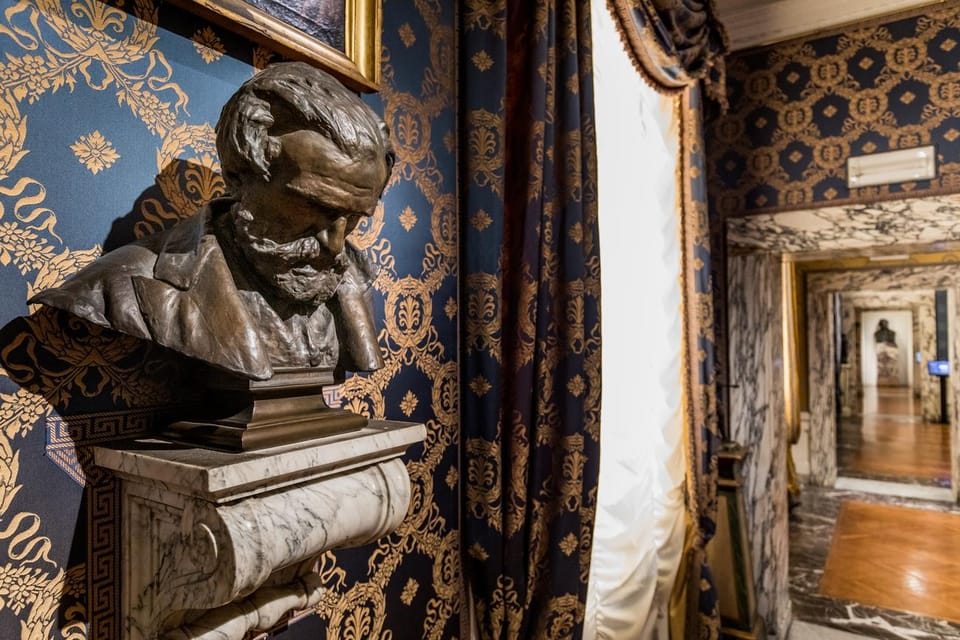
- Museum exhibits that focus on real production gear: costumes, sets, and instruments
- An auditorium peek that makes the place feel alive, not just photographed
- Audioguide in 7 languages via a downloadable app at the museum
- Portraits, busts, posters, and video displays that connect people to performances
- Location that’s easy to pair with Duomo and Galleria Vittorio Emanuele II
- A smoother entry option with skip-the-line access, though the exact flow at the door can vary
La Scala Theatre Museum: why this ticket hits different
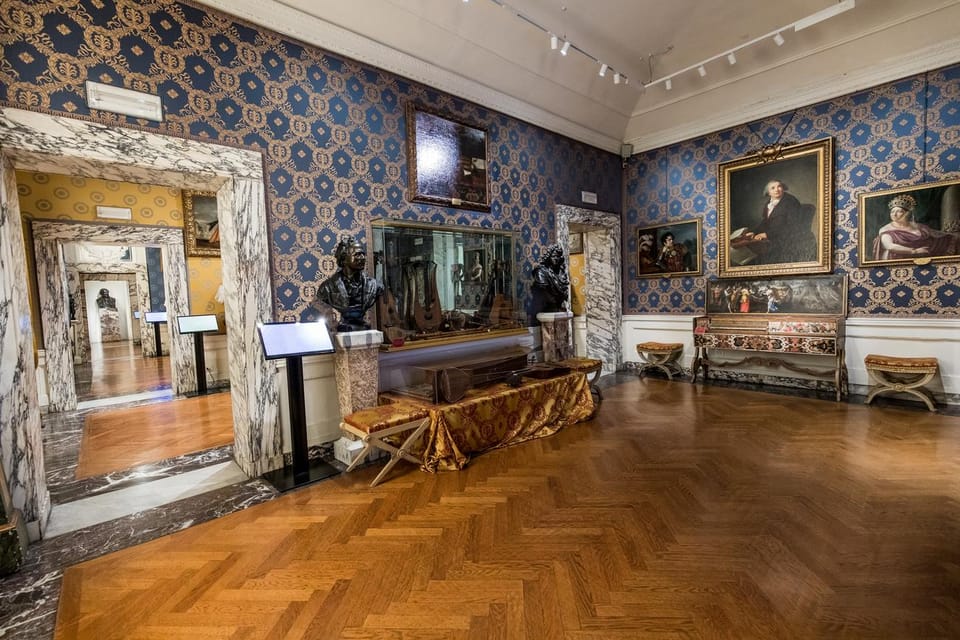
La Scala isn’t just famous because people name-drop it. It’s famous because it helped shape modern opera performance. The museum ticket works well because it doesn’t only show you framed facts; it shows you working pieces of theatre life—things made for the stage, handled by performers, designed to move an audience.
For you, that means the visit is more than looking at an interior. You’re studying the tools of the art: costumes that imply character, set designs that explain scene changes, and musical instruments tied to the theatre’s legacy. Even if you’re not an opera expert, those items make the story understandable fast.
And then there’s the payoff. You’re not leaving after a quick walk-through of a museum room. You get an auditorium look as part of the experience, which is where the whole venue starts to feel real.
You can also read our reviews of more tours and experiences in Milan



What you’ll see inside the museum displays
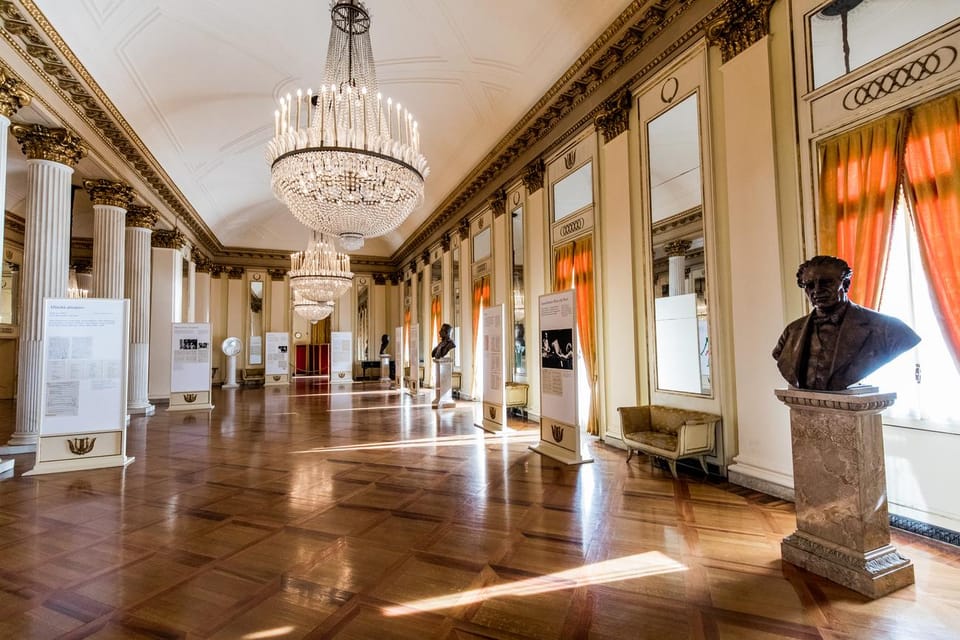
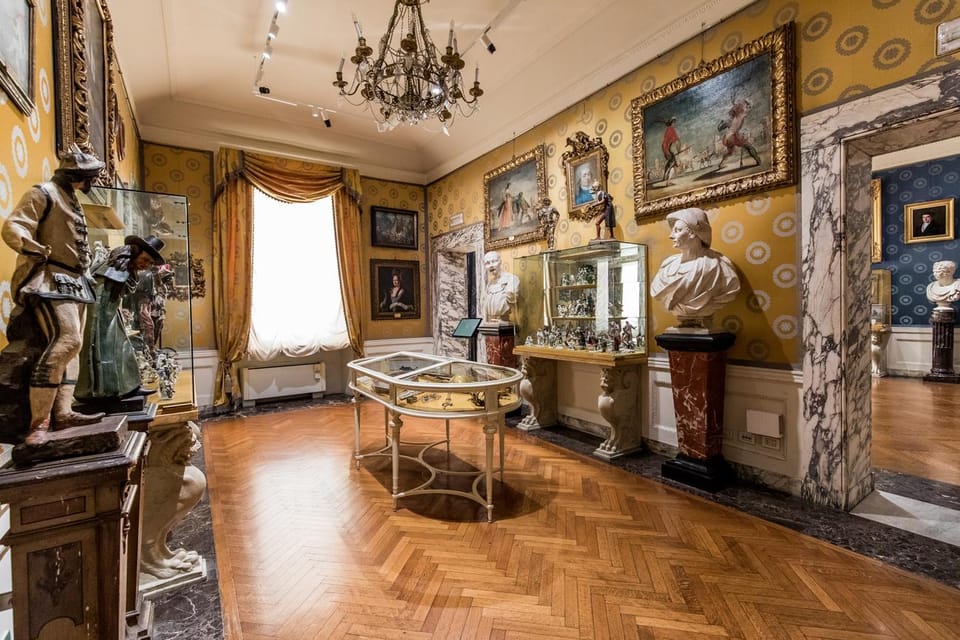
The heart of the ticket is the La Scala Theatre Museum exhibits, designed around landmark productions and the people behind them. Expect to spend time with:
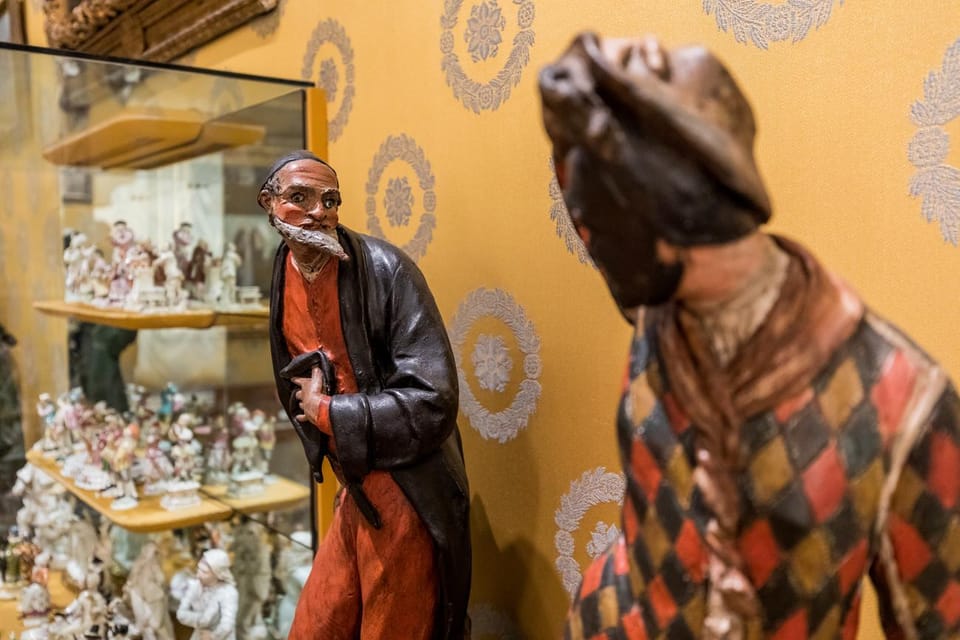
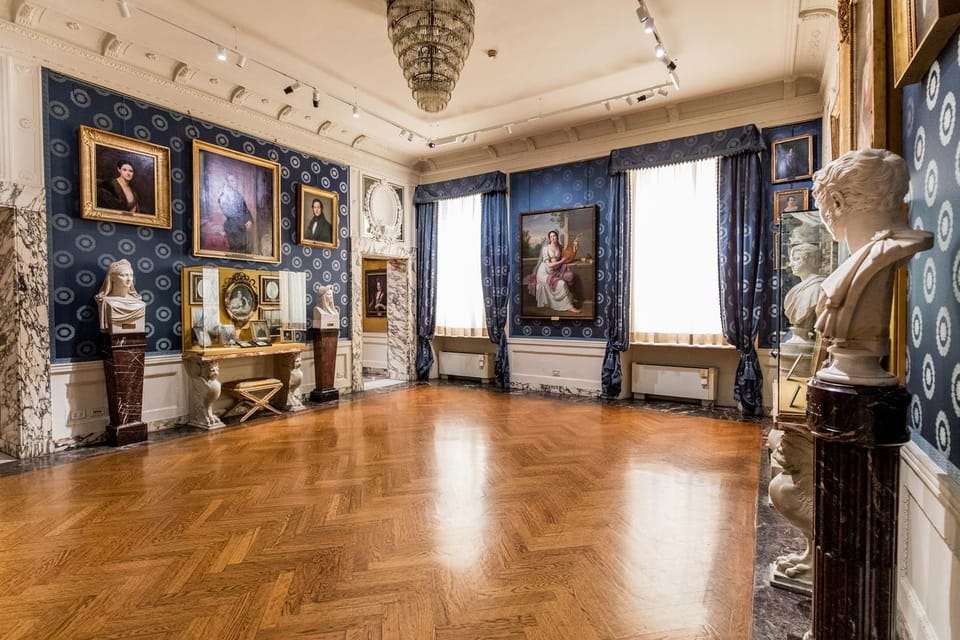
- Costumes and performance-related items that show how costumes were built for stage lighting and movement
- Set designs, which give you a sense of scale and how scenes were staged
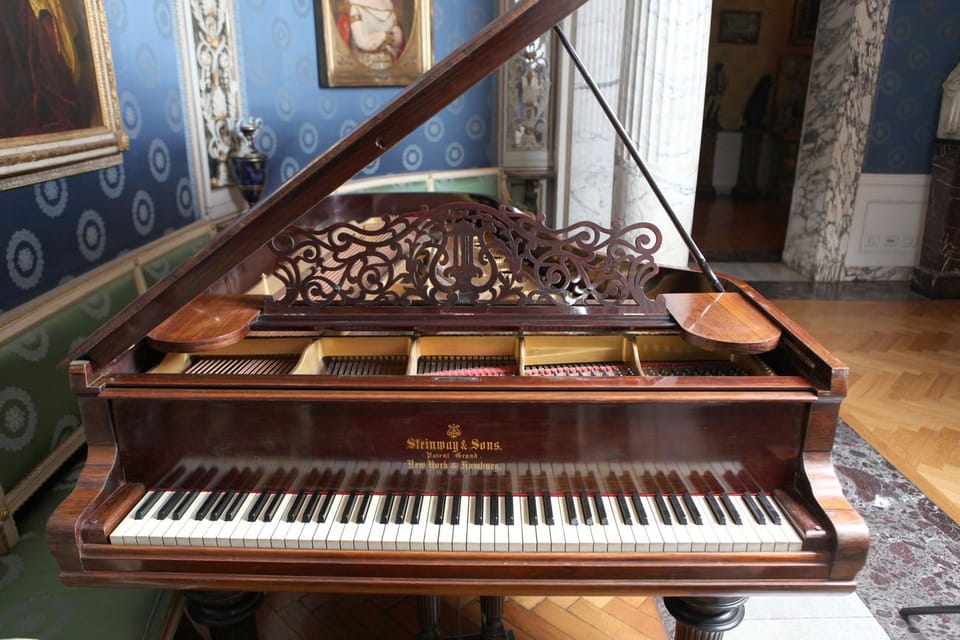
- Musical instruments connected to the theatre’s world
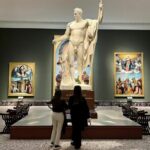
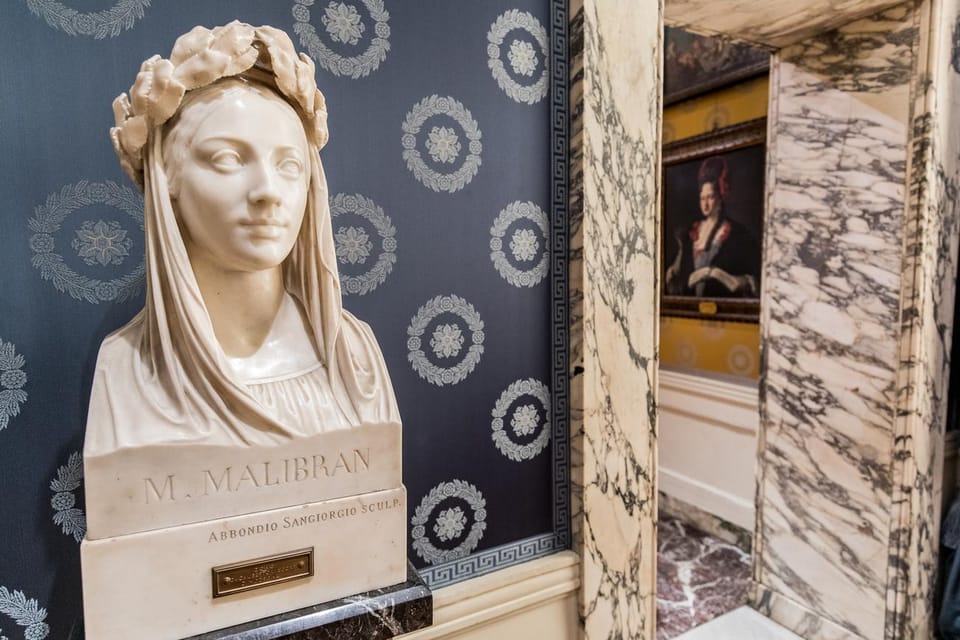
- Portraits and busts of major musicians, letting you connect names to faces
- Posters and visual media from past performances, which help you understand what audiences once saw and how production styles evolved
A smart thing here is that the museum also uses videos and pictures to show what opera and performance life feels like—even when there’s no live show running during your visit. If you come to Milan when the opera schedule is quiet, you’ll still get context for what the theatre experience would be.
The auditorium view: boxes, rehearsals, and how to make it count
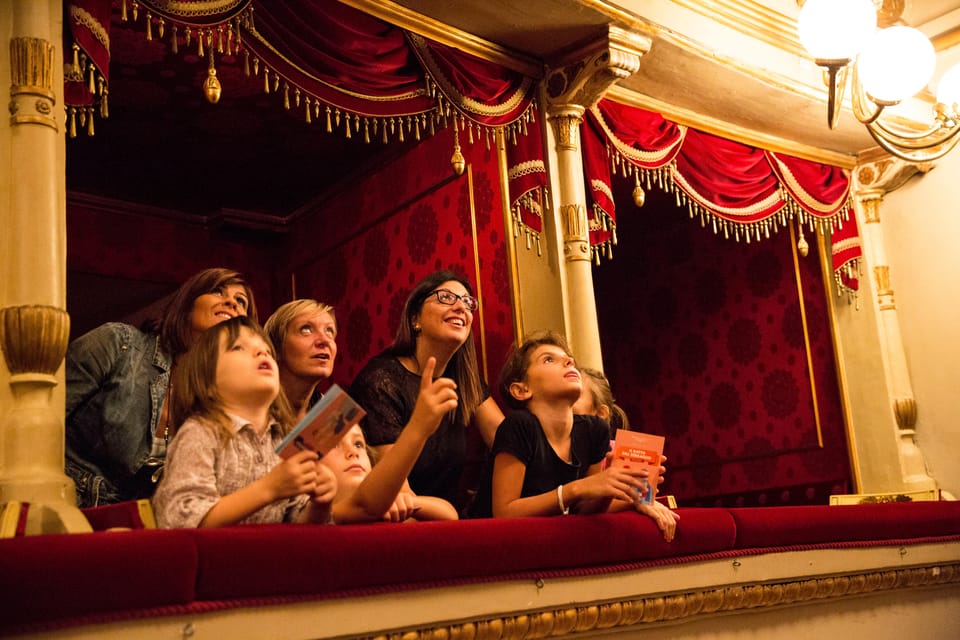
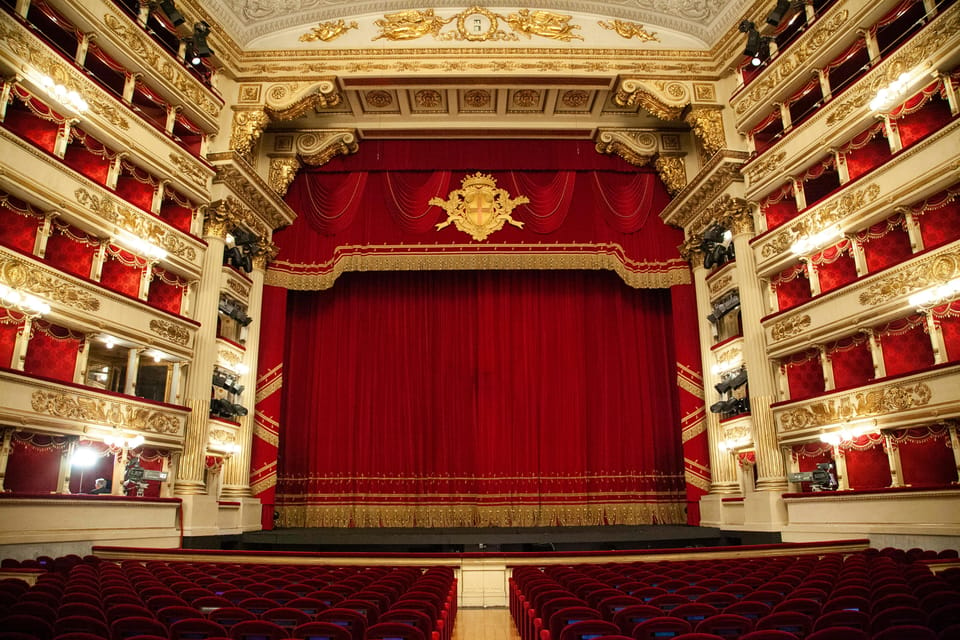
This ticket includes more than museum rooms. You’re also able to see the theatre interior. In practice, your exact view can depend on how the building is being used that day.
Here’s what to plan for based on what’s been experienced on the ground:
- If there’s a rehearsal, the main space may not be fully available to every ticket holder. Sometimes you can still see a lot, but the angle can change.
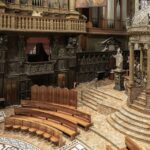
- Some visits have a standout moment when you can view the auditorium from a box. That kind of perspective can be the difference between seeing a room and feeling like you’re inside the performance.
Also, there’s a practical tip that matters for photos and visibility: La Scala provides guidance on checking whether the theatre lights are on for best viewing. Before you go, it’s worth checking the visibility info here:
https://www.museoscala.org/it/visibilita-teatro.html
If you’re the type who cares about sightlines, this matters. Theatre lighting can make interior details pop—or flatten them. You’ll get more from the look into the auditorium when you time your visit with good visibility.
Audioguide in 7 languages: use it to connect the dots
The ticket includes an app audioguide in 7 languages, downloadable at the museum. This is one of those “quiet” inclusions that turns the visit from random looking into actual understanding.
Use the audioguide like this:
- Start it before you get too deep into exhibits so the names and timelines land in your head while everything is visible.
- When you reach items like costumes or instruments, let the guide explain what you’re seeing. Those details matter more after you know why the object is important.
You’ll also notice that the museum relies on informational videos and picture displays around the entrance area and throughout. The audio helps you connect those screens to the objects you’re walking past.
Where it sits in your Milan day: Duomo and Galleria nearby
La Scala Theatre and Museum are located just steps away from the Cathedral and Vittorio Emanuele Gallery. That’s a big deal for value, because it reduces transit time and lets you build a tight cultural loop.
A practical way to think about it: if you’re already walking that Duomo-to-Galleria corridor, this ticket fits without turning your day into a logistics puzzle. It’s easy to combine sightseeing, and the museum experience gives you a different texture than churches and shopping streets.
If you want a simple rhythm, do a walk around the area, then shift indoors to study the museum objects and theatre interior. You’ll feel like you changed gears, not just added another stop.
You can also read our reviews of more museum experiences in Milan




Ticket value and pricing: what about $17 gets you
At about $17 per person, this ticket is priced in the “serious cultural” range, but it also does something that makes the value feel fair.
You’re paying for two things at once:
1) Museum exhibits centered on real production material
2) A look into the opera house itself
If you only got one of those, you could argue about value. But the combination is what justifies the price. The museum objects help you understand the theatre’s artistic language. The auditorium view gives you the emotional payoff and the scale.
Also note: the ticket includes skip-the-ticket-line access. That’s helpful in a busy historic site, even if the exact door flow can vary day to day. If you’re trying to keep a tight schedule, this is one of those small advantages that can save you a chunk of time.
Practical tips that will save you time (and frustration)
A few rules can make or break a smooth visit:
Bags: luggage or large bags aren’t allowed in the museum area. Plan on checking large backpacks into the cloakroom.
Timing and theatre lights: if you care about how the auditorium looks, check the lighting visibility guidance in advance.
Rehearsal days: the theatre can be active. If rehearsals are underway, expect that access to certain areas may be more limited than on a quiet day. Your view may still be great, but it might be from a different vantage point.
Strollers and wheelchairs: the theatre and museum are accessible to wheelchairs and strollers, and the ticket is wheelchair accessible.
One more small note: in some cases, you might not have total clarity at the door on how the skip-the-line part works, so give yourself a minute to find the right entrance flow and ask staff what lane to use.
Should you book this La Scala Theatre Museum ticket?
You should book if you want a Milan cultural stop that feels connected to actual performance craft. This ticket works especially well if:
- you’re curious about opera beyond the headlines
- you like museums with real objects, not only posters behind glass
- you want an auditorium view without needing to catch a live show
- you’re building a day around Duomo and Galleria and want a strong indoor anchor
You might skip or rethink if:
- you’re only interested in a full, unobstructed auditorium tour and have zero tolerance for viewing angles changing during rehearsals
- you prefer very long guided experiences rather than a museum-and-view format
Overall, the museum’s focus on costumes, sets, instruments, and the theatre interior view gives this ticket a clear purpose. And at about $17, it’s a rare case where you feel like you’re buying access to both history and the physical stage.
FAQ
What is included with the La Scala Theatre Museum entrance ticket?
Your ticket includes admission to the museum exhibits, plus access to the theatre area as part of the experience. You also get an app audioguide in 7 languages, downloadable at the museum.
How much does the ticket cost?
The price is listed at $17 per person.
How long is the ticket valid?
The ticket is valid for 1 day. You should check availability to see starting times.
Is there a way to avoid waiting at the entrance?
The ticket includes skip-the-ticket-line access. In practice, the exact entry flow can vary at the door, so allow a moment to find the correct lane if needed.
Can I bring a large backpack or luggage?
No. Luggage or large bags aren’t allowed inside. Large bags and backpacks must be checked into the cloakroom.
Is the museum accessible for wheelchair users and strollers?
Yes. The theatre and museum are accessible to wheelchairs and strollers, and the experience is wheelchair accessible.
What’s the best way to check theatre visibility?
La Scala provides a visibility note on whether the theatre lights are on. You can check it here before you go: https://www.museoscala.org/it/visibilita-teatro.html