REVIEW · MILAN
Milan: Hands-On Pasta & Dessert Cooking Class & Wine Pairing
Book on GetYourGuide →Operated by CASA PASTROCCHI · Bookable on GetYourGuide
Pasta taught in a real Milan kitchen. In an apartment setting in Milan, I loved the hands-on pasta shaping with chef Niccolò and the wine pairing led by a Certified Sommelier; it feels like learning from someone who cooks this way every day. One consideration: because it is a working kitchen with lots of standing and moving around, wear comfortable shoes and plan for an active 3.5 hours.
The small group size (max 10) matters more than you might think. You get direct attention as you roll, cut, and assemble, and you also get to sit down and enjoy what you make paired with wine, dessert wine, and limoncello.
In This Review
- Key Things You’ll Notice Right Away
- Welcome Aperitif and Wine Pairing in Milan
- Finding the G1 Entrance for the Apartment Kitchen
- Inside Niccolò’s Working Kitchen: Small Group, Real Attention
- The Three-Course Flow: Bruschetta, Pasta, Tiramisù
- Fresh Pasta Shapes You’ll Actually Learn to Make
- Sauces That Teach Italian Flavor Logic
- The Tiramisù Lesson: Built for Creamy Success
- Dinner at the Table: How the Pairing Works With Your Food
- What You Take Home (Besides the Recipe Book)
- Price and Value: $123.48 Makes Sense Here
- Who This Cooking Class Is Best For
- Practical Tips Before You Go
- Should You Book This Milan Pasta Workshop?
- FAQ
- How long is the Milan pasta and dessert cooking class?
- What’s included in the price?
- What food will I learn to cook?
- Will I taste wine during the class?
- Is the group size small?
- What should I bring or wear?
- Is there an age limit for the wine and alcohol?
- Where does the activity start and end?
- Are there any restrictions like smoking?
Key Things You’ll Notice Right Away
- Welcome aperitivo with Prosecco plus fresh salami and cheese to start you in the right mood
- Certified Sommelier wine tasting paired to what you’re cooking, not random sips
- Multiple fresh pasta shapes like tagliatelle, fettuccine, pappardelle, and tagliolini
- Sauce practice across classic Roman and Italian favorites: Amatriciana, Cacio e Pepe, Carbonara, and Pomodoro
- Real tiramisù for dessert, with an optional chocolate variation
- Recipe book to take home so the class doesn’t end when your apron comes off
Welcome Aperitif and Wine Pairing in Milan
The experience starts with the kind of first 15 minutes that makes the rest easier to enjoy. You’ll get a welcome aperitif featuring Prosecco, plus simple but satisfying bites like fresh salami and cheese. It is not trying to be fancy. It is practical: you drink something bright, you settle in, and you’re ready to cook.
Then the evening shifts toward what makes this class different from a basic pasta lesson: the wine tasting with a Certified Sommelier. You’re not just tasting because wine is nice. The pairing supports the food you’re learning, so your brain connects the flavors as you go. If you enjoy tasting with a purpose, this part is a big win.
A detail I appreciated: Niccolò (chef and host) is involved throughout, so the wine explanation doesn’t feel separated from the cooking lesson. You can ask questions and connect what’s in the glass to what you’re building on your plate.
You can also read our reviews of more cooking classes in Milan
Finding the G1 Entrance for the Apartment Kitchen
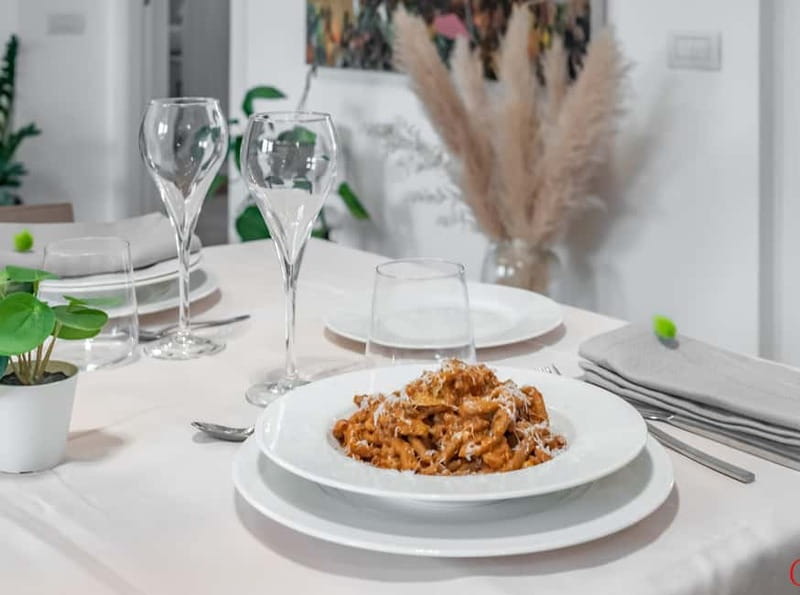
In Milan, not everything happens at a grand tour venue. This class begins at an apartment building entrance where you use the intercom system. You’ll want to pay attention when you arrive so you don’t waste time hunting.
Here is the basic flow: look for apartment G1 on the intercom (use the downward arrow on the display to find it, then ring). Walk inside the condominium complex, turn right toward the respective staircase, then ring G1 again at the second door intercom. The apartment is on the first floor, on the left.
It’s a small thing, but it sets the tone. This is meant to feel like you’ve been invited into someone’s home kitchen, not moved through a staged museum of food.
Inside Niccolò’s Working Kitchen: Small Group, Real Attention
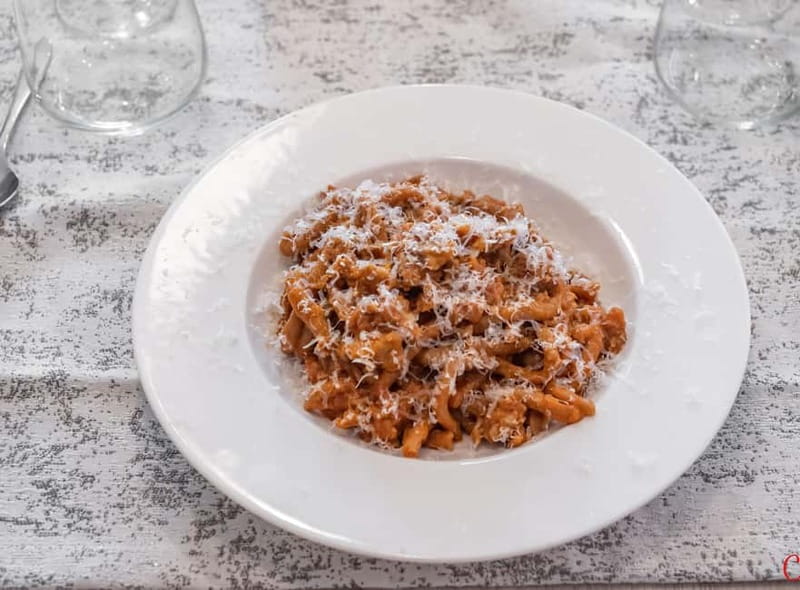
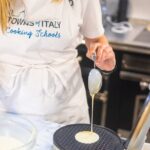
The class is limited to 10 participants, and you feel it immediately. In a small group, it is easier to ask quick questions while your dough is still workable. It also means you’re not just watching someone else do the hard parts. You’re actively making the pasta and building the meal with the chef guiding you.
You’ll also get the tools you need for the cooking. They don’t make you show up with a bag of equipment or guess what to bring, beyond simple things like wearing comfortable shoes. The pace is hands-on: there are steps you do, steps Niccolò corrects, and moments where you stop and try again.
And yes, there is an extra little surprise mentioned as part of the experience. They keep it vague, but that usually means it is something small that fits the group vibe—more personal than a generic goodie.
The Three-Course Flow: Bruschetta, Pasta, Tiramisù
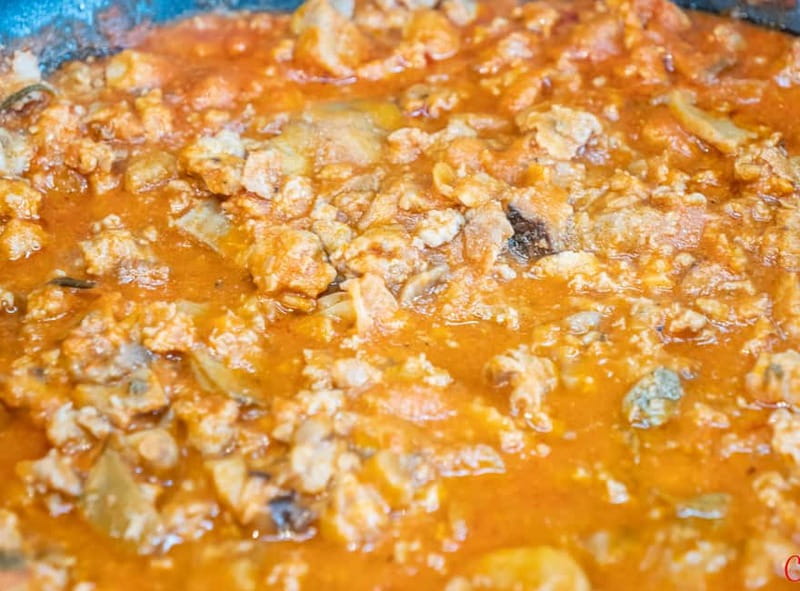
This is structured like a real meal, not a random sequence of cooking demos.
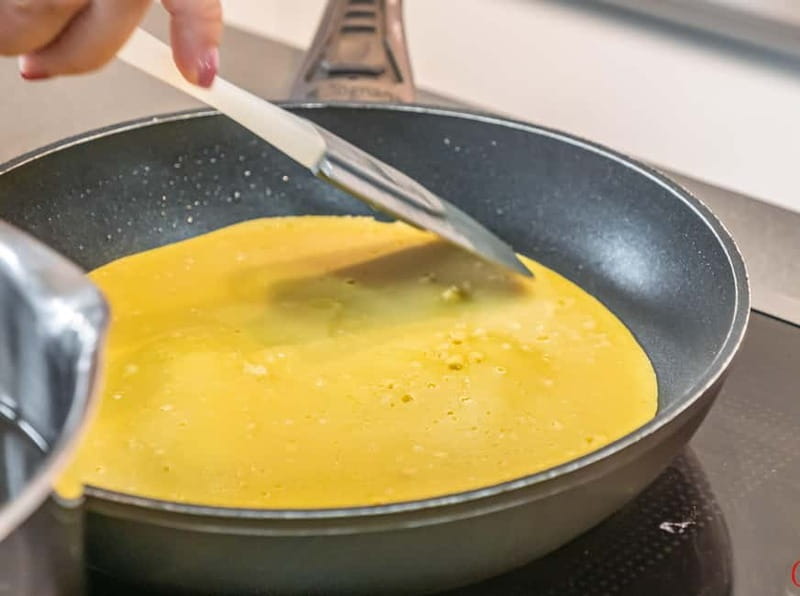
You’ll start with a course that feels Italian and sturdy rather than delicate: Tomato / Sausage Tuscan Bruschetta. It sets the flavor foundation before the pasta work gets serious. Expect tomatoes and sausage flavors that smell like Sunday cooking, the kind you want before you start making dough.
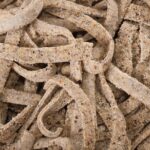
Then comes the main event: cooking the pasta and multiple sauces, plus shaping several types of fresh pasta. This isn’t just one pasta format and done. You’ll learn several fresh shapes—tagliatelle, fettuccine, pappardelle, and tagliolini—so you understand how different cuts change the eating experience.
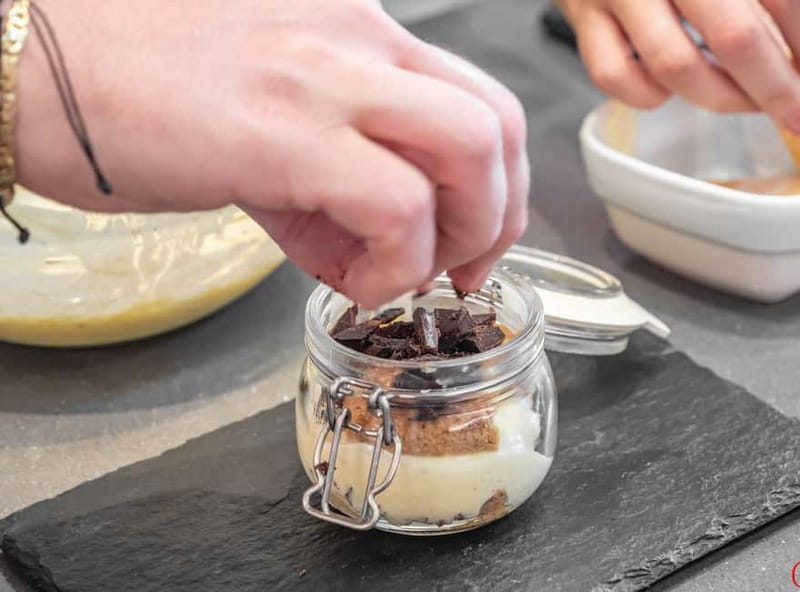
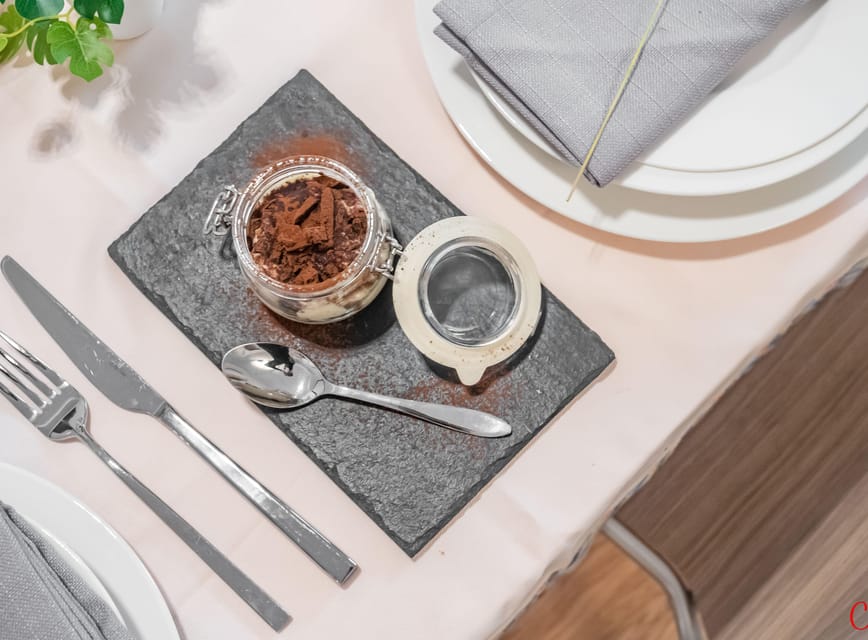
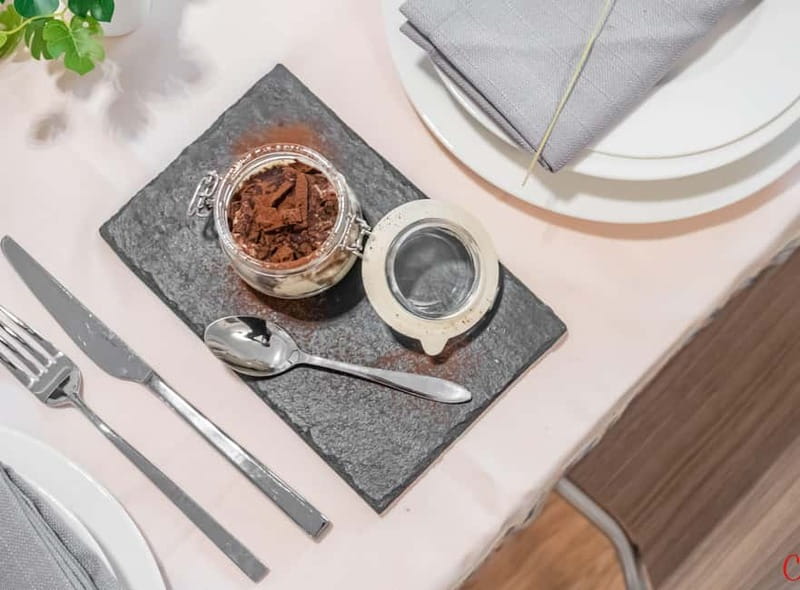
Dessert is classic tiramisù. You might also see a chocolate variation depending on how it is set up for your class day. Either way, it’s a dessert lesson built for Italian comfort: creamy, coffee-forward, and designed to be shared at the table.
Fresh Pasta Shapes You’ll Actually Learn to Make
Learning pasta in theory is easy. Learning it in practice is the hard part. That’s where this class earns its reputation.
The focus is on fresh dough and the way shaping affects both texture and sauce cling. When you make shapes like tagliatelle or pappardelle, you see why thicker ribbons feel different from thinner cuts. Tagliolini brings a lighter, more delicate bite into the mix.
What I like about this setup is that you’re not stuck repeating the same motion over and over. You’re learning how to adjust your technique across forms. If you’ve ever tried homemade pasta at home and wondered why it doesn’t look right, this is the training that helps you stop guessing.
Also, because the group is small, you get feedback while your dough is still at the stage where mistakes are fixable.
You can also read our reviews of more wine tours in Milan


Sauces That Teach Italian Flavor Logic
The sauce lesson is where a pasta class turns into something you can reproduce later.
You’ll make a selection that includes:
- Pomodoro
- Amatriciana
- Cacio e Pepe
- Carbonara
Each one teaches a different kind of sauce logic. Pomodoro feels straightforward and tomato-forward. Amatriciana brings cured pork and a deeper savory character. Cacio e Pepe is all about cheese flavor and balance—simple ingredients, but technique matters. Carbonara is the classic that rewards patience: the goal is a sauce that coats without turning greasy.
I like that the menu covers both comfort classics and the sauces people argue about in real life. You come away not just with a recipe list, but with an understanding of what each sauce is trying to do.
If you cook at home, you’ll also appreciate how this course makes you think in steps: start with the base, build flavor, then finish with care. That’s the part that sticks when you’re standing alone at your counter later.
The Tiramisù Lesson: Built for Creamy Success
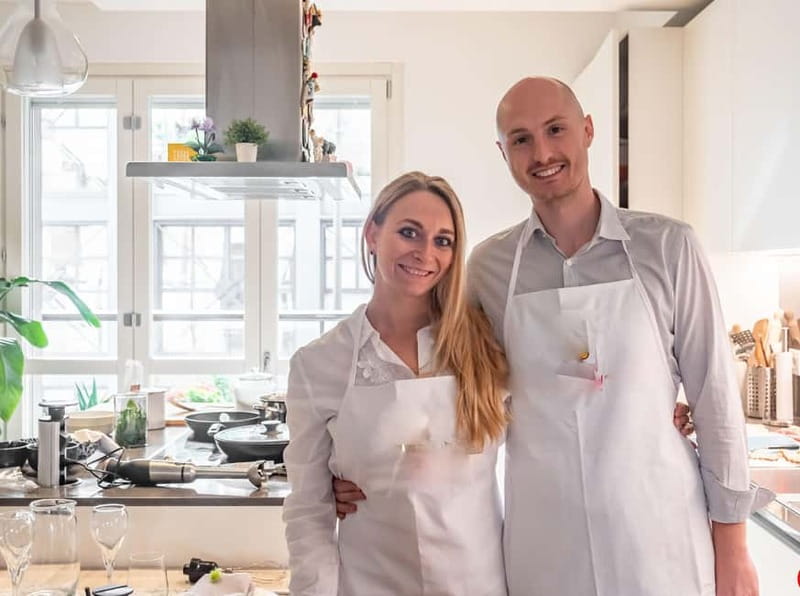
Tiramisù is one of those desserts people either nail or mess up. The top layer should be creamy, not watery, and the structure needs to hold up when it sits.
In class, you’ll make a classic tiramisù (and sometimes a chocolate variation). What you’re really learning is balance and assembly. The coffee element provides punch, and the cream component needs the right consistency so it doesn’t separate.
This is also the right kind of dessert to learn in a group setting. While someone is explaining, you can work step by step. And because you’re eating it after your cooking, you can taste how the consistency should feel in a finished slice.
Dinner at the Table: How the Pairing Works With Your Food
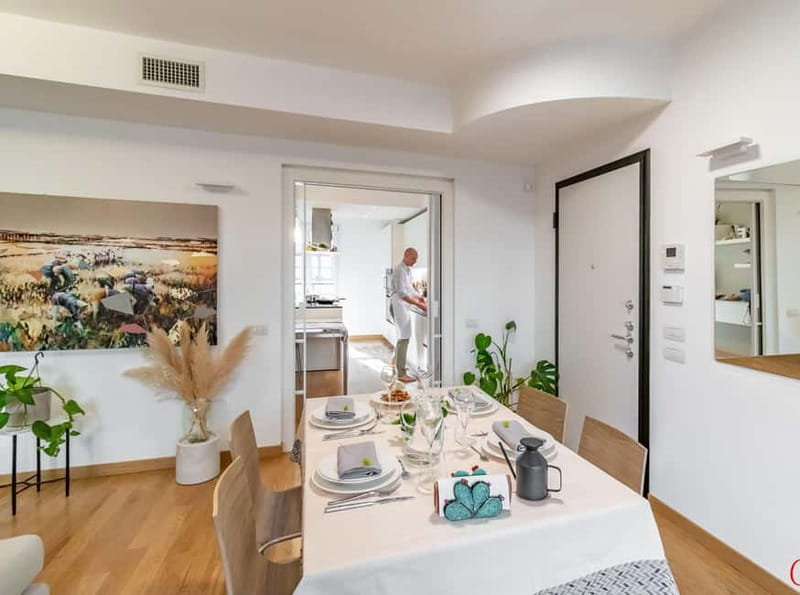
The best part of cooking classes is usually the moment you stop cooking and start eating. Here, after you finish preparing everything together live, you sit down for dinner and actually enjoy the full meal you made.
What makes it more than just a meal is the way the wine pairing flows with the course. Instead of drinking first and then maybe eating, you’re tasting alongside the food plan. That helps you understand how acidity, body, and flavor intensity interact with Italian staples like tomato sauce, cheese-forward pasta, and coffee dessert.
At the end of the experience, you’ll have dessert wine and limoncello. That finale matters because it closes the loop between savory and sweet. Limoncello’s lemony brightness works especially well after a rich tiramisù, and the dessert wine gives you a more rounded sweet finish.
What You Take Home (Besides the Recipe Book)
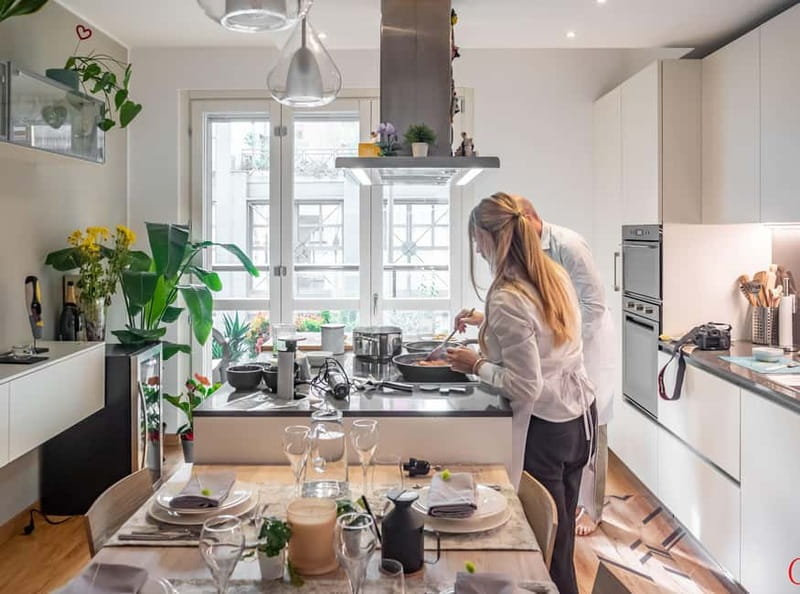
You leave with a recipe book built to recreate what you made. For me, that is the key practical value. A class is fun, but the real win is whether you can reproduce it after the memory fades.
You can expect the recipes to cover the courses you worked on, including the variety of pasta shapes and the classic sauce set. Even if you don’t cook every week, having a structured guide makes it easy to try again without starting from scratch.
The class also trains your technique. You’ll remember not only what to cook, but how it should feel while you’re doing it—especially pasta shaping and sauce finishing.
Price and Value: $123.48 Makes Sense Here
At $123.48 per person, you’re paying for more than a chef talking at you. You’re paying for:
- Hands-on cooking of multiple components across starters, fresh pasta, and dessert
- A small group (up to 10), which typically means more attention
- Wine tasting with a Certified Sommelier, plus pairing to what you cook
- Aperitivo at the start with Prosecco, plus snacks, water, and coffee/tea
- A full dinner sitting down together, and then dessert wine and limoncello
If you try to price these separately in Milan, wine instruction alone can run much higher than what’s included here. Then add the fact you also get meal components and a recipe book. For the right traveler—someone who wants an authentic food evening with real technique—this is strong value.
If your goal is purely sightseeing, you might prefer a cheaper food tour. But if you want skills and a proper sit-down dinner, this price starts looking fair fast.
Who This Cooking Class Is Best For
This is a great fit if you:
- Want a learn-by-doing night instead of watching
- Love Italian classics and want to understand sauces like Amatriciana, Cacio e Pepe, and Carbonara
- Enjoy wine tastings that connect to food
- Prefer a smaller, calmer setting where you can ask questions
It is also a nice option for people who are overwhelmed by big-city tours. Cooking gives you a clear purpose for the evening. You get a story you can repeat later: I made these pasta shapes. I learned these sauce finishes.
Practical Tips Before You Go
A few small prep moves will make the class smoother:
- Wear comfortable shoes. You’re in a working kitchen for about 3.5 hours.
- Plan to be 18+ if you want the wine and alcohol components. Minimum age for alcoholic drinks is 18.
- Expect indoor cooking rules: no smoking indoors.
- Bring curiosity. Niccolò and the sommelier support questions, including connections between Italian wine regions and what you’re tasting.
Also, since the class languages include English, Spanish, French, and Italian, you’ll likely be able to follow along comfortably whichever language you choose.
Should You Book This Milan Pasta Workshop?
I’d book this if you want one genuinely Italian evening where you leave with both knowledge and a full dinner you made yourself. The combination of hands-on pasta shaping, classic sauces, and wine pairing with a Certified Sommelier is the sweet spot. You’re not just collecting photos—you’re taking technique and recipes home.
You might skip it if you hate kitchens, don’t want to stand for a few hours, or you’re only after a quick bite with no skill-building. But for food-focused travelers, this class hits the right balance of relaxed hospitality and real instruction.
FAQ
How long is the Milan pasta and dessert cooking class?
The class lasts about 3.5 hours. You can check availability to see starting times.
What’s included in the price?
It includes the cooking experience (starter, fresh pasta shapes, sauces, dessert), dinner, a welcome aperitif with Prosecco plus salami and cheese, wine tasting with a Certified Sommelier with pairings, bottled water, and coffee and/or tea, along with all fees and taxes.
What food will I learn to cook?
You’ll make a three-course meal that includes a Tomato/Sausage Tuscan Bruschetta starter, learn several fresh pasta shapes (such as tagliatelle/fettuccine/pappardelle/tagliolini) with sauces (including Pomodoro, Amatriciana, Cacio e Pepe, and Carbonara), and make a classic tiramisù (or a chocolate variation).
Will I taste wine during the class?
Yes. There is a wine tasting with Niccolò and a Certified Sommelier, including wine pairings, and the experience ends with dessert wine plus limoncello.
Is the group size small?
Yes. The class is limited to a small group of 10 participants.
What should I bring or wear?
Wear comfortable shoes, since it’s a hands-on cooking session. You will be provided with useful tools for the class.
Is there an age limit for the wine and alcohol?
The minimum age for alcoholic drinks is 18.
Where does the activity start and end?
It starts at an apartment meeting point where you ring apartment G1 at the intercom and locate the apartment on the first floor, left. The activity ends back at the meeting point.
Are there any restrictions like smoking?
Smoking indoors is not allowed.