REVIEW · MILAN
The Award-Winning Private Food Tour of Milan: 6 or 10 Tastings
Book on Viator →Operated by Withlocals · Bookable on Viator
Three hours can feel like a week in Milan.
This private tour pairs a private guide with a food-focused stroll through Brera, where hip eateries and bars set the mood fast. You choose either 6 or 10 tastings and drinks, so the tour can match your appetite and your schedule.
I also like the way it blends bites with real city stops—churches like Santa Maria Incoronata and San Marco, plus a look at Teatro Fossati (now Teatro Studio) tied to Milan’s theater training. One heads-up: this is a tasting tour, not a sit-down feast, so if you’re expecting a wide variety of full restaurant dishes, you’ll want to think carefully about the option you book.
In This Review
- Quick take: what makes this Milan tour work
- Private-only guide: why this tour feels different
- Brera as the food playground: where the tastings fit in
- Walking route basics: Porta Garibaldi and the first cultural reset
- Santa Maria Incoronata: why church stops work on a food tour
- San Marco: Milan’s links to Venice, told while you walk
- Teatro Fossati to Teatro Studio: theater training in a modern city
- The tastings: 6 vs 10 and how to avoid disappointment
- Price and logistics: what $158.09 buys (and what it might not)
- Who this tour fits best in Milan
- Names to watch for: guides that set the tone
- Should you book this Milan private food tour?
- FAQ
- How many tastings are included in the tour?
- Is this tour really private?
- Are tickets included for the church stops?
- Do you offer vegetarian alternatives?
- Where does the tour start, and how long is it?
- What language is the tour offered in?
- What is the cancellation policy?
Quick take: what makes this Milan tour work
- Private-only pacing so you can ask questions and move at your speed
- Brera food energy with tastings that feel grounded in local daily life
- Culture between bites at landmarks such as Porta Garibaldi and two historic churches
- 6 vs 10 tastings lets you tailor the amount of food and drink you get
- Vegetarian alternatives available if you tell them at booking
- Carbon-neutral planning handled by a B-Corp certified company
Private-only guide: why this tour feels different
The biggest value here is simple: it’s just you and your guide. No crowd herding. No waiting for stragglers. In a city like Milan—where neighborhoods feel distinct—you’ll get more out of the walk when your guide can slow down for questions and speed up when you want more food.
You’ll also notice the guide is doing two jobs at once. They’re not only guiding you to tastings; they’re also explaining what you’re seeing at the cultural stops—history, architecture, and why these places matter in Milan today. That balance is why many people end up saying this is a great first-day move, especially if you want food AND orientation at the same time.
I’d treat the guide as your on-the-ground tool for Milan. If you’re into wine, ask what you should try next in the city. If you’re more into pastries and coffee culture, focus the conversation there. With a private setup, the tour can follow your interests instead of the other way around.
You can also read our reviews of more food & drink experiences in Milan

Brera as the food playground: where the tastings fit in
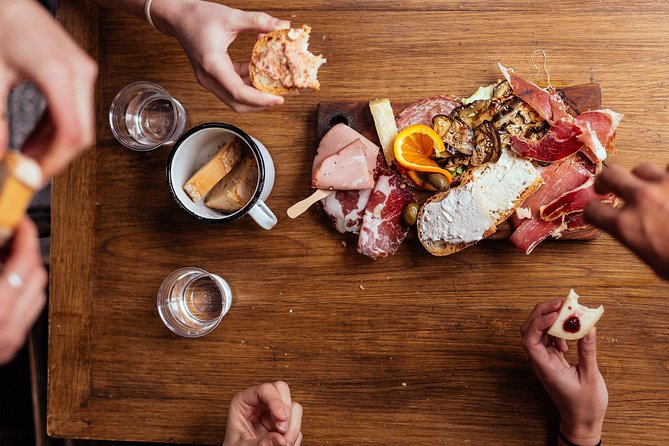
The tour is built around Brera, described as an enclave full of hip eateries and bars. That matters because Brera doesn’t feel like a museum district where you just stop to take photos. It’s a real neighborhood where food and drink are part of daily social life.
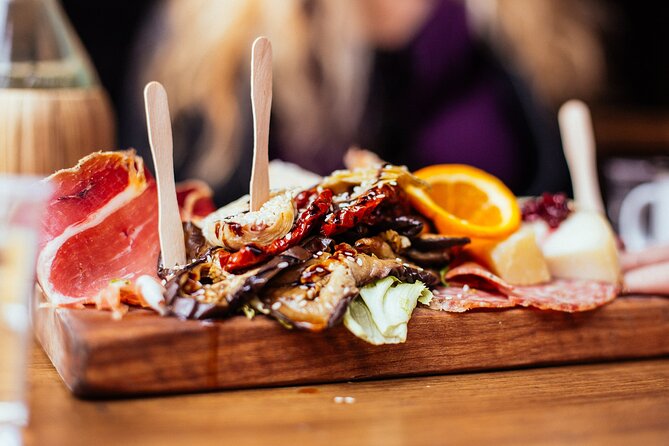
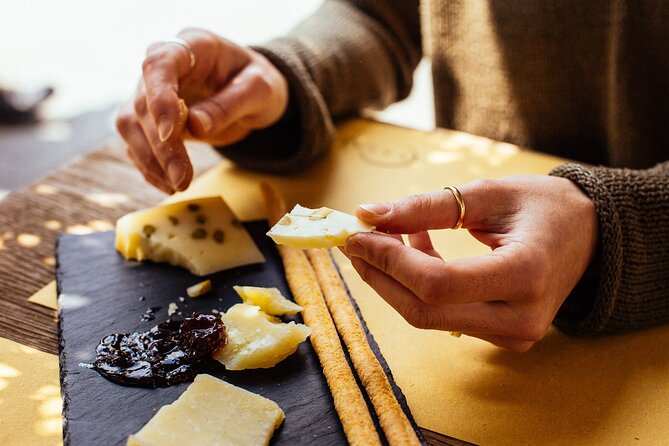
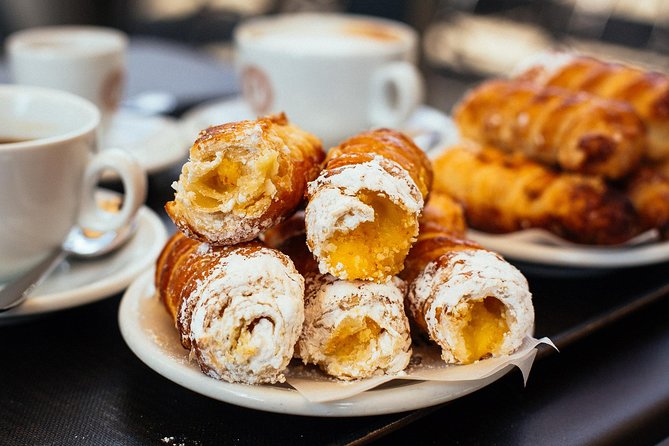
From the tastings people praise most, the vibe usually lands on classic Milanese and northern Italian favorites: charcuterie-style plates, cheese-and-cold-cuts boards, espresso culture, and the sweet finishing lineup—gelato and cannoli show up again and again in the stories. You can expect stops that are designed to let you try several flavors without turning the tour into a long series of full meals.
Practical tip: plan to arrive hungry. Even on the shorter tastings option, you’re doing multiple small bites plus drinks. If you’re the kind of eater who wants to know what everything tastes like, you’ll appreciate the structure of tasting-size portions. If you prefer big, heavy meals, you might want the 10-tasting choice so the day doesn’t feel too light.
Walking route basics: Porta Garibaldi and the first cultural reset
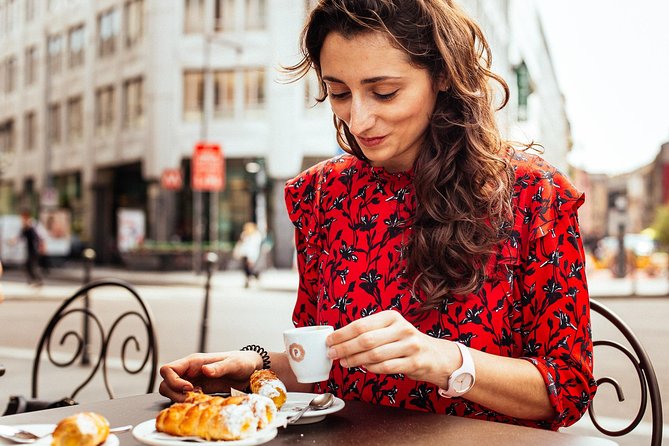
You start at Largo Greppi, 1, 20121 Milano and the tour loops back there at the end. From the first stop, the route signals that this won’t be only a “restaurant hop.” You begin with Porta Garibaldi, which used to be Milan’s city gate on the road to Como. It’s listed as a 1-hour stop, and it’s a useful anchor point for understanding the city’s layers.
Why this stop helps your food tour: it sets context. Milan can feel modern at first glance, but it grew out of older routes and walls. A quick history orientation makes the rest of the walk feel less random and more like you’re moving through a living city.
Also, it’s noted as free for admission. That’s not just a cost detail—it means your guide can use that time for explaining and positioning you for the next stops without worrying about ticket logistics.
Santa Maria Incoronata: why church stops work on a food tour
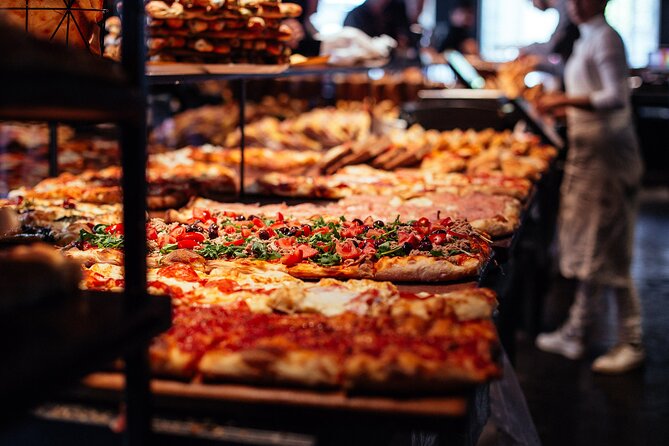
After Porta Garibaldi, you go to Chiesa di Santa Maria Incoronata. This stop is about culture as much as it is scenery, and the tour frames it as a “well-rounded experience” between food moments. The timing listed is 30 minutes, and admission tickets are not included.
Here’s the smart part for you: this kind of stop prevents the tour from feeling like a loop of vending-machine tastings. Instead, it gives you a reason to slow down and notice details—materials, design, and how religious buildings shaped community life over centuries.
Possible drawback: church interiors often depend on what’s open at the time you go. The tour plans for a cultural stop, but you shouldn’t count on every area being accessible or timed for a long browse. If you want a strict, food-only schedule, this is the part where your personal preference matters.
San Marco: Milan’s links to Venice, told while you walk
Next is Chiesa di San Marco, dedicated to San Marco thanks to help Milan received from Venice in a fight around 1250. You’re given 30 minutes here, and again, admission tickets are not included.
This is where the tour’s storytelling becomes practical for your trip. Milan and Venice are both cities people compare, and that connection—Milan receiving Venetian help—helps explain why Italian cities share traditions while still staying distinct.
I like that the tour doesn’t treat these churches like detours. It builds a thread: the city gate (Porta Garibaldi) leads into older cultural institutions (the churches), and then you transition into modern Milan’s food rhythm in the neighborhoods like Brera.
If you’re traveling with limited patience for historical sites, you’ll want to set your expectations: this is a hybrid tour. You’re paying for food, but you’re also buying a short course in how Milan thinks about itself.
You can also read our reviews of more tours and experiences in Milan


Teatro Fossati to Teatro Studio: theater training in a modern city
There’s also a stop tied to the 19th-century Teatro Fossati, which raised its curtains again in 1986 as Teatro Studio and became a kind of gymnasium for students in Piccolo’s theatrical school. Even with limited details in the stop listing, the point is clear: Milan’s food culture doesn’t exist in a vacuum, and the city invests in arts education as well.
On a practical level, this stop works as a breather. After walking and visiting churches, you get a different kind of Milan lens. It’s also a good reminder to pair your food time with one other interest—art, theater, design—so your memory of Milan isn’t just flavors and photos. You’ll carry a broader sense of the city home.
The tastings: 6 vs 10 and how to avoid disappointment
The tour offers two options: 6 tastings or 10 tastings and drinks, and the amount depends on which package you book. Vegetarian alternatives are available if you share dietary requirements during booking.
This is the area where expectations need a reality check.
Some people rave about feeling stuffed by the end—multiple stops, a mix of savory and sweet, plus drinks that make the whole walk feel like a proper evening plan. Others felt the tour leaned heavily toward a smaller number of tasting styles, like a charcuterie-forward plate plus sweets like gelato or cannoli, and not enough variety for the price.
So here’s how you should decide:
- If you want a big variety day, pick the 10-tasting option and tell the guide what you want more of (cheese vs sweets vs wine vs coffee).
- If you want a taste-and-stroll intro—something to get your bearings and sample the classics—6 tastings can be enough, as long as you go in knowing it’s not a multi-course restaurant crawl.
- If you’re sensitive to value, do not assume every tasting equals a separate “major dish.” In tasting tours, a single stop can be counted as multiple tastings through small components.
One more practical note: the churches are culturally timed stops, but your food concentration usually comes in waves. If you’re the type who needs steady eating, it’s worth asking your guide when the next food moment is coming.
Price and logistics: what $158.09 buys (and what it might not)
At $158.09 per person, you’re paying for four things at once:
1) the private guide (time + walking management)
2) the tasting plan (6 or 10 food and drink items)
3) local restaurant coordination (your guide handles the flow)
4) the extra city context (the landmark stops)
That’s why the price can feel fair to many people—especially first-time visitors who want to cover ground fast without planning. But it can also feel high if your main goal is a wide, restaurant-to-restaurant variety of distinct dishes. The tour is designed around tastings and drinks, not a guaranteed sequence of six or ten separate full meals.
Logistics are also worth noting. There’s no hotel pickup and drop-off, and the tour meets at Largo Greppi, 1. The meeting spot is near public transportation, which helps, but it also means you’re responsible for being there on time. If your travel day gets derailed, don’t assume rescheduling will happen automatically.
My advice: keep this tour early-ish in your Milan stay if you can. That gives you time to adjust your plan later if you want to chase one flavor you loved.
Who this tour fits best in Milan
This tour is a strong match if you want:
- a private way to eat your way through Milan without guessing what to order
- a short dose of landmarks so the city doesn’t feel like a food strip mall
- a guide who can tailor the flow to what you like (especially if you mention it early)
It’s also a good option for couples and small groups who want something more personal than the usual group food tour. Vegetarian travelers are supported via alternatives, as long as you flag dietary needs at booking.
On the flip side, if you’re a hard-core foodie who expects a long list of wildly different dishes at multiple full restaurants, you might be happier with a more expansive format. And if you hate church stops in general, treat this as a shared-food-and-culture walk, not a pure food crawl.
Names to watch for: guides that set the tone
A nice thing about this tour is that the guides seem to shape the experience clearly. Names that come up with strong praise include Serena, Armando, and Salvatore (plus Caterina and Francesca in additional stories). The common thread isn’t just friendliness—it’s pacing, walking direction, and making the tastings feel connected to Milan rather than random samples.
If you see one of these guides available for your dates, it’s a good sign for how the tour might feel. Still, the package format (6 or 10 tastings) controls the structure, so you’ll get the best result when you match the option to your hunger level.
Should you book this Milan private food tour?
Book it if you want a private, walkable Milan intro that mixes food and landmarks, with Brera as the main flavor zone. Choose the 10-tasting option if you want more food time and more room for variety. Choose 6 if you prefer a shorter tasting set and you’re also planning other meals around the city.
Skip it or reconsider if your top priority is a long sequence of totally different dishes across multiple restaurants, or if you know you’re not into church or arts-related stops. In those cases, tasting tours can feel too “small bites, big price” even when the guide is great.
If you do book: arrive hungry, tell the guide what you want more of, and wear shoes you don’t mind breaking in. Milan rewards the walkers—and this tour gives you a smart reason to keep moving.
FAQ
How many tastings are included in the tour?
You can choose between an option with 6 tastings and an option with 10 tastings and drinks, depending on what you book.
Is this tour really private?
Yes. It’s only you and your local guide—no other parties during the tour.
Are tickets included for the church stops?
Admission tickets are not included for the Chiesa di Santa Maria Incoronata and Chiesa di San Marco. Porta Garibaldi is listed as free.
Do you offer vegetarian alternatives?
Yes. Vegetarian alternatives are available, and you should advise your dietary requirements at booking.
Where does the tour start, and how long is it?
The tour starts at Largo Greppi, 1, 20121 Milano MI, Italy. Duration is approximately 3 hours, and it ends back at the meeting point.
What language is the tour offered in?
The tour is offered in English.
What is the cancellation policy?
You can cancel for a full refund up to 24 hours in advance of the experience’s start time. If you cancel less than 24 hours before the start time, the amount paid is not refunded.