REVIEW · MILAN
Milan: Last Supper and Sforza Castle Tour
Book on GetYourGuide →Operated by YOUR TRAVEL DIARY · Bookable on GetYourGuide
Two doors, one masterpiece, and a castle wall. I like the way this tour gives skip-the-line entry to the Last Supper and keeps everything tightly organized, with headsets so your guide is easy to hear. The one real trade-off: you only get a 15-minute viewing slot inside the refectory.
I also enjoy how the stop at Santa Maria delle Grazie feels like a breather, with the cloister adding calm after the intensity of Leonardo’s painting. Then you move on to Sforza Castle for a guided look at the exterior and the Duke-era story that shaped Milan—ideal if you want big sights without spending the whole day in museums.
In This Review
- Key things to know before you go
- The sweet spot: Leonardo’s Last Supper and Sforza Castle in 90 minutes
- The Last Supper: what 15 minutes feels like
- Santa Maria delle Grazie: refectory drama, cloister calm
- Piazzale Cadorna: quick orientation that saves time
- Sforza Castle exterior: what you’ll see, and what you won’t
- The guide is the difference: Marica, Valeria, Paula, and more
- Price and value: is $88 worth 90 minutes?
- Walking and timing: how to plan your day
- Who should book this tour (and who should think twice)
- Should you book the Milan Last Supper and Sforza Castle tour?
- FAQ
- How long is the tour?
- How long do I get to view Leonardo’s Last Supper?
- Is entry to Sforza Castle museums included?
- What language is the tour guide?
- Is there a lot of walking?
- What should I bring for the tour?
Key things to know before you go
- 15-minute Last Supper viewing window inside a small, high-demand space
- Skip-the-line ticket to the refectory, plus headsets for clear guidance
- Santa Maria delle Grazie cloister stop for quieter, more reflective moments
- Piazzale Cadorna orientation before you reach the castle area
- Sforza Castle museums are not included (exterior only)
The sweet spot: Leonardo’s Last Supper and Sforza Castle in 90 minutes
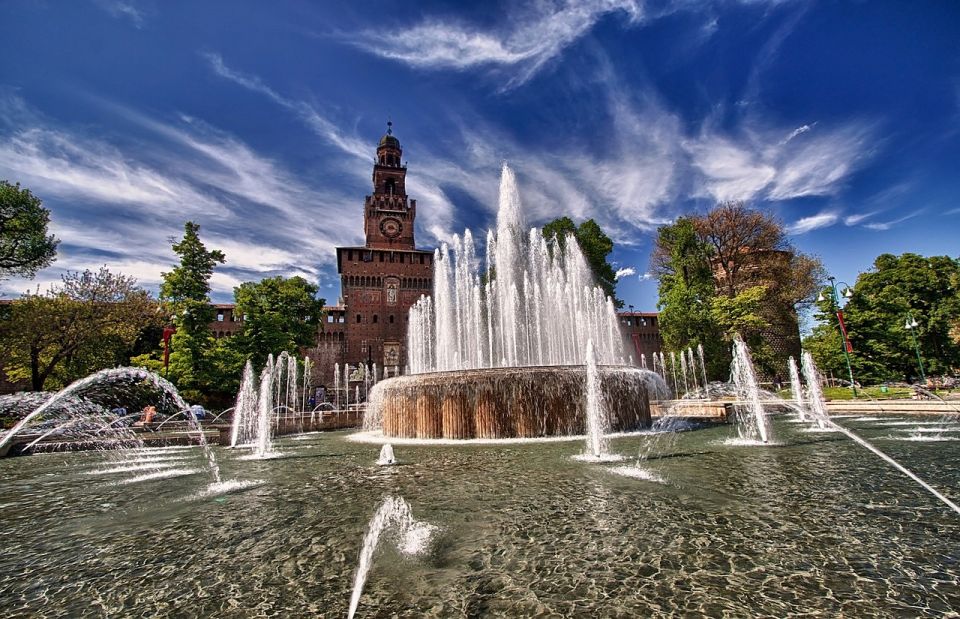
Milan is one of those cities where a few blocks can hold huge stories. This tour is built around two of the biggest draws: Leonardo da Vinci’s Last Supper and Sforza Castle, the ducal power base that still defines the skyline nearby.
What makes it work is the pacing. You get a guided, structured experience that hits the most famous moments without turning into a half-day shuffle. Even better, the headsets help a lot; you’re near other groups and it’s easy for info to get lost if you’re straining to hear.
The best part for me is the contrast. One moment you’re facing a painting that almost feels like it’s breathing; the next you’re walking in the orbit of political power and Renaissance ambition. If you care about art, religion, or just seeing why Milan matters historically, the tour gives you the context so it doesn’t stay at the postcard level.
You can also read our reviews of more tours and experiences in Milan.
The Last Supper: what 15 minutes feels like
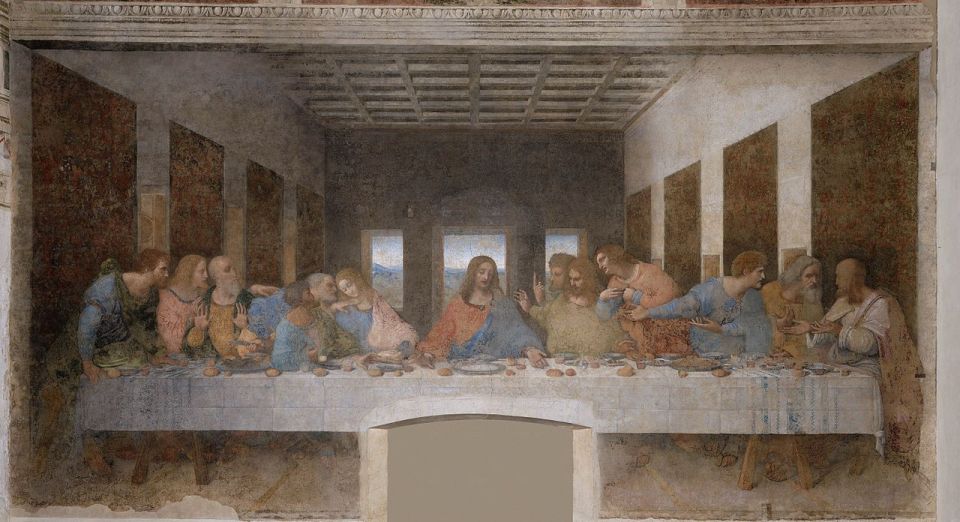
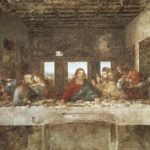
Here’s the rule you should plan around: the Last Supper viewing is 15 minutes because demand stays high and the space is limited. That limitation is not a small detail—it’s the whole experience.
In practice, that means you should treat the visit like a museum sprint with meaning, not a long sit-down contemplation session. I’d go in with a simple goal: look closely first, then let your guide’s explanation shape what you notice. When the time is short, guidance matters even more, because it helps you read the scene faster.
This is also why skip-the-line tickets matter. Without access like this, you can end up watching Leonardo’s masterpiece from outside the system—tickets disappear fast, and timelines can get messy. With this tour, you get the timed entry you came for, plus a guide to make sense of what you’re seeing in front of you.
Santa Maria delle Grazie: refectory drama, cloister calm
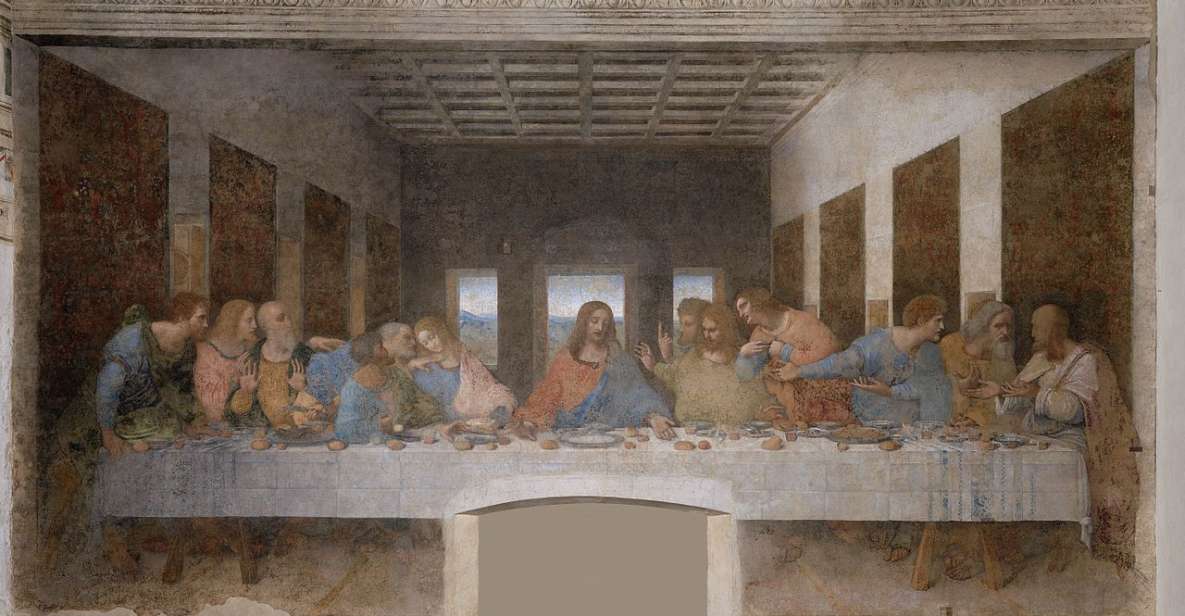
Before you reach the painting, you start at Piazza di Santa Maria delle Grazie and settle into the rhythm of the complex. The church and its refectory setting are part of the point. You’re not just looking at an artwork; you’re stepping into the place that held it for centuries.
When you enter for the refectory visit, the experience is designed around a guided explanation of the work. The tour focuses on why Leonardo painted this masterpiece in Milan, and the guide gives context that helps the scene click into place—especially if you’re not already deep into art history.
Then you shift gears. The cloister of Santa Maria delle Grazie is a real mood change. It’s a smaller, more human-scale space where you can slow down, absorb details, and reset your eyes after the intensity of the Last Supper. That walk-through moment is often what makes the whole experience feel balanced instead of rushed.
Piazzale Cadorna: quick orientation that saves time
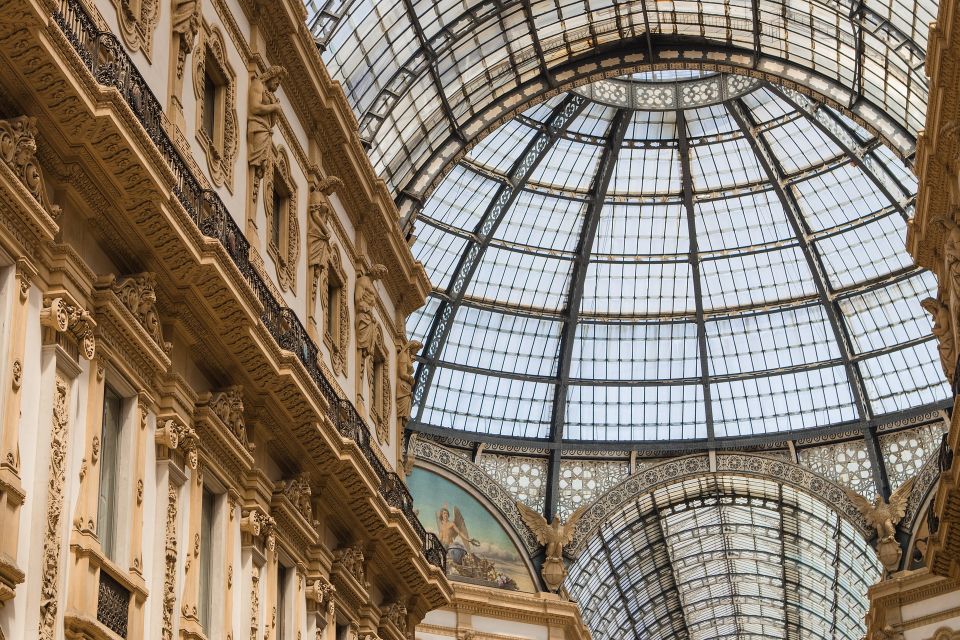
Between the church complex and the castle, you get a stop at Piazzale Cadorna. I like this part because it helps you get your bearings. Milan can feel like it’s all movement, and orientation matters if your next stops include bigger landmarks like the Duomo area.
This isn’t a long sightseeing detour. It’s more like a practical reset: you’re moving through the city with your guide, and you’re learning why the area around the castle matters. If you’d rather have a tour that gives you context instead of just marching from one photo spot to another, this in-between moment is part of the value.
Sforza Castle exterior: what you’ll see, and what you won’t
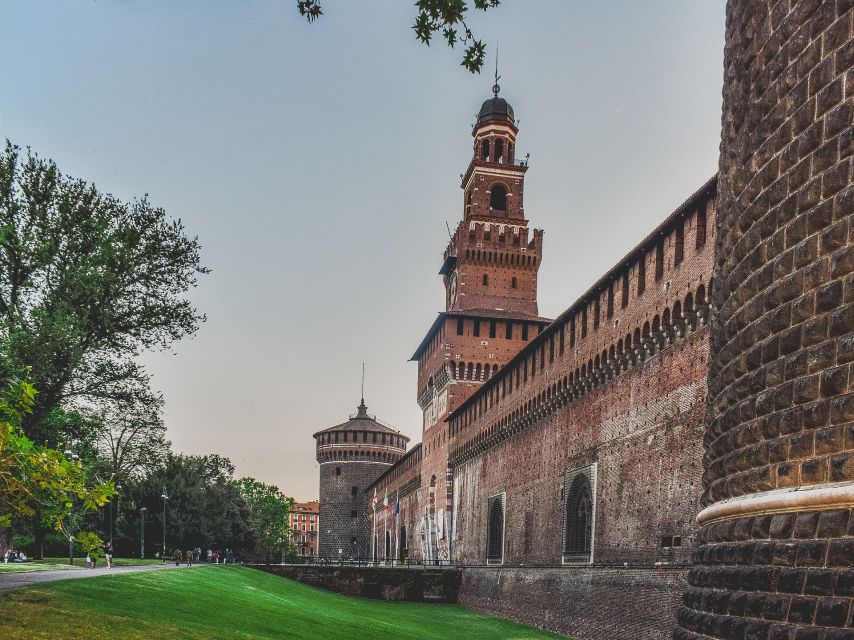
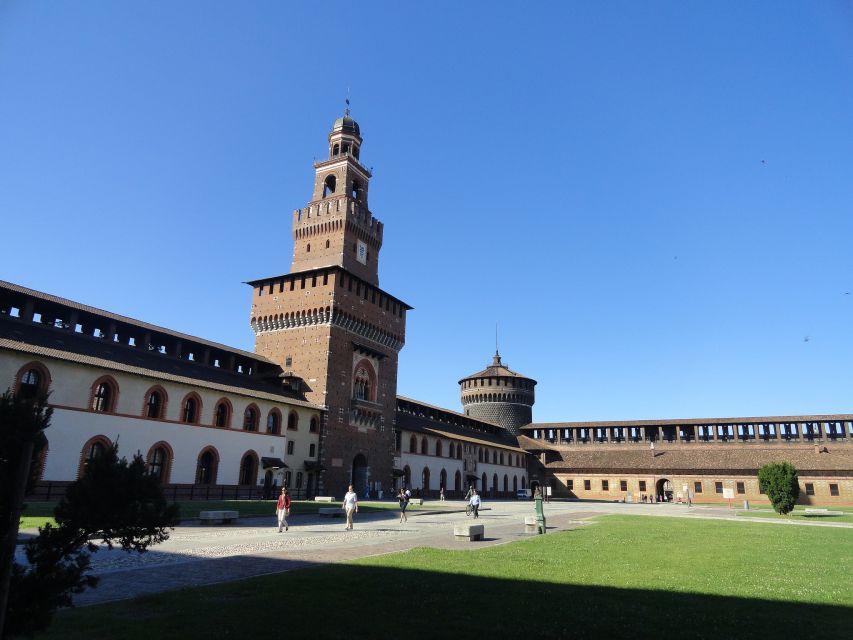
Once you reach Sforza Castle, you’re in the neighborhood of Milan’s ducal era. This tour leads you through the castle grounds with a focus on the ancient facade and the story of the residence—so you understand what you’re looking at even if you’re seeing it from the outside.
A key point: you only visit the exterior. The tour does not include entry to the Sforza Castle museums. That can be a good thing if your priority is the big hits and you don’t want museum time added to your schedule. It can also be a deal-breaker if you specifically want interior galleries.
So think of this as a “castle experience” rather than a “full castle visit.” You’ll walk away with the visual impression and the historical framing, but if the museums are high on your personal list, you’ll want to plan that separately.
Your tour ends at Piazza Castello, which is convenient. That’s a natural jumping-off point for the rest of your Milan day—whether you’re going toward the Duomo area or just roaming the center.
The guide is the difference: Marica, Valeria, Paula, and more
In tours like this, the guide doesn’t just narrate. The guide steers your attention. And in this case, that shows up again and again.
English-speaking guides like Marica/Marika, Merika, Valerie/Valeria, Paula, Katarina, and Alexa are mentioned for a reason: they bring energy and stories that connect the art and the buildings. You’ll get explanations that go beyond the surface—especially around why Leonardo created this work in Milan and what you should notice on the castle facade.
One of the strongest themes in the experience is that the best guides don’t rush people. They pace the moments so you’re not stuck trying to absorb history at full speed. Another practical bonus: a few guides go beyond the tour wrap-up, offering advice for what to do next and even helping with day logistics when plans hit a snag.
If you’ve ever stood in front of something famous and felt like you were missing the plot, this is designed to prevent that.
Price and value: is $88 worth 90 minutes?
At $88 per person for a 1.5-hour experience, you’re paying for more than walking and looking. You’re paying for three concrete things:
- A Last Supper ticket, including skip-the-line access to the refectory
- A live English guide who connects the dots
- Headsets, which improve comprehension in busy areas
That combo is the core value. The Last Supper is the expensive bottleneck in Milan. Timed entry is limited, and getting in without a structured ticket plan can be hard. In that light, the cost starts to make sense.
Still, you should be honest about your priorities. One caution I’d repeat: the painting visit is only 15 minutes. If you’re not particularly drawn to Leonardo, Christian imagery, or Renaissance art context, you might feel like you bought a ticket to see a brief glimpse.
On the flip side, if you are an art fan, a history fan, or you just want to see the most talked-about work in Italy without gambling on ticket availability, then this is a clean way to do it. You’re also not spending extra money for Sforza Castle museums here, since they’re not included—so your $88 stays focused.
My bottom line: pay for access, and pay for interpretation. If that matches your style, the price is easier to justify.
Walking and timing: how to plan your day
This tour stays compact, but there is small walking involved. Between the Last Supper area and the castle area, you’re looking at about 15 minutes of walking with your guide. You’ll also have short stretches on foot as you move between sights.
The Last Supper timing is the anchor. Because your refectory viewing is fixed, build in extra time on either side so you’re not stressed. Plan your next activity for after the tour, not at the exact minute it ends—because you’ll want a buffer to regroup and head off to your next stop.
Good news if you like straightforward logistics: the tour is wheelchair accessible. And you’ll want to bring a passport or ID card, since you’ll be asked for it.
Who should book this tour (and who should think twice)
I’d recommend this tour if you:
- Want the timed Last Supper entry without ticket headaches
- Like having a guide explain what you’re seeing at the moment you see it
- Prefer a focused 90-minute format over a long museum-heavy day
- Enjoy architectural context, especially around major historic power sites like Sforza Castle
I’d think twice if you:
- Only care about the castle and want museum interiors (you’ll need to add those separately)
- Don’t really connect with art or the religious themes depicted, since the painting experience is necessarily brief
- Expect more than 15 minutes with Leonardo’s work
If your goal is to pack in Milan’s highlights with minimal decision fatigue, this tour is built for that.
Should you book the Milan Last Supper and Sforza Castle tour?
Book it if you want a reliable path into the Last Supper, plus guided context that makes the experience feel meaningful instead of rushed. The skip-the-line access, the headsets, and the short-but-focused 15-minute viewing window are the heart of the value, and the guide-led storytelling is what many people remember.
Skip or rethink it if you’re chasing a long, slow art-and-museum day. This is exterior-only for Sforza Castle, and the painting time is deliberately short.
If you’re on the fence, I’d use this rule: if Leonardo and Milan’s Renaissance story are the reason you came, this is one of the cleanest ways to do it.
FAQ
How long is the tour?
The tour duration is 1.5 hours.
How long do I get to view Leonardo’s Last Supper?
The Last Supper viewing time is 15 minutes.
Is entry to Sforza Castle museums included?
No. You’ll visit the exterior of Sforza Castle, and museum entry is not included.
What language is the tour guide?
The tour is guided in English.
Is there a lot of walking?
There is a small amount of walking. Between the Last Supper and Sforza Castle you’ll walk for about 15 minutes with your guide.
What should I bring for the tour?
Bring a passport or ID card.