REVIEW · MILAN
Milan: Last Supper Entrance Ticket and Guided Tour
Book on GetYourGuide →Operated by Towns of Italy · Bookable on GetYourGuide
Da Vinci’s Last Supper is worth prepping for. This small-group tour adds clarity fast, and the skip-the-line tickets cut out a lot of hassle. I also like that you’re not just staring at paint; you get context about the church and the scene so your 15-minute look actually lands. The main thing to consider is that even with priority entry, you still face a compulsory security check and you’ll need to follow the strict rules (no shorts, no big bags, no drinks).
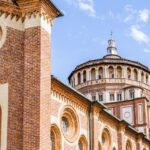
You’ll meet your guide at Santa Maria delle Grazie and start with a quick orientation outside, where the building and its 15th-century setting do some of the storytelling for you. From there, the schedule moves in a calm loop: a photo stop and guided walk around the square, then your viewing time in the room with the famous fresco on the wall.
If you want a smooth, guided way to see one of the most time-crunched artworks on earth, this is a strong fit. It’s also a good choice if you’re not an art history specialist but you still want to understand what you’re seeing—down to composition, gestures, and the weird (and fun) theories people attach to the painting.
In This Review
- Key things to know before you go
- First Stop: Santa Maria delle Grazie square sets the scene
- How skip-the-line works here (and where it still slows down)
- Inside the Cenacolo room: 15 minutes that actually count
- What your guide points out: missing eyes, structure, and the theories
- The 30-minute square stop: context without the museum fatigue
- Price and value: what $88 buys (and what it doesn’t)
- Practical stuff to know: rules, bags, and what to wear
- Who this tour fits best
- Should you book the Last Supper guided entrance tour?
- FAQ
- Where do I meet the tour guide?
- How long is the tour?
- Is the tour wheelchair accessible?
- What languages are the guides available in?
- Is there a security check even with skip-the-line tickets?
- What items are not allowed inside?
- What’s the cancellation policy?
Key things to know before you go
- Small-group pacing: you spend time with context, not just a rushed look
- Priority entry, not zero delays: expect a mandatory security check anyway
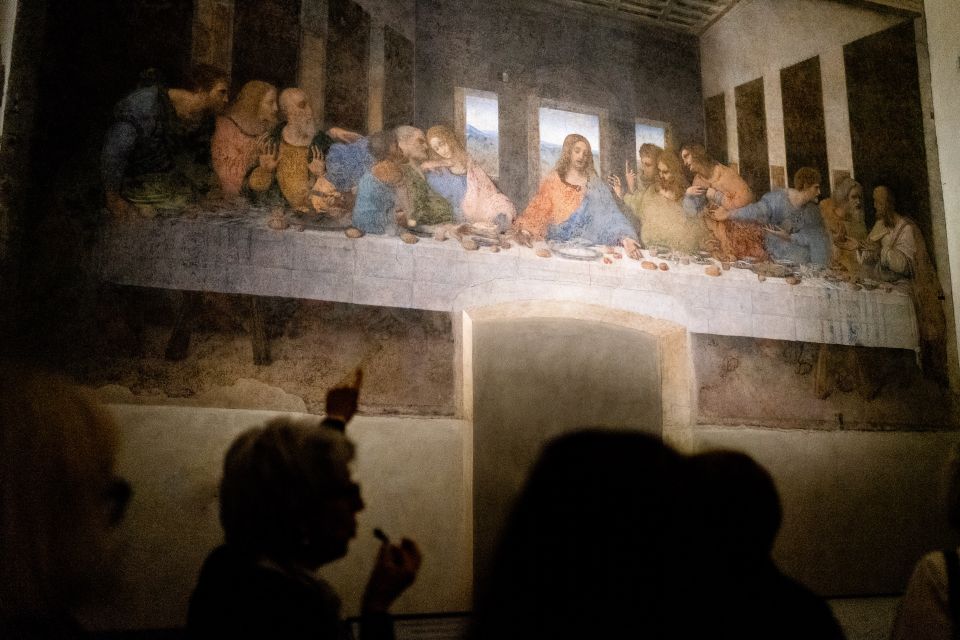
- Short viewing time: you get about 15 minutes in the room with the painting
- Guides point out specifics: missing eyes, structure, and how the disciples’ reactions are staged
- Clear audio setup: headsets are used so you can hear the guide easily
- Strict entry rules: no shorts, no large bags, no drinks inside the museum area
First Stop: Santa Maria delle Grazie square sets the scene
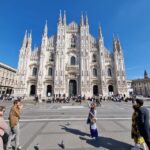
The experience starts right where the painting’s “home” lives: Santa Maria delle Grazie. Meeting your guide in front of the church gets you oriented before anyone lines you up. You’ll get a brief intro that ties the artwork to the building—important, because the Last Supper doesn’t feel like a random museum object. It feels placed.
One thing I really like about this kind of start is that it helps you stop treating the visit like a photo mission. Before you even enter, you learn what you’re looking at and why that church matters (it’s a UNESCO World Heritage Site). That turns your later viewing from I saw it into I understand what I’m seeing.
You’ll also get a photo stop in the square area with guided time attached. Even if you’re not a big photographer, it’s a useful break to get your bearings, match faces to names in your group, and settle in before the timing gets strict.
You can also read our reviews of more tours and experiences in Milan
How skip-the-line works here (and where it still slows down)
This tour includes skip-the-line access to the Last Supper/Cenacolo tickets. That’s the good news. The not-so-sexy news is that “skip-the-line” doesn’t mean “no checks.” There’s still a compulsory security procedure, and it can create delays.
So treat this like a timed ticket day, not an open-ended wandering day. The upside: your guide helps the group move properly, and you don’t spend precious minutes hunting for the right line while everyone else gets herded in.
Practical tip: build in extra patience for security, especially if it’s peak season. It’s one of those annoying travel truths: the line you can’t see (identity validation and security checks) is the one that matters.
Inside the Cenacolo room: 15 minutes that actually count
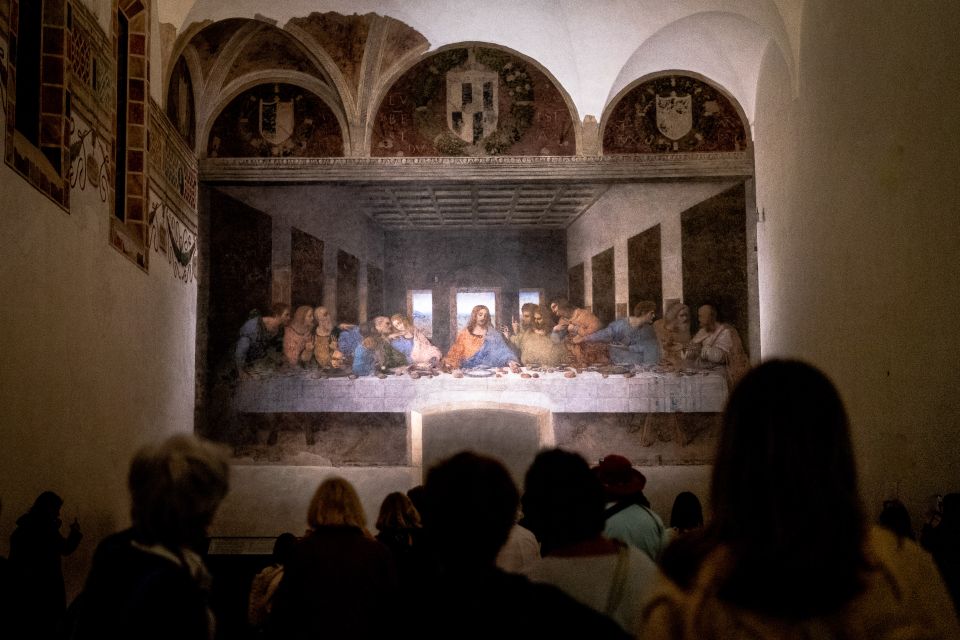
Your viewing time is timed tightly. You’re allowed to enter the room for a short window—about 15 minutes is what many visitors experience. The good part is that you’re not stuck in an all-day crush. The room time is brief by design, which keeps it from turning into a wall-to-wall selfie factory.
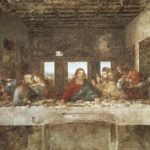
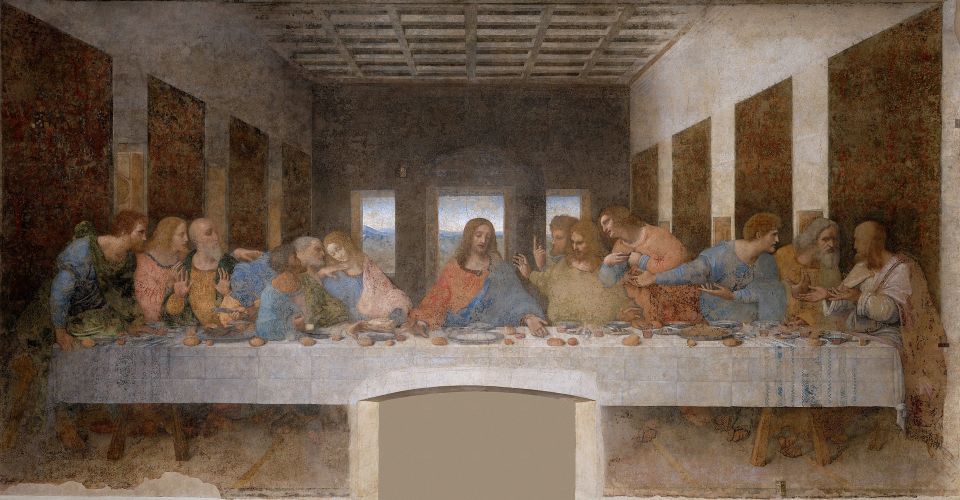
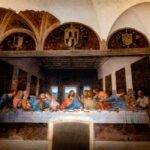
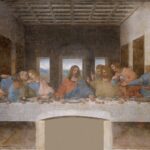
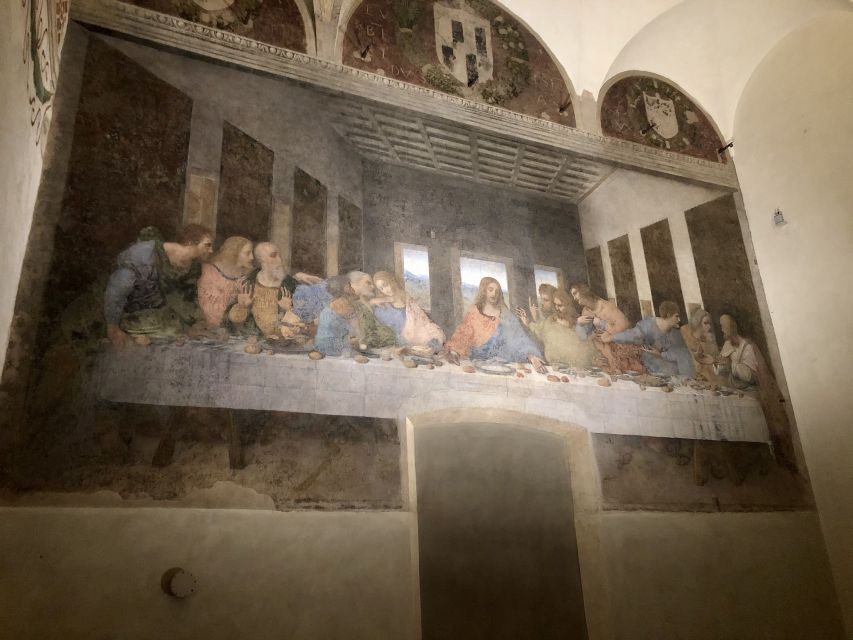
When you step in, you’ll notice the painting’s unusual reality. It’s not sitting behind glass like a modern canvas. It’s on a wall, and the condition of the work is part of the story you’ll hear from your guide. One useful nuance: you may hear how the piece is often misunderstood as a fresco, and why people talk about its fading and fragility. That matters because it changes how you look—slower, more respectful, less like you’re power-scanning art.
Also, don’t underestimate the value of your guide talking while you look. The best tours don’t just tell you what Leonardo did; they help you see it—who’s reacting, how expressions shift, and how the composition moves your eye.
What your guide points out: missing eyes, structure, and the theories
This is where the tour pays for itself, even though it’s “only” an hour. The guide focuses on details that are hard to catch if you’re there alone—or if you only know the famous image from postcards.
From the way the guide explains the scene, you can expect coverage like:
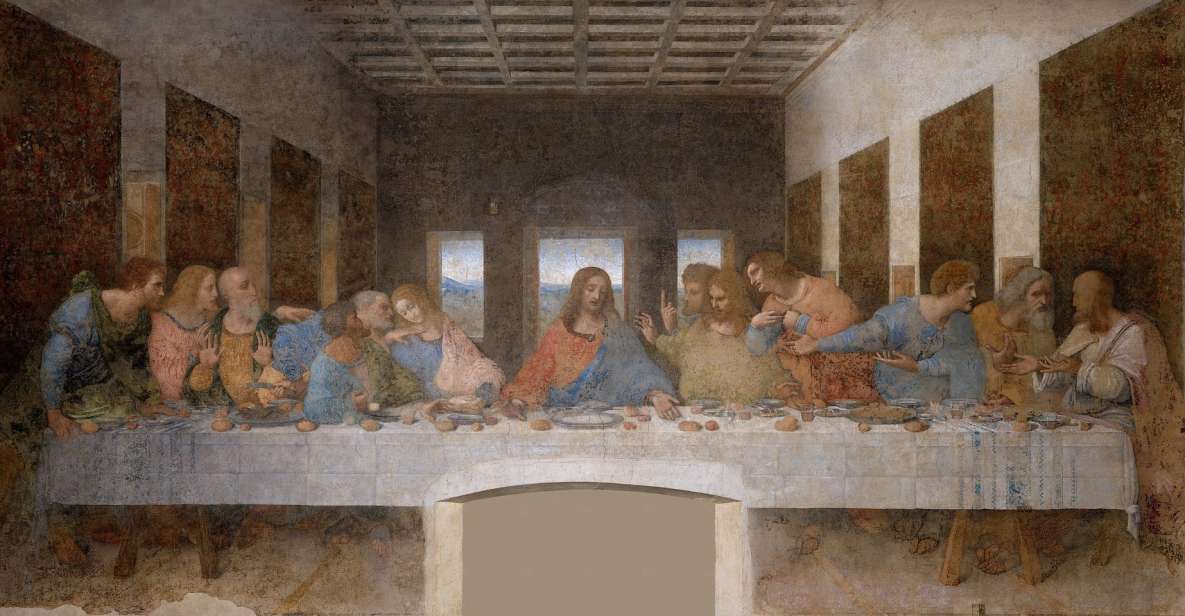
- Missing eyes: the story behind what’s missing and how that affects perception
- Structure of the painting: how the space and staging organize the scene
- Disciples’ positioning and expressions: how each person’s reaction signals the moment
- Interpretations and conspiracy theories: yes, even the odd ones, handled in a way that helps you think rather than just repeat rumors
Some guides go further into interpretation by walking you through the saints and disciples one by one, explaining how their body language and faces contribute to the drama. That turns your short room time into something closer to a guided reading.
And if you’re worried the tour will be a cold lecture, don’t. Many of the standout sessions described by past participants share a similar vibe: the guide’s passion makes the painting feel like a living conversation. Names you might hear associated with excellent guiding include Marika, Marco/Andrea/Andre, Valeria, Katerina, and Alexia, depending on the day and language.
The 30-minute square stop: context without the museum fatigue
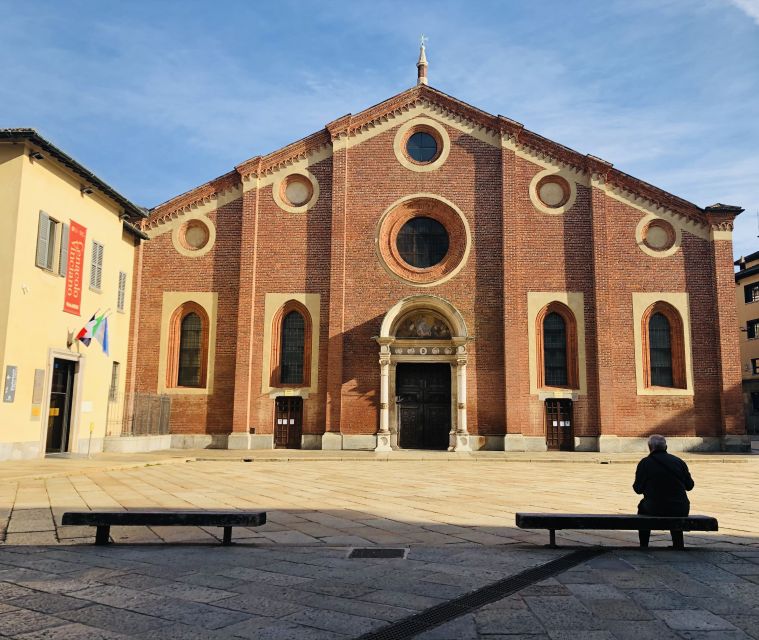
The schedule includes a photo stop and guided time around the church area before your main viewing. That 30 minutes isn’t filler. It’s a chance to connect the church’s setting to the painting’s subject, and to understand why the space matters.
In practical terms, this helps you avoid the usual Milan problem: you arrive at a major sight already tired from navigating other crowds and tickets. Here, you get a focused ramp-up. Your guide gives just enough background so that when you arrive at the Last Supper, you’re not starting from zero.
It also gives you a moment to ask questions while everyone’s still together. In a place with tight entry windows, being able to clarify small points before the room can genuinely improve how you experience those 15 minutes.
You can also read our reviews of more guided tours in Milan
Price and value: what $88 buys (and what it doesn’t)
At $88 per person for about 1 hour, the cost feels steep at first glance. But for this particular artwork, “steep” has a reason.
You’re paying for:
- a licensed, English-speaking guide (and Spanish is also offered)
- skip-the-line tickets to the Cenacolo entry
- small-group organization that helps you actually arrive and enter smoothly
- guided interpretation timed to the limited viewing window
What you’re not paying for: food and drinks, since none are included. That means you’ll want to plan your meal separately and not treat the tour as a sit-down event.
The big value question is simple: do you want to just see the painting, or do you want to understand what you’re seeing? If you’re the “I read the placards” type, the guide component is the difference between a good photo stop and a memorable visit that sticks.
Yes, it’s pricey. But if you’re in Milan for a short time, this is one of those rare sights where buying interpretation is a smart use of money.
Practical stuff to know: rules, bags, and what to wear
This tour comes with strict museum entry rules. Plan your outfit and your bag like you’re passing security for a plane.
Not allowed inside:
- shorts
- luggage or large bags
- drinks
Also plan around the reality that you’ll do security checks even with priority entry. The easiest way to stay calm is to travel light. Keep essentials handy so you’re not rummaging while you’re being processed.
A couple extra practical notes from real-world guidance:
- Bring a picture ID. Some visitors report staff validation happens during the security check.
- Wear comfortable shoes for standing time outside. The square area isn’t a long sit-down affair.
- If you have mobility needs, tell the operator in advance. The tour is wheelchair accessible, and they’ll try to accommodate special requirements.
And yes, it runs rain or shine. Milan weather can be unpredictable, so bring a lightweight layer and be ready to keep moving.
Who this tour fits best
This is a good match if you:
- want a guided explanation without needing to be an art-history expert
- like small groups and a structured visit
- value not wasting time, especially with timed access
- care about details like composition, expressions, and context
You might also like it if you’re traveling with family and want something that stays engaging and understandable. Some guides bring a clear, approachable style that makes the painting feel accessible rather than intimidating.
On the flip side, if you hate rules, hate security lines, or want total freedom to roam and linger, you may find the restrictions and the short room time frustrating. This sight is built for tight scheduling, not drifting.
Should you book the Last Supper guided entrance tour?
I’d book it if your goal is to get the most out of a visit that’s measured in minutes. The guide is the point. You’re paying for the explanations you can’t easily pull from the wall on your own—missing-eyes context, structure, and the way disciples are staged so your eye knows where to go.
I’d skip it only if you’re fully comfortable going solo and you already know exactly what you want to focus on, plus you’re okay with the short viewing window without interpretation. Also, be honest about the rules. If you’re traveling with big bags or you’re determined to wear shorts, adjust your packing plans before you buy.
For most people, though, this is one of those “pay for time and clarity” deals. In Milan, where ticketing can be chaotic and entry can be strict, a small-group, guided visit makes the experience feel controlled and worth it.
FAQ
Where do I meet the tour guide?
Meet your guide in front of Santa Maria delle Grazie Church.
How long is the tour?
The tour lasts 1 hour.
Is the tour wheelchair accessible?
Yes, the tour is wheelchair accessible.
What languages are the guides available in?
The live tour guide is available in English and Spanish.
Is there a security check even with skip-the-line tickets?
Yes. Even with skip-the-line entrance, there is still a compulsory security check.
What items are not allowed inside?
Shorts, luggage or large bags, and drinks are not allowed.
What’s the cancellation policy?
Free cancellation is available up to 24 hours in advance for a full refund.