REVIEW · MILAN
Milan: Last Supper Guided Tour and Entry Ticket
Book on GetYourGuide →Operated by World Travel Guide · Bookable on GetYourGuide
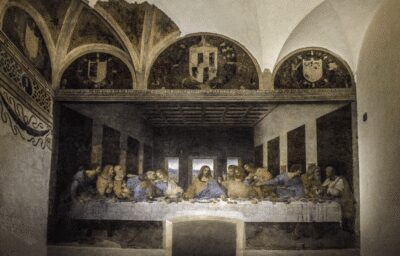
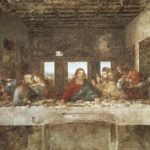
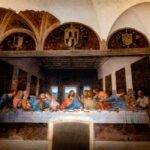
The Last Supper doesn’t feel like a museum stop. It’s timed entry into the UNESCO-listed Santa Maria delle Grazie complex, with a live English guide and earphones to keep the story clear. I like that you’re not just staring at a famous image; you’re learning why this fresco mattered to Renaissance Milan and what Leonardo was trying to do with faces, light, and emotion. You’ll also get 15 minutes inside the refectory, so the visit has a real, focused rhythm instead of wandering.
My other favorite piece is how the guide frames the painting beyond the obvious. Expect talk about da Vinci’s methods and the restoration effort, plus context on Leonardo’s life and the church setting around it. The one drawback to weigh is time: the viewing window is short, so if you want to linger for a long photo session, this format may feel a bit strict.
In This Review
- Key things that make this Last Supper tour worth your time
- Why Leonardo’s Last Supper hits harder in Milan
- What’s included: ticket entry, guide, earphones, and timed viewing
- Meeting point at Via Fratelli Ruffini: how not to lose your group
- The refectory experience: UNESCO complex, climate-controlled room, and focus
- What your guide should explain: technique, faces, and restoration
- Santa Maria delle Grazie church access: what depends on your option
- How long it feels: 1 to 1.5 hours, with real time inside
- Price and value: is $93 fair for the Last Supper?
- Who this tour is best for (and who should choose differently)
- Small snags to plan for before you go
- Should you book this guided Last Supper tour?
- FAQ
- How long is the Last Supper guided tour?
- What does the ticket include?
- Will I be able to visit the Santa Maria delle Grazie church?
- What is the meeting point?
- Is the tour guided in English?
- Do I need to bring my passport or ID?
- Is this tour wheelchair accessible?
- Does the tour include a visit inside the Duomo?
- How many people are in the group?
- Can I get a refund if I cancel?
Key things that make this Last Supper tour worth your time
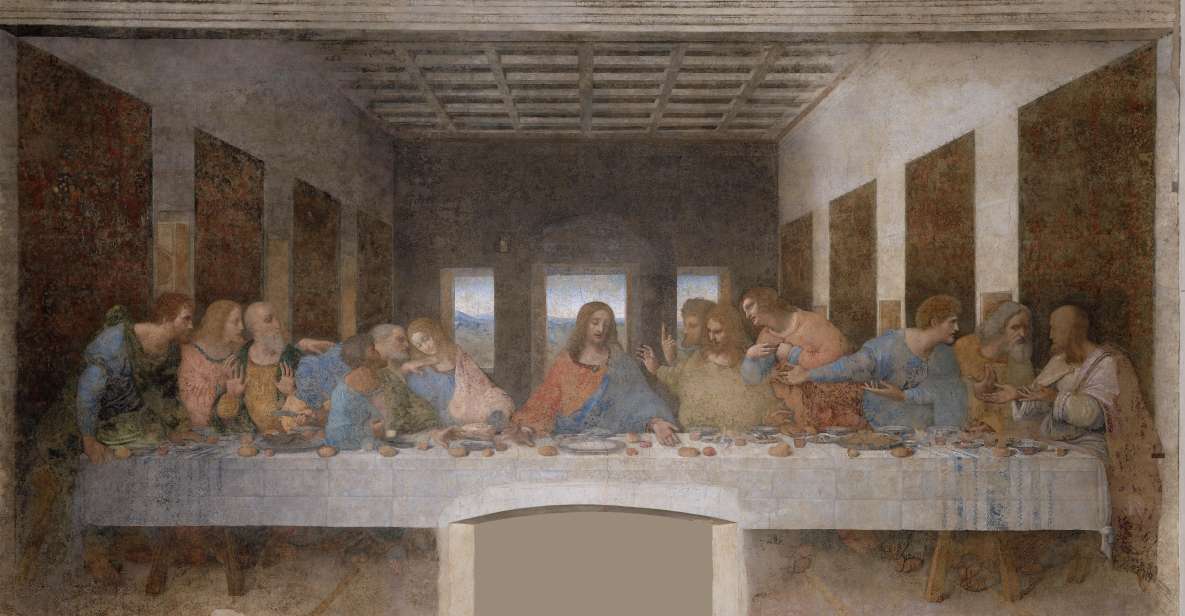
- Timed access + a real viewing window: 15 minutes inside the refectory, with the guide steering what to notice
- Small-group setup: more breathing room than big cattle-line tours
- Restoration focus: you’ll hear how the work was preserved and why that matters for what you see today
- English guide with earphones: easier listening while moving and waiting
- Option-based church access: you may also enter Santa Maria delle Grazie, depending on what you book and opening times
Why Leonardo’s Last Supper hits harder in Milan
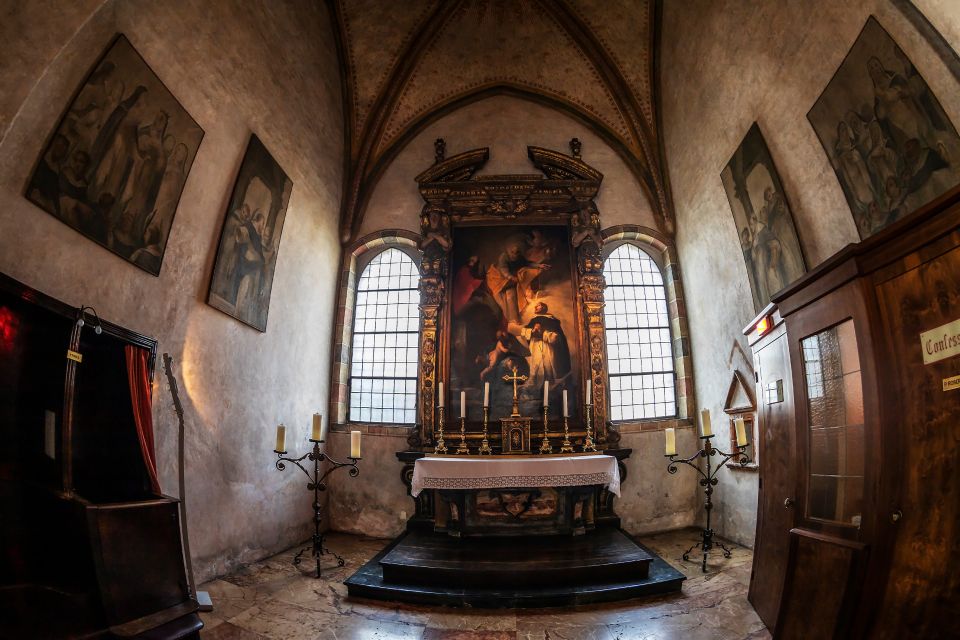
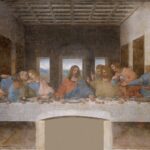
Milan is where Leonardo’s ideas go from notebook legend to real physical impact. The Last Supper sits in a functioning religious complex, not a freestanding display case. That location changes the mood. You’re standing in the same kind of refectory space that shaped how early viewers would have encountered it.
What I especially like about this format is that the guide helps you read the painting instead of just admiring it. You get the big cultural context fast: Renaissance life in Milan, why this commission mattered, and how Leonardo approached the challenge of painting people like they’re about to react. One guest specifically praised how the commentary connected the church area and the artwork’s story, not just the artwork itself.
You can also read our reviews of more tours and experiences in Milan
What’s included: ticket entry, guide, earphones, and timed viewing
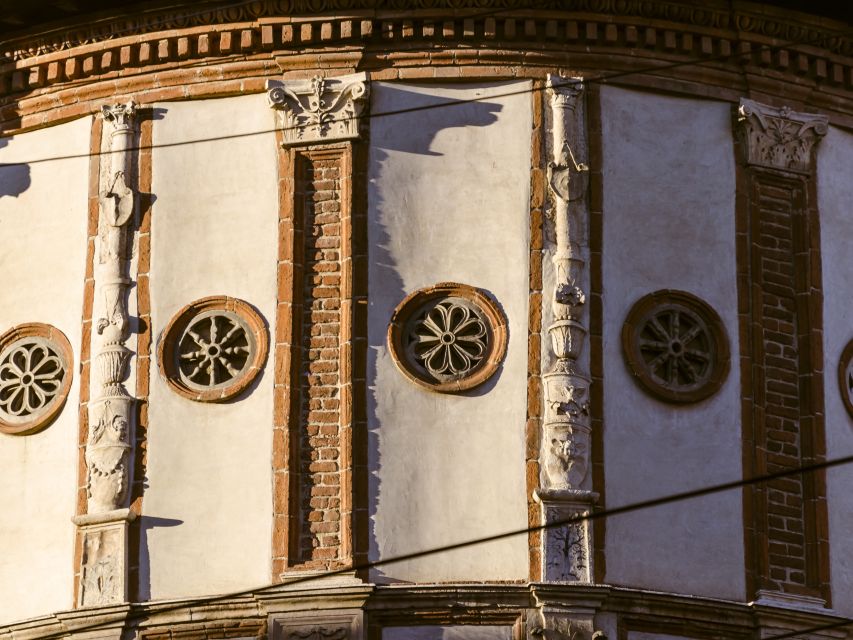
This tour is built around three practical things: your entry ticket, a live English guide, and earphones. That combination matters because access to the Last Supper is timed and identity-checked. In plain terms, you’re paying not only for the art, but for the system that gets you into a difficult-to-enter room at the right moment.
Here’s the schedule reality you should plan for:
- 1 to 1.5 hours total
- 15 minutes inside the refectory to view the fresco
That 15 minutes is short, but it’s also why the tour works. A guided visit gives you a path for that time: what to look at first, what details to catch before the slot ends, and how restoration affects appearance. A few guests noted they appreciated having some private time in the viewing room, not only listening while moving.
Meeting point at Via Fratelli Ruffini: how not to lose your group
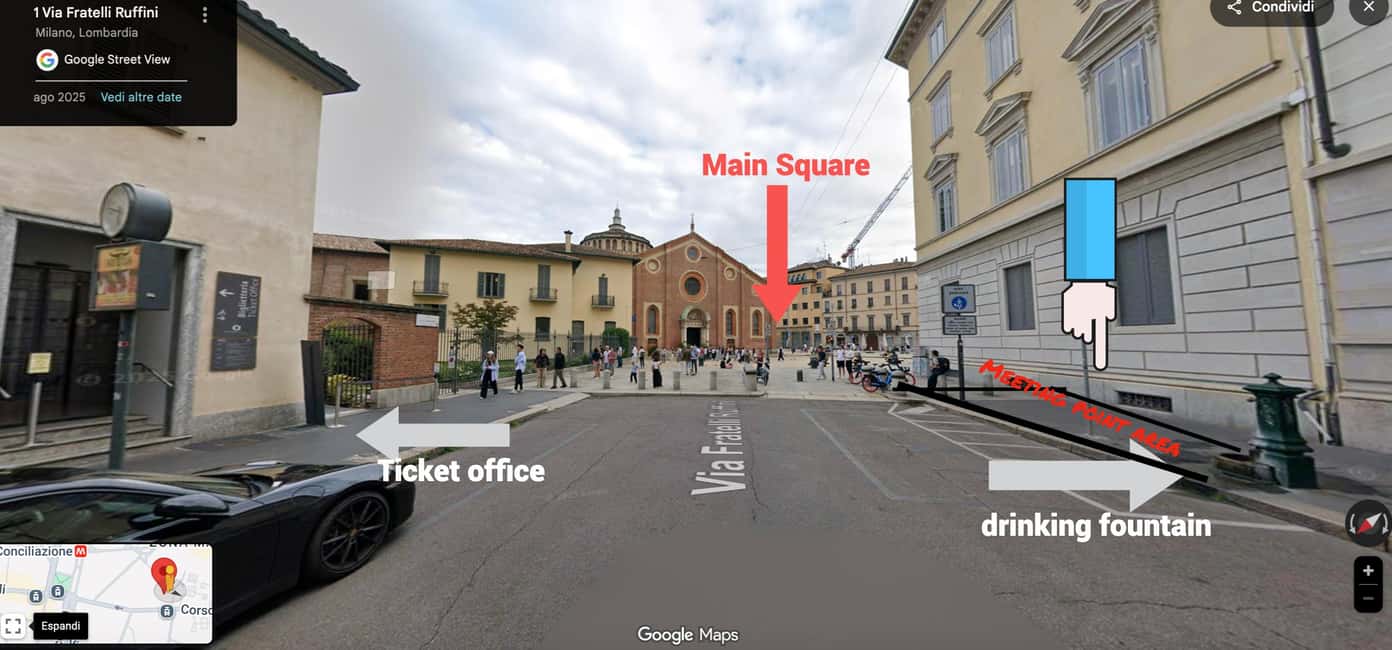
You meet at Via Fratelli Ruffini, 1, on the opposite side of the road from the ticket office. The instructions call out a small green drinking fountain nearby. That’s the kind of detail that saves time when streets are busy and you’re trying to catch a tight group departure.
I recommend showing up a little early. This is one of those “one minute matters” experiences because the Last Supper entry is time-slot based. When guides are easy to locate and your group regroups smoothly, the whole outing feels calmer.
Also, bring your ID. The tour is nominal ticketing, meaning your name is verified against your passport or ID card.
The refectory experience: UNESCO complex, climate-controlled room, and focus
The Last Supper is preserved as part of the Santa Maria delle Grazie complex, a UNESCO-listed site. That matters because you’re not just walking into a room with a painting. You’re stepping into a place with layered meaning: Renaissance devotion, architecture around the artwork, and the later story of preservation.
Once inside, you’ll have 15 minutes to take it in. Several guests pointed out that the viewing area is timed, limited, and climate-controlled. That isn’t a luxury perk so much as conservation. It also means your photos, pacing, and lingering all happen under constraints. You’ll enjoy it more if you come with a plan for looking, not a plan for wandering.
Your guide will usually structure the experience around the most readable sections of the composition: expressions, gesture, and the way the scene is staged. The whole point is to help you notice how Leonardo made a flat surface feel like an active moment.
What your guide should explain: technique, faces, and restoration
This is where the tour earns its keep. The Last Supper is famous, yes. But the real magic comes from understanding what you’re seeing and why the painting looks the way it does today.
Expect guidance on:
- da Vinci’s techniques and how he approached this kind of subject
- the restoration story, including how preservation efforts shaped the work’s current appearance
- how Leonardo’s life and Milan context connect to the painting’s purpose
Multiple guests singled out restoration commentary as a major highlight. The details can be surprisingly practical, too. For example, once you understand the restoration path, you’re less likely to judge the surface like it’s a normal painting. You start seeing it as a fragile historical artifact that survived multiple centuries of risk.
If your guide is one like Sylva, Elisa, Sara, or Maria (names that show up in bookings), the tone tends to be emotional and specific. Guests praised guides for keeping things engaging and for answering questions clearly while guiding you through what matters visually.
You can also read our reviews of more guided tours in Milan
Santa Maria delle Grazie church access: what depends on your option
You might also visit the church of Santa Maria delle Grazie, but only depending on the option you select. That’s not a small footnote. The church changes the visit from art-only to a broader sense of place.
There’s also a practical limitation: it may be unavailable during religious functions or when the church is closed. If the church is important to you, check the option you booked and be prepared for the possibility that you’ll focus mainly on the refectory and complex during closed hours.
Either way, the complex setting still adds value. Even when you’re not going into the church interior, the guide can help you connect architecture and atmosphere to the painting’s role in its original setting.
How long it feels: 1 to 1.5 hours, with real time inside
On paper, 1 to 1.5 hours sounds short. In practice, the pacing makes sense because the entry is time-slot based. You’ll spend most of the “true sightseeing” moment in the refectory, then the remainder on meeting, orientation, and guided context around the site.
Guests often mention the experience feels organized and timed well, with earphones keeping the narration clear. Some also describe a calmer flow once the group sorts itself at the start. A couple of bookings even mention that the visit can include extra city walking after the Last Supper portion, with some ending near the Duomo or adding time around Sforzesco Castle grounds. Since that isn’t guaranteed from the core details, treat it as an optional bonus if your specific booking includes it.
Price and value: is $93 fair for the Last Supper?
At $93 per person, this isn’t a budget activity. The cost looks high until you break it down the way the experience actually works.
You’re paying for:
- a confirmed entry ticket to a restricted timed room
- a live guide in English
- earphones, which can matter more than you expect in a busy complex
- and, depending on your option, access around Santa Maria delle Grazie
The best value angle is this: without a guided timed entry, you risk arriving at the site and discovering tickets are sold out or your slot won’t match your plans. The guide doesn’t just talk. They help you use the short 15-minute viewing window well, so the time you bought doesn’t turn into stress.
The trade-off is duration. Several guests said they found it expensive for the length. That’s fair. If you want a long, slow museum-style experience, this won’t match that style. But if you want the smartest route into a difficult-to-access masterpiece with context that improves how you see it, the price starts to make sense.
Who this tour is best for (and who should choose differently)
This tour is a strong fit if:
- you’re seeing Milan for the first time and want one high-impact art anchor
- you care about what you’re looking at, not just the famous label
- you want restoration context, not only background trivia
- you’re booking during peak times when timing matters
It may be less ideal if:
- you hate time limits in general
- you want long photo sessions without interruption
- you prefer to wander without a planned viewing structure
The good news is the viewing window is exactly long enough to feel meaningful. It’s also short enough to keep the experience focused and not exhausting.
Small snags to plan for before you go
A few details can make or break a smooth visit:
- Name on the ticket matters: the ticket is nominal and verified with your identity document. Once the name is entered, changes aren’t possible. Double-check spelling.
- Bring your passport or ID card for entry verification.
- Santa Maria delle Grazie church access depends on the option and may be blocked by religious functions or closures.
- Bag handling: one guest noted lockers and facilities on site, which is reassuring if you’re carrying more than a small daypack.
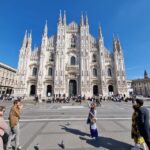
- No Duomo ticket included: the Duomo itself isn’t part of this booking. If you plan a Duomo visit, you’ll need separate tickets.
If you like things clean and predictable, this tour’s setup tends to deliver. Guests repeatedly praised how smoothly the meeting and timing works once you locate the guide.
Should you book this guided Last Supper tour?
If you’re coming to Milan and want the Last Supper to feel like an experience instead of a rushed checklist, I’d book it. The combination of timed entry, 15 minutes inside, and a guide focused on technique and restoration is the right formula for getting real value out of a room that doesn’t give you long to figure it out on your own.
Skip or consider another approach only if you’re chasing a long, slow, self-guided museum visit. In this format, you trade extra wandering time for a smoother entry and a smarter use of that short viewing window.
FAQ
How long is the Last Supper guided tour?
The total duration is listed as 1 to 1.5 hours, with 15 minutes inside the refectory.
What does the ticket include?
Your package includes a Last Supper entry ticket and a guide. Earphones are also included.
Will I be able to visit the Santa Maria delle Grazie church?
You may be able to access the church depending on the option selected. It won’t be possible during religious functions or when the church is closed.
What is the meeting point?
Meet at Via Fratelli Ruffini, 1, on the opposite side of the road from the ticket office, near a small green drinking fountain.
Is the tour guided in English?
Yes. The live tour guide is English.
Do I need to bring my passport or ID?
Yes. The activity requires passport or ID card because ticket names are verified.
Is this tour wheelchair accessible?
Yes. It’s listed as wheelchair accessible and also suitable for strollers.
Does the tour include a visit inside the Duomo?
No. A Duomo entry ticket is not included.
How many people are in the group?
The tour offers small group options.
Can I get a refund if I cancel?
No. The activity is listed as non-refundable.