REVIEW · MILAN
Mamma Mia – Bake The Real Italian Pizza
Book on GetYourGuide →Operated by Armando Arena · Bookable on GetYourGuide
Pizza night, but make it Italian class.
This private Lombardy cooking session turns pizza into a hands-on lesson, not a stuffy demo. I especially like the interactive, small-class feel and the way you get to taste what you make right after it comes out of the oven. The other big win: you leave with a recipe and real technique, not just memories. The only drawback to consider is that this is a private studio experience, not a public restaurant meal, so you’ll want to show up ready to cook, stand, and pay attention for the full 2 hours.
Expect a relaxed kitchen vibe with practical teaching. You’ll get a tour of pizza basics across Italy, then roll up your sleeves to mix dough, knead it like you mean it, and bake it to perfection. If you love the fun side of food culture, you’ll probably get a kick out of the playful line about no pineapple pizza eaters, which sets the tone for a class that takes pizza seriously without taking itself too seriously.
In This Review
- Key Highlights Worth Your Time
- A Private Pizza Studio in Lombardy, Not a Restaurant
- The Pizza Lesson: Dough Feel, Italian Differences, and Real Secrets
- From Mixing Bowl to Oven: What Your 2 Hours Actually Do
- The Crunch, the Taste, and the Wine After You Bake
- What You’ll Take Home: Technique, a Recipe, and Confidence
- Price and Value: Why $93 Can Make Sense for a Private Lesson
- Who Should Book This Pizza Class (and Who Might Not)
- Quick Practical Tips So Your Class Feels Effortless
- Should You Book Mamma Mia – Bake The Real Italian Pizza?
- FAQ
- Where does this pizza class take place?
- How long is the experience?
- What is included in the price?
- Is wine included, or is it an extra purchase?
- What languages does the instructor speak?
- Is pineapple pizza allowed?
- Do I get anything to help me make pizza after the class?
Key Highlights Worth Your Time
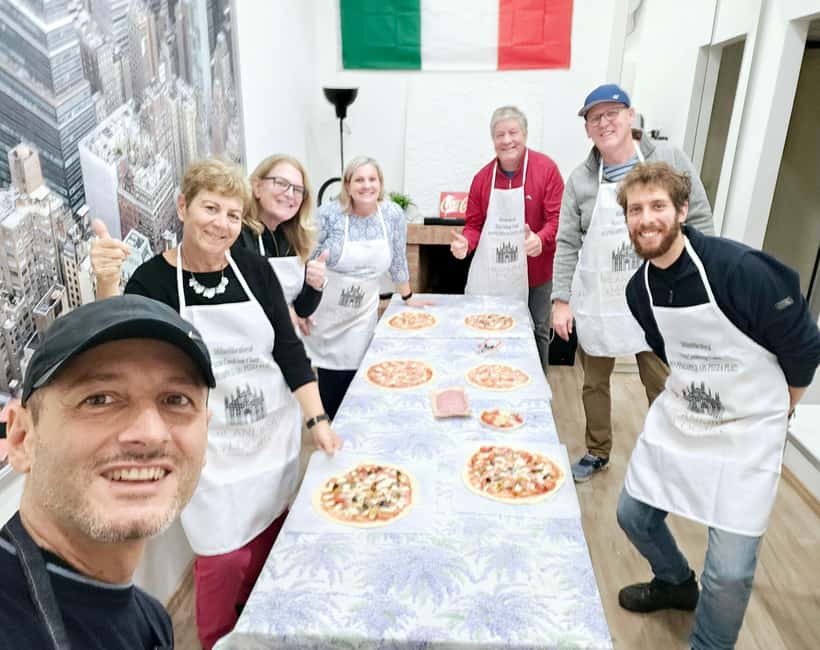
- Private studio setting in Lombardy for a calmer, more personal lesson than a restaurant setup
- Dough mixing and pro kneading practice so you learn the feel, not just the steps
- Different pizza flavors so you taste the range and understand choices behind toppings
- Wine included alongside soft drinks, with the meal timed right after baking
- Armando Arena’s patient, encouraging teaching style with clear guidance throughout
A Private Pizza Studio in Lombardy, Not a Restaurant
This experience happens in a private pizza studio in Lombardy, and that matters. A studio setting keeps things focused: you’re there to cook, not to wait for a table, not to watch from the sidelines. You’re welcomed by the host, which helps you settle fast. Since the class runs for 2 hours, it’s a compact, efficient use of time, ideal when you want something memorable without committing to a half-day.
The pricing is $93 per person, which can look steep until you factor in what’s included: you get ingredients and equipment to cook, you eat the main meal you prepare, and you also get wine plus soft drinks. On top of that, there’s a recipe to take home. This is one of those deals where you’re paying for instruction and food value at the same time, not just for a meal with entertainment.
One practical note: because it’s not a public restaurant, you should expect a more hands-on environment. Wear something you don’t mind getting flour on, and plan to stay engaged for the whole session. If you’re the type who gets restless in classes, you’ll still be fine since the pace is built around doing, tasting, adjusting, and moving on.
You can also read our reviews of more cooking classes in Milan
The Pizza Lesson: Dough Feel, Italian Differences, and Real Secrets
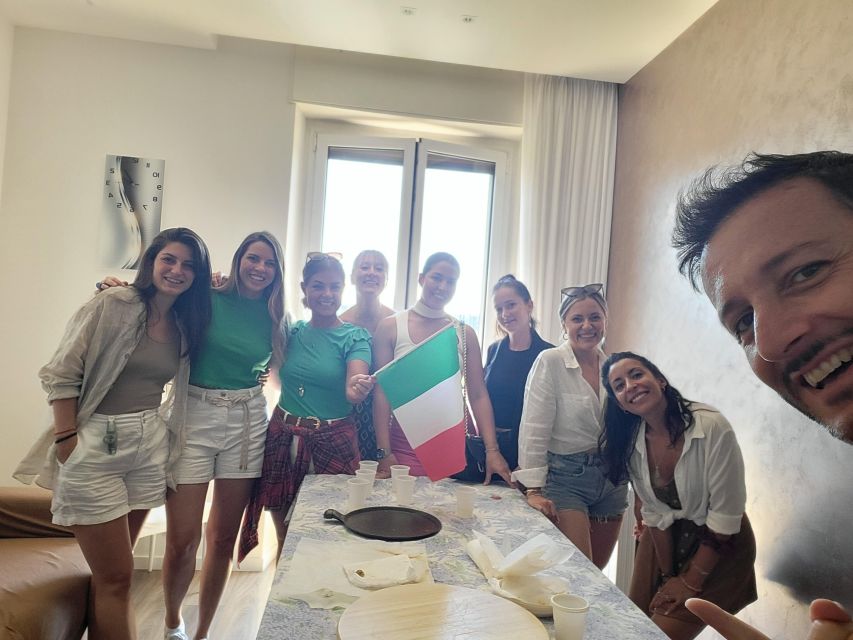
A good pizza class doesn’t just tell you the steps. It teaches you what those steps mean. Here, you start with context: the host explains differences between pizza types and how Italian cuisine varies around the country. That’s valuable because you’ll stop thinking of pizza as one thing and start seeing it as a set of choices shaped by tradition.
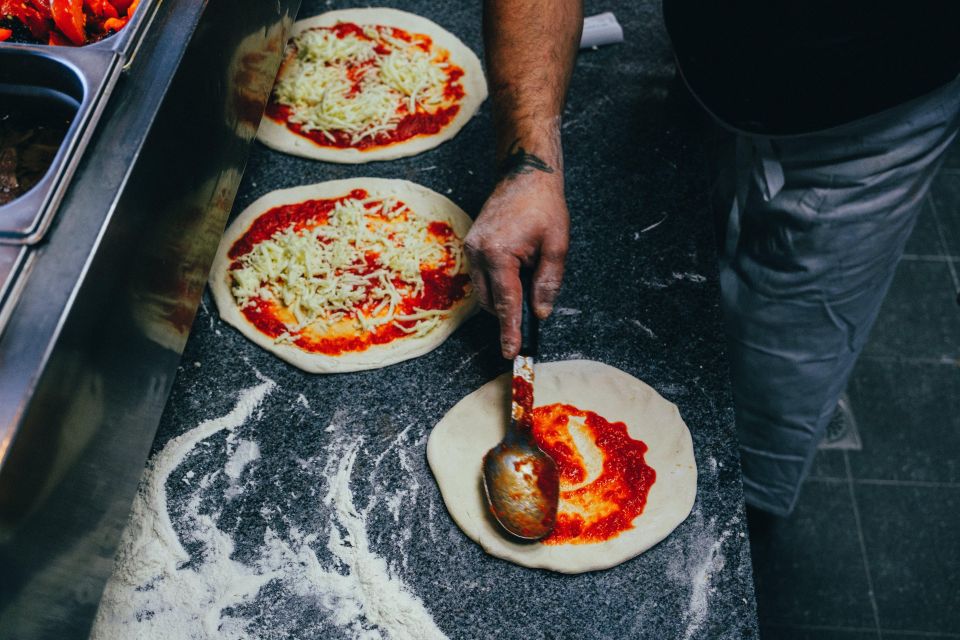
Then the focus turns to the practical side. You learn how to mix your dough and how to knead it like a pro. That kneading part is where many home cooks struggle, because it’s easy to treat it like a chore. In a real teaching kitchen, you get guidance so you understand what you’re aiming for: the dough should feel right as you work it.
A fun element is built in from the start. The experience leans into classic Italian pizza values, including a playful note about pineapple. It’s not a lecture; it’s a tone-setter. The takeaway is that this class respects the logic behind Italian pizza, even when the host keeps things light.
Also pay attention to the fact that you’ll do pizza different flavours. That means the lesson isn’t only about dough handling. You’ll taste how variations change the overall pizza experience, so you can connect technique to flavor. That kind of learning is what makes the recipe more useful back home.
From Mixing Bowl to Oven: What Your 2 Hours Actually Do
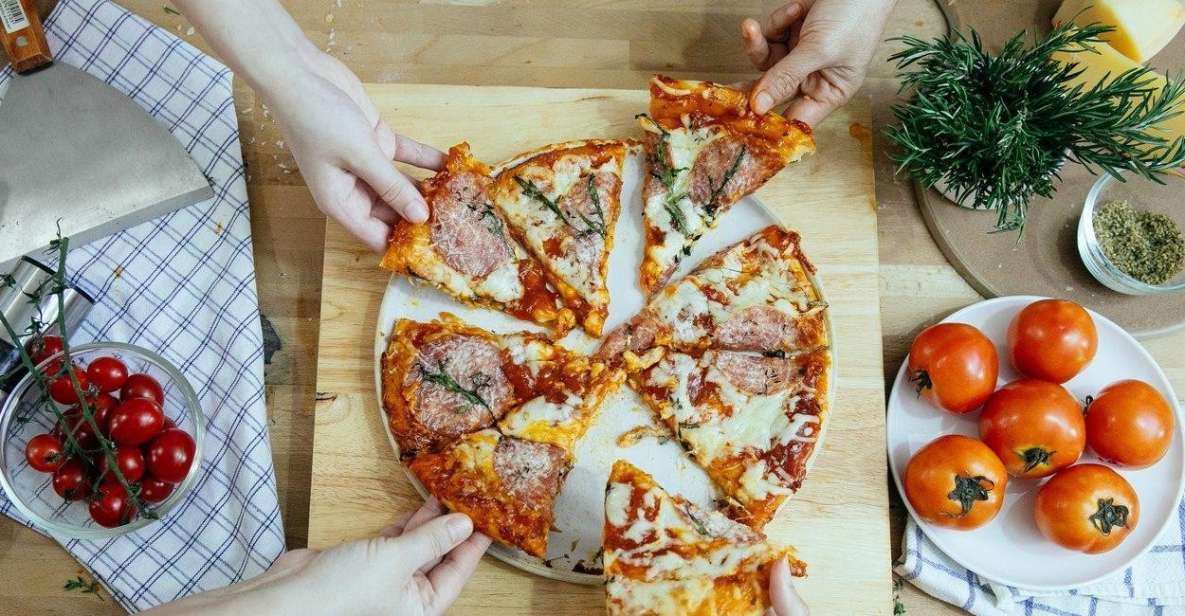
The class has a clear flow, and the timing is built for learning without fatigue. You start by settling in with the host in their kitchen space, then you move into the pizza-making stage.
Here’s what the session typically feels like:
- You’re taught how to mix the dough, so you understand the starting point rather than guessing.
- You knead, with help and adjustments as you go. The goal is consistency and that proper dough texture.
- You bake. This is the moment where your earlier work pays off, and you can see if the dough and process were on target.
- Then you eat what you made, as a main meal, alongside wine and soft drinks.
The best part is that it’s not a hands-off workshop. You’re doing the work. That’s why this format works so well: you don’t just learn pizza facts; you learn how to perform the process. And because the session is only 2 hours, you don’t have to worry about it turning into a long, slow event.
Small-group energy also helps. In past sessions, some people have had the kind of attention you usually only get in private lessons. Even when you’re not alone, the setup tends to keep the focus on you, with the instructor guiding step-by-step and making sure you’re comfortable.
And yes, the host brings personality. One reason people rave is that the teaching style feels easygoing rather than rigid. You might notice it in the stories, the humor, or how the host keeps the room relaxed while you’re learning something technical.
The Crunch, the Taste, and the Wine After You Bake
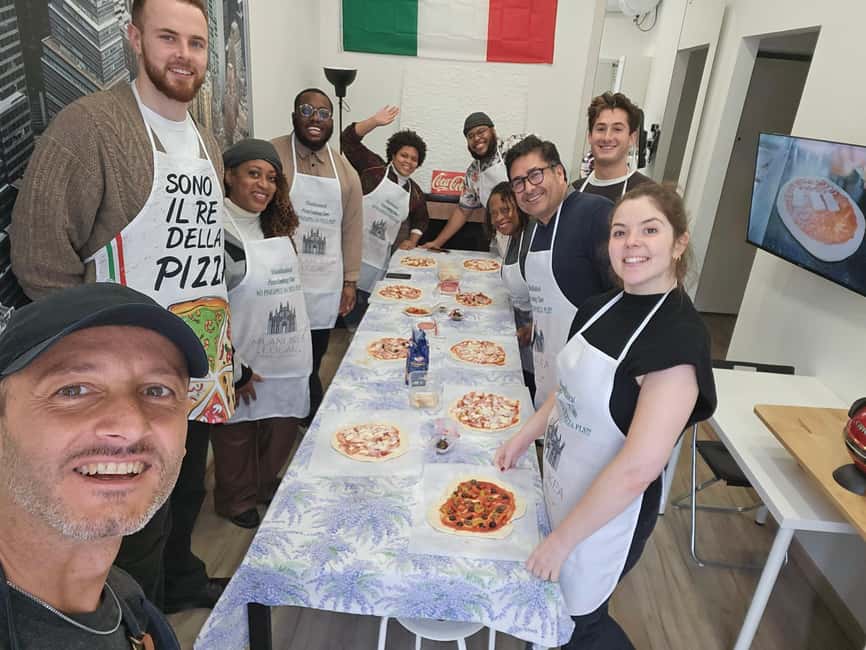
Pizza is food, but it’s also chemistry and timing. The class highlights the end result: you savor the crunchy, amazing taste of homemade Italian pizza. That matters because a home kitchen often gets stuck at the stage of making dough that’s fine but not really great. Here, the baking step is part of the learning, so you can connect how your dough work leads to the final texture.
Once the pizza comes out, you switch from cooking to enjoying. You sit back with a tasty glass of wine, plus soft drinks. This “eat after you work” structure is one of the best ways to make a cooking class feel worth it. The meal isn’t an afterthought. It’s the proof.
If you’re on a trip where every evening is already booked with dinners, this can still be a good pick. It gives you a full meal and a reason to linger, but in a format that adds something active to your day. And since the wine is included, the meal feels complete without extra spending on top of the class price.
What You’ll Take Home: Technique, a Recipe, and Confidence
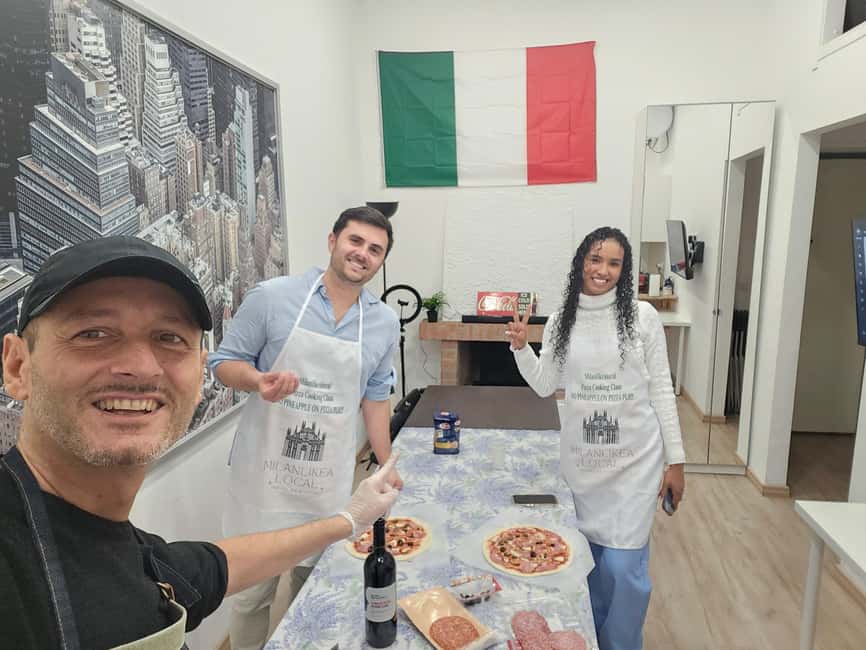
The real value in a pizza class is what happens after you get home. Here, you leave with a recipe, plus the know-how to make homemade pizza. That’s the difference between collecting a souvenir and bringing home a skill.
You’ll also have a better mental map of pizza across Italy. The instructor explains how Italian cuisine differs throughout the country, and you’ll see why pizza preferences aren’t random. That context helps you make smarter choices when you’re trying toppings at home, not just copying an Instagram-style pizza.
The confidence piece is underrated. Once you’ve practiced mixing and kneading in a real kitchen, you’re less likely to fear dough. Many people only bake when they feel inspired. After a class like this, you’ll likely bake because you know what to do when things feel off. That’s the skill that sticks.
There’s another practical benefit: the recipe helps you repeat the method without relying on memory. If you’ve ever tried to recreate a dish days later from vague recollection, you’ll appreciate having something concrete to work from.





Price and Value: Why $93 Can Make Sense for a Private Lesson
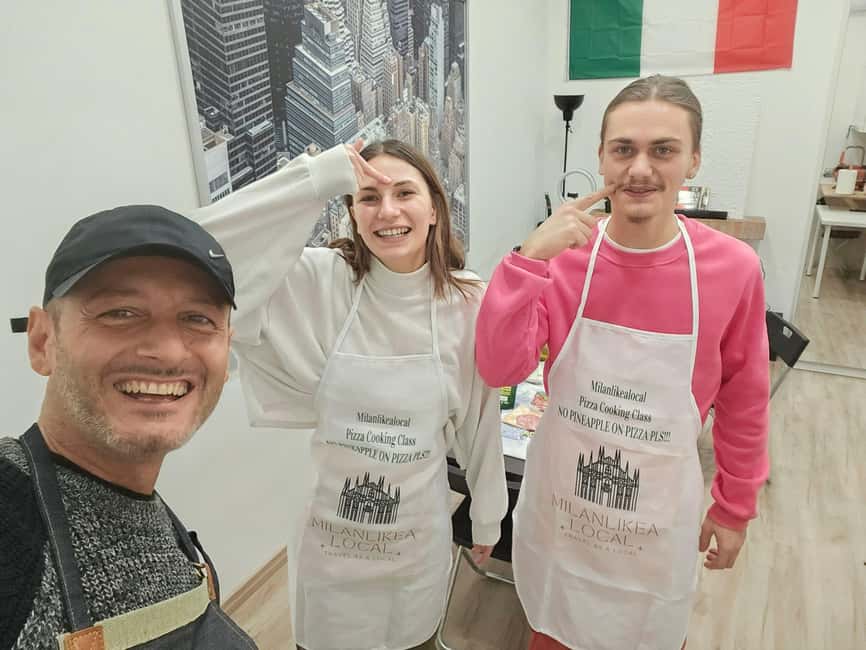
Let’s talk value in plain terms. $93 per person is a real number, but this experience is also a real cooking session with real inclusions. You’re not paying only for food, and you’re not paying only for instruction either.
Included:
- Pizza different flavours
- A main meal
- Equipment to cook with
- Wine and soft drinks
- A recipe
Now compare that to what you’d normally do if you tried to recreate this yourself. You’d spend on ingredients, equipment (or at least convenience purchases), and time. Then add a class instructor if you’re looking for technique and guidance. This price packages all of that into a single 2-hour experience.
It also helps that it’s private, in a private pizza studio rather than a busy public restaurant. Less crowd friction means more learning time and less waiting time. If you value hands-on instruction, this is exactly the kind of experience where your money turns into something you can use later.
Who Should Book This Pizza Class (and Who Might Not)
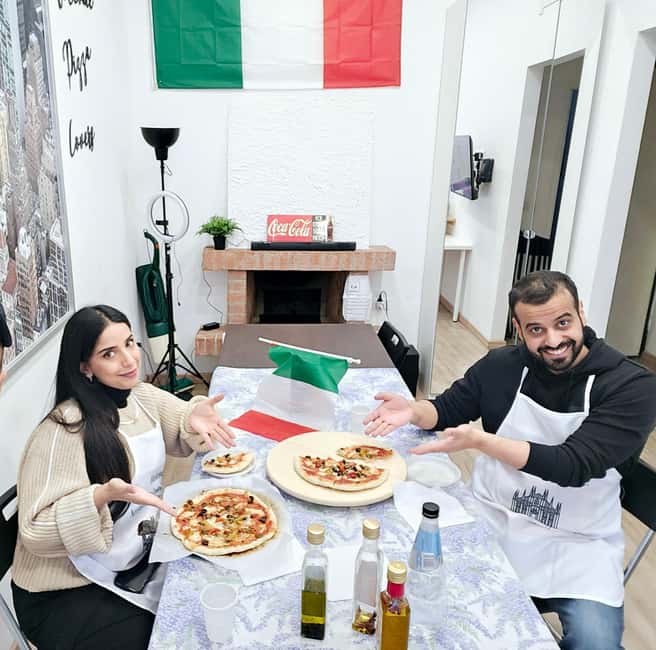
This class fits best if you want to:
- learn Italian pizza technique instead of only eating pizza
- enjoy a focused, small-studio cooking environment
- taste what you make with wine right after baking
- go home with a recipe and confidence, not just a full stomach
It also suits couples, friends, and solo travelers who like interactive activities. If you’re the type who likes conversation and appreciates a host with personality, you’ll likely feel at ease. People also mention that the instructor is kind and patient, and that the instruction is clear enough to make the process feel simpler than it sounds.
Who might hesitate? If you dislike hands-on cooking, or if you want a purely observational experience, this won’t match your style. You need to participate. This is a kitchen class, not a tasting tour where you sit back and watch.
Quick Practical Tips So Your Class Feels Effortless
A few simple things will make the experience smoother:
- Dress for dough. Flour happens, and this is a cooking studio.
- Plan for a full 2 hours of activity. You’ll be mixing, kneading, and baking.
- Go in hungry. The included main meal and wine are timed after you finish.
- Expect instruction in multiple languages. The class can be taught in English, French, Italian, or Spanish.
- Bring your best attitude toward classic pizza logic. The playful no-pineapple stance sets the vibe.
If you’re traveling around Italy and you want one experience that feels local without needing hours of wandering, this is a smart use of time. It’s also a great way to break up a food-heavy itinerary with something practical.
Should You Book Mamma Mia – Bake The Real Italian Pizza?
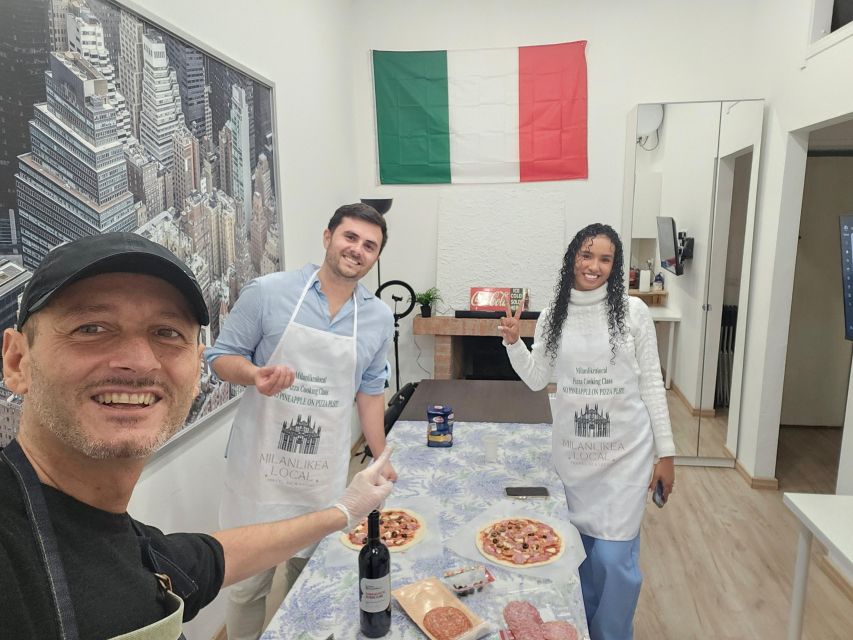
If your goal is a real, skill-building Italian food moment, I think this is an easy yes. The biggest strength is the mix of hands-on dough work, guided instruction, and a satisfying meal you made yourself. The inclusions matter too: equipment, recipe, and wine included in a tight 2-hour format.
Book it if you want to learn pizza properly, eat well, and leave with something you can repeat at home. Skip it if you want a passive experience or you’re mainly looking for a restaurant dinner. For everyone else, this private pizza studio approach is exactly the kind of value-for-time activity that feels both fun and useful.
FAQ
Where does this pizza class take place?
It takes place in Lombardy, Italy, in a private pizza studio (not a public restaurant).
How long is the experience?
The duration is 2 hours.
What is included in the price?
The included items are pizza different flavours, a main meal, cooking equipment, wine, soft drinks, and a recipe.
Is wine included, or is it an extra purchase?
Wine is included as part of the experience.
What languages does the instructor speak?
The instructor offers classes in English, French, Italian, and Spanish.
Is pineapple pizza allowed?
The experience highlights a playful rule: no pineapple pizza eaters allowed.
Do I get anything to help me make pizza after the class?
Yes. You receive a recipe and you’ll leave with the know-how to make homemade pizza.