REVIEW · MILAN
Jewish Guided Tour in Milan
Book on Viator →Operated by Milano Mia · Bookable on Viator
Milan feels classic and orderly, then suddenly it isn’t. This Jewish guided tour threads together everyday city landmarks with the stories that shaped Jewish life in Milan, from royal power and court law to Mussolini-era fear—and ends at the Holocaust Memorial area. Along the way, you’ll hear how Milan was built, and how history leaves marks you can still see.
I really like the pace: about 3 hours with short stops, so you’re never stuck listening too long at any one spot. I also love the small group feel, capped at 8 people, which makes it easier to ask questions when the guide points out details most folks would walk past. The one possible drawback is the synagogue visit: entrance depends on a donation and advance coordination, and August visits may need extra planning.
One more thing to consider: this walk doesn’t include a guided visit to the Holocaust Museum itself. You’ll get escort and guidance to the Holocaust Memorial site and the museum entrance area, but you won’t get the museum tour inside.
In This Review
- Key things to know before you go
- Milan Through a Jewish Lens: Central Stops, Not a Single Quarter
- Price and Value: What $120.48 Buys You in 3 Hours
- How the Tour Moves: A 3-Hour Route with Short, Focused Stops
- San Babila: Getting Oriented in Milan’s Story
- Corso Vittorio Emanuele II: Royal Power and How Cities Get Built
- Piazza del Liberty: Mussolini and WWII in Everyday Public Space
- Monumento a Cesare Beccaria: Law as a Human Story
- Sinagoga Centrale: Donation Rules and What Makes the Visit Different
- Piazza del Duomo: Comparing Symbols Where You Can Actually See Them
- Rinascente Milano View: Milan From Above and the City’s Modern Vertical Mood
- Ending at the Holocaust Memorial Site: Guidance Included, Museum Tour Not
- Small Group Size: Why Up to 8 People Changes the Experience
- Who Should Book This Jewish Guided Tour in Milan
- Should You Book This Tour or Skip It?
- FAQ
- How long is the Jewish guided tour in Milan, and where do you start and end?
- What’s included in the tour price?
- Do I need to pay anything for the synagogue visit?
- Is the Holocaust Museum tour included?
- Is the tour offered in English?
- What is the cancellation policy?
Key things to know before you go
- Central Milan storytelling: you’re seeing Jewish history through major streets and plazas, not a single “Jewish quarter.”
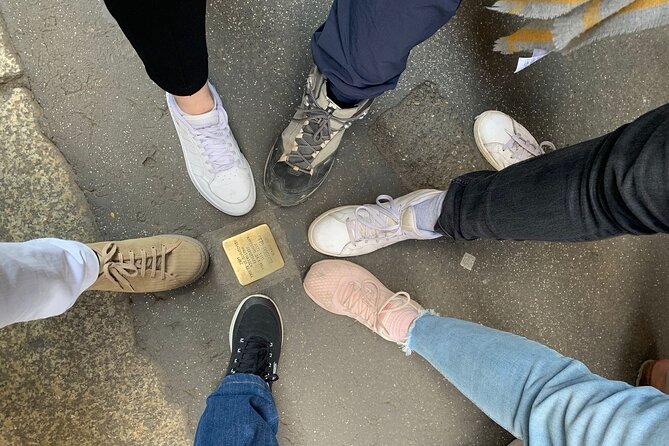
- Synagogue access needs planning: Sinagoga Centrale requires a donation of at least 10 euros and coordination in advance.
- WWII and Mussolini on the route: the guide ties modern political history to what you’re standing in front of.
- Duomo symbolism connection: you’ll learn how Jewish and Christian symbols and architecture can be compared on-site.
- Holocaust Memorial escort included: you’re guided to the memorial area and museum entrance, but not taken through the museum exhibits.
- Small group, licensed guide: the tour includes a licensed or certified in-person guide and runs near public transportation.
Milan Through a Jewish Lens: Central Stops, Not a Single Quarter
What makes this tour work is that it treats Jewish history as part of the city’s core story. Milan is not a place where you can point to one preserved neighborhood and say, this is where everything happened. The guide’s approach shows you why that matters.
You’ll connect Jewish presence to the same spaces that locals use every day: streets named after rulers and thinkers, big public squares, and the city’s most famous architectural stage. It’s a smart way to understand Milan without needing an archaeology dig or a museum marathon. And you’ll get context that makes later visits around town make more sense.
The tour also plays fair. It doesn’t try to oversimplify religion or history into slogans. Instead, it sets up comparisons between Judaism and Christianity right at the Duomo area, and then uses what you see to explain the similarities and differences in a practical, street-level way.
You can also read our reviews of more guided tours in Milan

Price and Value: What $120.48 Buys You in 3 Hours
At $120.48 per person for about 3 hours, the headline price looks like a lot until you break down what’s included. You’re not paying for just walking; you’re paying for a licensed or certified in-person guide, plus all fees and taxes.
A big part of the value is how tightly the route is designed. Short timed stops add up to a full thematic arc: Milan’s city identity, royal dynasty storytelling, WWII and Mussolini-era context, legal history via Cesare Beccaria, then the Jewish religion and Milan’s Jewish story at Sinagoga Centrale—and finally a link to the Holocaust Memorial area.
Another value factor: mobile ticket and group discounts. That matters because it reduces friction. You show up, you follow the meeting point plan, and you spend your time on the actual explanation instead of figuring things out.
The cost consideration is mainly the synagogue donation. The synagogue entrance itself is not included, and you’ll need at least 10 euros per person for the donation. So if you’re budgeting tightly, plan that extra cost early.
How the Tour Moves: A 3-Hour Route with Short, Focused Stops
The tour is built around quick, readable segments. You start at Corso Monforte, 2, 20122 Milano MI and end at Via Dante, Milano MI near the Holocaust Memorial area. That helps because you finish in a different part of the city than you start, which can be useful if you’re planning the rest of your day.
Expect the guide to use each stop like a chapter title. You’ll get a city intro, then a dynasty-and-architecture angle, then WWII and Mussolini, then law through Beccaria, then the synagogue visit, then the Duomo comparison, and finally a viewpoint stop at Rinascente Milano.
One practical tip: because the stops are timed and the group size is small, you’ll want to show up ready to move. If you’re the type who likes slow wandering, save that for after the tour while you still know where you are.
San Babila: Getting Oriented in Milan’s Story
The first stop is San Babila, where you’ll begin with the city of Milan itself—past, present, and future. It’s a classic move, but it works here because the guide isn’t giving you a random history lecture. You’re getting a mental map of how Milan changed and what shaped it.
Even though admission at this first spot is free, the real value is the grounding. When you understand how the city tells its own story, later landmarks stop feeling like isolated postcard backgrounds. Instead, they become clues.
If you’re short on time in Milan, this first stop helps you get bearings fast. It’s also helpful if your next days include the Duomo area or other central landmarks, because the guide’s framing will make those sights click.
Corso Vittorio Emanuele II: Royal Power and How Cities Get Built
Next comes Corso Vittorio Emanuele II, with discussion of Vittorio Emanuele and the dynasty of royal houses in Italy, plus how the city was built around those priorities. This is the kind of stop where a guide can either overwhelm you with dates—or connect the idea to what you’re seeing.
Here, the emphasis is on the city’s physical plan and the political storytelling behind major avenues. That makes it more useful than a purely academic history summary. You’ll start to notice how public space often reflects who held power and what a state wanted to project.
The ticket situation is simple: admission is free for this segment. The learning comes from the guide’s interpretation of the street’s role in Milan’s urban identity.
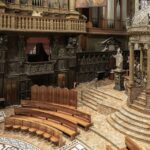




Piazza del Liberty: Mussolini and WWII in Everyday Public Space
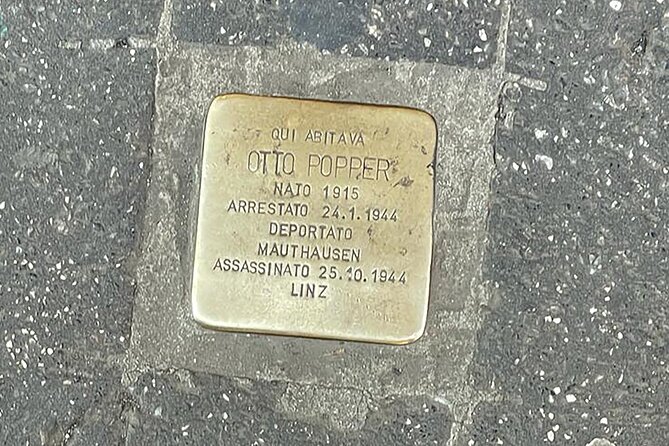
At Piazza del Liberty, the tour shifts into WWII and Mussolini. This matters because you’ll be standing in a real place that has outlived the rhetoric that created it. The guide’s job is to make those layers visible without turning the conversation into a scary history dump.
A caution: if you’re not in the mood for political history early in your day, you might feel the emotional weight of this stop. But it’s also one of the most important. Without it, later references to fear, persecution, and survival at the synagogue and memorial area won’t land as hard.
Admission is free, and that’s good news because the value is in understanding what you’re looking at, not paying to see another exhibit.
Monumento a Cesare Beccaria: Law as a Human Story
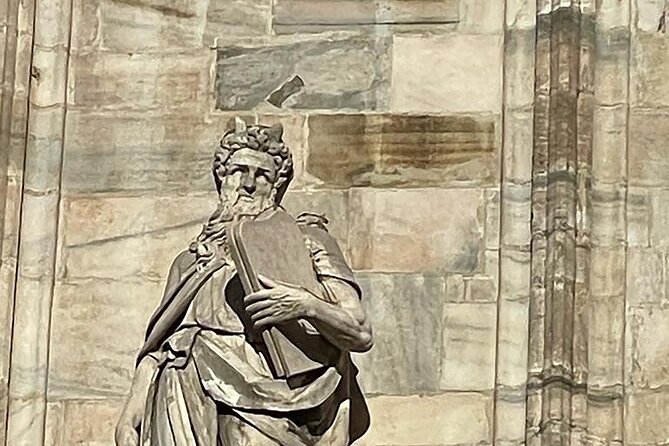
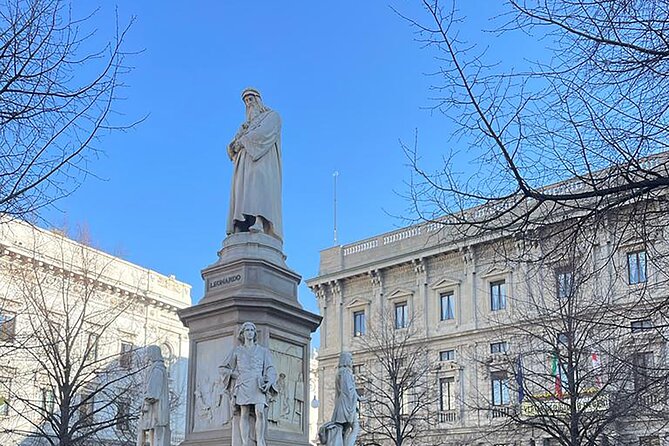
The tour then moves to Monumento a Cesare Beccaria, where you’ll hear about Bakria and his contribution to the world of law in Italy. This is a stop that may surprise you—in a good way.
Why? Because Jewish history in Europe isn’t only about community life and religious practice. It also connects to legal systems, rights, and how societies justify rules. Even in a city tour format, linking Milan to Beccaria’s legal thinking makes the overall narrative feel less abstract.
Like earlier stops, admission is free, and the learning is mostly interpretation: how a public monument becomes part of civic identity.
Sinagoga Centrale: Donation Rules and What Makes the Visit Different
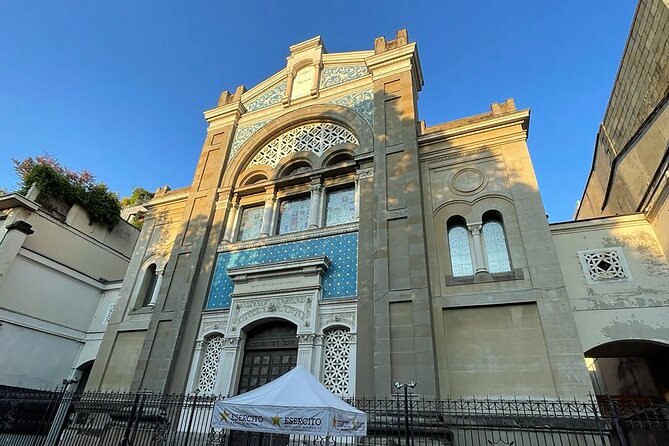
The star moment is the synagogue visit at Sinagoga Centrale. The guide covers the Jewish religion, history in Italy, and the specific story of Jewish life in Milan. This is where the tour stops being mainly architectural and political—and becomes personal and cultural.
Here’s the key logistics point you must plan for: synagogue entrance requires a donation of at least 10 euros per person. You also need to coordinate your entrance with the tour team in advance.
There’s also an August consideration. During August, visiting the synagogue needs prior arrangement due to limited opening hours. If you’re traveling in summer, contact or coordinate early so you don’t end up with a closed door on the day.
Time on site is short—about 20 minutes—so come ready to listen rather than expecting a long, slow self-guided religious visit. This stop is designed to connect the stories from the street to the living reality of faith and community spaces.
Piazza del Duomo: Comparing Symbols Where You Can Actually See Them
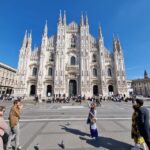
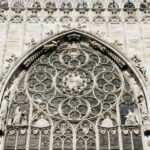
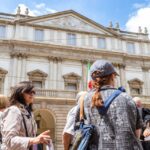
At Piazza del Duomo, you’ll learn about the similarities and differences between Judaism and Christianity, tied to the architecture of churches and synagogues and the Jewish symbols visible on the Duomo.
This is smart touring. You aren’t asked to imagine differences. You’re standing in front of a world-famous building where symbolism is part of the design language. The guide points out how visual motifs can communicate identity, belief, and community, even across different traditions.
Admission for this stop segment is free, which is another reason this tour gives value. The best part of the Duomo area is not paying to add another museum ticket; it’s understanding what you’re already looking at.
Rinascente Milano View: Milan From Above and the City’s Modern Vertical Mood
The final city stop is Rinascente Milano, a short stop designed to see the city from above and talk about high-rise buildings in Milan and Italy.
This segment is brief (about 15 minutes), so don’t expect a long break or an extended viewpoint experience. But it adds a nice contrast. After topics like WWII and religious history, the city view resets your perspective. You can look across Milan and feel how the skyline layers old narratives with modern growth.
Admission is listed as free for the tour segment, but always remember that rooftop access rules can vary by venue and time. Since the tour data here focuses on the segment and guidance rather than a specific timed ticket, follow the guide’s directions on the day.
Ending at the Holocaust Memorial Site: Guidance Included, Museum Tour Not
The tour ends at the Holocaust Memorial area (and is described as ending in front of the Holocaust Memorial Site in Milan). You’ll get escort and guidance to the Holocaust Memorial in Milan, including traveling together on the metro to arrive at the entrance to the Holocaust Museum.
Important note: the tour includes guidance to the memorial and museum entrance, but it does not include a tour of the Holocaust Museum itself.
So what should you do with this? If you want the museum experience, plan extra time right after the tour so you’re not rushed. If you don’t want exhibits that day, the memorial area and the guided context are still valuable for understanding what you’re seeing before you move on.
This structure makes the ending feel respectful and grounded. You’re not thrown into a long museum schedule, but you also aren’t left without a proper arrival pathway and orientation.
Small Group Size: Why Up to 8 People Changes the Experience
A maximum group size of 8 sounds like a minor detail until you experience this kind of topic. History and symbolism can get technical fast, and a smaller group makes it easier for the guide to slow down when someone asks a question.
This is also where the guide’s teaching style matters. From the way the guides are described (including names like Galit and Nuki), there’s an emphasis on pointing out details that many people normally bypass. That’s exactly what you want on a city tour—someone helping you see, not just someone telling you.
If you’re visiting Milan with friends or family, small groups also help you keep the tour cohesive. You’re less likely to lose the thread or feel like you’re competing for attention.
Who Should Book This Jewish Guided Tour in Milan
This tour is a great fit if you want Jewish history in Milan without needing to hop between far-off sites or plan multiple independent museum stops.
You’ll probably enjoy it most if:
- You like understanding what you see, not just seeing it.
- You want a synagogue visit as part of a broader city narrative.
- You’re interested in WWII context, but you want it explained in a way tied to real places.
- You like architecture and symbolism and want someone to help you read it.
If you only want a long, quiet synagogue experience or a full guided museum program, this might not match your expectations. The synagogue time is limited, and the Holocaust Museum is not toured on the trip. Still, for many people, that’s exactly the right balance.
Should You Book This Tour or Skip It?
I’d book this Jewish guided tour in Milan if you want a tight, central route that connects Milan’s streets to Jewish religion, history, and the WWII-era realities that shaped the region. The small group size, short stop format, and licensed guide add up to a solid value for 3 hours, and the synagogue visit is the kind of anchor moment that makes the whole tour feel real.
I’d think twice if you dislike donation-based entry rules or if you’re traveling in August and haven’t planned ahead for synagogue access. Also, if you specifically want the Holocaust Museum exhibits with a guide inside, you’ll need to make that part a separate plan since the tour only escorts you to the entrance area.
If you want central Milan with meaning, plus a guided synagogue stop and a proper ending at the Holocaust Memorial site, this is a strong choice.
FAQ
How long is the Jewish guided tour in Milan, and where do you start and end?
It runs for about 3 hours. You start at Corso Monforte, 2, 20122 Milano MI, and you end in the Via Dante area, at the front of the Holocaust Memorial Site in Milan.
What’s included in the tour price?
The tour includes all fees and taxes, and an in-person guide who is licensed or certified. The tour also uses a mobile ticket. Coffee or tea is not included.
Do I need to pay anything for the synagogue visit?
Yes. Entrance to Sinagoga Centrale is with a donation of at least 10 euros per person. You also need to coordinate your entrance with the tour team in advance.
Is the Holocaust Museum tour included?
No. The tour does not include a tour of the Holocaust Museum. It does include escort and guidance to the Holocaust Memorial area, including traveling together on the metro to reach the museum entrance.
Is the tour offered in English?
Yes. The tour is offered in English.
What is the cancellation policy?
You can cancel for a full refund up to 24 hours before the experience starts. If you cancel less than 24 hours before the start time, the amount paid is not refunded. Cut-off times are based on local time.