Milan feels bigger when you pedal. This 3.5-hour bike tour strings together major sights and lesser-known streets into one smooth ride, from the Duomo area to Roman-era remains.
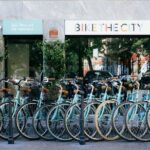
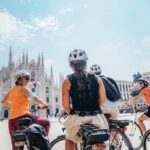
What I liked most: the route mixes top attractions with real neighborhood flavor, and it does it at a relaxed pace that feels manageable even if you’re not a hardcore cyclist. I also love the practicality here: the bikes are that iconic aquamarine color, and you get helmets plus a waterproof jacket if the sky decides to play.
One drawback to plan around: it’s not for people who can’t ride a bike, and there’s a height minimum of 135 cm. If your group includes younger kids or anyone who’s uncomfortable on two wheels, this may not be the best fit.
In This Review
- Key highlights worth your attention
- Three and a Half Hours to Get Your Bearings on Two Wheels
- Price and What You’re Really Paying For at About $44
- Getting There Without Stress: ZTL Notes and Metro Options
- Starting in Ticinese: Local Life Before the Icons
- Duomo to Palazzo Reale: Gothic Drama and Royal Polish
- Galleria Vittorio Emanuele and La Scala: Architecture With Culture in Motion
- Brera and the Pinacoteca Area: The Artistic Heart You Can Feel
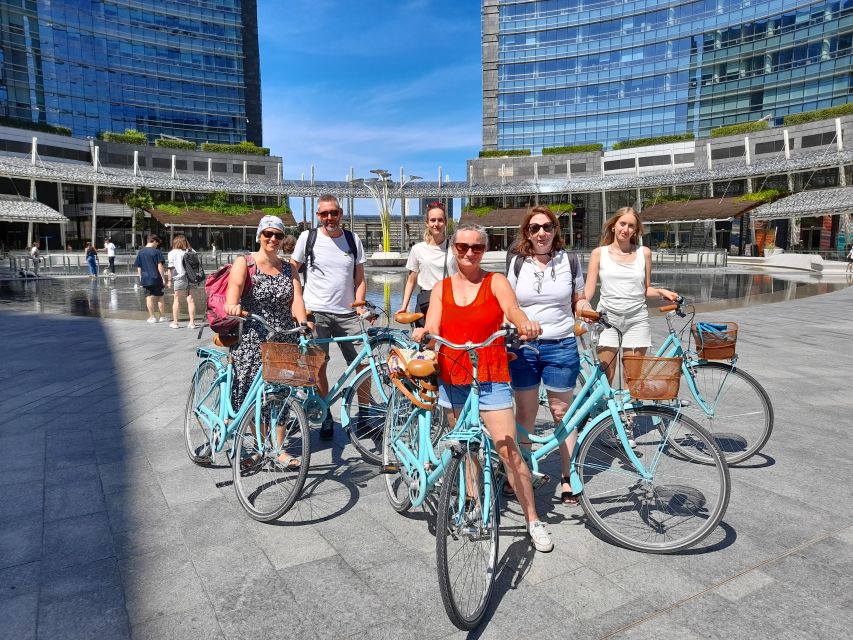
- Porta Nuova: Seeing Modern Milan After the Old Core
- Castello Sforzesco and Parco Sempione: Fortress Views to Green Calm
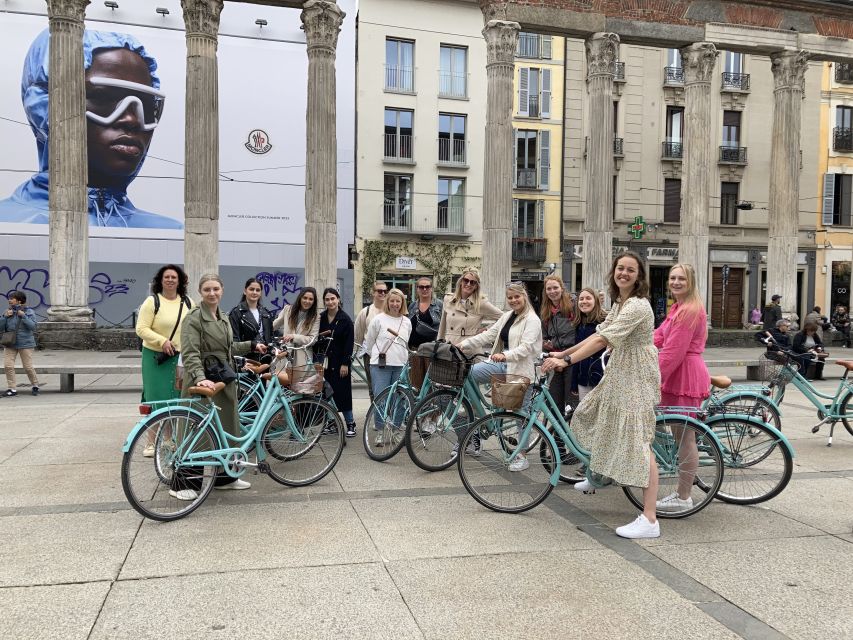
- Roman Remains Near the Center: Milan’s Other Ancient Chapter
- Bikes, Comfort, and the Ease Factor That Makes It Worth It
- Rain, Sprinkles, and Why You Should Bring a Good Attitude
- Who This Bike Tour Suits Best (and Who Should Skip It)
- What I’d Do Next After the Tour
- Should You Book This Milan Highlights and Hidden Streets Bike Tour?
- FAQ
- How long is the bike tour?
- How much does the tour cost?
- What’s included in the tour?
- What language is the guide?
- Do I need to know how to ride a bike?
- Is there a height requirement?
- Where do we meet if we’re coming from Metro Vetra?
- Does the tour go in the rain?
- Is alcohol allowed during the tour?
Key highlights worth your attention
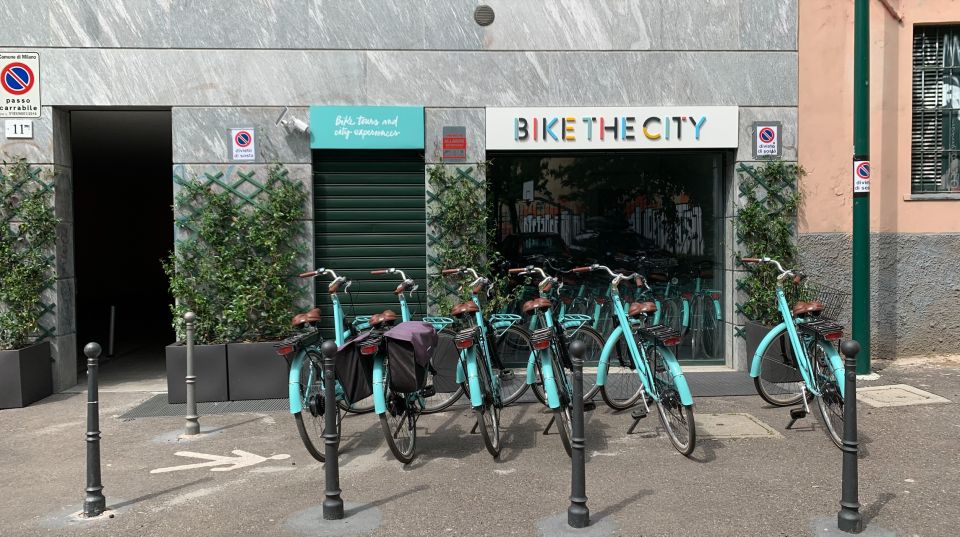
- Aquamarine bikes with helmets included so you don’t have to hunt for gear
- A fast way to see many districts without wearing your feet out
- Story stops at major landmarks like the Duomo, La Scala area, and Sforza Castle
- Time in green space at Parco Sempione with an easy break from city streets
- Porta Nuova and modern Milan right after the older core
- Roman remains near the center to round out the “Milan isn’t just fashion” angle
Three and a Half Hours to Get Your Bearings on Two Wheels
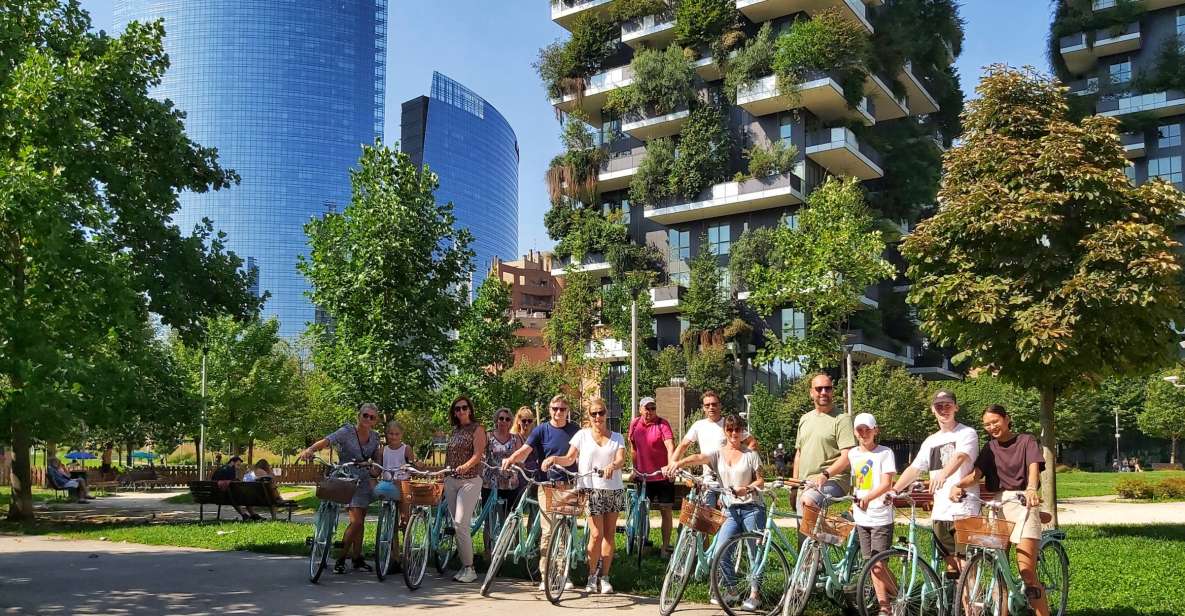
This tour is built for the first time in Milan feeling. In a few hours, you get a city-wide sweep that connects the historic center to modern districts, plus that extra bonus of Roman traces.
The ride style is part of the value. You’re not stuck staring at a map or dodging slow groups through the busiest areas on foot. Instead, you glide through neighborhoods, then stop just long enough to understand what you’re looking at.
I also like that the guides keep it human. You’re hearing stories and local context while you roll, so the sights don’t feel like a checklist. It’s the kind of pacing that helps you decide what to explore later on your own.
You can also read our reviews of more cycling tours in Milan
Price and What You’re Really Paying For at About $44
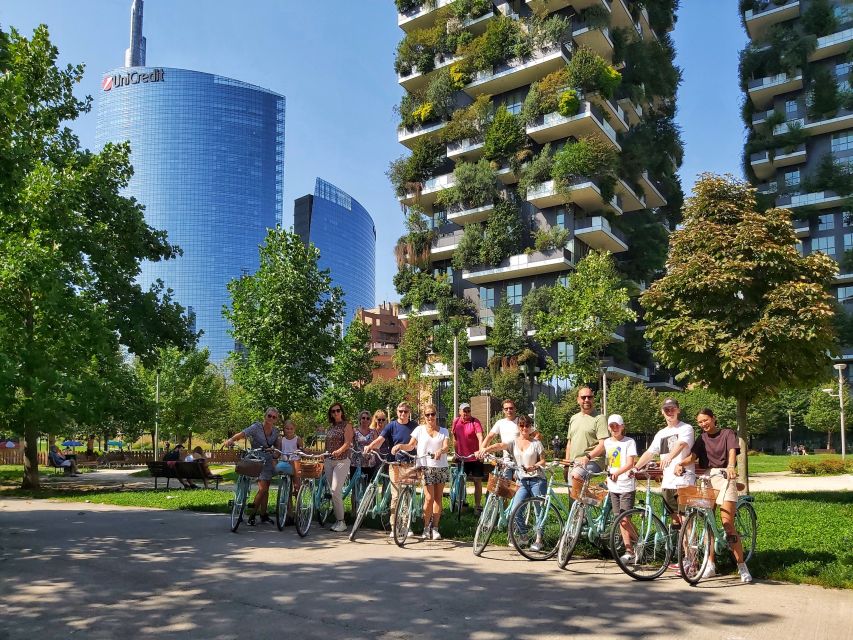
At about $44.41 per person for 3.5 hours, the math works if you want efficiency with interpretation. You’re paying for a guide, the bike, and safety basics (helmets), plus a waterproof layer if needed.
This matters in Milan because “just winging it” can turn expensive fast in time and transport. A bike tour like this compresses a lot of walking and searching into one planned loop, so you spend less energy figuring out where to go next.
Also, the group format is designed for comfort. Reviews mention a slower, stop-friendly rhythm and easy handling, and that’s exactly what you want when you’re trying to cover serious sights without rushing.
Getting There Without Stress: ZTL Notes and Metro Options
If you’re coming by car, pay attention to the ZTL area warning. The meeting instructions specifically say not to enter the ZTL zone, because fines can happen.
If you’re using transit, you’ve got several practical entry points:
- Metro Vetra (M4): about a 3-minute walk
- Metro Duomo (M1 and M3): about a 14-minute walk, or a short tram ride
- Metro S. Ambrogio (M2): about a 12-minute walk, or a bus option
- Metro Porta Genova (M2): about 1.3 km, around 17 minutes walking
The good news is that you end right back at the meeting point. That cuts down on the “where do we go next” problem once you finish.
Starting in Ticinese: Local Life Before the Icons
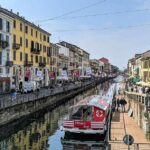
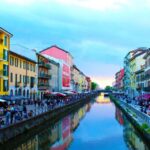
You begin in the Ticinese district, which is a smart choice. It’s lively and historic without feeling like a pure theme park, so you get that everyday Milan feeling early.
From there, the ride winds toward the big center highlights. You’ll probably notice the contrast quickly: neighborhood streets first, then the monumental architecture that makes Milan feel instantly world-class.
This start also helps with energy. Instead of jumping straight into the most crowded sight zones, you warm up through the city’s texture, then save the “wow” moments for when the group is settled and moving smoothly.
Duomo to Palazzo Reale: Gothic Drama and Royal Polish
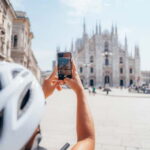
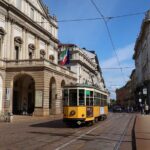
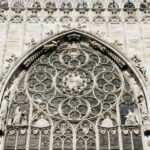
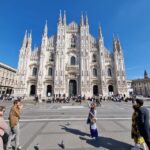
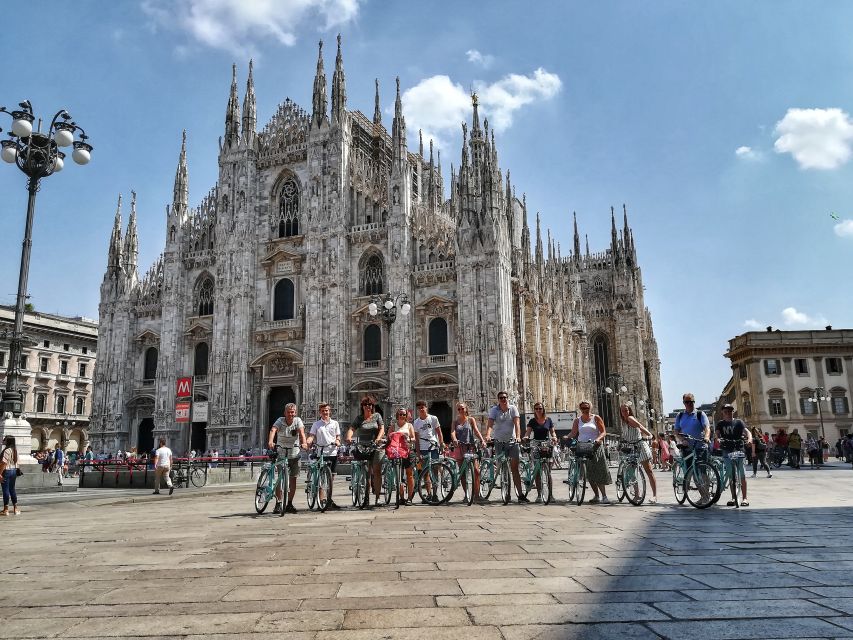
The Duomo area is the kind of stop where a bit of context changes everything. As you pedal past, you get the story behind the Gothic architecture instead of just snapping photos and moving on.
Then you head to Palazzo Reale, where the vibe shifts to elegant refinement. It’s a good pairing on a bike tour because you can see how the city’s identity changes block by block—religious grandeur here, royal sophistication there.
What makes these stops work on two wheels is timing. You’re not stuck in one place waiting for an official visit. You’re seeing what makes each landmark distinct, then rolling onward to the next chapter of the city.
You can also read our reviews of more guided tours in Milan
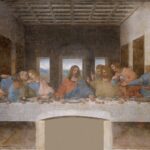
Galleria Vittorio Emanuele and La Scala: Architecture With Culture in Motion
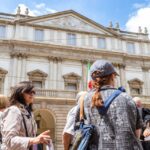
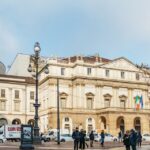
Next comes the Galleria Vittorio Emanuele, Milan’s famous covered gallery. It’s the sort of place where the details reward slow looks, but it’s still easier to experience from a bike route because you’re not limited to only the immediate crowd flow.
Then you reach the area of La Scala, and that’s where the tour’s story approach really shines. You get insight into Milan’s cultural prestige while the city keeps moving around you.
This section is also a nice reminder that Milan isn’t only about shopping and skylines. Even if opera isn’t your thing, the setting and the history of the arts make the whole city feel more layered.
Brera and the Pinacoteca Area: The Artistic Heart You Can Feel
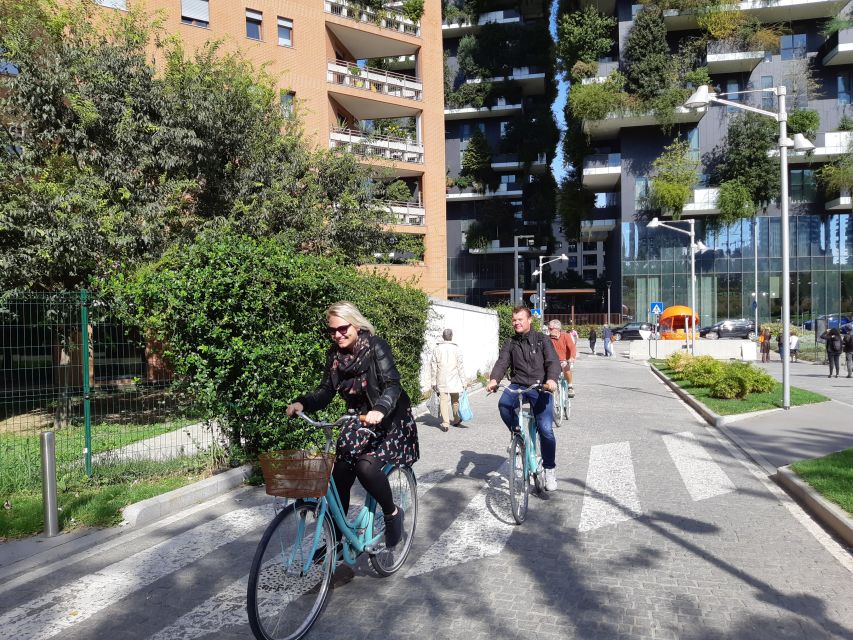
You continue to Brera, described as Milan’s artistic core. This is the kind of neighborhood where walking often turns into wandering—small streets, galleries, and a more artsy tempo.
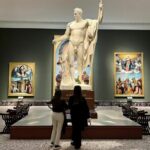
The tour includes time around the Pinacoteca area, and that’s useful even if you’re not planning to buy a ticket. The point isn’t to turn the ride into a museum day. It’s to show you why Brera has that reputation and how the neighborhood feels different from the financial and cathedral zones.
If you like neighborhoods with personality, this is the part where you’ll start thinking about returning. It’s often easier to plan a second visit after you’ve biked through once and figured out the general layout.
Porta Nuova: Seeing Modern Milan After the Old Core
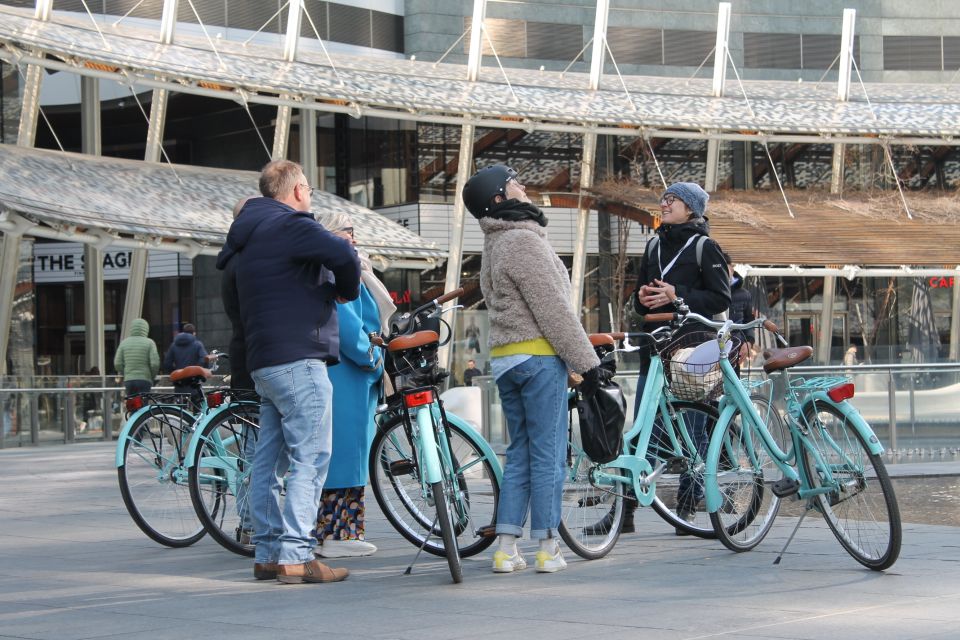
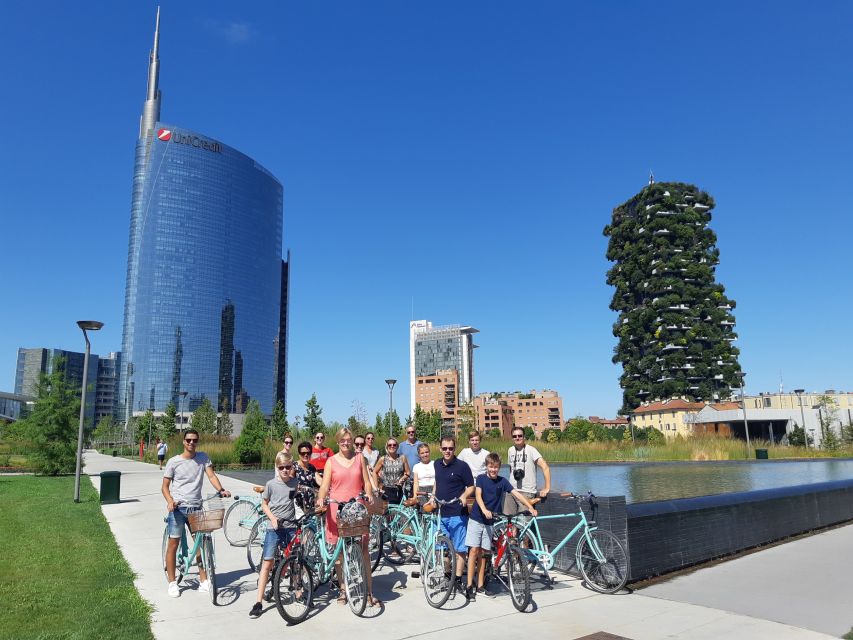
After the traditional center and art district, the tour jumps forward in time to Porta Nuova. That contrast is a big part of why this tour earns its keep.
You’ll get a look at cutting-edge architecture right after seeing older landmarks, which helps you understand Milan’s identity as something still evolving. It’s not just preservation—it’s also reinvention.
This portion is especially helpful if your trip includes a tight schedule. You get both “historic Milan” and “what’s next” without needing separate transport plans.
Castello Sforzesco and Parco Sempione: Fortress Views to Green Calm
The ride moves to Castello Sforzesco, and it’s a satisfying stop. A castle works great on a bike tour because you can quickly take in scale, then pause long enough to connect the site to the city’s timeline.
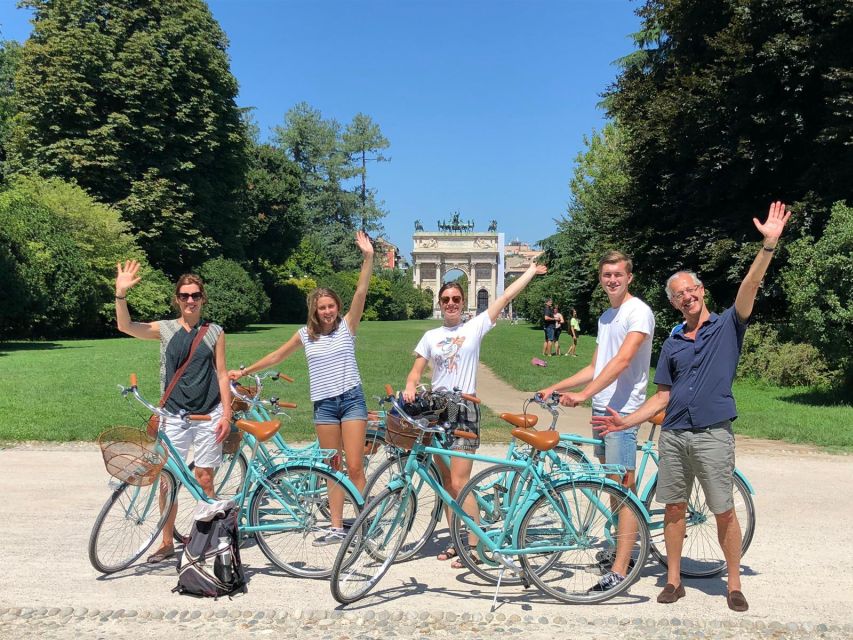
After that, you transition to Parco Sempione, Milan’s green lung. This is where the pace feels like it shifts gears—less city friction, more breathing room.
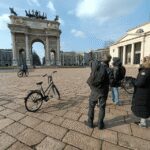
Then you get Arco della Pace in the mix, adding a neoclassical punctuation mark to the ride. It’s the kind of stop that works even if you’re tired, because parks and monuments tend to reset your attention.
Roman Remains Near the Center: Milan’s Other Ancient Chapter
The tour closes with Roman remnants—important because it reminds you Milan has layers beyond medieval and Renaissance Europe.
You’ll visit remains tied to the imperial palace area, plus an old circus and amphitheater setting. It’s a rare way to see why a city you associate with modern culture also has deep ancient roots.
This final segment is also psychologically smart. As the ride nears the end, the stories get more dramatic and memorable. If you want one takeaway that makes the city stick, Roman traces are a strong contender.
Bikes, Comfort, and the Ease Factor That Makes It Worth It
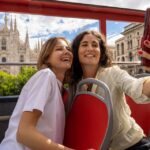
The bikes are described as iconic and the experience emphasizes comfort. You get helmets and a waterproof jacket in case of rain, which is a big plus in a place where weather can shift.
The ride is planned for smooth, easy pedaling. Reviews specifically note flat, easy routes and that gear isn’t a major issue because Milan is generally bike-friendly in this context.
Also, the guides are trained to keep things safe and organized. People mention clear navigation and good pacing, including stopping often enough that you don’t feel rushed but still cover a lot.
If you’re the type who gets cranky after too much walking, this is a smart “legs reset” option. You still get the sights, but you’re doing it with motion instead of constant stops and starts on foot.
Rain, Sprinkles, and Why You Should Bring a Good Attitude
Weather is handled in a practical way. The tour will go ahead even if there’s a gentle sprinkle, and that means you won’t lose the whole experience because the sky is moody.
If conditions get heavier, the operator will contact you to help reschedule or offer a full refund. So you’re not left guessing in the moment.
This is why the included waterproof jacket matters. It doesn’t turn you into a rain pro, but it helps you stay comfortable enough to keep enjoying the ride.
Who This Bike Tour Suits Best (and Who Should Skip It)
This tour is ideal if you want:
- A quick overview of central and nearby districts
- Landmark context without museum tickets
- A bike-friendly alternative to hours of walking
- A guide who shares stories as you move
It’s not for you if:
- You can’t ride a bike
- You’re under 135 cm in height
- Your group plans to bring alcohol (alcohol and drugs are not allowed)
If you’re traveling with kids who meet height needs but are not confident cyclists, you’ll likely run into problems. And if your group includes both confident riders and cautious riders, make sure everyone truly feels ready before committing.
What I’d Do Next After the Tour
I love using a tour like this as a planning tool. After you see the Duomo-to-Sforza arc, Brera’s art feel, and Porta Nuova’s modern energy, you can choose where you want to slow down later.
The bike tour also helps you figure out what fits your vibe. If the Roman segment left you curious, you’ll probably want more ancient sights. If you’re drawn to architecture, Porta Nuova and the Duomo area give you obvious next steps.
And since the route ends back at the meeting point, you can turn the rest of your day into something simple—food nearby, a short self-guided walk, or returning to one neighborhood that clicked.
Should You Book This Milan Highlights and Hidden Streets Bike Tour?
If your time in Milan is short, I think you should book it. For roughly 3.5 hours, you get a lot of city coverage with real context, not just motion. It’s also a strong value because your kit is provided: bike, helmet, and even a rain layer.
I’d especially recommend it if:
- You want to see both old and new Milan in one outing
- You prefer learning from a guide while you ride instead of reading on your own
- You want easy pacing and lots of opportunities to stop and look
Skip it if you don’t ride confidently, or if the group has riders under the 135 cm minimum. In those cases, you’ll get more frustration than enjoyment.
If you do book, wear comfortable clothes, show up with a calm, curious mindset, and lean into the stories. This is one of those Milan experiences that makes the city feel navigable fast—and that’s gold when you’re figuring out where to spend the rest of your trip.
FAQ
How long is the bike tour?
It runs for 3.5 hours.
How much does the tour cost?
The price is $44.41 per person.
What’s included in the tour?
You get the bike, helmets, an official guide, third-party liability insurance, and a waterproof jacket in case of rain.
What language is the guide?
The live guide speaks Dutch and English.
Do I need to know how to ride a bike?
Yes. The tour is not suitable for people who can’t ride a bike.
Is there a height requirement?
Yes. It’s not suitable for people under 4 ft 4 in (135 cm).
Where do we meet if we’re coming from Metro Vetra?
From Metro Station Vetra (M4), it’s about a 3-minute walk to the start point.
Does the tour go in the rain?
The tour goes ahead even with a gentle sprinkle. If the weather turns heavier, the operator will contact you to reschedule or offer a full refund.
Is alcohol allowed during the tour?
No. Alcohol and drugs are not allowed.