REVIEW · MILAN
Lake Como, Swiss Alps and Bernina Train From Milan
Book on Viator →Operated by TAOTRAVEL · Bookable on Viator
Alps by train in one day changes how you see travel. This trip strings together Lake Como time in Italy and a world-famous rail stretch through Switzerland, with the Red Train climbing hard into big, high-altitude views. I like that you get round-trip transfers from central Milan, then a guided day that keeps logistics simple while you focus on the scenery and the stops.
Now, the catch: it’s a long day and the train views depend on where you sit. If you get motion sickness, or if you’re the kind of person who wants the perfect photo from the same side of the train every time, plan smarter than average.
In This Review
- Key Highlights Worth Paying Attention To
- Why the Bernina Train Route Is the Star of the Day
- Entering the Day in Milan: Hotel Gallia Transfers and a Fast Start
- Lake Como and Lecco: A Useful Slice, Not a Full Vacation
- The Drive and the Stops Before You Even Board the Train
- St. Moritz vs. Tirano: Two Different Moods, Limited Time
- Boarding the Red Train: Window Openings and Real-World Photo Tips
- Inside the Alpine Route: Maloja to Bernina, the Key Names You’ll Notice
- The Logistics Feel Smooth, but the Day Still Has Strain
- Value Check: Does $211.19 Make Sense for What You Get?
- Weather, Windows, and When to Expect the Day to Feel Magical
- Who Should Book This Tour (and Who Should Skip It)
- Should You Book This Tour?
- FAQ
- How long is the Lake Como, Swiss Alps and Bernina Train day trip?
- Where do you meet, and where does the tour end?
- What train ride is included?
- How much free time do you get in Lake Como and St. Moritz?
- Are food and drinks included?
- Do I need a passport?
- Is the tour limited in group size?
Key Highlights Worth Paying Attention To
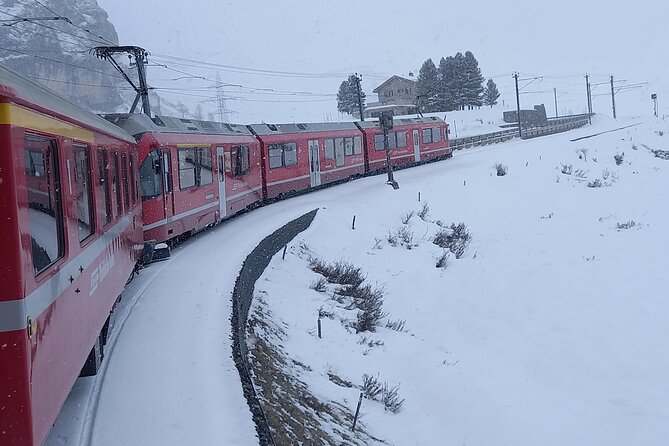
- Uninterrupted Alpine views on the Bernina line, including high points around 2,253 meters
- Second class with opening windows on the St. Moritz to Tirano segment for photos (and fresh air)
- A guided day with transfers from Hotel Gallia area in central Milan, so you’re not juggling schedules
- Stops like Maloja Pass, Ospizio Bernina, and Piz Bernina that break up the rail ride with dramatic change
- Lake Como in the Lecco area, with a lakeside promenade and flexible village substitution
- Small group size (max 35) keeps it easier to stay together and find your place on trains
Why the Bernina Train Route Is the Star of the Day
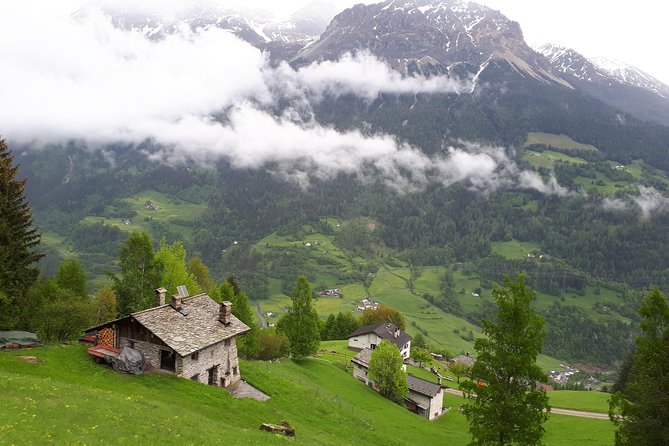
If you care about views, the Bernina line is the kind of rail route that makes other scenic train rides feel like training wheels. The St. Moritz–Tirano segment is engineered to climb steeply, and the train reaches Europe’s highest point by rail at about 2,253 meters. That matters because it changes what you see: higher, brighter, harsher angles of rock, and valleys that feel far deeper than they look on a map.
This is also where the tour earns its keep. You don’t just “get on a train.” You get a day structured so you arrive with time to breathe, then you ride while someone else manages the group timing and you get help staying on track between stations and your next viewpoint.
And yes, I get why people rave about the Red Train. There’s something about watching the Alps come at you in layers—lakes, slopes, sharp ridgelines—without having to stop every 20 minutes. It’s simply a smooth flow of wow.
You can also read our reviews of more tours and experiences in Milan.
Entering the Day in Milan: Hotel Gallia Transfers and a Fast Start
The day begins at Piazza Duca d’Aosta (Excelsior Hotel Gallia area). Transfers are round-trip and centered on the train-station zone, which is a big deal in a city like Milan: it keeps you from spending your holiday time hunting for buses or timing metro connections with a clock that never waits.
Expect an air-conditioned vehicle, which is especially helpful if you’re traveling in shoulder seasons or in the heat of summer. Reviews also suggest that the day is tightly scheduled and you won’t be lingering in Milan. So if you like late breakfasts and slow museum wandering, don’t plan that as your day-of departure.
Also note the itinerary can be inverted. In real life, that means you might do the Bernina portion earlier and end back in Milan later, or do Lake Como first. The order can change, but the core idea stays the same: Como on one side, the Bernina rail on the other.
Lake Como and Lecco: A Useful Slice, Not a Full Vacation
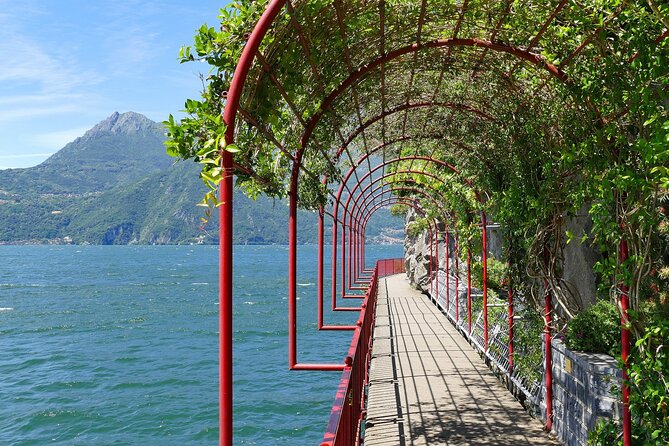
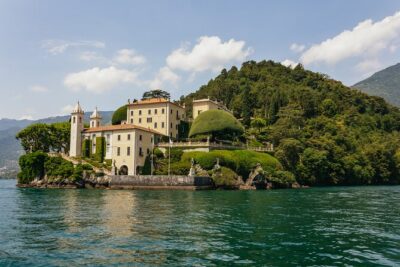
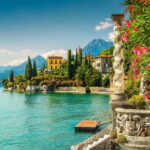
Lake Como is big. So “one day on Lake Como” is always a compromise. This tour leans into a calmer, more workable approach by stopping around Lecco, on the southeastern branch of the lake, between the water and the Orobian Pre-Alps.
Here’s what I like about the way this part is handled: you get a lakeside walk along the promenade, with classic “postcard views” energy, and you’re not stuck in a bus only looking out the window. You also get flexibility—your stop could be a different village on the lake—so the operator can adjust based on timing.
The drawback is time. You should expect free time that feels more like a warm-up than an in-depth visit. If you want Bellagio-level strolls, long ferry hopping, or a slow lunch by the water, you’ll probably want a separate Como day later in your trip.
One more heads-up from past guest experiences: in some departures, there can be a boat/ferry component around Lake Como that can feel crowded in peak heat. This tour’s written plan doesn’t guarantee a cruise in every version, so treat any water-transport segment as “possible,” and plan accordingly—water, fan, and patience.
The Drive and the Stops Before You Even Board the Train
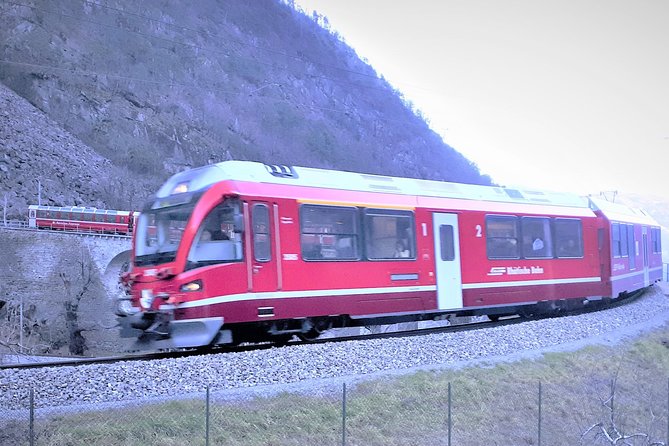
Between Lake Como and the Bernina rail segment, you’ll ride toward the Swiss side and hit photo stops along the way—most notably Maloja Pass.
Why that matters: the Bernina line is famous for its high-altitude feel, but you don’t get the full picture unless you transition gradually. Maloja Pass is one of those stops where you can look across the terrain and start mentally mapping what you’re about to see from the train windows.
Then the itinerary includes rail-related stops on route such as Ospizio Bernina and Piz Bernina. Even if you don’t have long time on foot at each named point, the train route itself is the show—these names are part of the route’s geography and the rhythm of the day.
St. Moritz vs. Tirano: Two Different Moods, Limited Time
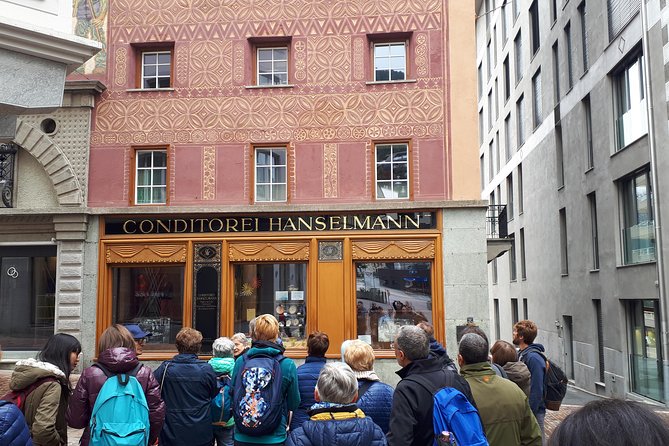
You’ll arrive at either St. Moritz or Tirano depending on the direction of your day, then return to Milan in the evening. This is a classic “you see it, you don’t fully live there” situation.
St. Moritz tends to feel like a winter-sports planet even when you’re not skiing. In reviews, it’s described as incredibly pretty and a standout stop, even for people who expected the train to be the only highlight. You also get free time to shop and walk, though here’s the important caveat: free time in St. Moritz is not guaranteed.
Tirano is the other end of the line and often feels calmer and more human-scaled, a contrast to Switzerland’s high-mountain image. If you’re thinking about where to spend longer on a future return trip, pick based on your personality: polish and glam in St. Moritz, small-town charm and practical Italian energy in Tirano.
Either way, be realistic about timing. This is a one-day circuit. You’ll have time for a quick wander, not a deep exploration.
Boarding the Red Train: Window Openings and Real-World Photo Tips
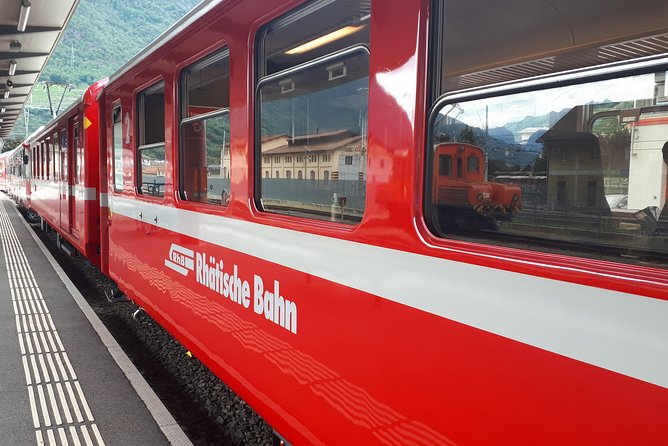
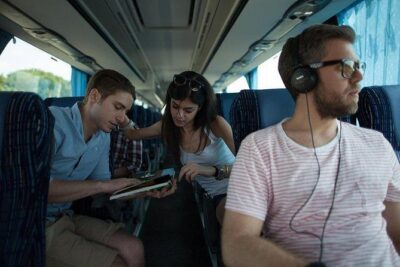
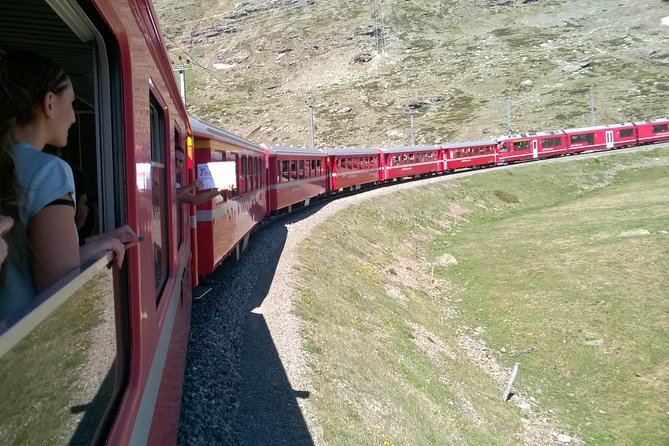
This is the portion that most people remember for years. The train segment is second class but still offers a big advantage: windows can be opened, which makes photos easier and air inside the car less stuffy.
Now here’s the practical truth: your best views can depend on which side of the train you sit on. One less-than-happy review called out how standing and crowding can block views for the opposite side. That doesn’t mean you can’t get great photos—it means you should approach the ride like a pro.
My best advice:
- If your goal is photos, go early and take stock of which side of the car has the angle you want before you settle.
- Expect people to stand at times for pictures. If you’re lucky and you’re not in the “blocked view” zone, keep your plans flexible so you’re not stuck gripping your camera while others drift through.
- If you get motion sickness, this is exactly the kind of day trip that can test you. You’ll be on a moving train through changing altitude, and the day is long. If that’s you, consider motion-sickness prep before you leave.
Also, don’t treat the train as silent. This route is a major tourist ride, and some guides keep the focus on what’s happening outside and when to look for certain moments. In most experiences, commentary is praised, but you should still expect variation by guide and by conditions like fog or snow.
Inside the Alpine Route: Maloja to Bernina, the Key Names You’ll Notice
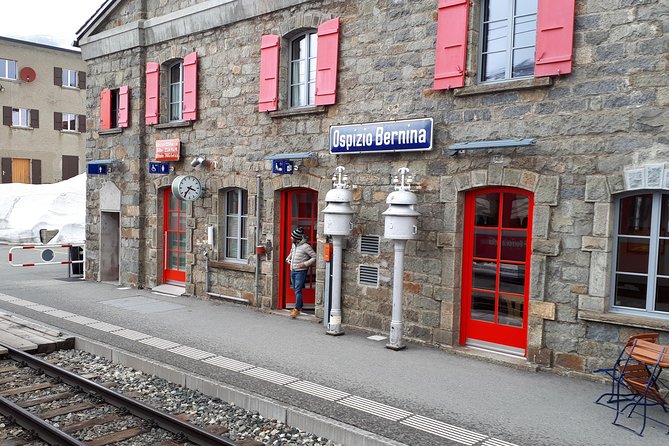
Even without an audio guide, you’ll feel the route’s identity. The names in the schedule—Maloja Pass, Ospizio Bernina, Piz Bernina—aren’t just decoration. They mark where the terrain changes and where the train’s climb becomes visually obvious.
When the train reaches the higher parts, the scenery changes fast:
- you go from lake-and-valley geometry to sharper ridgelines
- colors can shift from soft greens to pale stone and snow tones
- the “distance” of mountains becomes more dramatic, like you could reach them if the rail track kept going
And because this tour includes a professional tour leader, you’re not just watching passively. On many days, the guide helps you know when to look and what you’re actually seeing in broad strokes—useful when you’re surrounded by steep slopes and unfamiliar geography.
You might even be with a guide like Claudia, Mara, Paula, Anna, Barbara, or Degen—names that have popped up in praised experiences for clear communication and keeping the day moving well.
The Logistics Feel Smooth, but the Day Still Has Strain
This tour is designed to minimize stress: air-conditioned transit, a group leader, and train tickets handled for you. Round-trip transfers from the central Milan meeting area also reduce your risk of being late or lost.
But you still need to respect the reality: it’s about 13 hours. That’s a whole workday plus dinner, and it’s not broken into nice, separate halves where you can reset fully. You’ll be moving from Milan to Lake Como, then toward the Swiss rail segment, then riding the train, then finishing with the return drive.
So, bring what makes long days workable:
- water and a snack stash (food and drinks aren’t included)
- layers (mountain weather can swing)
- a charged phone/camera (opening windows are great, but you’ll still want battery life)
- motion sickness plan if you’re prone to it
The group limit of 35 travelers helps. It’s not a huge cattle-car situation, but it’s also not a private carriage. You’ll share the experience and manage personal space.
Value Check: Does $211.19 Make Sense for What You Get?
At $211.19 per person, this isn’t an impulse buy, and it’s fair to ask what you’re really paying for. Here’s the value breakdown that matters:
What you get:
- air-conditioned vehicle
- round-trip transfers from the central Milan meeting point
- a professional tour leader
- free time in Lake Como (Lecco area or another town)
- train ticket for the Red Train segment in second class with opening windows
What you pay extra for:
- food and drinks
For many people, the train ride itself is the reason to do this at all. Booking a guided day can cost more than DIY, but you’re buying time savings and reduced decision fatigue. You don’t have to plot which train to take, when to arrive, or how to coordinate timing between Como time and the rail departure.
Still, if you are the type who loves total control—picking your exact seat, staying longer in one place, and eating exactly when and where you want—DIY can beat the price. One critical review even argued for booking the Milan-to-St. Moritz rail portion separately as a cheaper alternative.
My balanced take:
- If you want a smooth, guided “greatest hits” day with the Bernina line as the centerpiece, the price feels fair for what’s included.
- If you want slow travel and deep time in Lake Como or St. Moritz, this might feel expensive because the time-per-stop is limited.
Weather, Windows, and When to Expect the Day to Feel Magical
This experience is described as operating in all weather conditions, but the provider also notes that poor weather can trigger a different date or a full refund. Translation: you’ll still go out, but conditions can affect what you can see from the train and whether the day can run.
In clear weather, the route is jaw-dropping. In fog or rain, views can soften, and you’ll spend more of the ride wondering what you might be missing. That doesn’t mean it’s bad—mountain rail in bad weather can still be a fun lesson in scale and engineering—but your photo expectations should be flexible.
So if you can, choose dates with the best forecast you can find. And pack layers even for summer.
Who Should Book This Tour (and Who Should Skip It)
This fits best if:
- you want a one-day Alpine experience with minimal planning
- you care most about the Bernina rail ride between St. Moritz and Tirano
- you like having a tour leader help you time photo moments and understand what you’re seeing
- you’re traveling in a group size that doesn’t feel too huge (max 35)
You might skip it if:
- you need lots of free time in Lake Como, St. Moritz, or Tirano
- you get motion sickness easily and haven’t planned for it
- you’re very seat-side picky and can’t tolerate that views may differ by side and by crowd movement
- you’re expecting food to be included
Should You Book This Tour?
Book it if you want the Bernina line experience without the work of stitching together transit, timing, and transfers across two countries in one day. The Red Train plus Alpine altitude points (Maloja, Ospizio Bernina, Piz Bernina) is the core value, and the guided setup keeps it from turning into a logistics project.
Hold off or consider a DIY approach if you’re the kind of traveler who wants long stays and total control over seating and pacing. This tour moves fast. You’ll be happy if you treat it like a spectacular highlight day, not a full-on vacation chapter.
If you do book, do two things: bring your own snacks and be strategic about your seat on the train so you don’t spend the whole ride frustrated.
FAQ
How long is the Lake Como, Swiss Alps and Bernina Train day trip?
It runs for about 13 hours, with transfer times approximate and dependent on traffic and the time of day.
Where do you meet, and where does the tour end?
The meeting point is Piazza Duca d’Aosta, 9B, 20124 Milan, near the Excelsior Hotel Gallia area. The tour ends back at the meeting point.
What train ride is included?
You get a second class train ticket with opening windows on the Red Train segment between St. Moritz and Tirano (either direction, depending on the departure).
How much free time do you get in Lake Como and St. Moritz?
You get free time in Lake Como, including Lecco or another town on the lake. Free time in St. Moritz is not guaranteed.
Are food and drinks included?
No. Food and drinks are not included.
Do I need a passport?
Yes. A current valid passport is required on the day of travel.
Is the tour limited in group size?
Yes. There is a maximum of 35 travelers, and it’s offered in English with a professional tour leader.