REVIEW · MILAN
Native Venice Wine Experience Tour and Tasting
Book on GetYourGuide →Operated by Timonfaya Travel Lanzarote · Bookable on GetYourGuide
Salt air and rare grapes on a tiny island. Venice’s lagoon viticulture may sound like a weird idea, but it makes perfect sense once you’re walking the Venissa vineyard and hearing how salt, wind, and water shape the wine. I love the way you get Dorona di Venezia explained with real context, not just wine buzzwords. I also like that you’re taken to a walled, working vineyard setting on Mazzorbo, where the landscape itself teaches the lesson.
Here’s the one thing to watch: the experience is listed as 1 hour, but getting there by vaporetto takes time (often 50–60 minutes each way), so the day can feel tight if you don’t plan your transport.
In This Review
- Key highlights you’ll actually care about
- Venice’s wine story starts with water, not land
- Getting to Mazzorbo: vaporetto directions that save time
- The Venissa setting: why the walls matter
- Dorona di Venezia: the native grape you’ll want to remember
- Tasting two Dorona-based whites from the current vintage
- A surprise bonus in the included details: custom jeans fitting
- Price and value: is $70 worth it?
- Who should book this tour (and who might skip)
- Quick tips to make the day smoother
- Should you book Native Venice Wine Experience Tour and Tasting?
- FAQ
- Where is the meeting point?
- How long is the experience?
- How do I get from Piazza San Marco to Mazzorbo?
- How far is the walk from the Mazzorbo vaporetto stop to the vineyard?
- What wines will I taste?
- Is a private boat taxi available instead of the vaporetto?
- What should I bring?
- What language is the host or greeter?
Key highlights you’ll actually care about
- Dorona di Venezia: the native grape shaped by lagoon salinity
- A guided walk through the walled vineyard on Mazzorbo island
- Tasting of two Dorona-based white wines from the current vintage
- Learn why Venice’s history includes vineyards even around St. Mark’s Square
- Extremely limited production context: about 3,500 bottles/year from the variety
Venice’s wine story starts with water, not land

Venice is built on water—about 92% of the surface is water—so you’d expect agriculture to be hard. Yet wine growing happened anyway, for over 2,500 years. I like how this tour frames the city’s relationship with food and farming as practical, not poetic: islands were cultivated for self-sufficiency, and even the name for Venice squares—campi, meaning fields—hints at how normal growing crops once was.
A detail that really sticks is the idea that until around 1100, there was even a vineyard in the St. Mark’s Square area. That’s a wild mental image for most visitors. Here, it becomes the bridge to the lagoon vineyards you’ll see on Mazzorbo: Venice wasn’t just a trading hub; it was also a place where growers tried to make the environment work for them.
And that’s why the Dorona story matters. Venice didn’t pick a grape variety out of a textbook. Dorona di Venezia is an indigenous grape that adapted over time to the saline lagoon environment. When you hear that, the tasting stops being “just two wines.” It turns into a lesson in how nature and human choices meet each other in a very specific place.
You can also read our reviews of more food & drink experiences in Milan


Getting to Mazzorbo: vaporetto directions that save time
Plan on using Venice’s water transit. The tour guide starts you at the wine shop inside the winery, but getting to Mazzorbo is a key part of the experience. From Piazza San Marco, you take ACTV Line 12 toward Burano/Mazzorbo, or Line 9 depending on schedule. The ride usually takes about 50–60 minutes.
Once you reach Mazzorbo island, you walk to the vineyard. It’s only about 5–10 minutes, and you’re looking for signs for Venissa / Tenuta Venissa. The vineyard is easy to spot because of its distinct white walls.
Quick practical move: check the live schedule before you go at https://actv.avmspa.it/en. Venice departures shift, and you don’t want to be standing around with a short day. If you’d rather avoid the water-bus gamble, the tour can arrange a private boat taxi from Venice for 160 EUR on request—useful if you’re traveling with mobility limits or want a smoother timeline.
The Venissa setting: why the walls matter
Once you’re on site, you get the guided walk through the vineyard with your wine expert. The location isn’t just scenic for photos—it’s the point. The tour focuses on a walled vineyard area, which helps you see the grower’s challenge in a controlled way: this is lagoon viticulture, where salt air, wind, and coastal conditions are part of the deal.
You’ll also learn how the winery and its research evolved. Venissa was founded in 2002 on the island of Torcello, across from the Basilica of Santa Maria Assunta. That matters because it explains the “rediscovery” element. The story goes beyond planting vines; it includes extensive historical and agronomic research that led to the revival of Dorona di Venezia as a recognized native variety.
During your walk, pay attention to the physical cues your guide points out. You’re tasting a grape that only makes sense when you understand how it grew. In other words: the vineyard tour isn’t a warm-up. It’s part of the tasting itself.
And yes, the setting is described as beautiful. Daniela, who booked in February 2026, called the winery beautiful and the wine superb, and she also highlighted that the guide was friendly and full of information. That matches the feeling you get when a place is both carefully grown and clearly explained.
Dorona di Venezia: the native grape you’ll want to remember

Here’s the core of the tour: you’re learning what makes Dorona different, and why it tastes the way it does.
This grape was revived because it’s uniquely adapted to Venice’s saline environment. That adaptation is the big takeaway. Dorona isn’t just “local.” It’s the result of centuries of living with lagoon conditions. So when you taste, you’re tasting more than flavor. You’re tasting a relationship—between vine, soil, salt, and sea air.
There’s also a rarity factor that makes the tasting feel special without turning it into a sales pitch. The variety has only about one hectare in the world, and production runs around 3,500 bottles per year. That means when you drink the wines, you’re experiencing something that doesn’t scale like most mainstream DOC or IGT bottlings.
The tour context also mentions a rarer red wine called Venissa Rosso, grown on the remote island of Santa Cristina. It’s described as heroic viticulture in a fragile ecosystem. You won’t necessarily be served that red during this specific tasting (the tasting focus here is Dorona-based whites), but hearing about it helps you understand the broader logic of Venissa: limit the intervention, respect the place, and accept that nature sets the rules.
Tasting two Dorona-based whites from the current vintage
The main tasting portion includes two Dorona-based white wines from the current vintage. That’s a smart setup because it lets you compare the grape’s expression rather than jumping across completely different varieties.
In practical terms, I’d treat this as a guided flavor exercise. Instead of thinking only in terms of sweetness or acidity, think in terms of how lagoon conditions show up in the glass. Your guide’s job is to help you connect what you’re tasting to what you saw: how Dorona behaves, what the wines reveal, and why the limited production changes the approach.
If you’re a wine person, you’ll likely enjoy the comparison element. If you’re not, you can still follow along by using simple cues your guide may point out—texture, aroma direction, and how each wine finishes. When it’s done well, tasting becomes less about remembering wine vocabulary and more about building a sense for place.
Also, this is one of those times where rarity improves the experience, not just the story. With so few bottles, there’s less chance these wines feel like they were designed for mass appeal. It feels more like you’re tasting an agricultural project in progress—one that depends on the lagoon staying what it is.
You can also read our reviews of more wine tours in Milan


A surprise bonus in the included details: custom jeans fitting
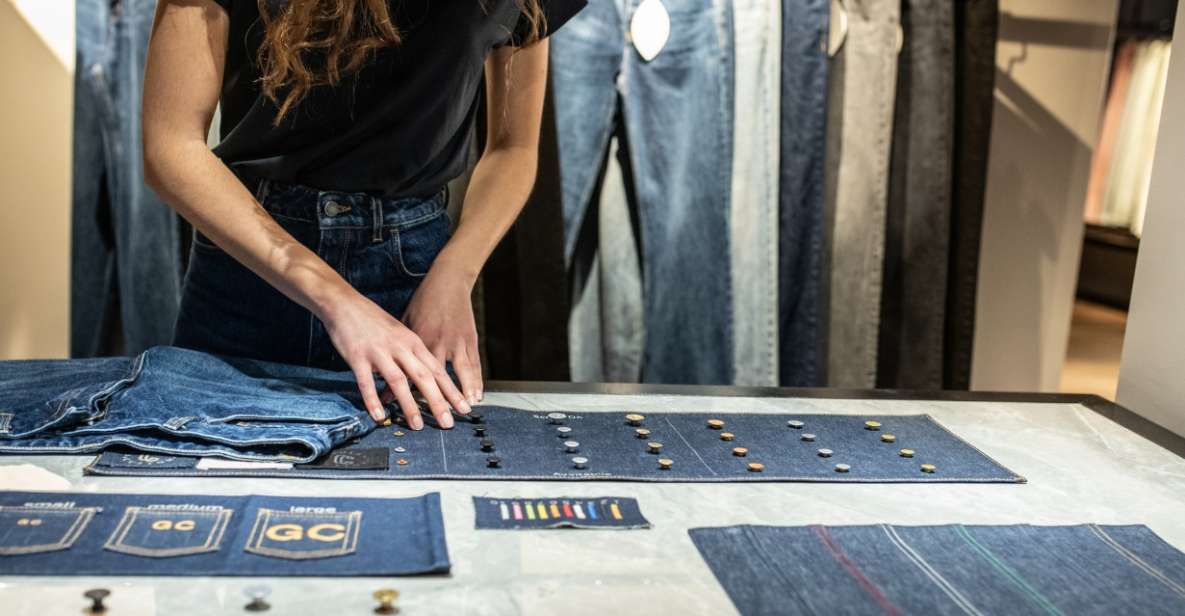
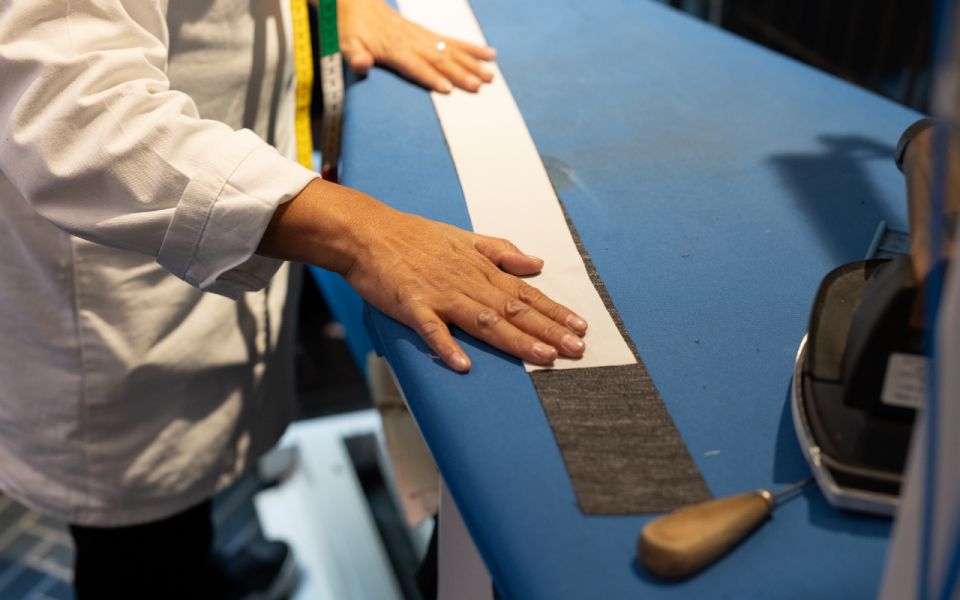
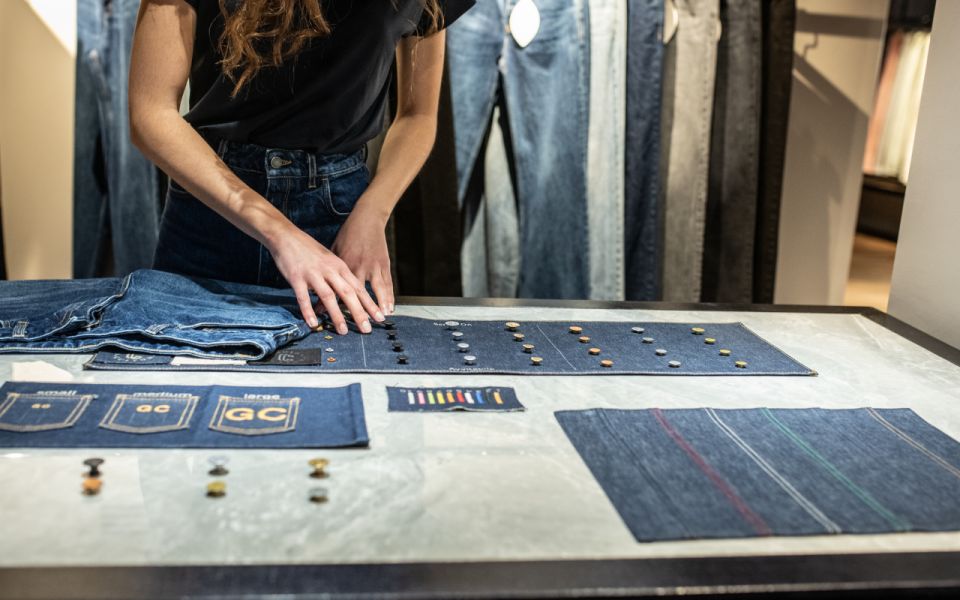
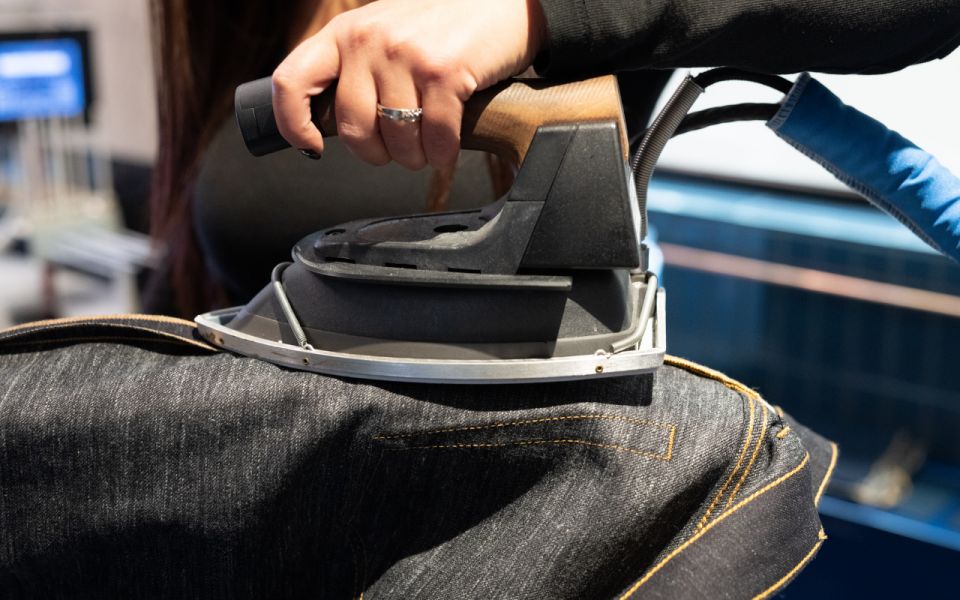
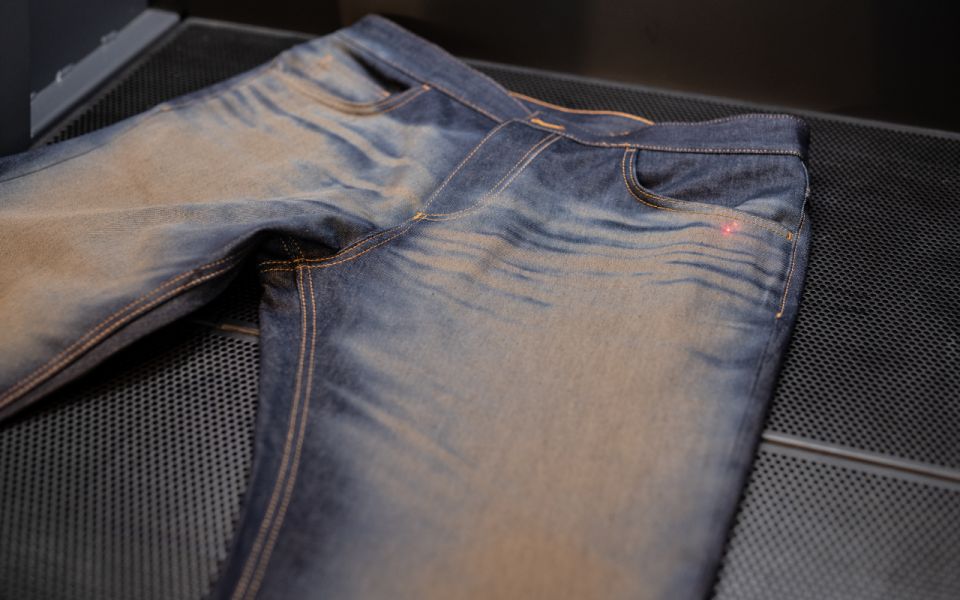
One unusual thing in the included list is customized jeans, plus expert tailor instruction and all equipment. That’s not your standard wine tour add-on, and it’s worth flagging so you’re not caught off guard.
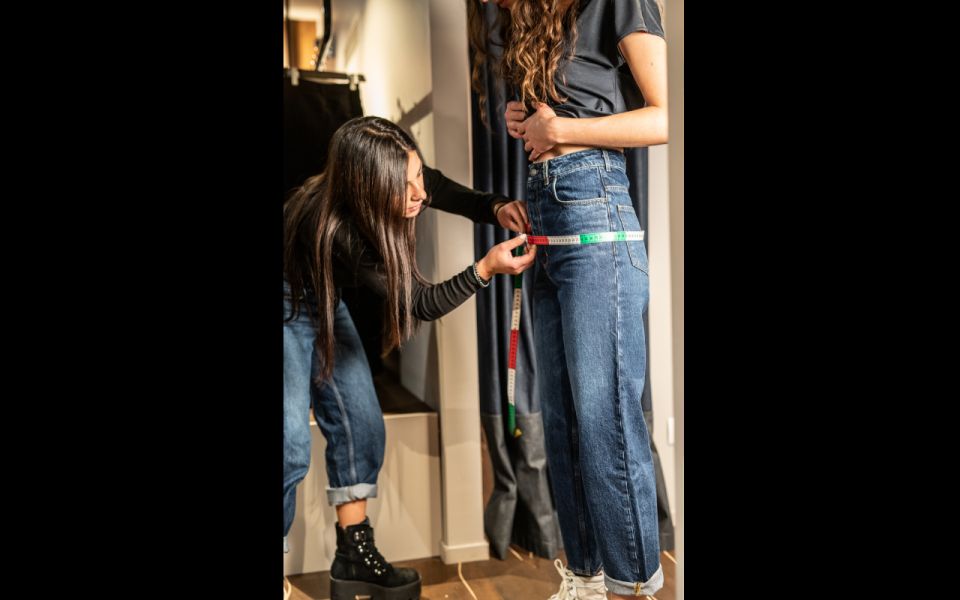
A review from heather (May 29, 2023) described this part in detail: fitting different jeans styles, learning about fabrics, and being measured by an employee for the custom cut. She also mentioned the Cordova fabric, described as developed in the shop, and she said she can’t wait for the custom pairs to arrive. If your booking includes this fitting (and it appears to in the included section), plan for try-ons and measurements as part of your total experience time.
How does this connect to the wine? In a way, it doesn’t. But it does tell you something about the provider setup: this tour may be paired with a fashion workshop-style service rather than being strictly wine-only.
My practical advice: if you care mainly about tasting, arrive ready to do the wine part fully, then treat the jeans component as an added bonus. If you’re more interested in the craftsmanship side, you’ll likely enjoy the hands-on measuring and fabric details as much as the wine story.
Price and value: is $70 worth it?
The price is $70 per person for about 1 hour. On paper, a one-hour ticket in Venice can sound short—especially when you factor in the vaporetto ride.
But value here comes from three places:
- A native grape lesson tied to a living vineyard, not a generic tasting room.
- A rare tasting: two Dorona-based whites from a grape with about one hectare planted worldwide and roughly 3,500 bottles yearly.
- Guided access: you get tailor instruction and equipment (and in general, expert guidance), plus the vineyard walk component that most self-guided visitors miss.
If you’re someone who likes “signature” wine experiences—where the glass connects to a specific place—this can be a good buy. If you prefer long leisurely winery time, you might feel the clock more than you’d like, especially with the lagoon transit.
So think of the $70 as paying for concentration: limited wines, guided interpretation, and a small, focused window in a working vineyard.
Who should book this tour (and who might skip)
This fits best if you:
- Love learning how a grape is shaped by its environment
- Want an authentic Venice tradition beyond the usual canal highlights
- Enjoy guided comparisons, especially when production is limited
- Don’t mind using the vaporetto and a short walk on arrival
You might consider skipping or adjusting expectations if:
- You need a long, unhurried experience on-site, since the tour duration is listed as 1 hour
- You’re already pressed for time in Venice and the vaporetto ride won’t fit your schedule
- You’re not interested in the included custom jeans component (if that’s part of your booking)
Quick tips to make the day smoother
- Bring water and wear comfortable clothes for a vineyard walk.
- Expect a short walk after the vaporetto, and plan your shoes accordingly.
- If your schedule is tight, check ACTV departures ahead of time.
- If you want a more direct transfer, ask about the 160 EUR private boat taxi option.
- If you’re booking for the wine first, treat the glass tasting as the main event and don’t overpack your itinerary afterward.
Should you book Native Venice Wine Experience Tour and Tasting?
I’d book it if you want Venice through a different lens: lagoon agriculture, a native grape story, and a tasting tied to a walled vineyard setting on Mazzorbo. The combo of Dorona di Venezia history plus a real comparison tasting of two Dorona-based whites makes it feel purposeful, not generic.
I’d hesitate only if your schedule is painfully tight. Between the vaporetto ride and the walk, your day needs breathing room. Also, because the included details mention custom jeans, confirm what’s included for your specific booking so you know how your time gets split.
If that timing works for you, this is one of those tours where the price makes sense because the wines aren’t meant for mass consumption—and the guide helps you taste with understanding, not just curiosity.
FAQ
Where is the meeting point?
The meeting point and tour start at the wine shop inside the winery.
How long is the experience?
The duration is listed as 1 hour.
How do I get from Piazza San Marco to Mazzorbo?
Take the vaporetto from Piazza San Marco. Use Line 12 toward Burano/Mazzorbo or Line 9 depending on the schedule, then get off at Mazzorbo. The ride usually takes about 50–60 minutes.
How far is the walk from the Mazzorbo vaporetto stop to the vineyard?
It’s about a 5–10 minute walk to the walled vineyard of Venissa.
What wines will I taste?
You taste two Dorona-based white wines from the current vintage.
Is a private boat taxi available instead of the vaporetto?
Yes. You can arrange a private boat taxi from Venice for 160 EUR on request.
What should I bring?
Bring food and drinks, water, and wear comfortable clothes.
What language is the host or greeter?
The host or greeter speaks English and Italian.