REVIEW · MILAN
Milan: Guided Bike Tour
Book on GetYourGuide →Operated by Segway Bike Walk Tour CITY GUIDED TOUR · Bookable on GetYourGuide
Bike through Milan in three focused hours. This guided ride connects the city’s big monuments to the quieter canal corners, with stops timed for photos and explanations along the way. I especially liked getting right up to Sforza Castle and then slowing down for camera-friendly viewpoints around the canals and landmark squares.
Two things really made it work for me: the guide-led walk-through moments at major sites (not just passing by) and the fact that the route uses mostly bike paths and calmer streets instead of forcing you to fight traffic the whole time. One consideration: you cover a lot in only 3 hours, so if you want long, deep hangs at one monument, you’ll need a second visit later.
Plan on simple cycling comforts: bring comfortable shoes, keep luggage to a minimum, and arrive ready to roll from the meeting point near the Cargo bike store.
In This Review
- Key highlights at a glance
- Why a 3-hour Milan bike tour is a smart first move
- Meeting at the Cargo bike store: how the tour starts smoothly
- Sforza Castle: more than a photo stop
- Arco della Pace, Santa Maria delle Grazie, and the canal-side photo moments
- San Lorenzo and the Roman columns: Milan’s older layers
- Basilica di Sant’Ambrogio and via Brisa ruins: where the walking breaks up
- Piazza Affari, L.O.V.E, and the contemporary contrast
- Mercanti Square, La Scala Square, and the Galleria-to-Duomo finale
- Price and value: what $55.80 buys you
- Who should book this ride (and who might not)
- Practical tips to get the most from your ride
- Should you book the Milan Guided Bike Tour?
- FAQ
- How long is the Milan guided bike tour?
- Where do I meet, and where does the tour end?
- What languages are the guides?
- What’s included in the price?
- How many people are in the group?
- Is the tour suitable for everyone?
Key highlights at a glance
- Sforza Castle courtyards with an art-and-history explanation, plus a close-up exterior view
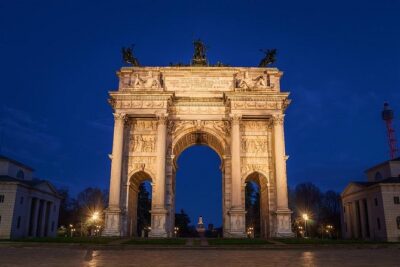
- Arco della Pace (Peace Arch) and the canal area for quick, well-timed photo stops
- Darsena and the old canal lock zone so you see Milan’s water side, not only its grand facades
- Roman columns and ruins around San Lorenzo and via Brisa, with stops that break up the ride
- L.O.V.E by Maurizio Cattelan for a fun modern-art pause—and photos where it looks best
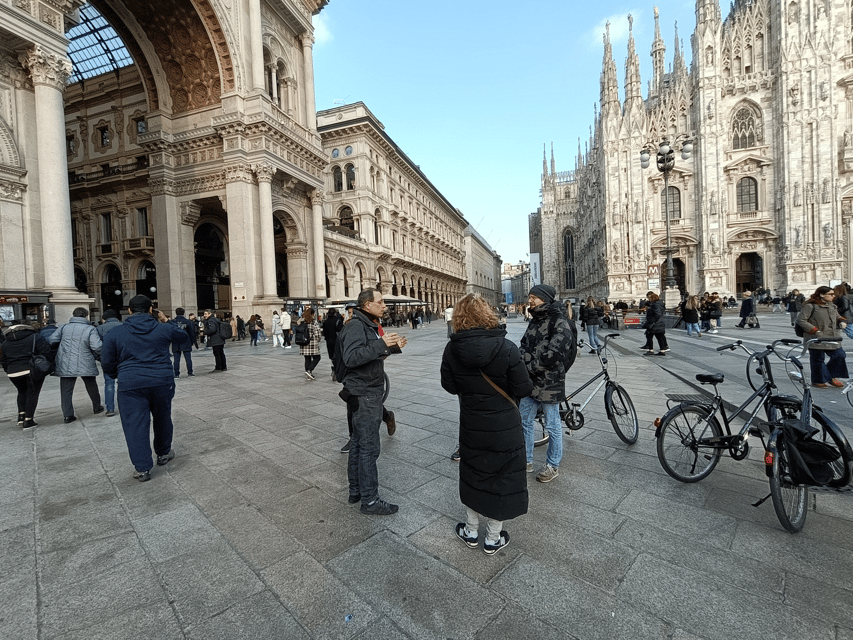
- Duomo Square to Galleria Vittorio Emanuele finish as a classic “Milan hits” lineup for first-timers
Why a 3-hour Milan bike tour is a smart first move
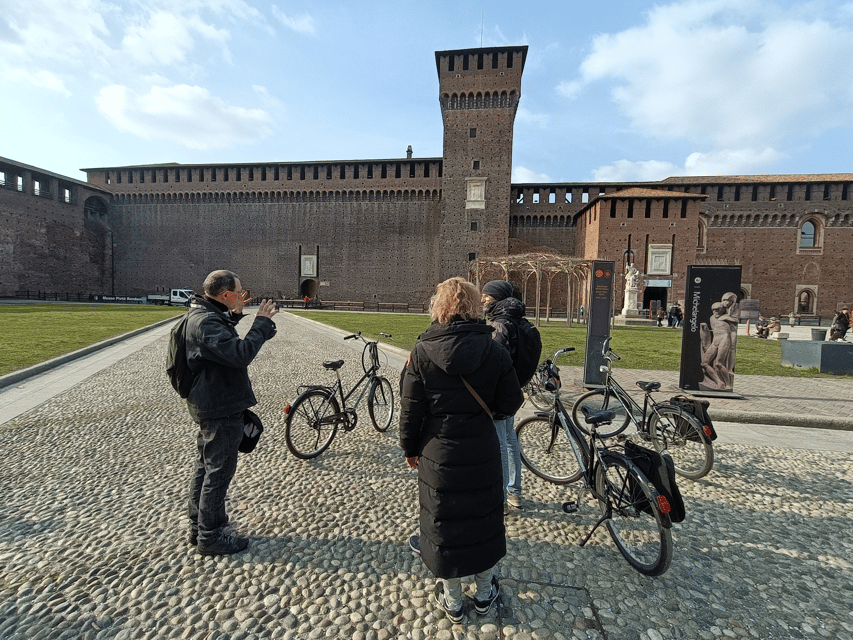
Milan is the kind of city where you can plan perfectly and still end up spending half the day figuring out routes, parking, and which way to walk next. This bike tour avoids that. In about 3 hours, you get guided order: you start in the center, ride between landmarks, and stop just long enough to actually understand what you’re looking at.
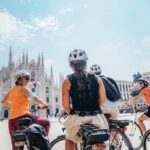
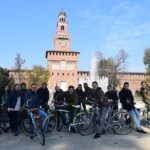
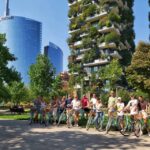
I like tours like this because they balance big-name sights with contrast. You’re not only seeing statues and domes; you’re also seeing canals, courtyards, and city textures that make Milan feel like a lived-in place. The guide keeps the pace friendly, and the small group size (limited to 8 participants) helps it stay calm and conversational.
You can also read our reviews of more cycling tours in Milan
Meeting at the Cargo bike store: how the tour starts smoothly
You meet at the Cargo bike store, and the tour ends back at the same meeting point. That means you don’t have to worry about a complicated transfer or ending somewhere far from where you started.
You’ll also be set up with what you need to ride: a bicycle and a helmet are included. The tour asks for comfortable shoes, which is simple but important. Even if you’re not walking far, you’ll want stable footing for short stops near busy streets and steps around monuments.
One more practical note: no hotel pick-up or drop-off is listed. So you’ll want to plan your own arrival time to the meeting point and be there a few minutes early.
Sforza Castle: more than a photo stop
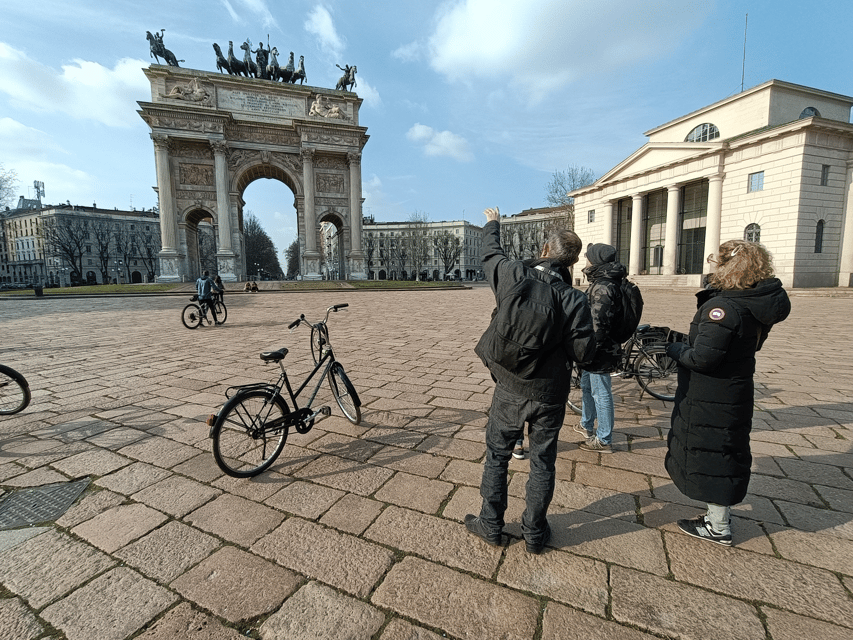
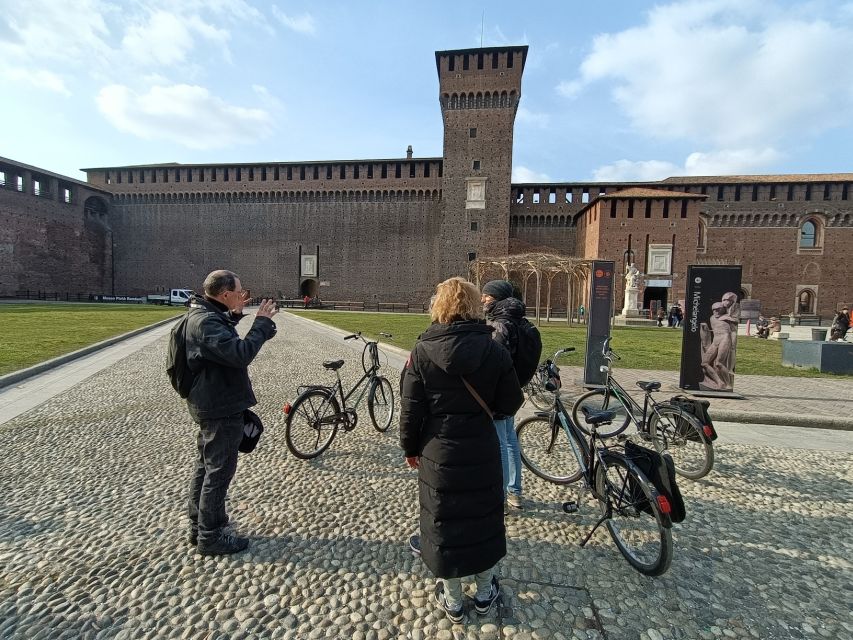
The tour begins with a focus on Sforza Castle—first the outside view, then time in the inner courtyards. That’s a big deal because many quick city routes treat the castle as a backdrop. Here, the guide gives you the art and history angle so the building isn’t just a dramatic wall you ride past.
What I like is the rhythm. You approach the monument, get close enough to notice details, then you transition into the courtyards where the space changes the feel. Courtyards have their own scale and light, so your photos look more dimensional than flat “front-of-the-building” shots.
Also, a small-group format helps you ask questions without feeling like you’re slowing everyone down. In past groups, guides such as Katharine have been praised for sharing strong context and not rushing when you pause to look around.
Arco della Pace, Santa Maria delle Grazie, and the canal-side photo moments
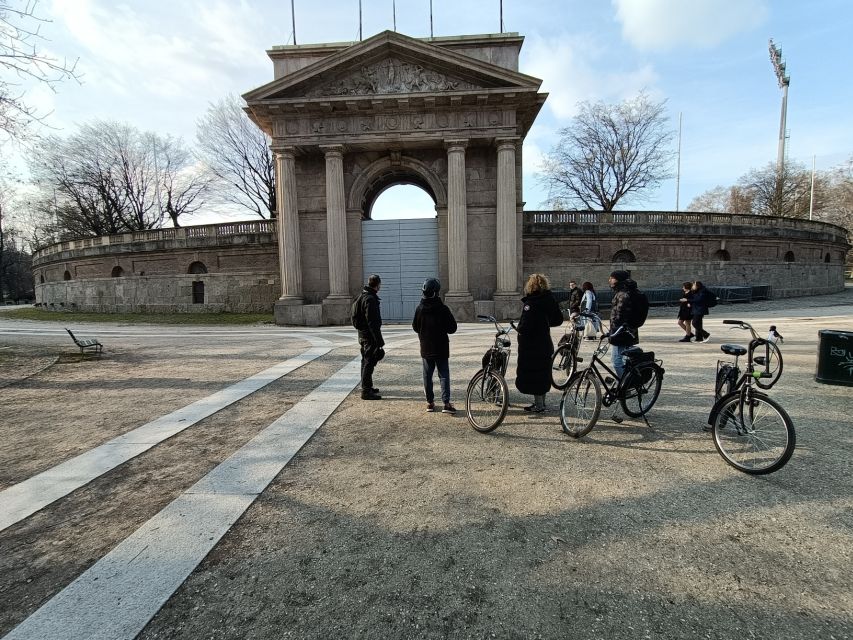
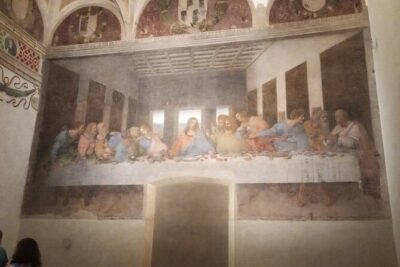
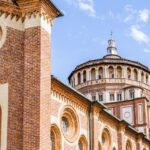
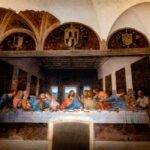
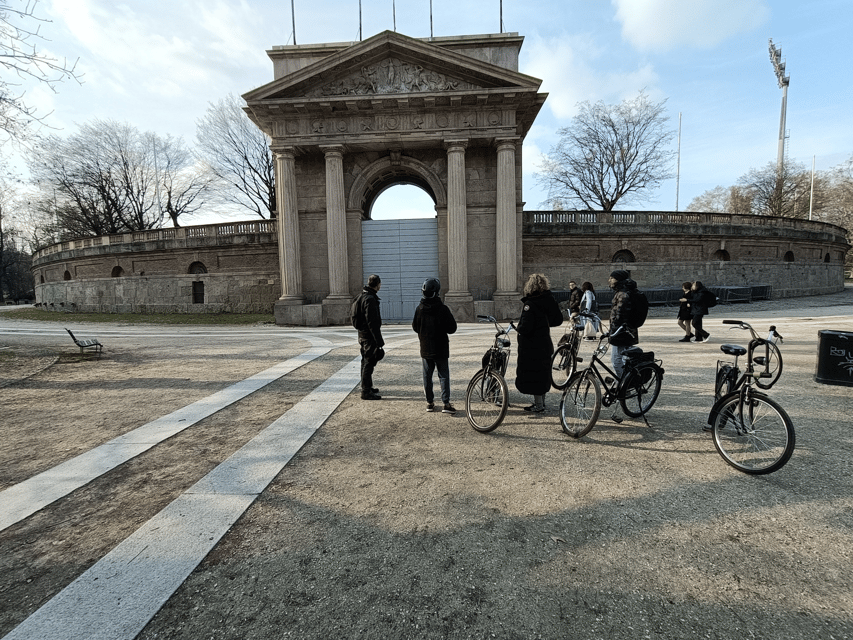
After the castle, the route moves toward Arco della Pace, sometimes described as the Peace Arch. You’ll also see Santa Maria delle Grazie referenced in the tour highlights, and then you shift into the water-and-city vibe around Darsena and the canals.
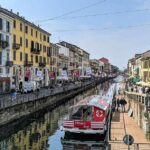
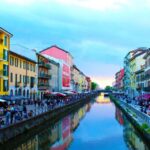
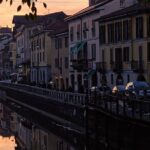
This part matters because Milan isn’t only a museum of marble. The Darsena area and canal zones help you understand how the city breathes. The route includes an old canal lock area, which gives you a real sense of function, not just decoration.
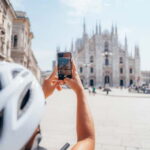
Expect a few well-timed camera moments. The tour is built around short stops where you can capture key angles—especially useful if you’re walking-light and don’t want to wander for 30 minutes trying to find the perfect viewpoint. One review noted that even with rain, the ride still felt worth it because you could still see parts of Milan you likely wouldn’t have reached on your own.
San Lorenzo and the Roman columns: Milan’s older layers
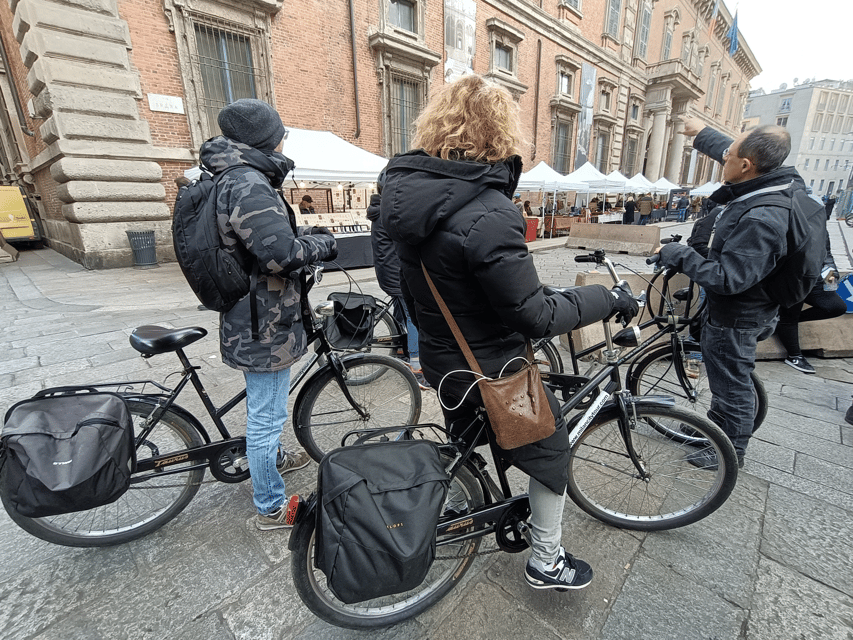
Next you hop into the San Lorenzo area, where you’ll encounter the Roman columns. This is one of those tour moments that makes the “Milan changes over time” idea click. Instead of treating the city as one style, you see how different eras share the same streets.
The best way to enjoy this stop is to watch how the guide frames what you’re looking at. The tour is designed around explanations, so you’re not just spotting a column—you’re getting context that helps you place it within the city’s story.
Then the ride continues toward other landmark stops tied to Rome-era and religious architecture cues, including the Basilica di Sant’Ambrogio.
You can also read our reviews of more guided tours in Milan
Basilica di Sant’Ambrogio and via Brisa ruins: where the walking breaks up
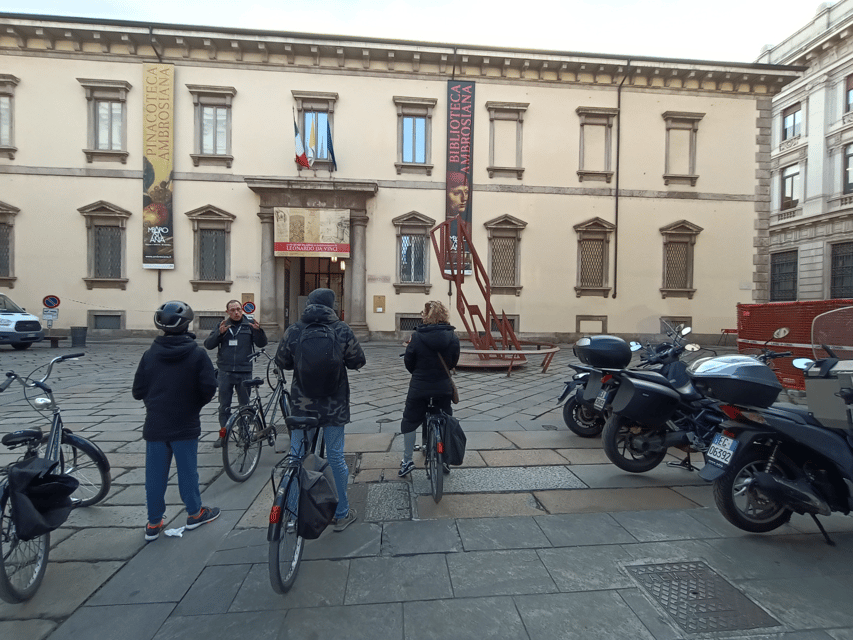
When you reach Basilica di Sant’Ambrogio, you get a classic Milan religious stop within a biking route that otherwise stays moving. This works well because your eyes need a break after the dense “photo stops” section earlier in the ride.
From there, the tour includes Roman ruins via Brisa. Ruins are visual puzzles: you can look right at stones and still wonder what you’re seeing. A guided stop helps you connect the shapes and remains to why they matter.
A practical tip: on ruins and churches, you’ll want to slow down during the photo window and listen during the explanation. If you split attention, you’ll end up with either a half-understood visit or photos that don’t match what you learned.
Piazza Affari, L.O.V.E, and the contemporary contrast
One of the more surprising stops is Piazza Affari and then the contemporary art installation L.O.V.E by Maurizio Cattelan. This is where the tour deliberately changes mood: you go from older monuments and sacred buildings to a modern, recognizable piece of public art.
Why this is valuable: if it’s your first time in Milan, you might think it’s all classic architecture and fashion-world glamour. But the city also updates its identity in public space, and L.O.V.E is an easy way to see that. The included photo stop makes it simple to capture the installation from angles that are practical while the group is still gathered.
If you’re someone who enjoys modern art but doesn’t want to spend hours researching it, this works. You get enough guidance to understand what you’re seeing, then you move on.
Mercanti Square, La Scala Square, and the Galleria-to-Duomo finale
As you roll toward the final stretch, the tour hits some of the classic center-city magnets:
- Mercanti Square
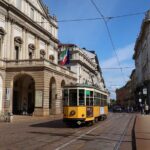
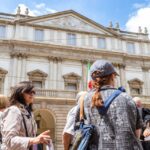
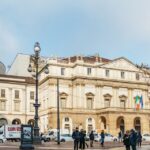
- La Scala Square
- Galleria Vittorio Emanuele
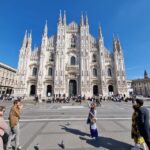
- Duomo Square (with another short photo session)
This is your payoff zone. It’s where Milan looks like the postcards—though you’re still getting guide commentary, not just transit between them.
At Galleria Vittorio Emanuele, the atmosphere is the point: it’s a place you want to feel for a few minutes. The guided pacing keeps it efficient, but you’ll still have a chance to take photos and enjoy the scale. Then Duomo Square closes the loop. You get a final photo session, which is helpful because Duomo-area sightseeing can be a little chaotic if you haven’t oriented yourself first.
One detail I appreciate about this kind of ending: it helps you leave with a sense of how the center is laid out. After the ride, you can return to whichever stop you liked most and spend more time there on foot.
Price and value: what $55.80 buys you
The price is listed as $55.80 per person for a 3-hour guided experience. That’s not the cheapest way to see Milan, but it’s also not priced like a full-day private tour.
What you’re really paying for is structure. You get:
- a live guide
- helmet + bicycle
- a route that links major monuments to canal scenery
- small group size (up to 8 participants)
For many people, the value is in losing less time. Even if you could bike around on your own, you’d spend energy deciding where to go, what to see next, and which viewpoints are worth stopping for. This tour handles those decisions and adds short explanations so the monuments make sense as you ride.
If you’re visiting Milan for the first time and want a high-impact introduction, this pricing can feel fair.
Who should book this ride (and who might not)
This tour is a strong fit if you want a guided, efficient “greatest hits” route with room for photos and short explanations. It also suits people who like biking but want it to feel safe and organized.
Small-group riders tend to enjoy it because you’re not squeezed into a crowd. In one review, the guide Emilio stood out for relaxed, informative stops and answering questions with strong English. That kind of calm, conversational leadership matters on a short tour.
It may not be the best match if:
- you’re pregnant (not suitable)
- you weigh over 254 lbs (115 kg) (not suitable)
- you have luggage or large bags (not allowed)
- you want unstructured free-roam time without stops and explanations
Practical tips to get the most from your ride
A few simple things can make this tour feel effortless:
- Wear comfortable shoes and clothing you can move in.
- Plan to travel light since large bags aren’t allowed.
- Bring your ID card and a copy of your payment or voucher if you booked online, since that’s required for participants.
- If you’re traveling with kids, note unaccompanied minors aren’t allowed, and under-18 riders must be with their legal guardian.
Also, don’t underestimate the benefit of taking the photos during the planned stops. If you’re trying to chase angles on your own while moving, you’ll lose the timing that makes Milan’s viewpoints look so good.
Should you book the Milan Guided Bike Tour?
If you want an organized, photo-friendly way to see central Milan in just a few hours, I think this is an easy yes. You’ll hit Sforza Castle, canal-side areas around Darsena, Roman-era sights in the San Lorenzo area, the modern art stop for L.O.V.E, and then land back in the classic center around La Scala Square, Galleria Vittorio Emanuele, and Duomo Square. That’s a lot of variety without needing an entire day.
I’d only hesitate if you’re the type who needs long, lingering visits at one monument. This tour is built for momentum and context, not for staying for hours in a single place. For most first-timers—and for anyone who wants Milan to make sense quickly—this bike tour is a smart way to get your bearings fast.
FAQ
How long is the Milan guided bike tour?
The tour duration is listed as 3 hours.
Where do I meet, and where does the tour end?
The meeting point is at the Cargo bike store, and the tour ends back at the same meeting point.
What languages are the guides?
Live tour guidance is available in French and English.
What’s included in the price?
The tour includes a tour guide, use of bicycle, and helmet. Hotel pick-up and drop-off are not included.
How many people are in the group?
This is a small group, limited to 8 participants.
Is the tour suitable for everyone?
It is not suitable for pregnant women and it is not suitable for people over 254 lbs (115 kg). Also, unaccompanied minors are not allowed, and you’ll need suitable footwear and clothing.